
The showroom floor is where legends get decided, and plenty of them lost right there on the carpet. A car can be beautiful, fast, praised by every magazine on the rack, and still sit under the fluorescent hum while shoppers drove home in something sensible.
Please note that some of the images in this article were created with the assistance of AI.
We’ve all walked past a dealer lot and spotted the car nobody wanted, the sticker a little too high, the shape a little too strange, the timing a little too early. Years later, those same cars pull five figures at auction. Here are the ones that got it right and still didn’t sell.
2017, 2022 Acura NSX: A Technological Marvel That Never Grew a Waiting List
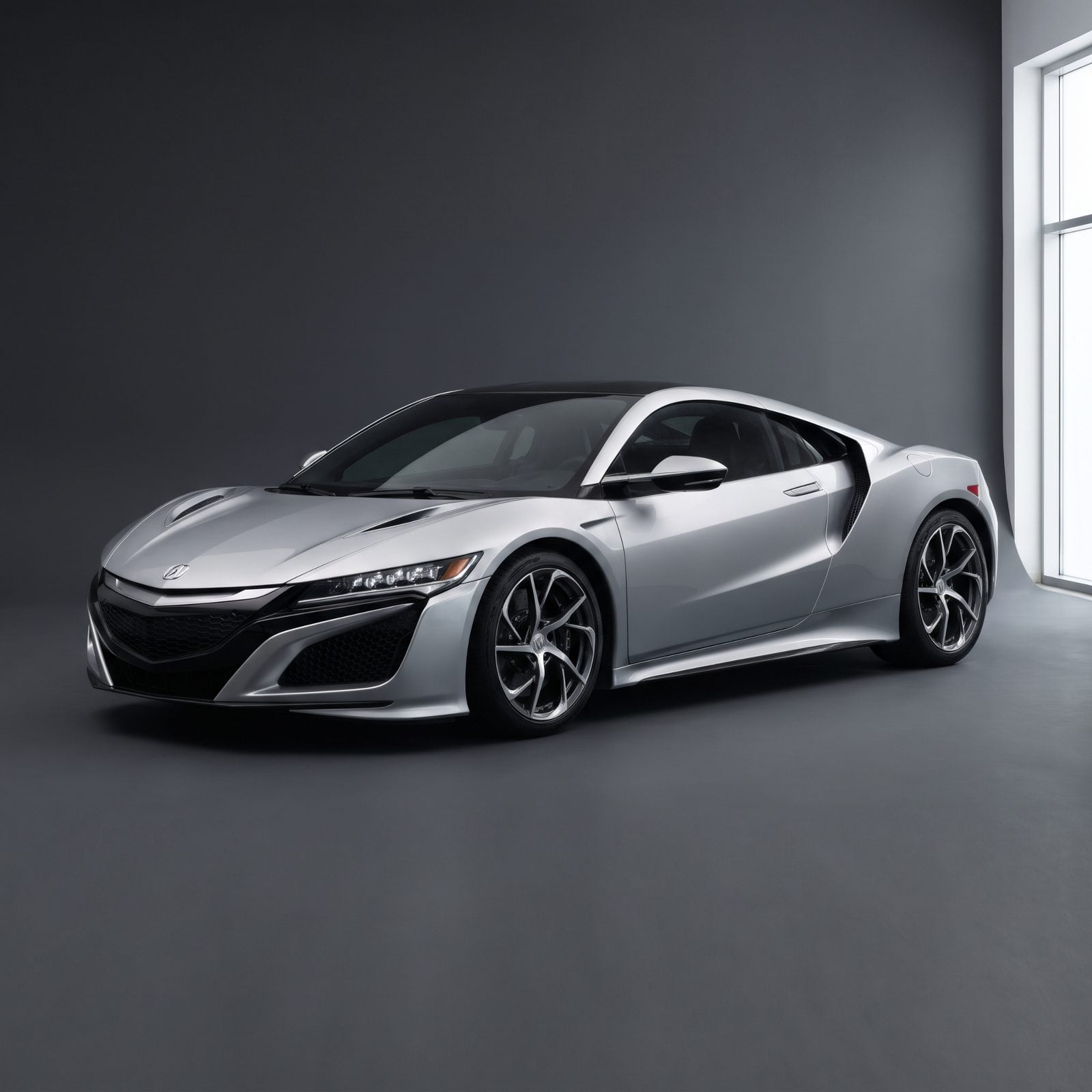
Three electric motors, a twin-turbo V6, a nine-speed dual-clutch, and torque vectoring that could rotate the car around a corner like it was on a pivot. Honda spent years and a fortune building a hybrid supercar that could run with machines costing twice as much.
Nobody lined up. Dealers sat on inventory. The folks who wanted a $160,000 exotic wanted a badge with more drama on the fender, and the faithful who loved the first NSX found this one too clinical, too heavy, too much computer talking between them and the road.
Brilliant and ignored. That’s a lonely combination, and this car wore it the whole time it was for sale.
2014, 2024 Jaguar F-Type: One of the Prettiest Shapes of Its Decade
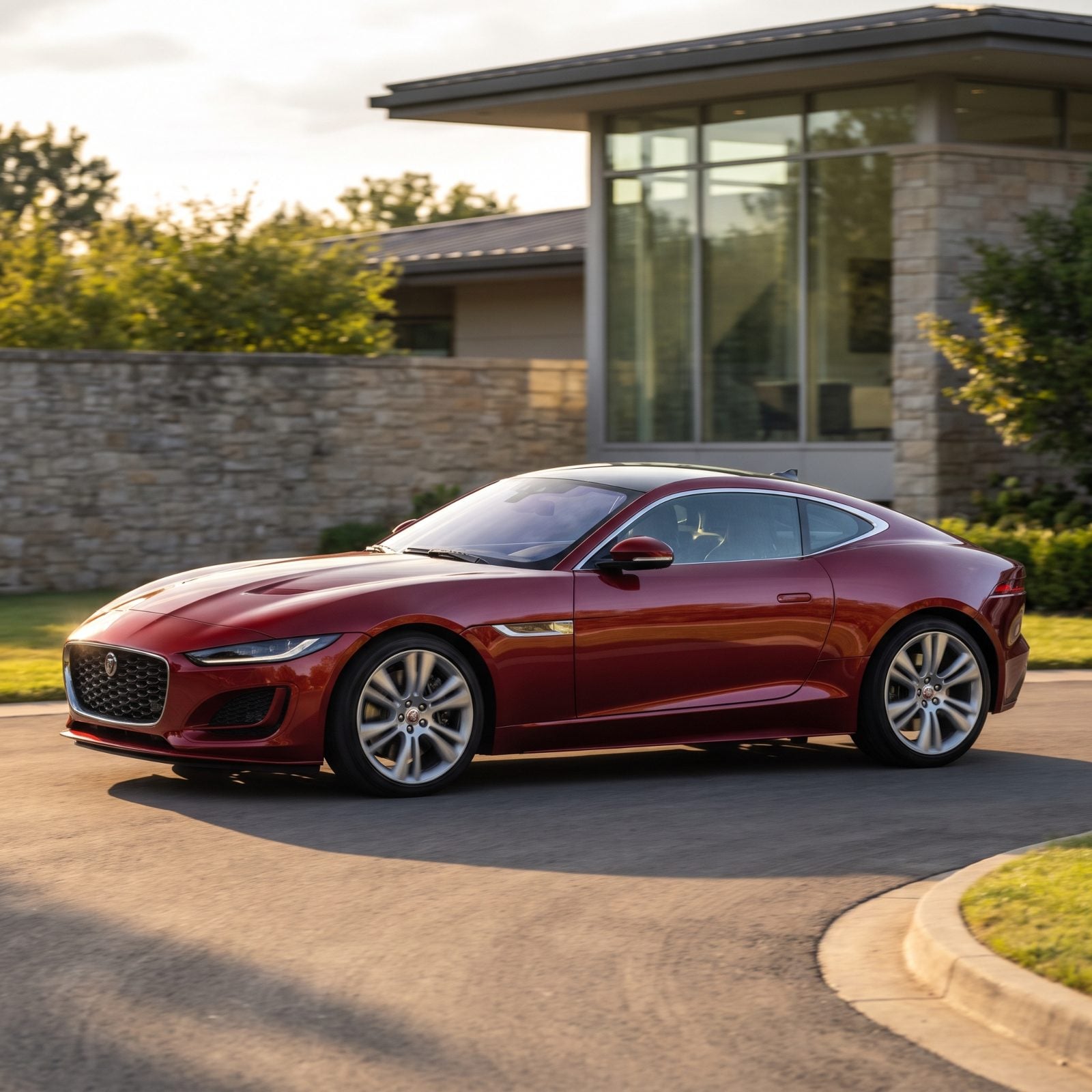
Design chief Ian Callum gave the F-Type a shape people genuinely loved: long hood, taut rear, a face that looked like it was already moving before you turned the key. Bolt on a supercharged V8 with an exhaust that cracked and popped like gunfire, and you had a car reviewers adored.
Sales never matched the praise. Porsche’s 911 sat right there, newer and sharper every single year, and buyers trusted its resale. The Jaguar’s cabin lagged, its reliability reputation nagged at people, and the badge no longer carried the pull it once did back when a leaping cat meant something on a driveway.
A car this good-looking should have been everywhere. Instead you’d go weeks without spotting one in traffic.
What Our Readers Say
- In our heart vs thumbs-down votes, sports car photos got hearts 80% of the time, compared with 70% for the other images in the same articles.
From Jalopy Talk reader polls and votes.
1997, 2002 Plymouth Prowler: Hot-Rod Looks, No Hot-Rod Under the Hood
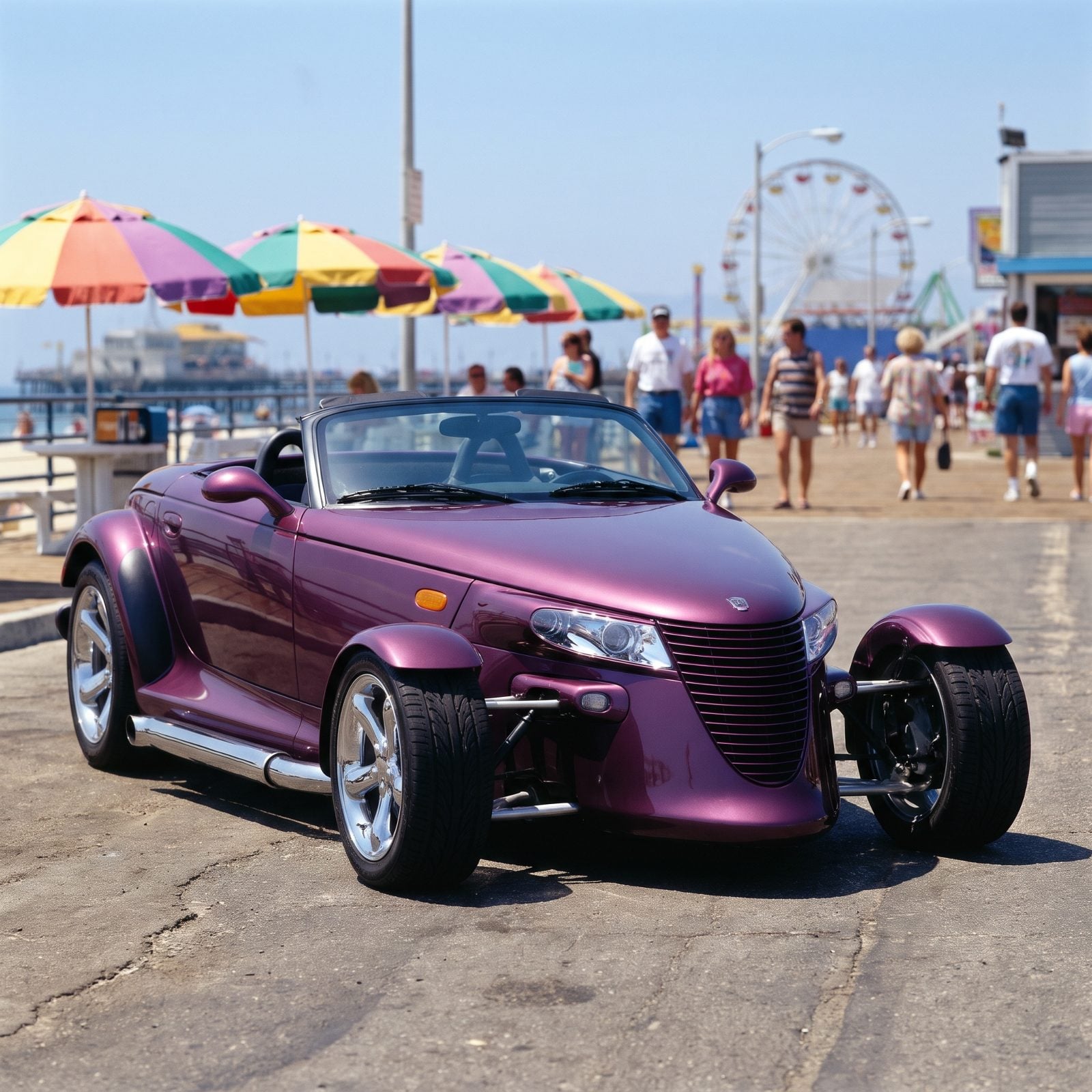
It looked like a street rod someone built in a dream and parked on a dealer lot.
Open front wheels, raked windshield, that pointed purple nose. The Prowler was the boldest factory design of its era, a genuine production hot rod from a company better known for minivans.
Then you opened the door and found a V6. Chrysler’s 3.5-liter made respectable numbers, but a hot rod with no V8 is a tuxedo with sneakers. The crowd that wanted the look wanted the rumble, and the Prowler couldn’t deliver it. An automatic-only transaxle didn’t help the pitch one bit.
Only a small run ever sold across its life. People admired it in the parking lot, then bought something that sounded the part.
1967, 1970 Toyota 2000GT: Japan’s Masterpiece That Almost Nobody Bought
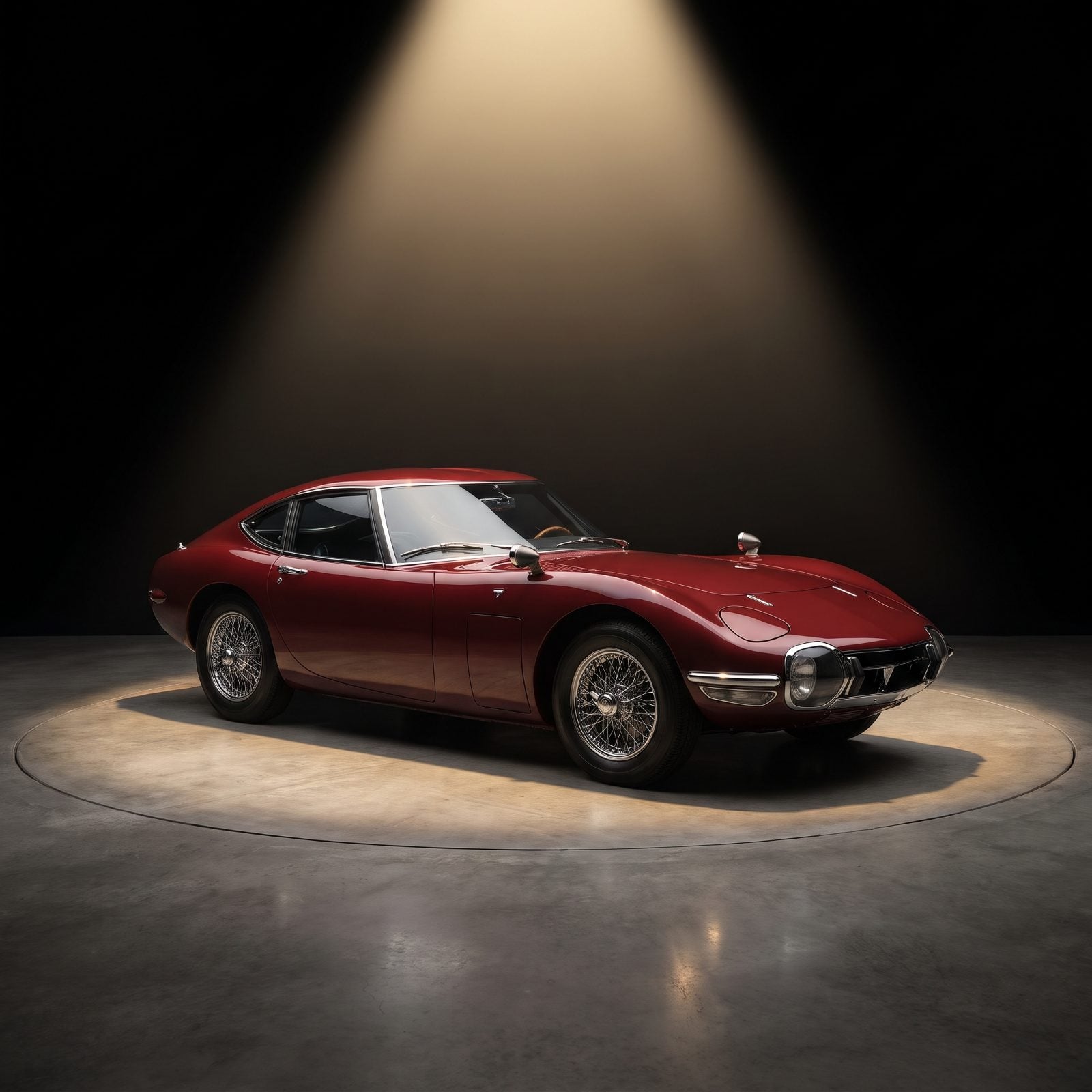
Set this beside a Jaguar E-Type and the 2000GT holds its own. Yamaha hand-built the twin-cam six, the body curves like it was drawn by someone in love, and the whole thing wore a level of craft nobody expected out of Toyota in 1967.
It cost more than a Porsche 911. In America, a Toyota at that price was a bridge too far for the time, and Toyota built only about 351 of them across the entire run.
That rarity is now its superpower. Clean examples cross auction blocks past a million dollars. When it was new, showroom traffic walked right past it.
As a master restorer puts it, “The 2000GT still stands out as something special to me as I’m part of the supercar generation”
Our readers have a soft spot for the period too: photos that look like the 1960s got more hearts than the other images in the same articles, 87% versus 80%.
2013, 2017 Dodge Viper: The Final Generation Buyers Quietly Let Slip Away
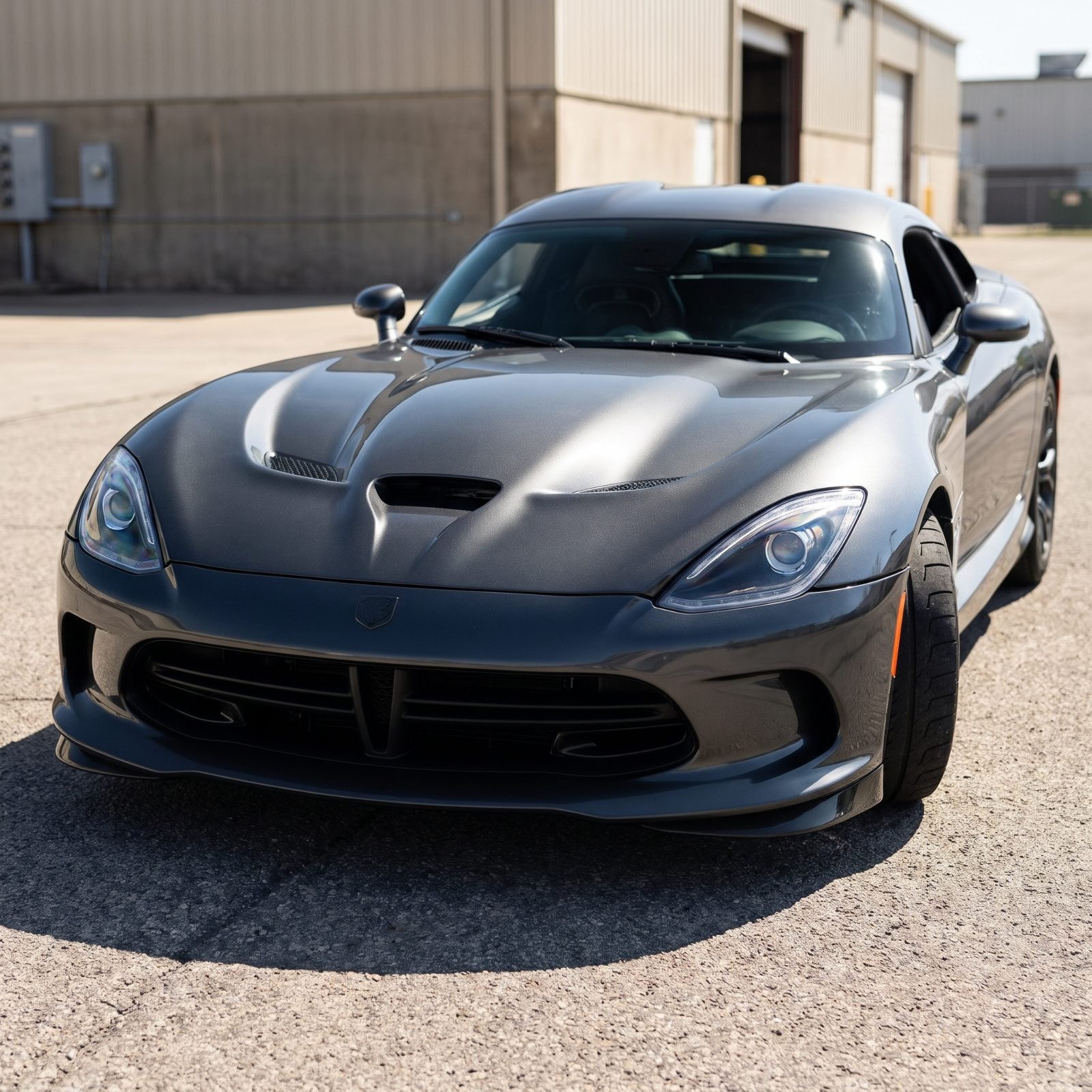
An 8.4-liter V10. No turbos, no hybrid tricks, just displacement, a manual gearbox, and a hood that went on forever. The fifth-generation Viper was the most refined one Dodge ever built, and it was still a snake that would bite you if you got careless with your right foot.
Sales sagged. The Corvette offered more car for far less money, the Viper’s price had crept up while its audience thinned out, and Dodge cut the sticker dramatically to move the metal. Still it struggled.
In 2017 the plant closed and the Viper was gone for good. A pure American V10 sports car, and we let it die by not showing up to buy it. That still stings.
1993, 1995 Mazda RX-7: A Rotary Jewel Shoppers Decided Was Too Expensive
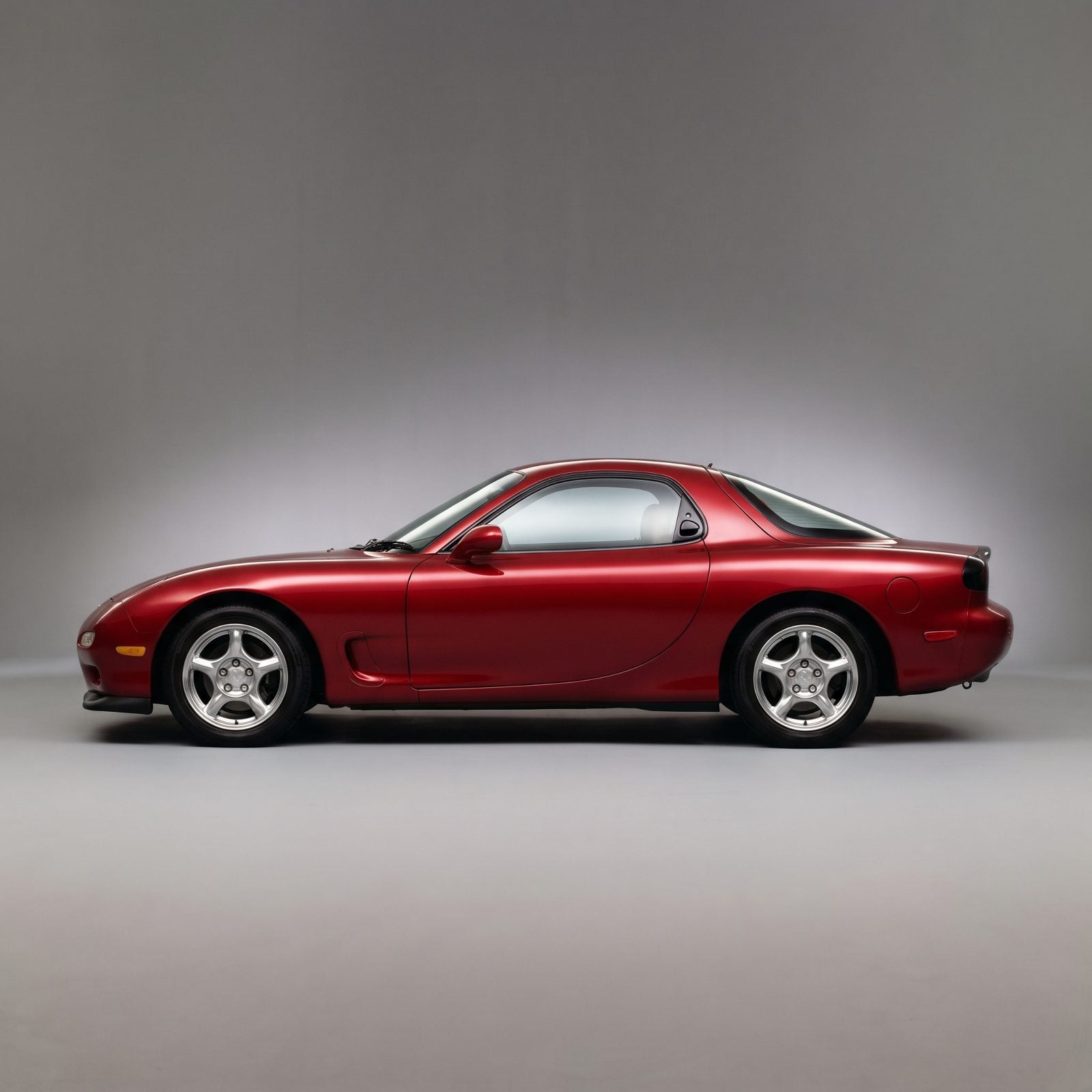
Twin sequential turbos on a tiny rotary engine, wrapped in one of the cleanest shapes ever to leave Hiroshima.
The FD RX-7 was a lightweight, balanced, almost delicate sports car that handled like it weighed nothing at all. Reviewers ran clean out of superlatives trying to describe what it did in a corner.
American buyers balked at the price. Past $30,000 for a small two-seat Mazda, with a rotary that demanded careful attention and drank oil by design, was a tough ask when a 300ZX or a Corvette sat on the same street. Mazda pulled it from the US after 1995.
The ones that survived, kept honest and unabused, now command real money. Back then they discounted and sat.
Describing the sequential-turbo plumbing, a longtime FD owner who bought his car new in 1994 says “I replaced all 67 of the vacuum hoses with (synthetic rubber) Viton hoses”
1963, 1964 Studebaker Avanti: America Wasn’t Ready for a Shape This Bold
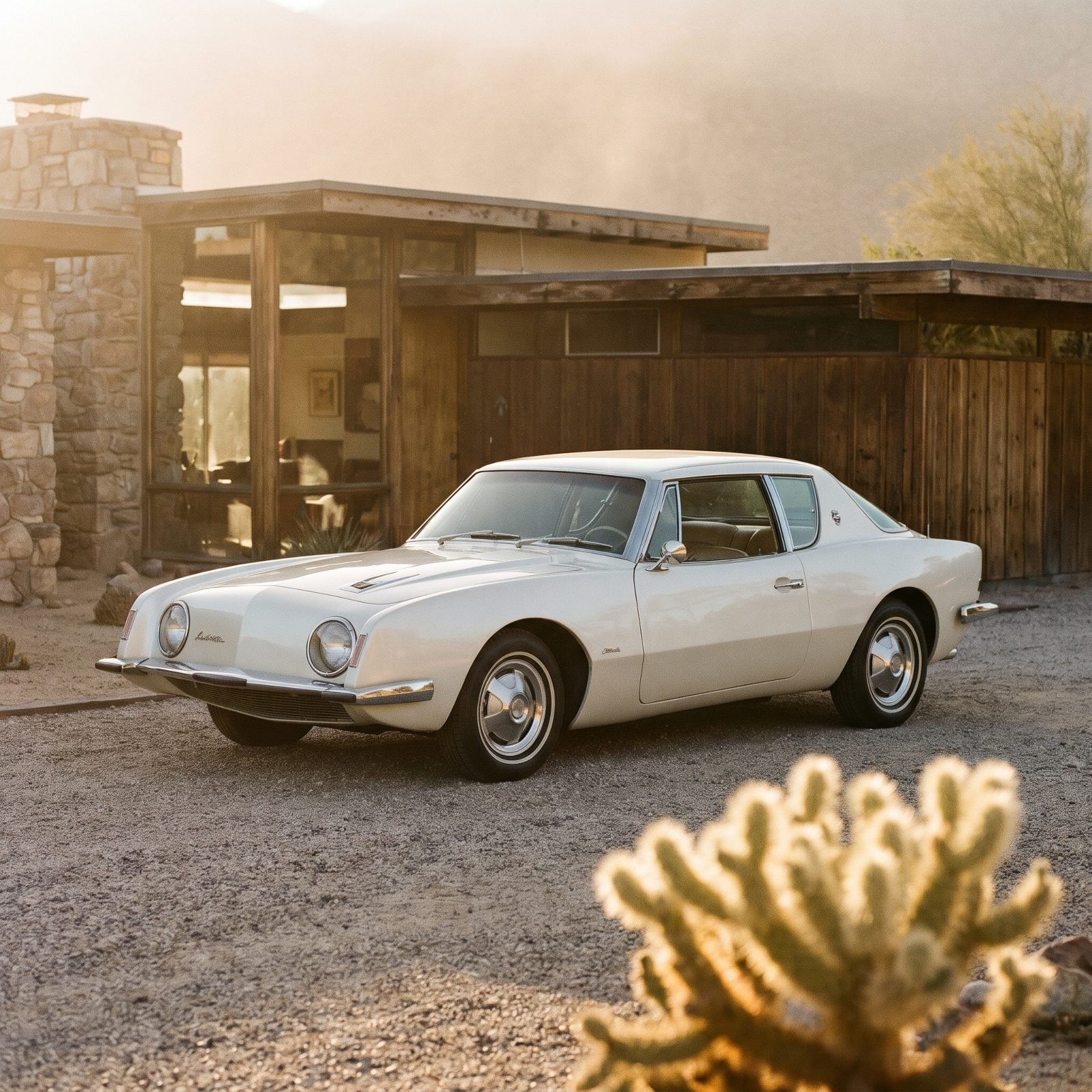
Raymond Loewy’s team penned the Avanti in a rented house out in the California desert, working in secret. What came out had no grille, a wedge nose, and a fiberglass body that looked like it had landed from a decade that hadn’t happened yet.
Studebaker was dying and the Avanti was supposed to be the rescue. It couldn’t be. Fiberglass supply problems delayed production, buyers had already lost faith in the brand, and the shape that looks forward-thinking now simply read as strange back then.
Fewer than 6,000 left the factory before Studebaker folded. The design was so good that independent builders kept making the Avanti by hand for decades after the parent company vanished.
2015, 2020 Alfa Romeo 4C: Exotic Carbon-Tub Looks, Almost No Sales
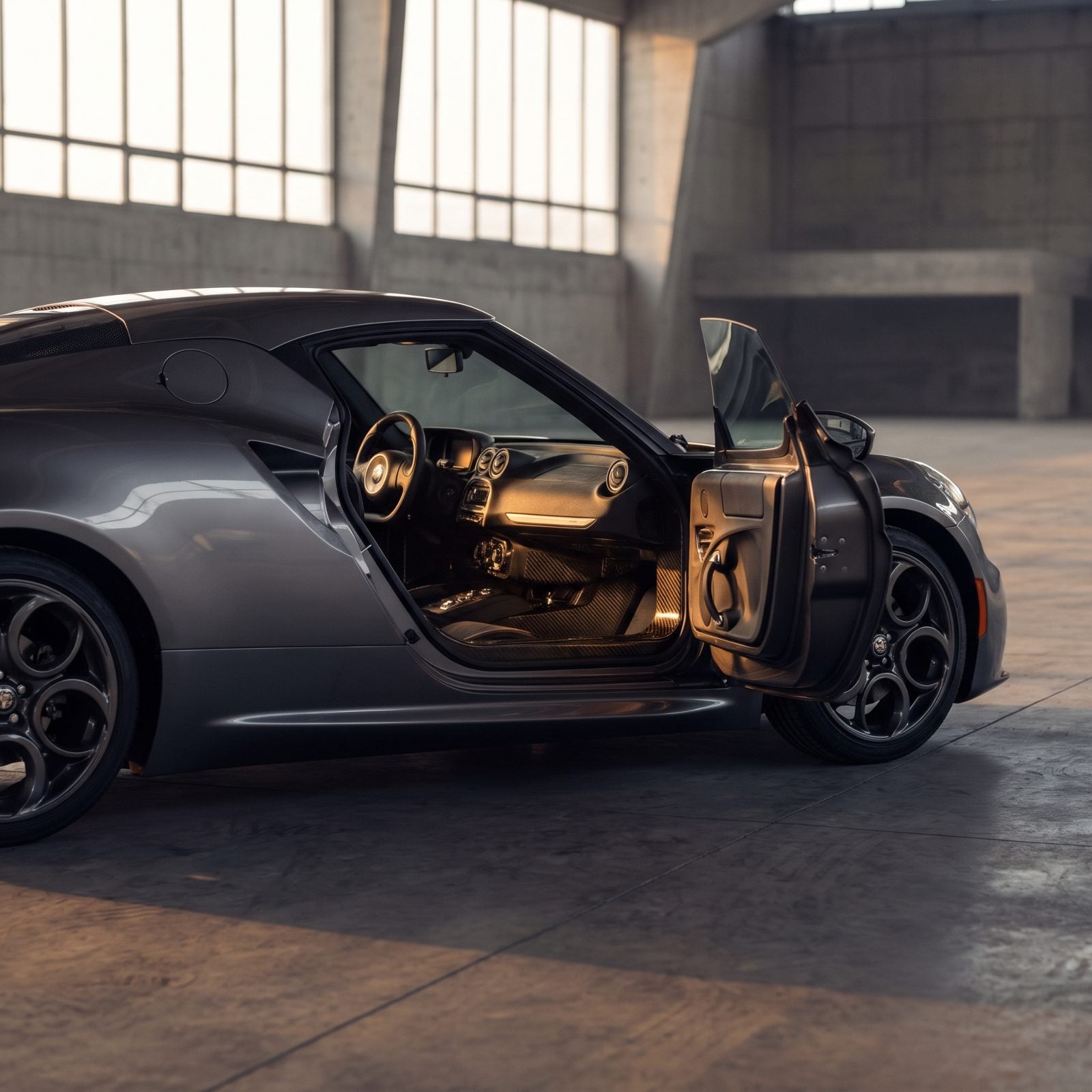
A carbon-fiber tub, a mid-mounted turbo four, under 2,500 pounds, and a shape that looked like it should cost three times its price. Alfa Romeo used the little 4C to announce their return to America.
It was a hard car to live with. No power steering, so it darted and tramlined over every road seam, and the cabin was cramped, the ride stiff, the automated gearbox clutch-happy in the worst spots. Fun on the right road. Punishing everywhere else.
Alfa sold just a trickle each year before quietly retiring it. The looks pulled people in; the experience sent most of them right back out the door.
That’s the thread running through every car here. Praise is free. A signature on the sales contract is the only review that keeps a car alive.
2004, 2009 Cadillac XLR: A Corvette in a Tuxedo Nobody RSVP’d To
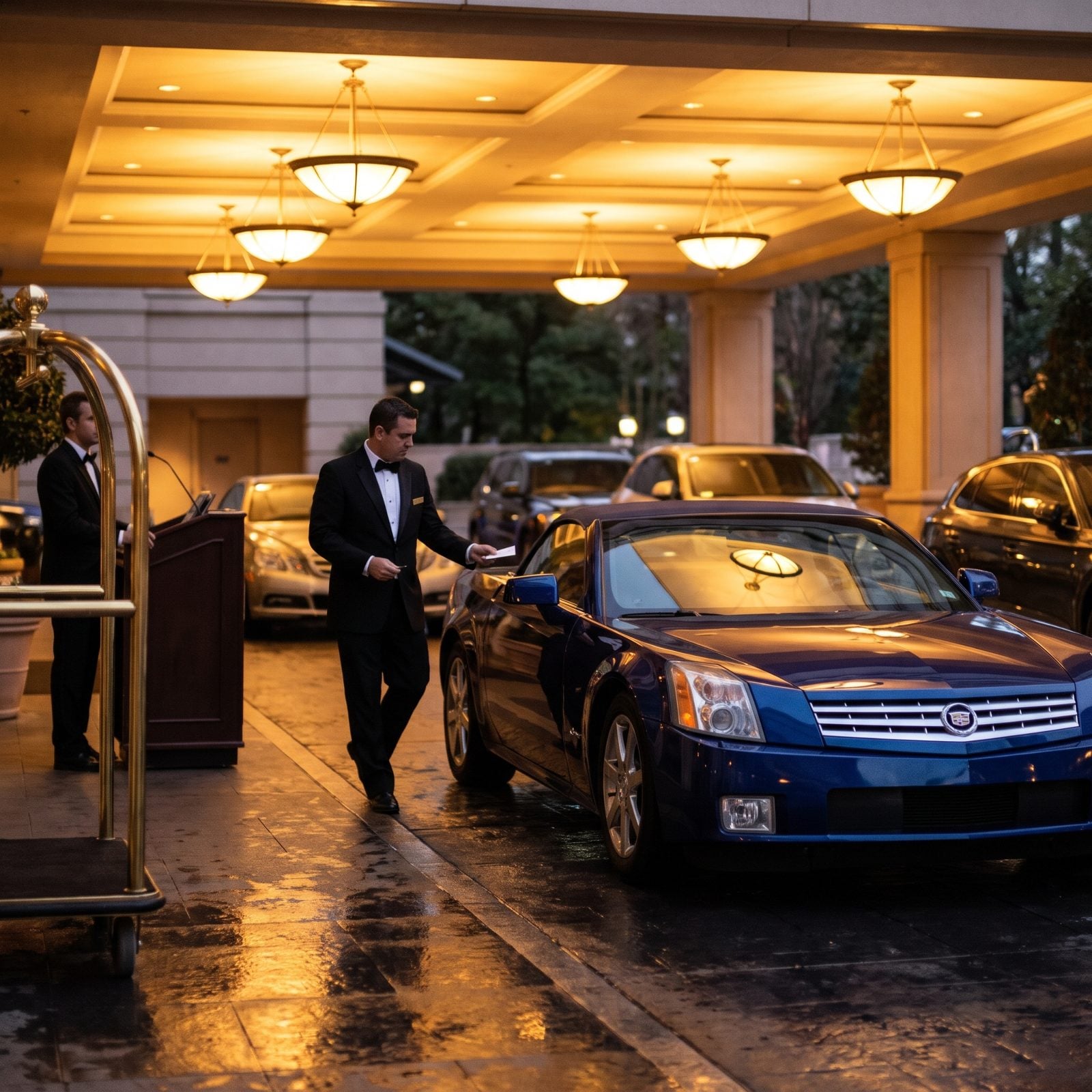
Cadillac built a Corvette for people who wore cufflinks.
The XLR shared its bones with the C6 Corvette but wrapped them in sharp creased sheetmetal, a Bulgari instrument cluster, and a hardtop that folded away at the push of a button. On paper it should have printed money.
It didn’t. Shoppers who wanted a folding-hardtop luxury roadster already knew the badge for that job was a Mercedes SL, and the XLR charged SL money without an ounce of the SL history. Corvette loyalists looked at the sticker and bought two Corvettes instead. Stuck between two crowds, it sold in a trickle and slipped quietly off the price list.
Here’s the funny part. It has aged far better than it sold. Park one today and people walk up asking what it is. That question is exactly why it died.
1989, 1995 Lotus Elan M100: The Front-Wheel-Drive Lotus Purists Pretended Not to See
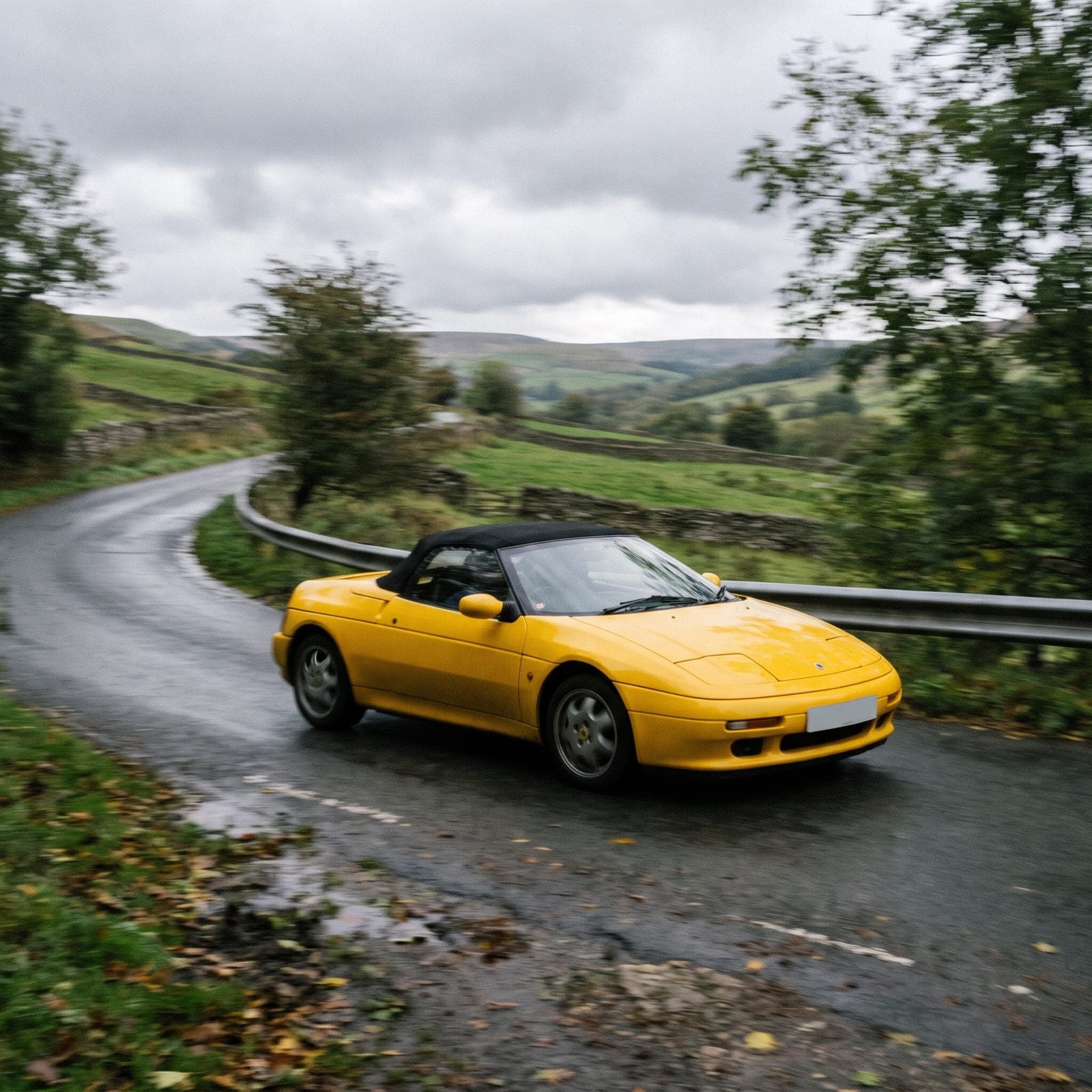
Here’s the heresy: the M100 Elan drove its front wheels, and the Lotus faithful treated that like treason.
The thing is, it worked. Reviewers who actually got behind the wheel came back raving about one of the finest-handling front-drivers ever made, steering so clean you forgot the layout entirely. Lotus beat the torque-steer problem with a clever raft-mounted subframe and simply out-engineered the whole objection.
Timing killed it. It launched straight into the Mazda Miata’s shadow, cost a good deal more, and the Miata handed buyers rear-drive simplicity for less. They took the cheaper, simpler car. And so the Elan became the brilliant Lotus almost nobody remembers.
2009, 2021 Lotus Evora: The Grown-Up Lotus That Stayed Invisible
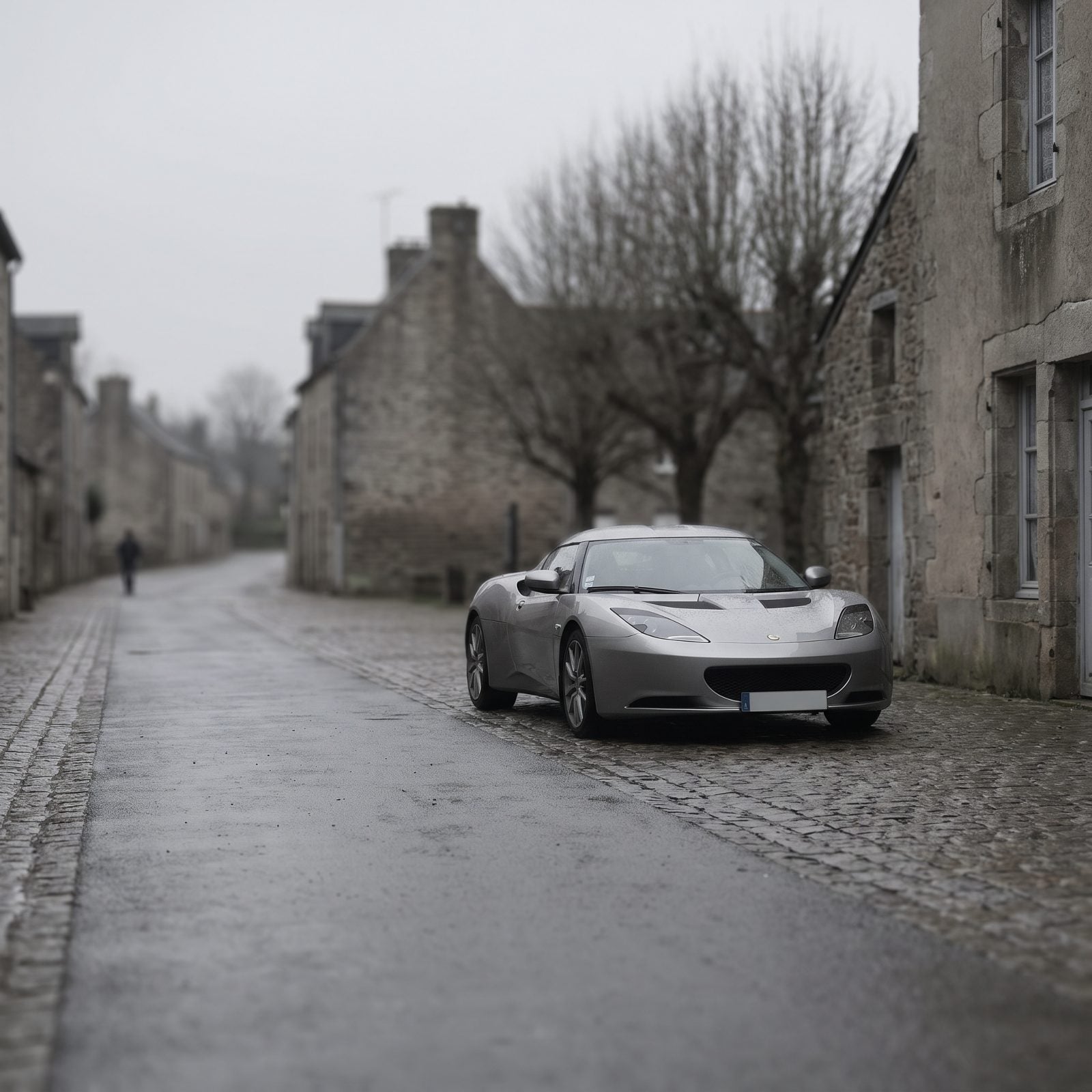
Lotus finally built a car you could live with, and the reward was near silence.
The Evora had a usable cabin, optional rear seats, a supercharged Toyota-sourced V6 that refused to break, and all the chassis magic Lotus was famous for. Reviewers adored driving it. Here was the Lotus for people with kids and a commute who still wanted the steering to talk back.
Lotus had almost no dealer network, no marketing budget to speak of, and a Porsche Cayman parked in every showroom it couldn’t beat on price or convenience. So the Evora nailed every objective test and still couldn’t get noticed. Easily the most overlooked driver’s car of its era.
1968, 1970 AMC AMX: A Two-Seat Muscle Car That Asked Too Much of the 60s
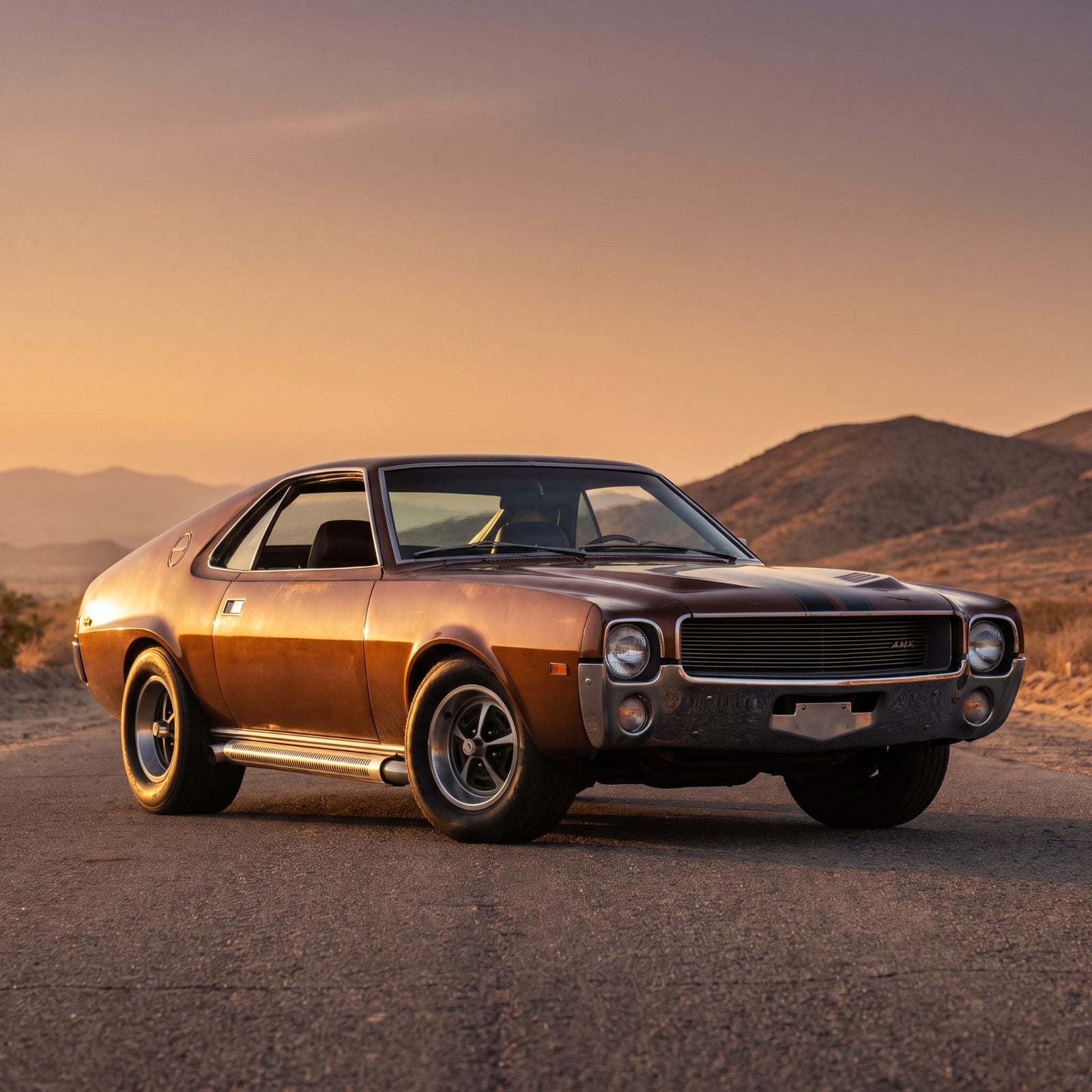
AMC did something no other muscle maker dared to try. It chopped a foot out of the Javelin and built a genuine two-seat American sports car with a big V8 up front.
You could order the AMX with a 390. It set speed records with Craig Breedlove behind the wheel and it handled better than most of the big iron around it. Road testers respected the thing.
But America in 1968 wanted its muscle with a back seat. A GTO or a Chevelle hauled four people and still smoked the tires, while the AMX asked buyers to give up two seats for the privilege. Most wouldn’t. After three short years AMC folded the two-seater back into the Javelin. A bold idea that showed up before the market was ready for it.
Today, Jalopy Talk readers give muscle car photos hearts 86% of the time, a bit more than the 80% for the other images in the same articles.
2005, 2006 Chrysler Crossfire SRT-6: AMG Muscle Hiding Behind a Chrysler Badge
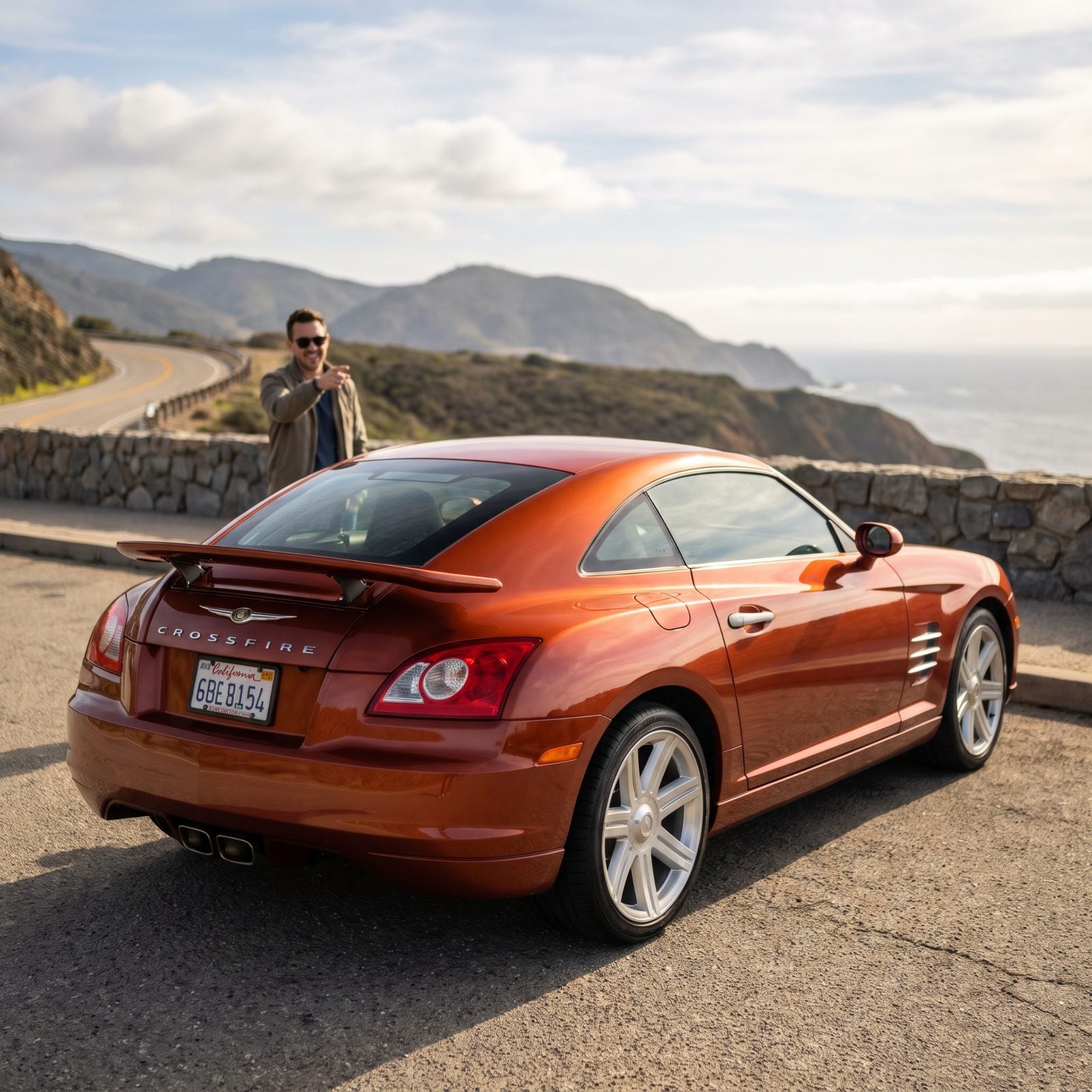
Peel back the odd boat-tail bodywork and the Crossfire was a Mercedes SLK underneath, built on the old-generation platform after the DaimlerChrysler merger. The SRT-6 version went further and borrowed the supercharged AMG V6, good for 330 horsepower.
So here was genuine AMG performance in a car costing far less than anything wearing a three-pointed star. The press clocked the value. Buyers clocked the Chrysler badge and that love-it-or-hate-it styling, and walked.
The SRT-6 lasted barely two model years. AMG hardware for Chrysler money, and almost nobody took the deal.
2006, 2008 BMW Z4 M Coupe: The Rarer, Stranger Follow-Up to the Clown Shoe
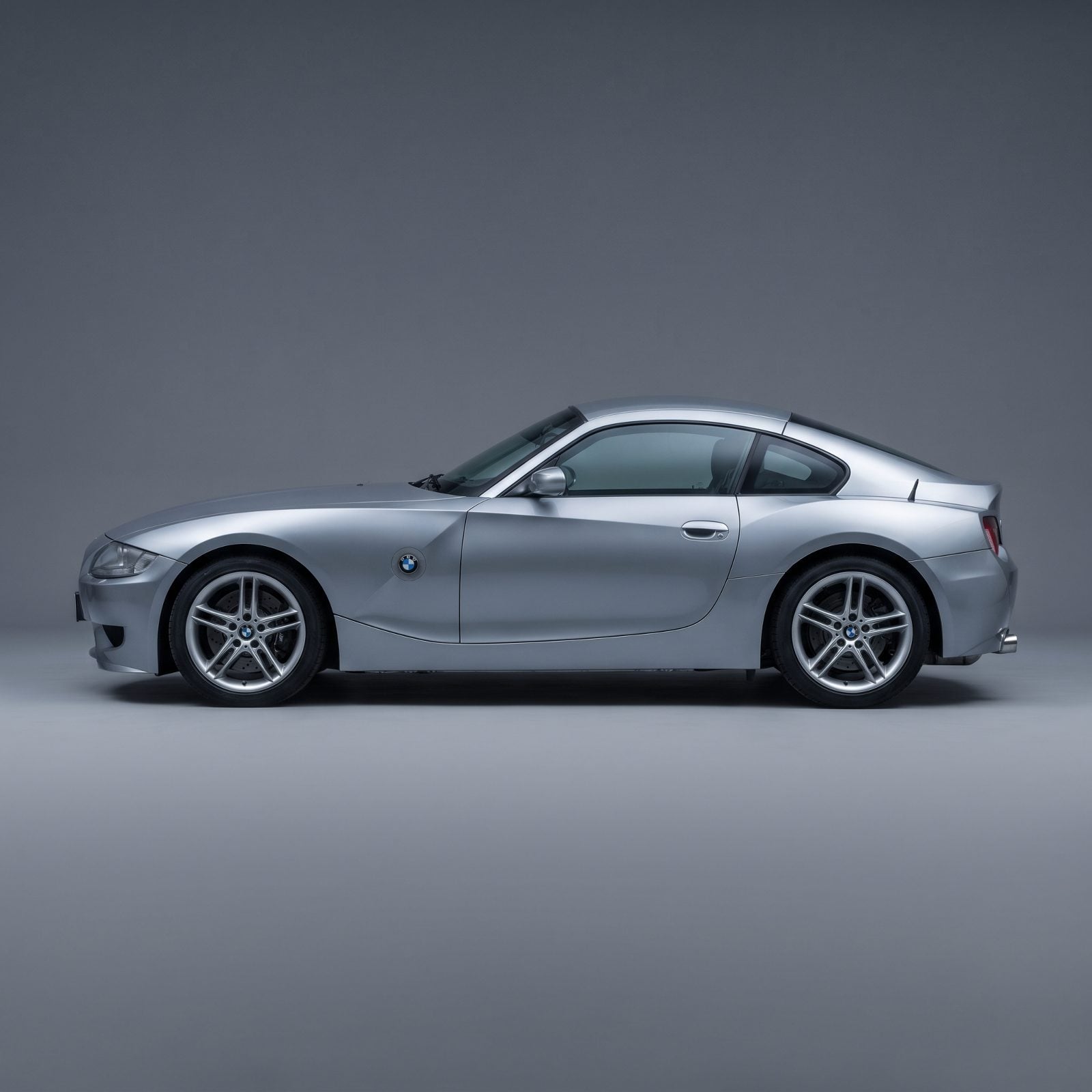
Everyone remembers the Z3 M Coupe, the one they called the clown shoe. Fewer remember its successor existed at all.
The Z4 M Coupe took the same shooting-brake idea and dropped in the screaming 3.2-liter inline-six from the E46 M3, one of BMW’s all-time great engines. Wrapped in a tiny, rigid coupe body, it turned into a seriously good driver’s car.
It also inherited BMW’s divisive flame-surface styling, cost real money, and landed in a niche only a handful of buyers ever understood. Production ran about two years, in small numbers.
The irony is sharp. The first clown shoe got the fame. The second one is rarer, faster, and arguably better, and it slipped out the door while everyone was still laughing at the first.
2000, 2005 Toyota MR2 Spyder: A Mid-Engine Bargain With Nowhere to Put Your Bags
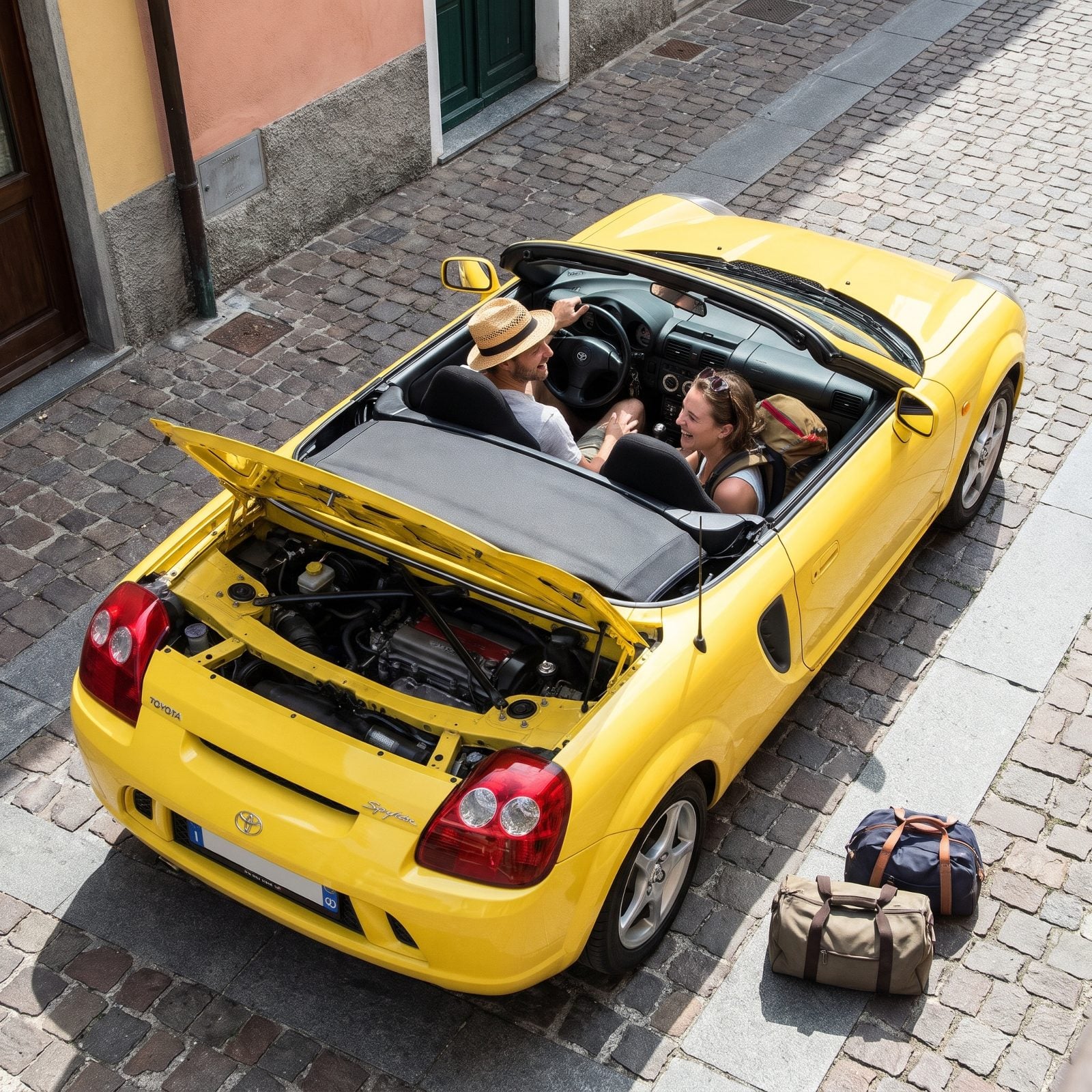
Mid-engine layout, under 2,200 pounds, a willing little four-cylinder, and steering reviewers compared to a proper exotic. The MR2 Spyder was an honest lightweight sports car at an economy-car price.
And it had one glaring flaw. With the engine sitting behind the seats, there was essentially no trunk, so a weekend away meant a duffel on the passenger seat or nothing at all. For a car built to be a top-down tourer, that was a tough sell.
Buyers who needed a single do-everything car couldn’t justify it. The Miata handed them a trunk and more dealer support, and it ran away with the sales fight. The MR2 Spyder quietly bowed out in 2005, a brilliant driver’s car undone by the one thing nobody could ignore. Practicality always beats purity at the dealership.
1974, 1975 Bricklin SV-1: Gullwing Dreams That Reality Wouldn’t Fund
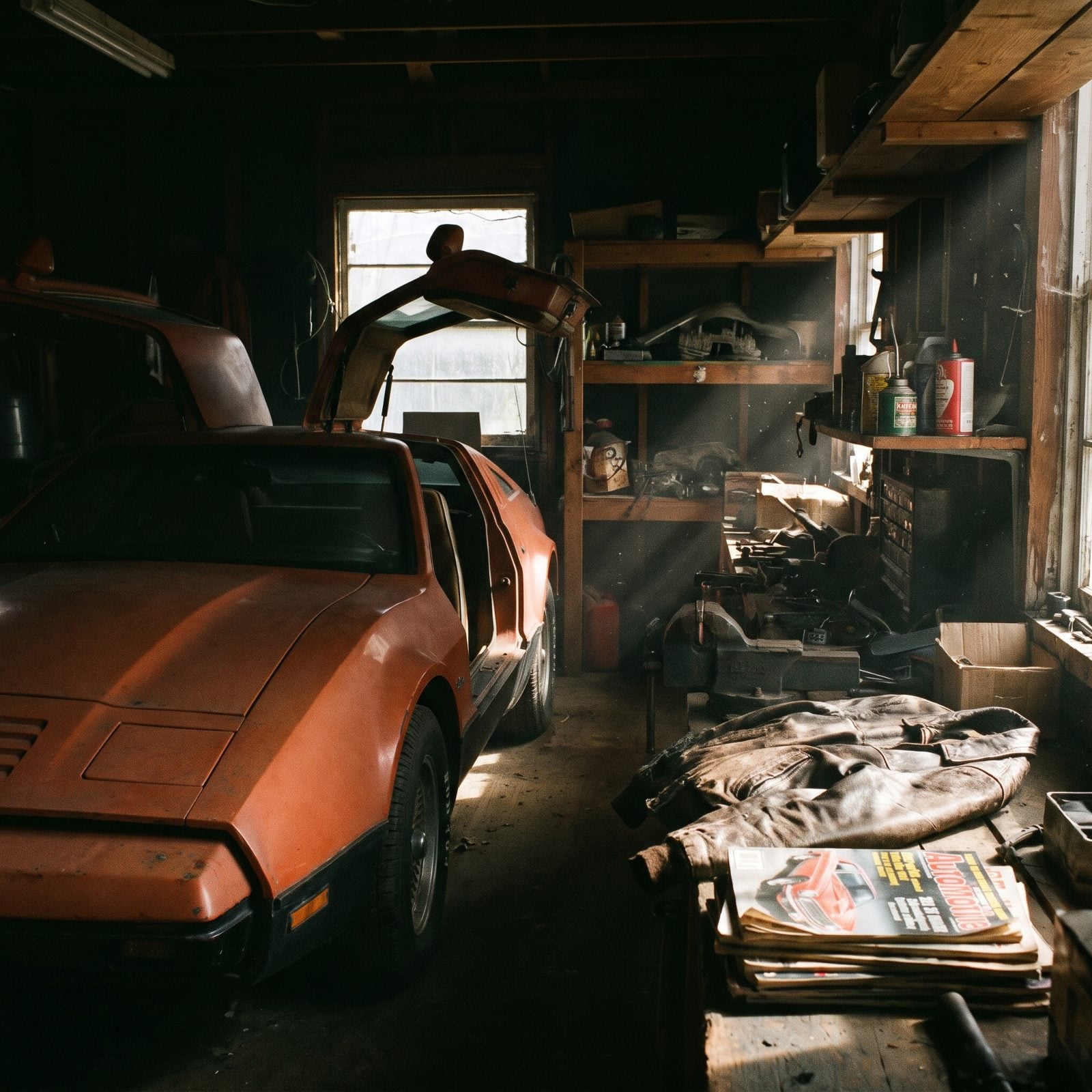
Malcolm Bricklin set out to build the safest sports car in America, and he gave it gullwing doors years before the DeLorean made them famous. The SV-1 came in bright safety colors molded right into the acrylic-and-fiberglass body, integrated bumpers, and no ashtray option, because Bricklin figured smoking behind the wheel was dangerous.
The vision was real. The execution fought him the whole way. Those power doors were slow and heavy, the build quality was rough, and the New Brunswick factory burned through government money faster than it turned out cars.
A bold, safety-first sports car with gullwing ambition, dragged down by the dull gravity of cost. Sometimes the dream is the easy part.
1990, 1996 Nissan 300ZX Twin Turbo: Too Sophisticated for Its Own Price Tag
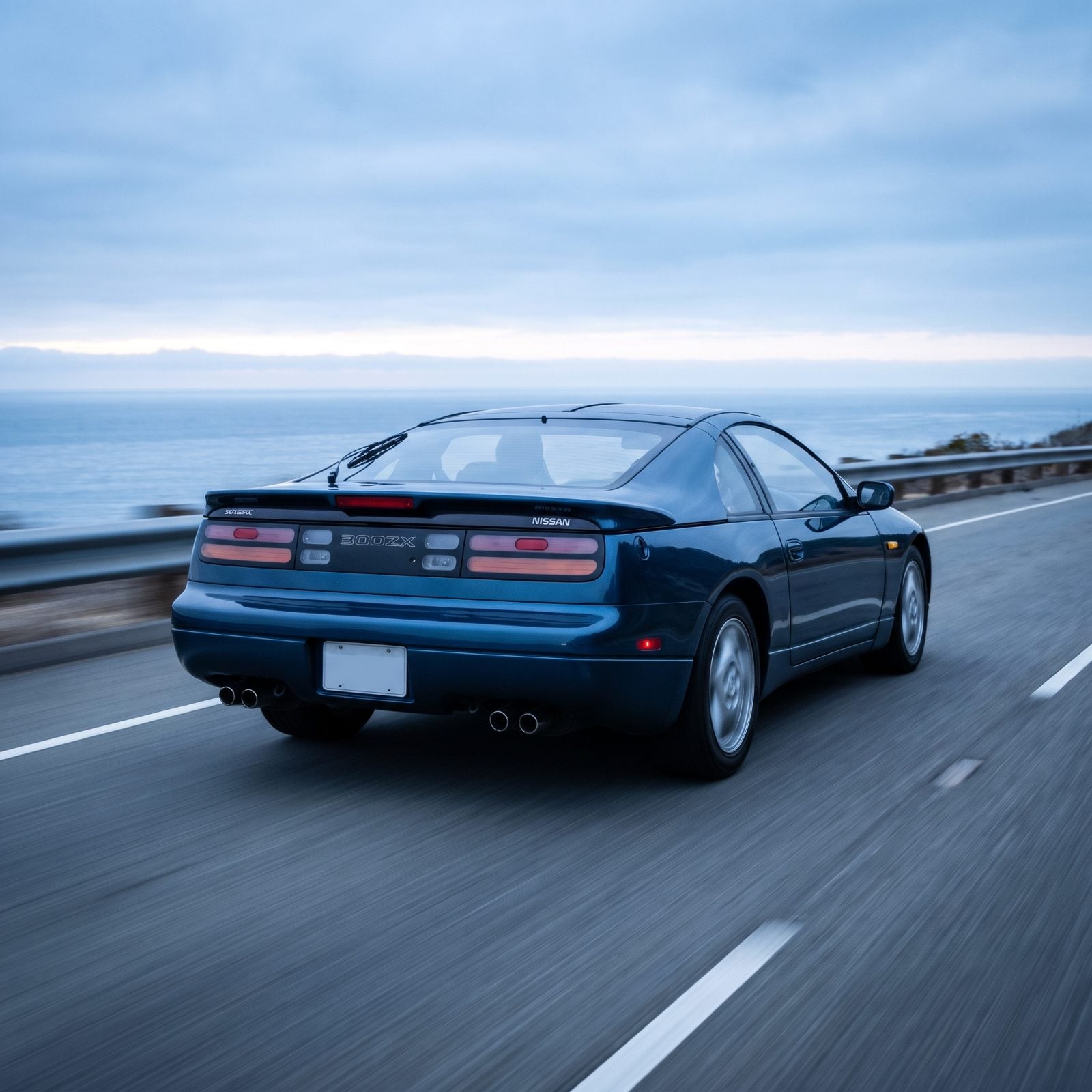
You could hear the twin turbos spool and then feel the whole car gather itself and go. The Z32 300ZX came out swinging with 300 horsepower, four-wheel steering, and a body so clean it still looks modern parked next to things built twenty years later.
And almost nobody bought the Twin Turbo. Sticker price climbed past 40 grand by the mid-90s, which dropped a Japanese sports car into the same room as the German establishment, and buyers flinched. The yen didn’t help.
Nissan built a genuine supercar-chaser, then watched it sit. The ones that sold went to people who actually understood what they had. Everyone else was busy comparing badges.
2007, 2010 Pontiac Solstice GXP: The Roadster That Vanished With Pontiac
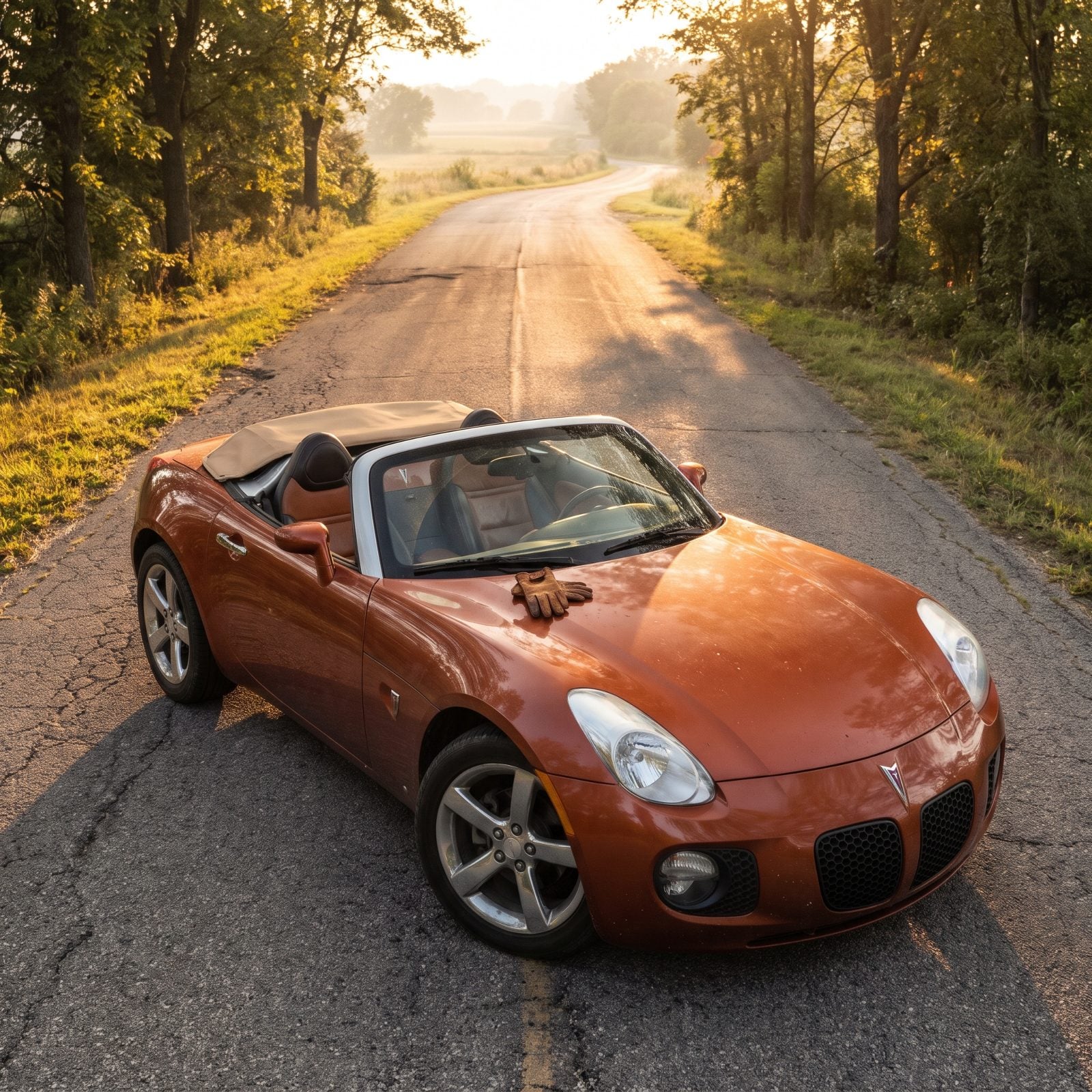
Give General Motors credit. The Solstice GXP had no business being this good.
A turbocharged 2.0 making 260 horsepower, rear-wheel drive, a low curvy body that drew eyes in every parking lot it rolled into. For the money, you got real roadster hardware wrapped in styling that punched way above the window sticker.
Then Pontiac went dark in 2010, and the Solstice went with it. The GXP became a footnote almost overnight. Folks who wanted a cheap thrilling convertible kept defaulting to the Miata, and GM never got the chance to build the following this car deserved.
Best-looking roadster of its decade, if you ask me. Nobody asked me, and apparently nobody bought one either.
2004, 2011 Mazda RX-8: Four Doors and a Rotary Engine Buyers Didn’t Understand
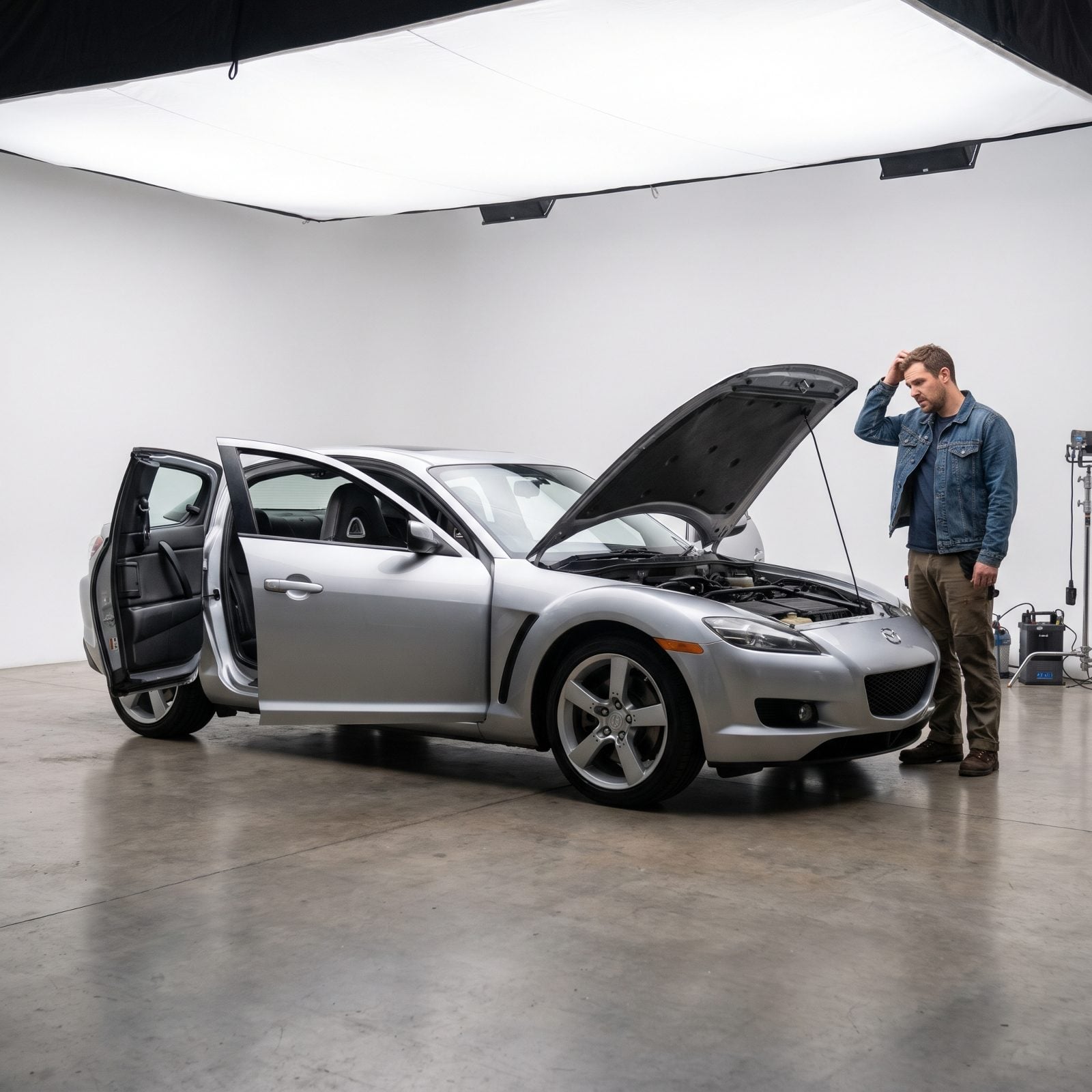
The rotary spun up to nine thousand RPM and made a sound nothing else on the road could match. Mazda gave the RX-8 a tiny high-revving Renesis engine, near-perfect weight balance, and a pair of rear-hinged back doors so you could fit real people in a real sports car.
Buyers didn’t know what to do with it. Too practical to be a pure coupe, too odd to be a sedan, and the rotary scared off anyone who’d heard rotaries ran thirsty and fragile. They were both. It drank oil on purpose and sipped gas like it had somewhere expensive to be.
One longtime rotary owner concedes that the apex seal is a weak link in the rotary engine, and even more so in the RX-8. (via one longtime rotary owner)
2010, 2016 Hyundai Genesis Coupe: A Rear-Drive Bargain Without Badge Prestige
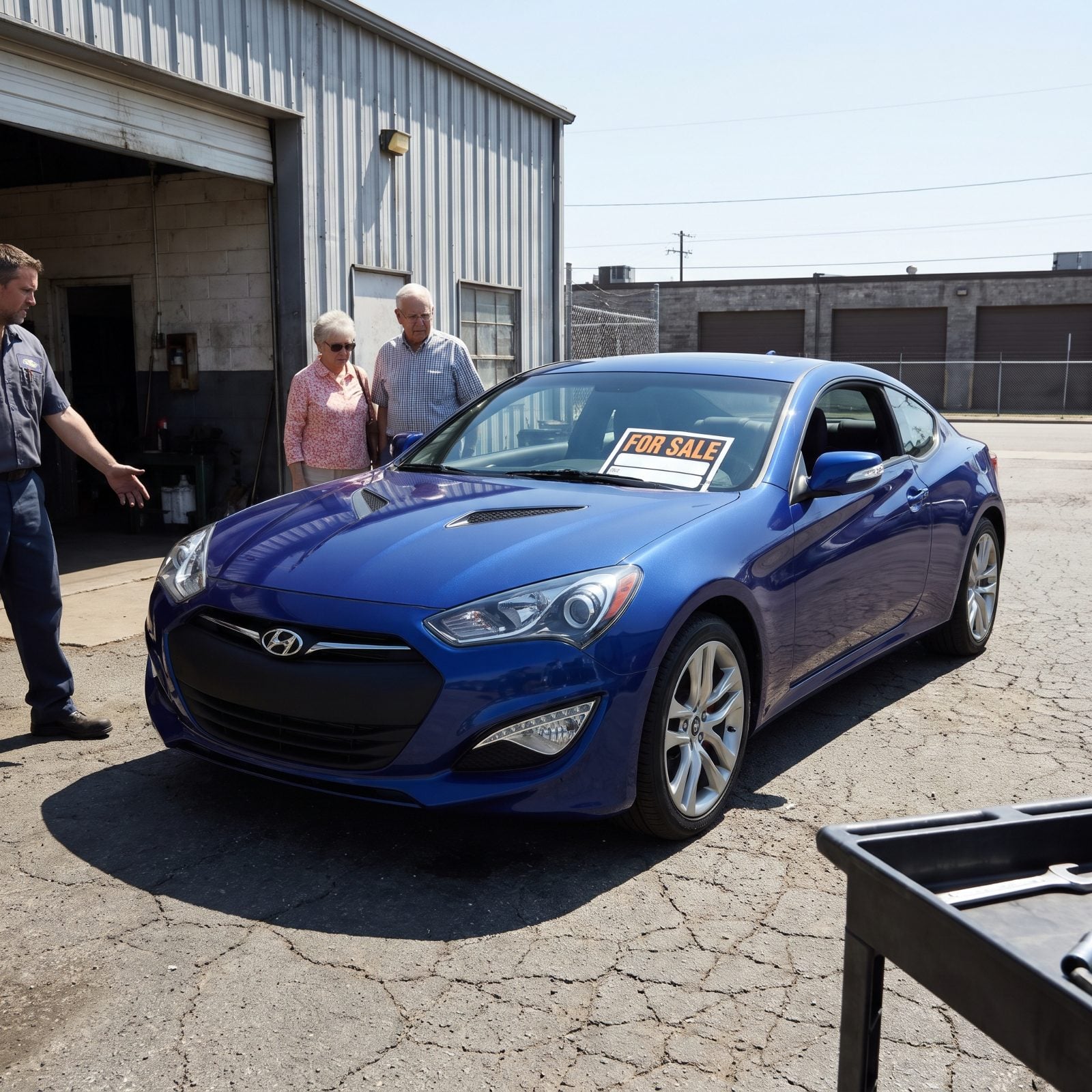
Rear-wheel drive, a long hood, an available 3.8 V6, and a sticker price that undercut everything it lined up against. The Genesis Coupe handed you honest sports-coupe hardware for the money of a loaded commuter car.
The problem lived on the trunk. Back in 2010, nobody had decided yet that Hyundai could build something you’d want on a Sunday back road. Shoppers who cross-shopped a 370Z or a Mustang kept defaulting to the familiar badge, and the Genesis Coupe got passed over by people who never test drove it.
Those who did came away surprised. A proper enthusiast car wearing a logo the enthusiast market hadn’t warmed to yet.
2012, 2013 Audi TT RS: Five-Cylinder Performance With Few American Takers
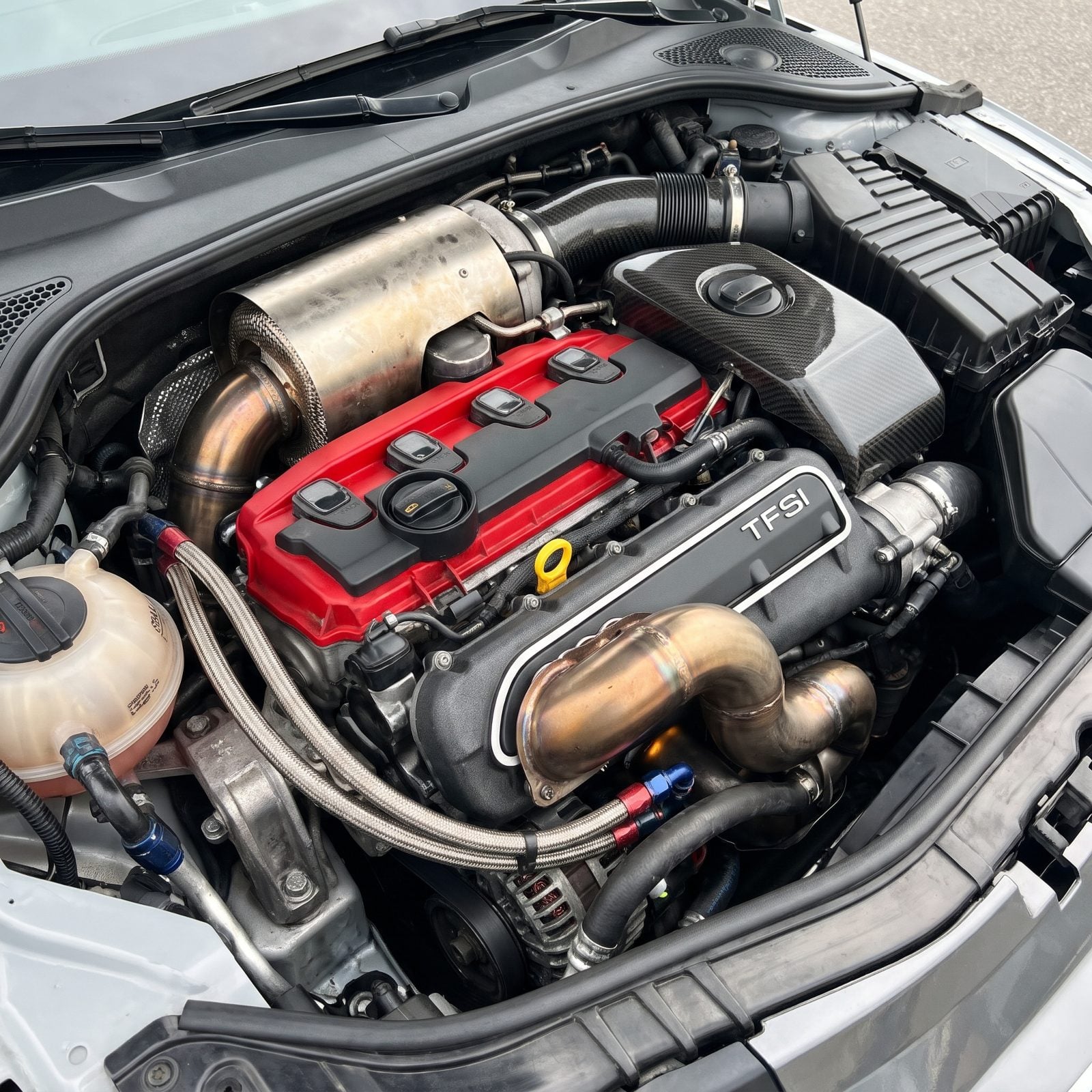
That engine. A turbocharged inline-five with a snarl no four-cylinder can fake, making 360 horsepower and dragging the little TT RS down a straight like it had something to prove.
Audi finally brought the hottest TT to America after years of enthusiasts begging for it, and it came with quattro, a proper manual, and a soundtrack straight out of an 80s rally stage. Then almost nobody signed the paperwork.
The price was steep for a compact coupe, and the market that wanted this much performance kept gravitating toward cars with back seats and badges that bragged louder. Audi sold a modest handful and quietly moved on. The five-cylinder noise alone should’ve sold more.
1980, 1981 Triumph TR8: The V8 Roadster That Arrived as Triumph Retreated
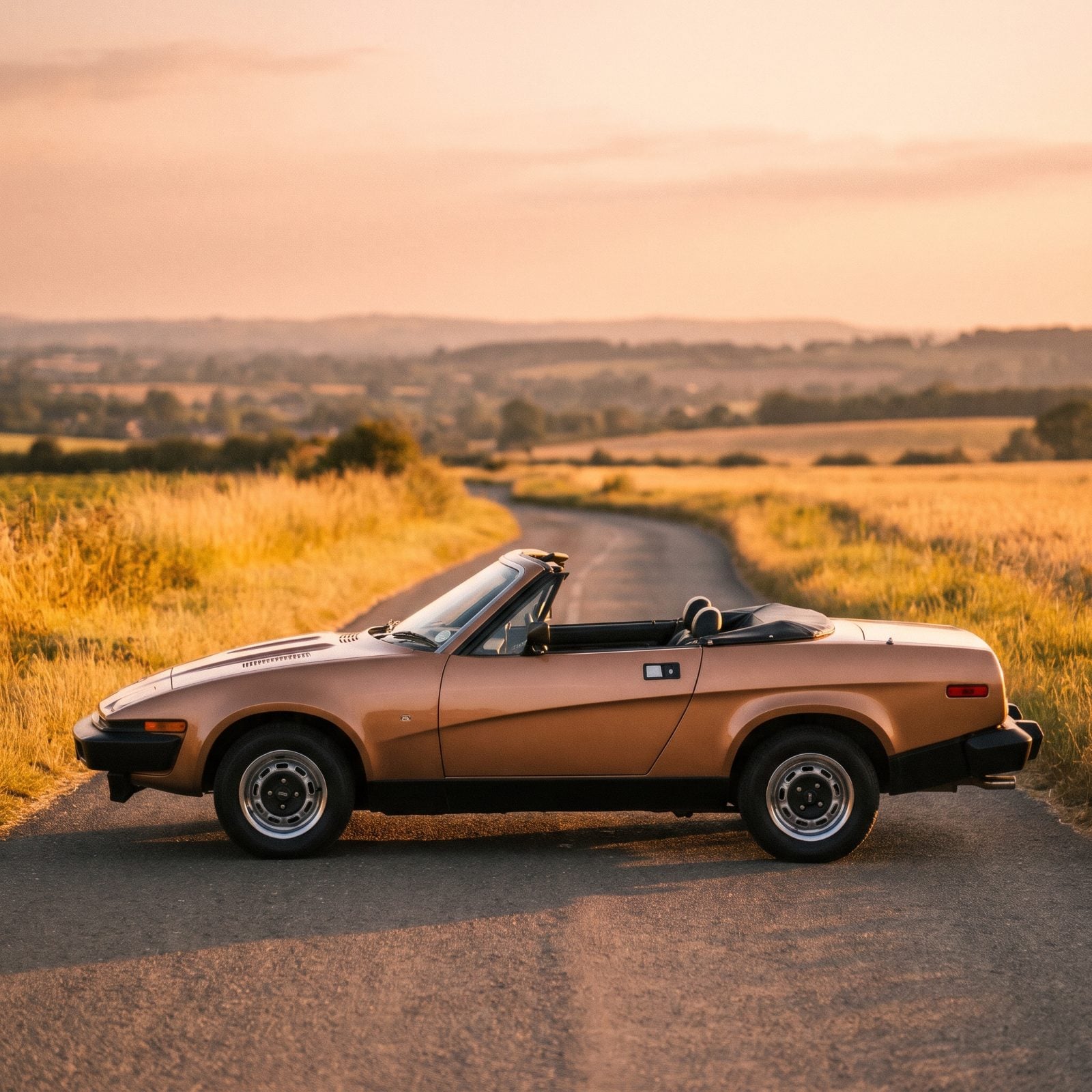
Drop a Rover V8 into the wedge-shaped TR7 body and suddenly you had the Triumph everyone actually wanted. The TR8 made the right noises, had real torque, and turned a so-so roadster into something people called the English Corvette.
Timing was cruel. The TR8 reached American showrooms right as British Leyland was unraveling and Triumph was circling the drain, and production ran barely two years before the whole operation shut down.
So the best-driving TR of the lot became one of the rarest. Collectors chase them now precisely because so few got out the door before the lights went off in Coventry. A great car, born into a dying company, which is about the saddest thing you can say about a sports car.
1951, 1954 Nash-Healey: A Transatlantic Sports Car Priced Like an Exotic
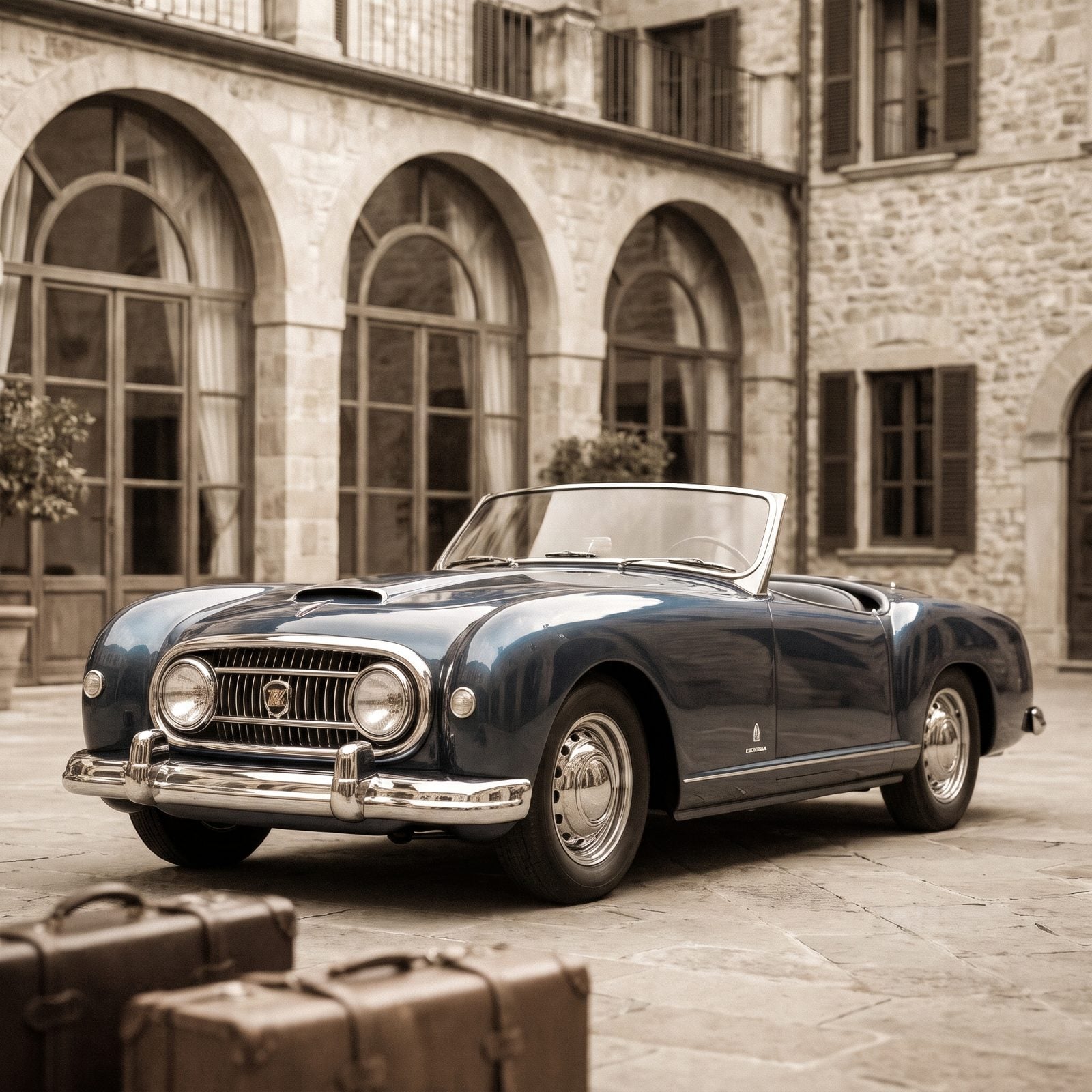
A British chassis, an American engine, and an Italian body. The Nash-Healey went global before anyone used the word.
Donald Healey built the running gear, Nash supplied the straight-six, and Pinin Farina styled the body in Italy. What came out was a graceful roadster that raced at Le Mans and looked like money.
It also cost like money. By the time all those parts crossed two oceans, the price landed near exotic territory, well above a Corvette or a Jaguar. American buyers balked, and fewer than 600 were ever built.
A beautiful idea strangled by its own logistics. The car was lovely. The math behind it never made sense, and the showroom traffic reflected that.
Cars from that era still land well with our readers, with photos that look like the 1950s or earlier drawing more hearts than the other images in the same articles.
2017, 2020 Fiat 124 Spider Abarth: The Italian Miata That Couldn’t Outsell the Original
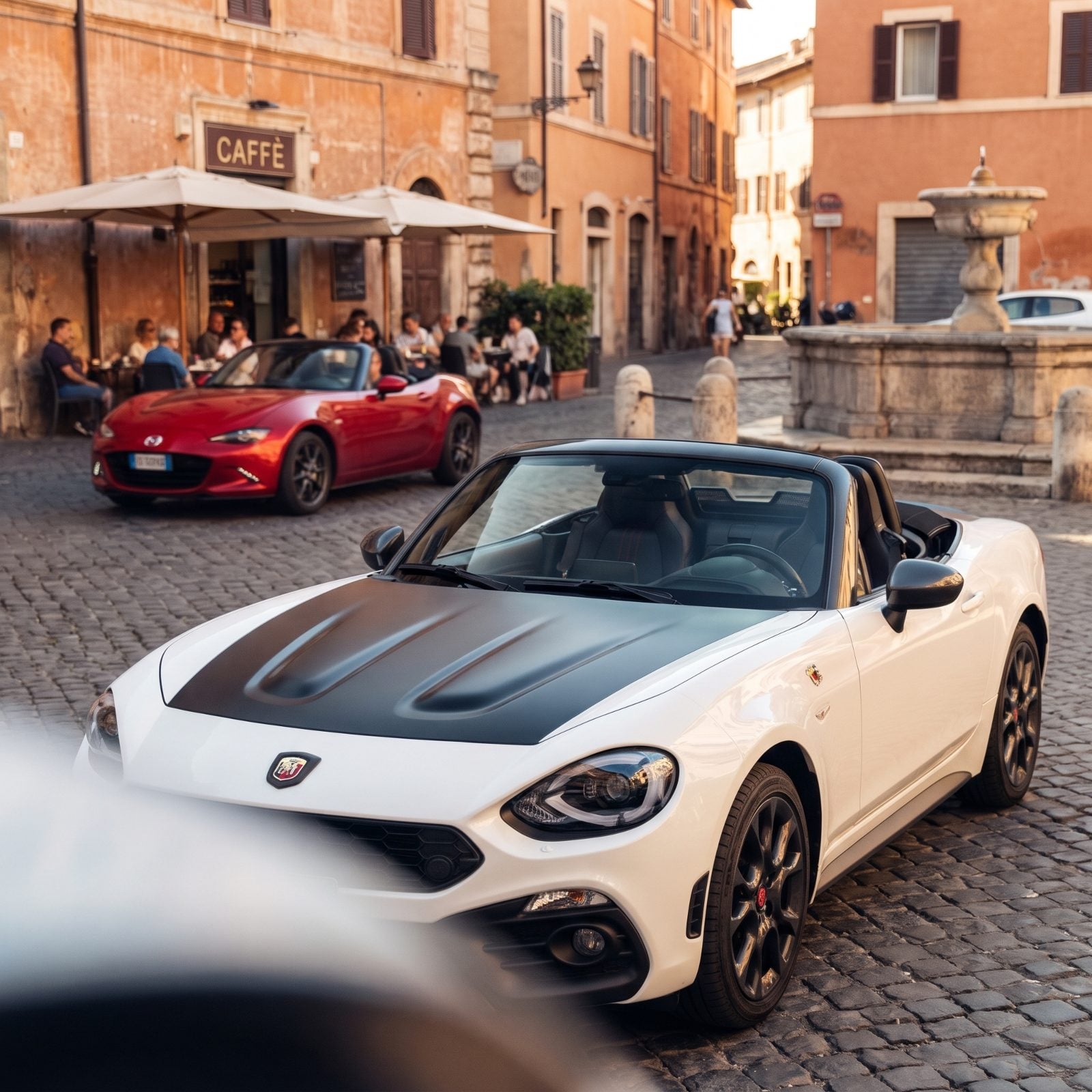
Under the skin it was a Miata. On top, Fiat gave it twin hood bulges, a turbo engine, and a dose of Italian attitude the Abarth version dialed up with a louder exhaust and sharper looks. For anyone who wanted roadster fun with a little drama, it made a real case.
Here’s the irony. The Mazda it was built alongside in Hiroshima outsold it without breaking a sweat, because buyers trusted the original and the Fiat badge carried doubt about reliability and dealers, fair or not.
So the 124 Spider quietly left the American market after a short run. A charming open two-seater, built on proven bones, beaten by the very car that made it possible. Sometimes the twin that came second just never gets the handshake.
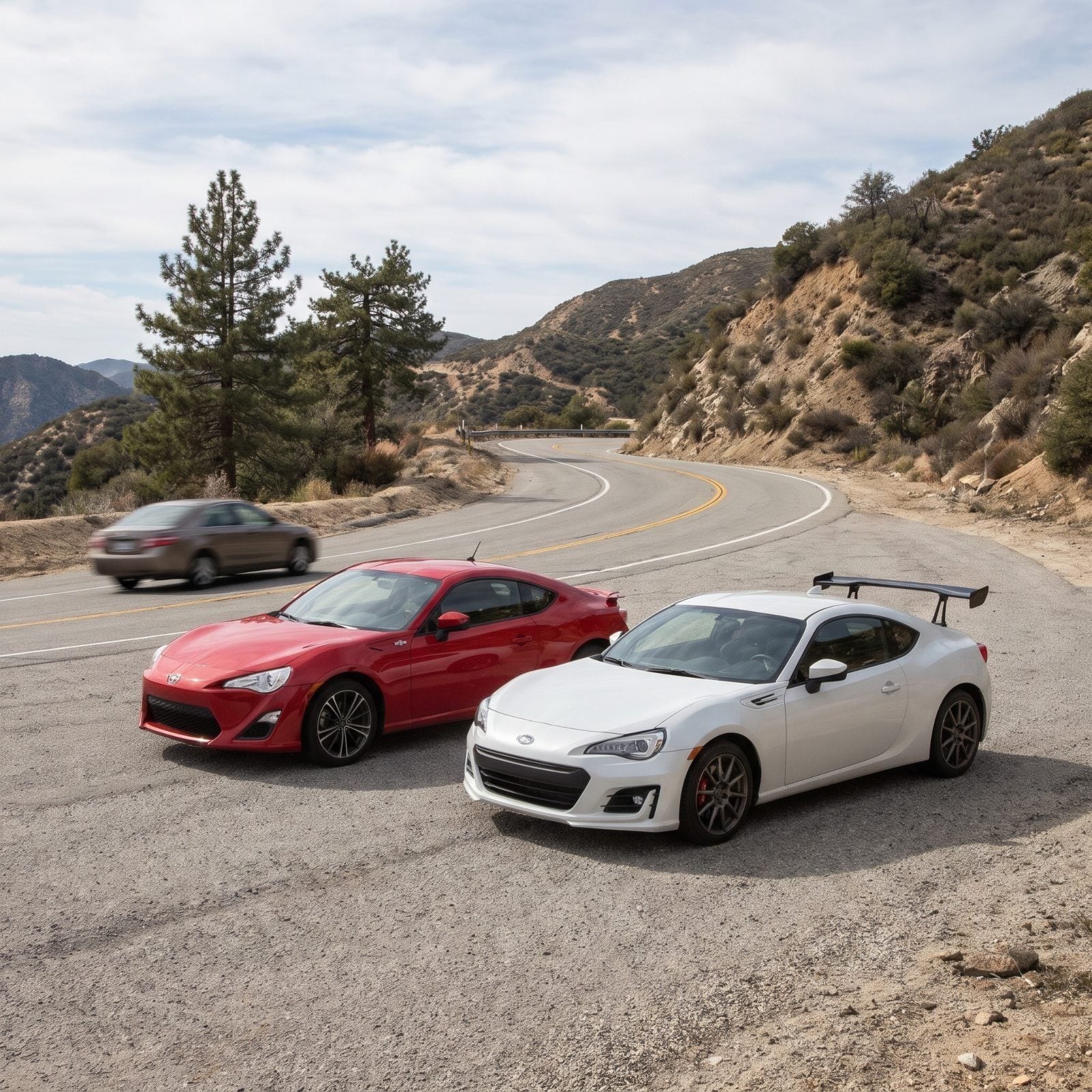
2013, 2020 Subaru BRZ and Scion FR-S: The Rear-Drive Twins Mainstream Buyers Walked Right Past
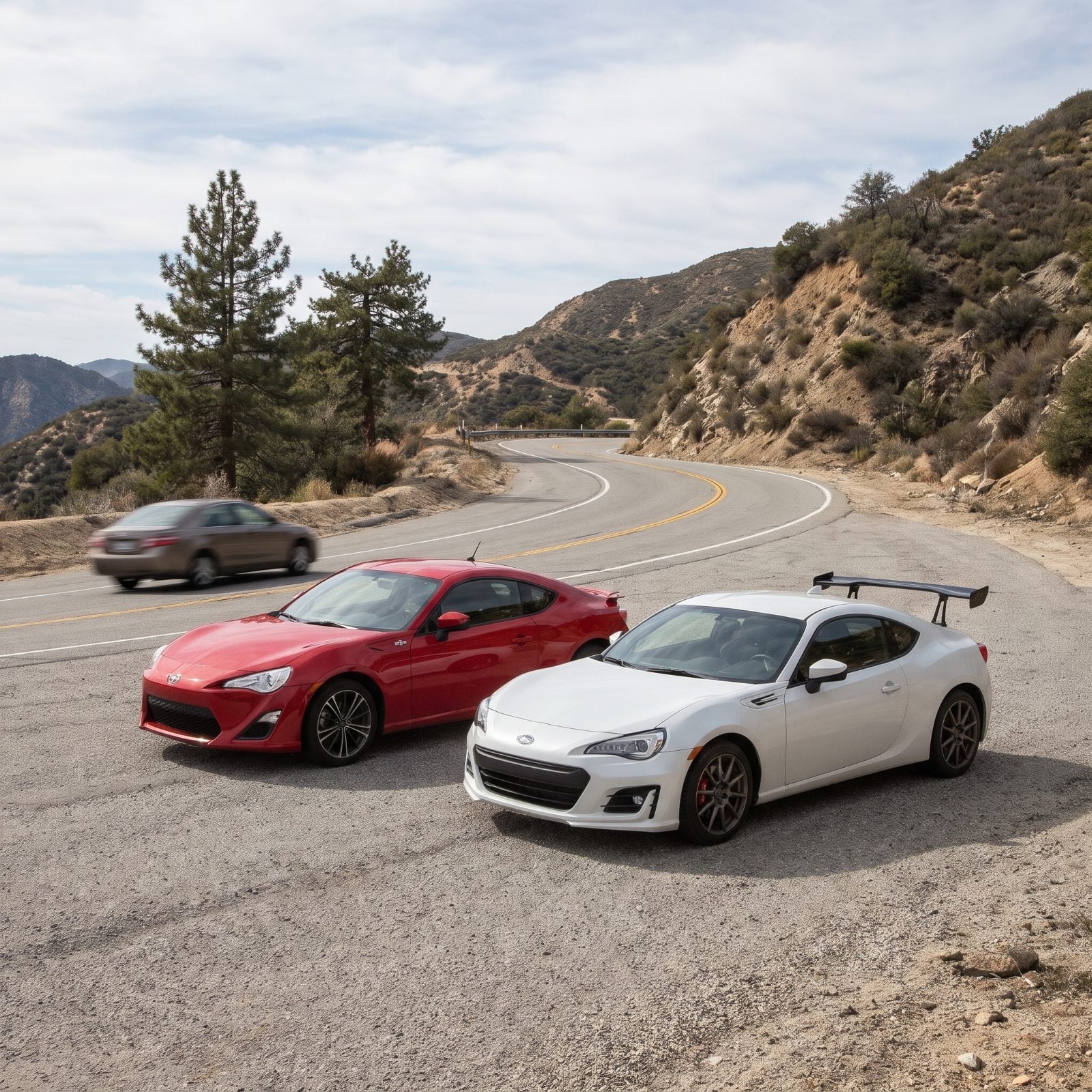
Everyone wrote the glowing reviews. Light, balanced, rear-drive, a chassis that talked back through the wheel the way the old Miata did — and the press fell for the BRZ and its Scion FR-S twin all over again. Then the showrooms stayed quiet.
The trouble was the exact thing enthusiasts loved. A naturally aspirated 2.0-liter flat-four, 200 horsepower, dropped into a market where everybody wanted a turbo badge and a torque figure to brag about at the pump. Slow on paper, brilliant through a corner. Most buyers only read the paper.
Toss it into a bend and the back end rotates on throttle, no electronic nanny clucking at you. That skinny-tire, low-grip setup was no accident. Subaru and Toyota built a thing that paid you back for skill instead of just handing over speed, and the crowd wanted the speed.
For 2017 Scion rolled the FR-S into the Toyota 86 name, and then Scion itself vanished off the map. The BRZ kept going — quietly, in numbers that would make a hot hatch blush. These days it’s the clean, unmolested first-gen cars collectors hunt, because hardly any left the lot stock and fewer still outran the drift crowd.