
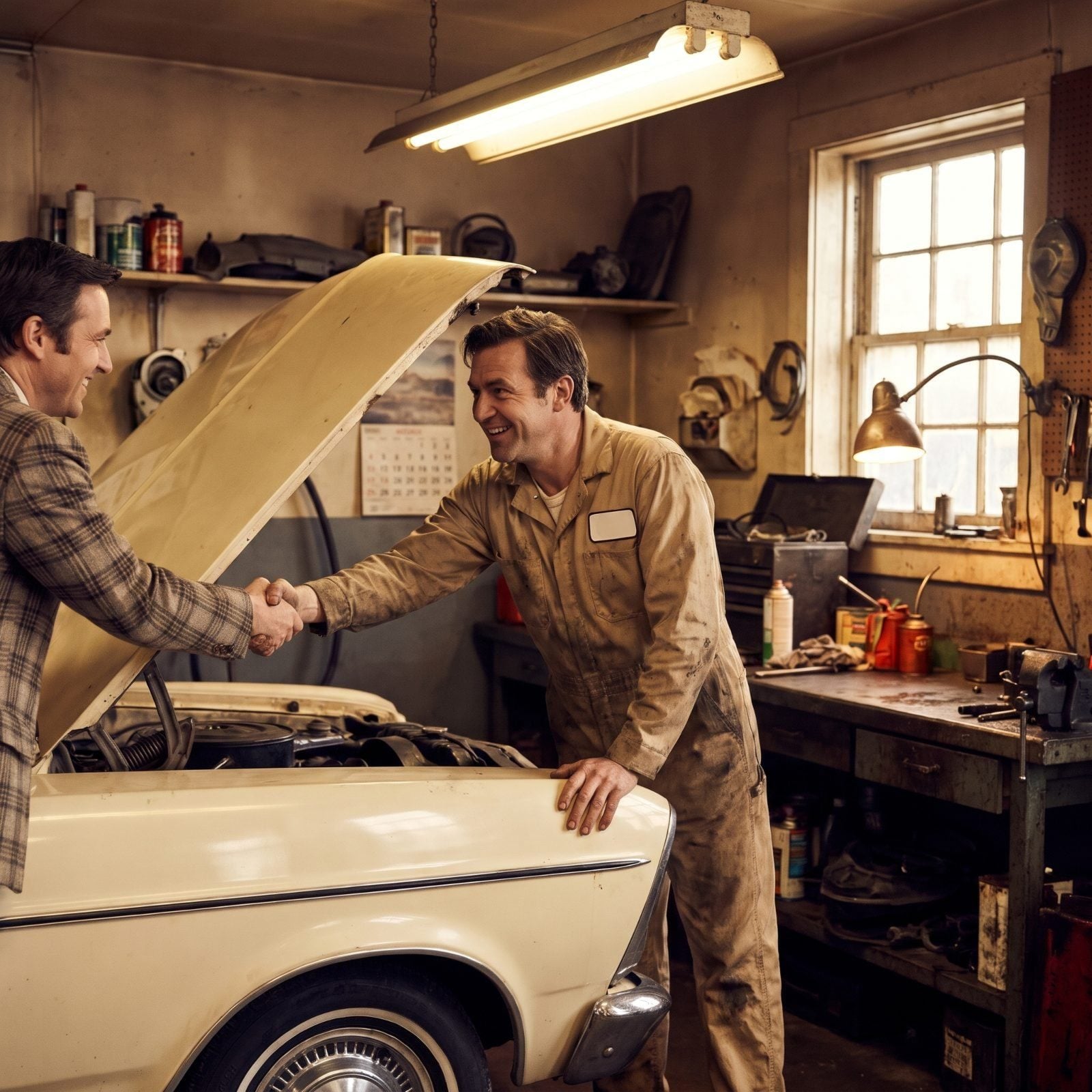
You smelled the carb before you saw the car. Someone’s uncle’s Impala, parked crooked in a gravel driveway, a cardboard sign in the windshield written in grease pencil. No app told you the history, and no report flagged the flood damage. You brought cash, a flashlight, and a healthy suspicion of anyone who smiled too much. Buying a used car back then was part detective work, part gamble, part conversation at a stranger’s kitchen table. The ones below show just how raw the whole thing really was.
Please note that some of the images in this article were created with the assistance of AI.
28. You Called the Seller From a Wall-Mounted Telephone

No texting, no email, no tapping a button to message anyone. You stood at the kitchen wall, pinned by a coiled cord that only reached so far, and dialed a stranger’s number with your finger looping around the rotary.
That call was the first real test. You’d ask the mileage, whether it smoked on startup, why they were selling. And you learned to listen for the pause, because a long one before “no, no problems” told you everything the ad left out.
27. The Seller Could Be Gone Before You Arrived
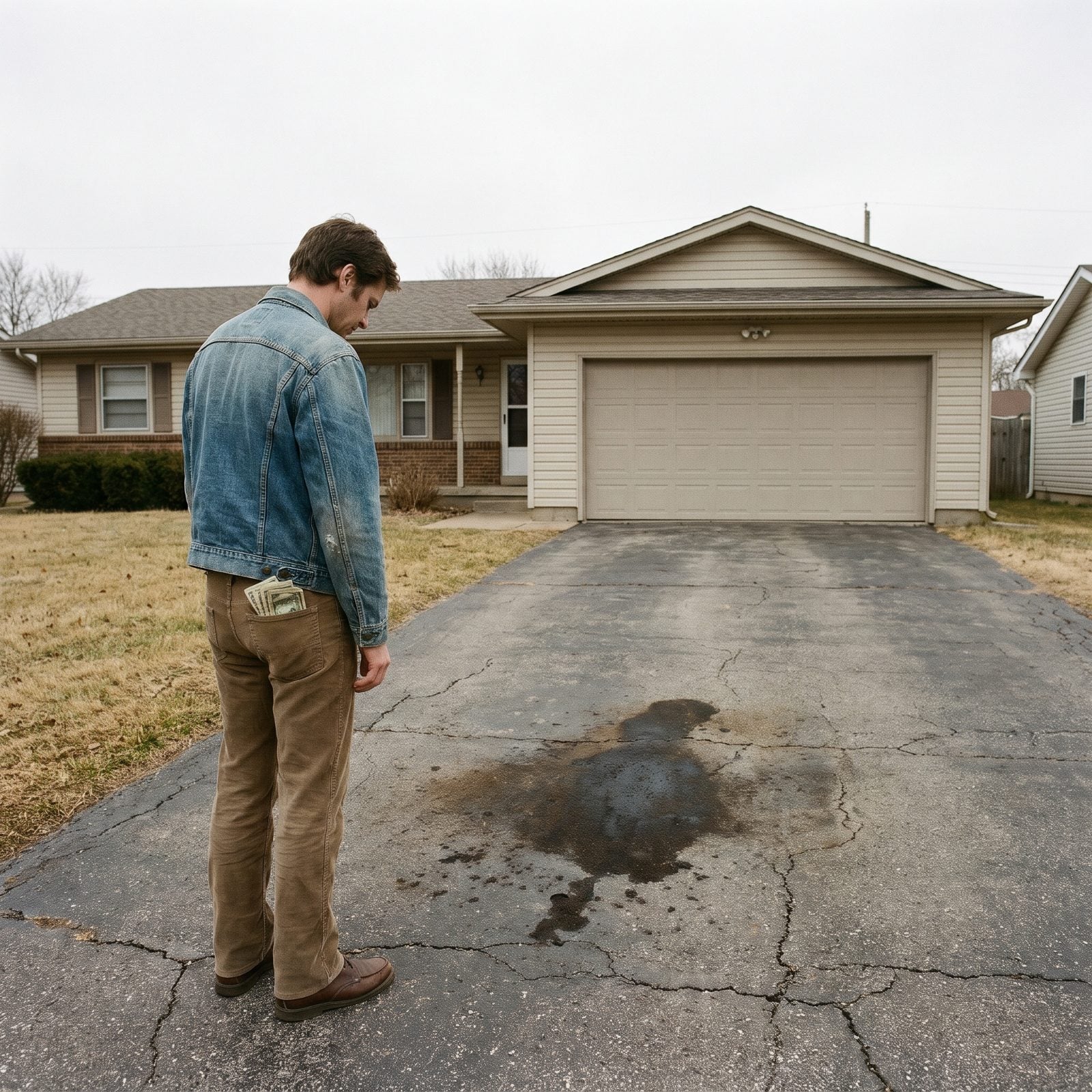
You’d drive clear across town with cash stuffed in your back pocket, pull up to the address, and find an empty stretch of cracked asphalt driveway with an oil stain where the car used to be. Sold that morning. Nobody called to tell you, because there was no way to call you back — you were already on the road, chasing a car that didn’t exist anymore.
First come, first served meant exactly that. The buyer who showed up at eight beat the one who showed at nine, every time.
26. There Was No Vehicle-History Report to Order
You bought on faith and a handshake. No database to pull, no accident record, no flood-title flag, no list of previous owners. The car’s whole life was whatever the seller chose to tell you, plus whatever you could dig up crawling around on the ground.
So you learned to read the car instead of a report. Mismatched paint on one fender. A replaced seat that didn’t match. A spare that looked newer than the car itself. Those clues were the only history report you were going to get, and you took them seriously because there was nothing else.
25. A Five-Digit Odometer Could Hide 100,000 Miles
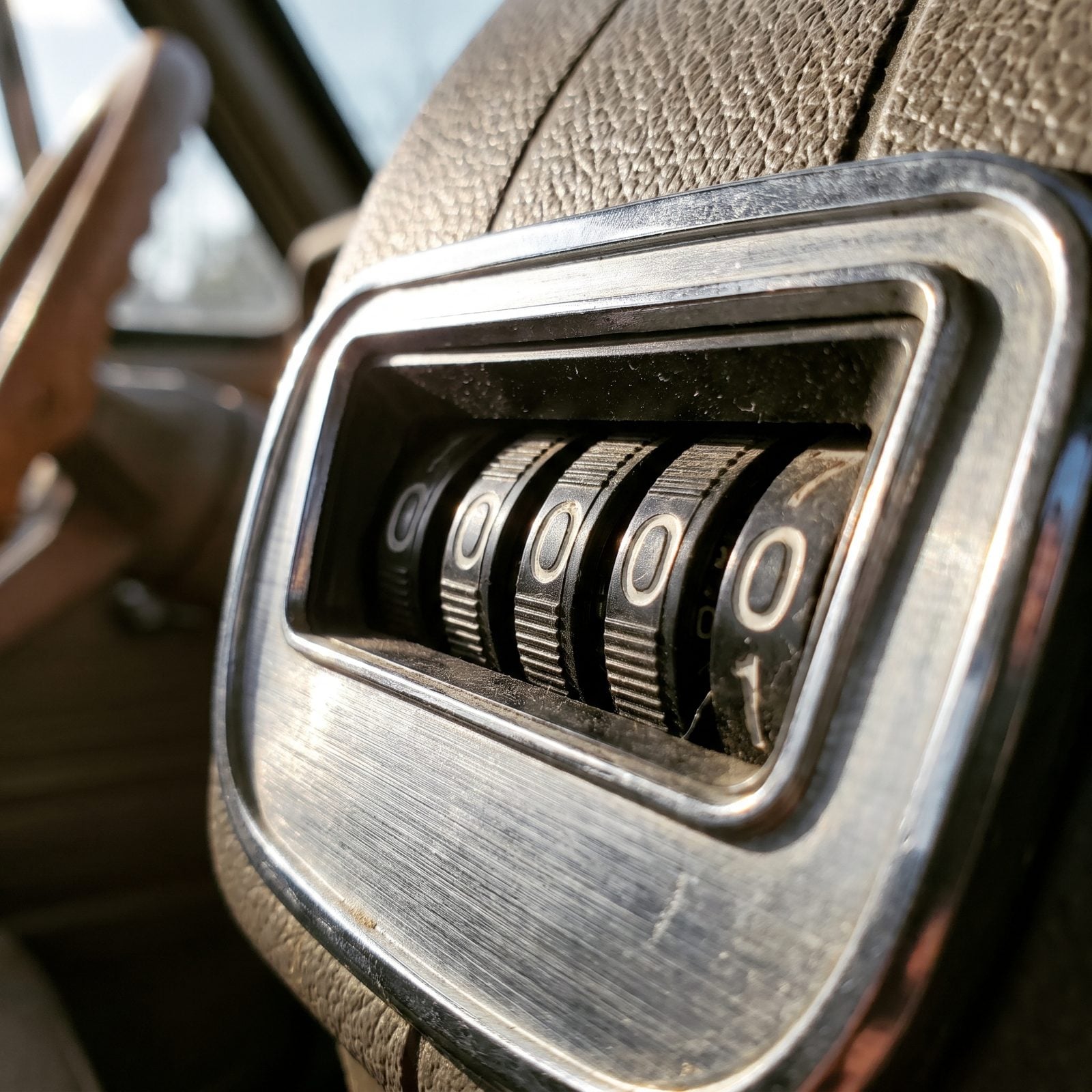
Five little number wheels. That was it. Once a car ticked past 99,999 miles, the odometer rolled clean back to zeros and started the whole thing over like nothing had happened.
A car reading 18,000 could genuinely be a lightly driven creampuff. Or it could be a weathered veteran wearing a disguise it got for free, just by surviving long enough. From the dash alone, you had no way to tell which.
24. Odometer Rollbacks Were Disturbingly Easy
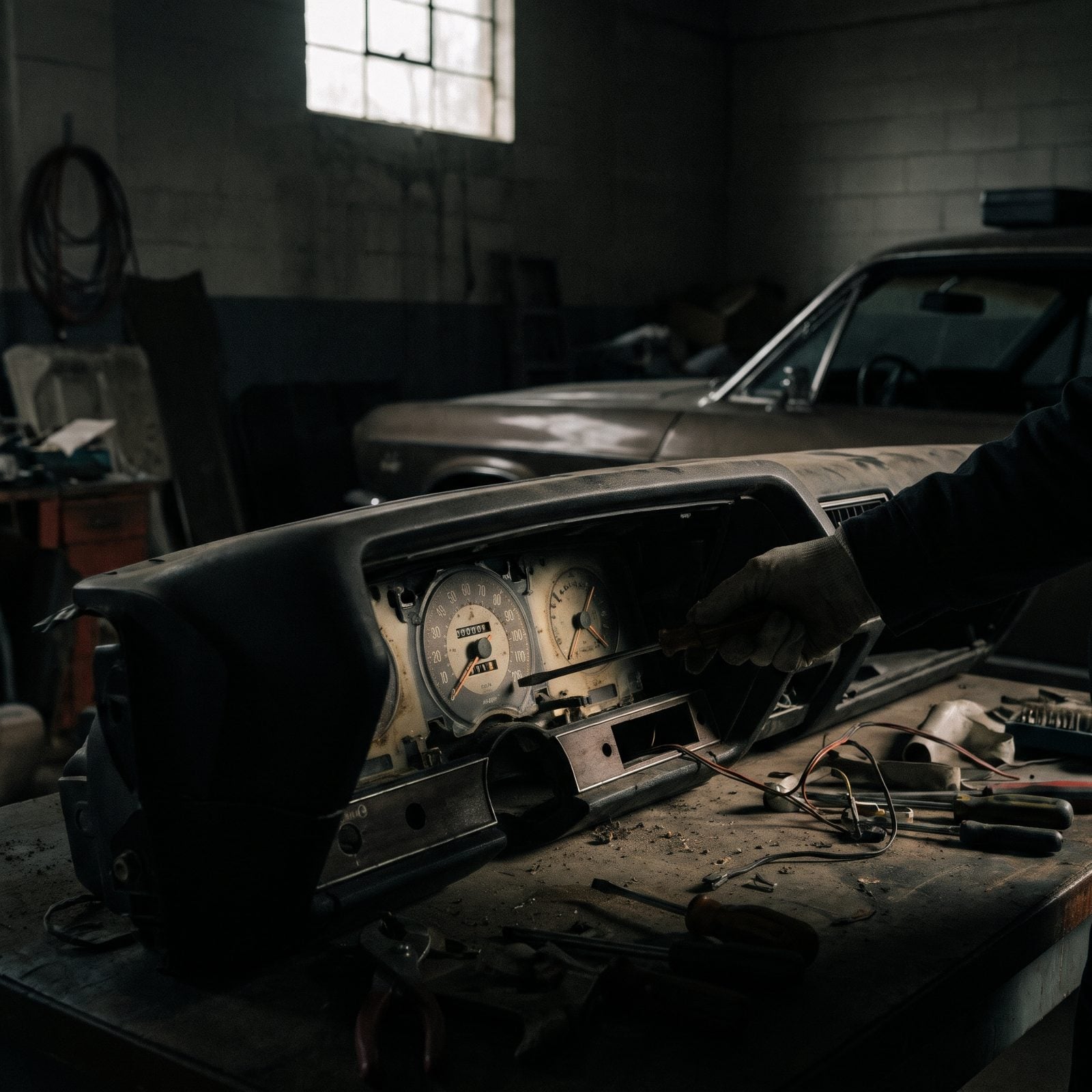
Now for the uncomfortable part. Spinning those number wheels backward took a screwdriver, a little patience, and no conscience. Crooked sellers did it in garages all over the country, and plenty of otherwise honest folks looked the other way when it helped a sale.
So buyers got sharp. A worn-shiny brake pedal on a car claiming low miles. Sagging seat springs. Frayed carpet under a dash reading 20,000. The body kept honest records even when the dashboard lied — you just had to know where to look.
The odometer told you a story. The pedals told you the truth.
23. Service Records Meant a Stack of Greasy Receipts
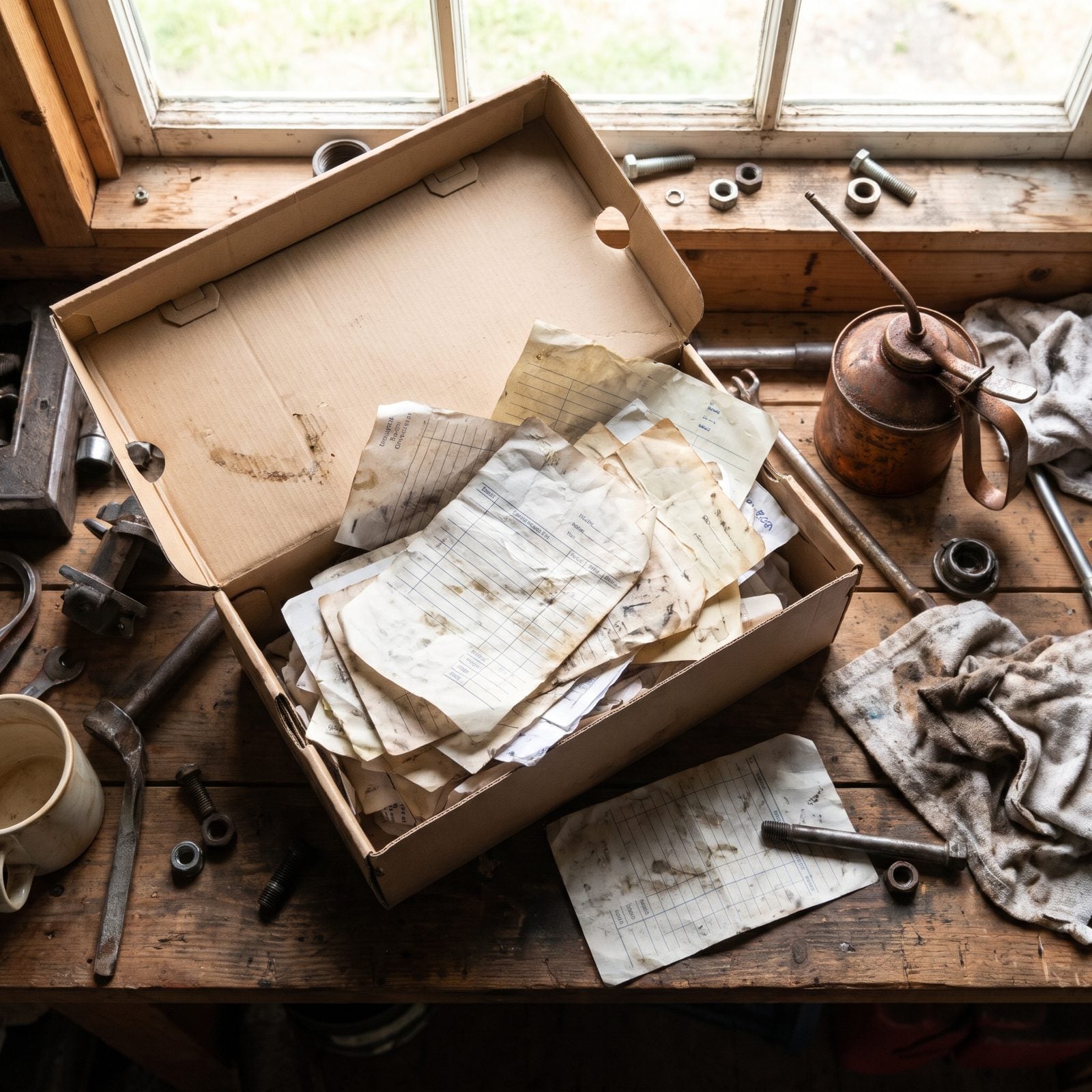
If a seller had “records,” that meant a crumpled envelope or a shoebox stuffed with receipts, half of them smeared with grease from the mechanic who wrote them. Carbon copies in faded blue and pink, dates in ballpoint, prices you could barely make out.
A thick stack was a good sign — it meant someone cared enough to keep the oil changed and the belts replaced. You’d flip through them right there on the hood, piecing together a life story out of timing-chain jobs and muffler repairs.
What Our Readers Say
- When Jalopy Talk readers heart a car photo and tap a reason, “nostalgic” comes out on top at 26%, ahead of “would drive” and body style.
- Our readers give restored, concours-condition cars more hearts than the other photos in the same articles, 81% versus 75%.
From Jalopy Talk reader polls and votes.
22. Buyers Carried Magnets to Find Body Filler
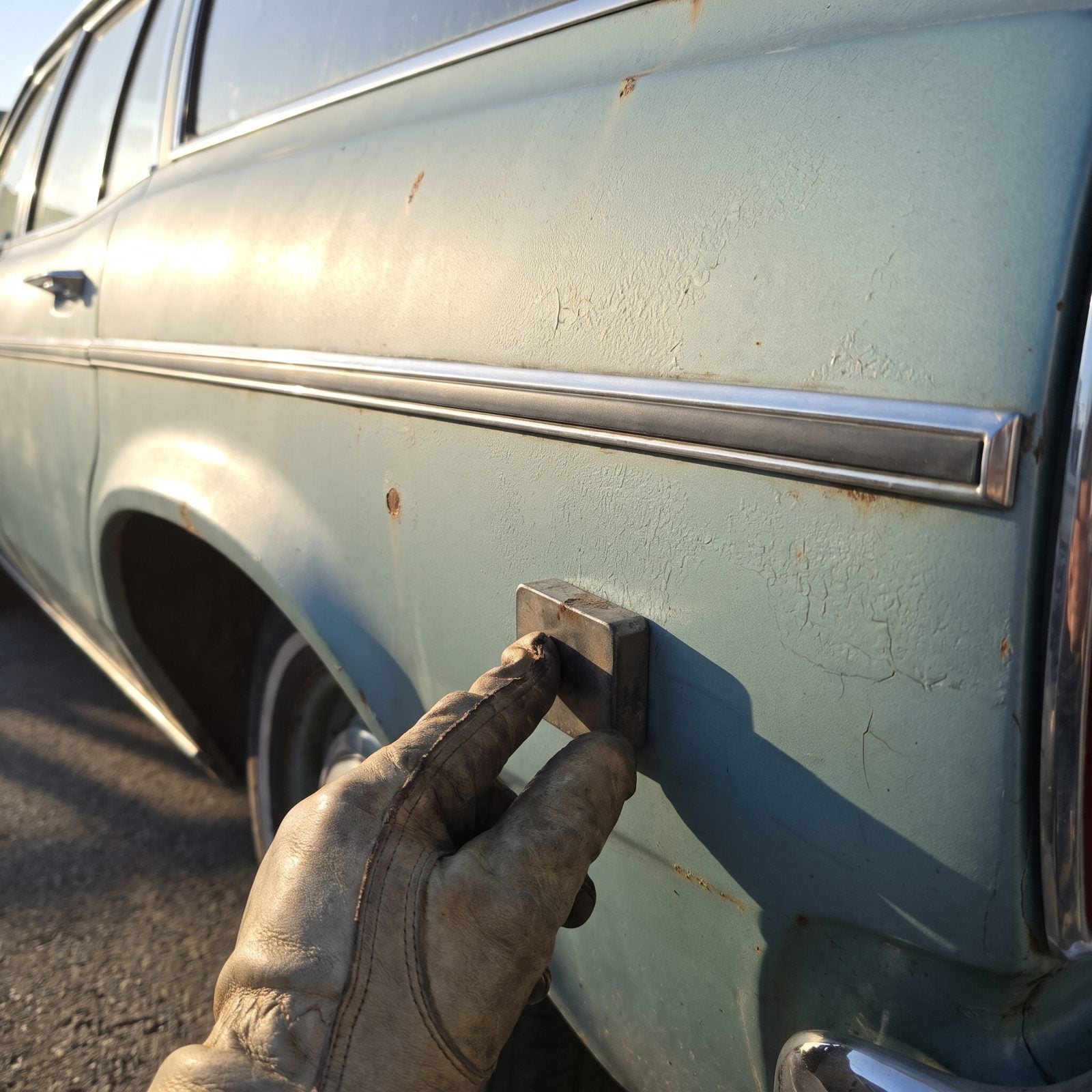
Smart buyers showed up with a small magnet in a pocket. The trick was simple. You’d slide it along the lower panels and the rocker seams, the spots where rust starts and cheap repairs end. Over solid steel the magnet gripped. Over a slab of filler slathered on to hide rot, it slid right off and dropped into the gravel.
That little tug, or the lack of one, told you whether you were looking at a sound car or a Bondo sculpture with a fresh coat of paint over the sins.
Checking an old car for hidden bodywork, one classic-car appraiser notes that “Lightly passing a magnet over body panels can reveal inconsistencies beneath the surface.”
21. Vinyl Roofs Could Conceal Major Corrosion
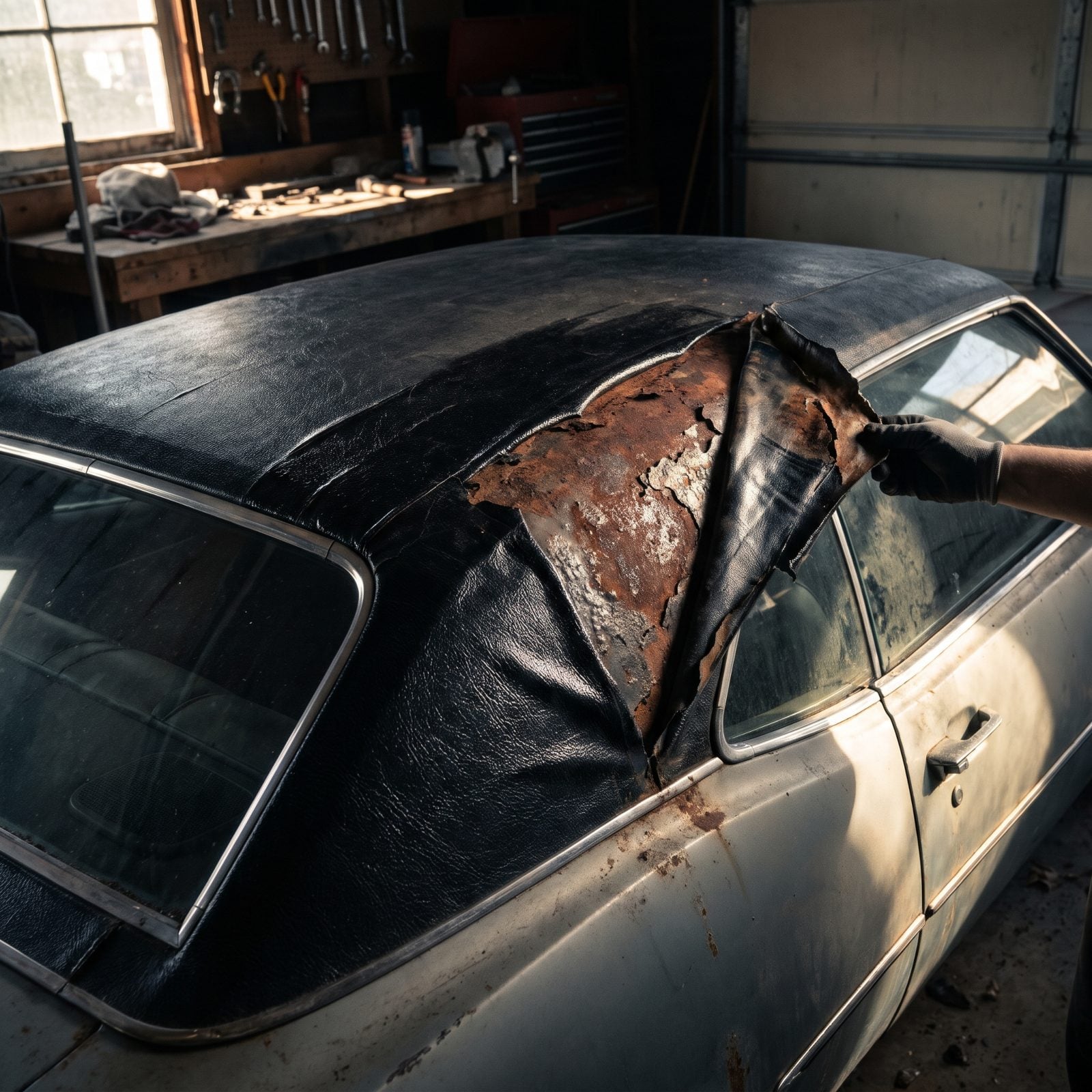
Vinyl roofs looked sharp in the showroom. They also trapped moisture against the steel underneath, and that was a slow disaster. Water wicked under the edges, sat there, and quietly ate the roof from below while the vinyl kept the rot hidden in plain sight.
By the mid-seventies, a car with a padded top deserved a hard look. You pressed along the seams with your thumb. Soft, crinkled, bubbled — any of those meant you were pressing on rust. And rust in the roof meant rust everywhere you couldn’t see.
Rust worries aside, our readers still like the look: cars with vinyl roofs got hearts 71% of the time, versus 61% for the other photos in the same articles.
20. You Checked for Rust With a Screwdriver
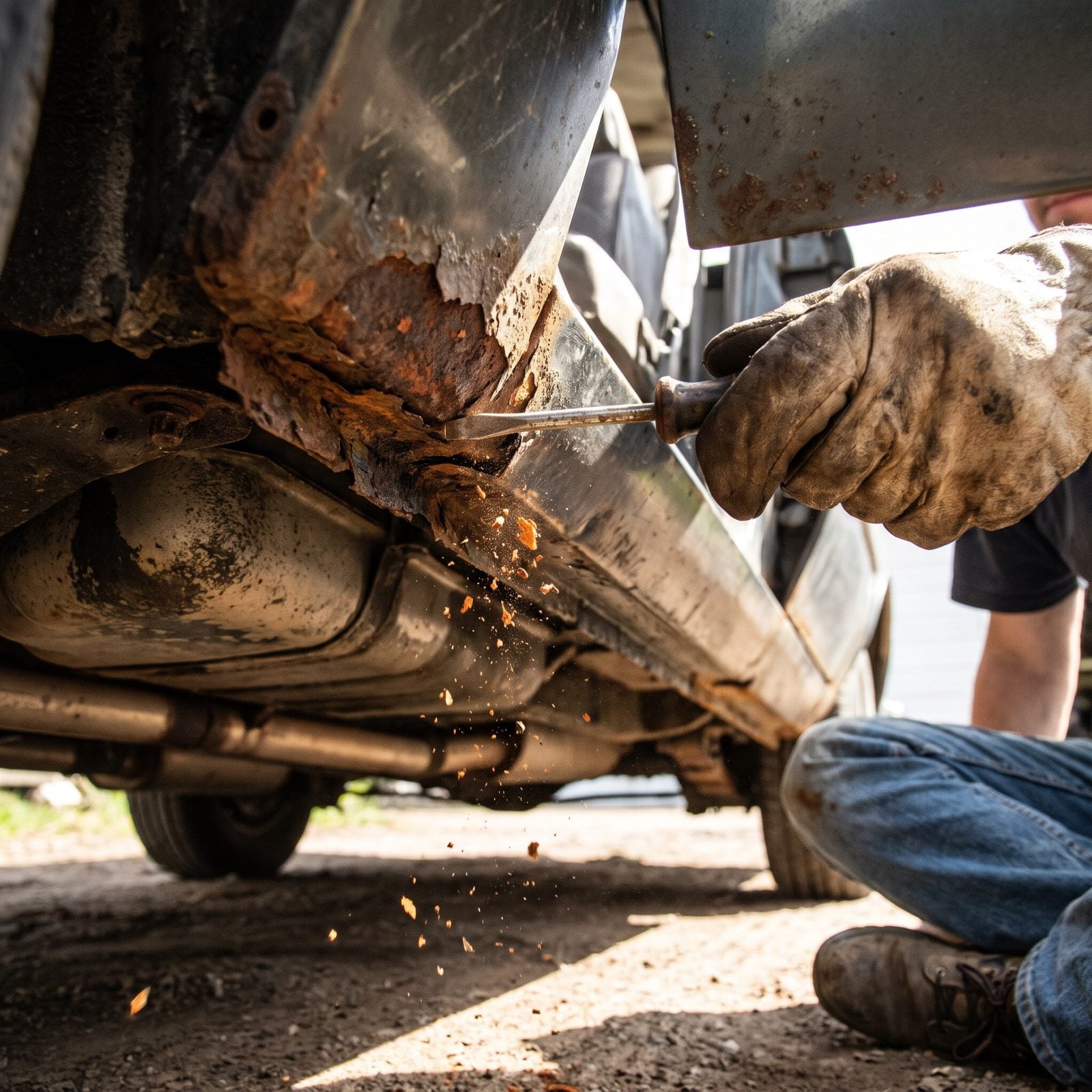
Every seasoned buyer carried one. A plain flathead screwdriver, and the nerve to use it.
You slid underneath the lower doors and rockers and pressed. Solid steel pushed back, while rotten steel gave way like a wet cracker, and the paint over it had usually bubbled up in little blisters that told the whole story before the tip ever touched down. Floors, trunk corners, the lip under the bumper — all fair game.
Sellers hated it. The good ones expected it and stood there with their arms crossed, waiting to see if you knew what you were doing. Poke a hole clean through a quarter panel and the asking price dropped on the spot, or you walked.
19. Floor Mats Sometimes Hid Rusted-Through Floors
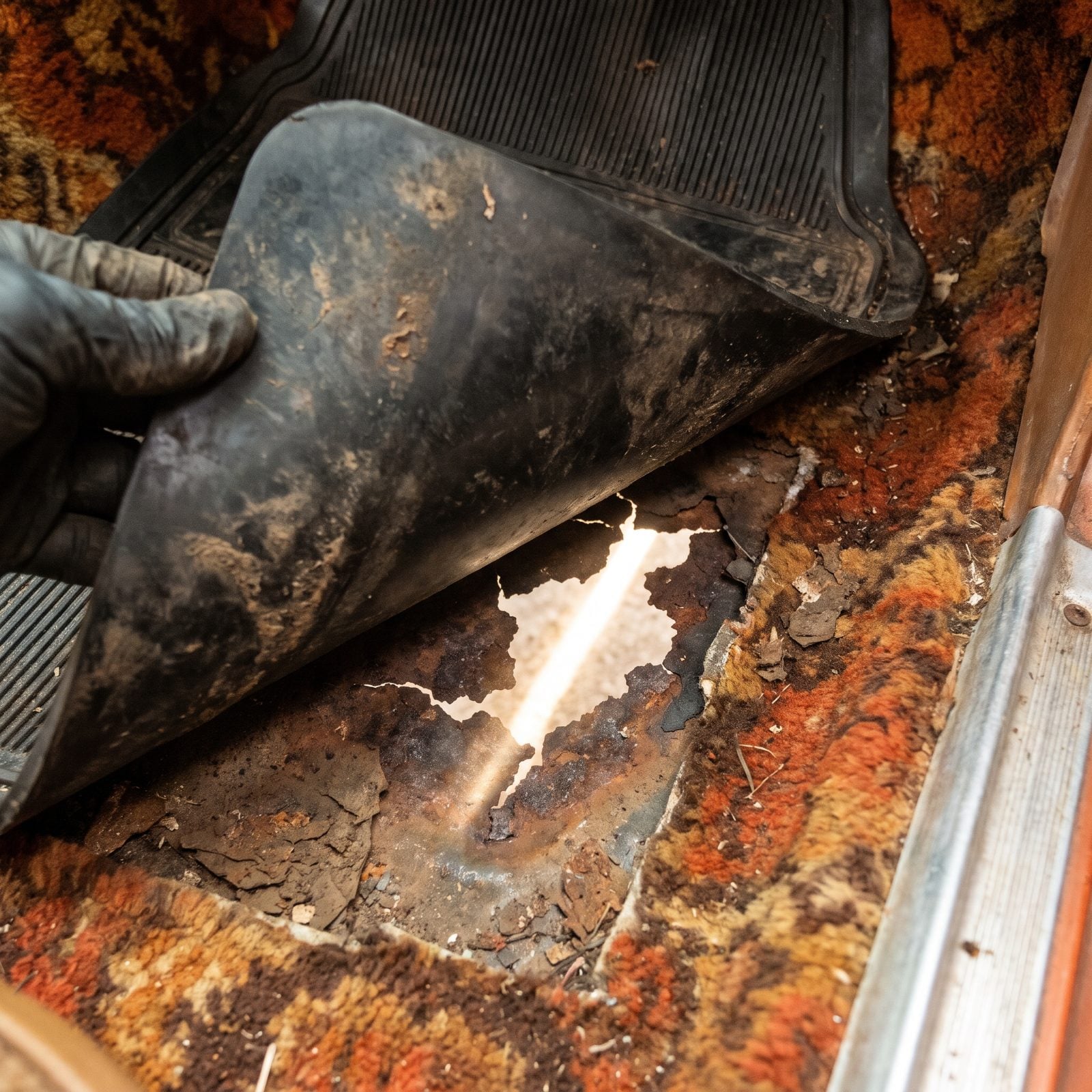
Lift the mats. Always lift the mats.
A fresh rubber mat laid over a footwell was rarely about keeping things tidy. More often it sat on top of a floor that had rotted through to daylight, patched with a scrap of sheet metal, a flattened coffee can, or nothing at all. You pressed your heel down and felt for sponginess. If the carpet stayed damp in dry weather, water was coming in from somewhere it shouldn’t.
The real tell was a passenger who could watch the road pass under their feet. Charming on a go-kart. Less charming on a car you were about to drive your kids around in.
18. Sellers Sometimes Warmed Up Troubled Engines First
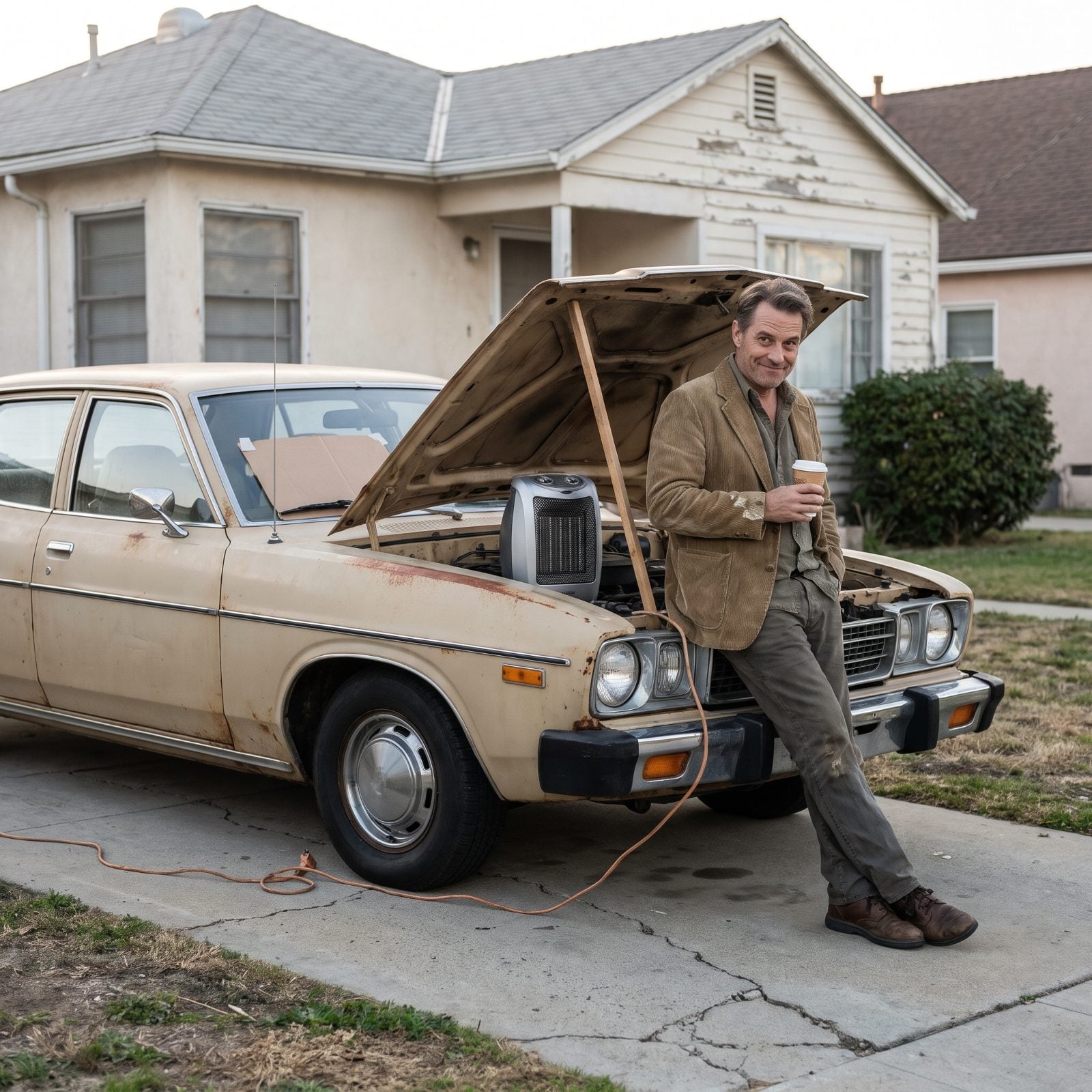
You’d pull up and the engine was already running. Smooth, quiet, warm to the touch.
Oldest trick in the book. A tired engine that knocked on a cold start, smoked for the first mile, or refused to catch until the third crank behaved itself once it was good and hot — and by the time you arrived, all the ugly morning symptoms had been cooked out of it.
The move was simple. Ask to come back tomorrow and start it stone cold yourself. A seller who suddenly got busy told you everything.
17. Blue Exhaust Smoke Could End the Test Drive
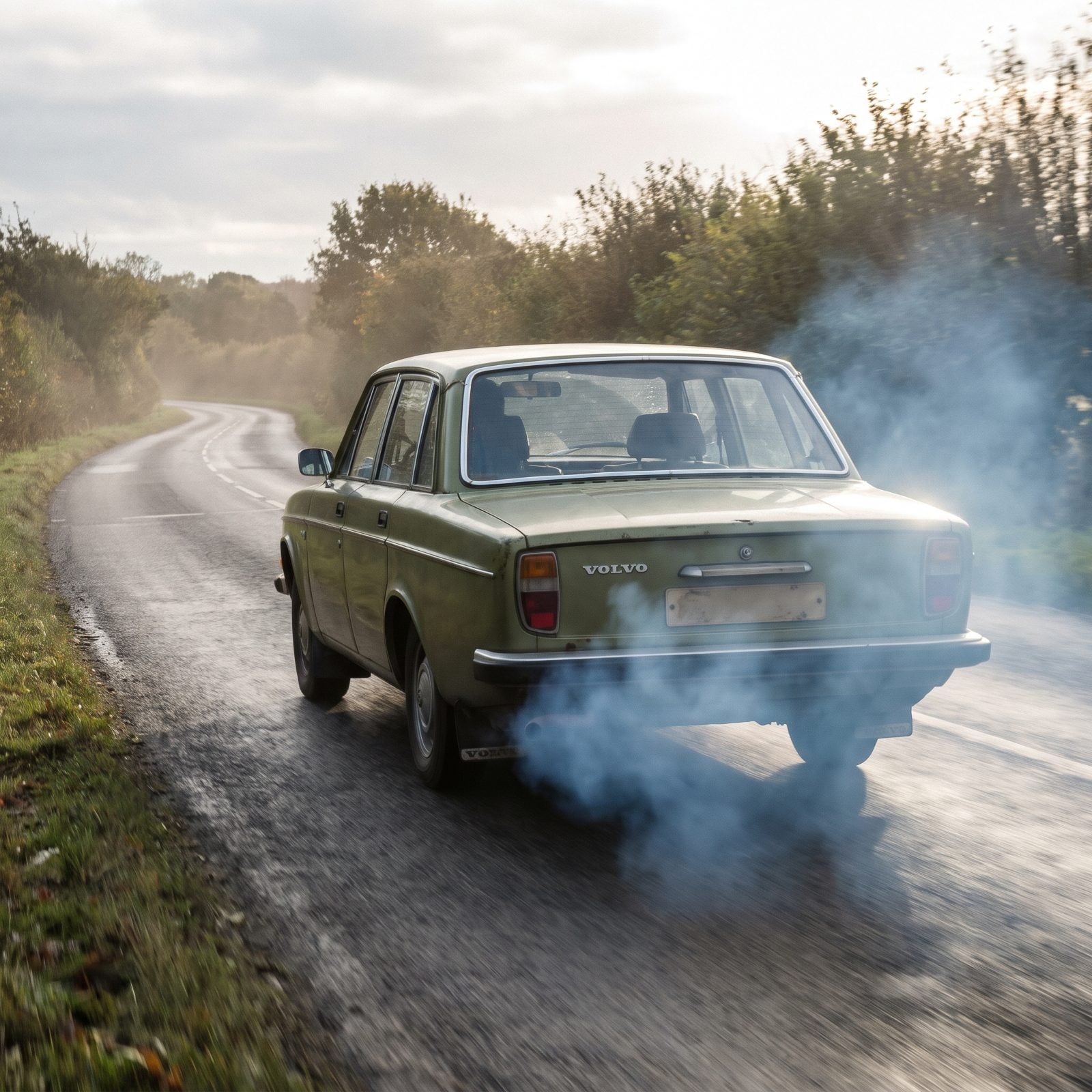
Blue smoke meant oil was burning where only fuel belonged. Worn rings, tired valve guides, or both.
The test was to have someone watch the tailpipe while you stabbed the throttle after a long coast downhill. A clean engine blew nothing. A sick one let out a blue-gray haze that hung in the air behind you and smelled sharp and acrid, nothing like normal exhaust.
A little puff on a cold morning could be condensation and nothing more. But a steady blue cloud under acceleration? That was a rebuild in your near future, and the kind of thing that sent a careful buyer straight back to the classifieds.
16. A Manual Choke Could Complicate the Test Drive
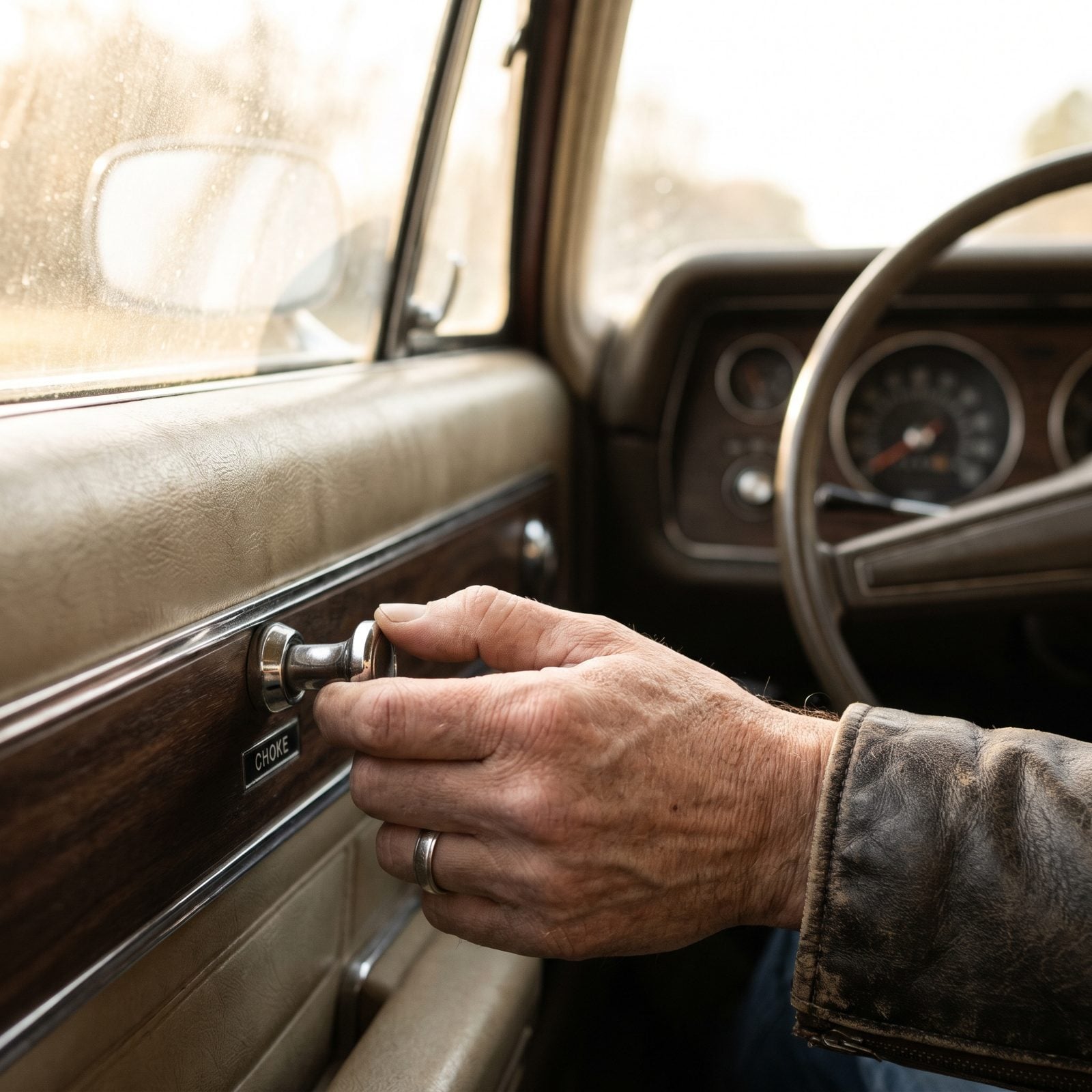
Some cars still had a knob on the dash beside the wheel that you pulled to start them cold.
That manual choke was a skill, not a flaw, but it changed how a test drive read. Pull it too far and the engine loaded up and stumbled. Push it in too soon and the car stalled at the first stop sign, dead in the middle of someone’s street. An unfamiliar buyer could make a perfectly healthy car look like a disaster, all by fumbling the choke.
Honest move? Ask the seller to show you the cold-start routine first, then try it yourself. A car that needed a specific dance to run wasn’t necessarily bad. It just wanted a driver who knew the steps.
Walking newcomers through the manual choke, a longtime old-car writer warns “You can flood a cold engine by using too much choke and/or pumping the accelerator pedal too many times.”
15. Carburetor Hesitation Was Considered Almost Normal
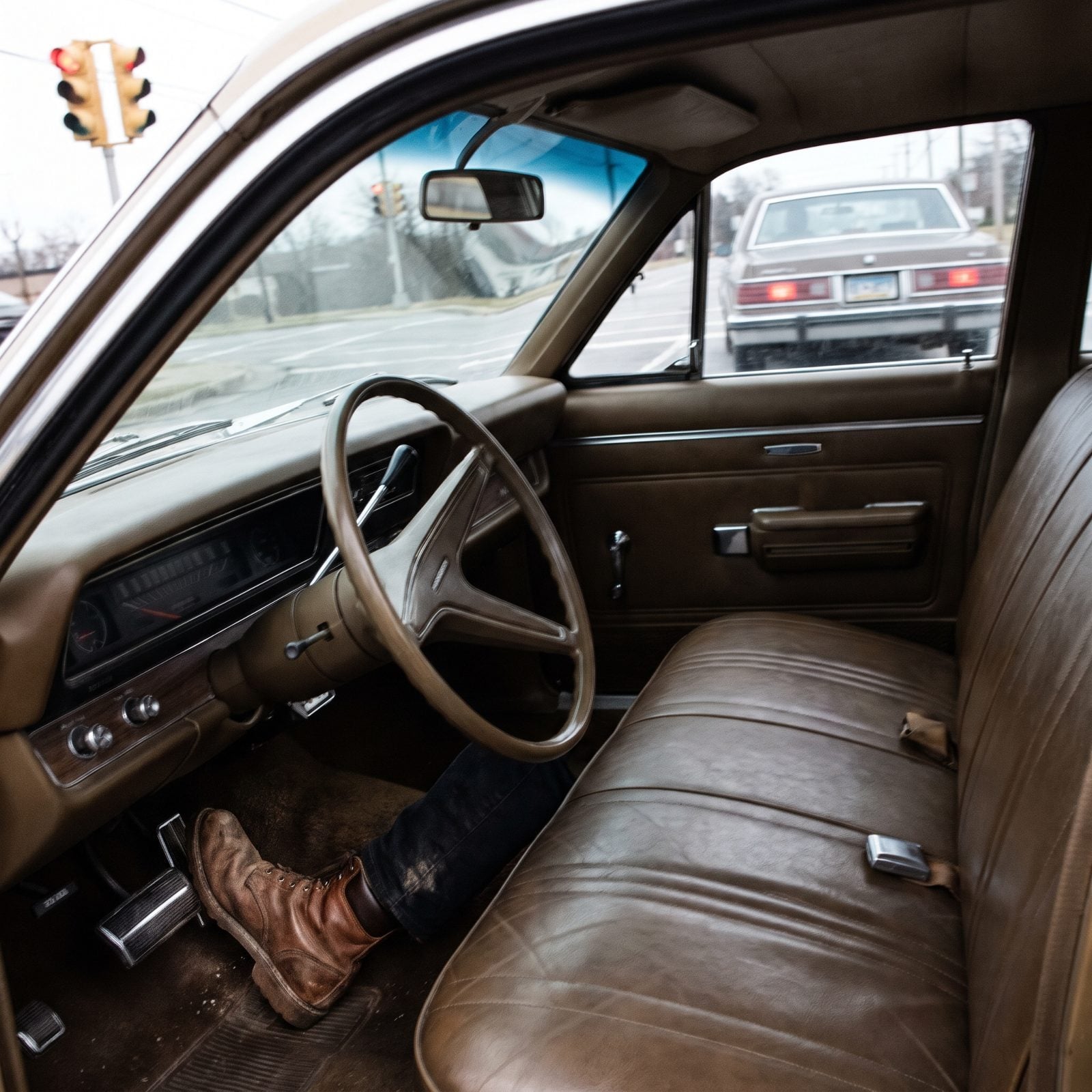
Stab the gas from a dead stop and a lot of these cars gave a little stumble before they pulled. A momentary flat spot, a hitch, then the pull came on.
Buyers back then mostly shrugged at it. A carburetor is a clever device that works by suction and float levels and a squirt from an accelerator pump, so a slight hesitation on hard throttle was baked into how they ran. You learned to roll into the pedal instead of jabbing it.
The line worth watching for was the difference between a little catch and an outright bog that nearly stalled the car. One was character. The other was a sign the pump or the jets needed attention, and a good haggler used it.
14. Points and Condensers Were Routine Talking Points
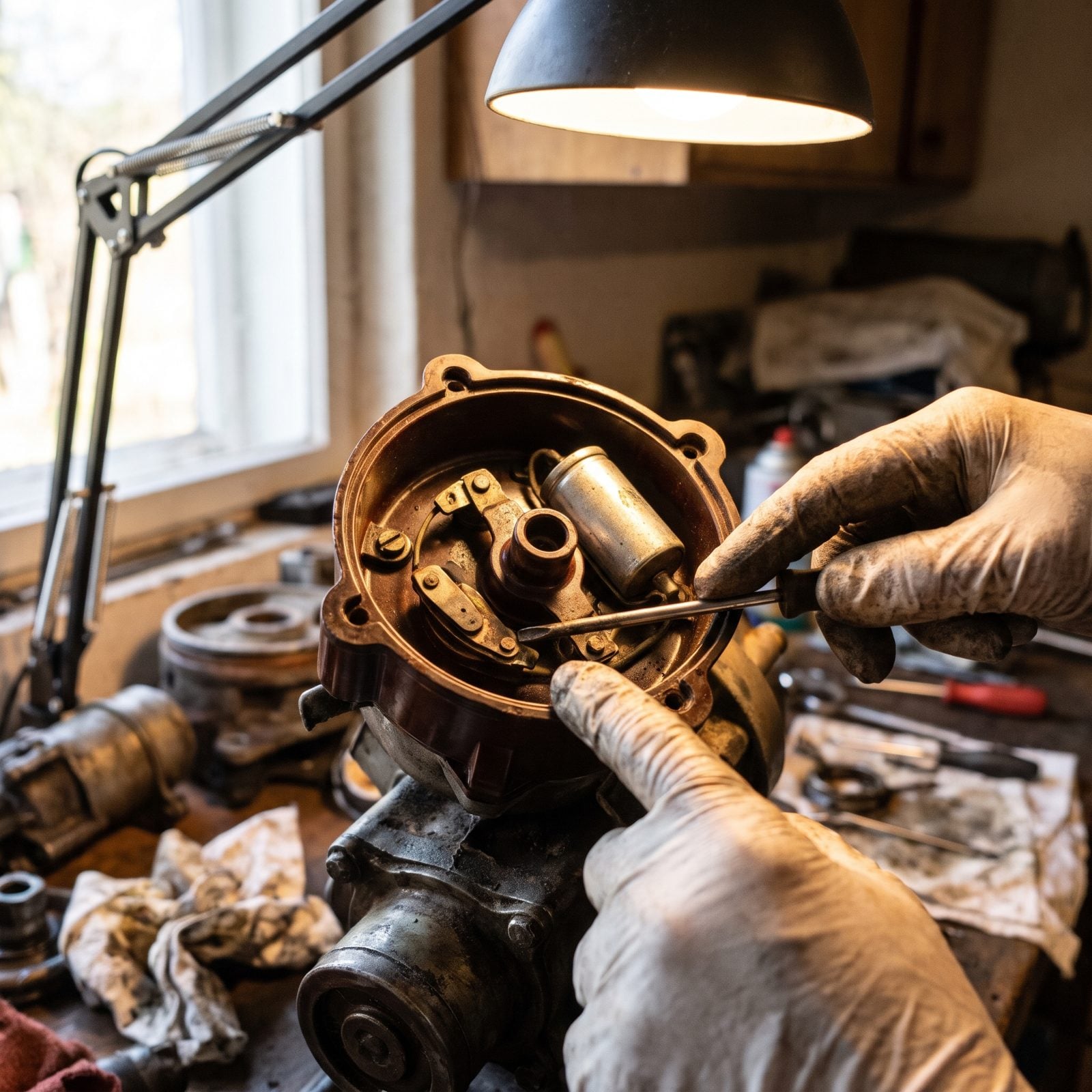
Mention points and condenser to a seller and you’d know in ten seconds whether they’d ever touched the car themselves.
Ignition back then ran through a set of mechanical contact points inside the distributor, and they wore and burned and drifted out of adjustment every few thousand miles. A rough idle, hard starting, a stumble at speed — half the time it traced back to points that needed a gap and a dwell check, or a tired condenser. Tune-up item, not a catastrophe.
A seller who talked fluently about setting the dwell and gapping the points was telling you the car had been looked after. A blank stare told you nobody had opened that distributor in years, and you adjusted your offer accordingly.
Explaining why points needed regular attention, a veteran classic-car columnist writes “One of the problems with points is that, over time, the point gap gradually gets smaller, which causes the timing to change.”
13. Steam From the Radiator Was Not an Unusual Sight
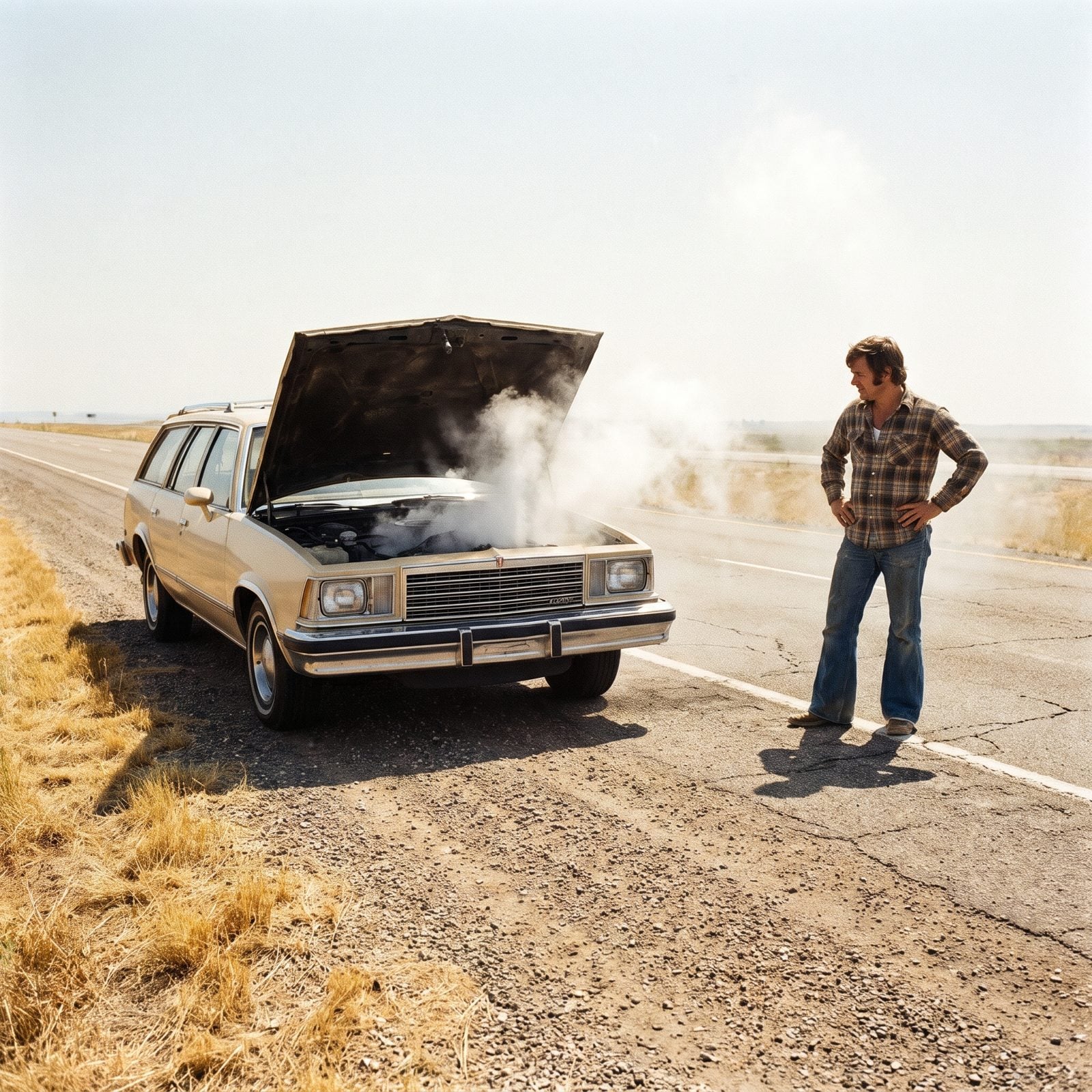
You saw it on roadsides all summer. Hood up, a white plume pouring off the radiator, a driver standing back waiting for it to quit.
Cooling systems of the era ran closer to the edge, and a hot day, a long hill, or a tired water pump could push one over. A little steam after a hard run wasn’t automatic grounds to walk, but it demanded questions. Where was it coming from? The cap? A hose? Or the head gasket, which was the expensive answer.
Smart buyers pulled the dipstick and looked for a milky brown film on it. Coolant in the oil meant the two systems were mixing somewhere they shouldn’t, and that was a problem no roadside cool-down was going to fix.
12. Lap Belts Could Be the Only Restraints Holding You In
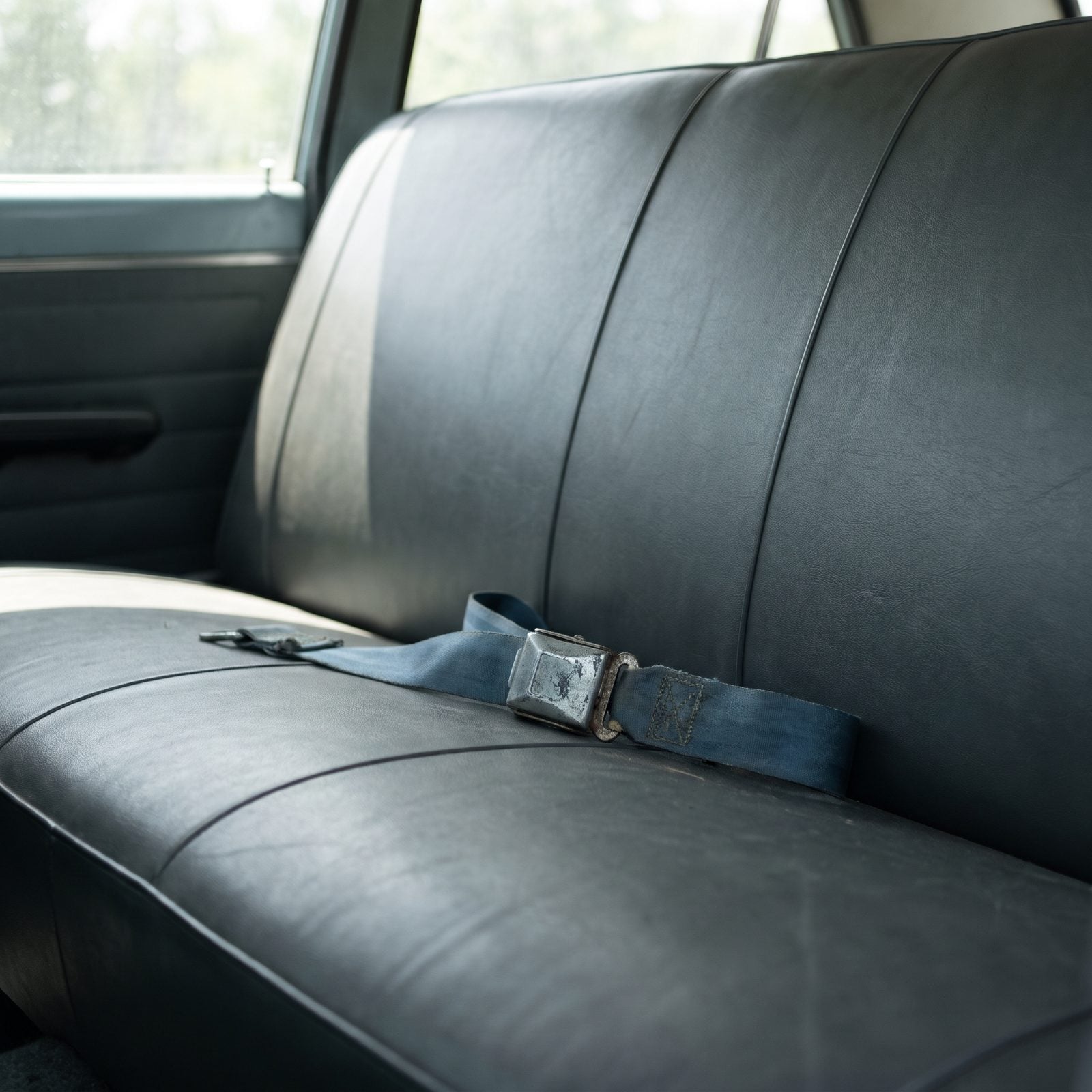
Climb into a mid-’60s sedan on a used lot and the safety equipment might be a single strap across your hips. That was it.
Federal rules starting with the 1968 model year required lap belts in every seating position and shoulder belts up front, but plenty of older cars were still on the road. Even in newer ones, the shoulder belt was often a separate piece clipped up near the headliner, still in its factory wrap. Back seats got lap belts only, if the previous owner hadn’t stuffed them under the cushion for good.
Nobody walked away from a deal over belts. You buckled up, or you didn’t, and plenty of folks didn’t. The idea of a car without airbags didn’t come up, because almost nobody had ever seen one.
11. Drum-Brake Pull You Only Found on the Test Drive
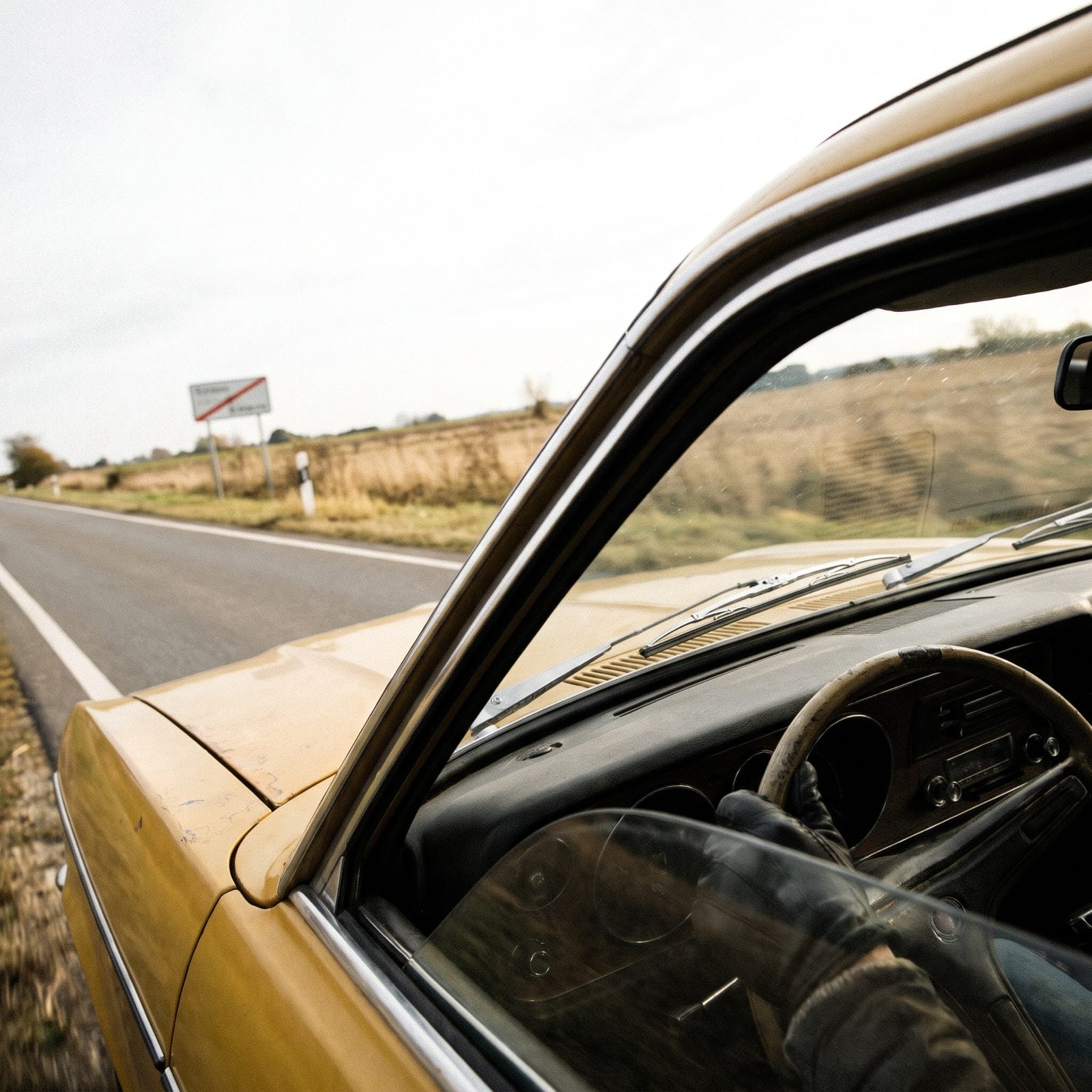
Drum brakes looked fine standing still. You found out the truth when you leaned on the pedal at thirty miles an hour.
A car that yanked hard left or right under braking was telling you something. Maybe a wheel cylinder was leaking fluid onto the shoes, or a grease seal had let go and soaked the linings. Maybe one side’s self-adjuster had frozen and the shoes were out of adjustment. Hit the brakes a few times in a row on a hot day and you might feel them fade, the pedal sinking while the car kept rolling.
The smart test was a firm stop on an empty road with your hands loose on the wheel. If the car wandered, you knew a brake job was coming, and you knew what to knock off the asking price.
10. The Spare Tire Might Actually Be a Full-Size Match
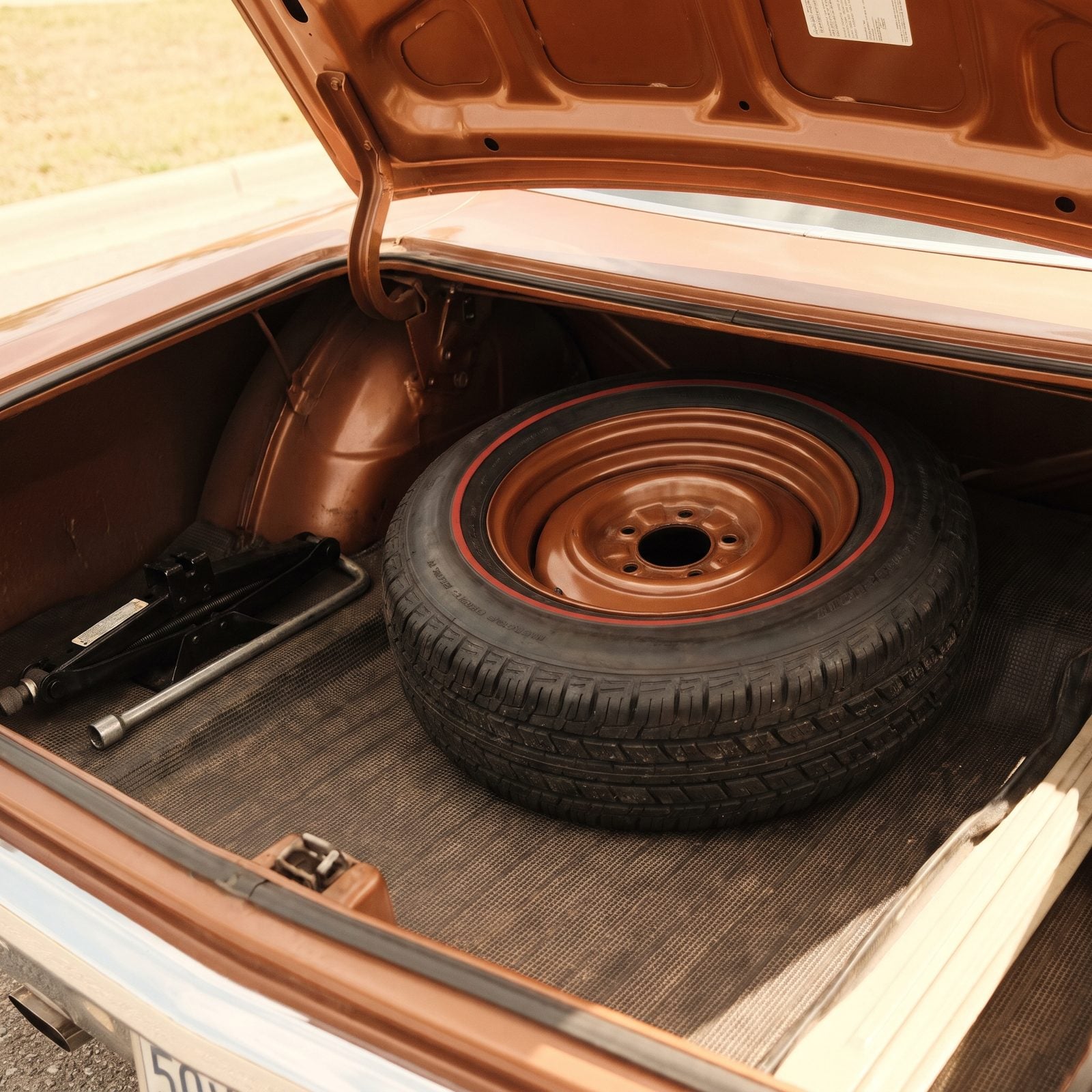
Lift the trunk mat on plenty of ’70s cars and you’d find a real tire sitting there. Same size as the other four, mounted on a matching wheel, ready to go the distance.
Compact space-saver spares were starting to show up, but many cars still came with a full-size spare. Some owners even rotated it into use with the other four, so it wore along with them. Others never touched it, which meant it could be the oldest tire on the car, cracked and dry from years in a hot trunk despite having plenty of tread.
So you checked it. You looked at the sidewalls, pressed a thumb into the rubber, and made sure it actually matched what was on the car. A spare that didn’t hold air was just ballast.
9. The Jack Got Checked Before Any Money Changed Hands
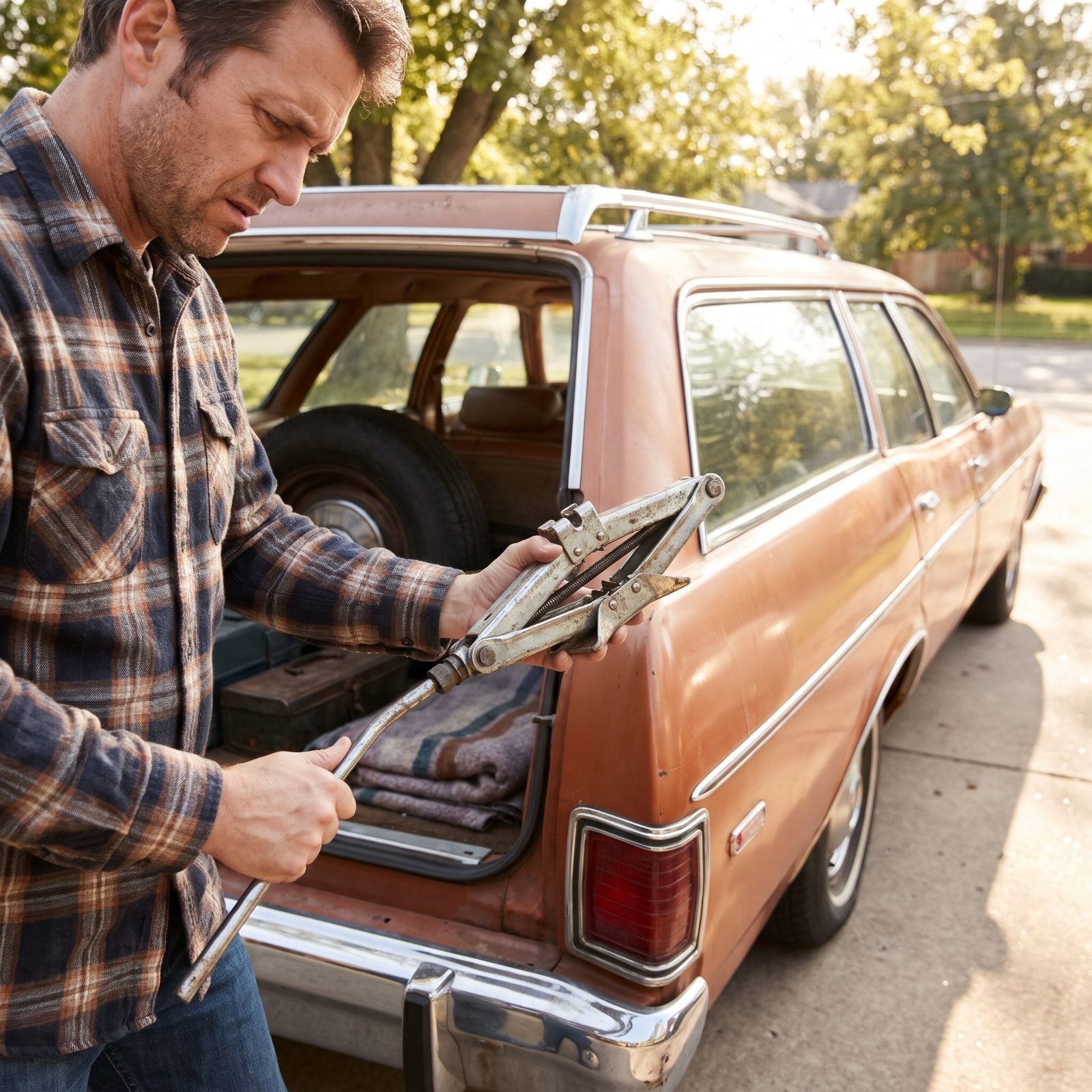
Before you counted out a single bill, you looked in the trunk for the jack.
Some owners kept a chrome scissor jack riding along, a folding jack with a long threaded screw and a long crank handle that you set under the car and cranked to raise the whole corner up. It worked well, but a seized screw, bent arms, stripped threads, or a lost handle made it useless. And the lug wrench needed to be there too.
Sellers lost these pieces all the time, lent them out, or tossed them in the garage. Finding it gone wasn’t a dealbreaker, but it was one more thing to buy and one more small hint about how carefully the car had been kept.
8. Leaded-Fuel Compatibility Still Mattered More Than You’d Think
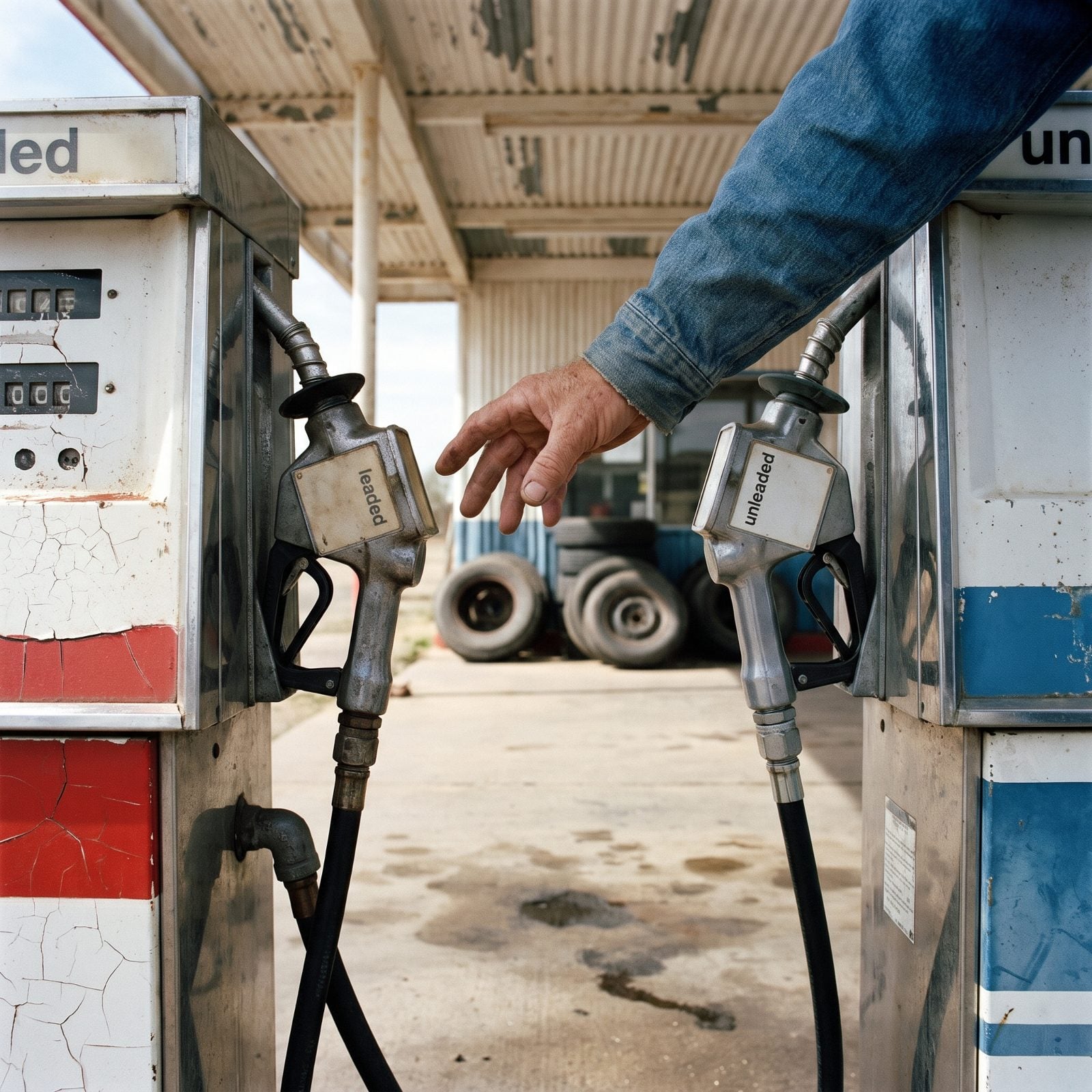
Which pump you’d be pulling up to depended on what you bought.
Starting with the 1975 model year, most new cars came with catalytic converters and needed unleaded gas. Their filler necks were made narrower so the larger leaded nozzle wouldn’t fit, and the dash or fuel door said unleaded only. Older cars, especially high-compression engines from the ’60s, were built around leaded fuel and often wanted premium to run right without pinging.
That made a difference to the buyer. Some owners of newer cars had pried out the filler restrictor to run cheaper leaded gas, which could foul the converter. A buyer who looked closely at the filler neck sometimes learned more about the previous owner than the seller cared to share.
7. Early Emissions Equipment Could Be Mysteriously Missing
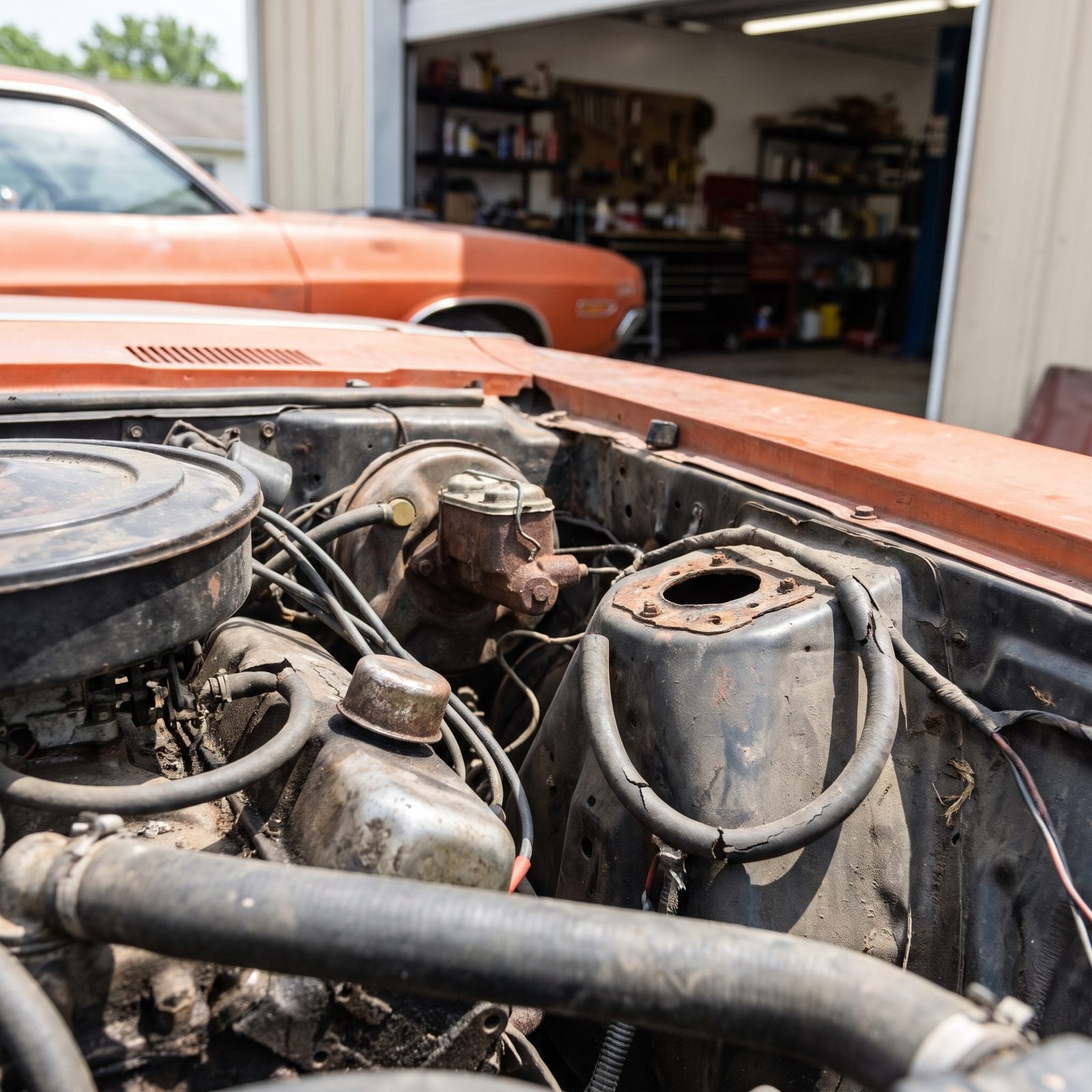
Pop the hood on a mid-’70s car and you might notice some things missing. A bracket with no pump on it. A vacuum line plugged with a golf tee. An extra pulley spinning with no belt.
Early emissions equipment like air-injection pumps and EGR valves had a reputation for sapping power and making engines run rough, and plenty of owners and shops just took them off or disabled them. Some cars had the catalytic converter cut out and replaced with plain pipe. The engine might actually feel better for it.
The catch came later. In places that inspected emissions, a stripped car could fail, and putting the parts back cost real money. Knowing what the car was supposed to have under the hood was the only way to tell what had disappeared.
6. Gas-Crisis Fuel Economy Suddenly Rewrote Resale Value
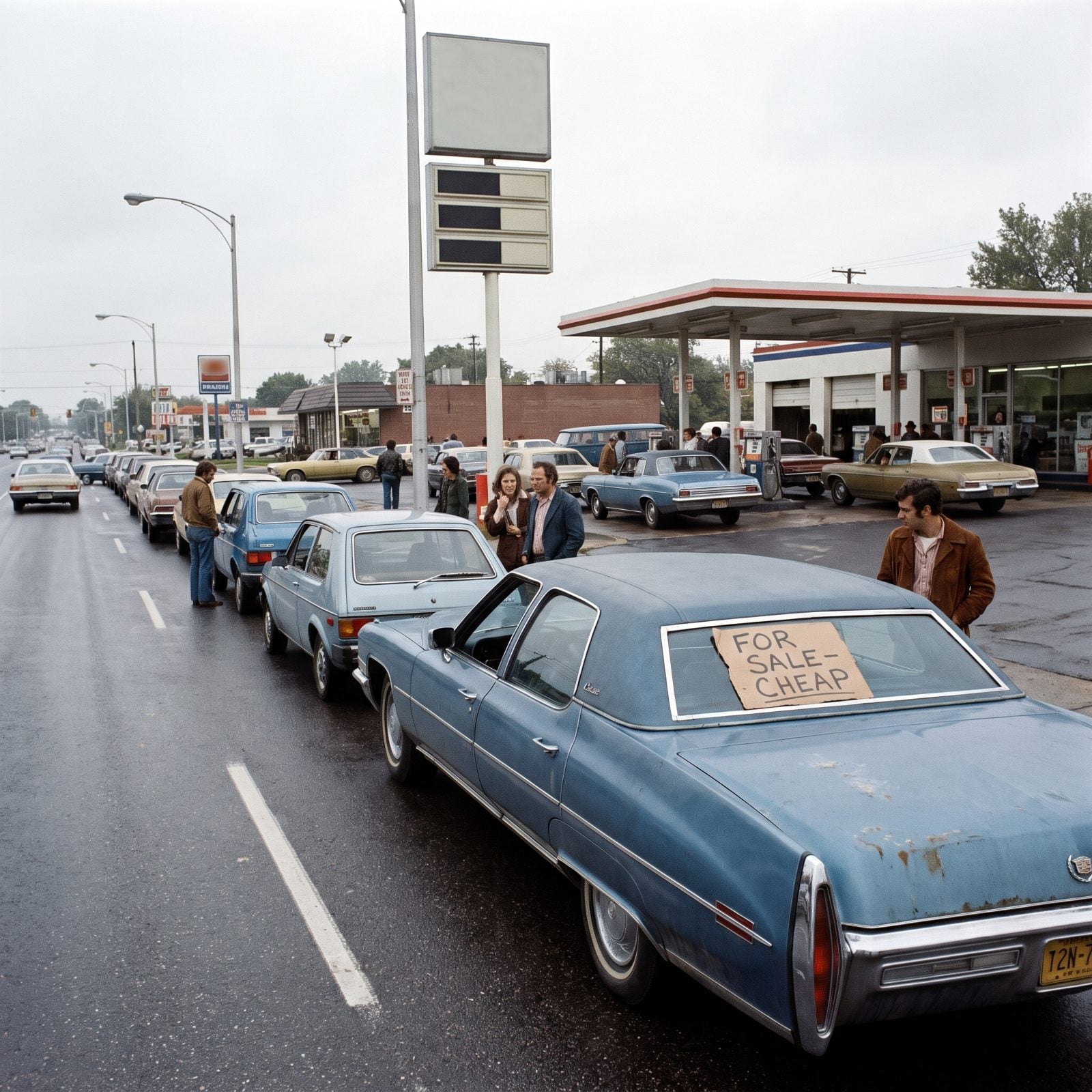
For years, a big car was a better car, and its resale value showed it. Then the gas lines started.
When the 1973 oil embargo hit, and again during the 1979 crunch, drivers sat in long lines waiting for a turn at the pump, and some stations ran dry or limited how much you could buy. Suddenly, miles per gallon was the first question out of every buyer’s mouth. Small, thrifty cars that had been an afterthought got snapped up, and sellers asked more for them.
The used market flipped faster than anyone expected. A compact you could have had cheap the year before became the thing everybody wanted, and the people who had them knew it.
5. Big Engines Became Bargains Almost Overnight
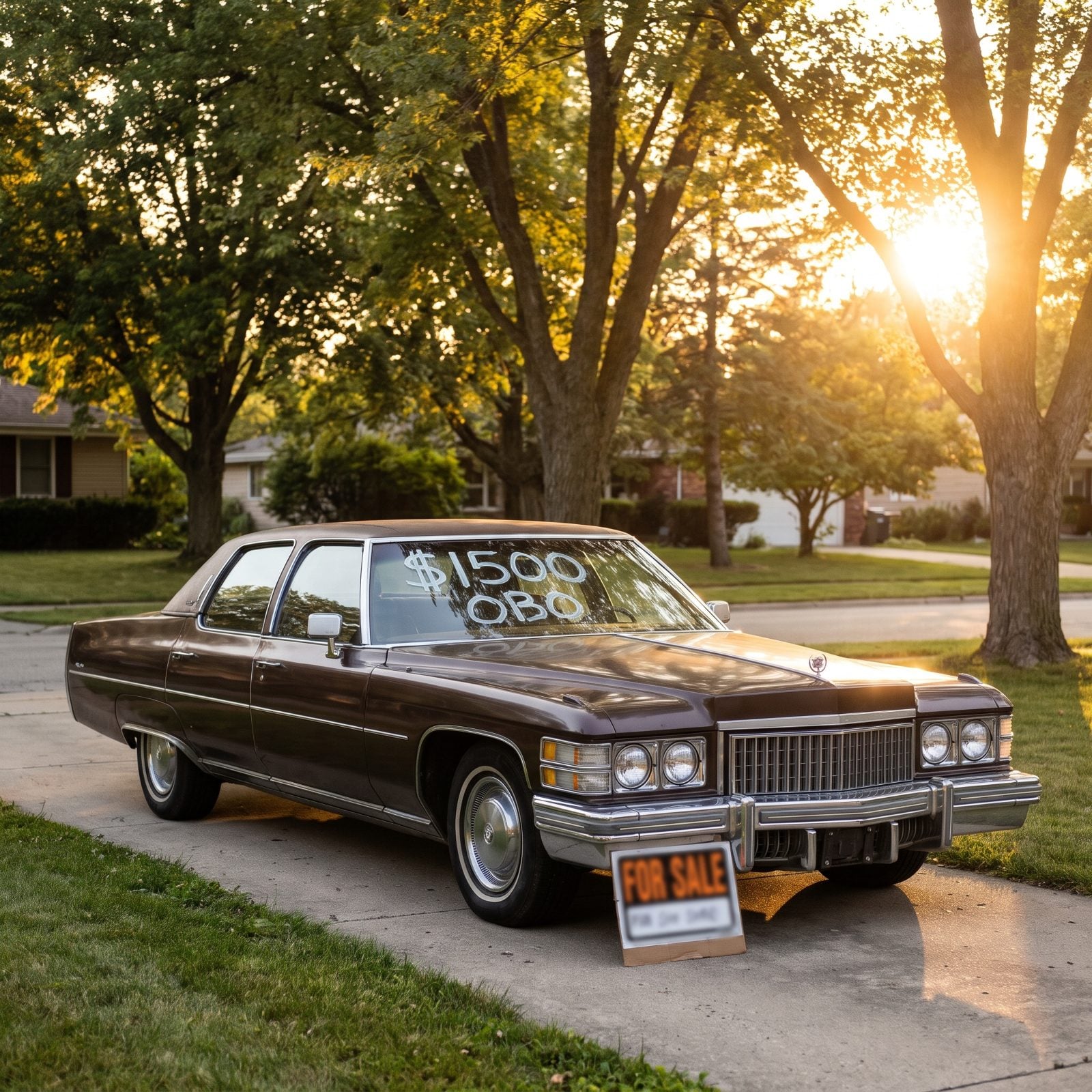
The flip side of the fuel panic was a buyer’s dream, if you could stomach the gas bill.
Full-size sedans, wagons, and muscle cars with huge V8s sat on lots and in driveways while everyone hunted for small cars. Owners who had bragged about their engines a few years earlier now just wanted out. That left room to haggle hard on a heavy car with a powerful motor, plenty of room, and miles of chrome.
For a buyer who didn’t drive far or could live with the fuel costs, it was a lot of car for not much money. Some of those cars, bought cheap by people who simply liked them, ended up being the ones collectors chased decades later.
Today, Jalopy Talk readers are far kinder to those big cars: full-size land yachts get more hearts than the other cars in the same articles, 78% versus 72%.
4. Imported Cars Raised Real Questions About Finding Parts
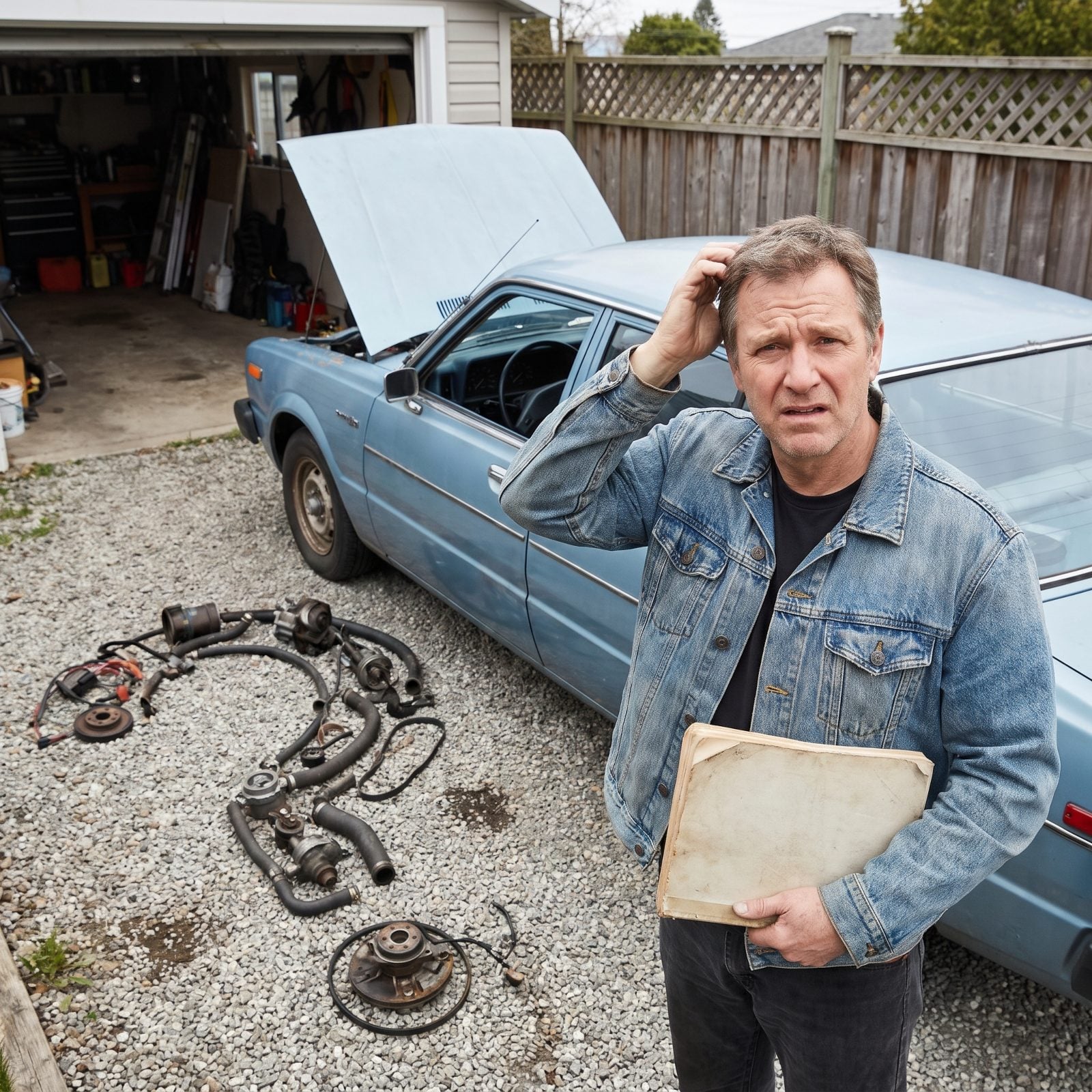
Falling for a Datsun, a Volkswagen, or a Toyota raised one practical question right away: who’s going to fix it?
In a lot of towns, the corner parts store stocked shelf after shelf for Fords and Chevys and not much else. Import parts might mean a trip to the dealer, a special order, or a wait. Imports used metric fasteners, so an owner with a toolbox full of standard wrenches needed a whole new set. Some neighborhood mechanics wouldn’t touch them at all.
Smart buyers asked around before handing over the cash. Was there a dealer nearby? A shop that knew the brand? A small, efficient car looked like a great deal until it sat for weeks waiting for a part that had to come from far away.
3. A Mechanic’s Inspection Was Usually an Informal Favor
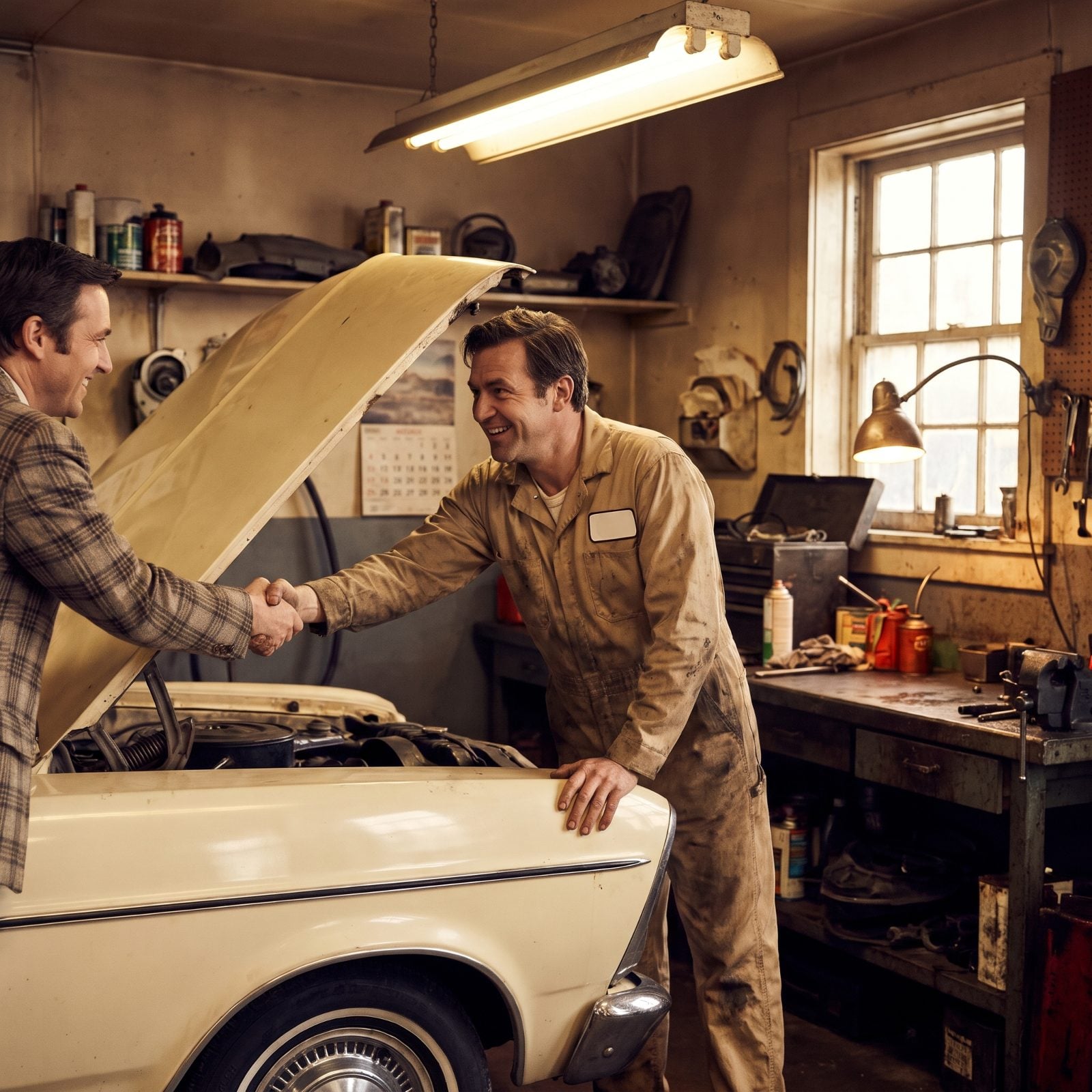
You didn’t book an appointment. You pulled the car around to the corner garage where the guy already knew your name, and you asked him to take a quick look before you handed over four hundred bucks for somebody else’s problem.
He’d put it on the lift, poke at the frame rails with a screwdriver to find where the rust had migrated, pull a plug, cock his head and listen to it idle. Ten minutes, maybe fifteen. No written report, no checklist — just a verdict delivered while he wiped his hands on a rag: “Floor’s soft on the driver’s side, but the engine’s strong. I’d give him three-fifty, not a penny more.”
Sometimes he charged you a few dollars. Sometimes he waved you off because your dad bought tires there. The whole arrangement worked because the man had nothing to prove and no corporate script to read from.
2. Private Sales Often Ended With a Cash Handshake
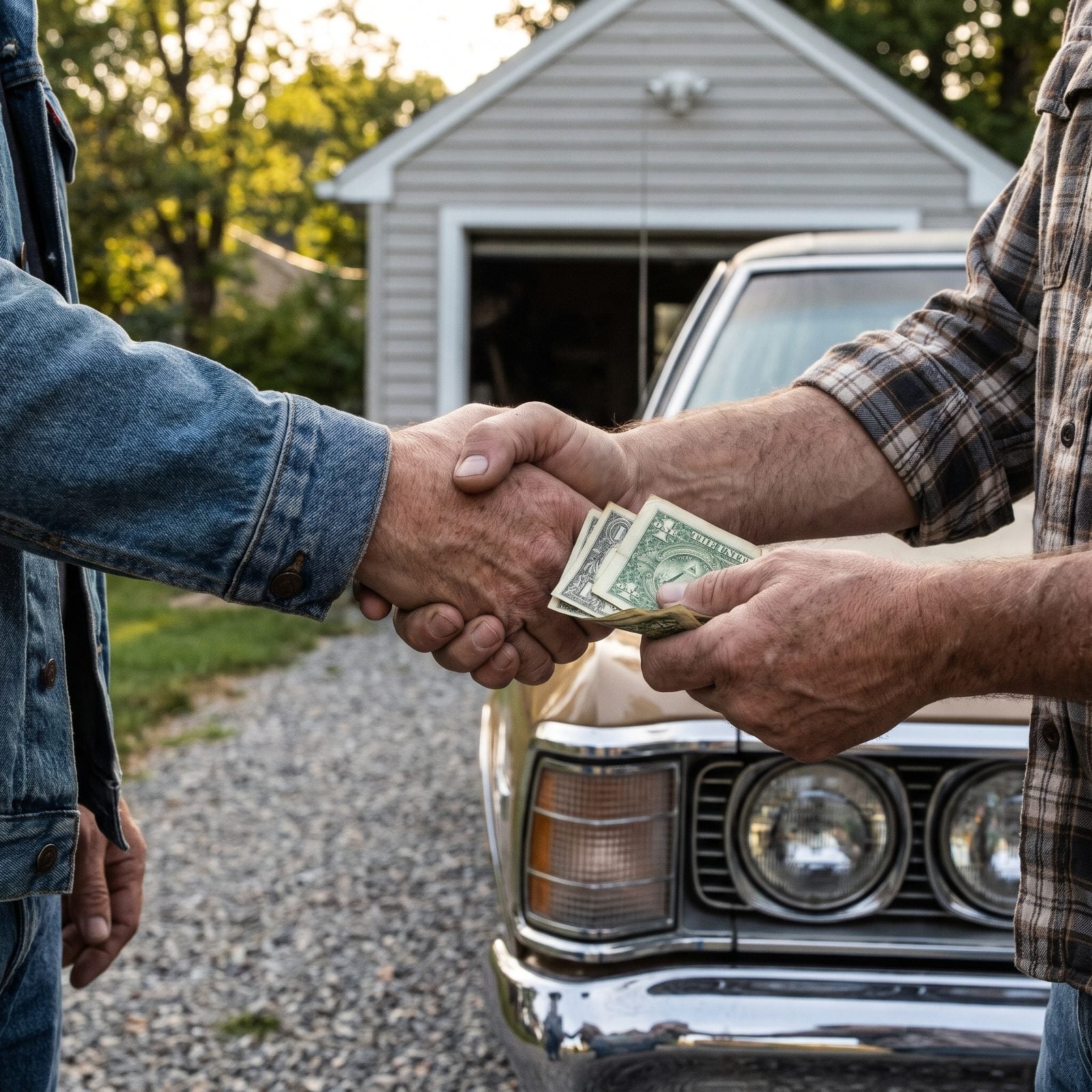
Cash was king and the glovebox was the filing cabinet.
You found the car in the Sunday classifieds, circled in pen, called the number from the kitchen wall phone, and drove across town to a stranger’s driveway. You kicked the tires, drove it around the block with the owner riding shotgun, and if it felt right you peeled bills off a roll you’d pulled from the bank that morning.
The title got signed on the hood. He handed over the keys and a spare, maybe the old maintenance receipts rubber-banded together if he was the sentimental sort. No escrow, no app, no paper trail beyond a pink slip and whatever you scribbled as a bill of sale on the back of an envelope.
I’ll admit the whole thing ran on trust that looks reckless now. But you looked a man in the eye in his own driveway, and that told you more than any vehicle history report ever has.
The title got signed on the hood, and that was the paperwork.
1. A Bank Might Refuse to Finance an Older Car
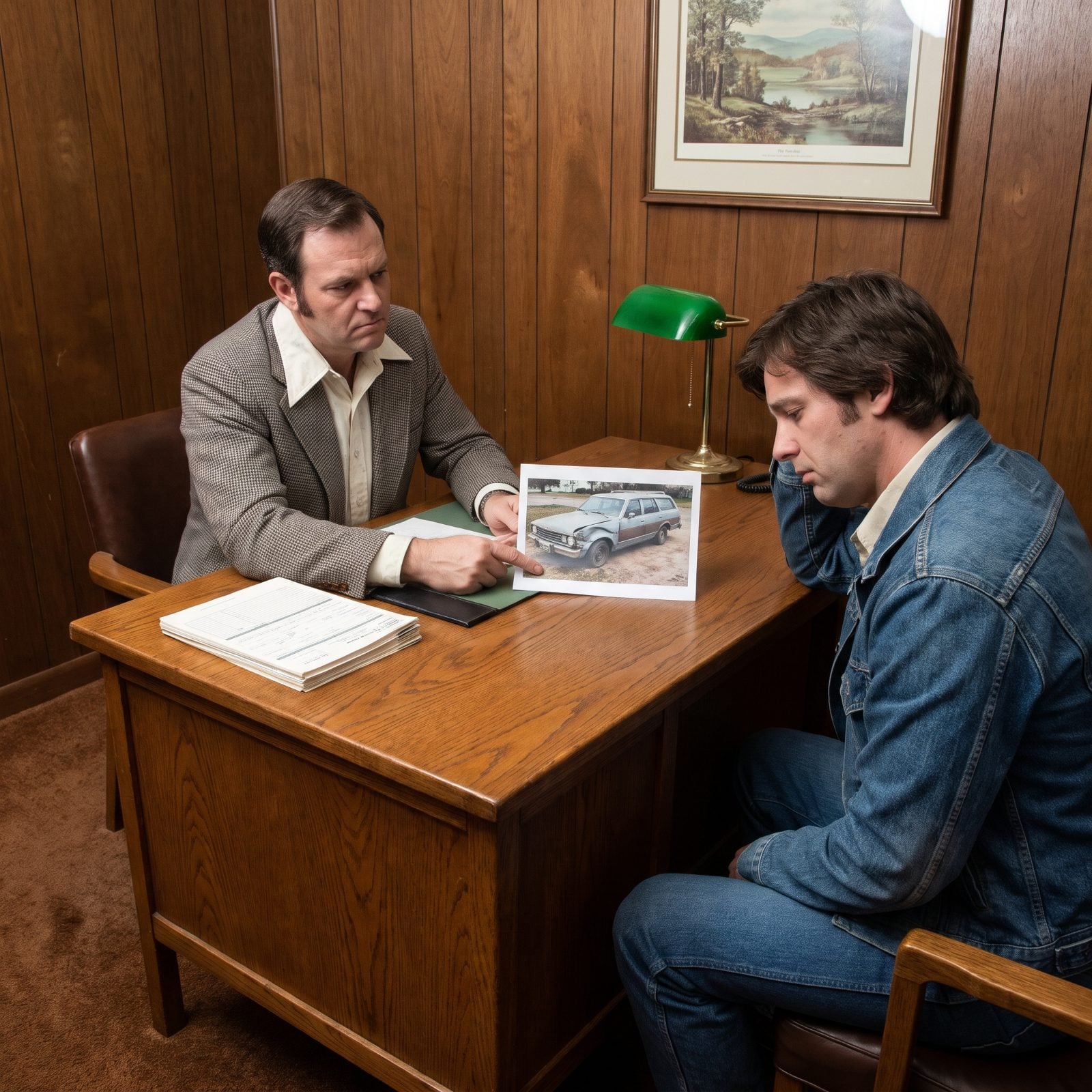
Say you found a ten-year-old wagon, priced right — a crumpled front fender and some body damage, but it still runs. You walk into the local savings and loan with a down payment and a steady paycheck, the loan officer taps the snapshot of the car, squints at the year on the application, and he shakes his head. The dent isn’t the deal-breaker — the age is.
Banks wanted to finance something they could repossess and resell for most of what they were owed. A car past a certain age — usually anything older than five or six years — had depreciated past their comfort line. The metal just wasn’t worth enough to secure the note.
So people got creative. You took out a personal signature loan at a higher rate, or borrowed against something else, or you simply saved up and paid cash, which is partly why so much of the used-car trade happened in bills.
It nudged buyers toward thrift whether they liked it or not. Wanted that older car? You figured out how to buy it outright, and you drove off owing nobody anything.