
Would you like to save this?
Every shop had a lineup. Not a schedule, a lineup. The old man who ran the place, the kid sweeping the bay, the guy who could diagnose a knock by cocking his head at the hood. You walked in already knowing who did what, who to trust with your carburetor, and who to keep away from your paint job. Which one were you?
8. The Old Man Who Owned the Place
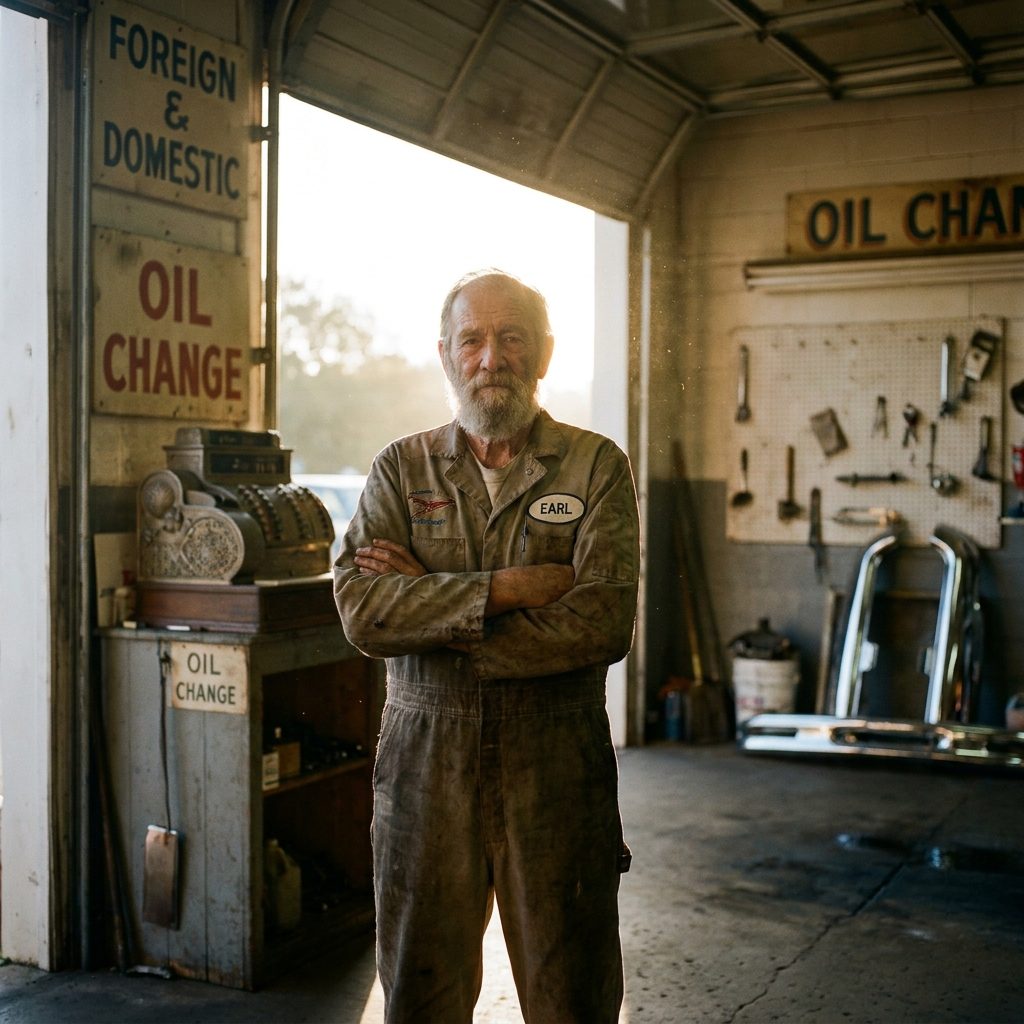
He opened the shop in 1962 and hadn’t changed the layout since. Coveralls with his first name stitched on the chest, though everybody called him by his last name anyway. He handled the paperwork, the yelling, and the customers who tried to argue about the bill. He didn’t wrench anymore, not really. But he would walk out to a bay, listen to an engine for eight seconds, and tell you exactly what was wrong. Then he’d go back inside and light another cigar.
You didn’t haggle with him. You could try. He’d look at you the way a man looks at a screen door in a submarine, and you would pay the invoice.
7. The Master Tech Who Never Said Much
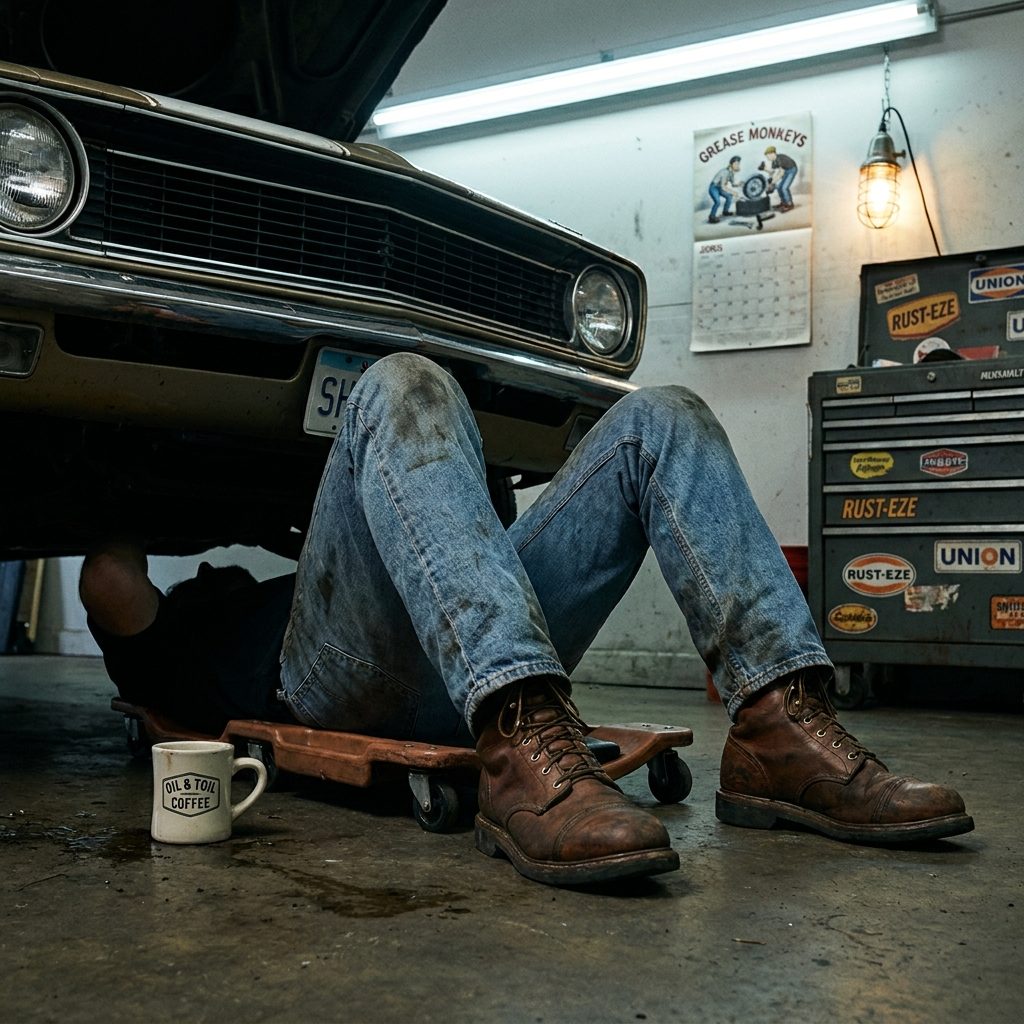
Every shop had one. The guy who showed up at 7:15, poured coffee, and disappeared into a bay until lunch. He did the jobs nobody else could figure out — transmissions rebuilt from memory, carburetors tuned by ear, electrical gremlins on a Cadillac that had defeated three other mechanics before it landed on his lift.
He owned more tools than the shop did. His Snap-on box was worth more than his truck, and he’d tell you that if you got him talking, which took about six years of knowing him. When he spoke, everybody in the bay stopped and listened, because he only opened his mouth when it mattered.
6. The Kid Sweeping the Floor

Sixteen, maybe seventeen. Related to somebody, usually. Sweeping the bays, running parts, fetching coffee, and getting yelled at for touching the wrong thing. He wanted to be the master tech in five years and thought he already was.
He learned by absorbing — watched every job, asked questions when the timing was right, got handed the easy stuff first. Oil changes. Tire rotations. Stick around and he became somebody. Bail on it and he went and sold insurance and never opened a hood again.
5. The Parts Guy Behind the Counter
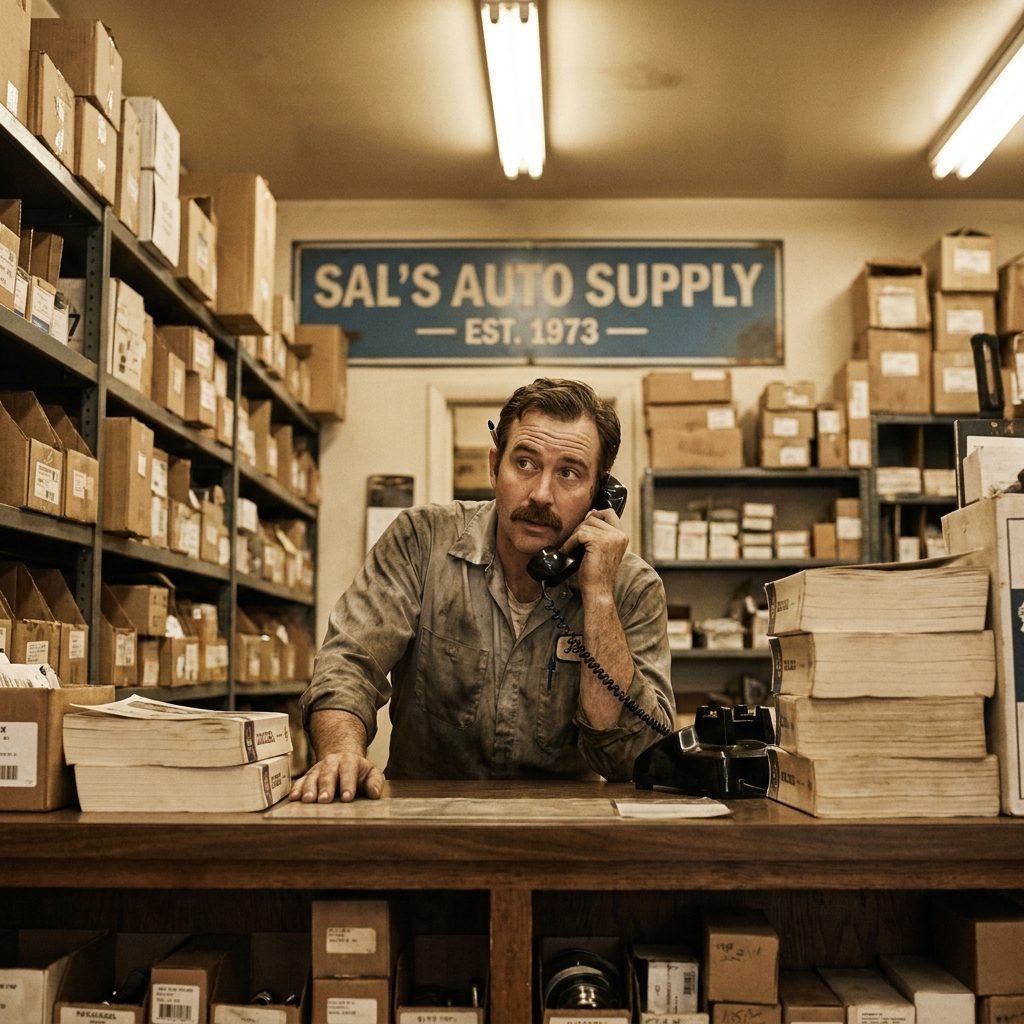
Not always at the shop itself — sometimes at the NAPA down the street — but he was part of the ecosystem. He could look at your car, ask three questions, and pull the right water pump off the shelf without opening the catalog. He knew what fit what. He knew which years shared parts. He knew that the 1976 and 1977 models used different brackets, and if you didn’t ask, he’d tell you.
The best ones had been at the same counter for twenty years. The worst ones had been there six months and would sell you a fuel pump for a small block when your car had a big block.
4. The Guy Who Only Did Bodywork
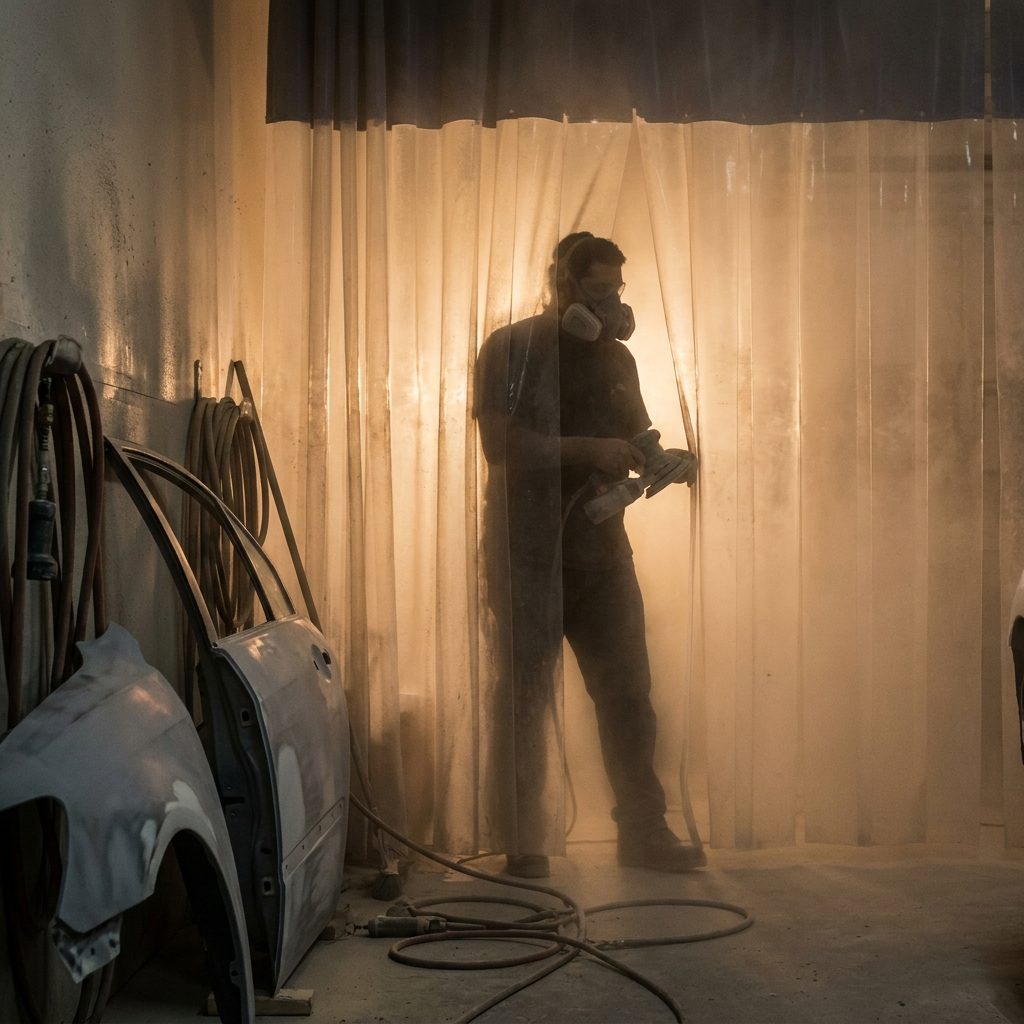
He worked behind the plastic strip curtain in the back. Nobody bothered him because he was covered in Bondo dust and had strong opinions about which paint booths were worth using. He didn’t touch engines. Didn’t want to. Ask him to look at your carburetor and he’d stare at you like you’d asked him to babysit.
His stall smelled like lacquer thinner and cigarettes. He drove a truck he’d painted himself, and it looked like it came from the factory that way — fender benders, rust repair, whole quarter panels swapped in from a junkyard donor. He made cars look new again and charged accordingly.
3. The Weekend Hot-Rodder Moonlighting on Weekdays
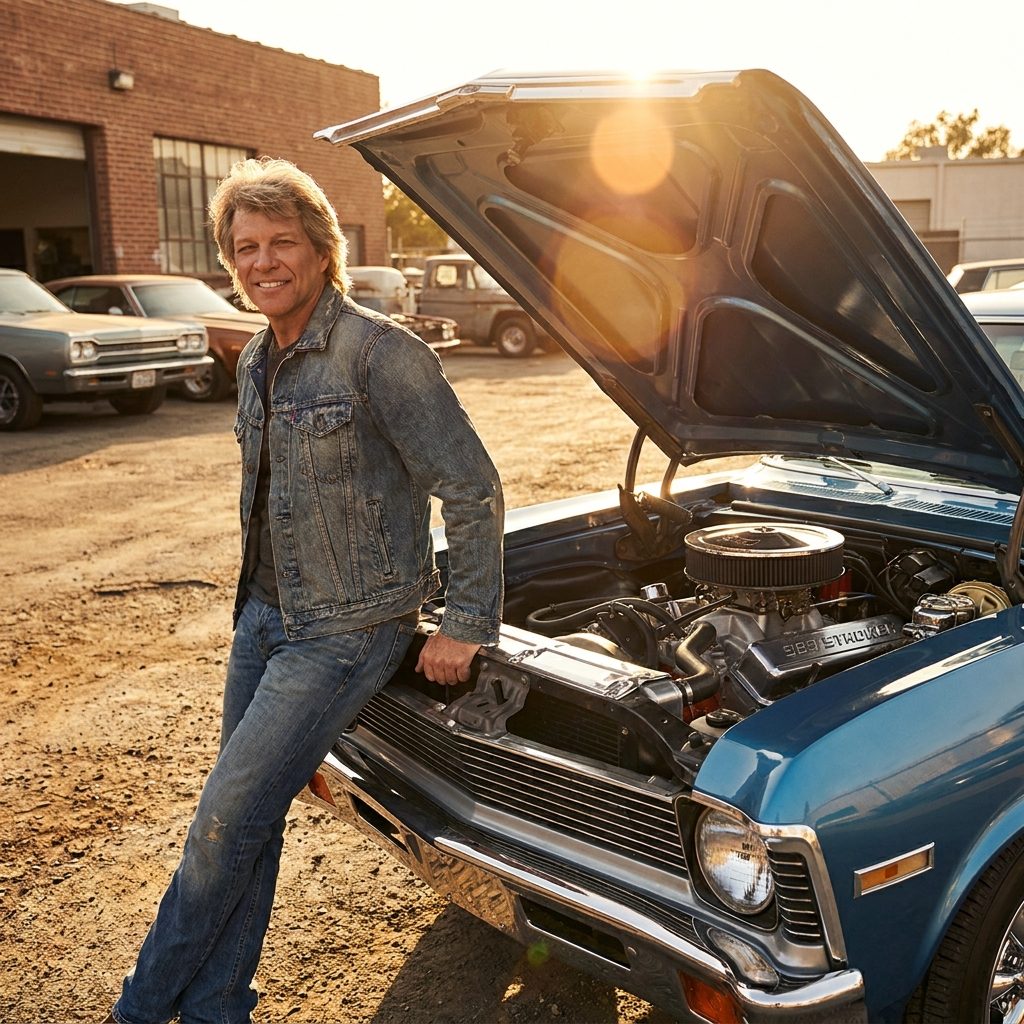
He had a 1969 Nova at home with a 383 stroker he’d built in his garage, and everybody knew about the Nova because he talked about it every day. Cam specs, gear ratios, quarter-mile times from last summer at the local strip.
At the shop he did normal work — oil changes, brake jobs — but bring in a muscle car with a problem and he lit up. He’d work through lunch to figure out why your Cobra Jet was running lean. He cut side deals in the parking lot on Saturdays too. Cash only, no receipt, and the owner pretended not to know.
2. The Service Writer Who Ran Interference
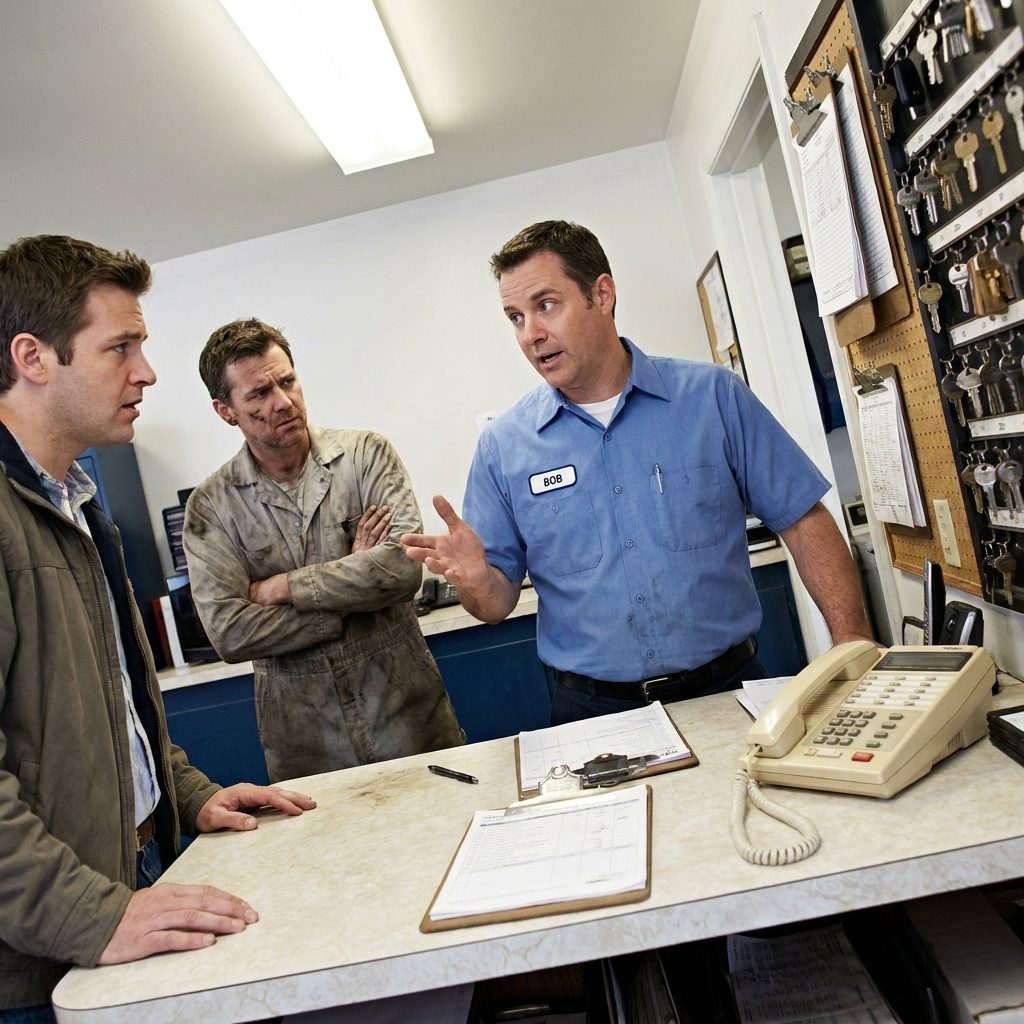
He stood between the customers and the mechanics, and the mechanics loved him for it. He translated. A woman comes in and says her car makes a noise when she turns right, and he asks the questions that turn that into a work order. Front end? Suspension? CV joint? Wheel bearing? By the time he handed the ticket to the tech, half the diagnosis was done.
He also handled the bad news. Your transmission is gone. Your engine has a cracked block. Your car isn’t worth what it will cost to fix. He delivered these lines with the practiced calm of a man who had done it a thousand times.
1. The Retired Guy Who Just Hung Around

He used to work there. Or somewhere like it. Retired in 1981, and he still came in three mornings a week to drink coffee and criticize how the young guys were doing things. Opinions on everything — points versus electronic ignition, radials versus bias-ply, the exact moment Detroit lost its mind, which he could pinpoint to within a model year.
Nobody minded. He was part of the furniture, and half the time he actually knew something useful. When a car came in with a problem from the era he understood, he could solve it in the time it took to finish his coffee. Then back to complaining about the new Buicks.