
Would you like to save this?
A scan tool beeps, a code pops up, and the first instinct is to clear it and drive on. That instinct has cost people transmissions. Most of the money drained from a car’s life gets spent on mistakes made with good intentions — a well-meaning dab of grease, a shortcut at the curb, a plug left in overnight. The repairs that empty a wallet rarely arrive from nowhere; they get fed by small habits nobody flags as dangerous. Below are the ones worth dropping now, some obscure enough that even seasoned wrenches miss a few.
Please note that some of the images in this article were created with the assistance of AI.
29. Stop Clearing Trouble Codes Before You Save the Freeze-Frame Data
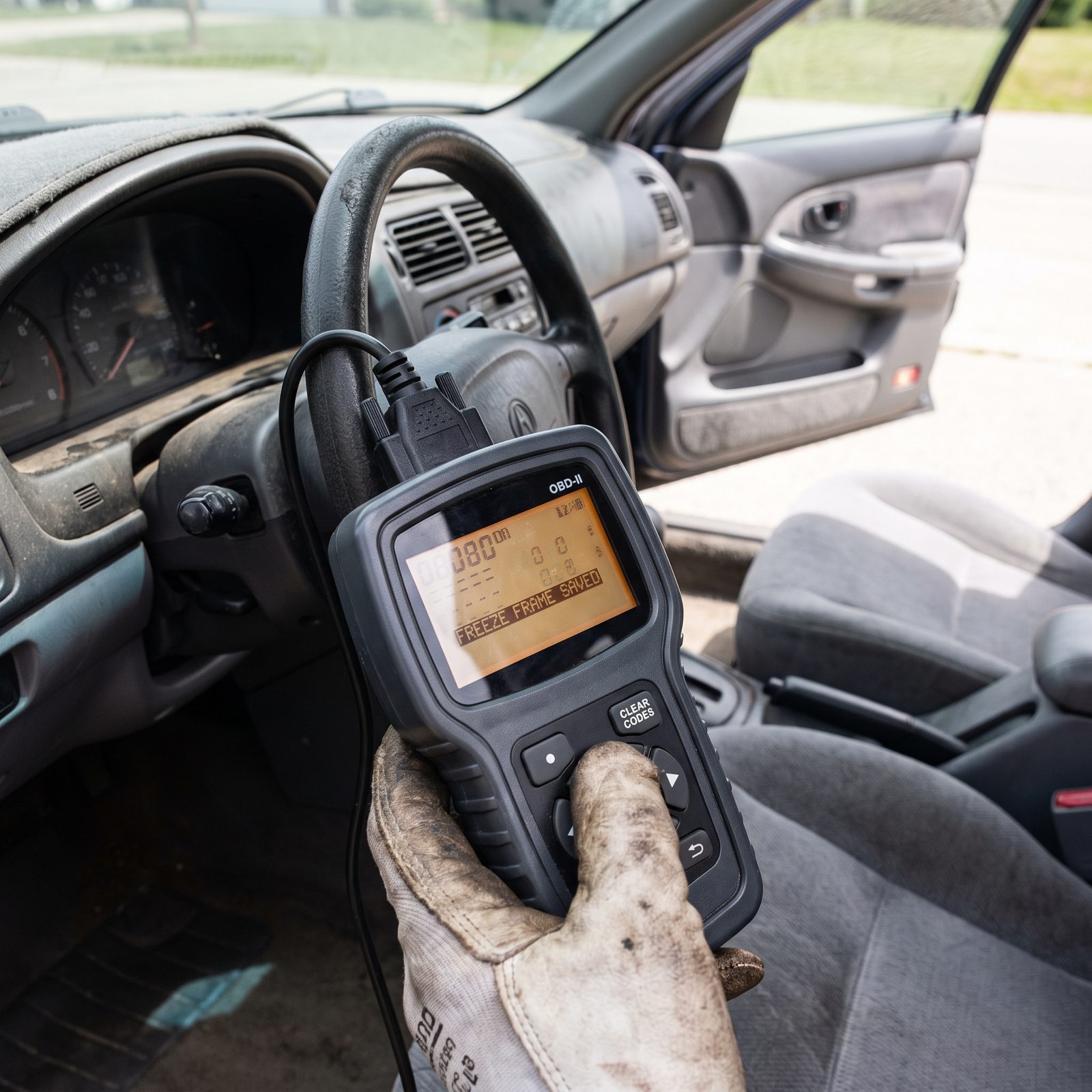
The code itself tells you almost nothing. What matters is the freeze-frame data stored alongside it — engine temperature, speed, load, fuel trim, all captured at the exact second the fault tripped. Wipe the code first and that snapshot vanishes with it.
Say an intermittent misfire throws a code once a month. Clear it blind and you’re chasing a ghost. Save the freeze-frame and you see it only happens cold, at light throttle, which points straight at one specific coil. One path costs an afternoon of guessing; the other costs a ten-minute read.
28. Stop Skipping Battery Registration on Cars That Demand It
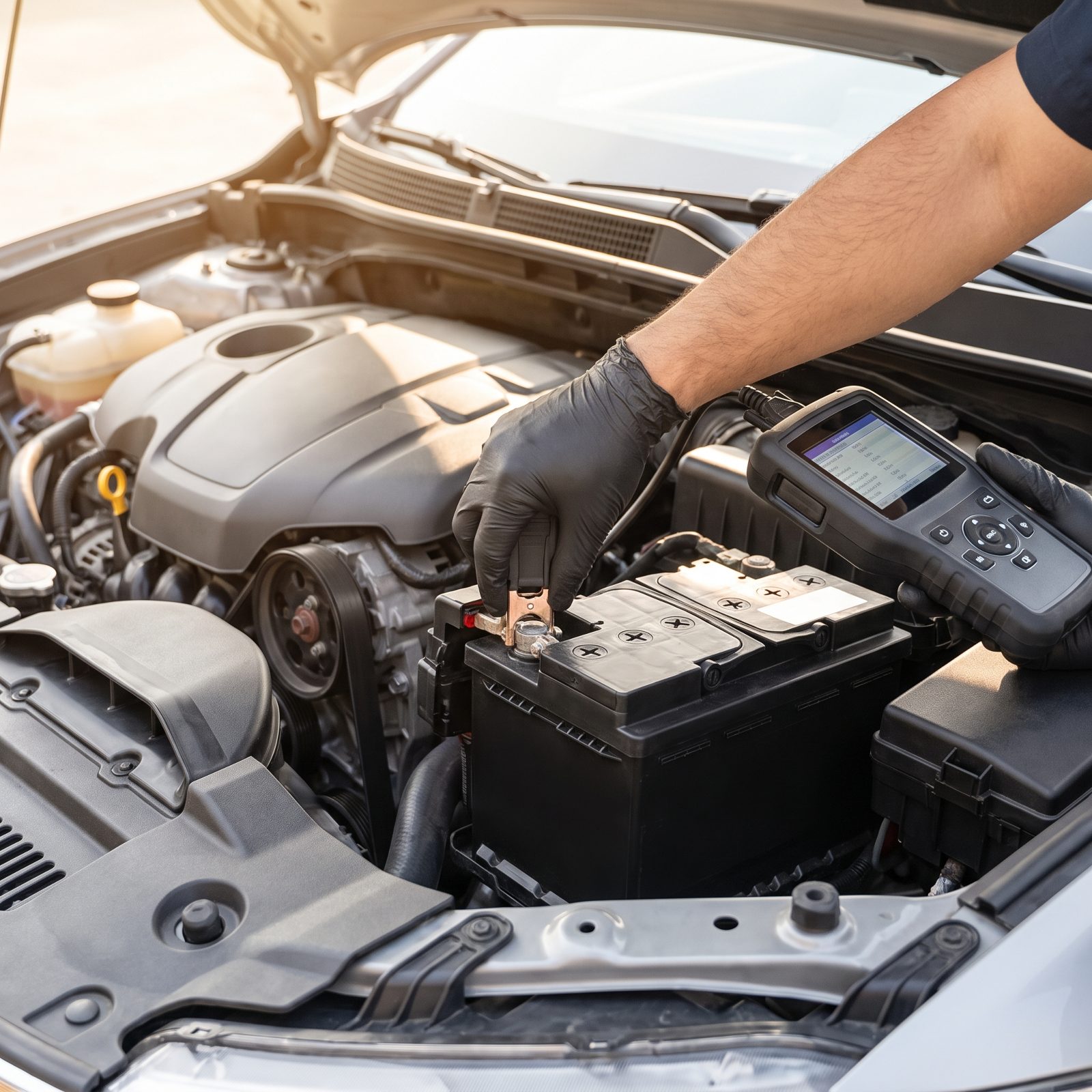
Drop a new battery into a lot of European models — and a few newer domestics — and the charging system keeps feeding it like it’s still the worn-out one it replaced. The smart charging logic has to be told a fresh battery arrived.
Skip that step and the alternator overcharges or undercharges the new unit, cooking a battery that should last six years down to three. A quick registration through the right scan tool prevents it. Most owners never hear about any of this until they’re buying their second premature battery and wondering what went wrong.
27. Stop Yanking a Battery Cable to Test Whether the Alternator Works
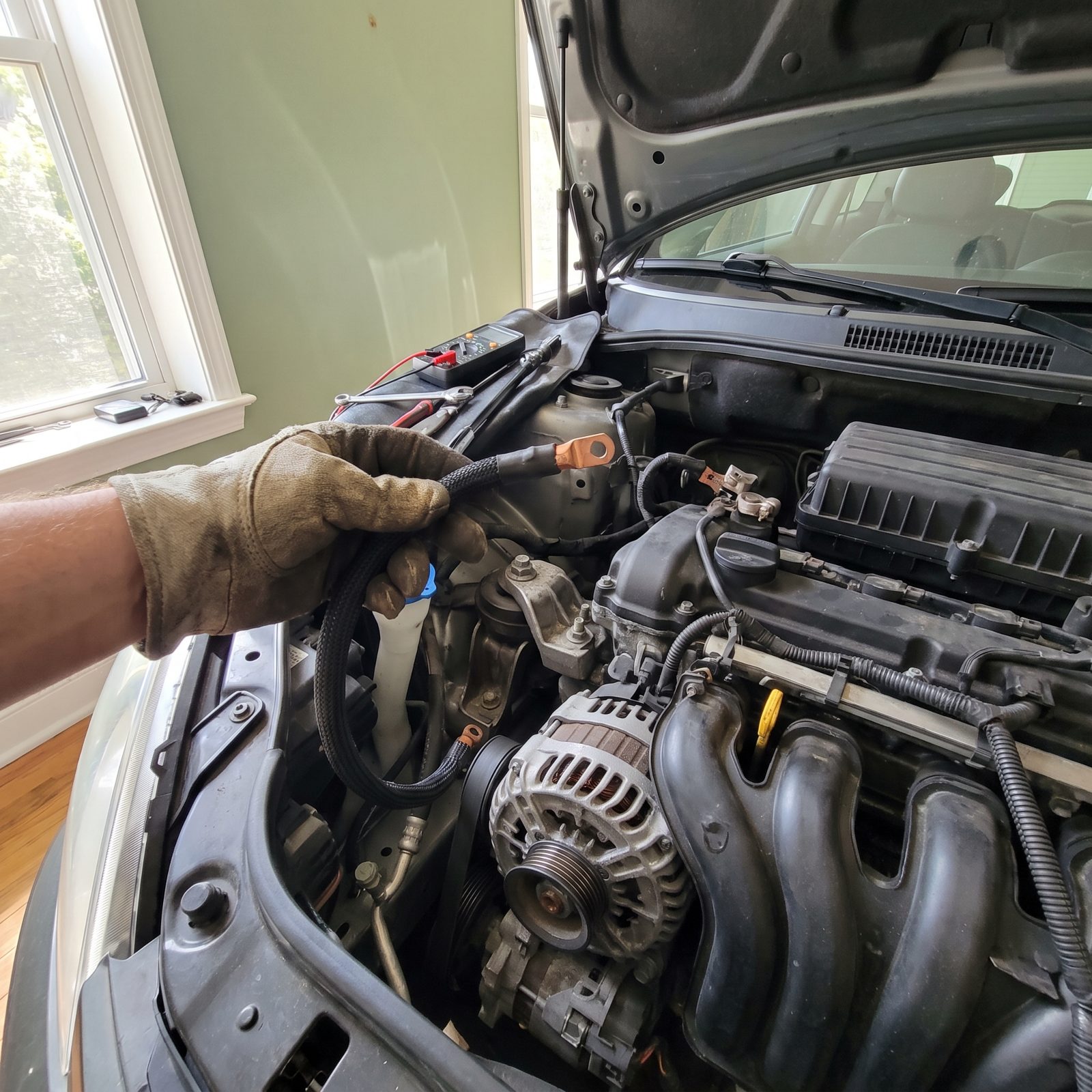
Here’s an old trick from the generator era that quietly murders modern electronics. Pull the battery cable with the engine running on an older car and nothing much happens. Do it on anything built in the last twenty-five years and you’ve just removed the single component that absorbs voltage spikes.
With the battery gone, the alternator can send a surge straight into control modules that cost more than the alternator itself. A proper multimeter test takes thirty seconds and risks nothing.
26. Stop Smearing Anti-Seize on Your Wheel Studs
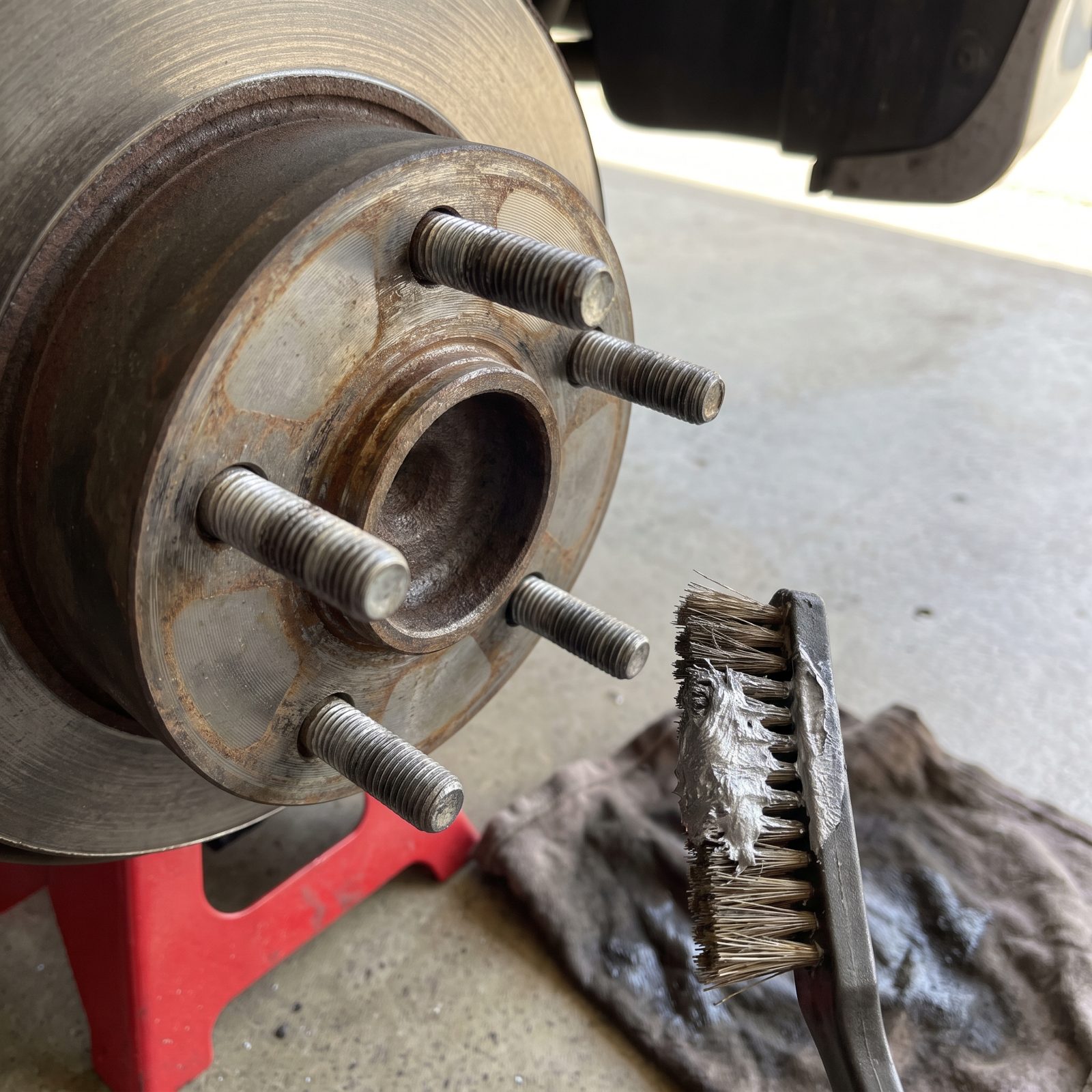
It feels like a kindness to your future self — a little lubricant on the threads so the lug nuts come off easy next time. Trouble is, torque specs are written for dry, clean threads.
Add lubricant and the same wrench reading now applies far more clamping force than intended. Overstress the stud and it stretches. Stretched studs let rotors warp, nuts loosen, or studs snap on the highway. The factory wants clean, dry threads torqued to spec. If you’re fighting rust, save the anti-seize for the hub face, never the threads.
25. Stop Replacing a Single AWD Tire Without Checking Rolling Circumference
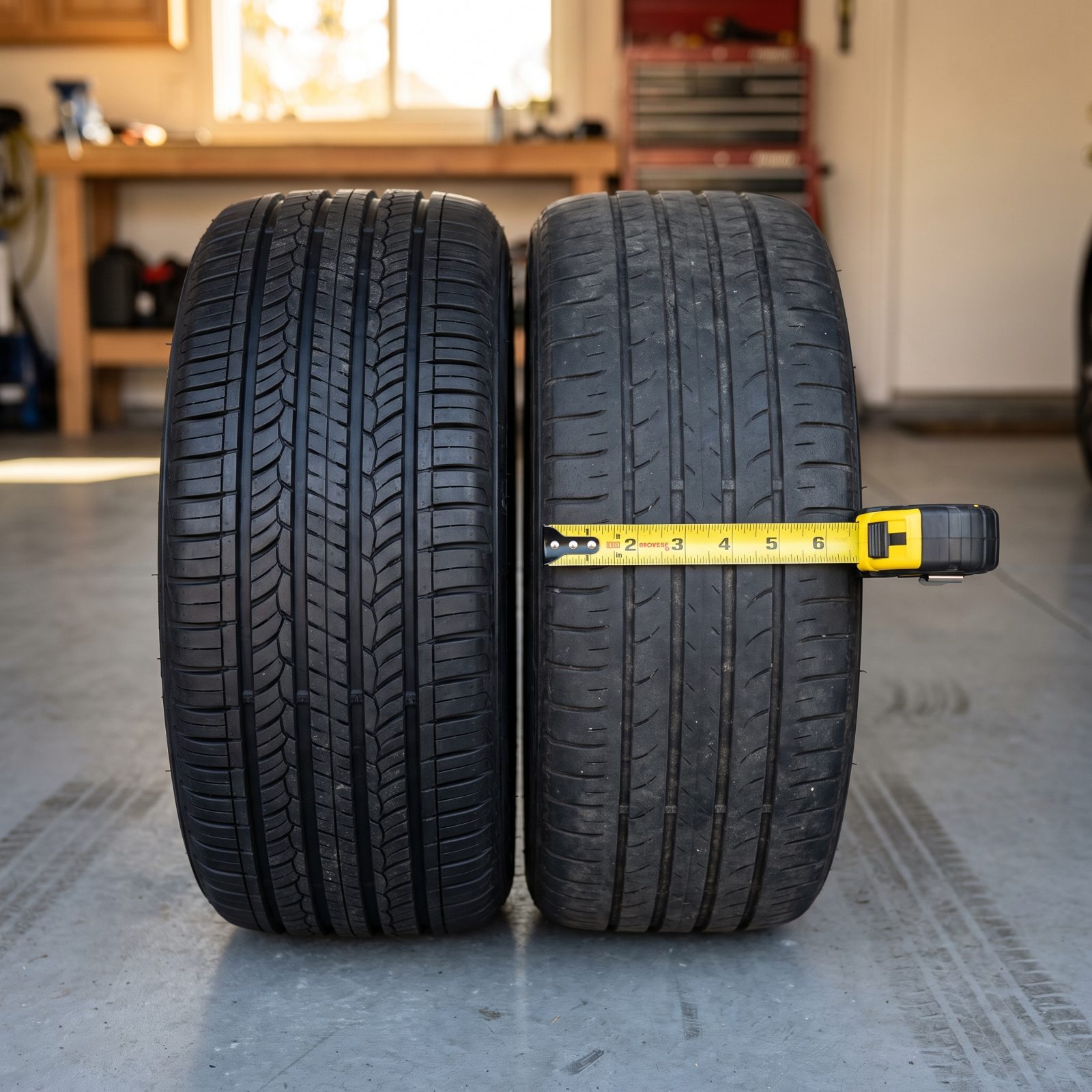
All-wheel-drive systems assume every tire turns at the same rate. A new tire next to three worn ones has a slightly larger diameter, so it rotates fewer times per mile. That tiny mismatch forces the center differential or coupling to work constantly, fighting a difference it was never built to manage.
On some systems a quarter-inch of circumference difference is enough to accelerate wear or trigger outright failure. Measure before you buy. If one tire is too far gone, you may need to replace in pairs or all four, or have the odd one shaved down to match. Still cheaper than a differential.
24. Stop Cutting Short an Active Diesel Regeneration Cycle
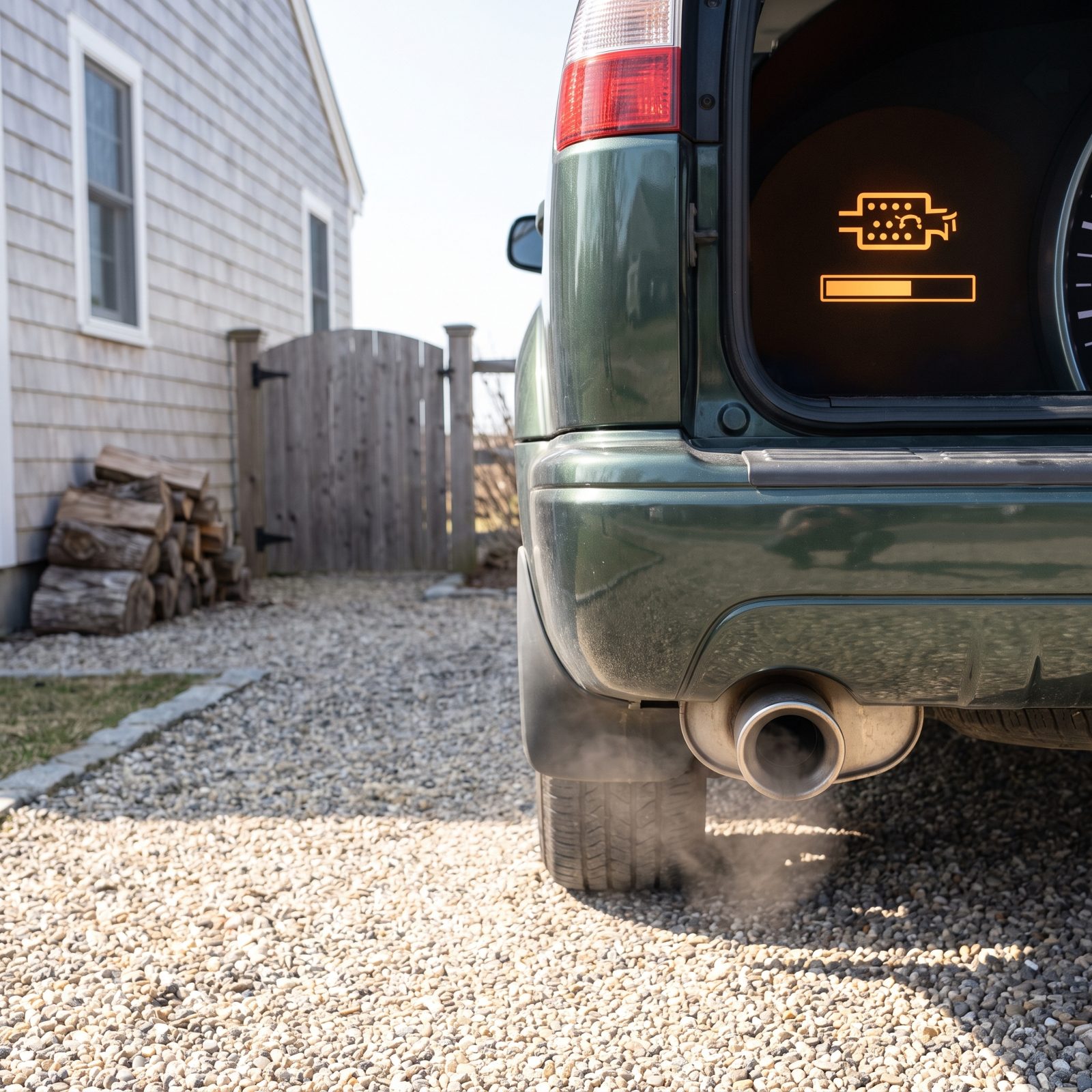
Modern diesels burn off soot by running a hotter cycle called regeneration, usually while you drive. Shut the engine down mid-cycle a few times — especially if you live on short trips — and that soot never fully clears.
Keep interrupting it and the particulate filter clogs past the point of self-cleaning. Now it needs a forced regen on a shop machine, or worse, a replacement filter that runs into four figures. When the car wants a longer drive, give it one. That dash light begging for a highway run is a lot cheaper to obey than ignore.
23. Stop Reaching for the AC Recharge Can With Sealer in It
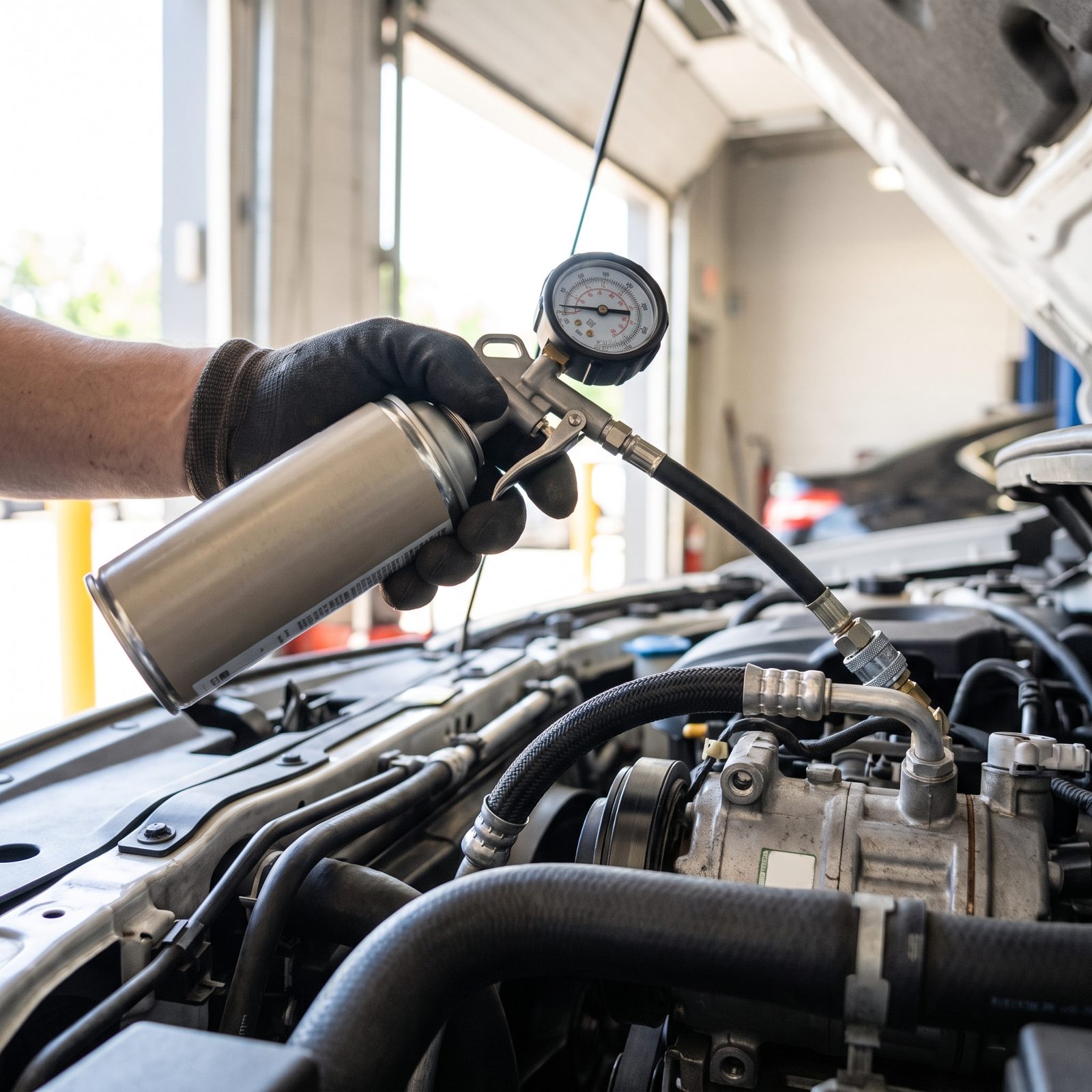
Those cans that promise to recharge and stop leaks in one shot? A trap wearing a helpful face. The sealer is designed to harden when it meets air at a leak point, and it can’t tell the difference between a pinhole and the inside of your compressor, your expansion valve, or the shop’s recovery machine.
Once that sealer sets up inside the system, a hundred-dollar leak becomes a full teardown and replacement. Plain refrigerant without additives is fine for topping off. Anything advertising a sealing agent belongs back on the shelf.
22. Stop Idling the Stored Car for a Few Minutes to Keep It Fresh
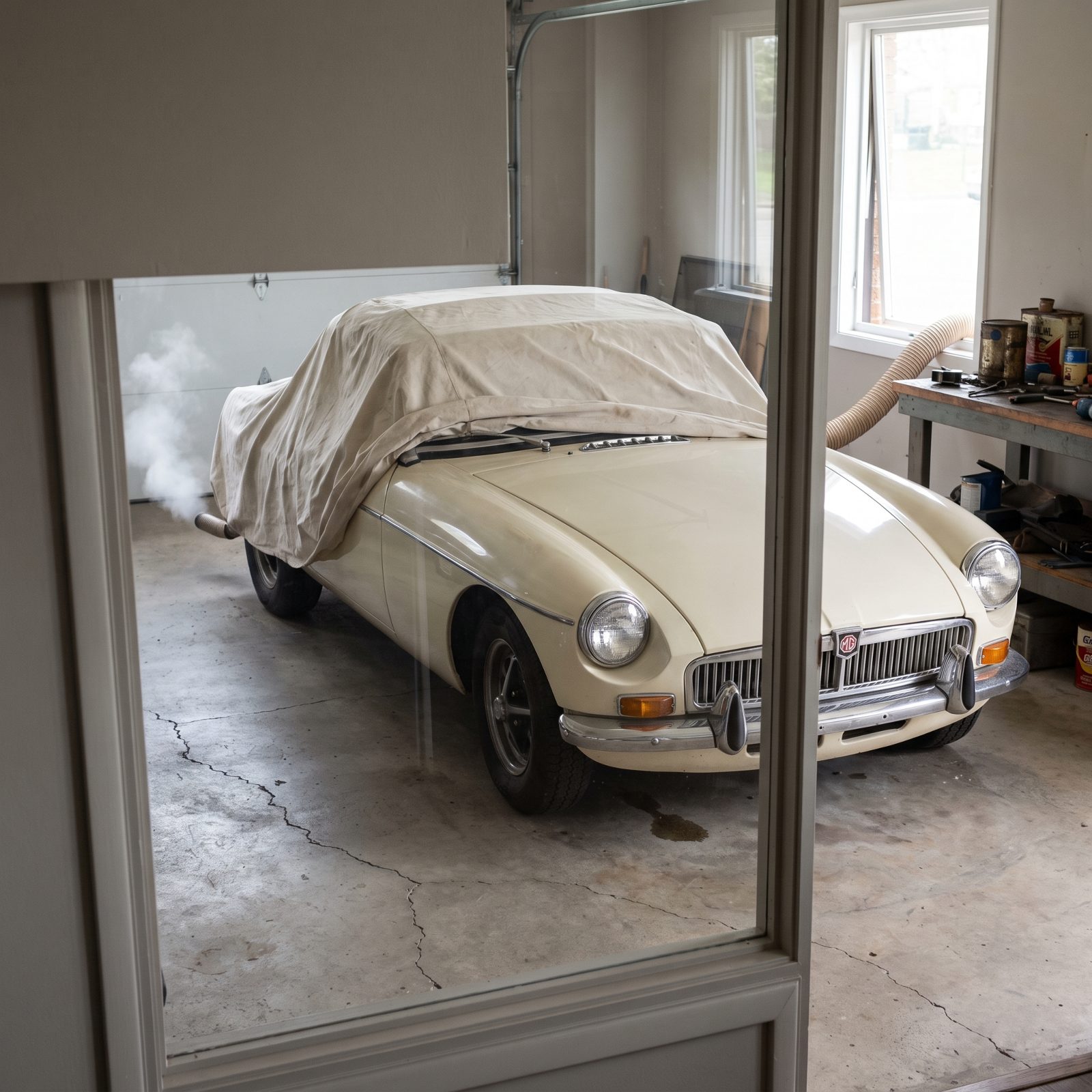
The logic sounds right. Start it monthly, let it idle a few minutes, keep things lubricated. The logic is also backwards. A short idle never brings the engine and oil up to full temperature, so the water that combustion naturally produces condenses inside the crankcase and exhaust instead of boiling off.
Do that all winter and you get moisture mixing with oil, raw fuel diluting what’s left. You’ve built an acid bath where you meant to add protection. If you can’t drive it a solid twenty minutes at real operating temperature, you’re usually better off leaving it parked properly and not starting it at all.
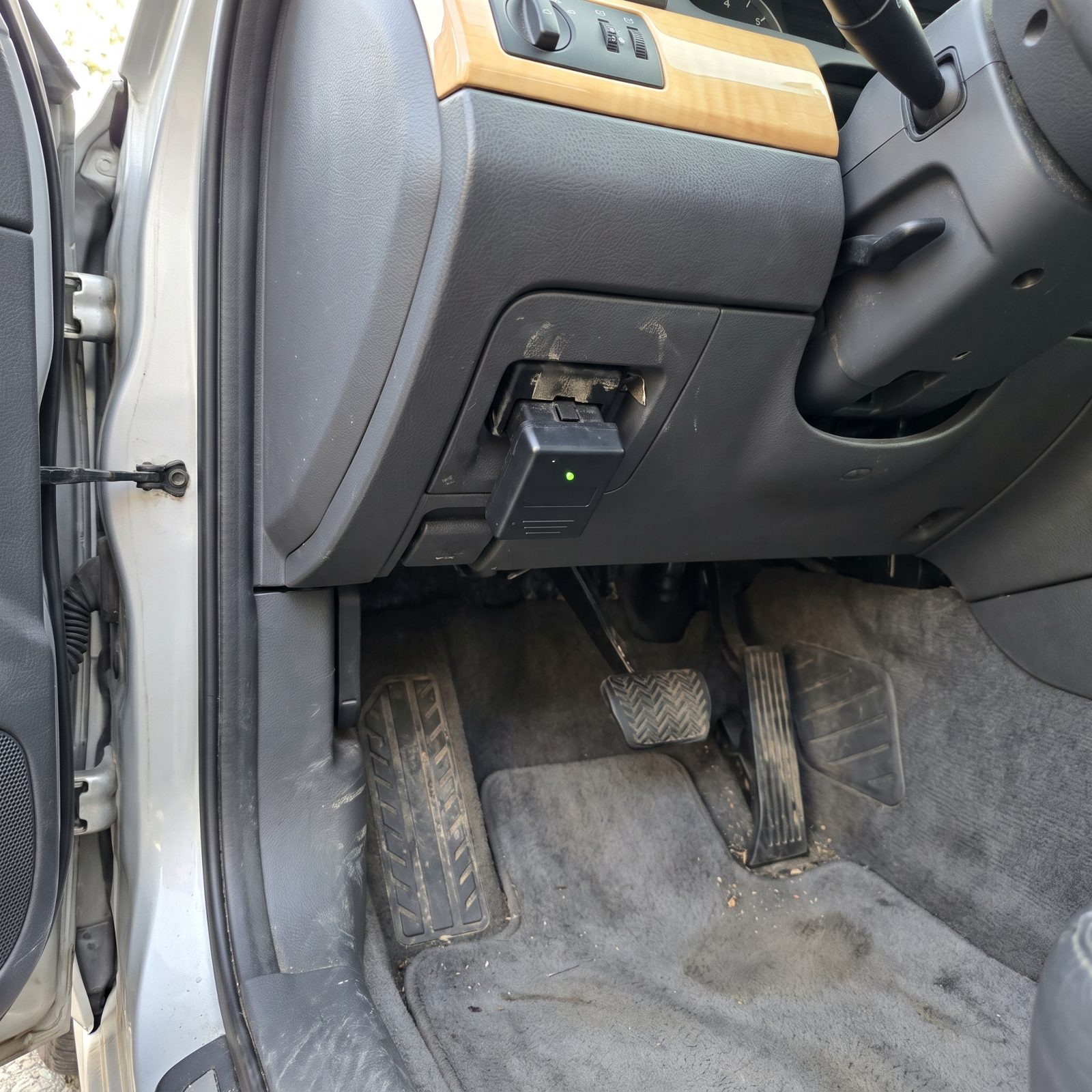
21. Stop Leaving That OBD Dongle Plugged In Month After Month
Would you like to save this?
Insurance trackers, performance monitors, driving apps — all handy, until they live in the port forever. Some dongles never fully sleep. They sip current around the clock, and on a car that sits a few days between drives, that trickle can flatten a battery or wake modules that should stay dormant.
Then there’s the part people skip over entirely. A permanently connected device with wireless access is a door into the car’s network. Pull it when you’re not actively using it. Thirty seconds of plugging in beats a no-start and a security headache.
20. Stop Setting the Parking Brake Before Months of Storage
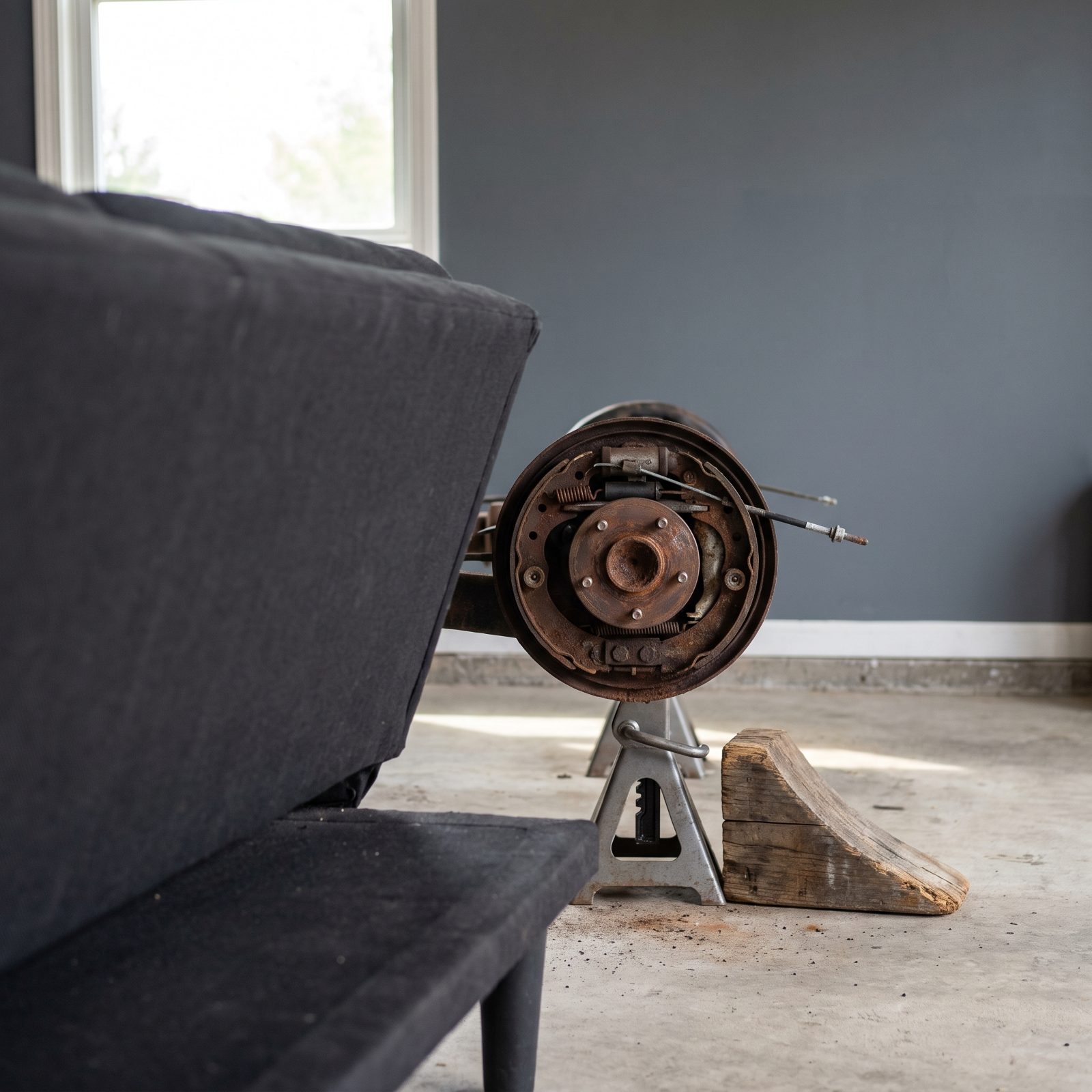
Leave a car parked for months with the handbrake engaged and the shoes or pads can bond to the drum or rotor. Moisture does the rest, cementing the contact point with rust until the brake flat refuses to release.
Now you’re coaxing a seized brake apart with the axle up on a jack stand and the wheel off, sometimes replacing cables or hardware that corroded locked. For long storage on a level surface, chock the wheels with a solid wooden block and leave the parking brake off. A cheap wooden chock saves a rusted-drum, frayed-cable brake job you caused by being careful. Alright — go check how your stored car is sitting.
19. Stop Parking the Key Fob by the Front Door Where Relay Thieves Can Grab Its Signal
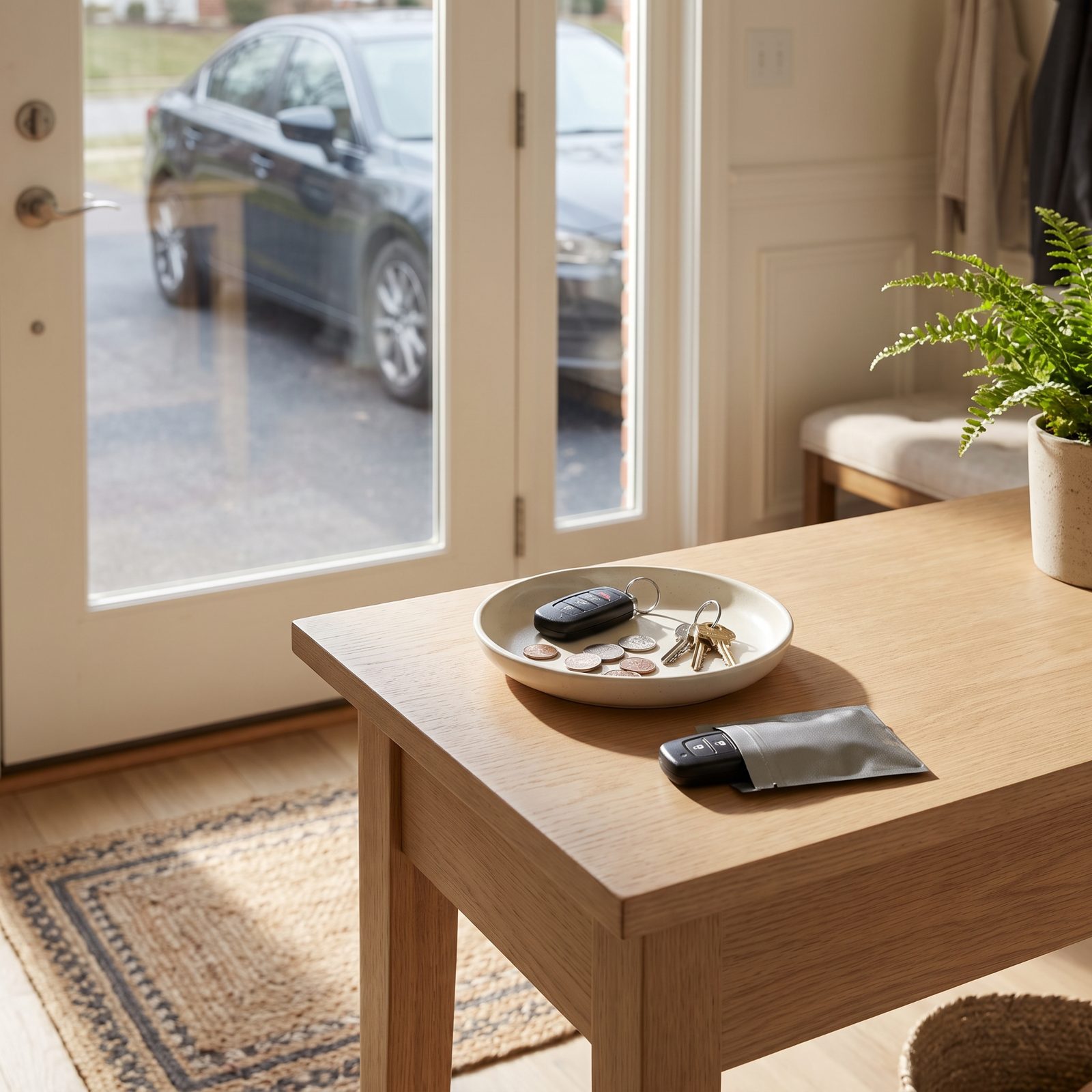
Relay theft is dull, fast, and far more common than people want to believe. Somebody stands near your front door with a signal amplifier, coaxes a faint radio chirp out of your fob even while it rests in the dish, and bounces it along to an accomplice standing at the car. The car thinks the key is right there, so the doors open and the engine starts. No broken glass. No alarm.
The fix costs almost nothing: move the fob away from exterior walls and windows, or drop it into a signal-blocking pouch overnight.
18. Stop Waiting for a Wet Floor Before Clearing the Sunroof Drains
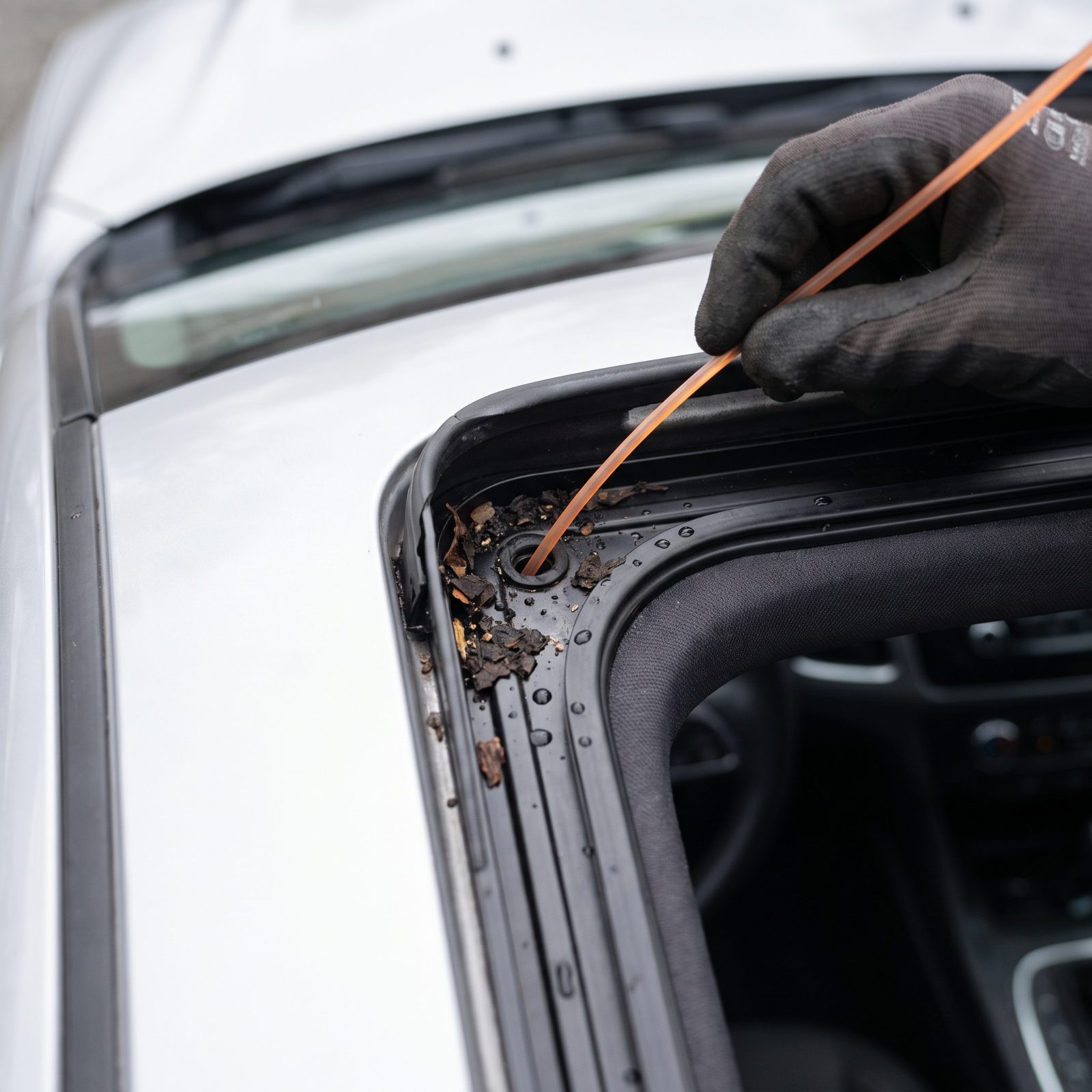
Your sunroof is designed to leak. Sounds wrong, I know. But a sliding glass panel in a steel roof can’t seal perfectly, so the water that slips past the rubber runs into channels and drains out through four thin tubes down the pillars. Those tubes clog with pollen, leaf bits, and dust.
When they block, water has nowhere to go but inside. It soaks the headliner, pools in the footwells, and finds the body control module that so many cars hide under the carpet. By the time you smell mildew, the damage is done.
Flush the drains once or twice a year. A soft length of weed-trimmer line pushed through, followed by a little water poured into the channel, is all it takes.
17. Stop Leaving Snacks in a Parked Car Where Rodents Treat Wiring Like Dinner
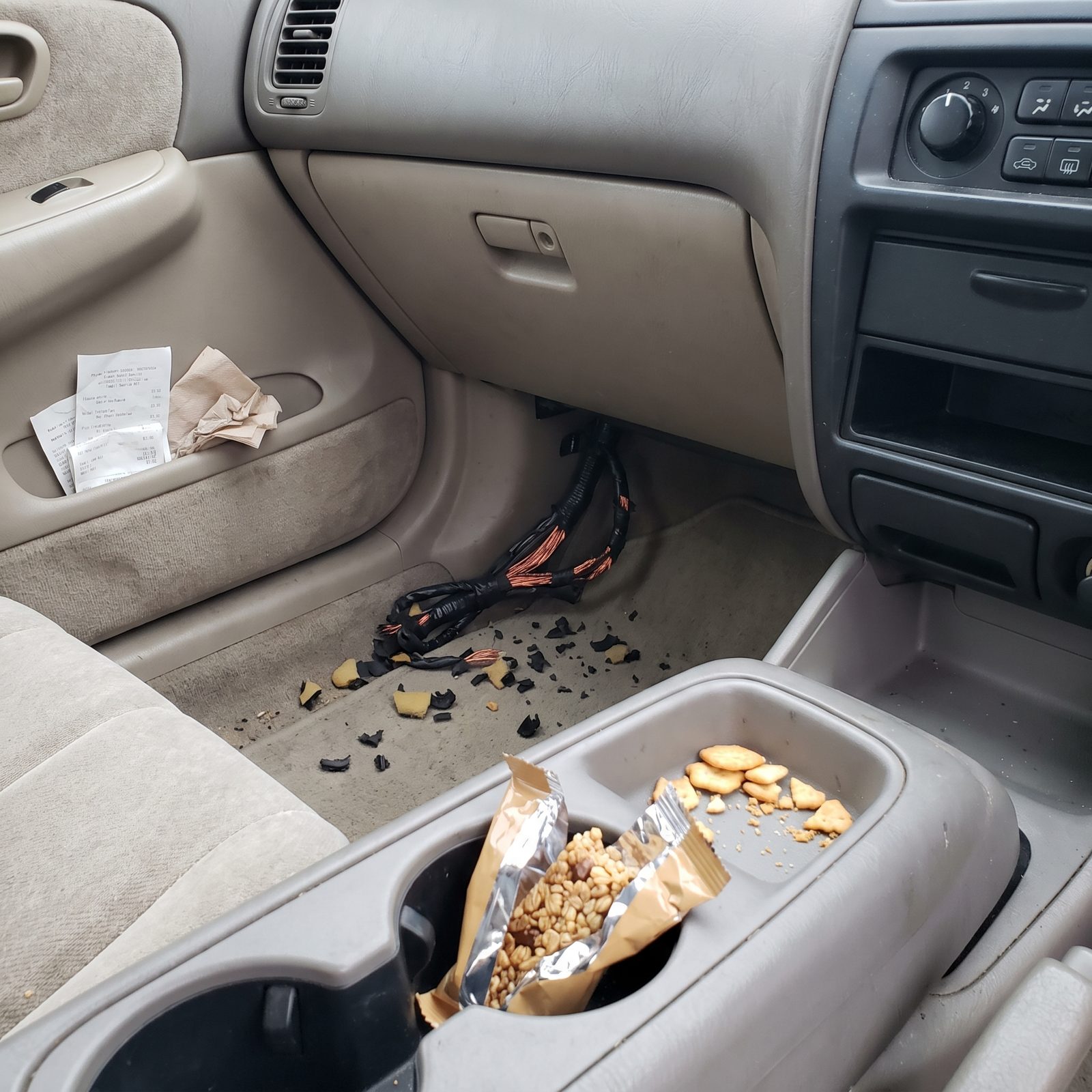
Mice don’t need the snack to move in, but the snack is the invitation. A car parked for a few weeks in a garage or at the end of a driveway is warm, dark, and packed with chewable insulation. Modern soy-based wire coatings only sweeten the deal, because the rodents genuinely seem to like the taste.
A chewed harness is no cheap fix. These looms can run into four figures once you add up diagnosis, labor, and the hours someone spends chasing a fault that lights up a dozen unrelated warnings on the dash.
Clear out the food. Pop the hood every few weeks on a stored car. Done.
16. Stop Yanking the Liftgate Shut by the Spoiler
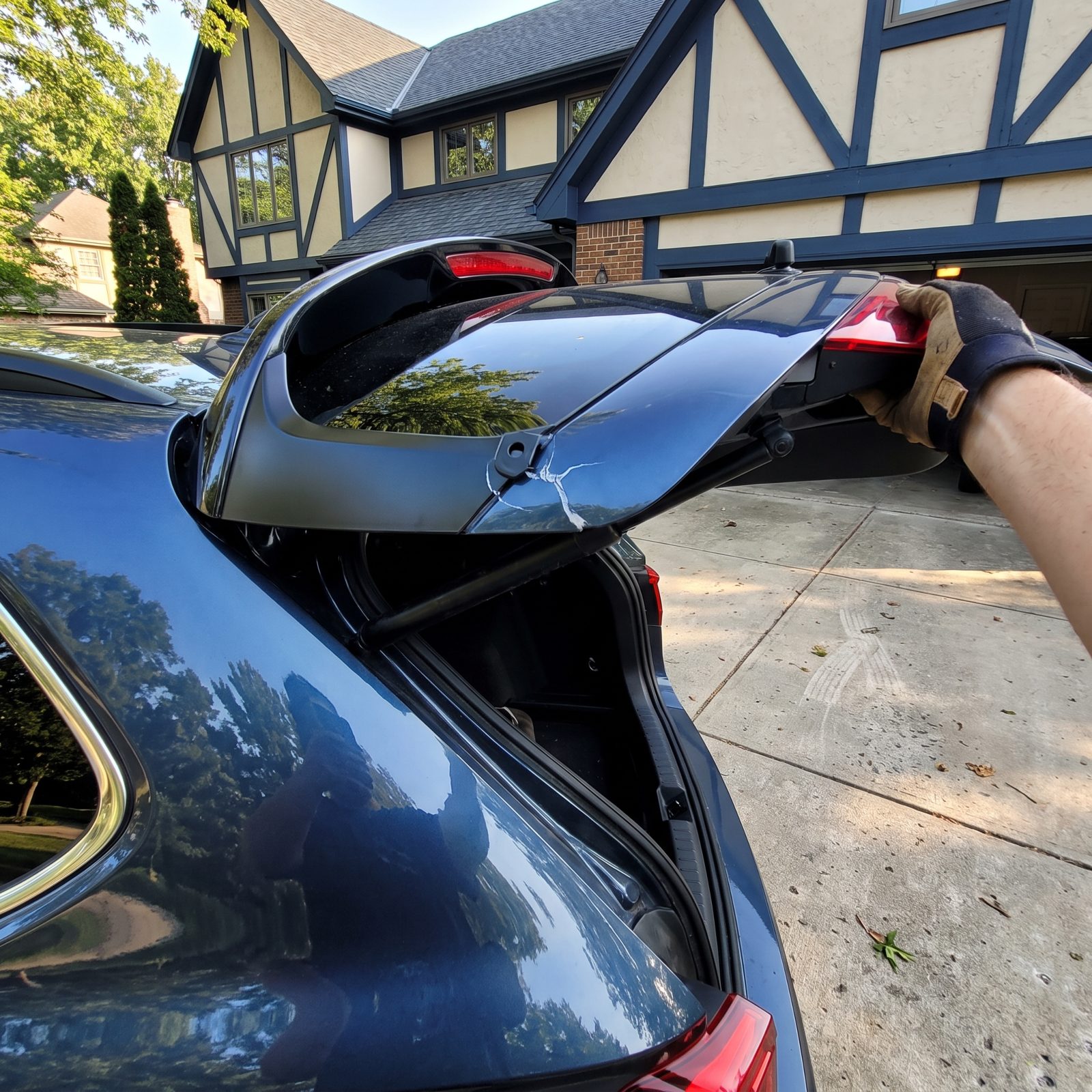
The spoiler feels like the natural handle. Perfect height, right there, and the whole family reaches for it on their way out of the parking lot. It also happens to be one of the weakest parts of the tailgate.
That spoiler is thin molded plastic bolted on with a handful of tabs, and more and more of them carry the center high-mount brake light and even the rear camera wiring tucked inside. Pull the gate shut by it a few hundred times and the mounts fatigue, the paint cracks, and the light housing starts letting water in.
Use the proper grab handle or the pull strap molded into the inner panel instead. Your tailgate will thank you, and so will the body shop bill you’ll never have to see.
15. Stop Letting the Transmission Hunt Between Gears While Towing

Heat kills automatic transmissions, and nothing makes heat like a transmission that can’t decide what gear it wants.
Climb a grade with a trailer behind you and a transmission left in plain Drive will grab a gear, feel the load, hand it back, grab it again, over and over. Every one of those shifts generates friction, and friction is heat. Fluid that cooks loses its grip on the clutches and bearings. The shop estimate for a rebuild starts right about where a nice vacation ends.
Use tow/haul mode if your truck has it, or manually hold a lower gear so the transmission locks in and stays put. Steady is survivable. Indecisive is expensive.
14. Stop Measuring Payload by How Much Fits in the Bed

A truck bed looks like it could swallow the world, and that’s exactly the trap. Cargo space is measured in volume. Payload is measured in weight, and the two have almost nothing to do with each other.
Fill a half-ton bed with wet gravel or dense pavers and you’ll blow right past the payload rating while the bed still looks half empty. Overloading crushes the suspension, cooks the brakes, and grinds down the rear axle and wheel bearings long before anything looks obviously wrong from the outside.
13. Stop Drowning a Washable Air Filter in Oil
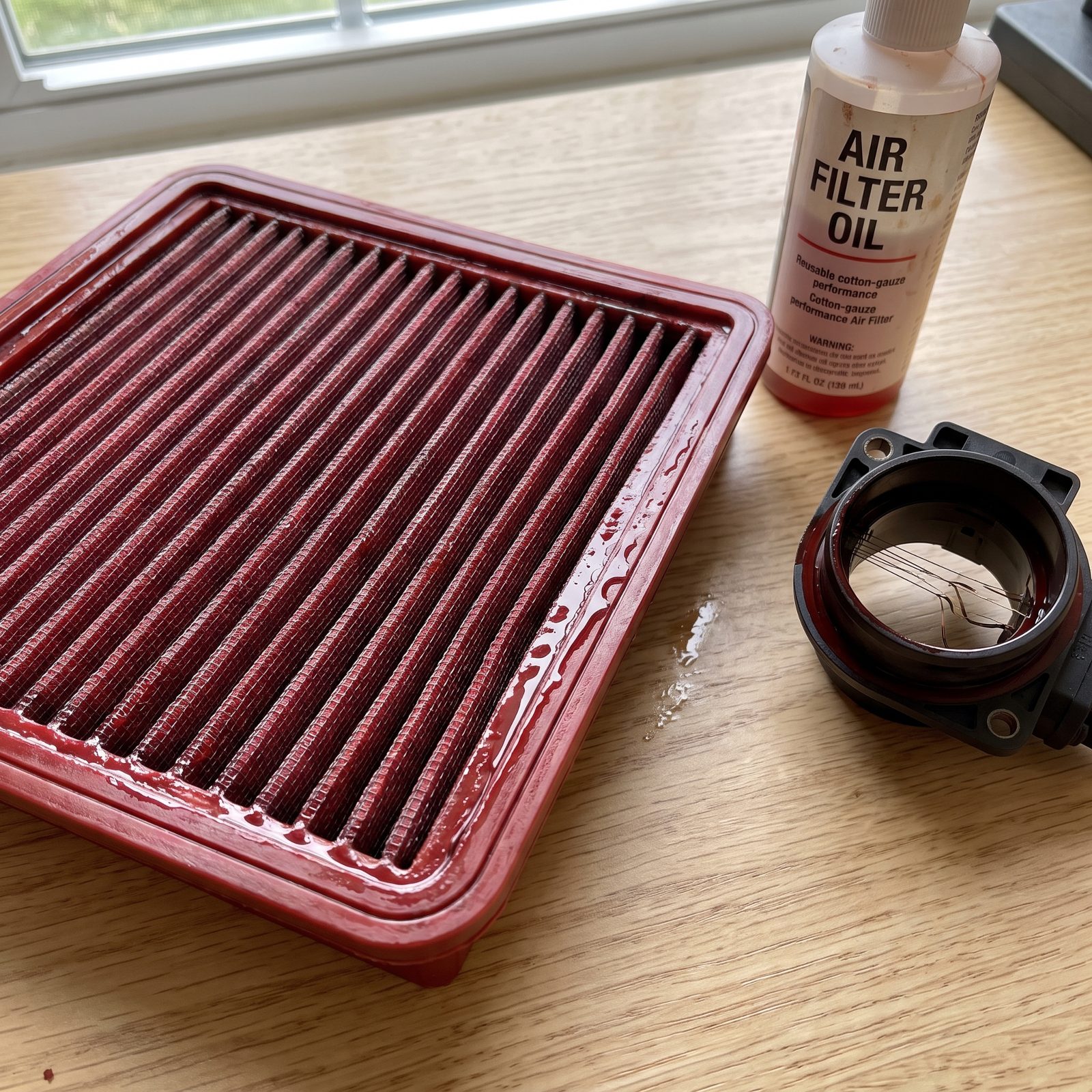
More oil feels like more protection. It isn’t.
A reusable cotton-gauze filter needs a thin, even film of oil to catch dust, and no more than that. Over-oil it and engine vacuum pulls the excess downstream, where it coats the delicate hot wires of the mass-airflow sensor. A fouled MAF feeds the computer bad numbers, and the car answers with rough idle, poor mileage, hesitation, and a check-engine light that sends people chasing their tails for weeks.
Let a freshly cleaned filter dry fully, oil it lightly, then wait twenty minutes and wipe any red bleed-through before it goes back in. If the pleats are dripping, you’re already past the point of no return.
12. Stop Squeezing in One More Splash After the Pump Clicks Off
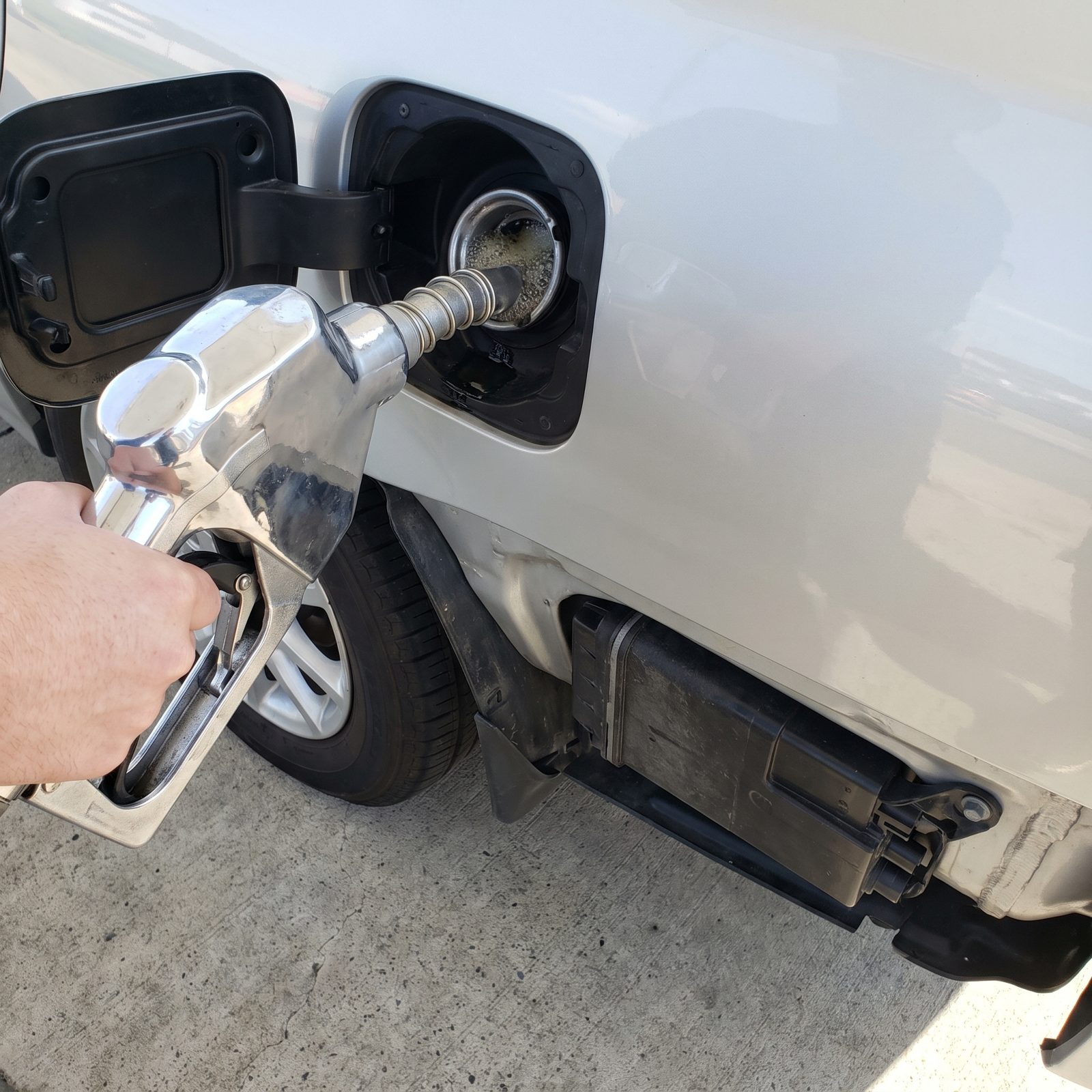
The nozzle clicks off for a reason. That shutoff is the pump telling you the tank is full and the fuel needs room to expand. Keep topping off and you shove liquid gasoline straight into the vapor-recovery system.
That system, the EVAP, is built to handle fumes, not a flood. The charcoal canister that captures vapors gets saturated with raw fuel, and once it’s soaked you replace it, you don’t clean it. The symptom is usually a check-engine light and an emissions test you can’t pass.
The gas station’s own margin on that last fifty cents of fuel is nothing next to the canister it can cost you.
When it clicks, hang it up.
11. Stop Wiring Accessories With a Twist of the Fingers and a Wrap of Tape
Would you like to save this?
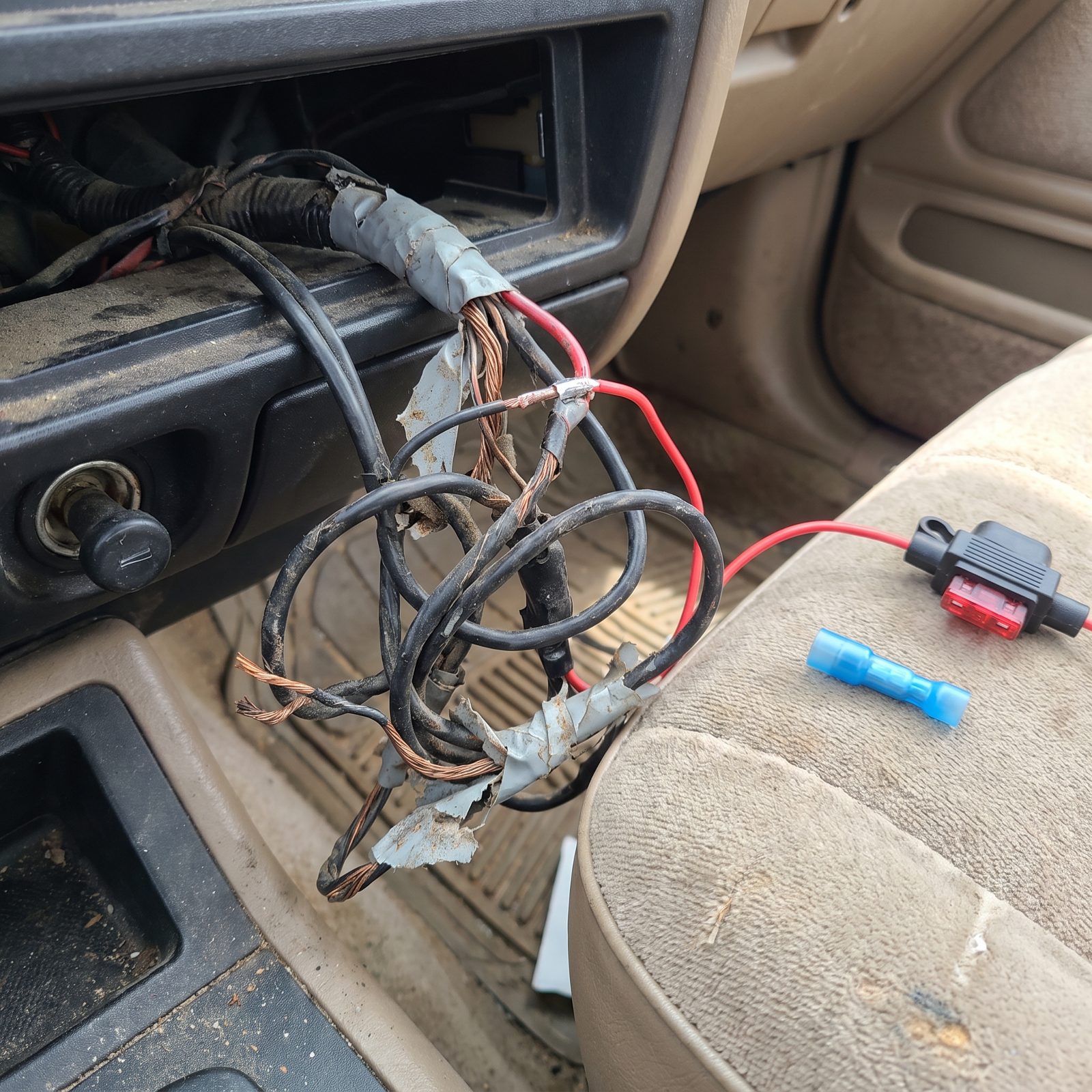
A twist of copper and a wrap of tape will hold for about a week, then it starts hunting for trouble.
Those connections loosen with heat and vibration. A loose connection is a resistance point, resistance under load means heat, and heat is how a phone charger or a light bar ends up smoldering behind the dash some night you least expect it. Worse still, cheap wiring tapped into the wrong circuit can backfeed voltage into sensitive control modules and fry something that has nothing to do with your accessory at all.
- Use a fused connection so a short blows a cheap fuse instead of a harness.
- Crimp or solder with proper connectors, then seal against moisture.
- Tap power from a known switched circuit, not whatever wire happens to be closest.
10. Stop Shoving the Jack Under Whatever Looks Solid
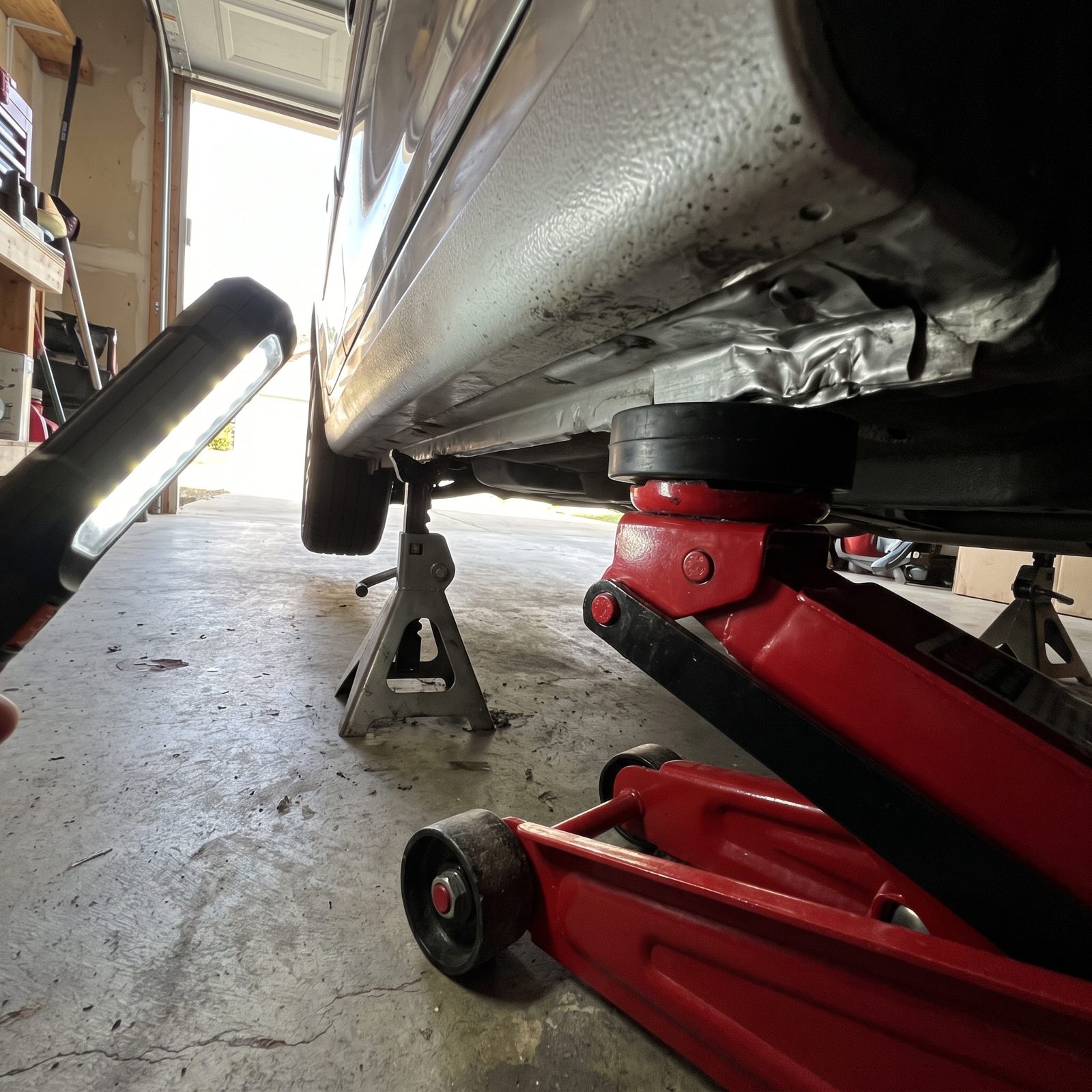
Under a car, everything looks strong enough. Oil pans, control arms, plastic undertrays, the exhaust pipe itself: all of it looks like it could hold a corner of the car, and none of it should ever be asked to.
Put the jack in the wrong spot and the best case is a crushed rocker panel or a bent pinch weld that never sits right again. The worse case? A punctured oil pan, a cracked transmission case, or a car that slides off the jack with you underneath.
Find the factory lift points, those reinforced pads near each wheel marked out in your owner’s manual. Use a rubber puck to protect the pinch weld. And always, always drop it onto a jack stand before any part of you goes under. A jack lifts. A stand holds. Only one of them is trying to let you down.
9. Stop Modifying a Vehicle Before Checking Warranty and Insurance Terms
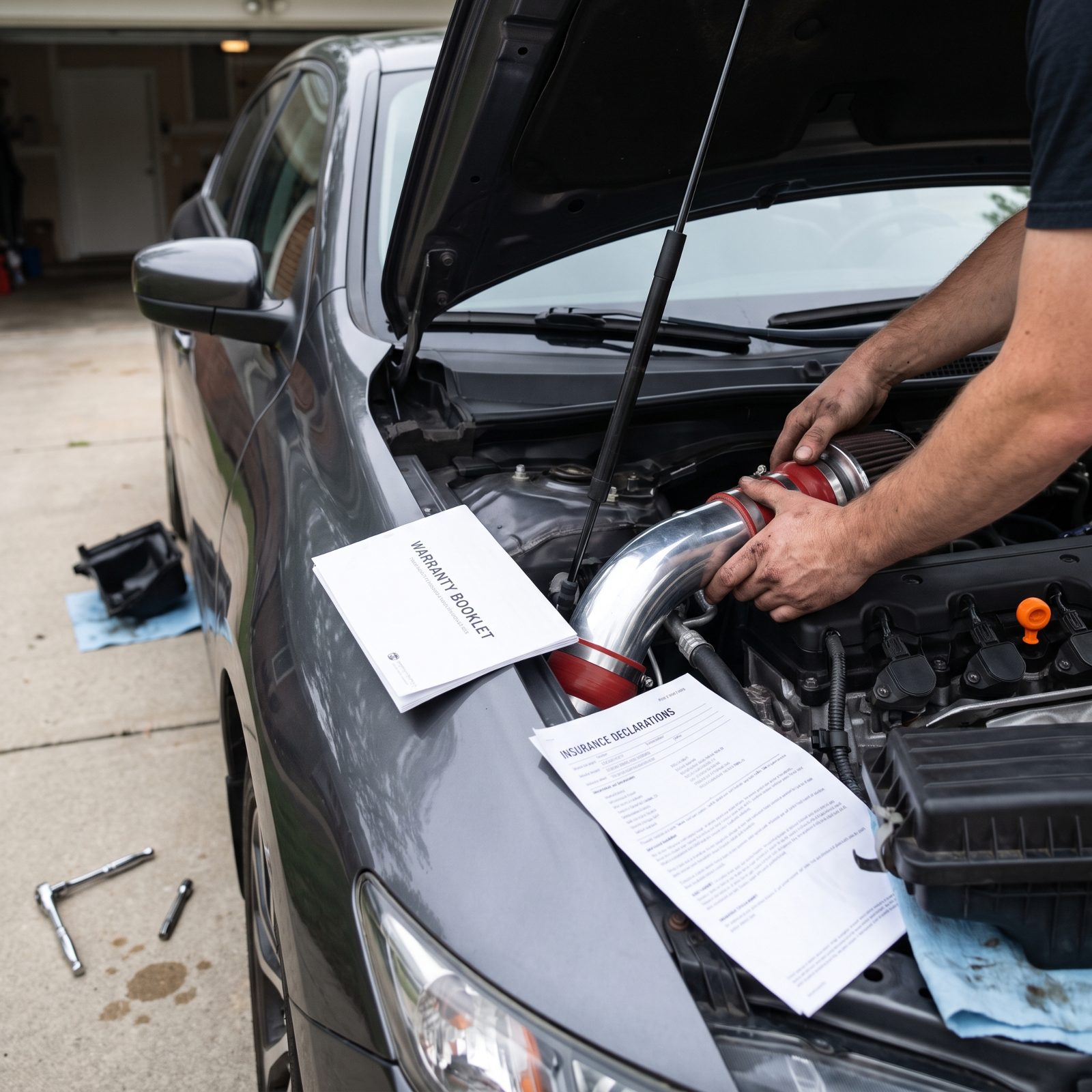
The bolt-on that makes your car feel faster can also make a denied claim feel personal. Dealers and insurers read modifications differently than owners do, and the fine print rarely sides with the enthusiast.
Say you add a tune and a turbo-back exhaust, then something totally unrelated gives out — a transmission solenoid, say. The service writer clocks the mods, the claim stalls, and a repair you thought was covered lands squarely in your lap. Insurance plays the same game. An undisclosed modification can shrink or erase a payout after a collision.
A five-minute call before you order parts beats a four-figure surprise after the fact. Ask what’s covered, what you have to disclose, and get the answer in writing.
8. Stop Waiting for a Windshield Chip to Spread Before Fixing It
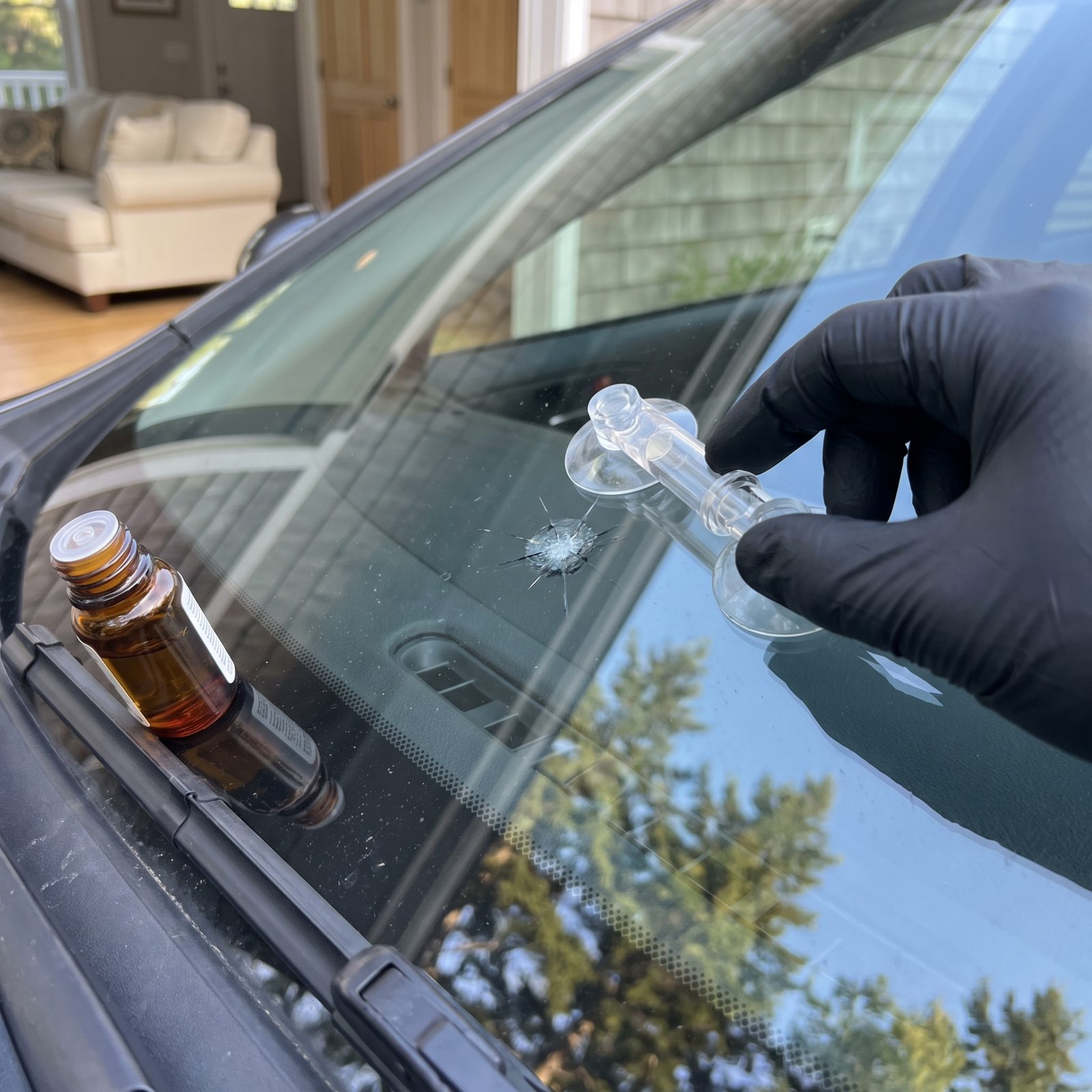
A chip the size of a pencil eraser is cheap to fix. A crack running across the glass is a new windshield.
Resin repair costs a fraction of replacement and often gets covered with no deductible. Wait, though, and the first cold morning or hard pothole stretches that chip into a line that keeps creeping until the whole piece has to come out. And these days windshields carry cameras for lane-keeping and automatic braking, so a replacement can tack a recalibration bill onto the glass itself.
Catch it early and the fix takes twenty minutes in a parking lot.
7. Stop Carrying an Empty Roof Rack and Cargo Box All Year
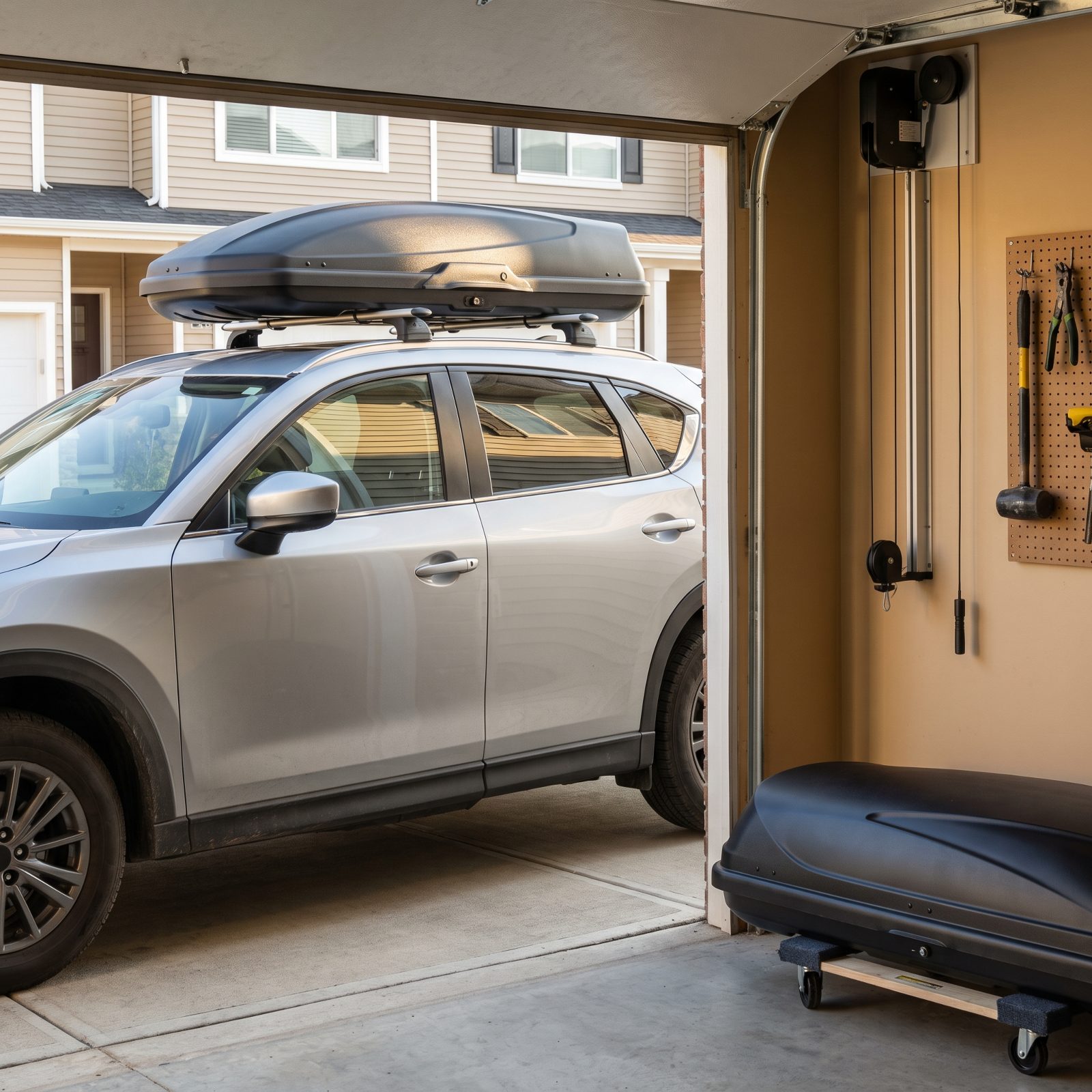
That empty cargo box isn’t free to haul around. Every mile it spends up there it’s shoving air it doesn’t need to shove, and the fuel gauge quietly keeps the receipt.
Bare crossbars add drag. A tall plastic box adds a pile more, and the penalty worsens the faster you go, since wind resistance climbs hard at highway speed. Folks bolt the thing on for one ski trip in February and leave it riding through August — paying a little fuel tax on every single commute for a box full of nothing but air.
Take it down between trips. Ten minutes of wrenching buys back real money across a year of driving.
6. Stop Buying Premium Fuel When the Manual Calls for Regular
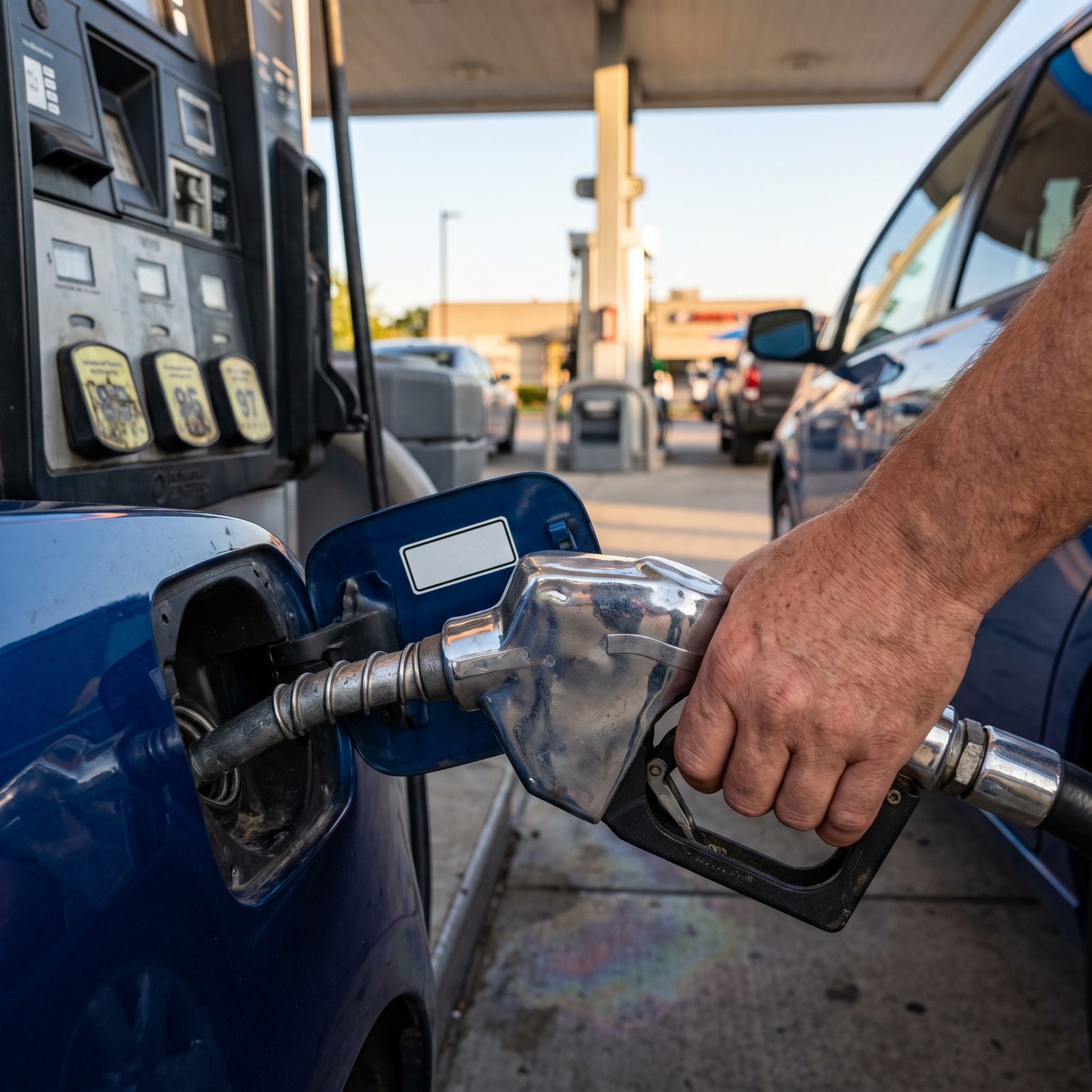
Pouring premium into an engine built for regular is one of the most common ways owners burn money on nothing.
Higher octane resists knock. That’s it. That’s the whole job. If your engine doesn’t ask for it, the extra octane just sits in the tank costing more per gallon and handing back no power, no mileage, no extra life. The warm “treating your engine right” feeling lives in your head, not the combustion chamber.
One exception worth knowing: cars that flat-out require premium, plus the smaller crowd where it’s merely recommended. Pop the fuel door or crack the manual. Says regular? Buy regular and pocket the difference.
5. Stop Judging Tire Pressure by How the Tire Looks
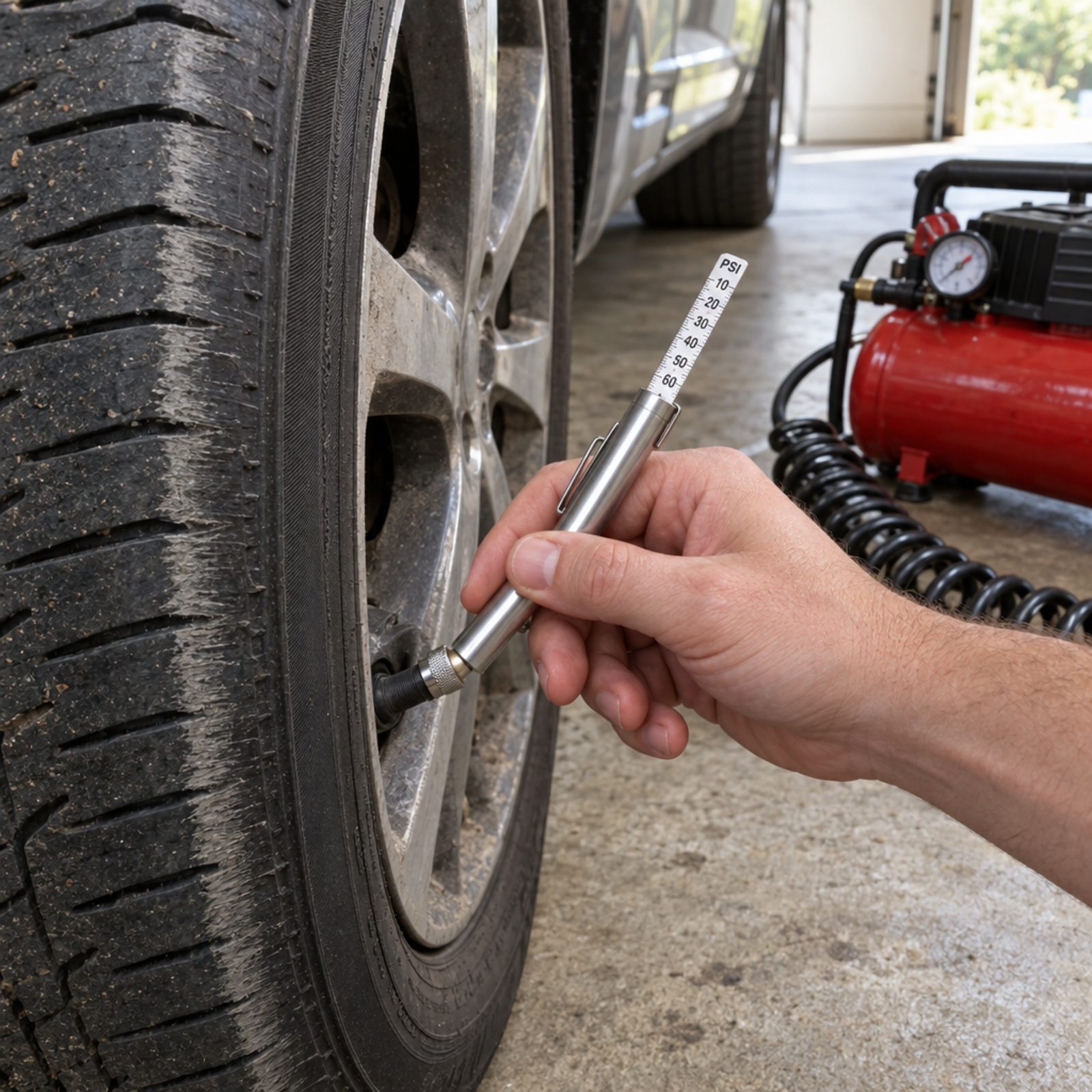
A tire can be ten pounds low and still look fine to the eye. That’s exactly the trap.
Underinflation flexes the sidewall more than it should, which builds heat, burns extra fuel, and gnaws the outer shoulders down to the cords long before the center of the tread gives out. So you buy tires early and pay for fuel you never needed getting there.
A gauge costs a few bucks and lives in the glovebox. Check cold, before you drive, against the number on the door jamb — not the one stamped on the tire itself.
4. Stop Letting Your Insurance Renew Without Fresh Quotes

Loyalty is the priciest line item in your insurance file. Insurers know most people won’t shop, so the quiet annual bump tags along renewal after renewal, and five years on you’re paying far more than a brand-new customer gets for the identical coverage.
Picture two neighbors with matching cars and matching records. One has renewed on autopilot since 2019. The other grabbed three quotes last spring and jumped ship. Same road, same risk, hundreds of dollars apart.
Pull two or three quotes once a year. It eats an afternoon, and it either saves you real money or confirms you’re already paying a fair rate. Either way, the afternoon earns its keep.
3. Stop Shopping for a Car by the Monthly Payment Alone

“What can you do a month?” is the question that drains buyers the hardest, because it’s the one the finance office wants your eyes glued to.
Stretch a loan to 72 or 84 months and almost any car slides into a comfortable payment. The sticker didn’t drop one dime. The interest just spread thin and fattened up, and for the first few years you owe more than the car is worth. Total it or trade it early and you’re cutting a check to drive nothing at all.
Look at the full price, the interest rate, and the number of payments together. A circled monthly figure on a loan worksheet means nothing until you check it against the sticker on the windshield and the total cost line at the bottom of the page.
The payment tells you what you can afford this month. The total tells you what the car actually costs.
2. Stop Trading a Reliable Car Over One Scary Repair Quote
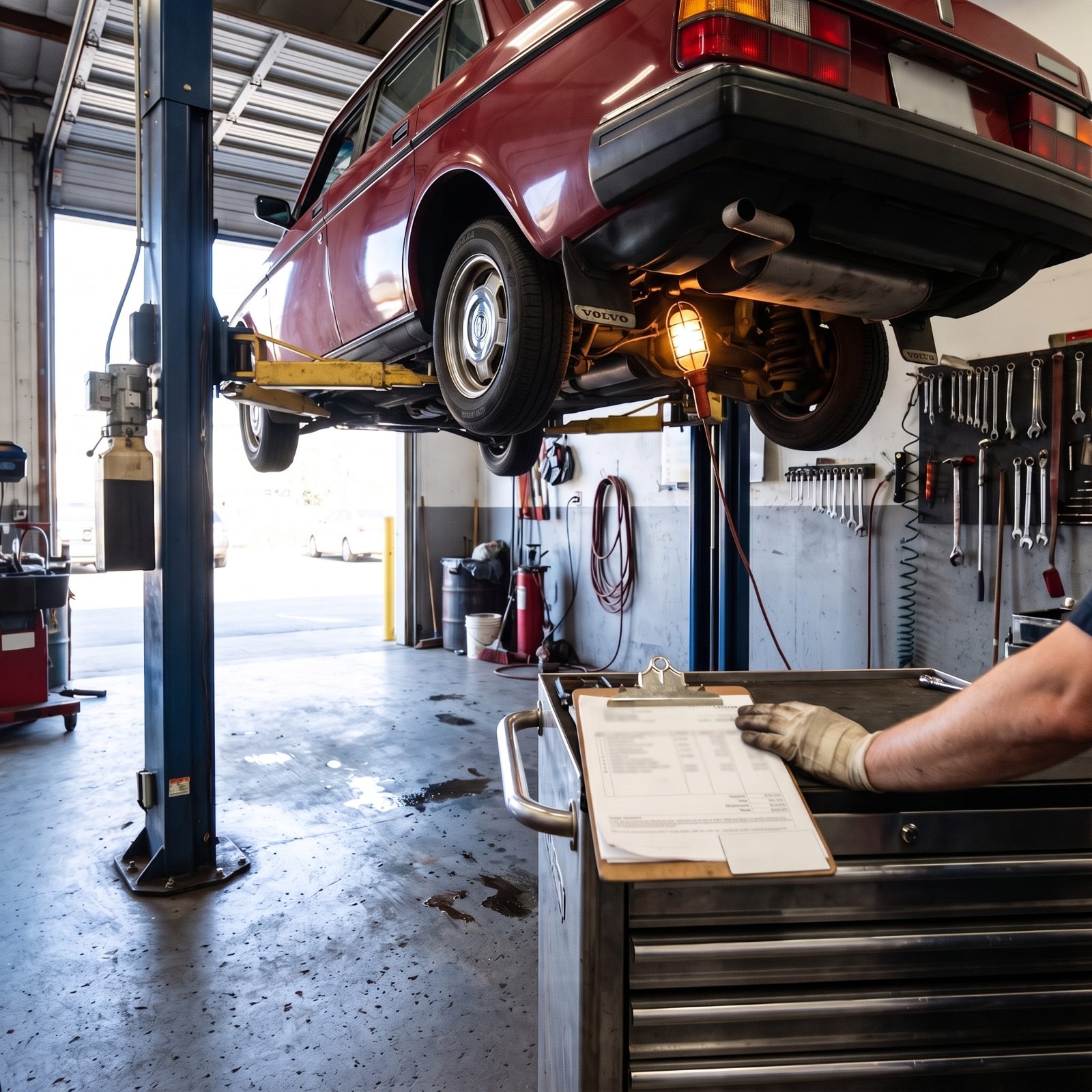
One big quote lands like a verdict. It usually isn’t.
Diagnoses swing wider than owners expect. One shop quotes a full engine replacement; the next finds a dead sensor or a cracked hose doing a convincing impression of catastrophe. And even when the trouble is real, the price can bounce all over the place between a dealer and a good independent, or between fresh parts and a quality reman unit.
A car you know — records you trust, no monthly payment hanging over it — is worth defending. Get a second opinion before one estimate talks you into a decade of new-car payments. That second diagnosis is cheap insurance against a panic trade.
1. Stop Approving Every Package on the Dealer Service Menu
Would you like to save this?
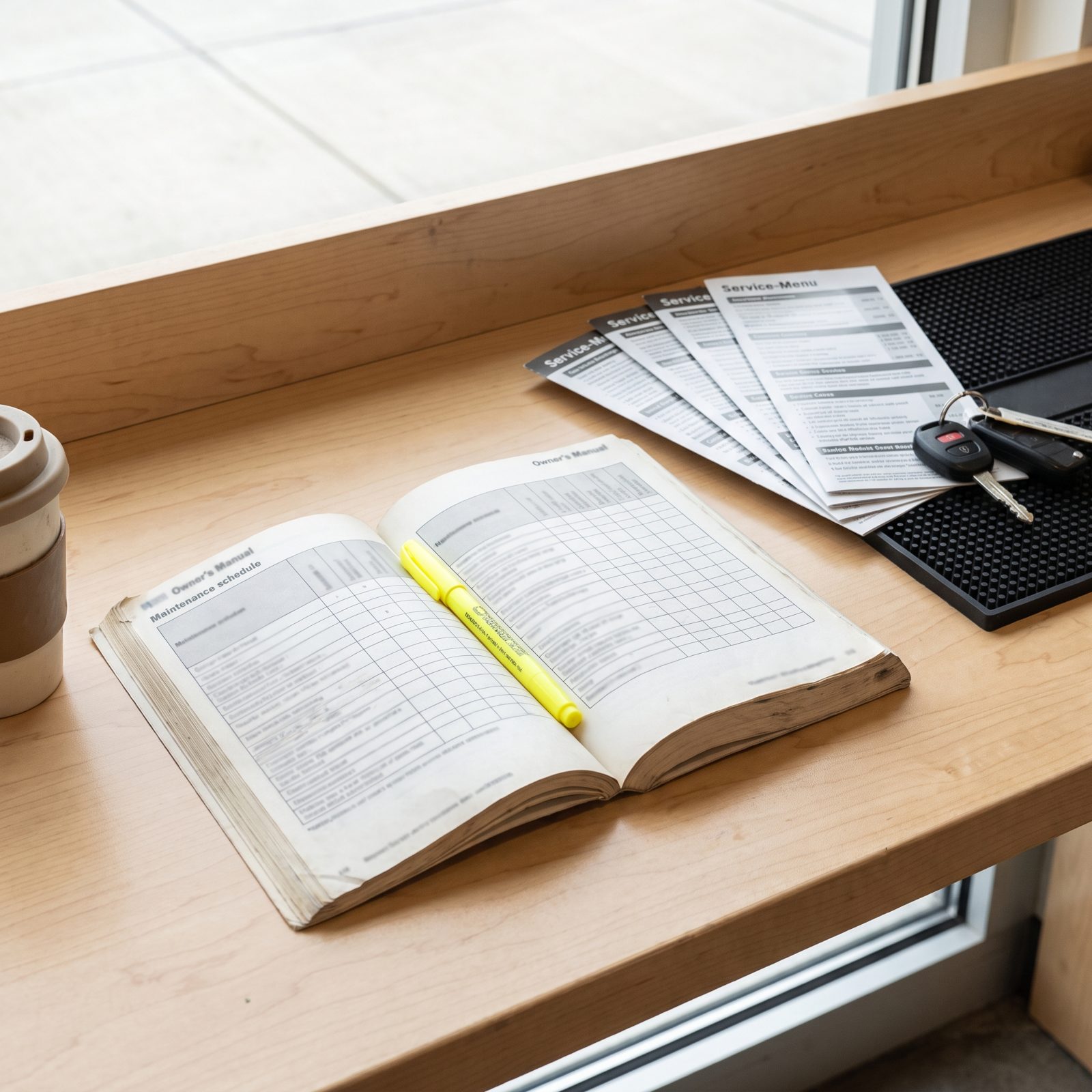
The glossy service menu and the owner’s manual rarely agree, and the one that bills you isn’t the one to trust.
Dealer menus pile on fuel-system flushes, coolant services, and “recommended” treatments on a faster clock than the factory ever intended. Some of it is honest maintenance done early. Some of it is pure margin wearing a lab coat. The manual, meanwhile, lays out what the engineers who built the car actually want serviced, and exactly when.
Keep that manual within reach and read the real schedule before you nod yes. Turn down whatever isn’t due. You aren’t skipping maintenance — you’re skipping the upsell and keeping the care.