
Nobody mourns the dead-horse wagon. But somebody built it, drove it, and wore out the seat springs doing a job that had to get done before cars took over the streets. Every one of these machines solved a problem we’ve forgotten we ever had. Mail sorted at sixty miles an hour. Enemy planes found by giant ear trumpets. Trout delivered by rail to streams that never had a single fish in them. These are the specialized vehicles history quietly retired, each one a time capsule on wheels, rails, or wings. Pour a coffee. This is the fleet that time forgot.
Please note that some of the images in this article were created with the assistance of AI.
36. The Railway Post Office Car That Sorted Mail at Full Speed
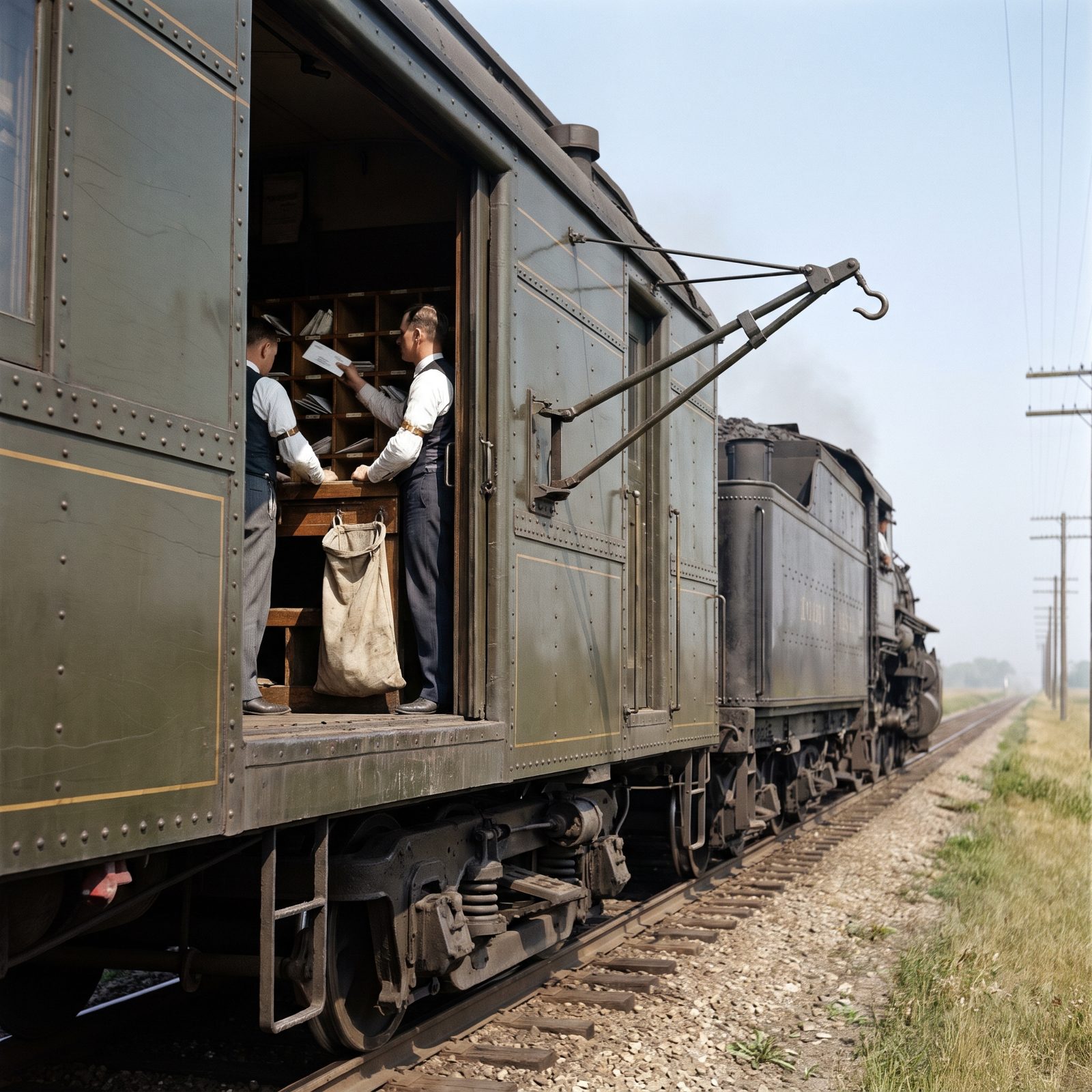
Imagine getting a letter sorted while the train that carries it is doing sixty. That was the whole idea. Clerks stood at pigeonhole racks inside a rolling car, sorting by town and route, sleeves rolled, bracing against every curve.
The catcher arm was the clever part. A crane by the track held an outgoing pouch, the speeding car snatched it on the fly, and a sack of incoming mail got kicked out the door in the same motion — no stopping, mind you. The whole network ran on men who could read an address and throw it into the right slot before the next one landed in their hand.
Recalling his late-1950s run between Louisville and Chicago, a former railway mail clerk said “Sometimes you’d have only minutes to sort the bags before you got to the next stop”
What Our Readers Say
- Photos that look like the 1950s or earlier earn more hearts from Jalopy Talk readers than the other images in the same articles, 82% versus 77%.
- When our readers loved a vehicle photo and tapped a reason, “nostalgic” came out on top, ahead of body style and whether they would drive it.
From Jalopy Talk reader polls and votes.
35. The Night Soil Wagon That Emptied the City After Dark
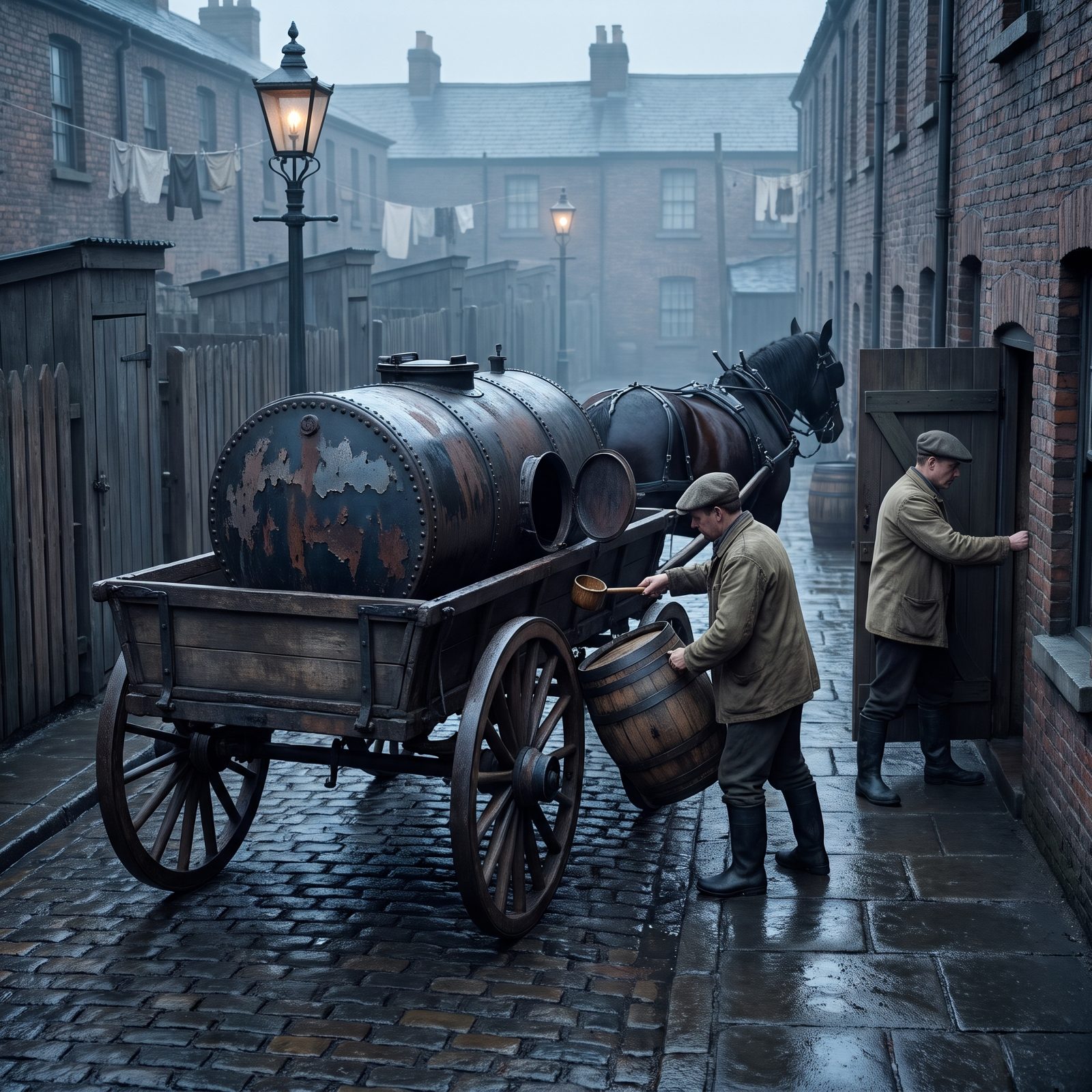
Before sewers, somebody had to come get it. The night soil men worked after midnight, by law, emptying the privies and cesspits of cities that had no other plumbing. The wagon was a sealed iron tank on wheels, and the smell announced it long before the horse rounded the corner.
Brutal, essential, badly paid. In older centuries the men who did it were called gong farmers, and what they hauled off got sold to farms outside town as fertilizer. One man’s problem became another man’s crop. Then the flush toilet and the municipal sewer line put the whole trade in the ground where it belonged.
34. The Acoustic Locator Truck That Listened for Incoming Planes
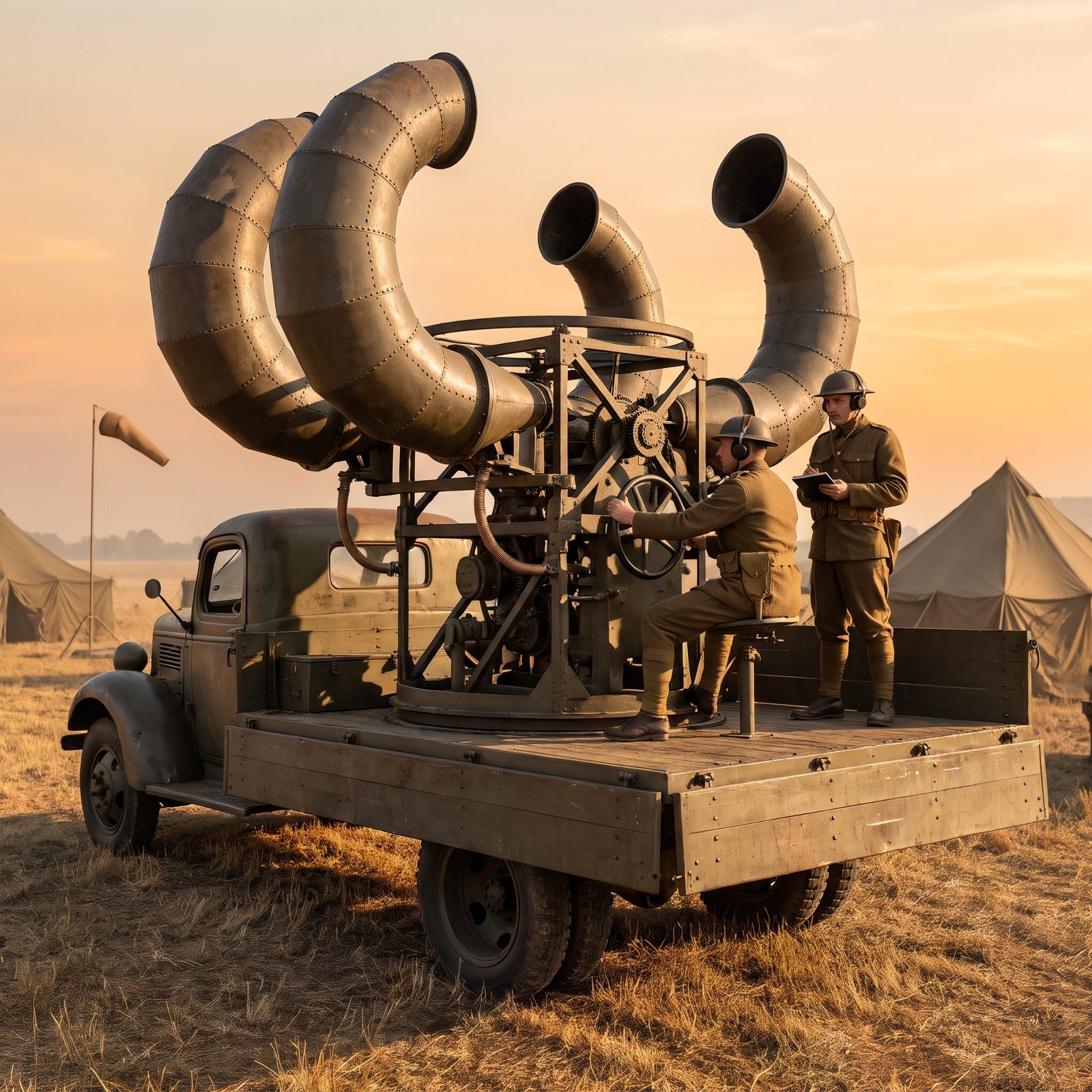
Giant ears pointed at the sky. Before radar, that was the best defense a nation had against a night bombing raid. Acoustic locators used huge horns to amplify the drone of distant aircraft engines, and trained operators triangulated the direction by ear.
A good crew could estimate bearing and rough distance minutes before the planes came into view, enough warning to man the searchlights and guns. Then the whole system became obsolete almost overnight. Radar arrived, it worked in any weather, and it didn’t care how quiet a pilot tried to be.
33. The U.S. Fish Commission Car That Stocked Rivers by Rail
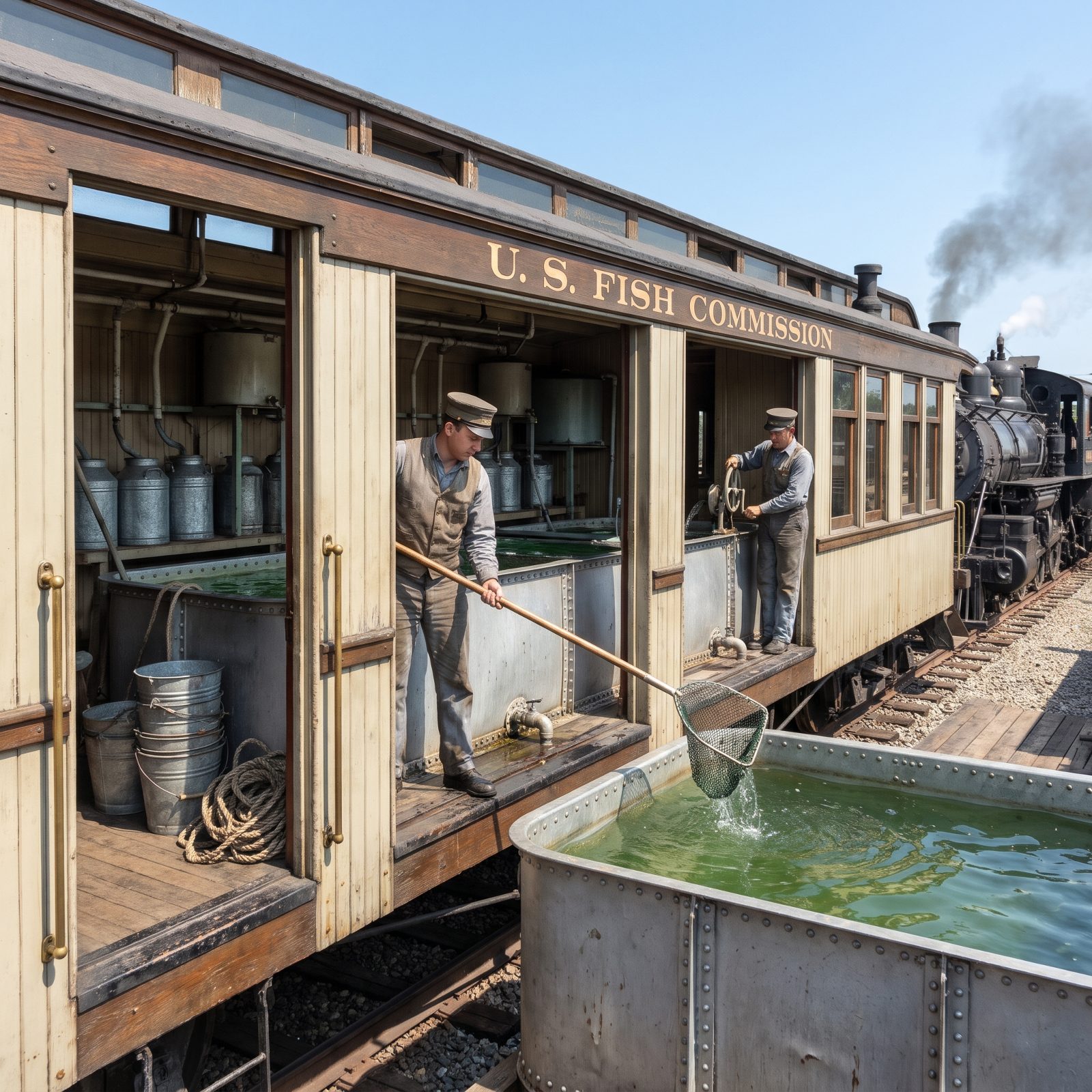
The federal government ran a railroad car just for fish. Live ones. The U.S. Fish Commission built specialized cars fitted with aerated tanks, pumps, and ice to haul trout, bass, and shad across the country and dump them into streams that had never held them.
Attendants nursed the fish the whole way, hand-cranking aerators and swapping water so the cargo arrived alive. This is how half the trout streams in the American West got their fish in the first place. Trucks and hatchery stocking programs eventually made the rolling aquarium unnecessary. But for decades, fishing itself depended on a train.
32. The Funeral Streetcar That Carried Mourners and Coffins to the Grave
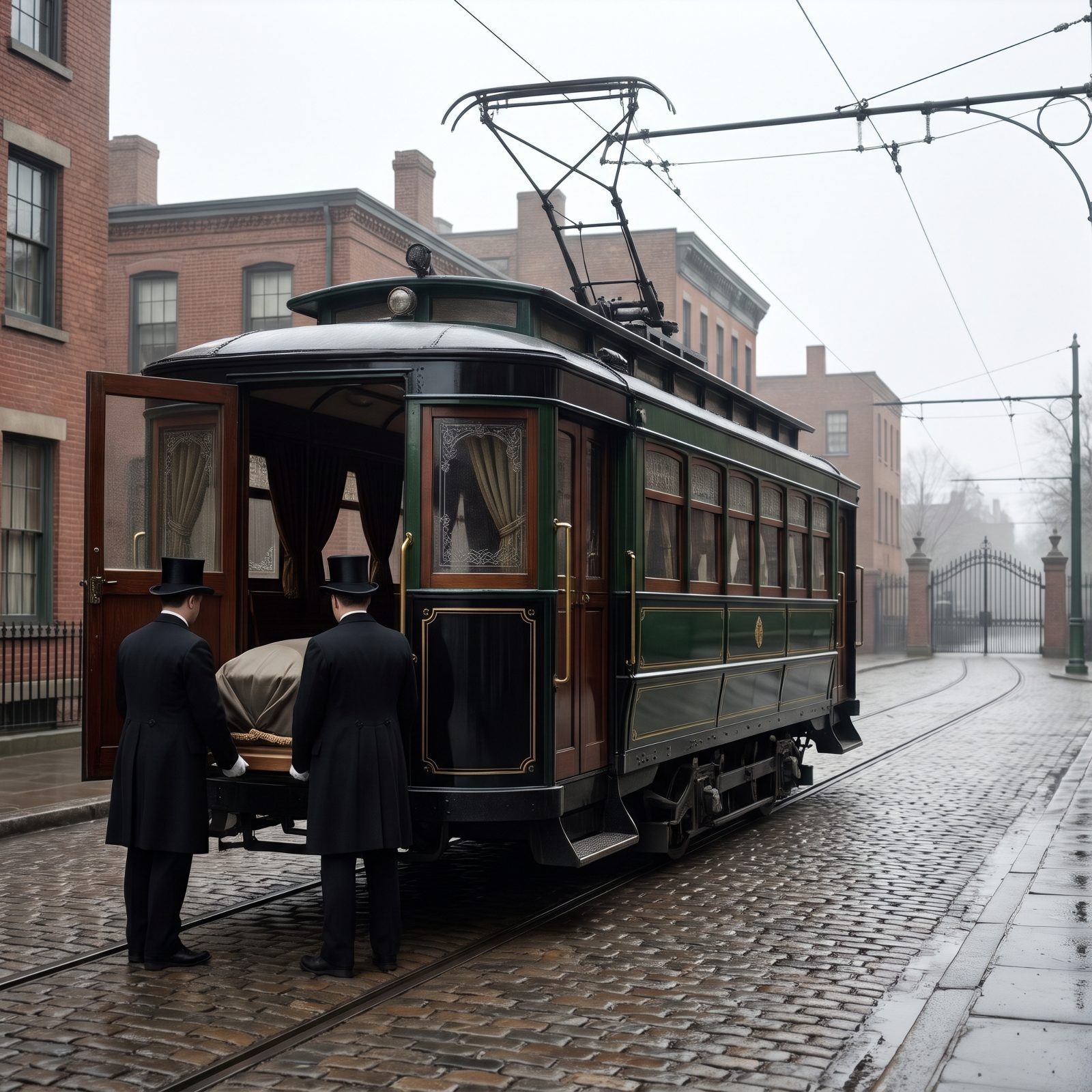
In cities where the cemeteries sat way out on the far edge of town, the streetcar did the carrying. Funeral trolleys had a dignified passenger section up front for mourners and a separate compartment in the rear for the casket, loaded through a wide door on rollers.
Cheaper and faster than a procession of horse-drawn hearses crawling across miles of city streets. Some lines ran their own special cars, draped in black, running quiet routes to the cemetery gates. Then the automobile hearse ended all of it. Once a family could follow the body in their own car, the mourning trolley had nowhere left to go.
31. The Ice Delivery Truck Where Blocks Came Off the Back by Tongs
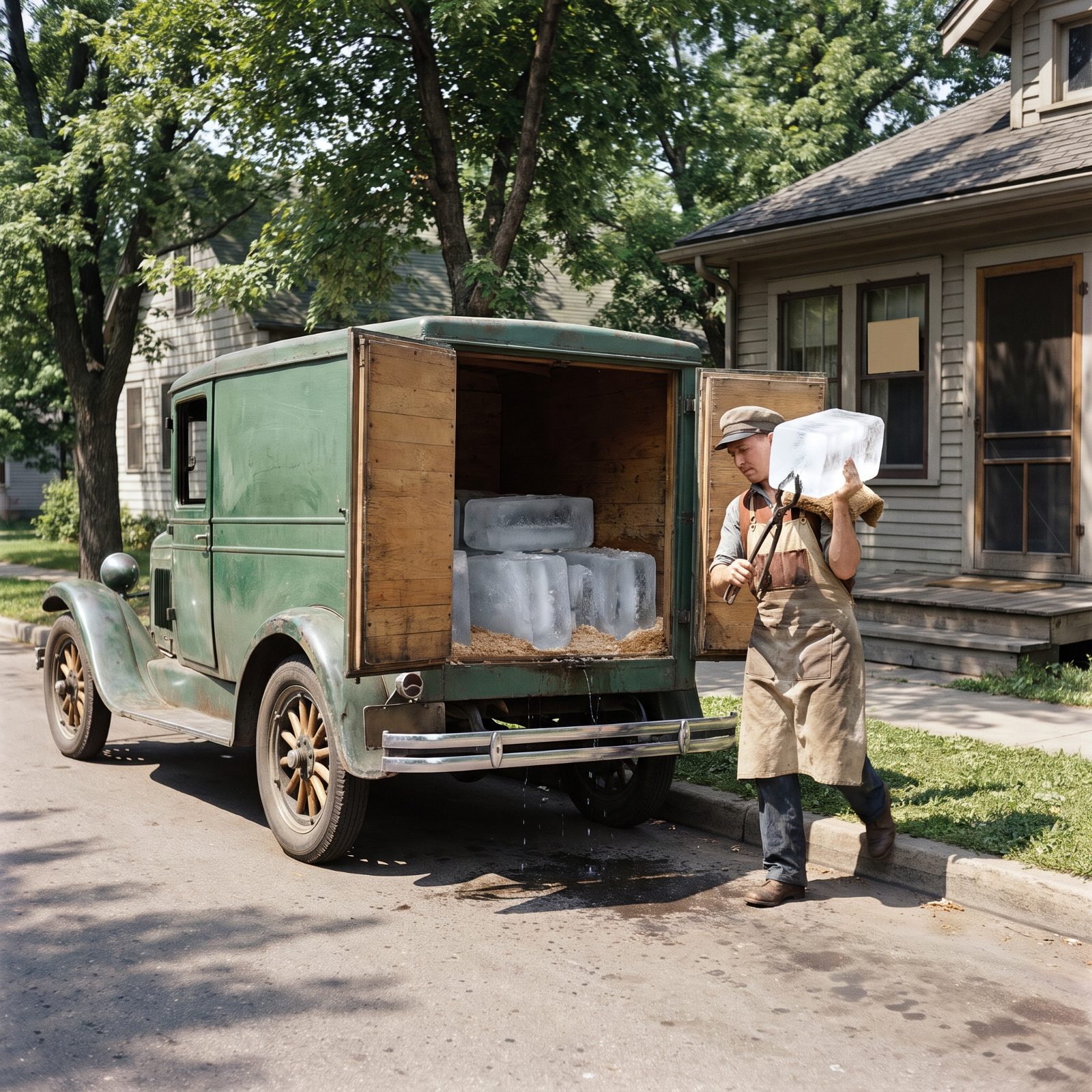
Your refrigerator used to arrive in a block, three times a week, hauled up the porch steps on a man’s shoulder.
The iceman read the card you’d propped in your window — the one you turned to show how many pounds you wanted that day — and he cut a block to match. Heavy iron tongs, a leather pad on the shoulder, straight into the top of the oak icebox in your kitchen. Sawdust in the truck kept the stock from melting between stops, and the back of that wagon dripped a trail down the whole street on a hot day.
The electric refrigerator killed the trade so thoroughly that most folks under seventy have never watched it happen. Still, the sound of that dripping tailgate on a July afternoon is one some old-timers swear they can still hear.
30. The Mobile Pigeon Loft Bus That Carried Military Dispatch Birds
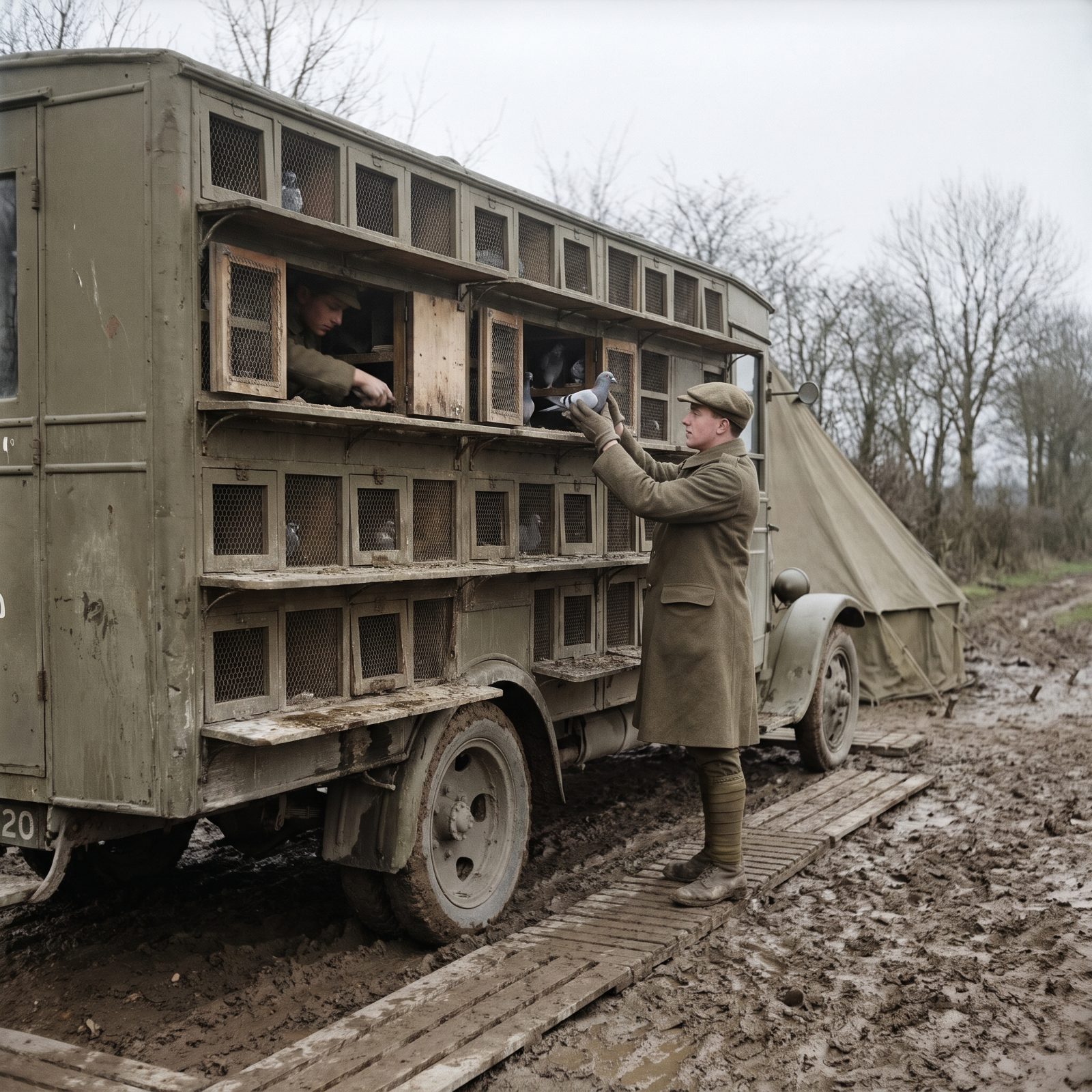
Radios failed, wires got cut, runners got shot. The pigeon always tried to get home. Armies in both World Wars ran mobile lofts — converted buses and wagons fitted with nesting boxes — that could follow the front and keep the birds close to where messages needed sending.
A pigeon carried a capsule on its leg and flew back to its loft at speed, often straight through gunfire. Some birds earned medals. One, named Cher Ami, delivered a message that saved a trapped battalion despite being shot through.
Reliable field radio made the loft obsolete. But for a stretch of modern warfare, the fastest secure link you had was a bird that wanted its dinner.
29. The Dead-Horse Removal Wagon That Cleared the City Streets
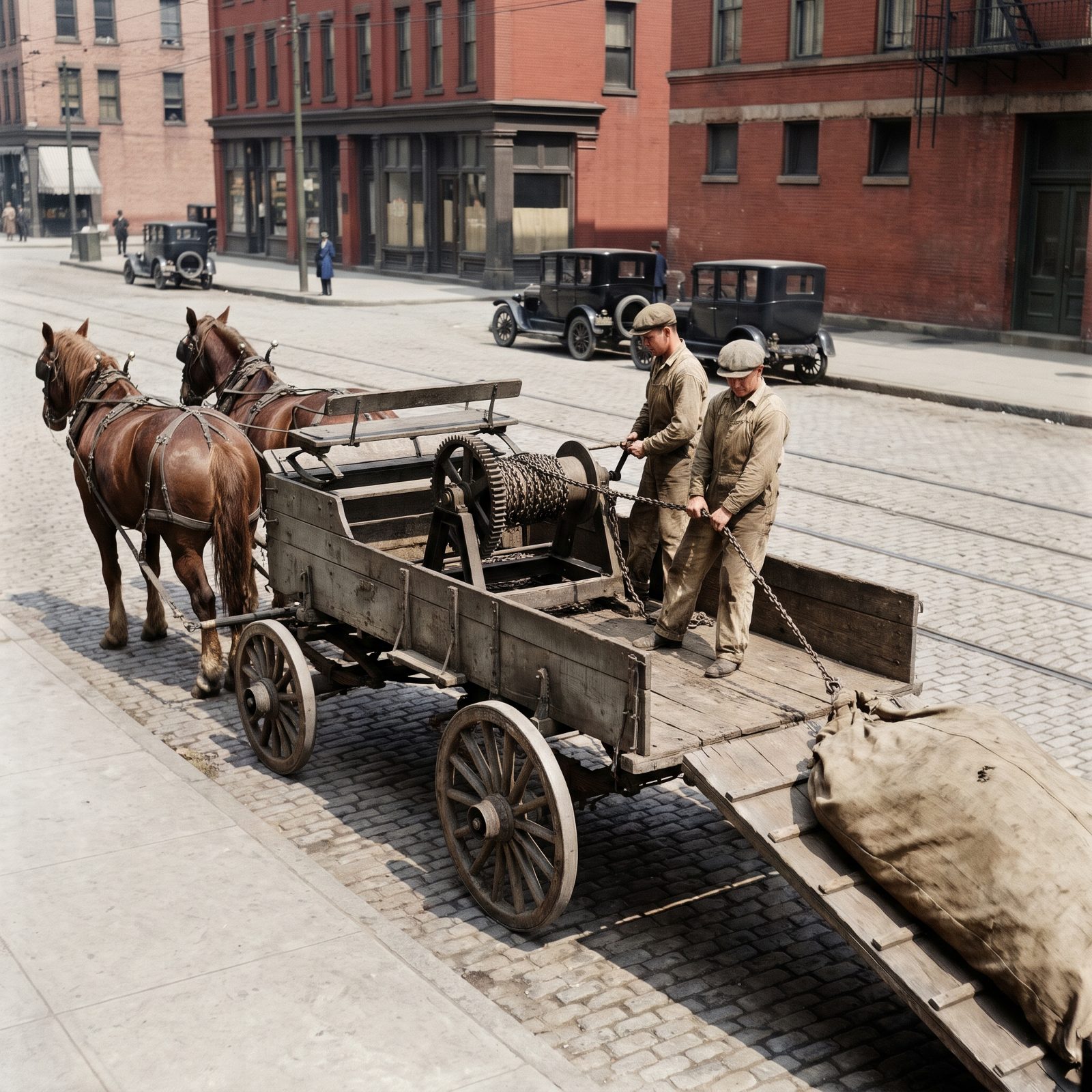
A city running on horsepower meant horses died in the street, constantly, from overwork, accident, and old age. Someone had to haul them off before they became a public health disaster, and that someone drove the removal wagon.
Heavy, grim work. A winch, chains, a ramp, and a strong team to drag the carcass aboard and cart it to the rendering plant, where nothing went to waste — hide, bone, and fat all had buyers.
The automobile ended the problem by ending the cause. No more working horses by the thousands meant no more fallen ones to clear. One of the few jobs made obsolete not by a better tool, but by the plain disappearance of the thing it dealt with.
28. The Mobile Telephone Exchange Truck Run by Switchboard Operators
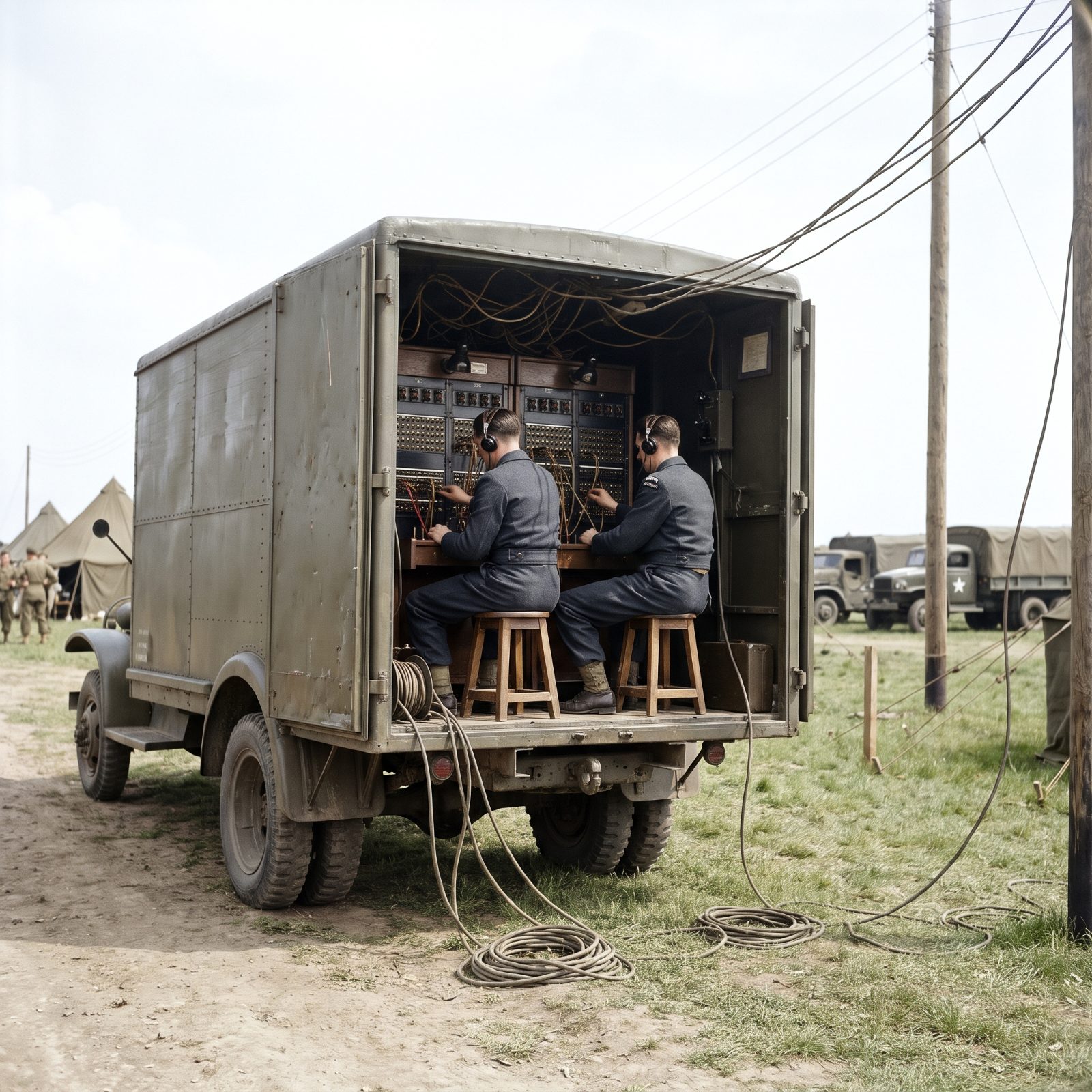
Every call used to pass through a human hand. Pull the cord, push the plug, connect the line. Armies and growing towns needed that service on the move, so they built it into a truck — a rolling switchboard with operators patching calls in a van parked wherever the lines happened to be.
The operators were fast. They memorized routes, and they could keep a whole field of units talking to each other through a wall of brass jacks and cloth cords. Skilled work, and often a demanding one.
Automatic exchanges and direct dialing ended it. The machine learned to do the patching, the cords went quiet, and the voice that used to say “number please” went silent for good.
27. The Steam Traction Engine That Followed the Harvest
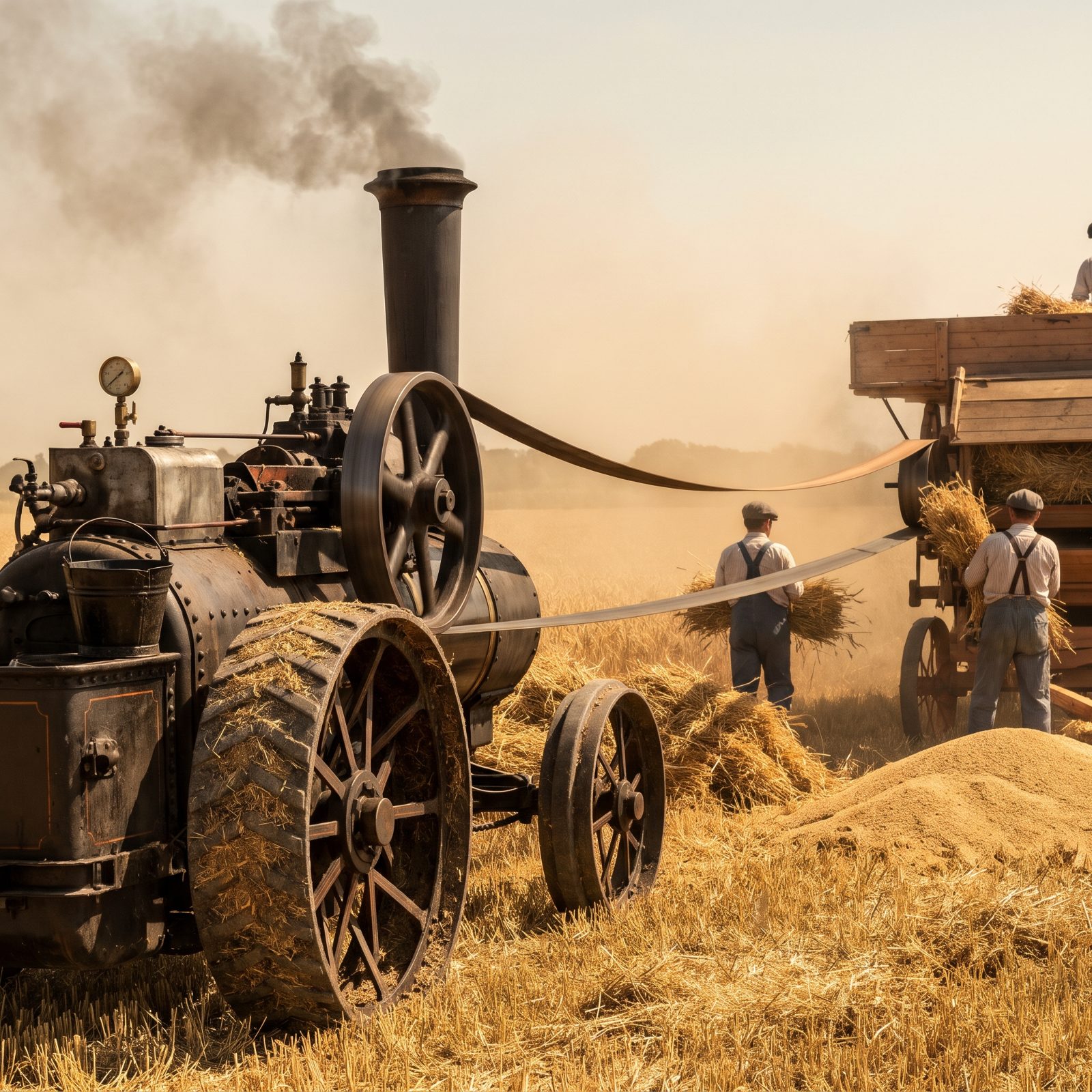
Before combines, the threshing crew came to you. A steam traction engine the size of a small locomotive rolled from farm to farm every autumn, dragging its separator behind it, and the whole neighborhood would turn out to feed sheaves into the maw.
These things weighed ten tons and moved at a walking pace. The engineer slept near his boiler because a cold start took hours. Feed it coal, feed it water, watch the gauge, keep the belt from slipping — and one careless moment could let the whole boiler go.
Machinery fans have company: in our reader votes, photos showing engines or parts got more hearts than the other images in the same articles.
26. The Payphone Coin Van With a Vault Bolted to the Floor
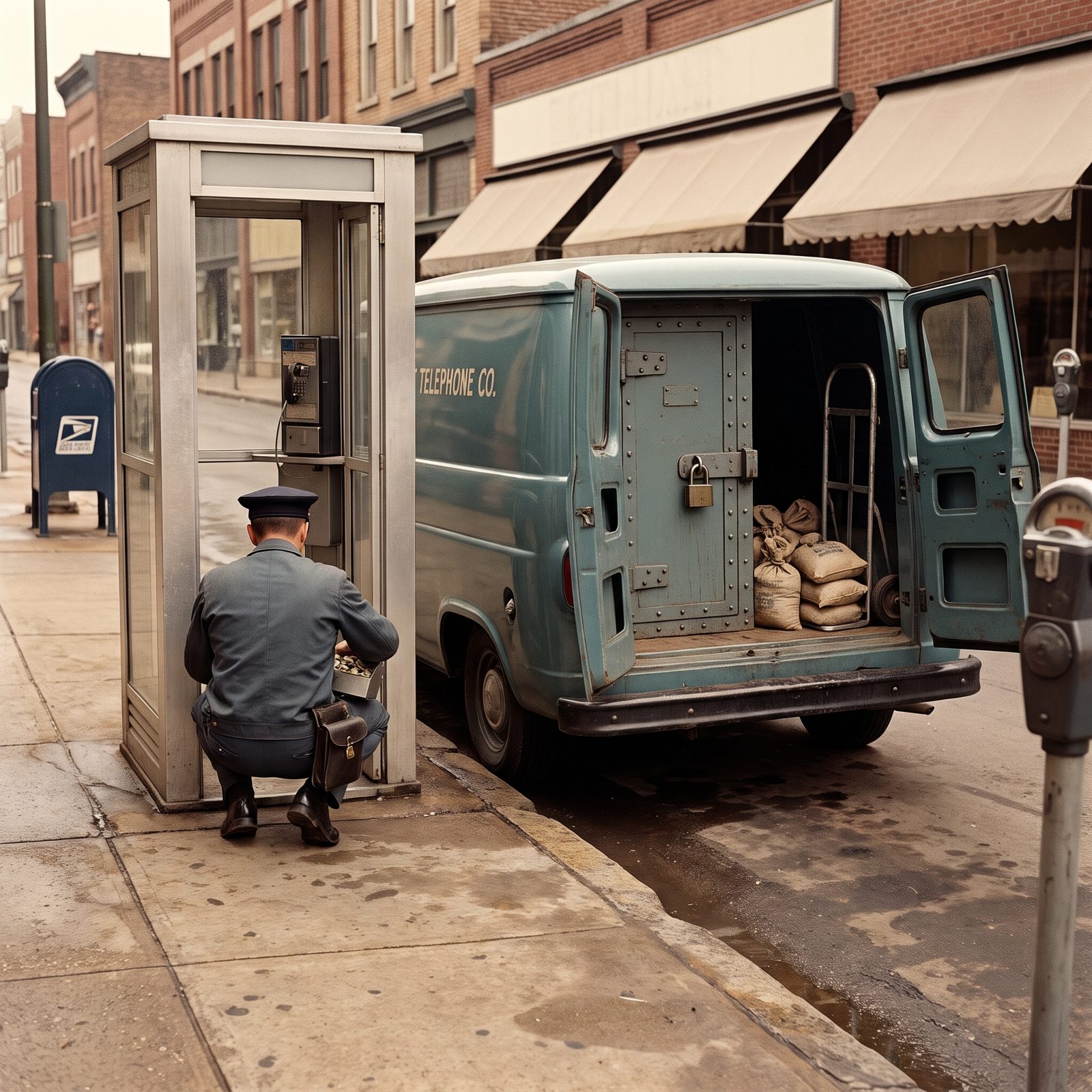
Every coin dropped into a payphone had to be collected by hand, which meant a van built like a rolling safe. A collector’s route might cover two hundred phones a day, each one holding a canvas sack of nickels, dimes, and quarters heavy enough to wreck a man’s shoulder.
The vault door stayed padlocked, but the full sacks often ended up sitting on the open cargo floor beside the hand truck while the collector worked a booth down the curb — never mind the plain fact that coins walk. Trust nobody. Count everything twice.
Mobile phones ended the trade in a generation. The vans went to scrap, and the booths went with them.
25. The Mooring-Mast Truck Built to Catch an Airship
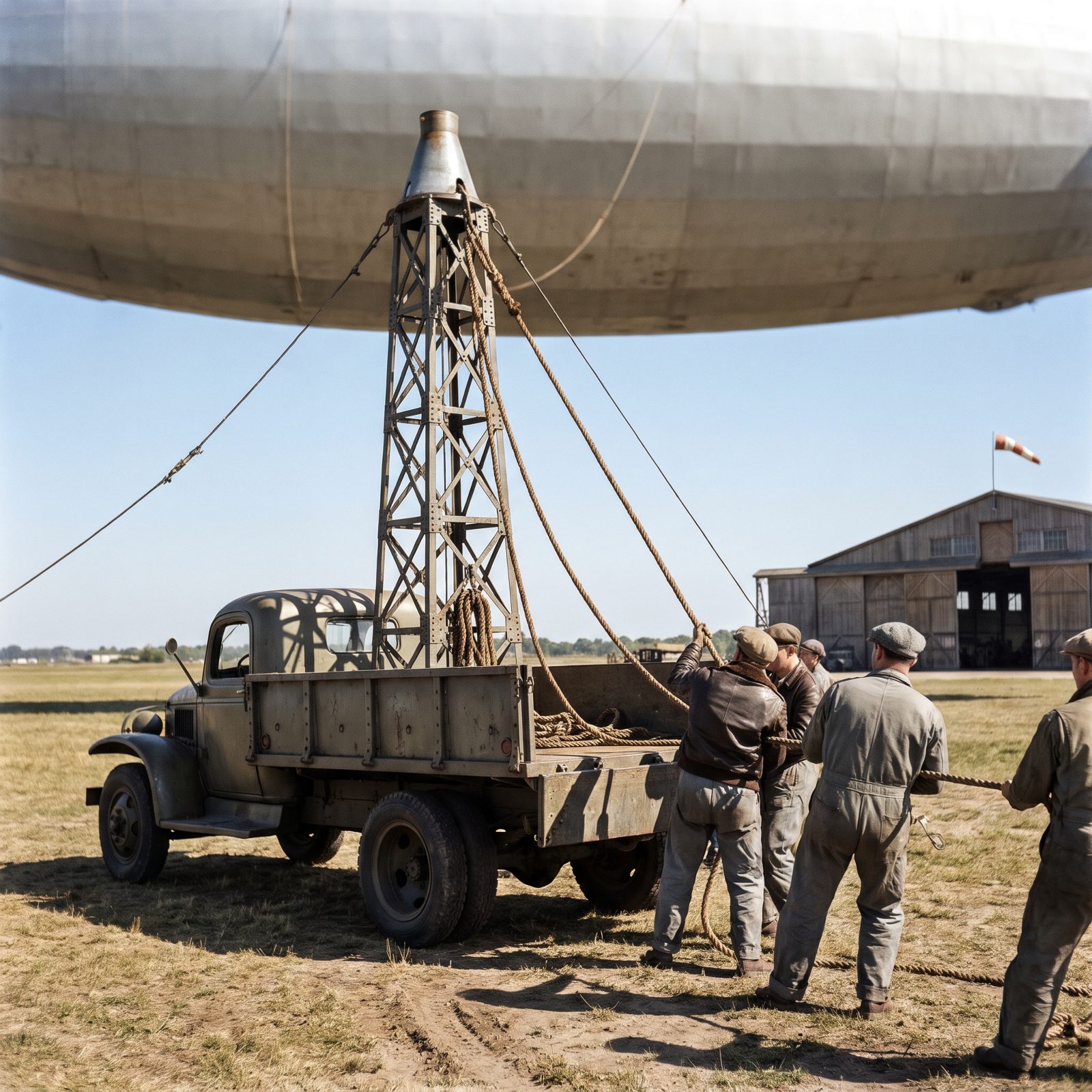
Airships couldn’t just park. They had to be snagged out of the sky and tethered to a mast, and at smaller fields that mast rode on the back of a truck. The ground crew would chase the drifting dirigible across the grass, hauling lines, wrestling tons of gasbag into a coupling before the wind took it away.
It was one of the more dangerous jobs on any airfield. Men were lifted off their feet and dropped. A gust at the wrong second could turn a routine mooring into a catastrophe.
24. The Traveling Photographer’s Darkroom on Wheels
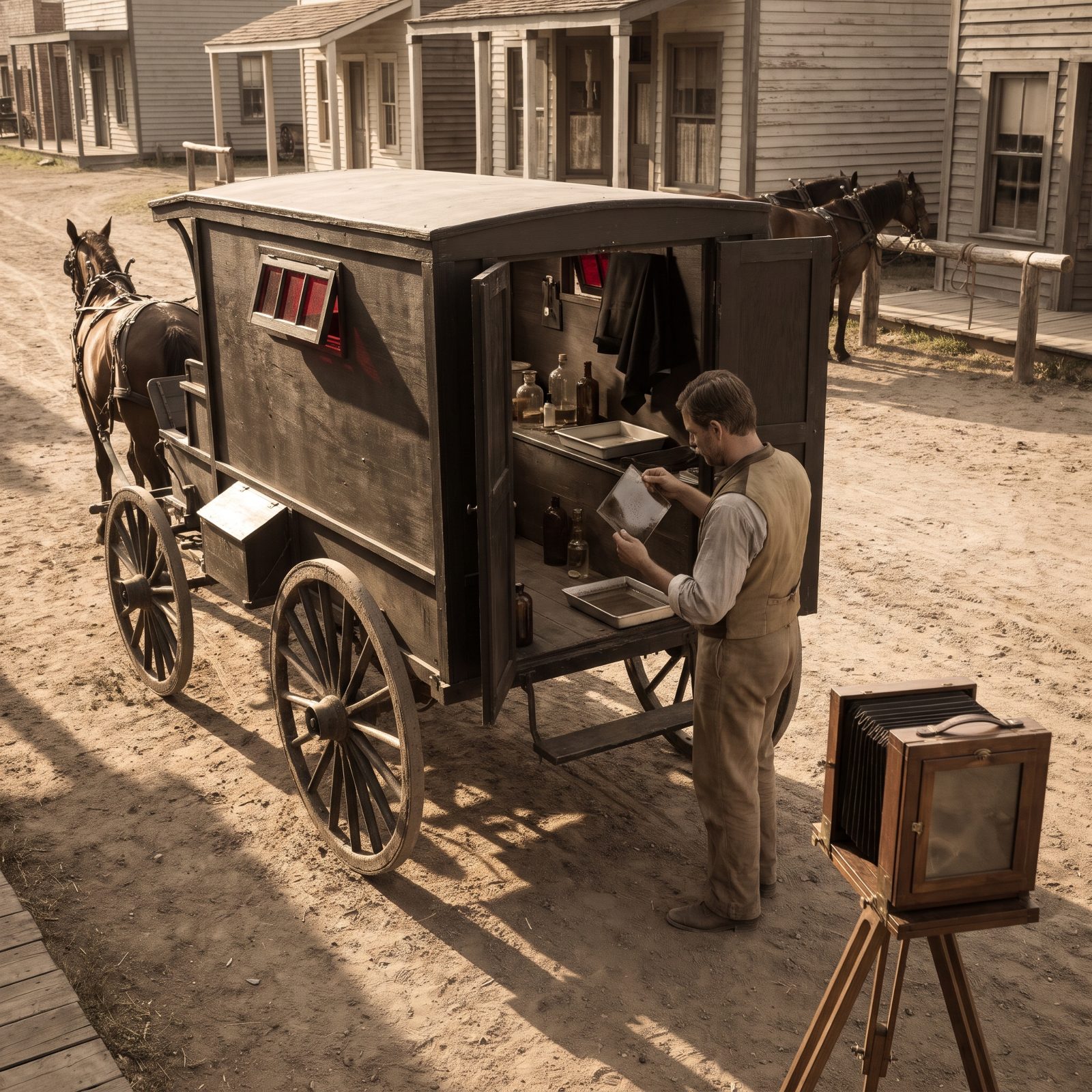
Wet-plate photography gave you about ten minutes. Coat the glass, expose it, develop it — all before the emulsion dried. So the photographer brought the darkroom with him, a light-tight wagon reeking of ether and silver nitrate parked a few steps from the camera.
He’d travel to the fair, the farm, the frontier town that had never seen a camera. Make the portrait, duck into the wagon, come out with a tintype still wet in his hand. Dry-plate film ended the whole frantic ballet. Once you could shoot first and develop later, the wagon became a shed.
Explaining why the darkroom has to stay close to the camera, a mobile darkroom operator says “So we are limited to about, at this relative humidity, about ten minutes before it needs to come back”
23. The Ice-Bunker Reefer Car and the Men Who Topped It Off
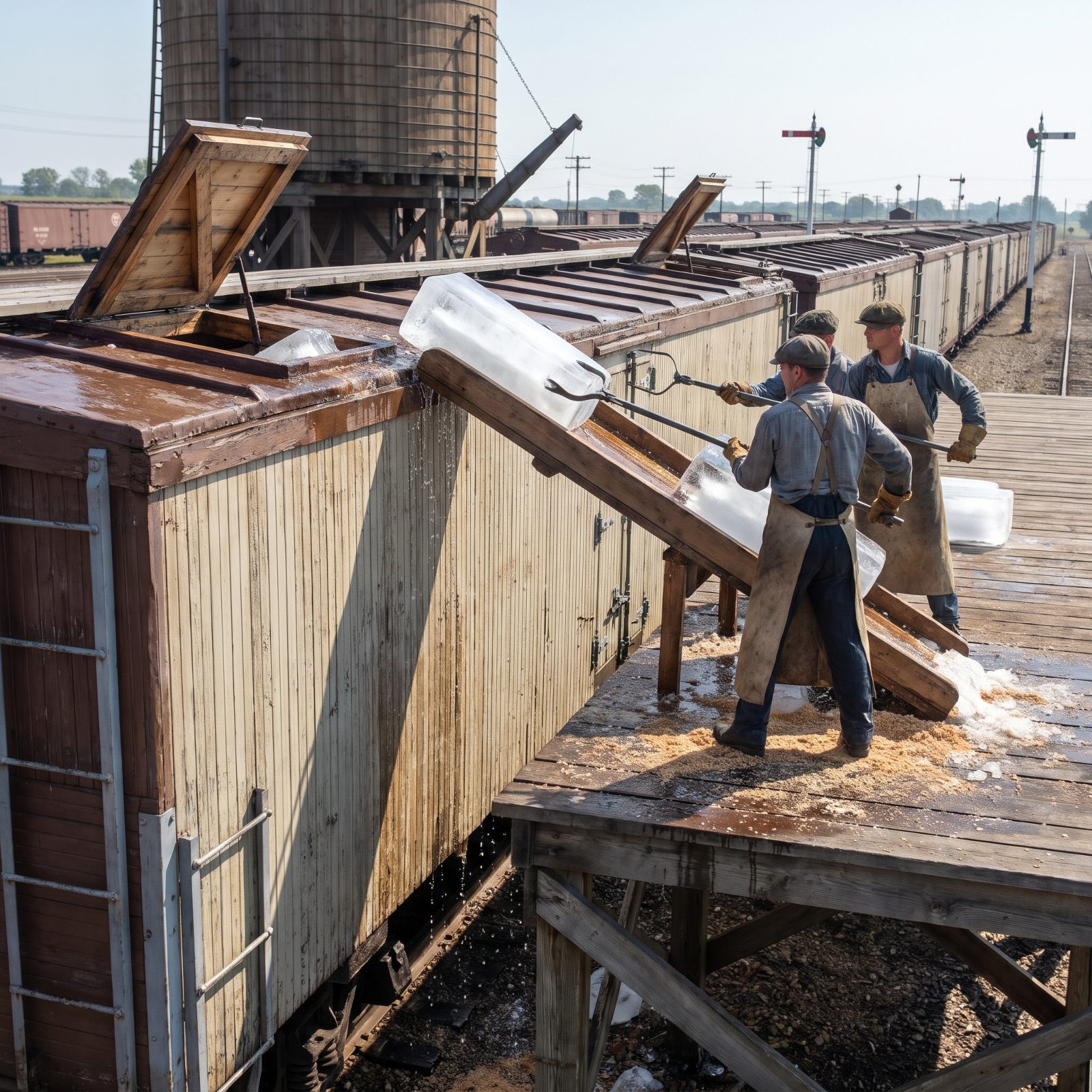
Mechanical refrigeration is recent. For decades, perishable freight stayed cold because crews packed hundreds of pounds of block ice into bunkers at each end of the car, then re-iced it every few hundred miles across the country.
Icing platforms ran the length of the yard. Men hauled enormous blocks with tongs, chipped them to fit, and raced the clock before the lettuce wilted somewhere out in Nebraska.
It was brutal, wet, cold-in-summer work. When mechanical reefers arrived, the icing crews, the platforms, the ice houses, and a whole labor economy around them simply stopped. One of the largest unseen jobs in American food distribution just ended.
22. The Medicine Show Wagon With a Stage That Folded Out the Side
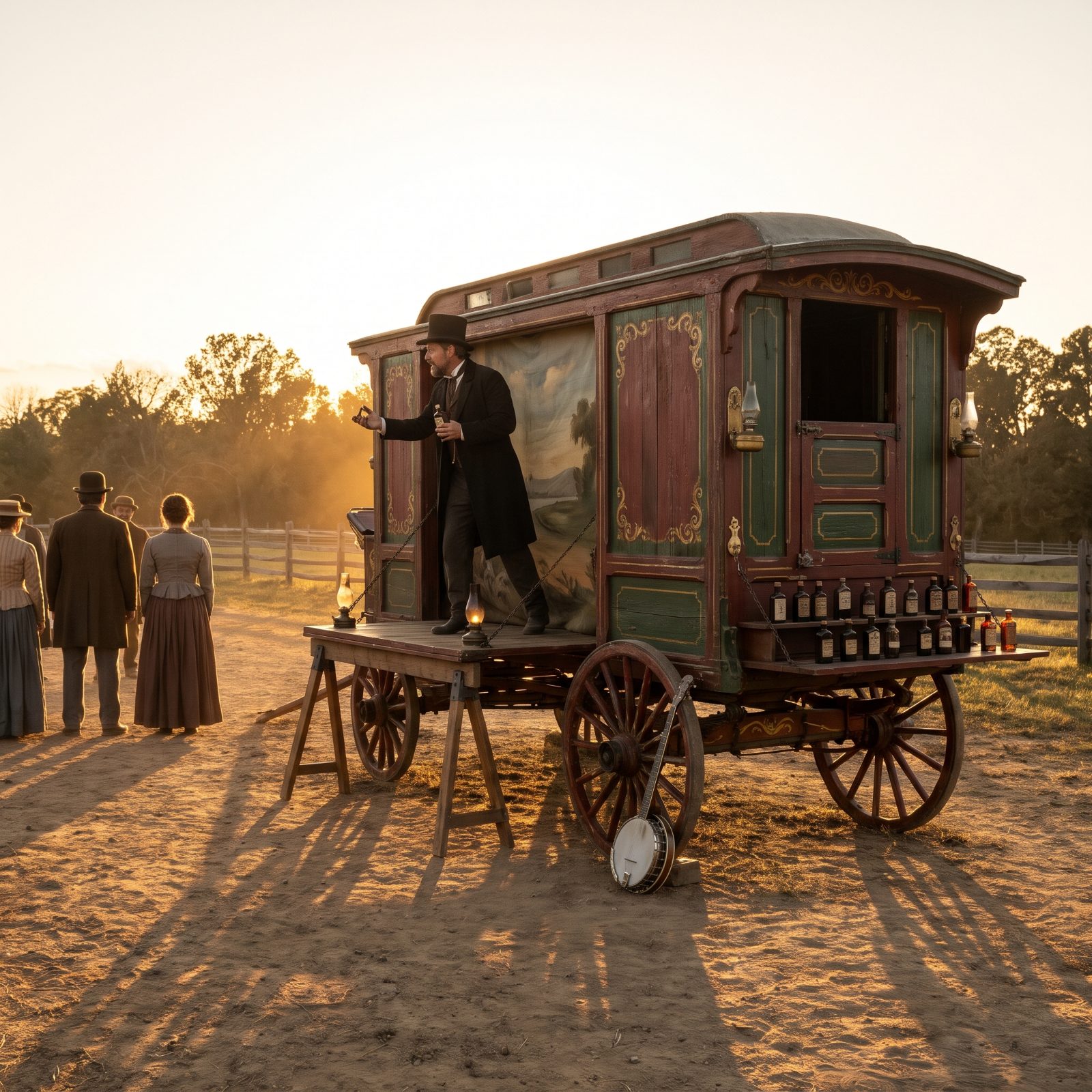
Part pharmacy, part vaudeville, all swindle. The patent medicine show rolled into town with a wagon that unfolded into a stage, and the pitchman worked the crowd with banjo music and a free performance before selling them colored water labeled as a cure for everything under the sun.
The whole vehicle was engineered for the con. Fold-out stage, built-in footlights, a counter lined with tonic bottles, and a quick getaway before anyone noticed the gout hadn’t budged.
The best salesmen weren’t selling medicine. They were selling an evening nobody else was going to provide.
Pure Food and Drug laws and the rise of real pharmacies killed the trade. The wagons burned, sold, or rotted in barns.
21. The Horse Ambulance That Rescued the City’s Workhorses
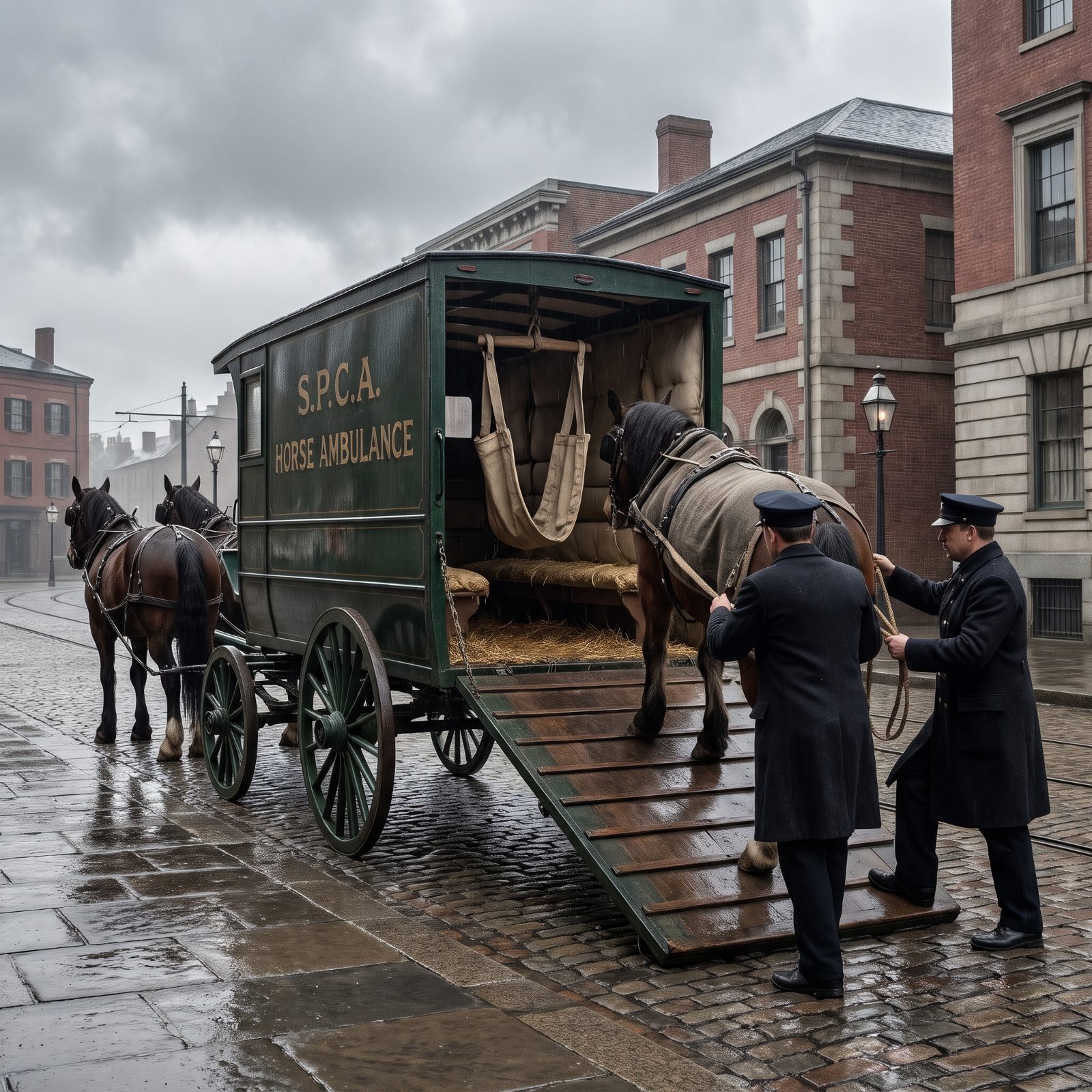
A city that ran on horsepower ran on actual horses, and when one went lame in the street, getting a struggling workhorse out of traffic took a purpose-built wagon with a long wooden ramp.
Humane societies operated these ambulances in the big cities. They’d lower the ramp right onto the cobbles, lead the horse up it on its own four feet, and carry it off to be treated or, more often, humanely put down. A small kindness in a brutal economy.
20. The Film Exchange Van Racing Reels to the Picture Palace
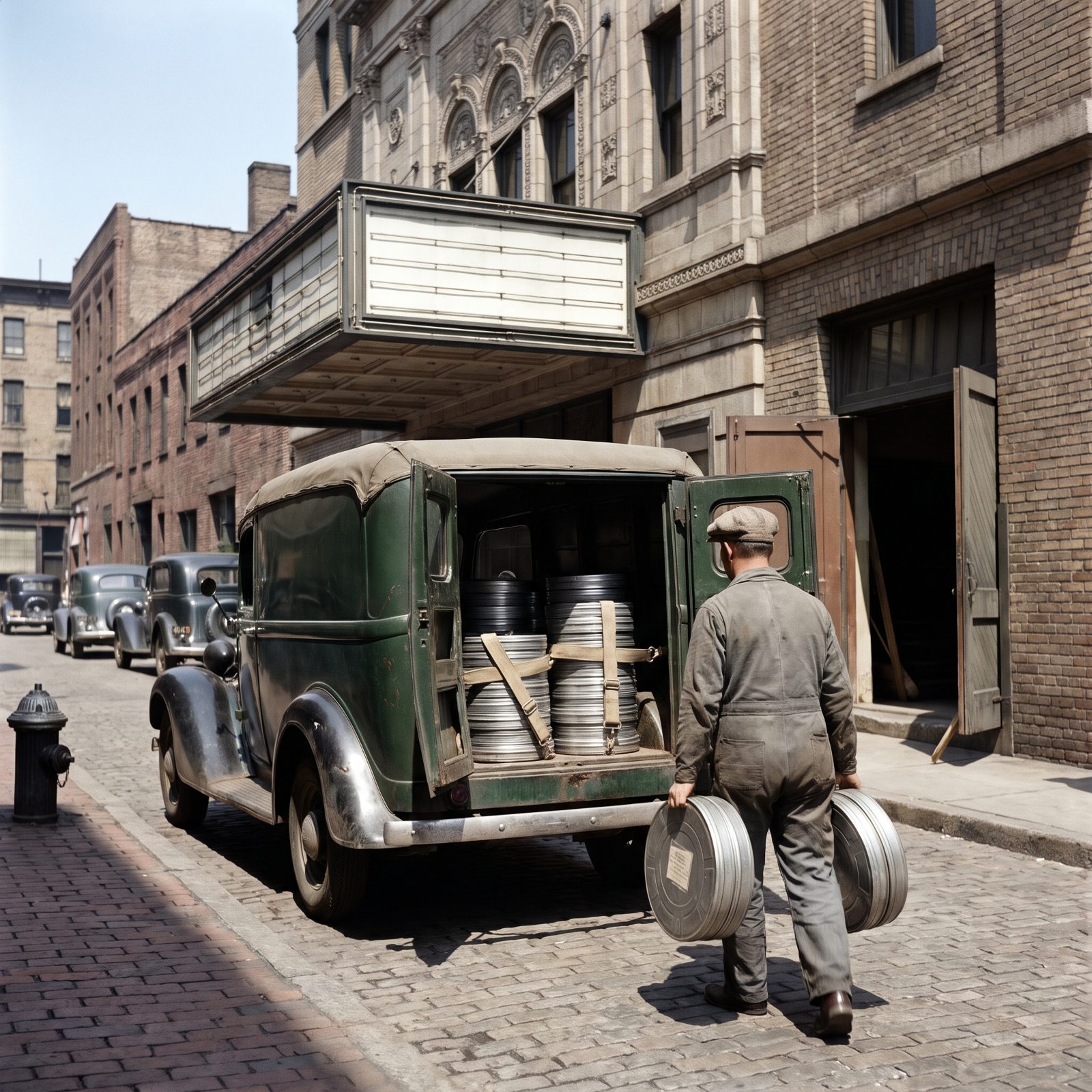
Movies came on physical reels, heavy and flammable, and they moved around town in vans run by film exchanges — the distribution depots that rented prints to theaters. A single feature was a stack of canisters, and if the van was late, the show didn’t start.
The cargo was nitrate stock, which burns ferociously and can self-ignite. Drivers were hauling what amounted to boxes of slow dynamite through city traffic, and exchange fires were a real, deadly hazard.
Digital projection ended the whole supply chain. No reels, no cans, no van, no late-night run to the exchange.
19. The Canal Barge and the Mule Crew on the Towpath
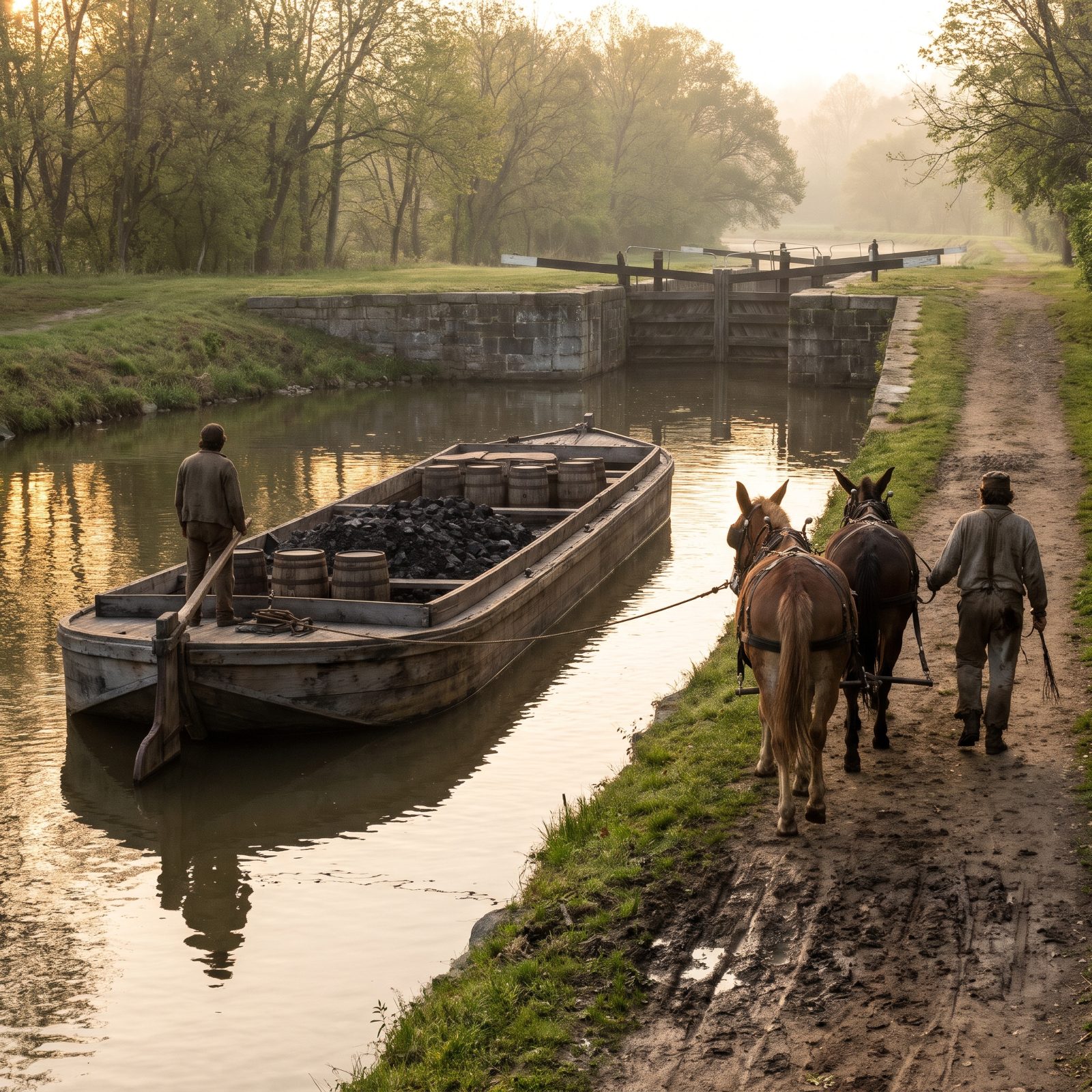
Before the railroads won, freight crawled across the country on canals, and a loaded barge was pulled not by an engine but by mules walking a dirt path along the bank. A driver led the team, a steersman worked the tiller, and a whole family often lived aboard.
Walking pace, dawn to dusk. The mules swapped out at waystations and the kids tended the animals. Slow, patient work in a world that hadn’t yet decided to hurry.
18. The Fotomat Courier Shuttling Film to the Lab
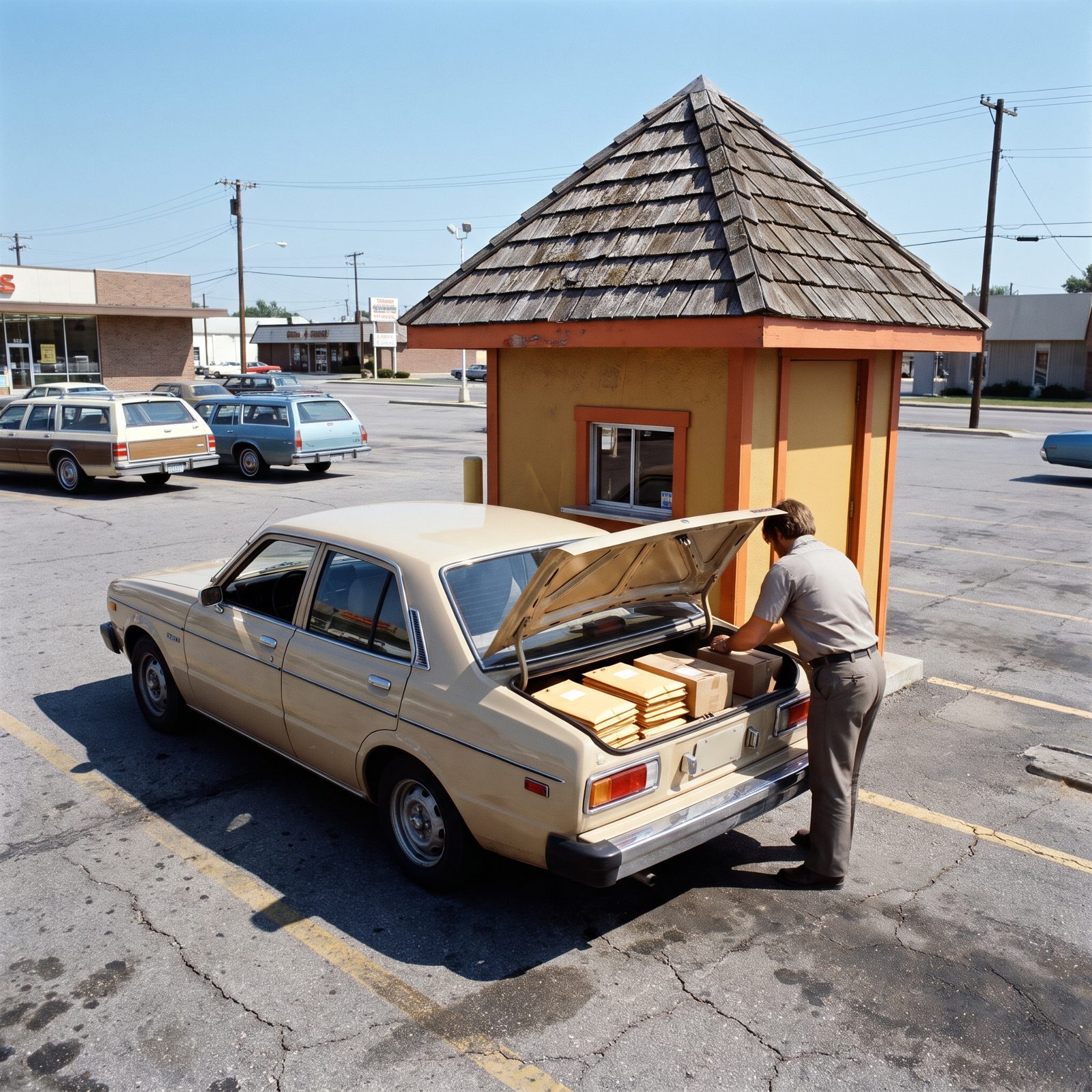
The little pyramid-roofed huts in parking lots didn’t develop anything on site. They were drop boxes. A courier car ran the route, collecting envelopes of exposed film and ferrying them to a central lab, then bringing the prints back a day later.
The whole business depended on that quiet daily loop. Pick up the rolls, deliver the prints, keep the hut stocked with mailers. Nobody standing at the window ever thought about the car that made it work.
One-hour photo counters cut out the shuttle. Then digital cut out the film. The huts went first, the courier cars went with them, and most people forgot there was ever a car at all.
17. The Steam-Era Fire Patrol Speeder That Chased Sparks Down the Line
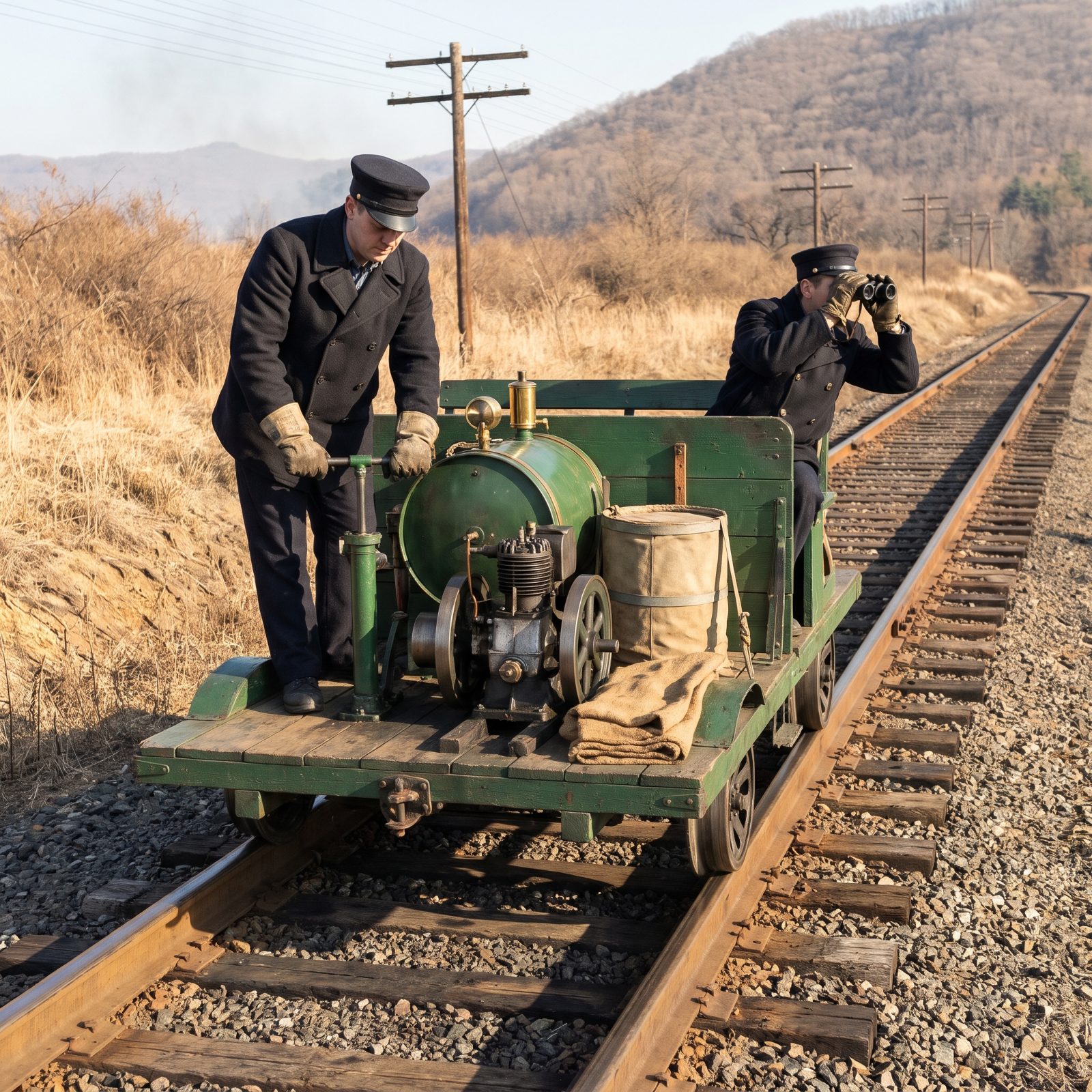
Steam locomotives threw live cinders off the stack, and in a dry late autumn those sparks lit the grass along the right-of-way. Somebody had to ride behind the train and stamp out the fires before they reached the forest.
Enter the fire patrol speeder — a light gas-powered rail car crewed by two men with water barrels and wet burlap swatters, running the line right after the train passed. Dull work. Until it wasn’t. When oil-fired and diesel engines replaced the coal-burners, the sparks stopped, and so did the patrol.
16. The Logging Wanigan, a Floating Bunkhouse That Fed the River Drive
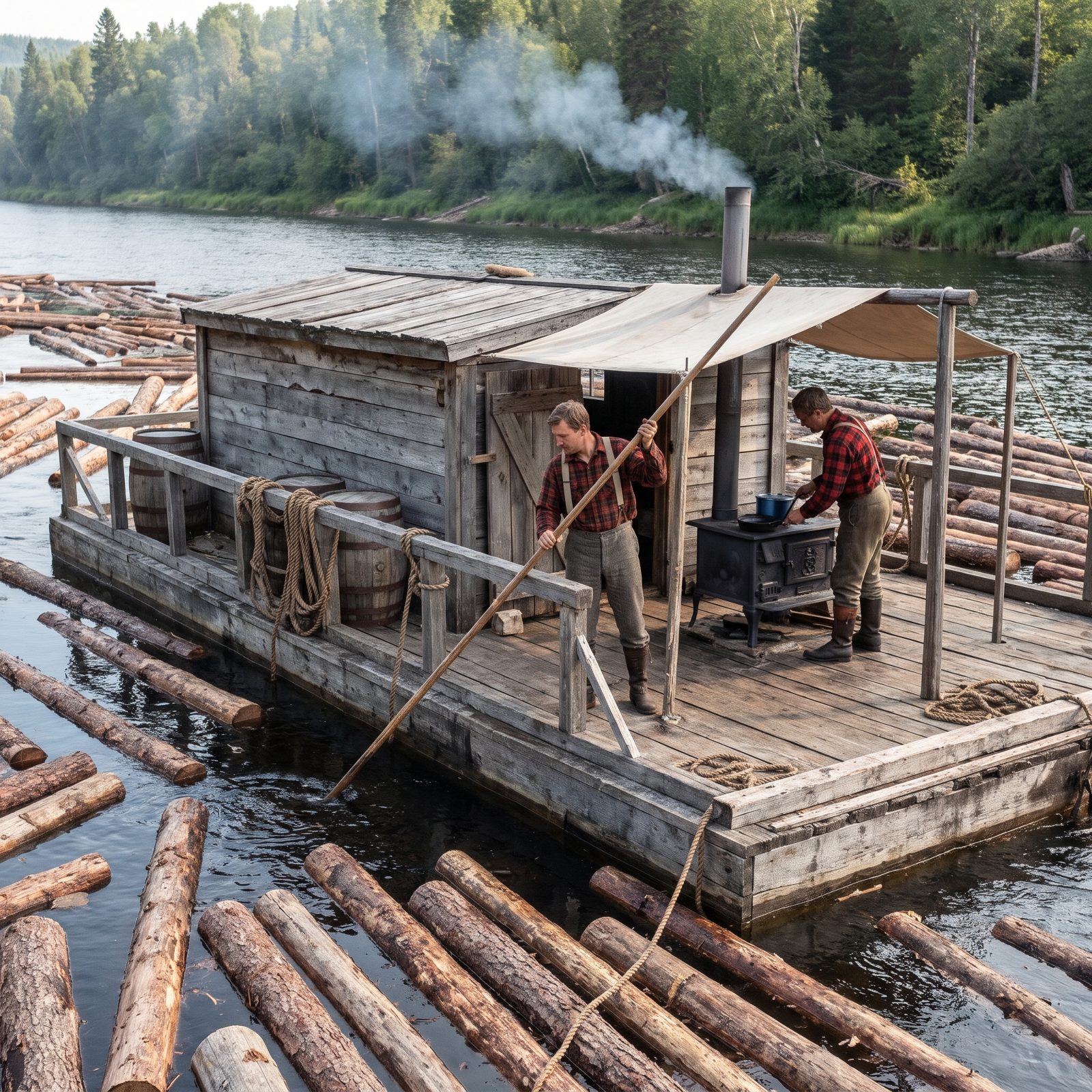
Imagine your kitchen, your bunkhouse, and your supply depot all floating downriver on a raft. That was the wanigan, the cook-shack boat that trailed the spring log drive so the crews moving timber never had to come ashore to eat or sleep.
It poled along behind the floating logs carrying the cook, the stove, the flour barrels, the bedrolls. The men worked the river all day and climbed aboard at night. Then railroads and logging trucks killed the river drive, and the wanigan drifted off into memory right along with it. Hard to think of a more specific contraption — a house built to chase trees downstream.
15. The Radio-TV Repair Van Rolling With a Thousand Vacuum Tubes
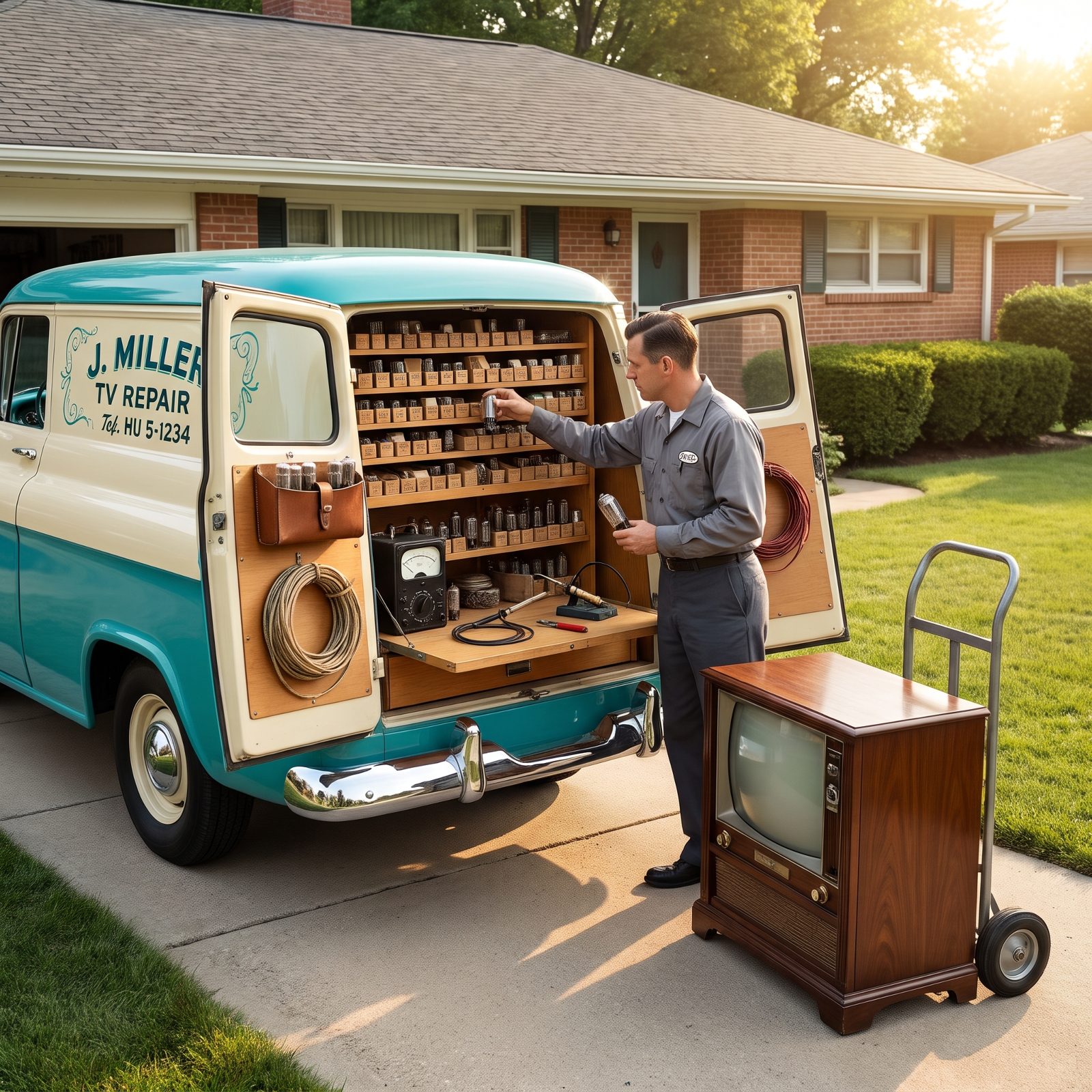
A television in 1955 was a piece of furniture with thirty or more glass vacuum tubes inside, and when one burned out the picture went dark. You didn’t throw the set away. You called a man who came to the house.
His van was a rolling parts store — wooden racks of tubes sorted by number, a tester, a soldering iron, and the know-how to find the one dead tube among dozens. Solid-state transistors ended all of it. Sets got cheaper to replace than to fix, and the house-call repairman folded up his tube caddy for good.
14. The Combination Hearse-Ambulance That Did Both Jobs on One Chassis
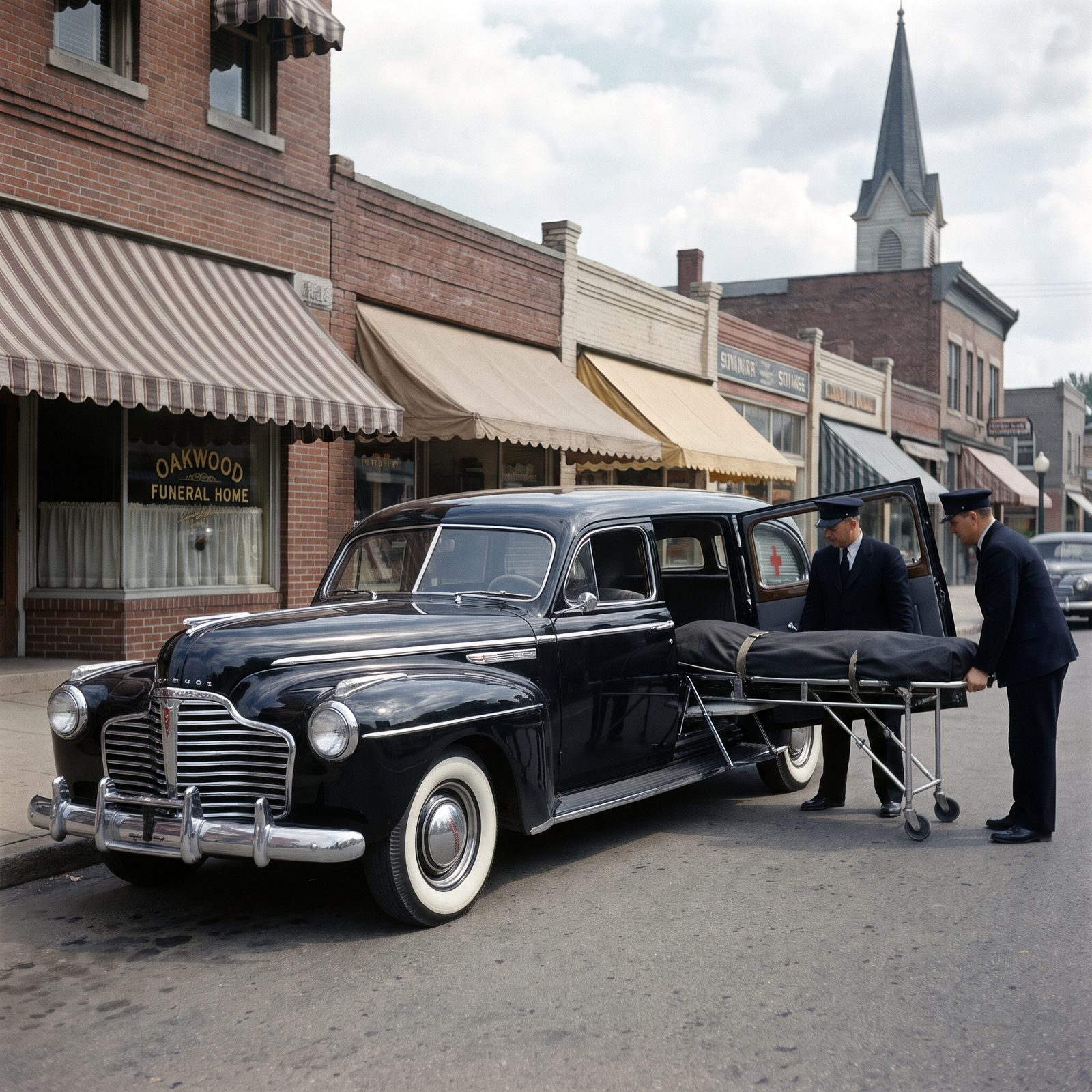
In a small town the undertaker was often the only man with a long, flat-floored vehicle, so he did double duty. The same coach that carried a casket on Tuesday carried a sick neighbor to the county hospital on Wednesday.
These combination cars had a flip-out cot and a red cross you could stick on the glass. One chassis, two services, and a conflict of interest nobody said out loud. Then federal emergency-care standards in the 1970s demanded proper ambulances with room to actually work on a patient, and the funeral trade bowed out of the rescue business for good.
13. The Sprinkler Streetcar That Washed the Dust Off Its Own Rails
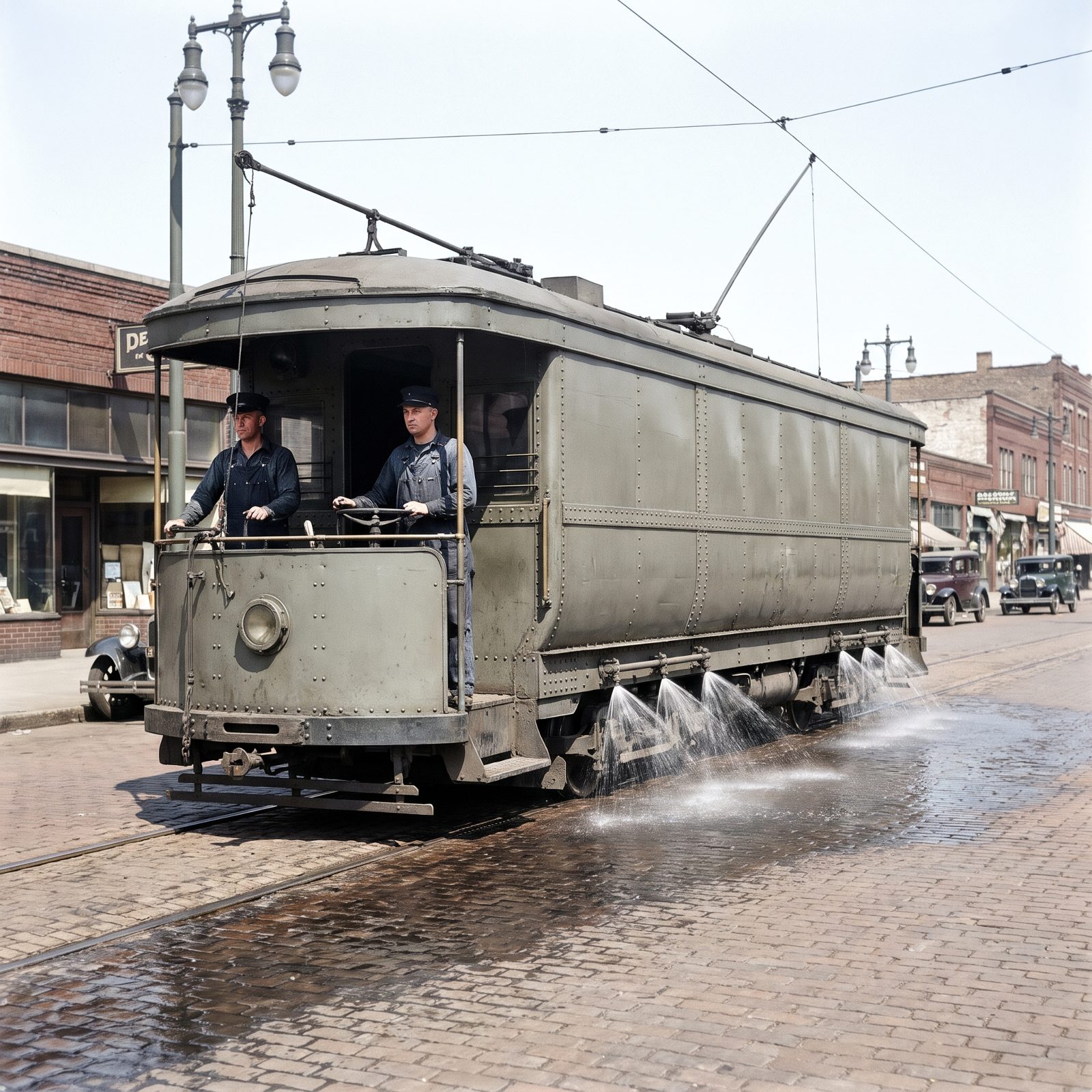
City streets in the horse-and-cinder era were filthy, and the dust fouled the grooved rails the trolleys ran in. So the transit company built a streetcar whose only job was to spray water as it rolled, washing the tracks and settling the dust in one pass.
A big tank on wheels with nozzles down the sides, cleaning the same rails it rode. Paved roads, car-based street sweepers, and the slow death of the streetcar itself made it pointless. When the trolleys were torn out, the sprinkler car had no track left to tend.
12. The Electric Milk Float That Hummed Door to Door Before Dawn
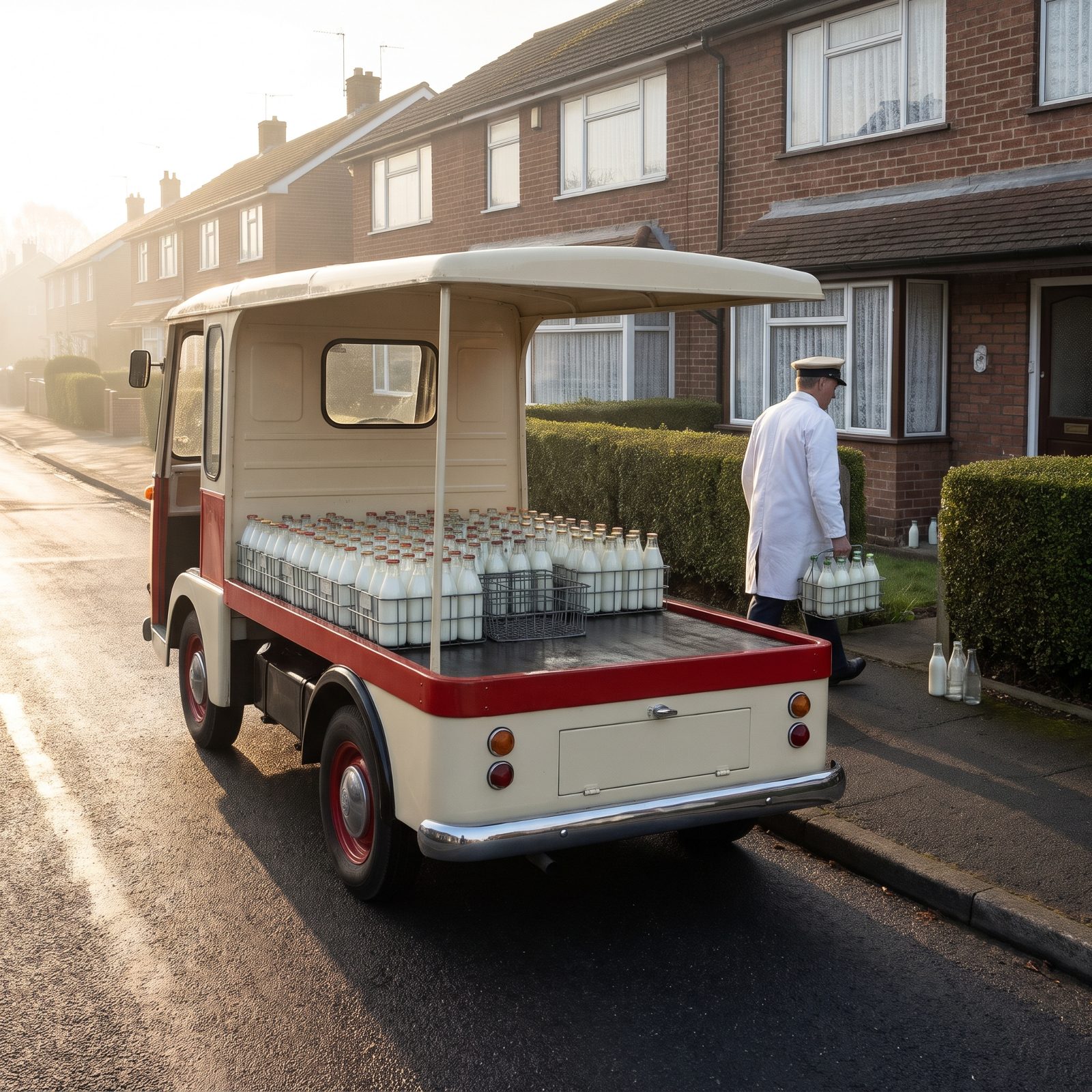
Quiet enough not to wake the street, slow enough to stop at every house, the electric milk float dropped fresh bottles on the doorstep before the kettle was even on. Battery-powered decades before anyone called it green, because the job demanded constant stop-start running and near silence at five in the morning.
The milkman swapped full bottles for empties, kept a running tab, and knew which house had a new baby. Then supermarket milk in plastic jugs, the two-car household, and the deep freeze turned doorstep delivery into a quaint expense. The floats went to scrap, or to collectors. A whole small ritual of the morning vanished with them, and the street got a little louder for it.
11. The Steam Donkey Sled That Hauled Logs by Cable Across the Forest Floor
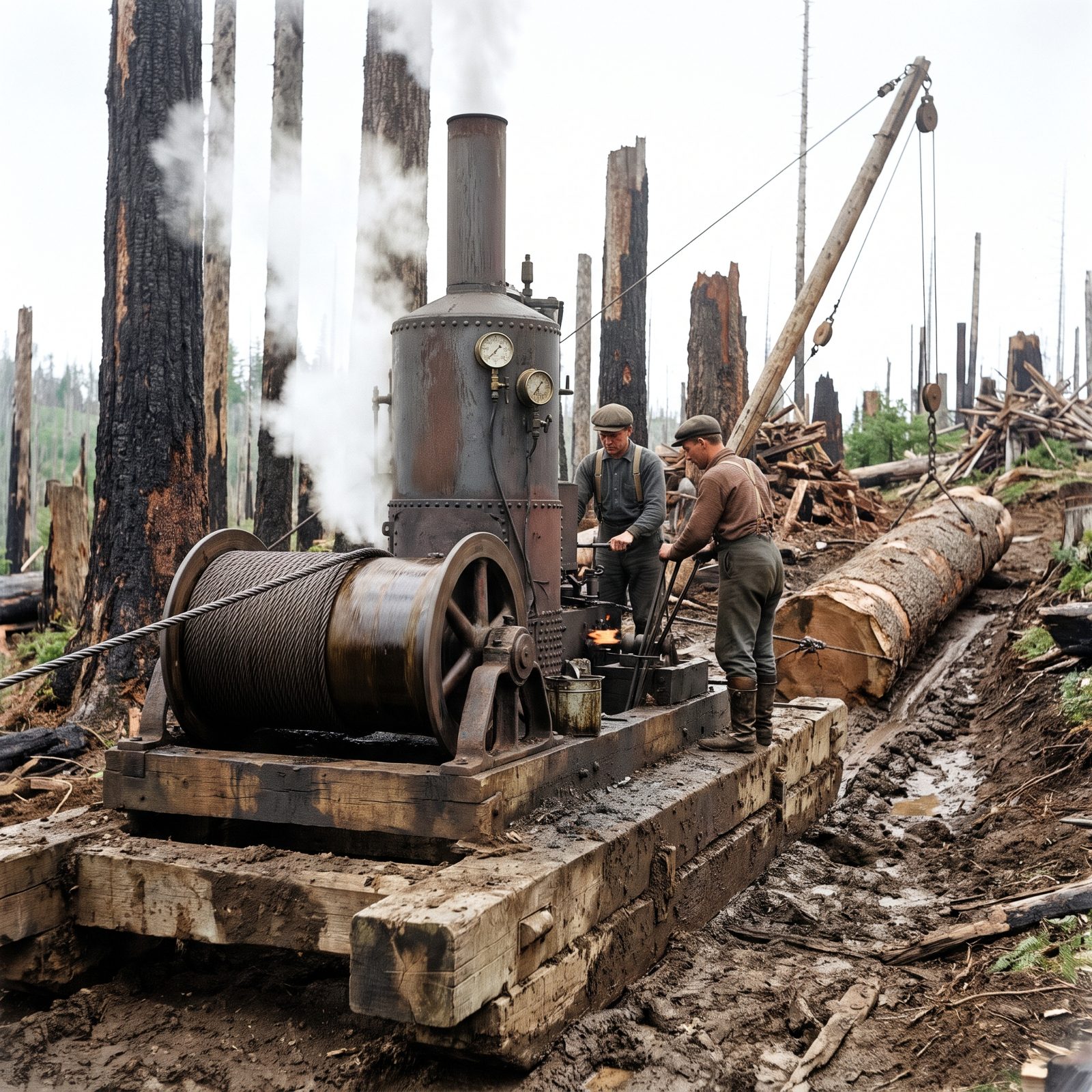
Before the chainsaw and the log truck, moving a felled Douglas fir meant brute cable and a fire you kept fed all day. The steam donkey sat on its own timber sled, and when it needed to relocate it dragged itself uphill by its own winch. A boiler, a drum, a mile of greasy wire rope, and a crew who learned to read the whistle signals or lose a hand.
The job was called yarding. Hard, loud, lethal work in weather that never dried out.
10. The Rag-and-Bone Collector’s Cart That Turned Your Junk Into His Living
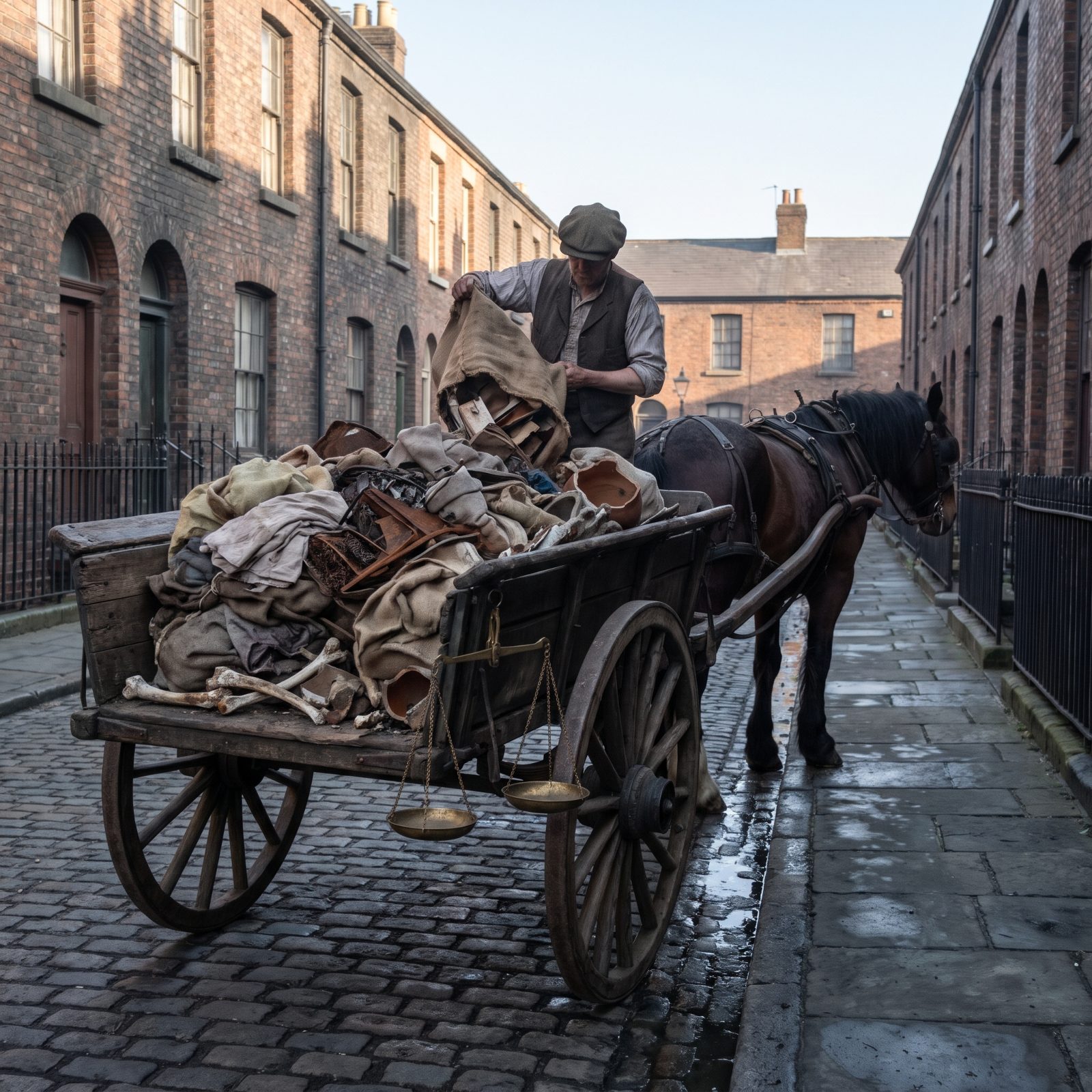
The rag-and-bone man built a business out of what you threw away. Rags went to the paper mills, bones to glue and fertilizer, scrap metal to the foundry, dripping to the soap works, and he knew the price of every scrap to the farthing.
His cart rattled through the poorer streets with a called-out cry you learned to recognize before you saw him. He weighed your junk on brass scales that lived on a hook off the cart rail, paid in coppers, and moved on.
Recycling was a trade long before it was a virtue. We just handed it to a man with a horse and forgot his name.
9. The Circus Calliope Wagon That Announced the Show Three Blocks Early
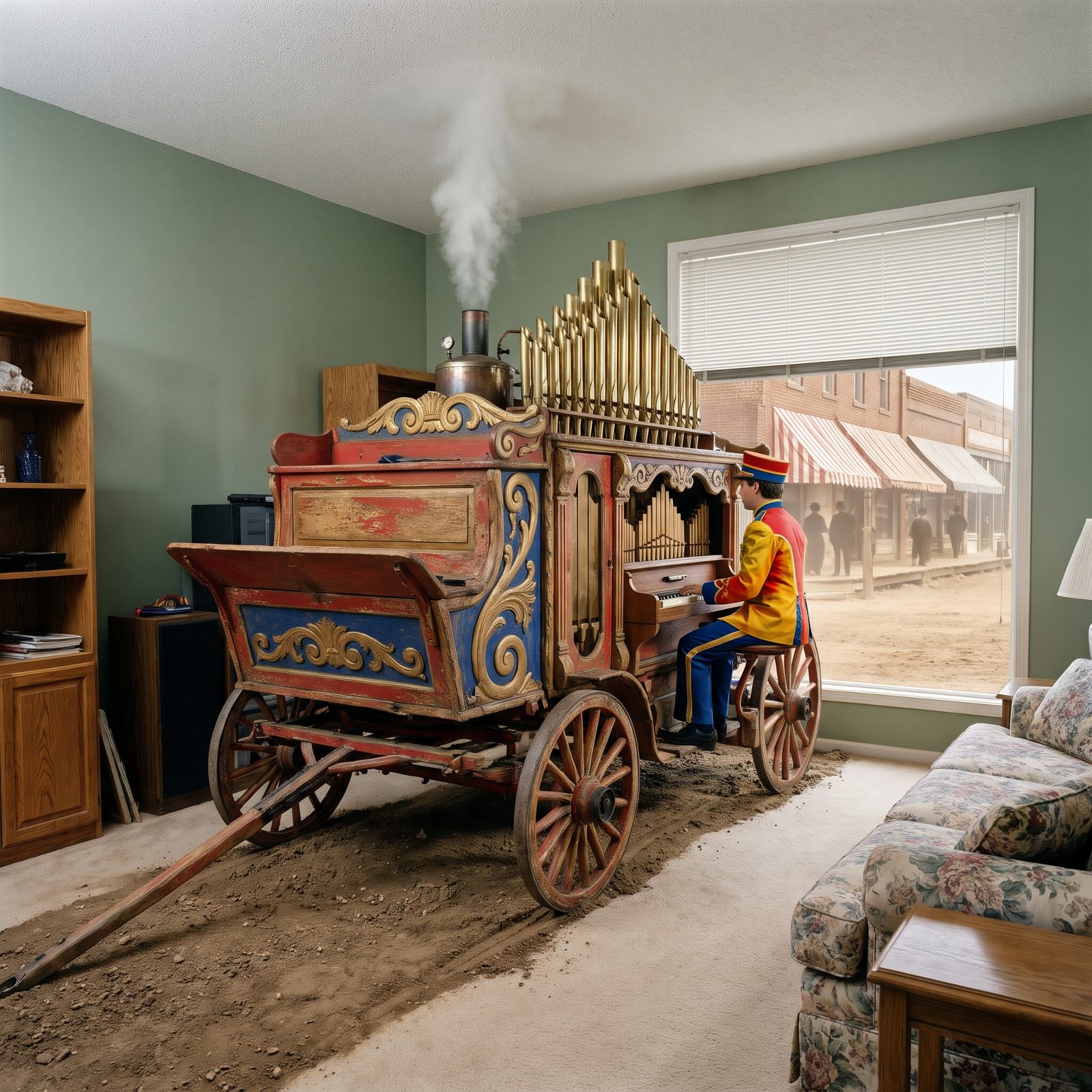
You heard the calliope before you understood what you were hearing. Steam forced through brass whistles, tuned loud enough to carry for miles, so piercing that the player sometimes went half-deaf by season’s end. It rode at the tail of the circus parade on purpose. Save the best noise for last.
A town knew the show had come to earth the moment those first wheezing chords bounced off the storefronts.
No recorded music, no loudspeaker, just a boiler and a keyboard turning a whole town’s afternoon upside down.
8. The Log Driver’s Bateau That Rode the Timber Downriver
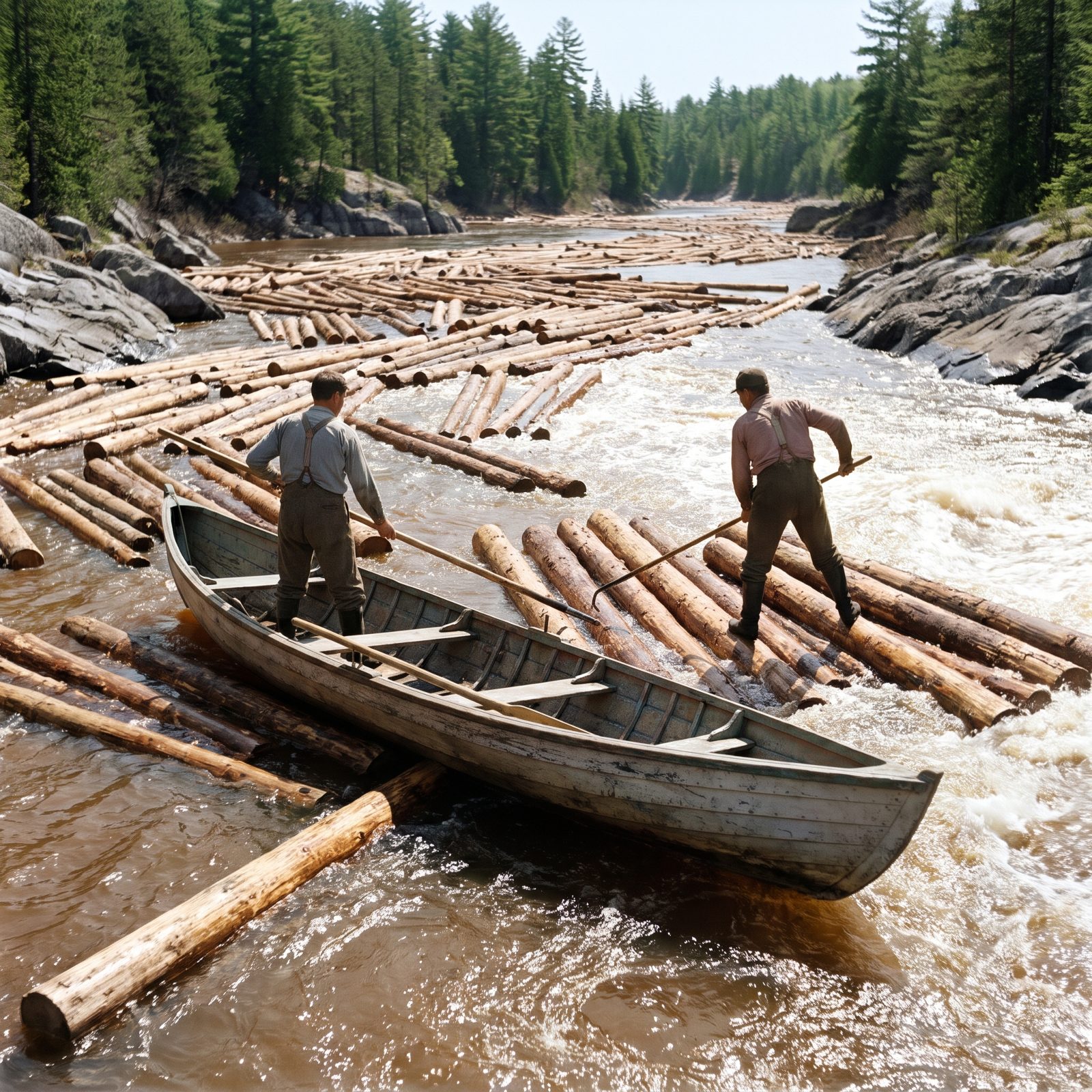
Floating a winter’s worth of cut timber down a swollen spring river to the mill was one of the deadliest jobs on the continent. The bateau was the driver’s workboat: light, flat-sided, double-ended so it handled fast water from either direction, built to be rowed into a churning logjam and backed out alive.
Drownings were common enough that the rivers had unofficial graveyards along their banks.
7. The Helms Bakery Coach That Brought Fresh Bread to Your Front Door
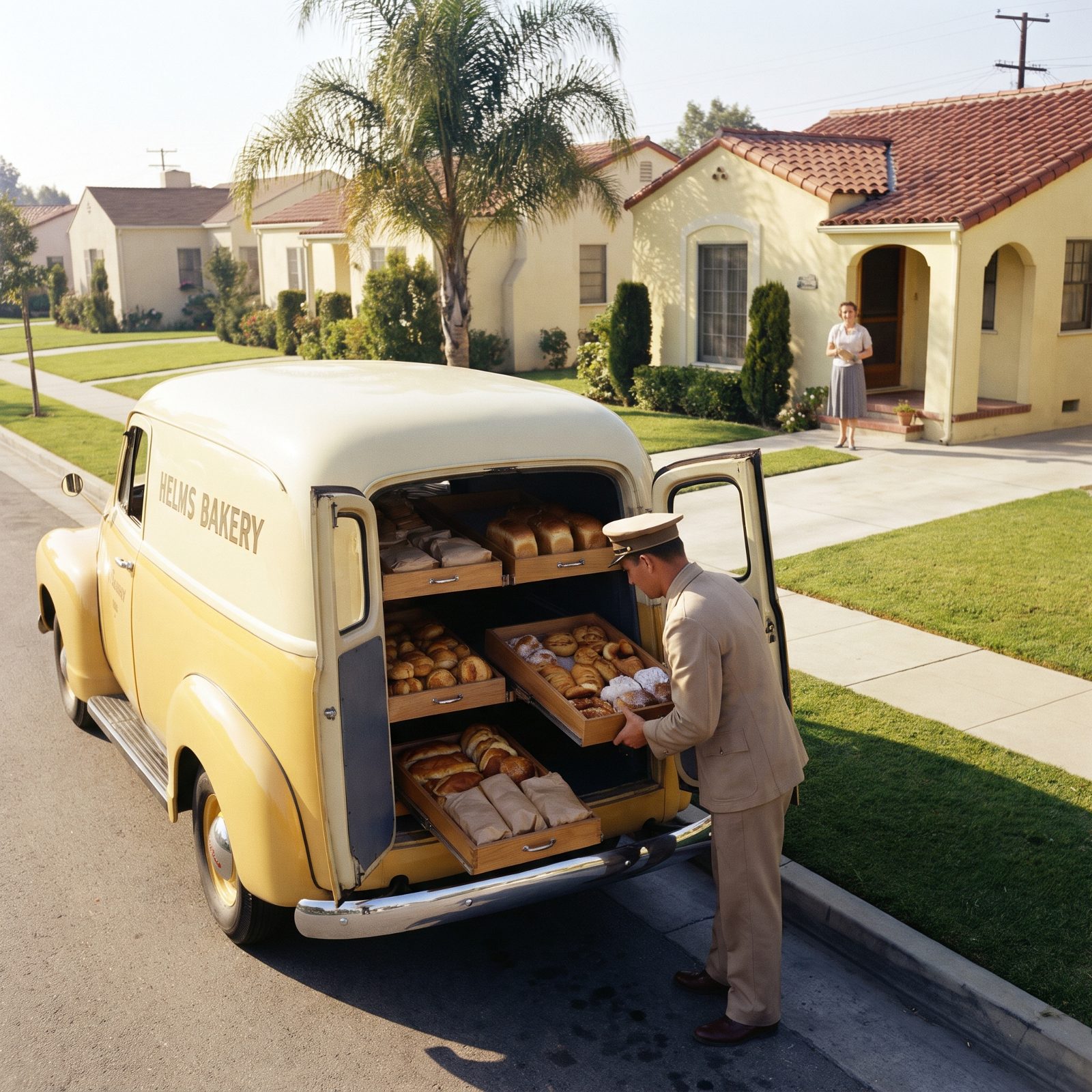
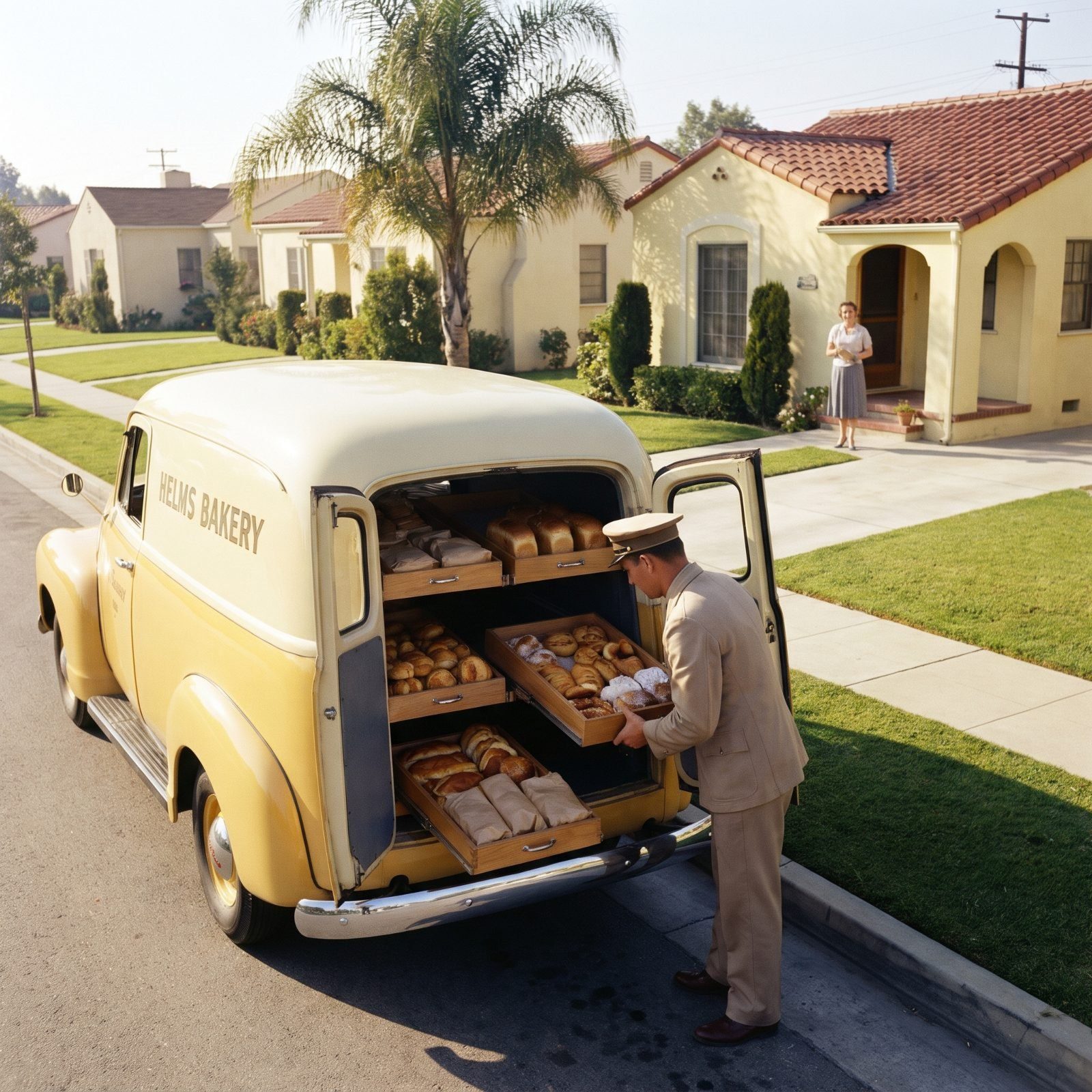
The Helms coach ran on a whistle, a two-note toot that meant drop what you’re doing and come out to the curb. From the thirties into the late sixties it brought fresh bread and doughnuts straight to the driveway, the driver sliding out long wooden drawers that smelled of warm crust and sugar.
You didn’t go to the bakery. The bakery came to you, on a schedule you could set a clock by.
The supermarket killed it. Why wait for the whistle when the whole store sat five minutes down the road? Progress, they called it. The street got quieter.
6. The Threshing Crew Cook Car That Fed Forty Hungry Men a Day
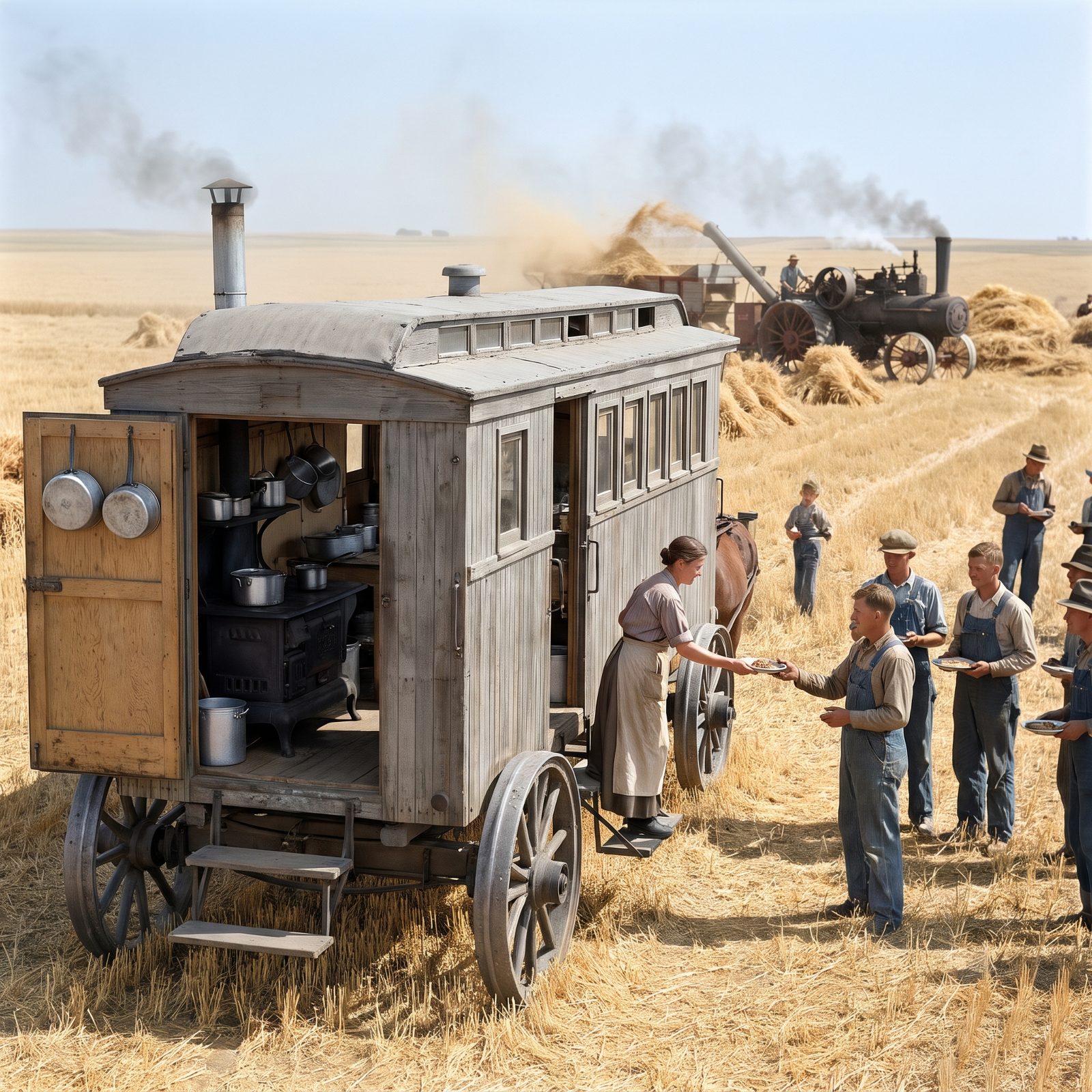
Steam threshing took a small army, and armies march on their stomachs. The cook car was a kitchen on wheels that followed the threshing rig farm to farm, feeding the crew four enormous meals a day in the field so no one lost an hour walking back to a house. The cook, often working with a hired girl in brutal heat, might fry pies, bake bread, and boil coffee for forty men between dawn and dark.
5. The Chuck Wagon That Was Kitchen, Pantry, and Headquarters on the Cattle Drive
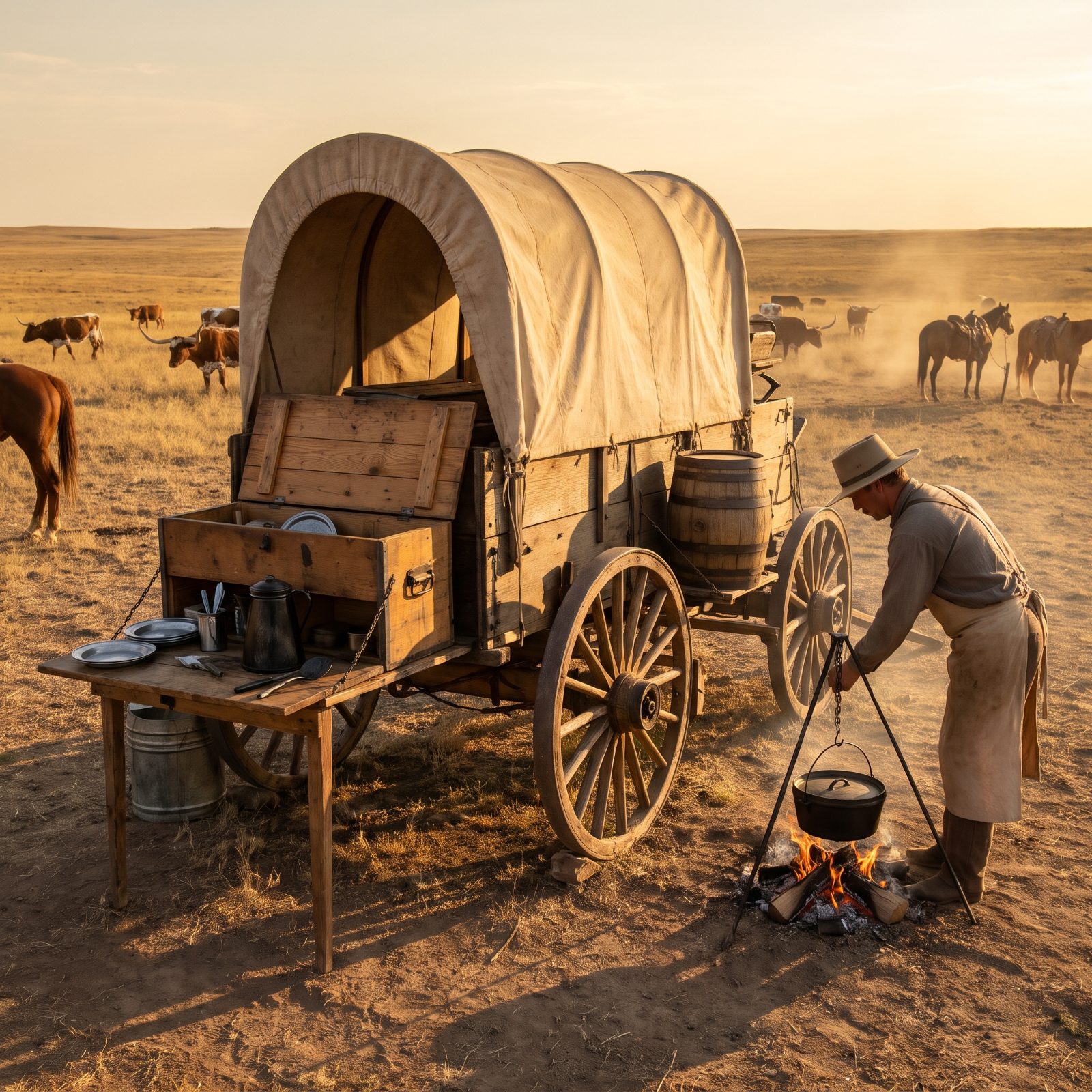
The chuck wagon was the only fixed point in a cowboy’s shifting world. A Texas rancher invented it after the Civil War by bolting a hinged chuck box onto a war-surplus wagon, and it carried the food, the bedrolls, the medicine, and the cook, who outranked everyone but the trail boss.
You did not cross the cook. He controlled the coffee.
At a museum presentation, a chuck wagon master cook explained that the trail cook was paid the most on a cattle drive and that his job was to keep the cowboys happy and fed.
4. The Railroad Chapel Car That Brought Church to End-of-Track Towns
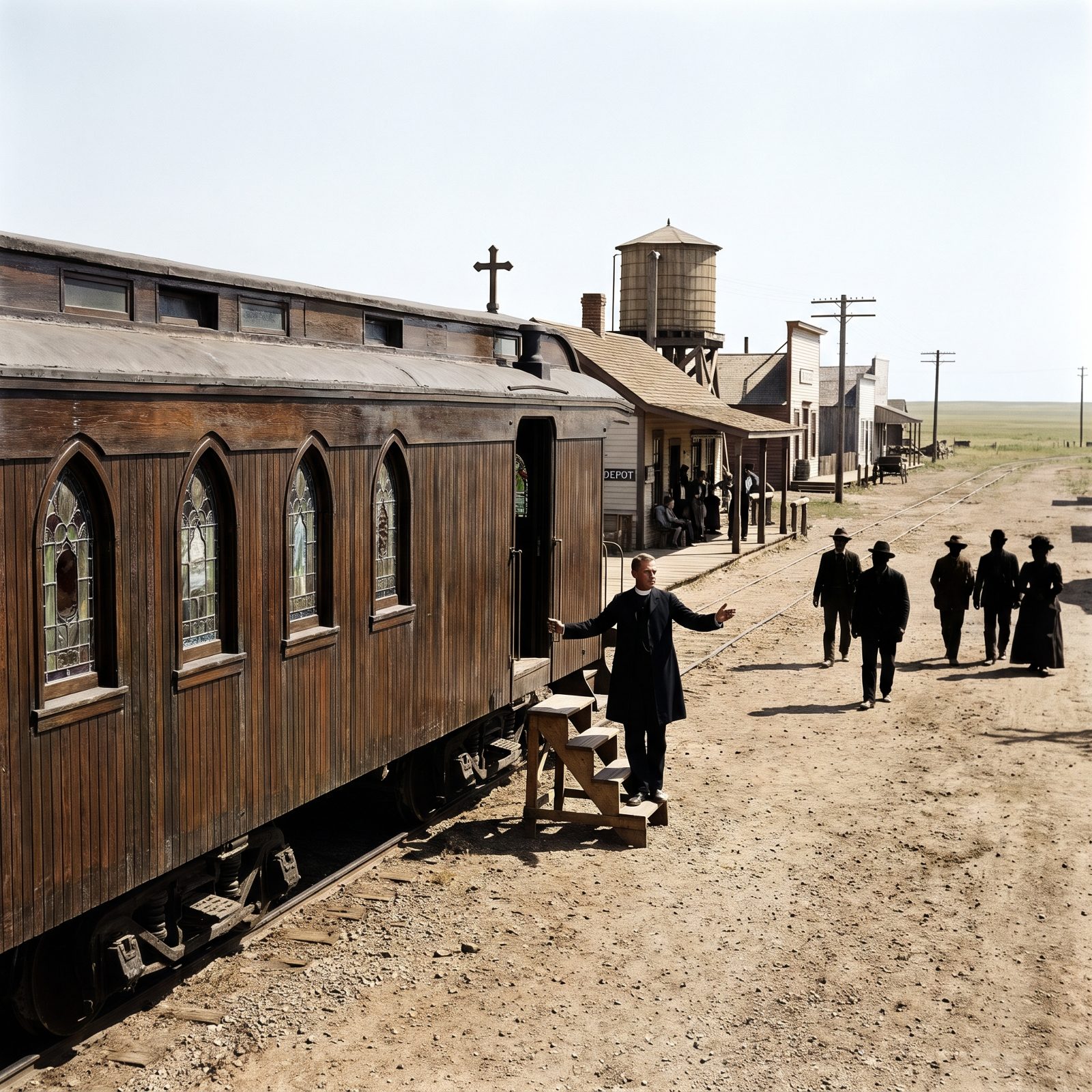
Where the rails outran the churches, the churches rode the rails. A chapel car was a full passenger coach fitted out as a small sanctuary, pews, pump organ, stained glass, and living quarters in the back for the missionary and his wife. It would park on a siding in a raw end-of-track town for a week or a month, then couple up and roll to the next one.
Several denominations ran them across the West from the 1890s through the early automobile age.
The car brought the service to the people, which was the whole idea in a country where the nearest steeple might be two days away by wagon.
3. The Horse Ferryboat That Carried Working Animals Across the City River
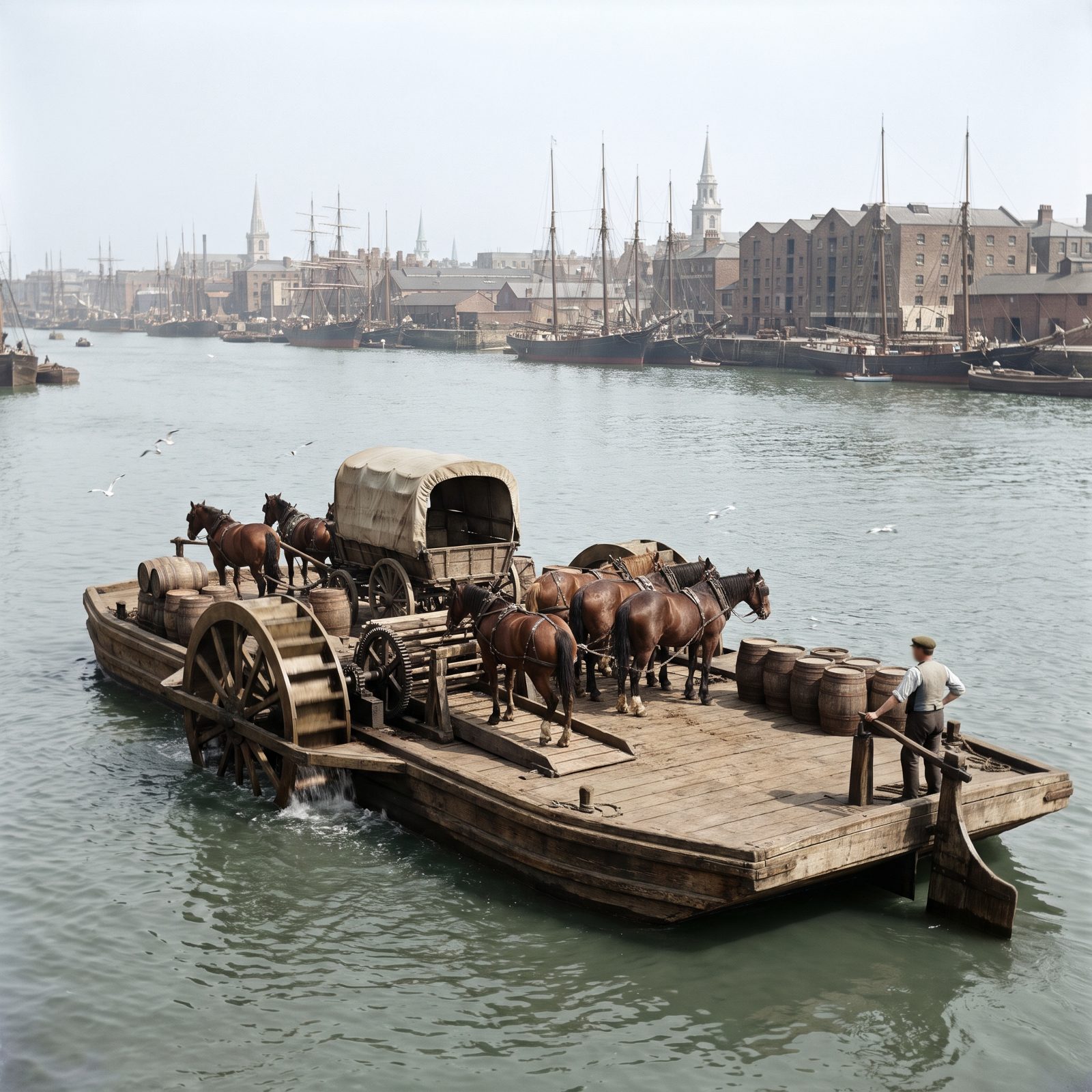
A nineteenth-century city ran on muscle, and all that muscle had four legs. Before bridges spanned every river and tunnels ran beneath them, you got your dray horses and delivery teams across the water on a flat-decked ferry built to handle frightened animals, some of them powered by horses walking a treadmill on the deck itself.
Loading a nervous team onto a rocking boat was a skill. So was keeping the peace when a dozen strange horses shared twenty feet of planking mid-current.
2. The Lightship That Crewed a Lighthouse That Could Float
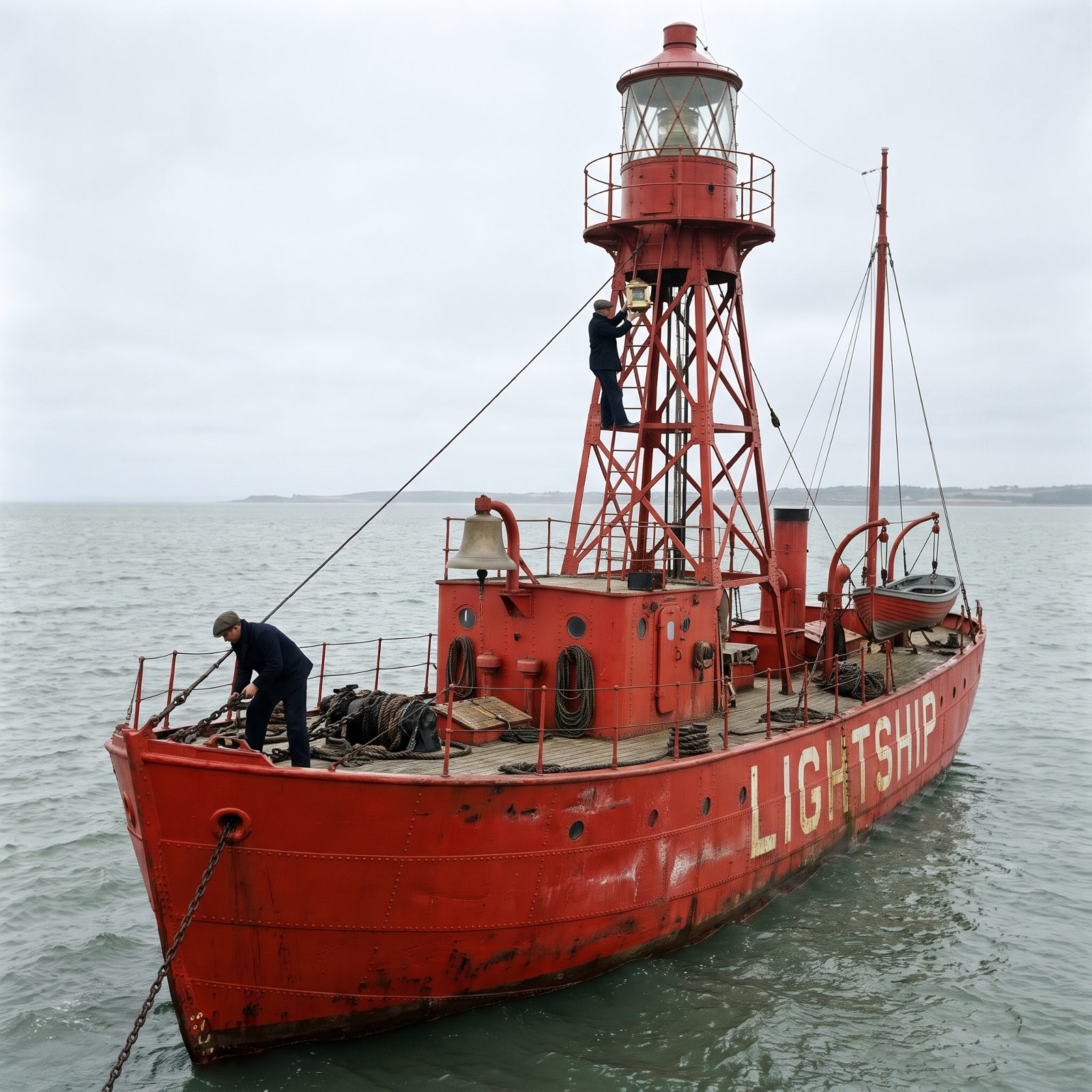
Some stretches of coast had shoals too deep or too soft to hold a lighthouse. So they built the lighthouse into a ship, anchored it over the danger, and left men aboard to mind it.
And here’s the part that gets me: a lightship crew went nowhere. They sat. Chained to one patch of ocean for weeks on end, riding out whatever the open water threw at them, keeping the lamp lit and the fog bell ringing while every other vessel in sight was already running for shelter. The entire point of the station was to be the one thing that stayed put when staying put was the worst possible idea anybody could have.
Then automated buoys and offshore towers made the crews unnecessary, and the last American lightship stations were pulled by the mid-1980s. A handful survive as museums, still red, still lettered with the name of a sandbar nobody has to fear anymore.
Recalling a week of storms on station, a former lightship commanding officer said “My father died on March 7, and they couldn’t get me off the ship for over a week.”
1. The Mail Seaplane They Flung Off the Deck of an Ocean Liner
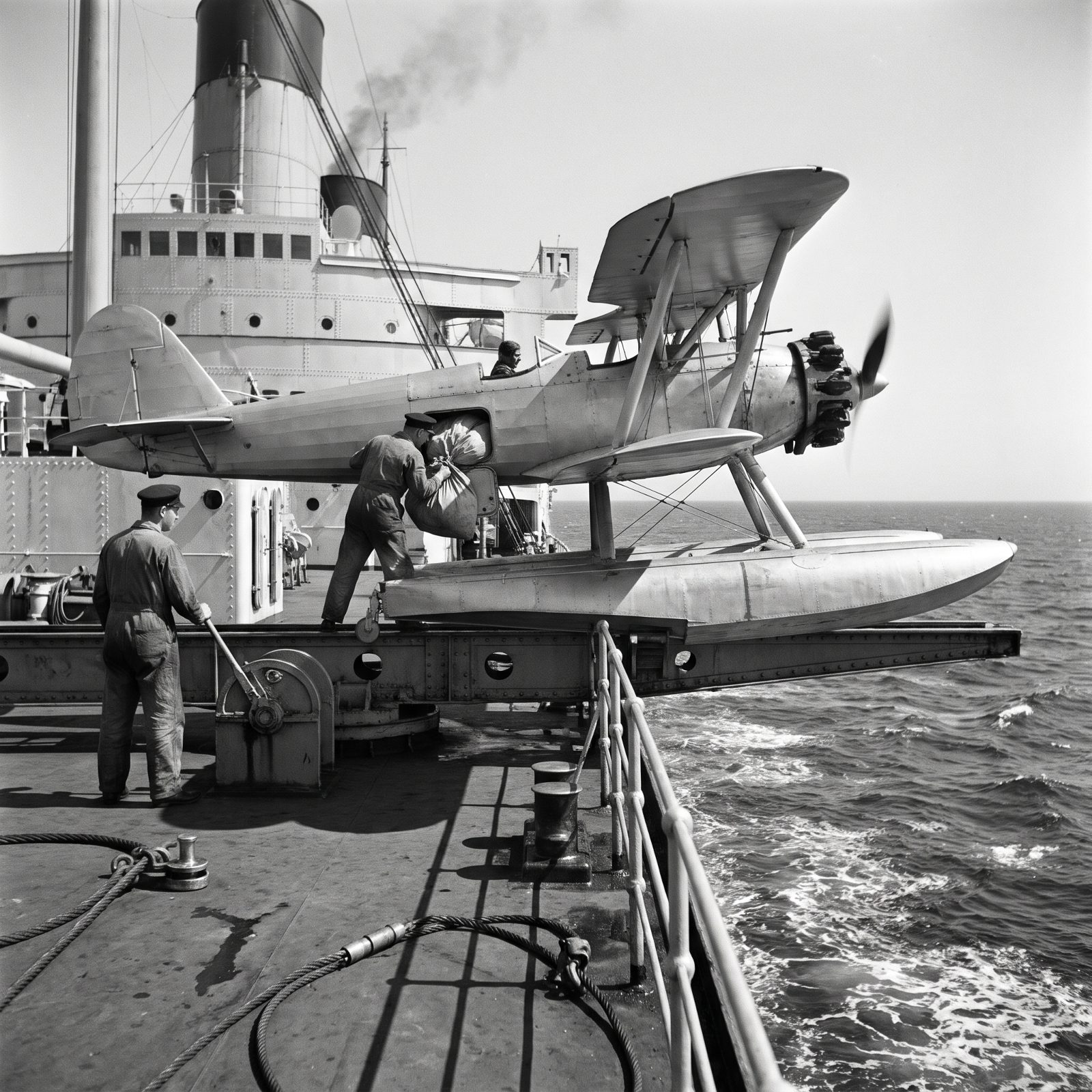
Before transatlantic flight was routine, the fastest mail across the ocean came from a compromise that sounds invented. A liner would steam most of the way over. Then, still a day or two out from port, it would launch a seaplane off a catapult bolted to the deck and fling the mail bag ahead of the ship.
The plane flew that last leg alone, set down near shore, and shaved as much as a day off delivery while the liner kept plodding toward the dock at its usual pace — passengers aboard, but the urgent mail long gone.
It barely lasted a decade. Once land-based aircraft could cross the Atlantic nonstop, the whole contraption — catapult, floats, deck crew and all — went obsolete overnight.
You launched a plane off a moving ship to save a single day. That was the margin people would pay for.