
Would you like to save this?
The lot smells like rubber and hot asphalt, and within thirty seconds you’re already gone. The color got you first. Then the sound. By the time anyone mentions the transmission, you’ve named the thing and planned Sunday drives you haven’t taken yet.
Please note that some of the images in this article were created with the assistance of AI.
We’ve all done it with a car, and we’ve all done it with a person. Same wiring, same blind spots, same friend in the driveway with their arms crossed telling you the thing you don’t want to hear. The brain that talks you into the pretty paint and the funny noise is the exact same brain that talks you into the relationship your sister warned you about. Nobody wants to admit these parallels. Every one of them is true anyway.
18. You Trust Shiny Paint More Than the Service Records
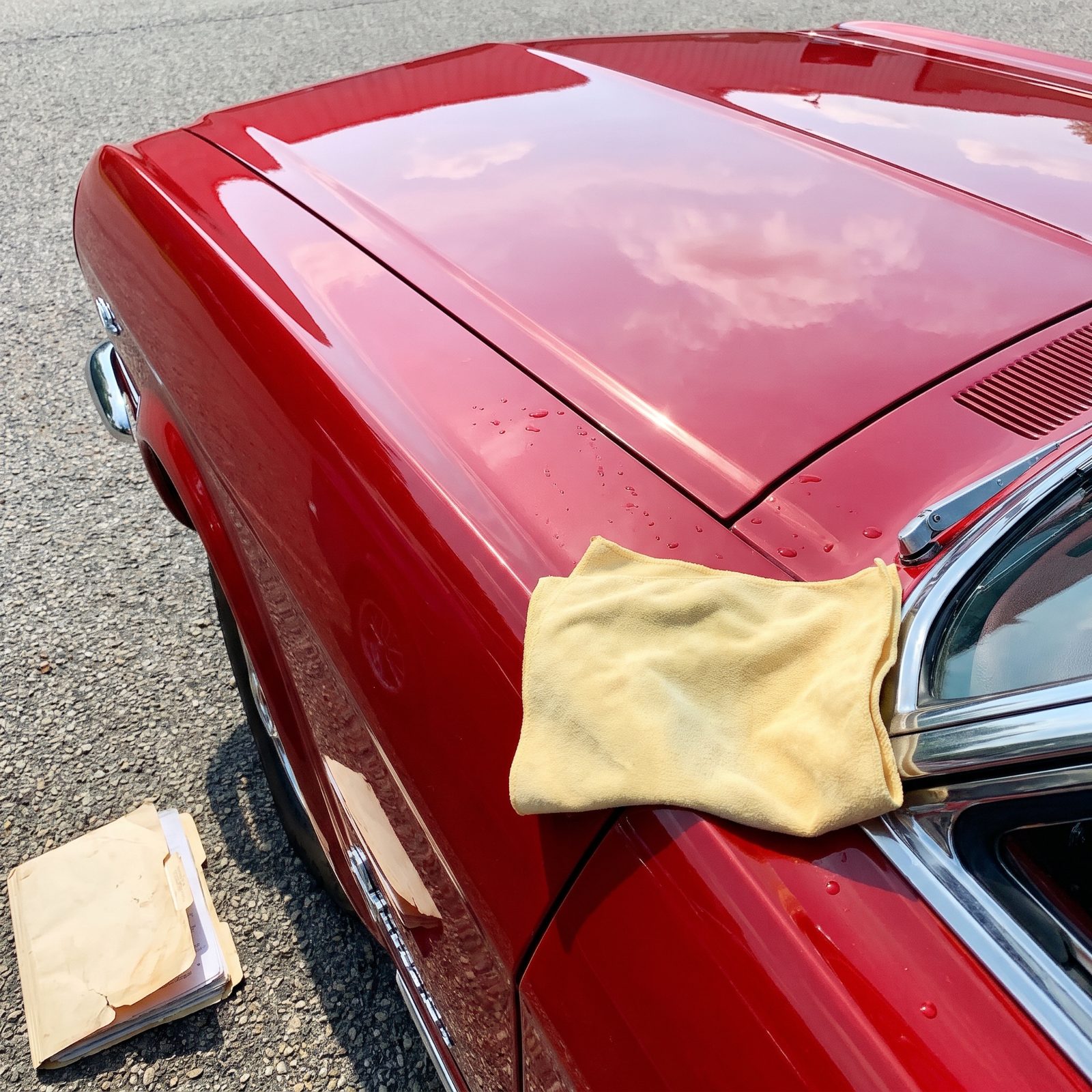
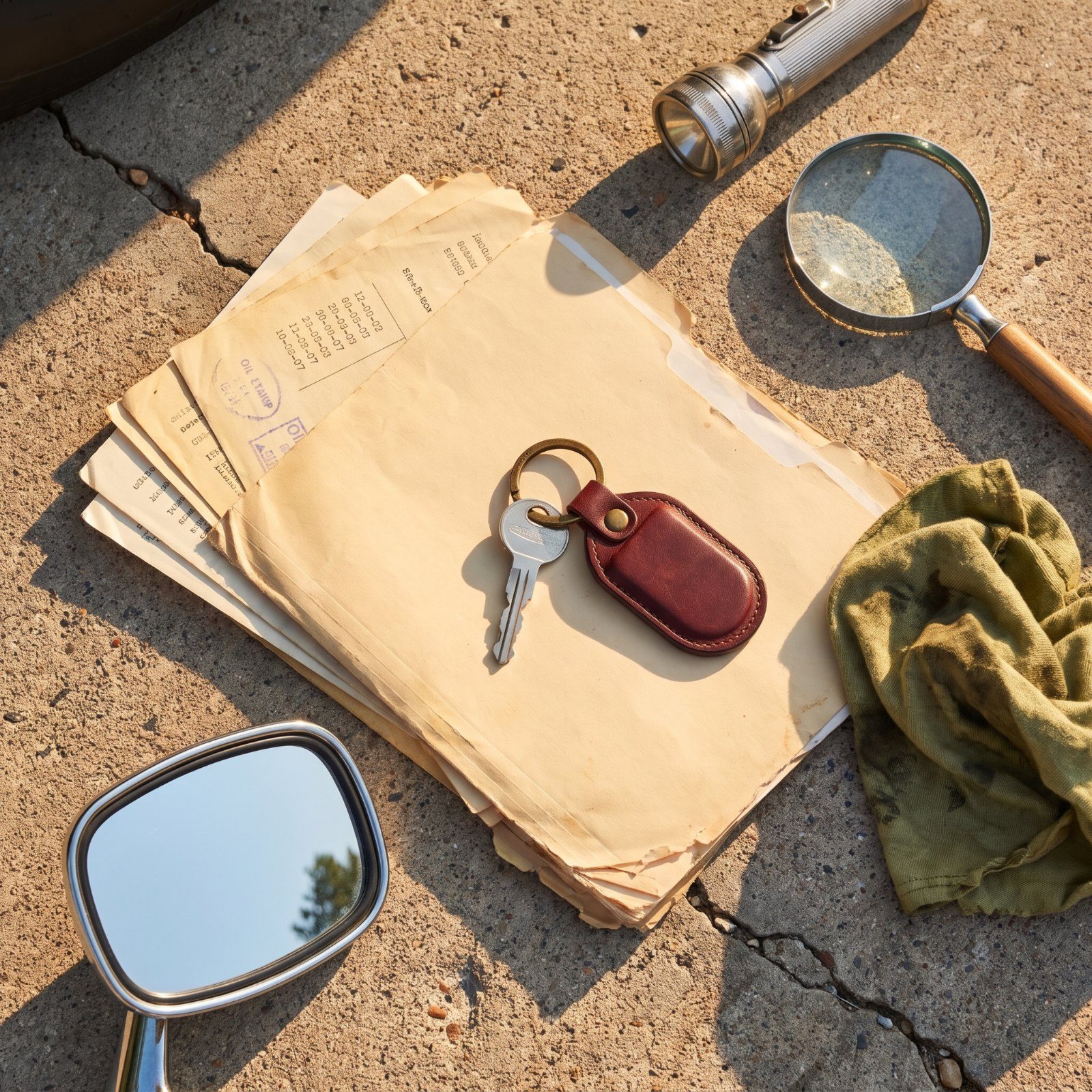
The paint is doing all the talking. Deep, wet-looking, catching the sun like it got waxed an hour ago, and your eyes go straight to it while the folder of maintenance records lies on the asphalt by the front tire, dog-eared and ignored. That folder is the only thing here that would tell you how it actually lived.
Same move with people. The confident smile, the great jacket, the way they walk into a room. That’s the paint. How they treated the last three people who loved them? That’s the service record, and you skip right past that chapter because the finish is so pretty.
Call it the halo effect. One attractive trait and the brain assumes everything underneath matches it. Good-looking, therefore good engine. Charming, therefore kind. A flawless coat can hide a rusted-out frame, and a flawless charm can hide nothing at all underneath. Shine is the easiest thing in the world to fake and the first thing we fall for.
What Our Readers Say
- In our heart vs thumbs-down votes, readers gave restored concours cars hearts 86% of the time, compared with 76% for the other cars in the same articles.
- Shine works on Jalopy Talk readers too: cars with lots of chrome got hearts 90% of the time, versus 83% for the other images in the same articles.
From Jalopy Talk reader polls and votes.
17. One Great Test Drive Erases Three Rough Starts

You turned the key three times before it caught, and each time your stomach dropped a little. Then the engine fired, you pulled onto the highway, and it ran like a dream, smooth and quick with that satisfying pull in your chest. By the time you rolled back onto the lot, those three rough starts had already evaporated.
We do this with people all the time. Three canceled plans, a snippy text, a weird silence, and then one perfect evening wipes the whole slate clean because the good moment feels more real, being recent and vivid, than the bad ones ever did.
Psychologists call it the peak-end rule. You grade an experience by its best moment and how it wrapped up, never by the messy average of the whole thing. One glorious drive at the end and you’ve scored the entire car on that single stretch. The rough starts weren’t flukes, though. They were data, and you let the peak paint right over them.
16. You Hear “One Owner” and Invent a Whole Personality
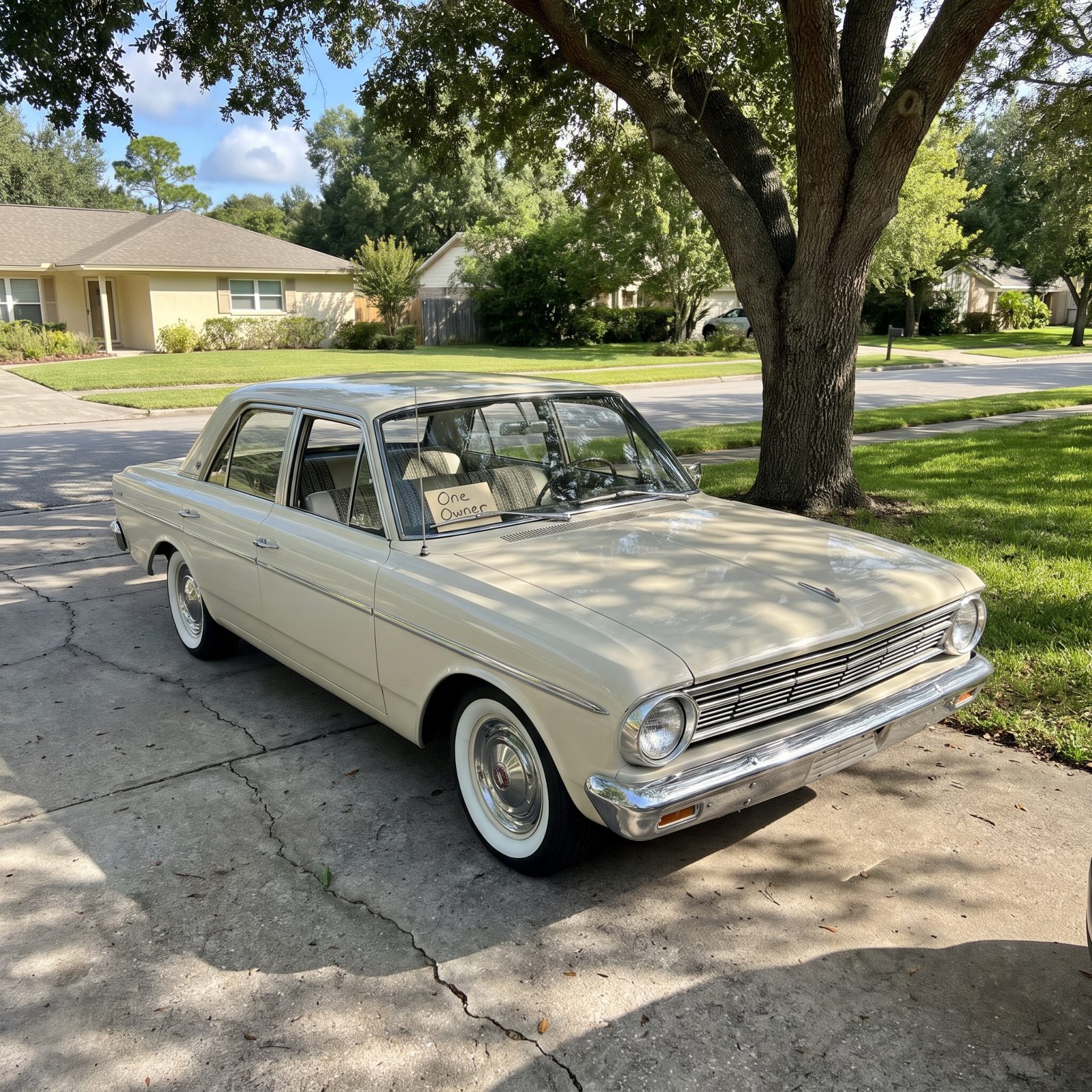
Two words and you’ve written a novel. “One owner.” Suddenly you picture a careful retiree who drove it to church on Sundays, garaged it every night, kept an oil-change schedule taped inside the cabinet door. You have zero evidence for any of that. You invented it because the phrase handed you a hook, and your brain couldn’t resist hanging a hopeful story on it.
A new love interest pulls the same trick with a single detail. “I’ve only had two serious relationships.” Off your brain goes, building them into a loyal, grounded, drama-free catch. You filled the blanks with the best possible version.
That’s the narrative fallacy at work. Humans can’t stand an empty gap, so we stitch a story across it, and we always stitch it flattering. One owner might mean one person who neglected it alone for twenty years. Two relationships might mean two people who ran. The facts never changed. Your imagination just did the sales job for free.
15. The Salesperson Says Someone Else Wants It, So You Panic
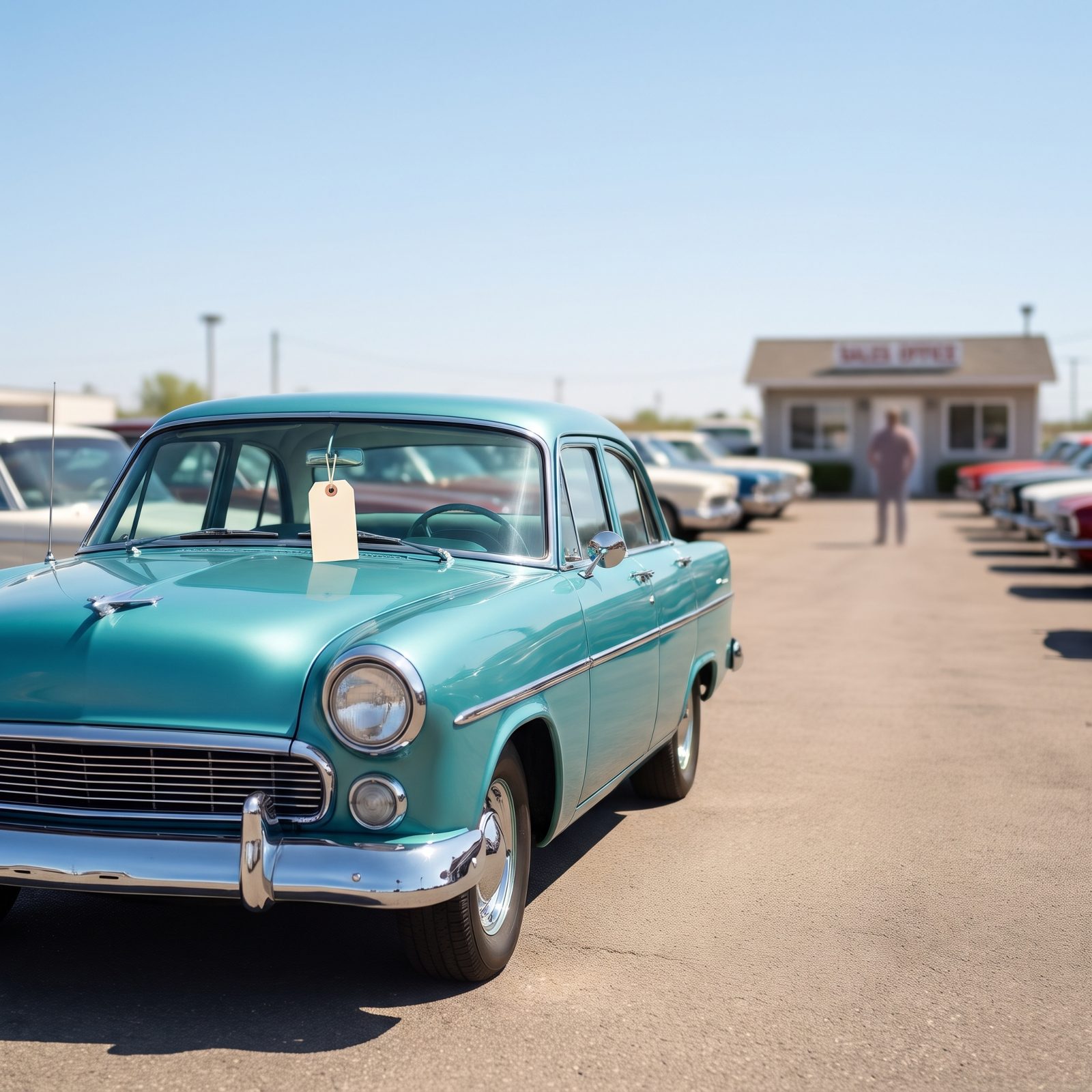
“I’ve got another couple coming back at three for this exact one.” Your pulse jumps. You hadn’t even decided you wanted it, and now the thought of somebody else driving off in it is unbearable, so you start reaching for your wallet to beat a buyer who may not exist.
Watch the same panic land when you hear that someone you’ve felt lukewarm about is suddenly being chased by somebody else. The interest spikes from nowhere. The person didn’t improve. The competition just made them feel scarce.
This is loss aversion in a disguise. Losing something stings about twice as hard as gaining the same thing feels good, so the brain treats a possible loss like a five-alarm fire. Scarcity, real or manufactured, is the oldest lever in both sales and romance. The second a thing might slip away, we want it far more than we did while it sat there waiting for us.
14. You’ve Driven Across Town, So Walking Away Feels Wasteful
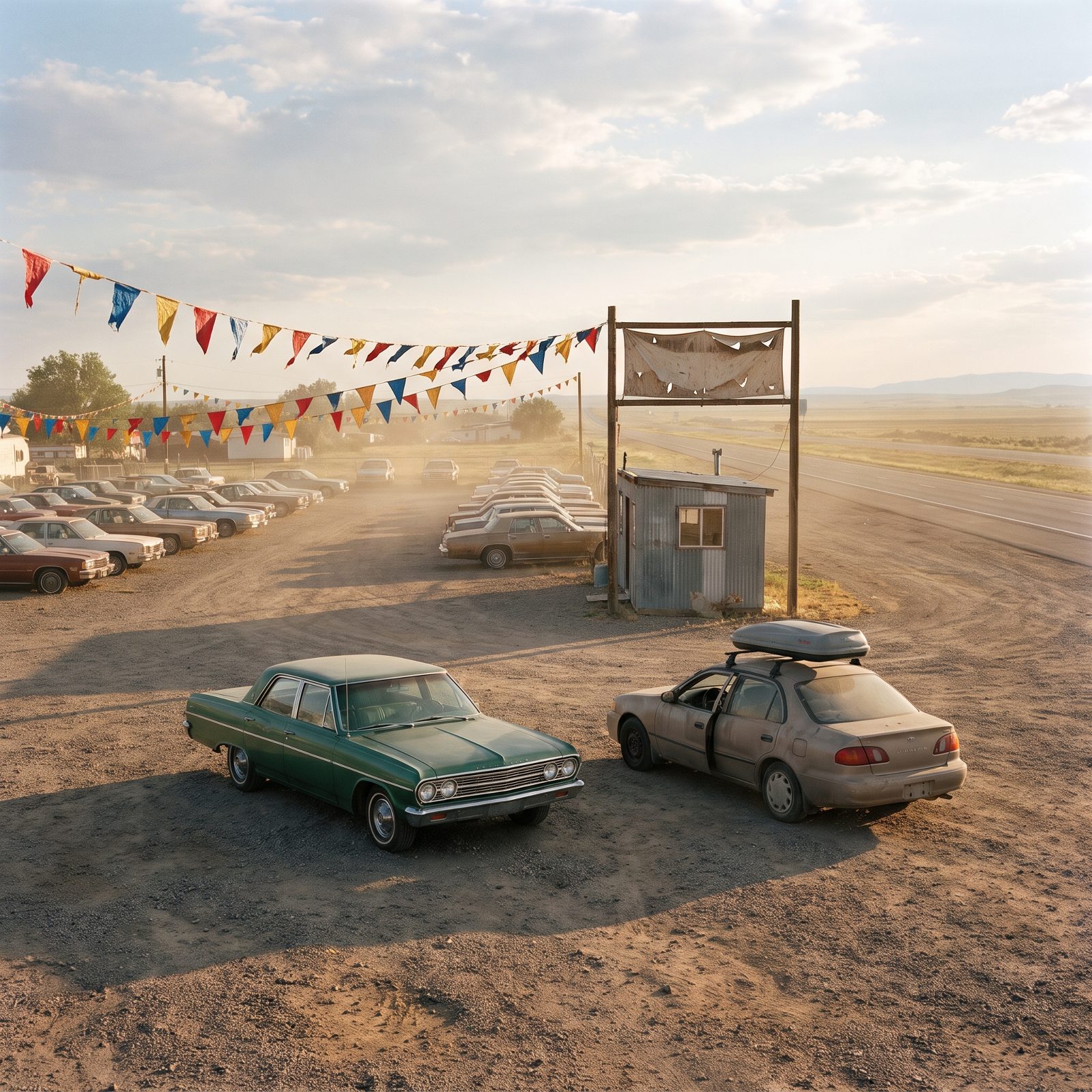
Forty minutes on the highway, two wrong turns, a toll, and your whole morning gone. Now you’re standing on the lot staring at a car that’s giving you second thoughts, and a quiet voice pipes up: you came all this way, you can’t just leave empty-handed.
That voice lies. The gas, the time, the hassle are already spent, gone whether you buy or not. But the brain hates admitting effort got wasted, so it nudges you toward the wrong car just so the trip feels like it meant something.
It’s the identical pull that keeps people in relationships well past the expiration date. Three years in, a wedding half-planned, a shared lease. “I’ve put too much into this to quit now.” The sunk-cost fallacy couldn’t care less that the money, the years, the effort are all non-refundable. It just whispers that leaving would turn them into a loss.
Here’s the hard truth most of us learn more than once. What you already spent is never a reason to spend more. The drive home empty beats the wrong car parked in your garage for the next decade.
13. A Big Discount Makes You Forget Why It’s Discounted
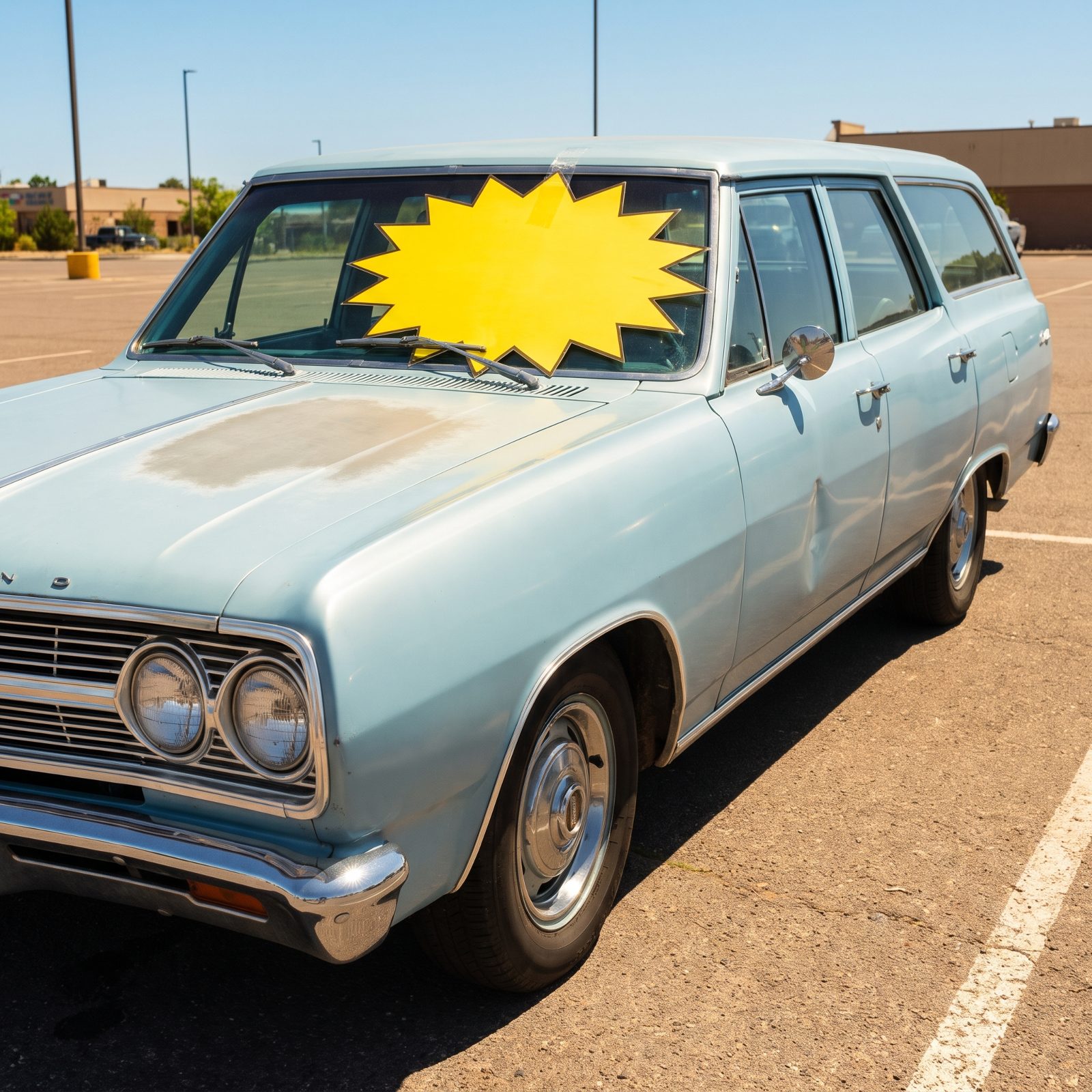
Three grand off. That number lights up a part of your brain that quits asking questions, and you get so busy calculating what you’re saving that you skip the one question that counts. Why is it this cheap?
The discount works as an anchor. Your mind latches onto the original price and measures everything against it, so the deal reads like a win even when the car’s got a salvage title and a knock under the hood. Cheap smells like opportunity, and opportunity drowns out the warning bells.
It’s the same reason people fall hardest for someone who seems like a bargain. Way out of your league, suddenly very available, almost too easy. The apparent markdown on what you’d normally pay makes you overlook the reason nobody else grabbed them.
Price tells a story about value. A big slash tells you a story you want to hear, and that’s exactly when you stop listening for the one you need.
12. Your Friends Spot the Car’s Problems Before You Do
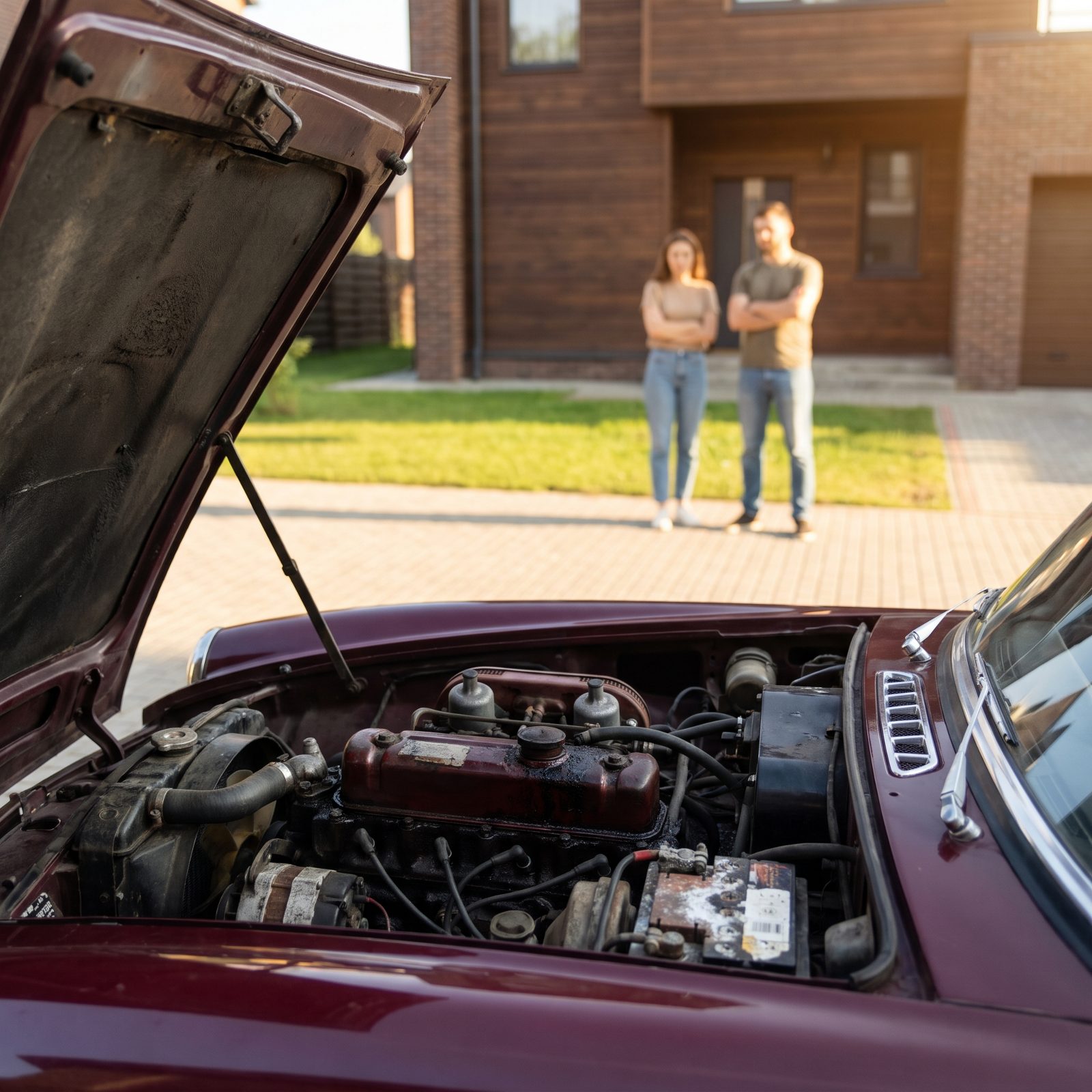
You bring the car around, grinning, and your buddy hangs back on the driveway, arms crossed, and goes, “How long’s that battery been crusted over like that?” You hadn’t even clocked the corrosion caked on the terminals. He caught it in four seconds flat.
Friends always see it first, with cars and with people. They’re not under the spell. They’ll spot the oil leak, the rust bubble, the way your new flame talks over you at dinner, because they’ve got no emotional money riding on the answer.
You, meanwhile, are running on confirmation bias. Once you’ve decided you want the thing, your brain hunts only for evidence you’re right and quietly buries everything that says you’re wrong. Your friends aren’t smarter than you. They’re just not invested, and that’s what lets them see straight.
11. That Perfect Engine Note Makes Every Flaw Seem Smaller
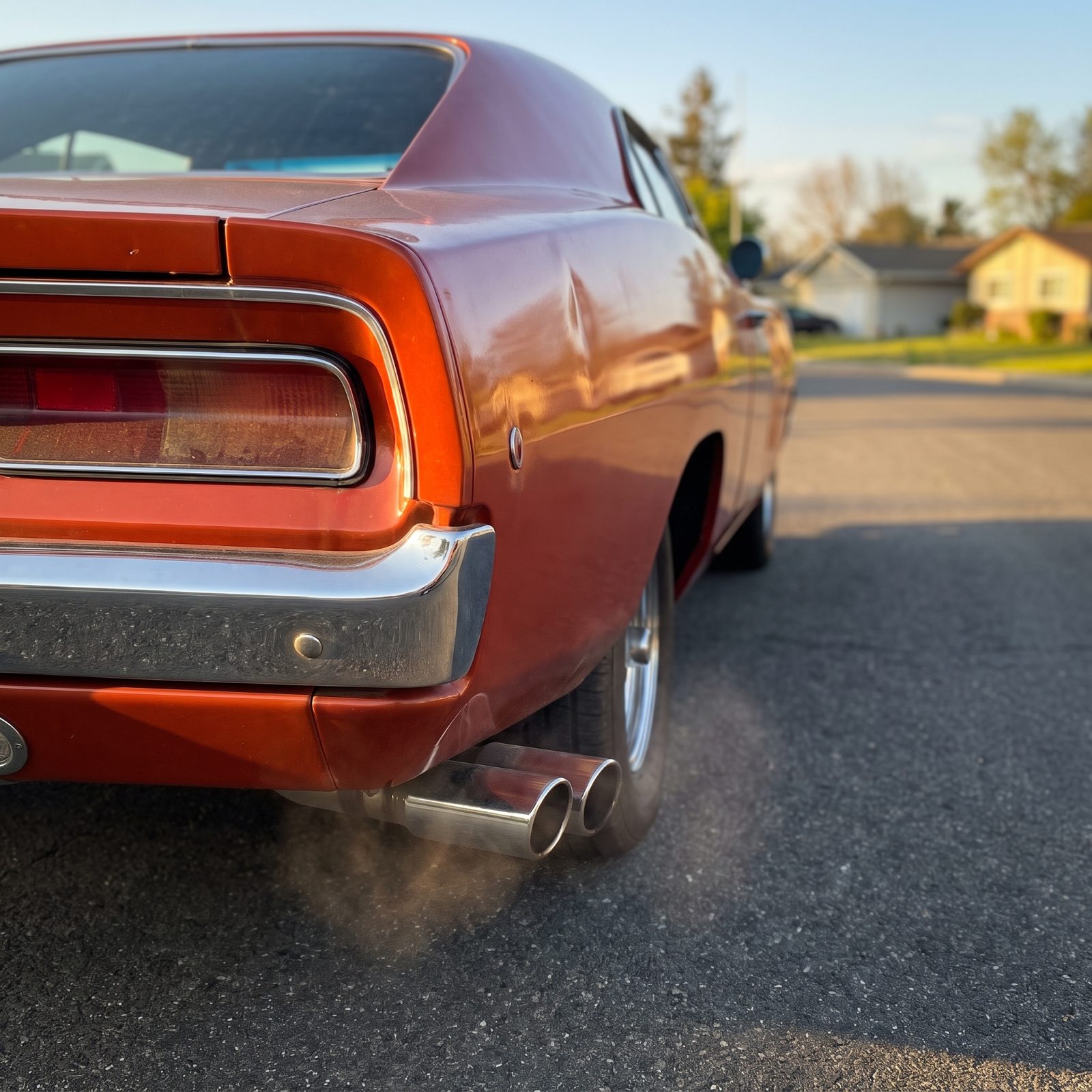
Some cars sound so good they shut your judgment right off. That low, round, lumpy idle through dual pipes hits something primal, and all of a sudden the torn seat and the slipping clutch read like minor footnotes. You’d forgive this car almost anything for that sound.
Chemistry does the same number on people. That particular laugh, that smell, the way your whole body lights up when they walk in. Intoxicating, and it floods every flaw in a warm fog until the deal-breakers look like charming quirks.
What’s actually happening is the affect heuristic. A strong feeling turns into your shortcut for judging everything, and a great gut sensation gets mistaken for a great decision. The engine note is real, and it’s wonderful. It also tells you nothing about whether the thing will start on a cold Tuesday in February.
Chemistry is the invitation, not the verdict. The sweetest-sounding engine on earth can still leave you stranded on the shoulder.
10. You Call Expensive Repairs “Potential” Because You Can Fix It
Would you like to save this?
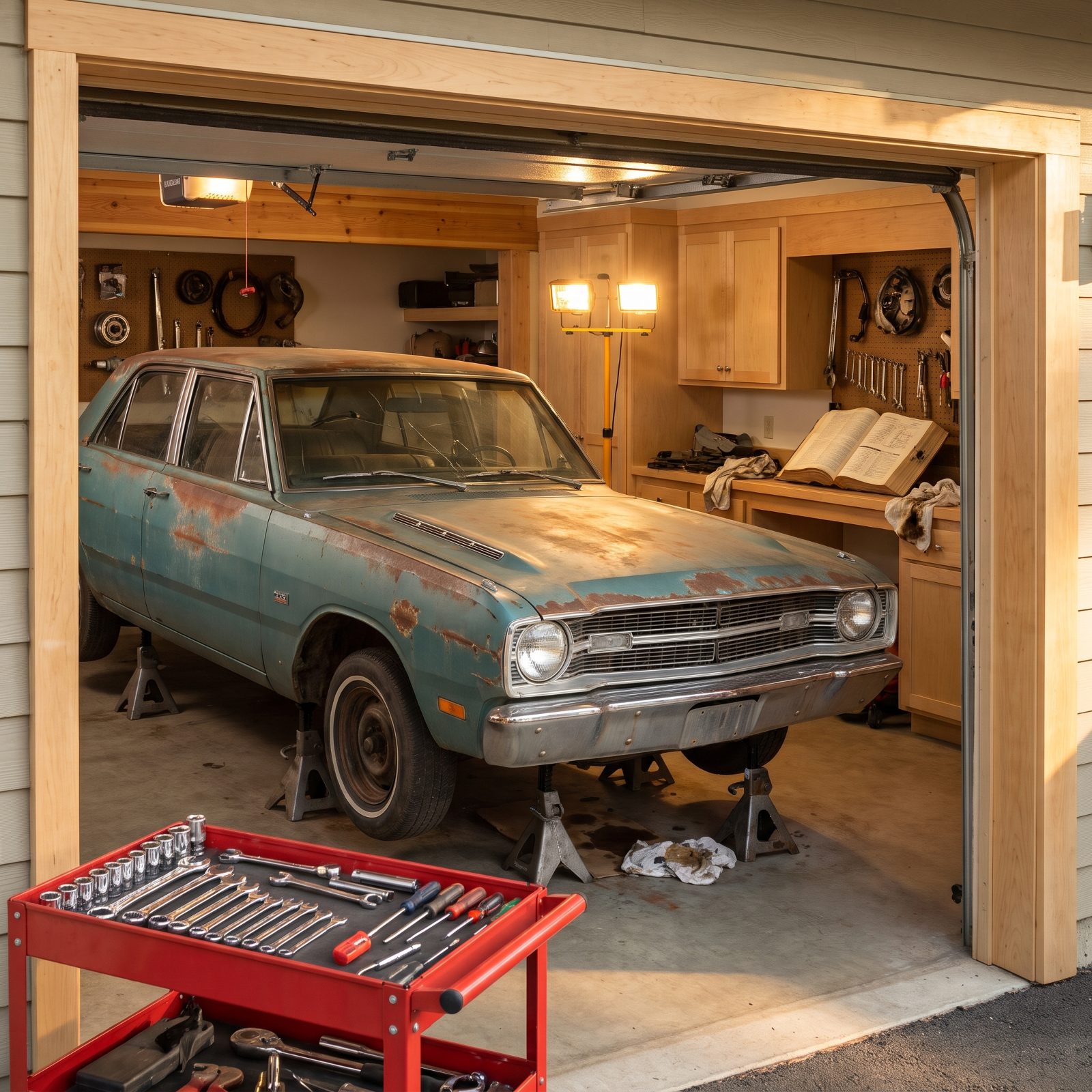
The quote for the bodywork alone would buy a decent running car. But you’re not seeing a problem, you’re seeing a project. You can do the brakes yourself. You know a guy for the interior. Every expensive flaw gets rebranded as something you’ll lovingly knock out over winter weekends.
This fantasy sinks relationships too. “They’ve got issues, but I can help them grow. I see who they could become.” You fall in love with a renovation nobody asked for.
Part of this is a cousin of the IKEA effect, our habit of over-valuing anything we pour our own labor into, except here the labor is only imagined. The more work we picture investing, the more attached and optimistic we get, usually before we’ve turned a single wrench. The other part is just hope doing math it was never qualified to do.
Some cars are worth restoring. Some people grow. But “potential” is the word we reach for when the present reality isn’t good enough and we don’t want to say so out loud. Buy the car, not the daydream of the car.
9. One Trouble-Free Morning Keeps You Excusing Every Breakdown
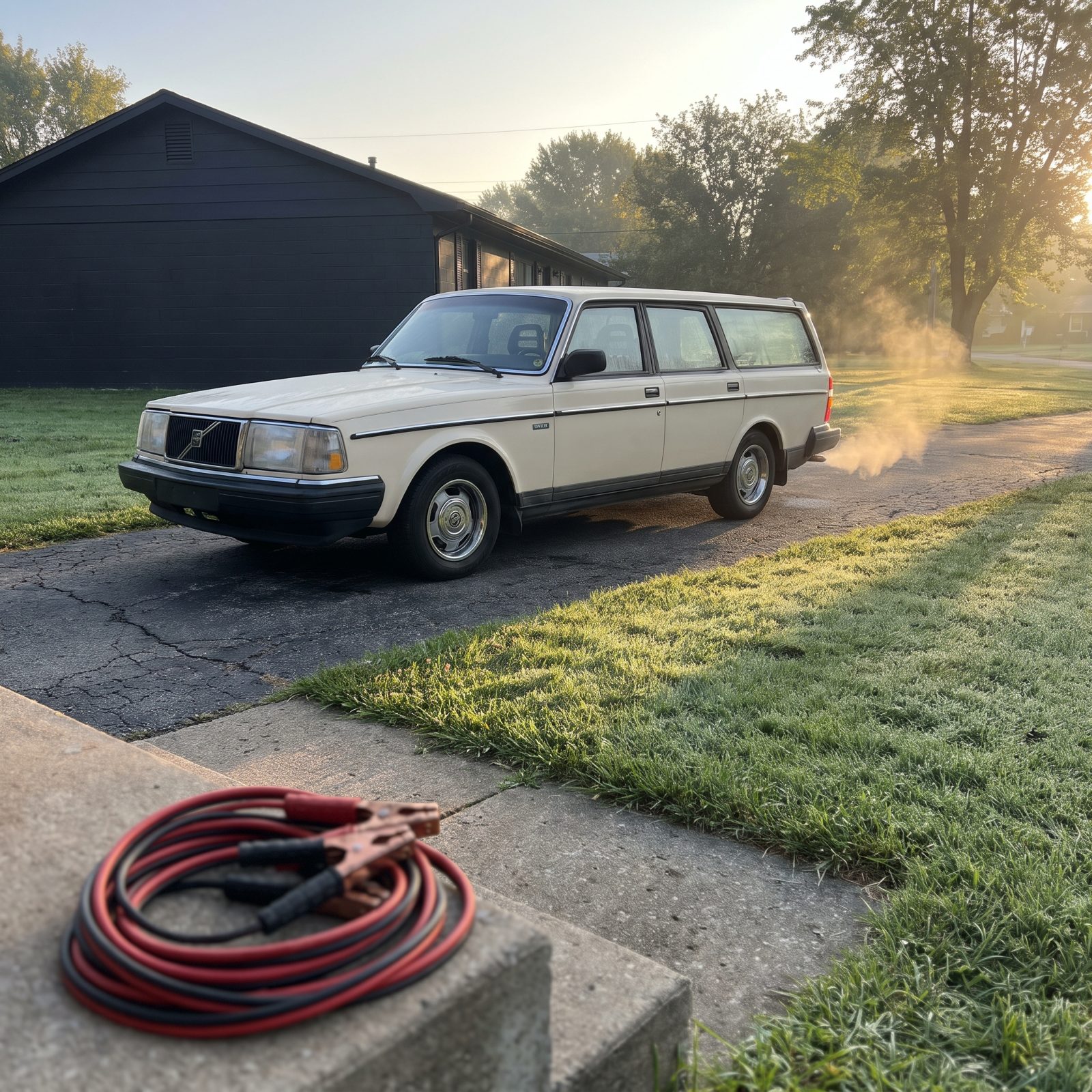
It fired up this morning on the first turn of the key. Idled smooth, no smoke, no warning lights. And right there in the driveway with your coffee, you decide maybe the stalling and the overheating and the mystery electrical gremlins aren’t so bad after all.
That one good morning becomes the proof you cling to. See? When it’s good, it’s really good. So you keep forgiving the breakdowns, the tows, the weekends surrendered to the shop, because the brain weights a rare reward heavier than frequent trouble.
That’s intermittent reinforcement, the same machinery that keeps a person yanking a slot-machine lever and keeps them hooked on hot-and-cold partners. Unpredictable rewards are the stickiest kind there is. A relationship that was only ever bad would be easy to walk out of. One that’s wonderful just often enough to keep you hoping? That’s the trap.
Consistency is the real test, in cars and in people both. A thing that works when it feels like it isn’t reliable. It’s lucky. And luck runs out on the worst possible morning.
8. You Choose the Familiar Badge Despite Its Familiar Problems
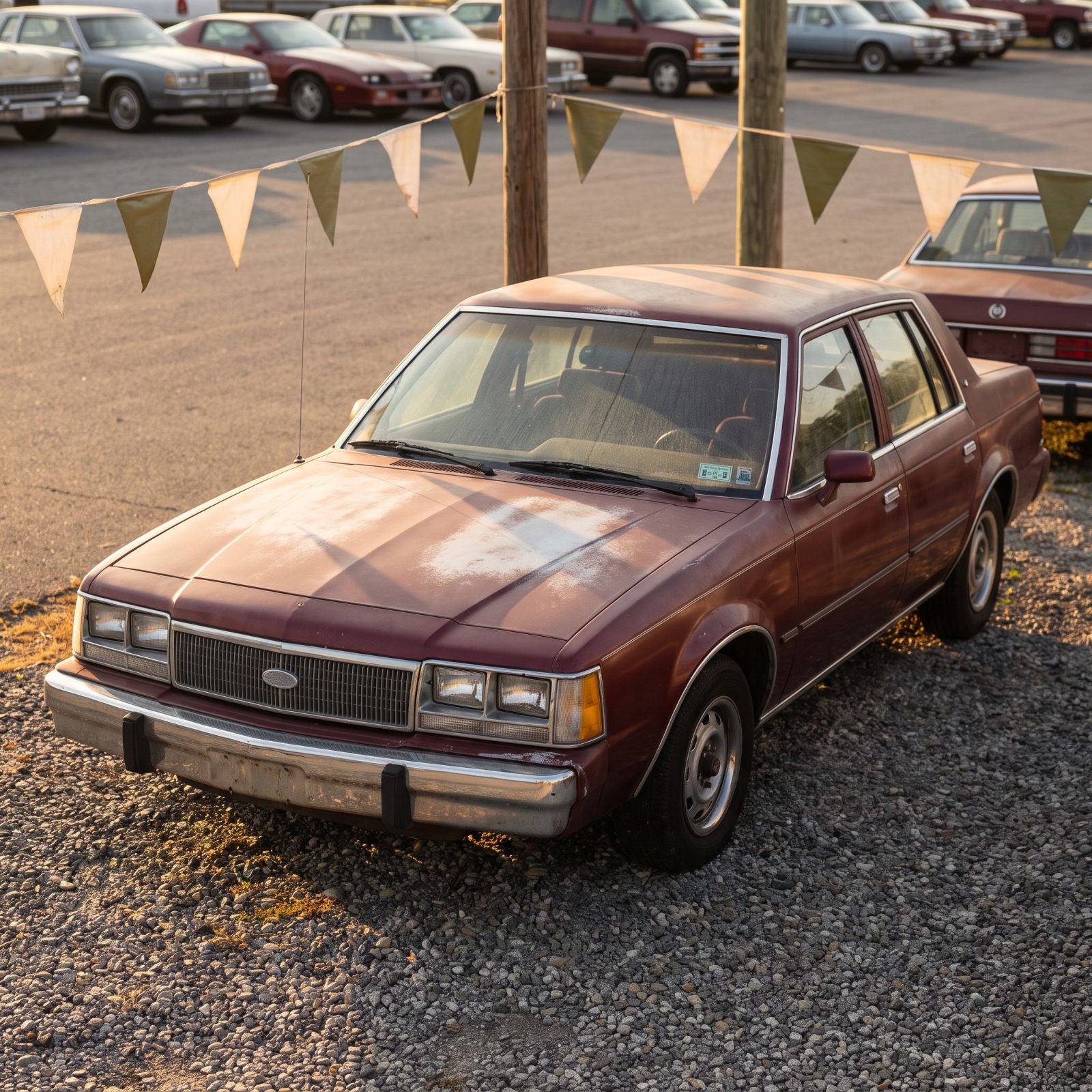
You’ve owned the brand before, so you know the window regulators quit around ninety thousand miles and the AC compressor is a weak spot, and you can even guess which dash light blinks on first. And you buy it again anyway.
That’s loyalty acting as a blindfold. Relationships run on the same wiring: we drift toward the personality we already understand, even when it showed up last time with the same arguments baked in. Psychologists call it the mere-exposure effect. We mistake familiarity for safety, and the devil you know somehow feels calmer than the stranger who might turn out fine.
Comfort and quality aren’t the same thing. Knowing exactly how something breaks does not keep it from breaking — you just stop noticing.
7. The Monthly Payment Distracts You From the Total Commitment
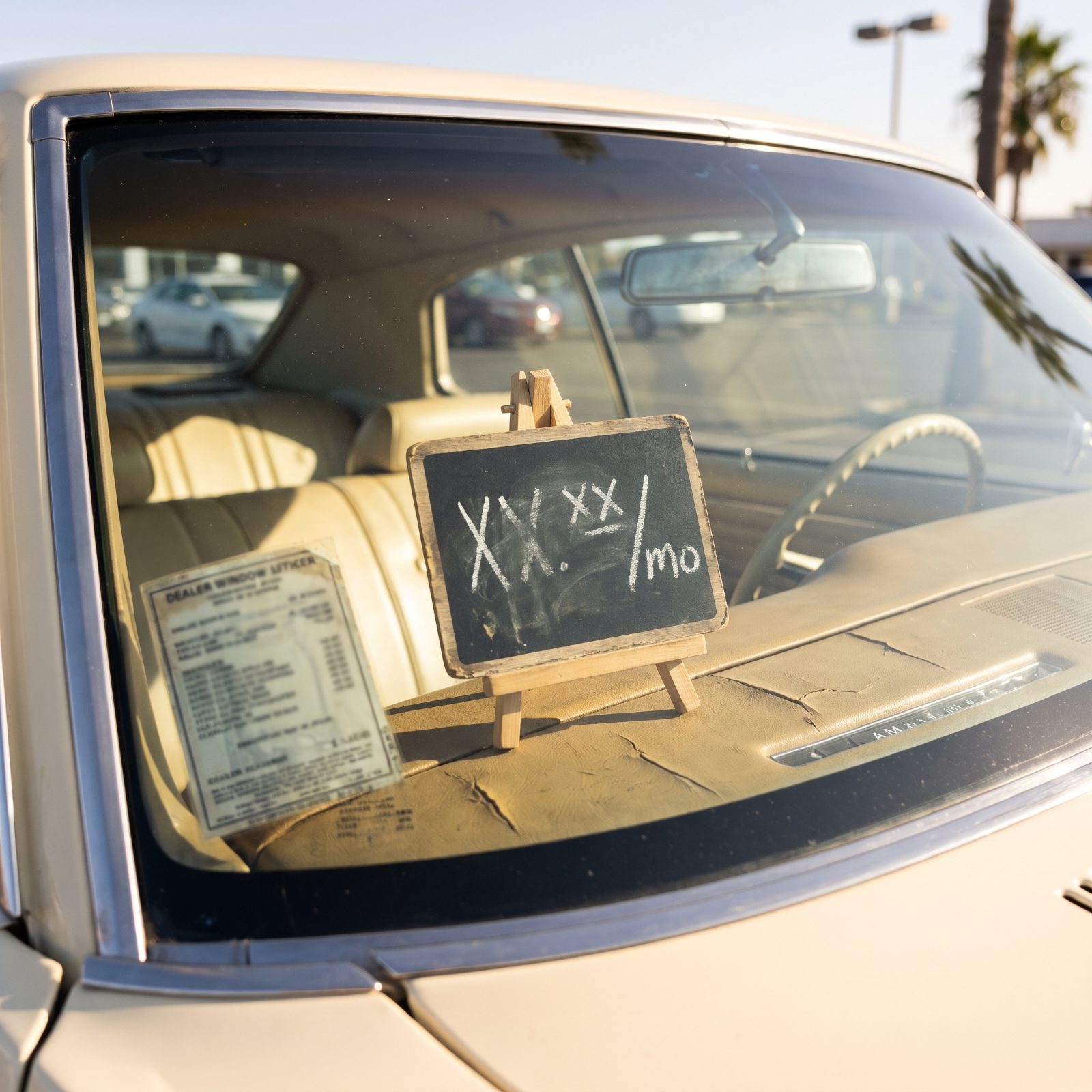
The salesman never says the price. He says the payment — a tidy little number you can picture fitting between the cable bill and the grocery run. Suddenly the car feels affordable, reasonable, even smart.
Then you do the math at home. Six years of it. The payment was friendly. The total was a mortgage on wheels.
Same sleight of hand lands us in relationships we can’t actually sustain. The first few months run like that low payment — fun dates, good texts, easy weekends — and nobody mentions what the whole thing costs, because the whole thing is scary and the monthly feel is pleasant. We anchor to what’s in front of us and never add it up. Installment thinking works on cars, credit cards, and hearts alike.
A friendly monthly number is how big commitments get made by people who never agreed to the big commitment.
6. You Stop Asking Questions Once You’ve Pictured It Home
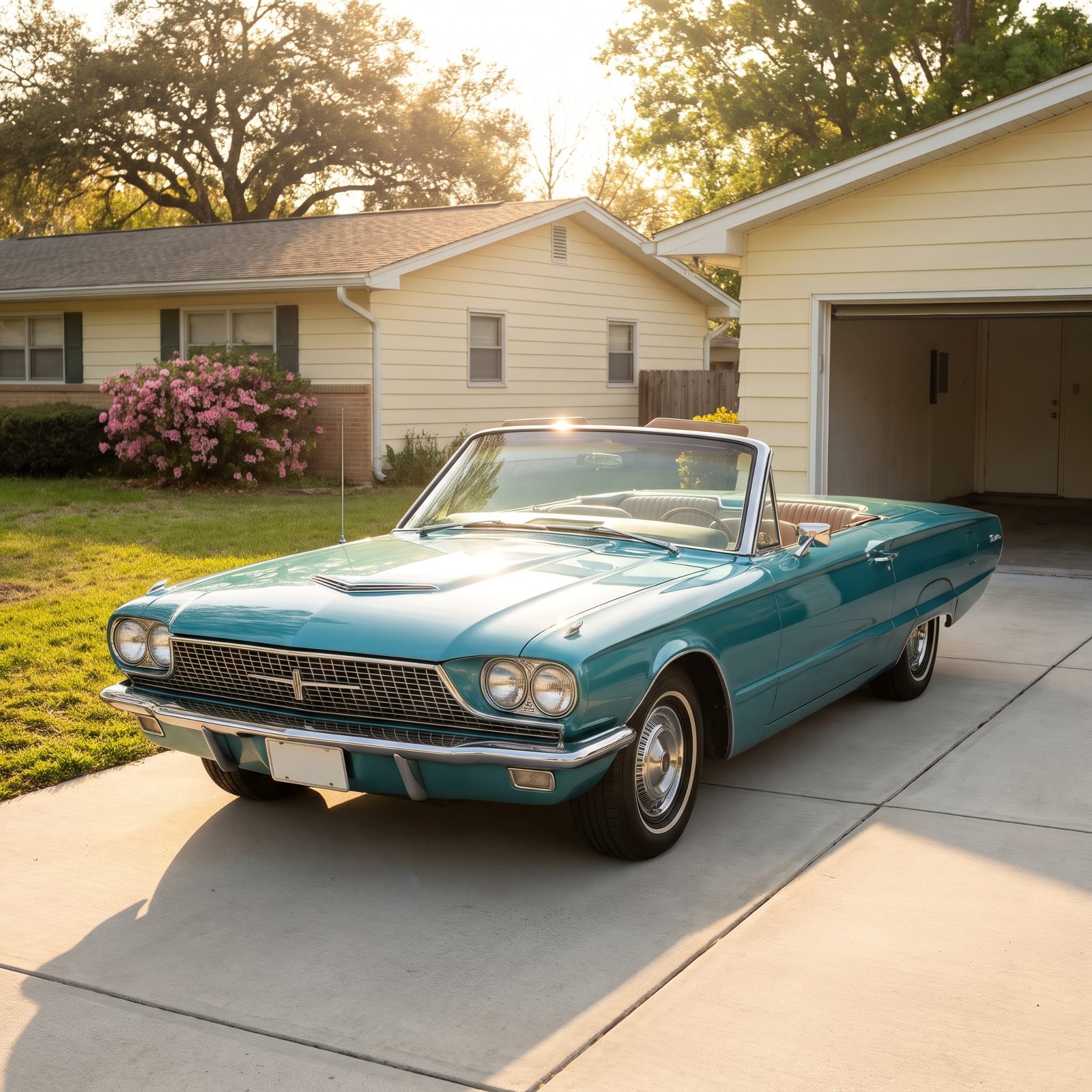
The second you picture that car in your own driveway, something shifts. You stop being an inspector and start being an owner, and the questions dry up. No more asking about the rebuilt title. No crawling under to eyeball the frame. You’re already waving to the neighbors.
That mental move — from considering to owning — is where judgment nods off. Dating does the same thing to us. Once you’ve imagined the holidays together and the future house and the whole shape of a life, you quit interviewing the actual person and start guarding the fantasy instead of testing the reality.
Psychologists call this the endowment effect sneaking in early. The moment we feel ownership, even imagined, we overvalue the thing and wave off its flaws. The car isn’t yours yet. Your brain already filed it under “mine” and locked the cabinet.
5. Five-Star Reviews Somehow Outvote an Independent Mechanic
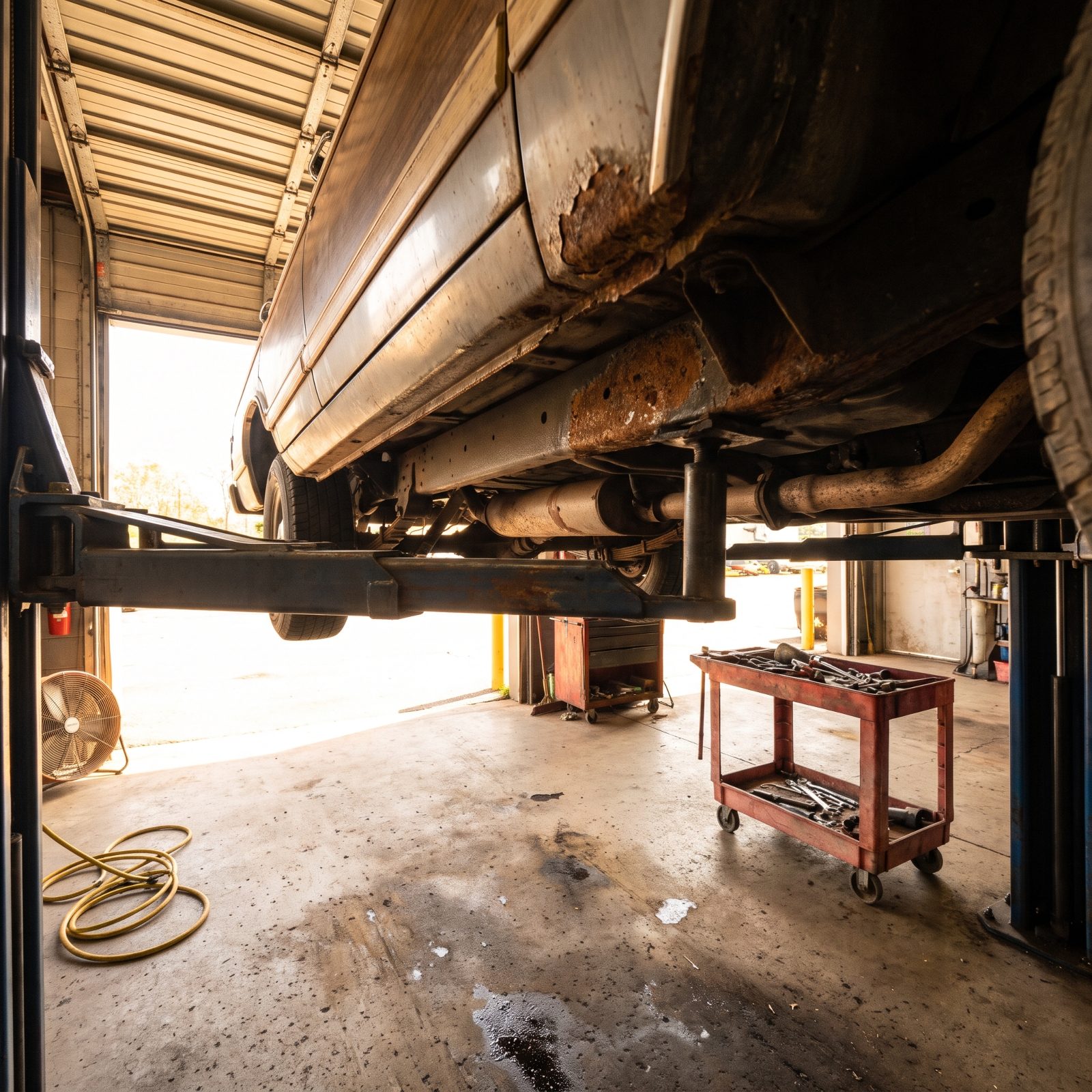
Forty strangers raving online — great prices, friendly staff, no pressure. Then your own mechanic puts the car on the lift and finds a straightened frame and a welded seam. And some stubborn part of you wants to side with the forty strangers over the one guy actually looking at the metal.
That’s social proof steamrolling expertise. The crowd feels safer than the specialist, even though not one of those forty people ever saw your specific car.
We pull this trick with people all day long. A friend group adores somebody, everybody vouches, and we quietly discount the one uneasy voice — sometimes our own gut — whispering that something’s off. In our heads, volume beats accuracy. A hundred cheerful reviews outrank one inconvenient fact every time.
4. Missing Maintenance Records Feel Mysterious Instead of Suspicious
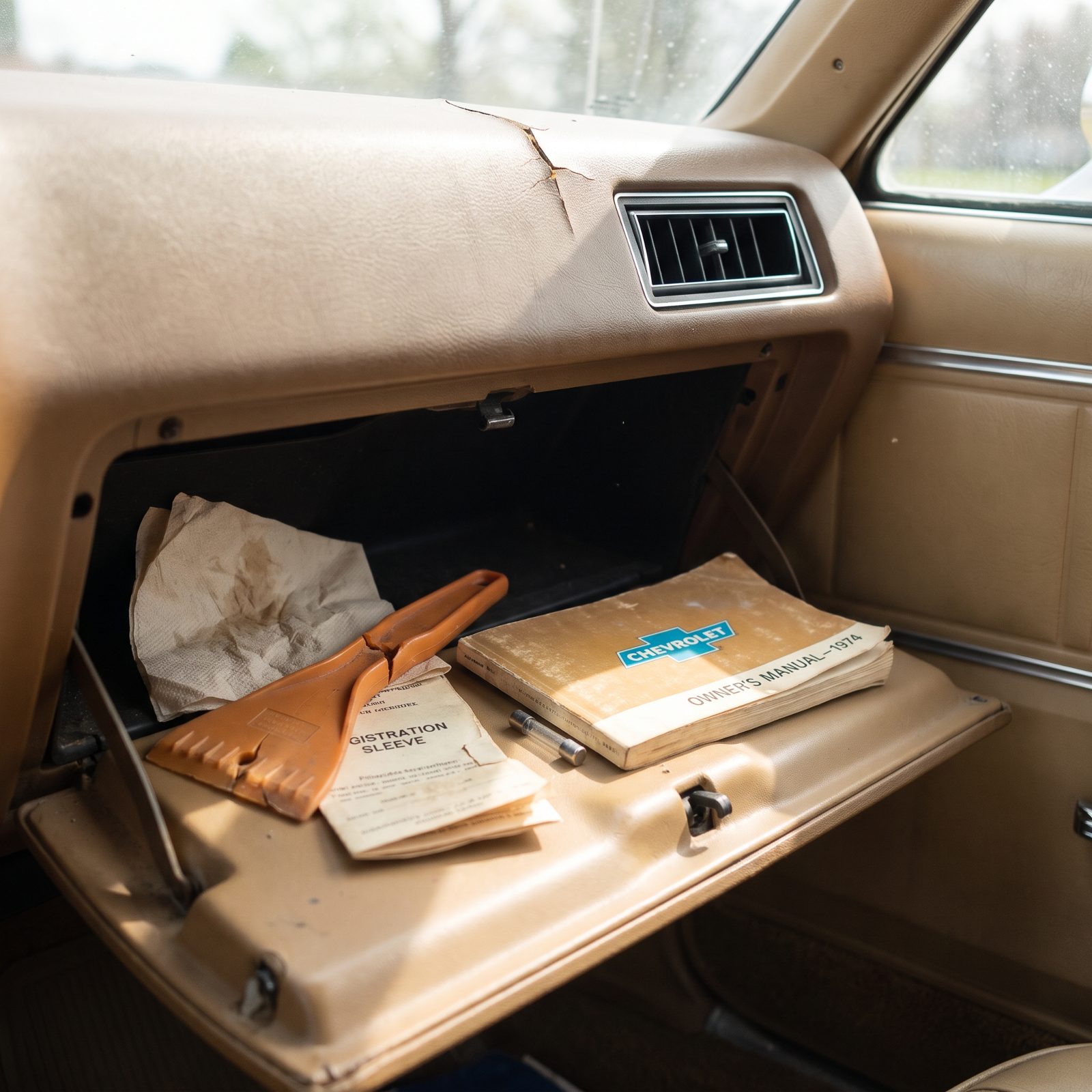
No service receipts, no oil-change stickers, nothing on the timing belt. The seller shrugs and says the previous owner “just wasn’t a paperwork person.” And instead of an alarm, you somehow hear a charming little mystery. Maybe it was babied and they lost the file. Maybe.
Absence of evidence becomes evidence of innocence, which is exactly backward. We do it because we fill gaps with the story we’d prefer, not the one that’s likely — the same generous editing we pull when a new partner stays vague about the past. The missing years get the benefit of the doubt because the present feels good.
A clean history is boring and reassuring. A missing one is a blank wall your imagination paints something flattering onto. Don’t trust the flattering paint. Paperwork that isn’t there is usually gone for a reason.
3. Free Floor Mats Make You Feel Like You Owe Them
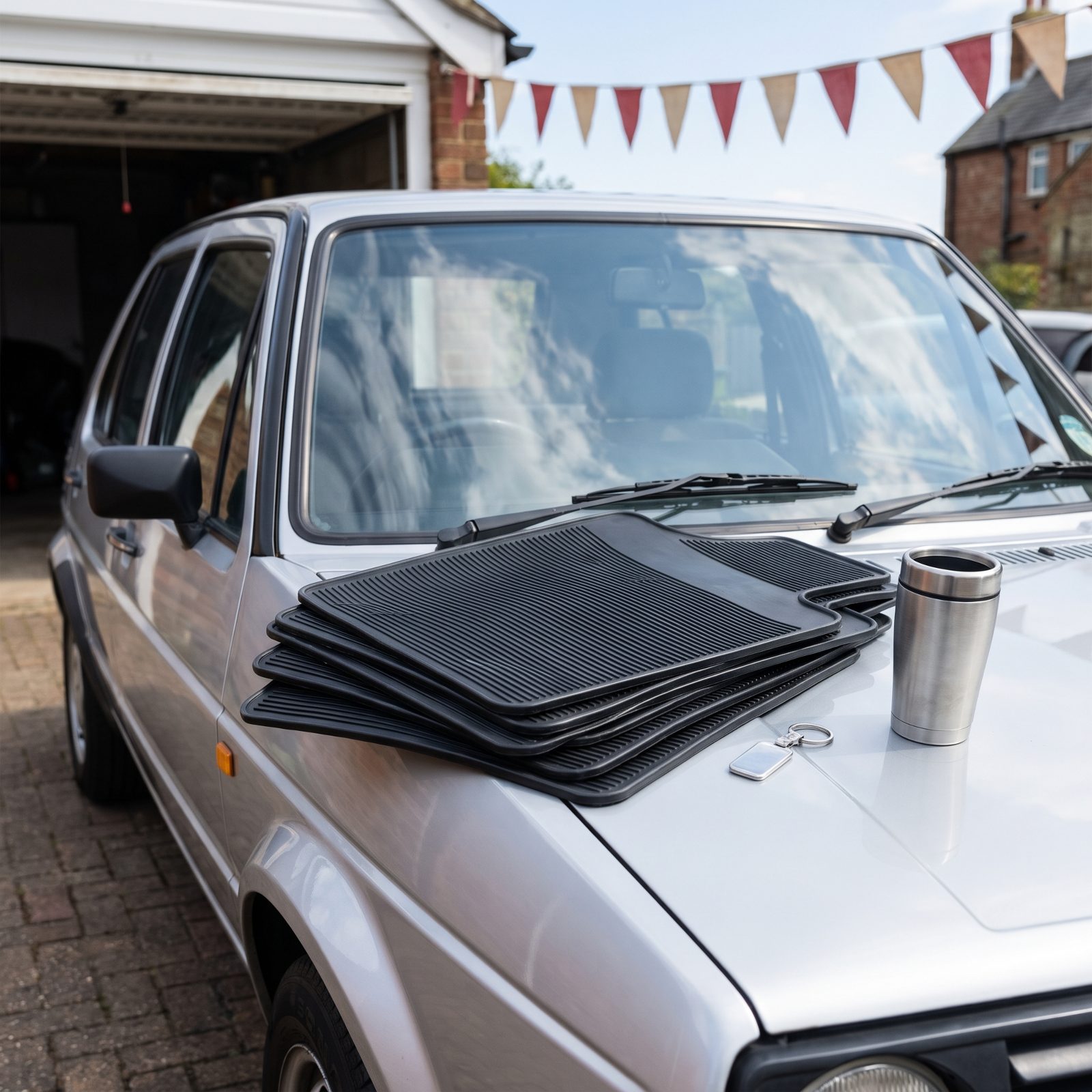
They throw in the floor mats. Maybe a free tank of gas, a keychain, a cheap travel mug. And somewhere in your gut, a little meter tips — they did something nice, now walking away feels vaguely rude. So you don’t.
That’s reciprocity, one of the oldest levers in human behavior. We’re deeply uncomfortable sitting on the receiving end of a favor without evening the score. Hand someone a small gift and they feel pulled to give something back, sometimes something wildly larger — like a signature on a sales contract.
Same reason a lavish early gesture in dating can make us feel indebted when we should feel free. A gift that creates obligation isn’t generosity. It’s a tactic. Forty dollars of floor mats buying a forty-thousand-dollar yes is one of the best returns in retail.
2. You’d Rather Buy the Wrong Car Than Keep Looking

By the fourth lot, something breaks. You’re hot, you’re tired, every listing has started to blur into the last one, and the thought of one more dealership makes you want to lie down in the road. So you talk yourself into the car in front of you — not because it’s right, but because it’s here and you’re done.
That’s decision fatigue meeting choice overload. A pile of options doesn’t make us better choosers; it grinds us down until we grab anything just to make the choosing stop.
The dating version is uglier, and more common than anyone admits. People settle not because the person is right but because the search has worn them flat, the pool feels bottomless, and “good enough and available” quietly outpaces “keep looking.” Relief dressed up as a decision. The car you buy out of exhaustion is the car you regret with fresh energy come Monday.
1. The Salesperson’s Confidence Becomes Your Substitute for Evidence

He never hesitates. Every answer fires back fast and sure. “Oh, that’s completely normal for this model.” “These run forever, no issue.” “Honestly, you won’t find a cleaner one.” He’s so certain you stop needing proof, and his confidence does the believing for you.
We outsource judgment to confident people constantly, and it’s a lousy trade. Confidence is a tone of voice, not a fact. Persuasion research keeps landing on the same uncomfortable finding: we rate confident claims as more accurate even when they’re dead wrong. Certainty is contagious, and cheap to fake.
It’s how a bold, breezy person can carry a whole early relationship on charisma alone, while the real questions — about reliability, history, follow-through — go unasked, because asking feels like doubting someone who clearly knows better. But confidence isn’t evidence. A man who’s sure the transmission is fine has told you exactly nothing about the transmission.