
Would you like to save this?
The same man who holds a door for strangers will lean on his horn at one. The same woman who apologizes for bumping a cart in the grocery aisle will mutter something unprintable at a merging sedan. Something happens between the sidewalk and the driver’s seat, and it has been happening since the first Model T rattled off the line. A windshield, a dashboard, and forty miles an hour do strange things to otherwise decent folks. These are the quiet mental tricks the car plays on all of us — the psychology behind the honks and the glares and the Sunday-morning solo concerts. You will recognize yourself in at least a few. We certainly do, and we’re not proud of it.
Please note that some of the images in this article were created with the assistance of AI.
20. You Honk at Strangers You’d Apologize to in Person
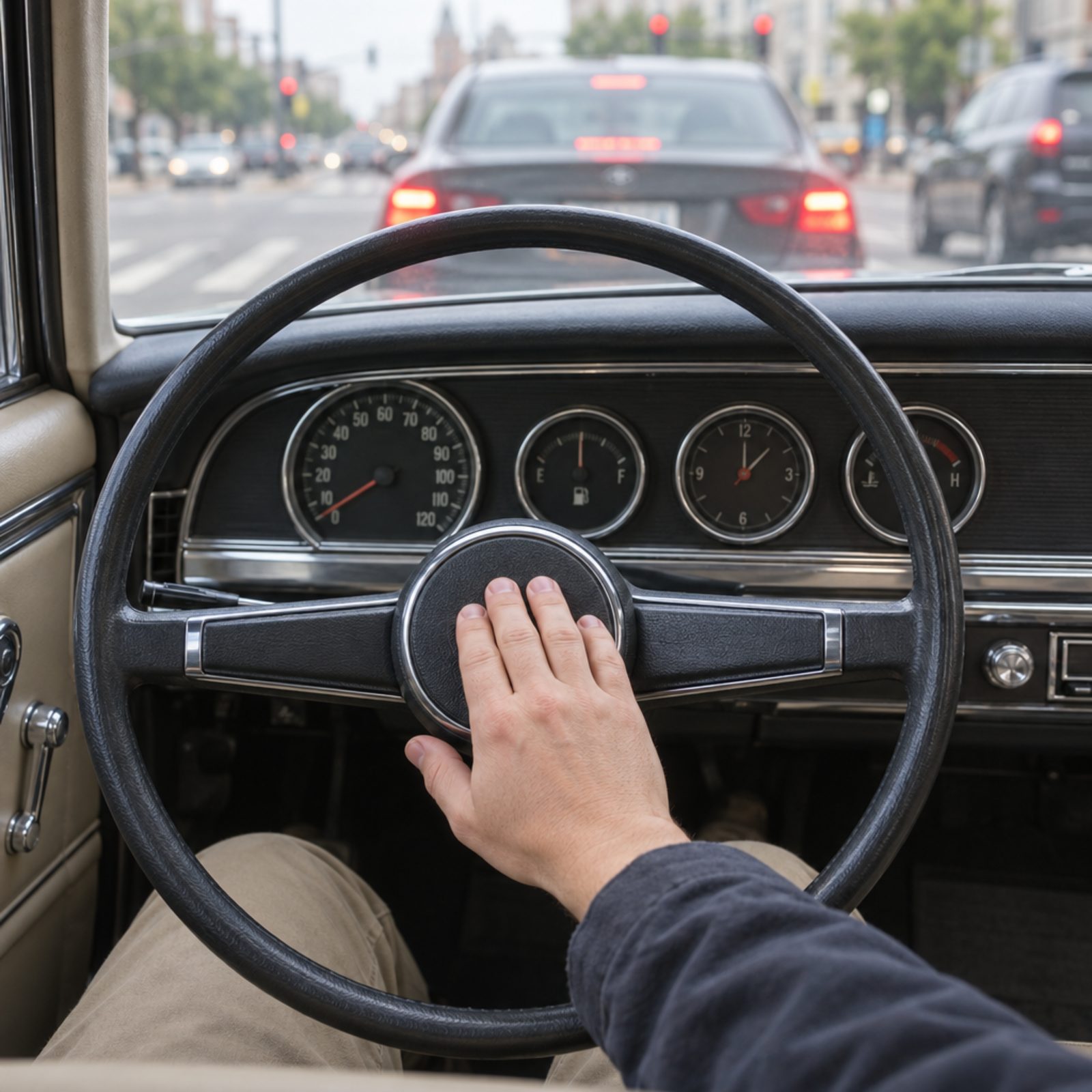
Picture the same scene in a supermarket. Someone cuts in front of you at the deli counter and you say, oh, go ahead, no problem at all. Now put both of you in cars. That same minor offense earns a full blast of the horn and maybe a word you’d never use in church.
The difference is the glass. A car wraps you in steel and anonymity, and anonymity is the oldest trick in human behavior. Psychologists call it deindividuation — the way people act out when they feel unseen and unaccountable. You can’t see the other driver’s face. They can’t really see yours. No name, no eye contact, no consequence.
Take that armor away and we go right back to being polite. The honk was never about the other person. It was about the fact that you felt invisible, and invisible people do things visible people never would.
19. A Merge Lane Suddenly Feels Like Personal Property
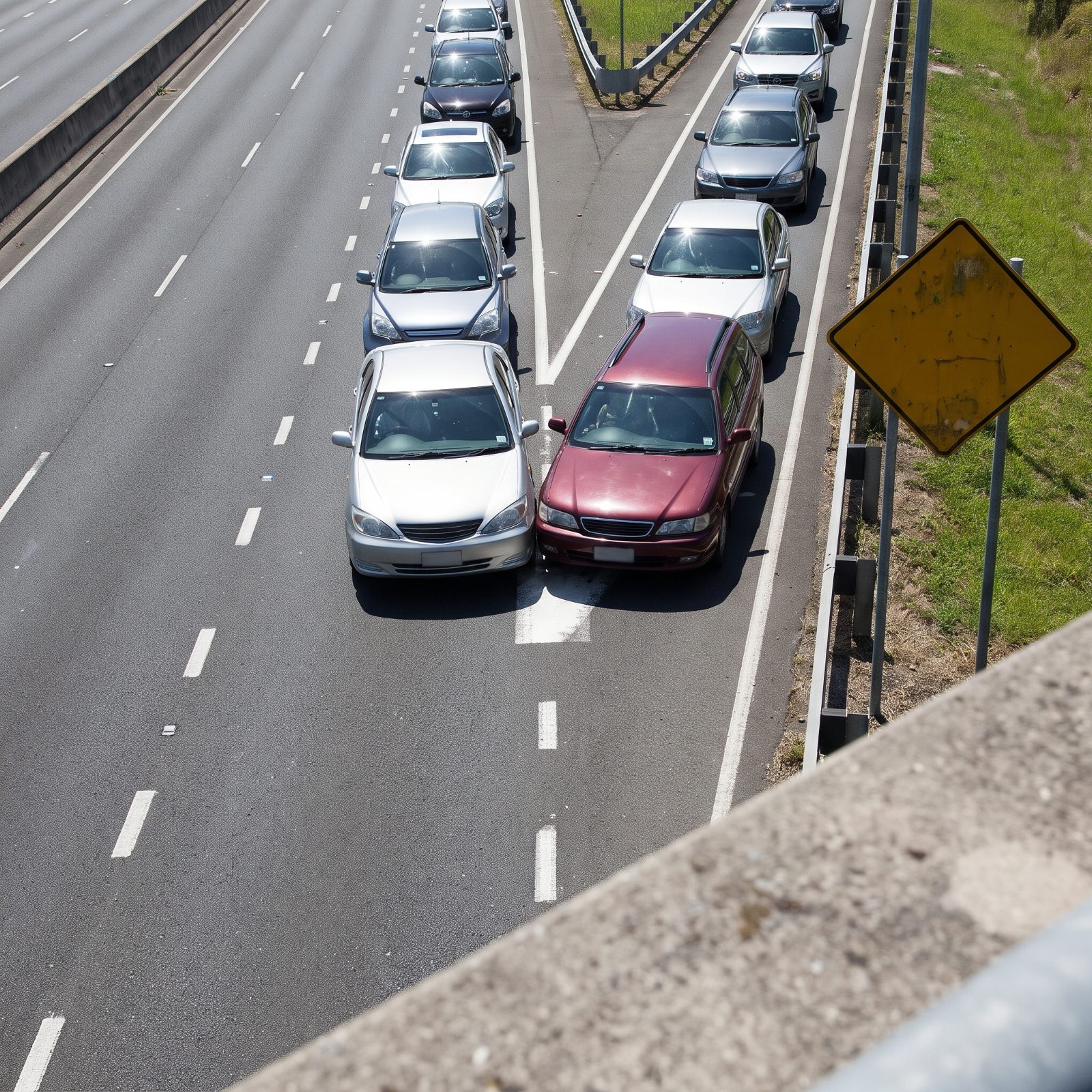
That stretch of pavement in the merge lane does not belong to you. You know this. You’ve never paid a dime toward it. And yet the second another car angles toward your lane, something primal clicks and that asphalt becomes yours to defend.
This is the endowment effect wearing a seatbelt. We value things more the moment we feel we possess them, even things we never owned. The gap ahead of your bumper feels like territory, and letting someone take it feels like losing rather than ordinary courtesy.
Here’s the part worth sitting with: a zipper merge actually moves traffic faster for everyone, including you. All that defensive crowding slows the whole line down. We fight to keep a few feet of road and cost ourselves minutes, all because our gut whispers that the space was already spoken for.
18. Every Slow Driver Must Be Doing It on Purpose
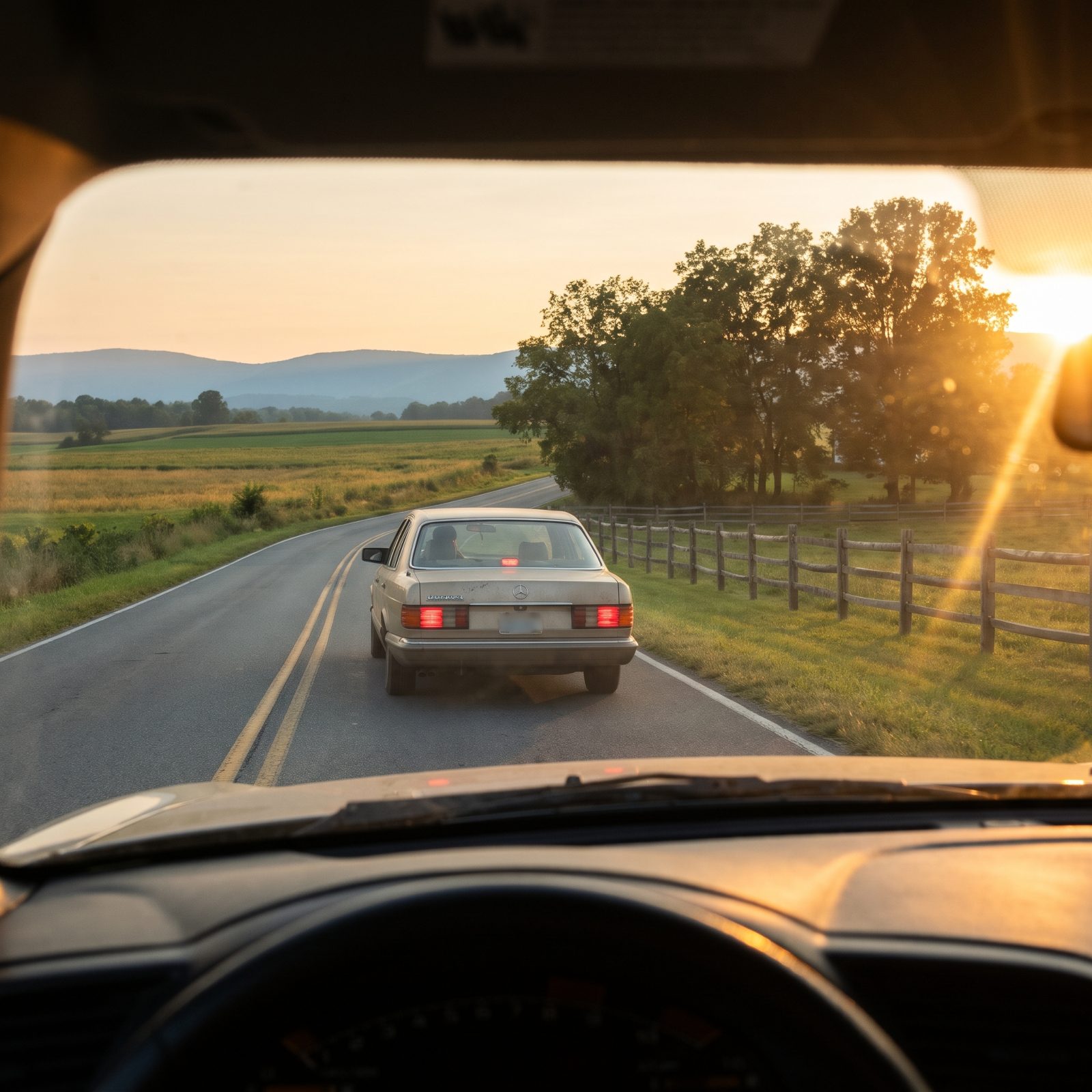
Stuck behind someone doing ten under the limit, the story writes itself in your head. They’re oblivious. They’re on the phone. They’re doing it to spite you specifically. What never crosses your mind is the simplest explanation — that they might be lost, or new, or driving a car that won’t go any faster.
That’s the fundamental attribution error, and it runs the whole show on a crowded road. When other people slow us down, we blame their character; when we slow others down, we blame our circumstances. You were going slow because you missed the turn. They’re going slow because they’re a bad person.
A deeply unfair little bias, and we all run it constantly. The truck in front of you is not a villain. It’s just a truck, driven by a tired person having a Tuesday.
17. The Speedometer Turns Into a Scoreboard
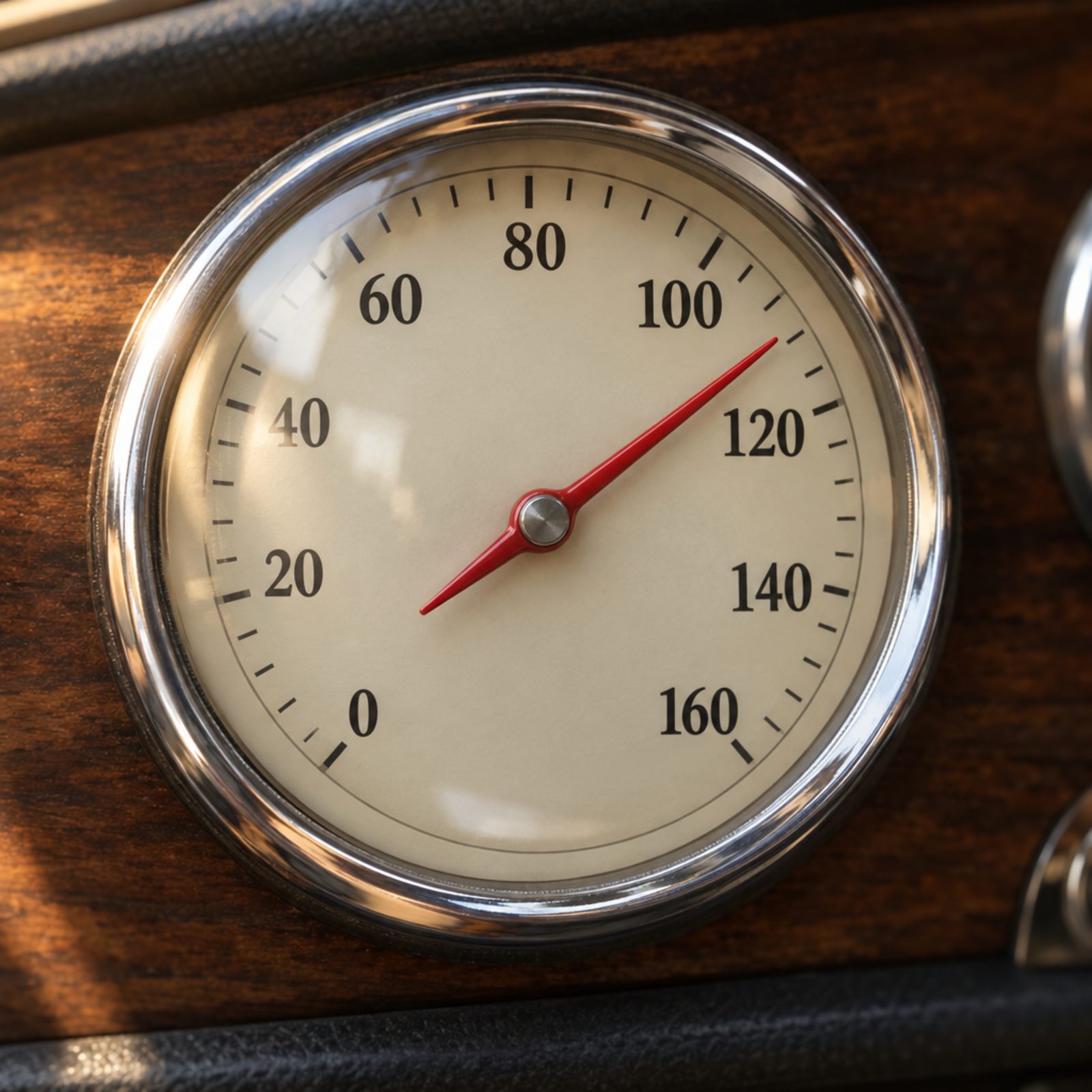
Nobody is racing you. No finish line, no prize, no crowd. And still, the needle creeps upward and your foot gets heavier all by itself. The speedometer quits being a safety tool and turns into a scoreboard with exactly one opponent.
Social comparison is the engine. Humans measure themselves against whoever is closest, and the closest person is whoever happens to be keeping pace with you. Falling behind feels like losing even when there’s nothing to win.
Most of us have caught ourselves doing this against a minivan full of groceries. The other driver almost certainly has no idea a contest is happening, and that’s the strange thing — the whole race lives inside your own skull, where you play both the only contestant and the only judge.
16. Your Car Makes Bad Singing Feel Entirely Reasonable
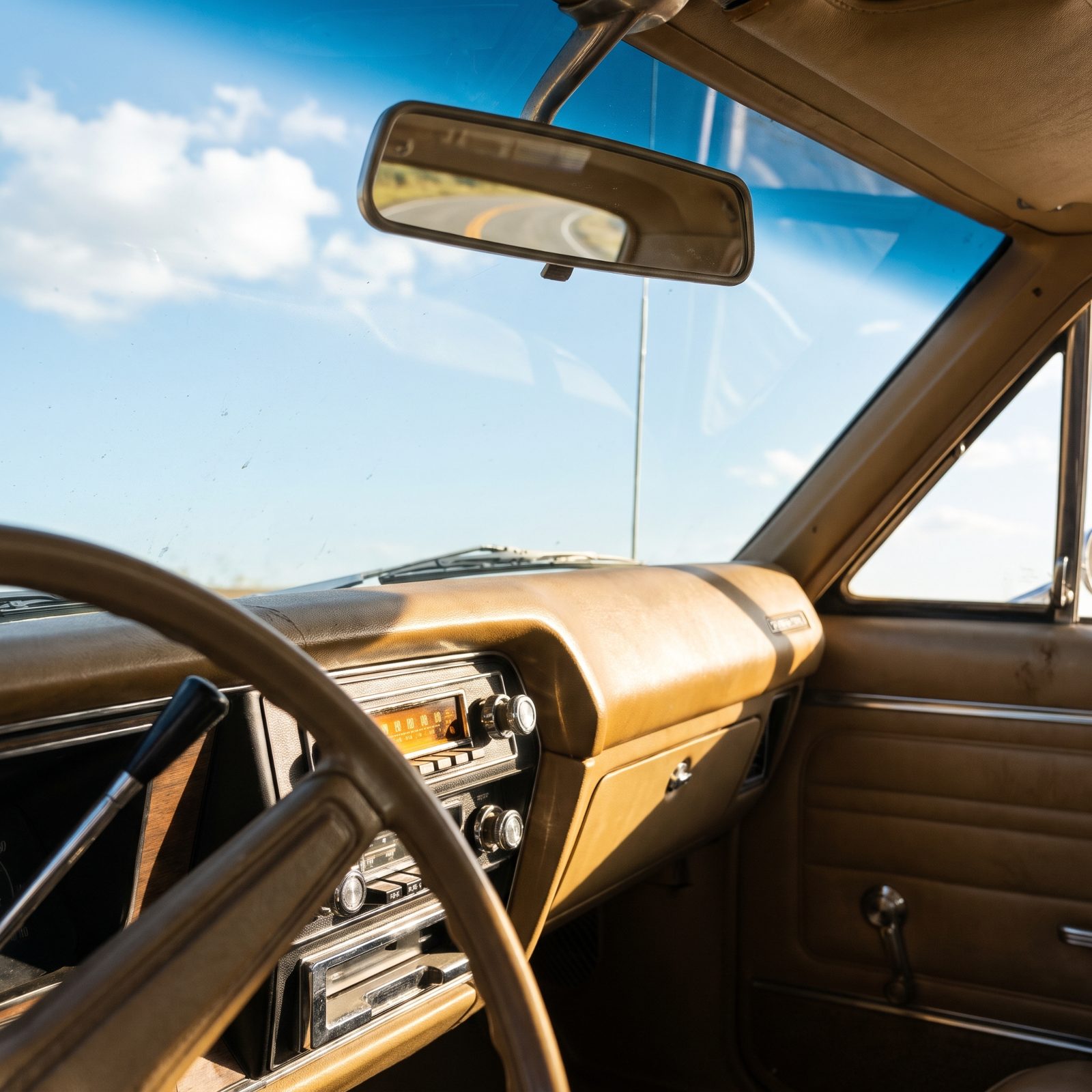
You wouldn’t belt out a show tune in an elevator, and you’d never harmonize with the hold music at the dentist. But put you alone in a car with the radio up, and suddenly you’re the headliner of a sold-out arena that happens to seat one.
The car is a private bubble that feels public. You’re out in the world, visible to everyone around you, yet somehow convinced nobody can really see in. That illusion of a sealed-off stage drops your guard the same way a shower does. No audience, no judgment, no stakes.
The funny wrinkle? Everyone at the red light absolutely can see you. We all know this and we all forget it the second the chorus hits. Honestly, this is the one on the list I hope nobody ever fixes.
15. A Bigger Vehicle Somehow Makes You Feel More Important
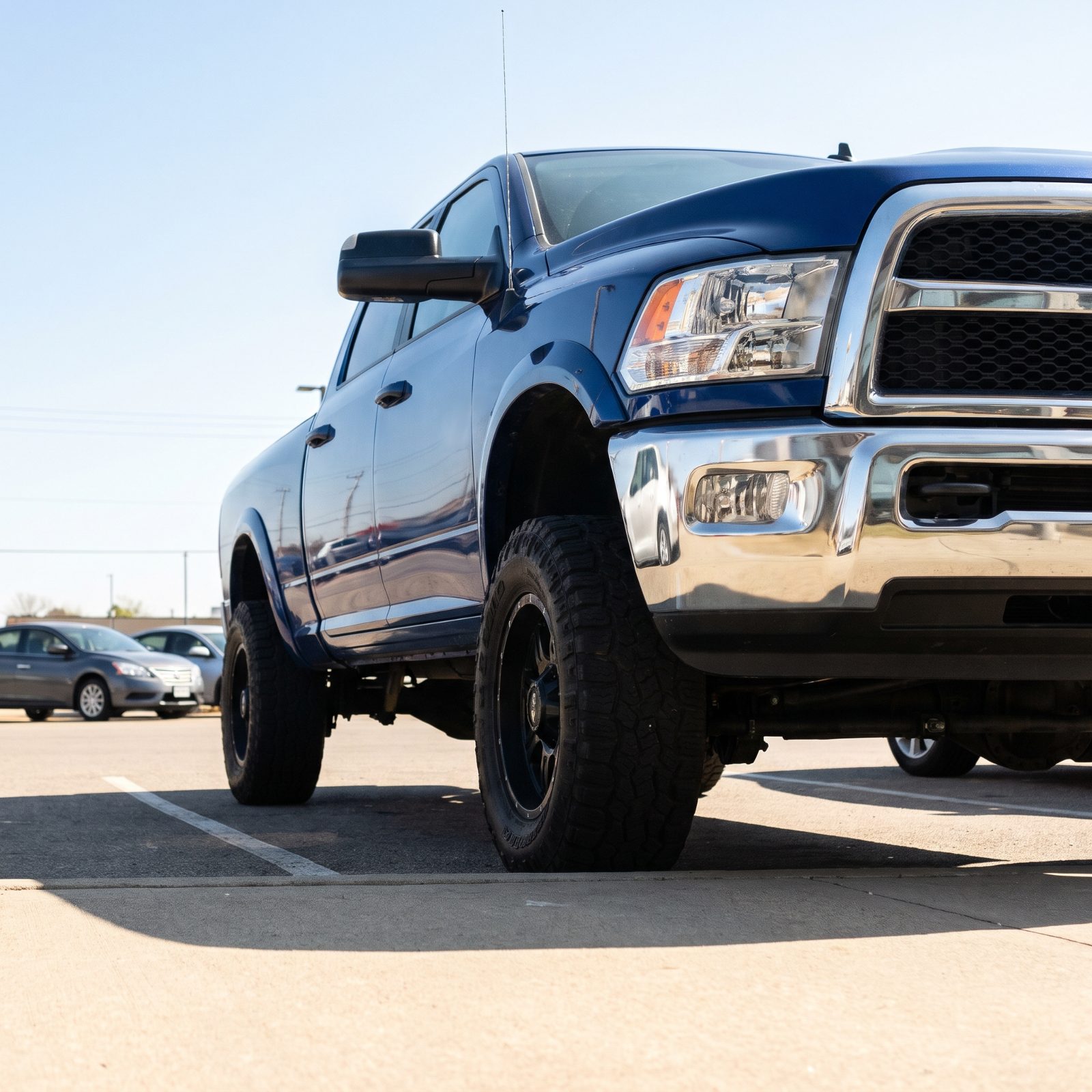
Climb from a compact into something tall and heavy and watch your whole posture change. You sit higher. You see farther. Decisions come easier because, well, who’s going to argue with all that metal?
Size reads as status to the oldest parts of the brain — the ones that sized up rivals long before anyone laid down a road. A larger vehicle sends a signal, to others and to yourself, that you take up more space and deserve more of it. The researchers who poke at this have noticed that drivers of bigger vehicles tend to yield less and cut in more, not because big-car owners are worse people, but because the machine itself nudges the behavior.
Call it identity signaling with a tailgate. The vehicle stands in for how much room you feel entitled to, and the feeling shows up whether you asked for it or not.
Our readers clearly feel the pull of size too: in their heart votes, photos of full-size land yachts got more hearts than the other images in the same articles, 84% vs 78%.
14. Five Minutes Late Turns Every Red Light Into Betrayal
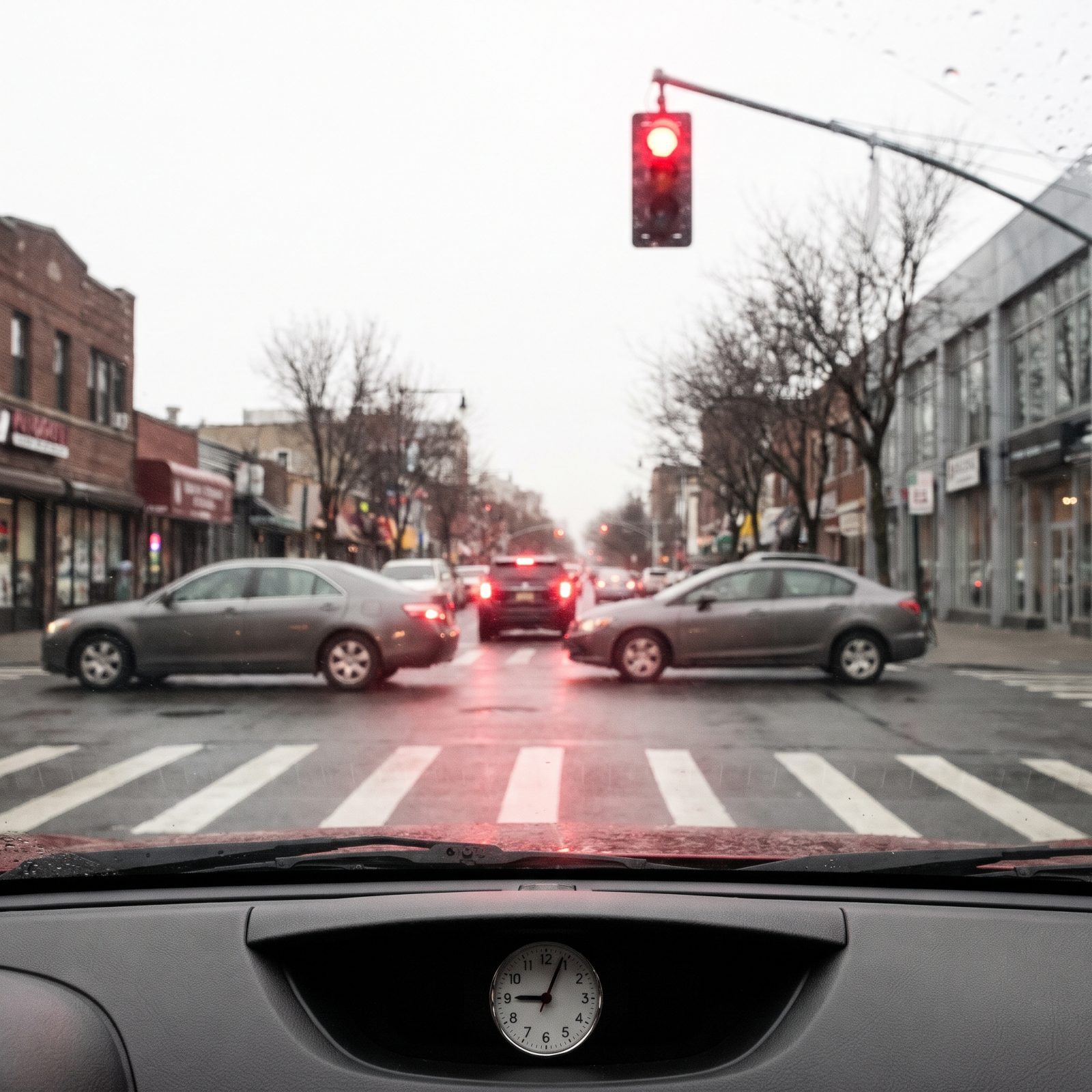
On a relaxed Saturday, a red light is nothing. You roll up, you wait, you drum your fingers, you go. Run that exact same light when you’re five minutes behind for something that matters, and it feels like a personal insult engineered by the universe to ruin your whole day.
Loss aversion is pulling the strings. We feel the sting of losing something far more sharply than the pleasure of gaining it, and when you’re late, every red light is time being taken from you. The clock becomes an enemy and the signal becomes its accomplice.
Nothing about the light changed. The timing is identical to every other day. What changed is that you now have something to lose, and loss — even thirty seconds of it — lights up the brain like a genuine threat. The light didn’t betray you. You just arrived already losing.
13. One Tailgater Can Recruit You Into a Petty Feud
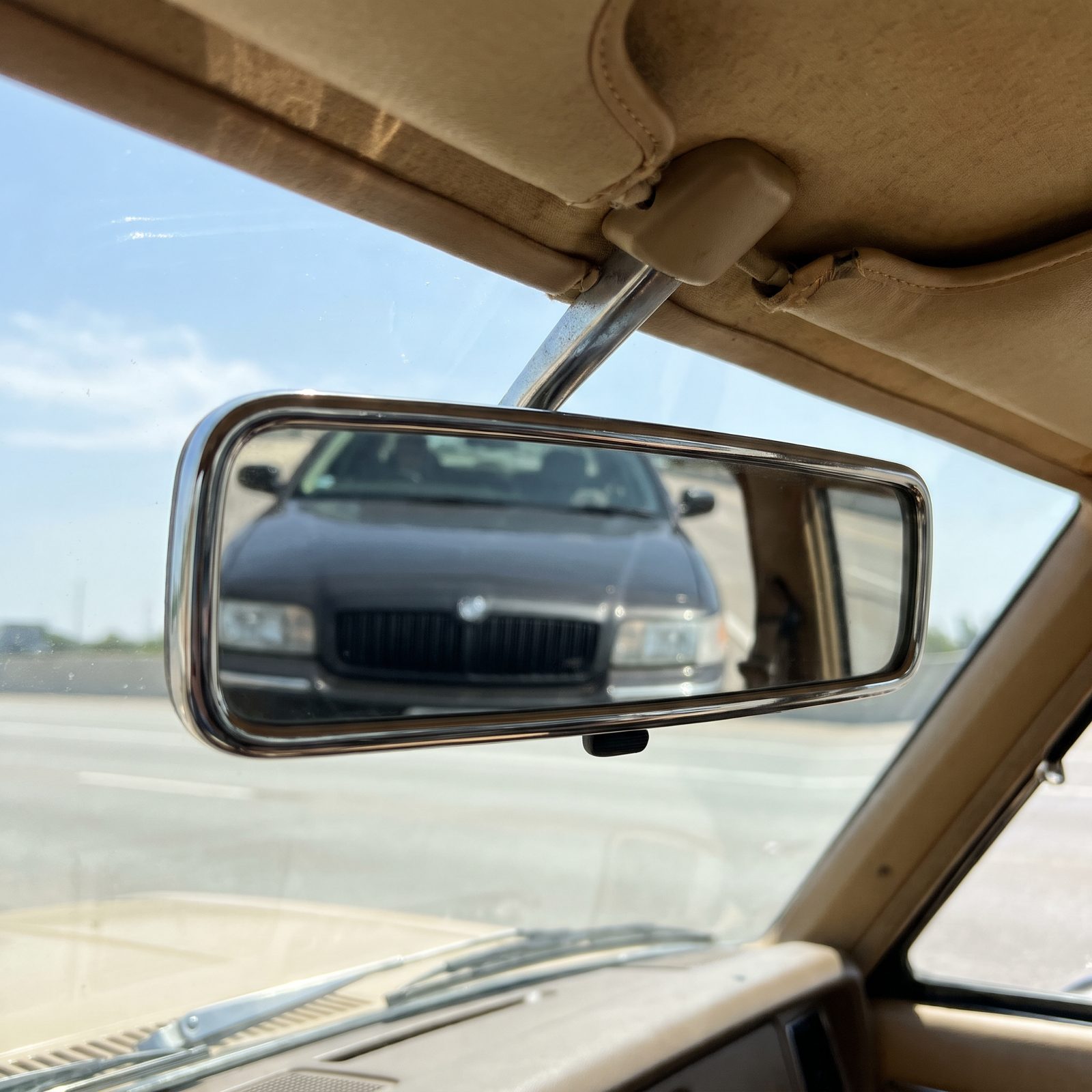
Someone rides your bumper and the invitation lands instantly. Tap the brakes. Slow down just to make a point. Speed up to shake them, then ease off again to punish them. Ten seconds ago you were just driving, and now you’re two cars locked in a slow-motion grudge match nobody chose on purpose.
This is reciprocity gone sideways — the deep human reflex to return whatever we’re handed. They pressured you, so you push back, and the escalation feeds itself. Each move feels justified because it answers the last one.
The feud needs two cars to exist. The moment one of them refuses to play, it simply stops.
There’s the whole trap. You’ll feel like you’re standing your ground, teaching a lesson, restoring fairness. The tailgater feels exactly the same. Two people being reasonable, both dead certain the other one started it.
12. You Trust Your Driving More Than Everyone Else’s
Would you like to save this?
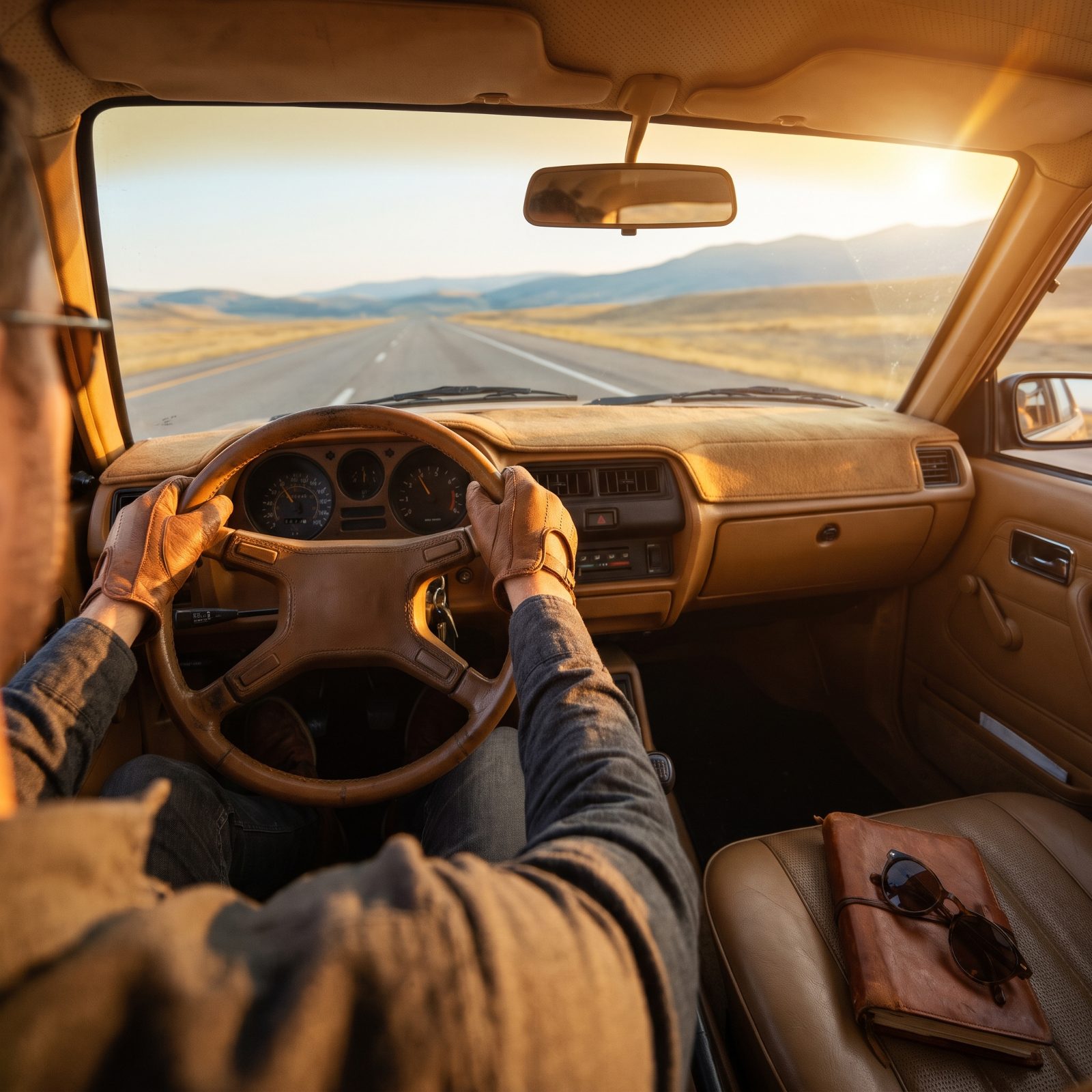
Ask a room full of drivers whether they’re above average. Nearly everyone raises a hand. The math is impossible, and we all do it anyway. You’re the careful one. Everyone else out there is the problem.
Illusory superiority is the name, and driving may be its favorite playground. One widely cited study found that even drivers hospitalized after crashes they caused still rated their own skills as above average. We overweight our own good decisions and forget our own close calls, while cataloging every mistake the other guy makes.
The quiet cost is that this confidence makes us less cautious exactly when caution matters. If the danger is always someone else, you stop watching your own blind spots. The most dangerous driver on the road is usually the one who’s positive it’s never him.
11. Familiar Roads Put Your Brain Straight Into Autopilot
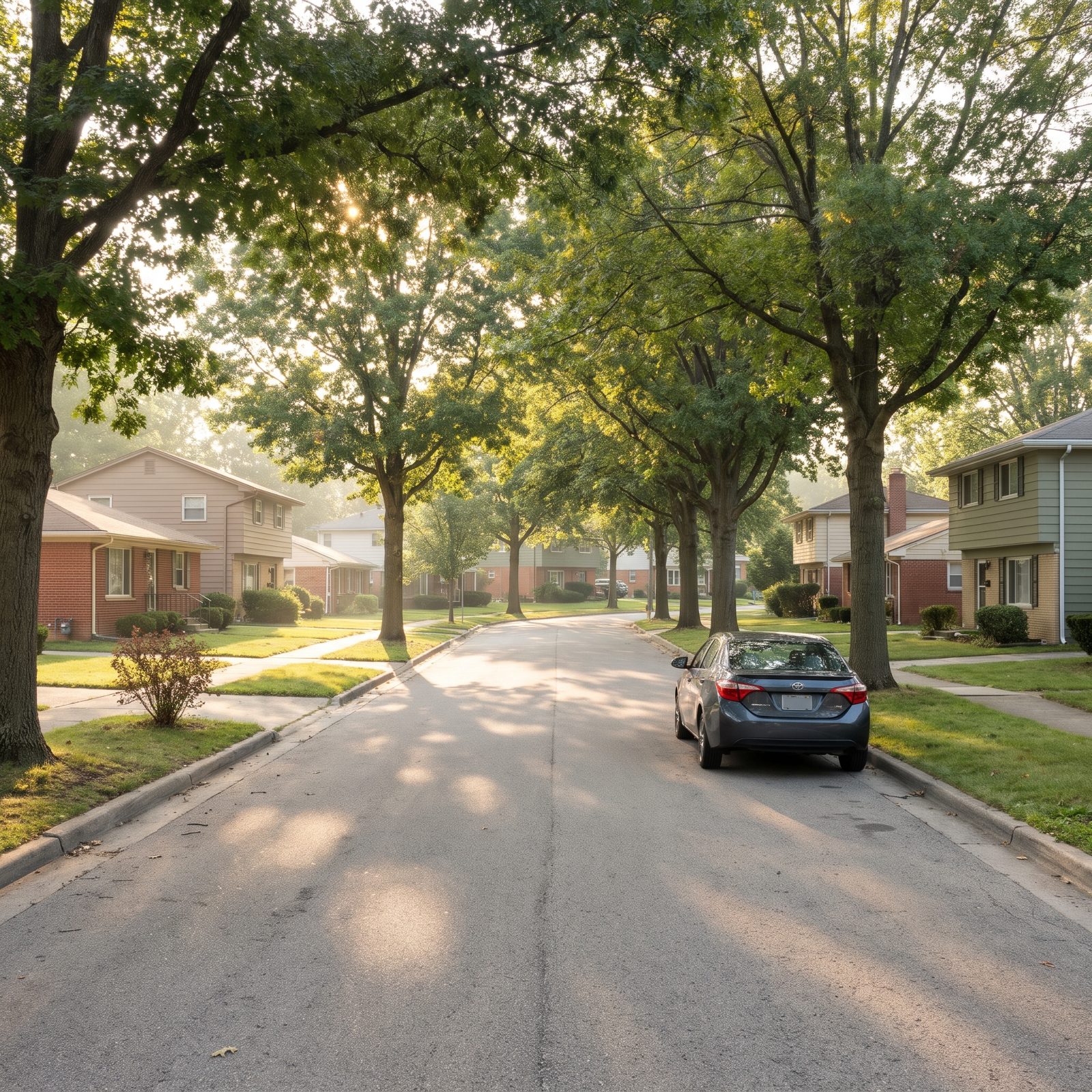
You’ve pulled into your own driveway with no memory of the last three miles. Not a flicker. The turns, the lights, the stop sign at the corner, all handled by some part of you that apparently doesn’t file reports.
That’s automaticity — the brain shifting a well-worn task into a lower, cheaper gear of attention. Same system that lets you tie your shoes while thinking about dinner. On a route you’ve driven a thousand times, the conscious pilot clocks out and the autopilot grabs the wheel.
Mostly it works fine, which is exactly the danger. Familiarity breeds a thin kind of blindness. The road you know best is the one where you’re least likely to actually be looking, and the surprise — the kid chasing a ball, the car backing out — always comes on the stretch you figured you could drive in your sleep.
10. A Passenger’s Gasp Feels Like a Personal Insult
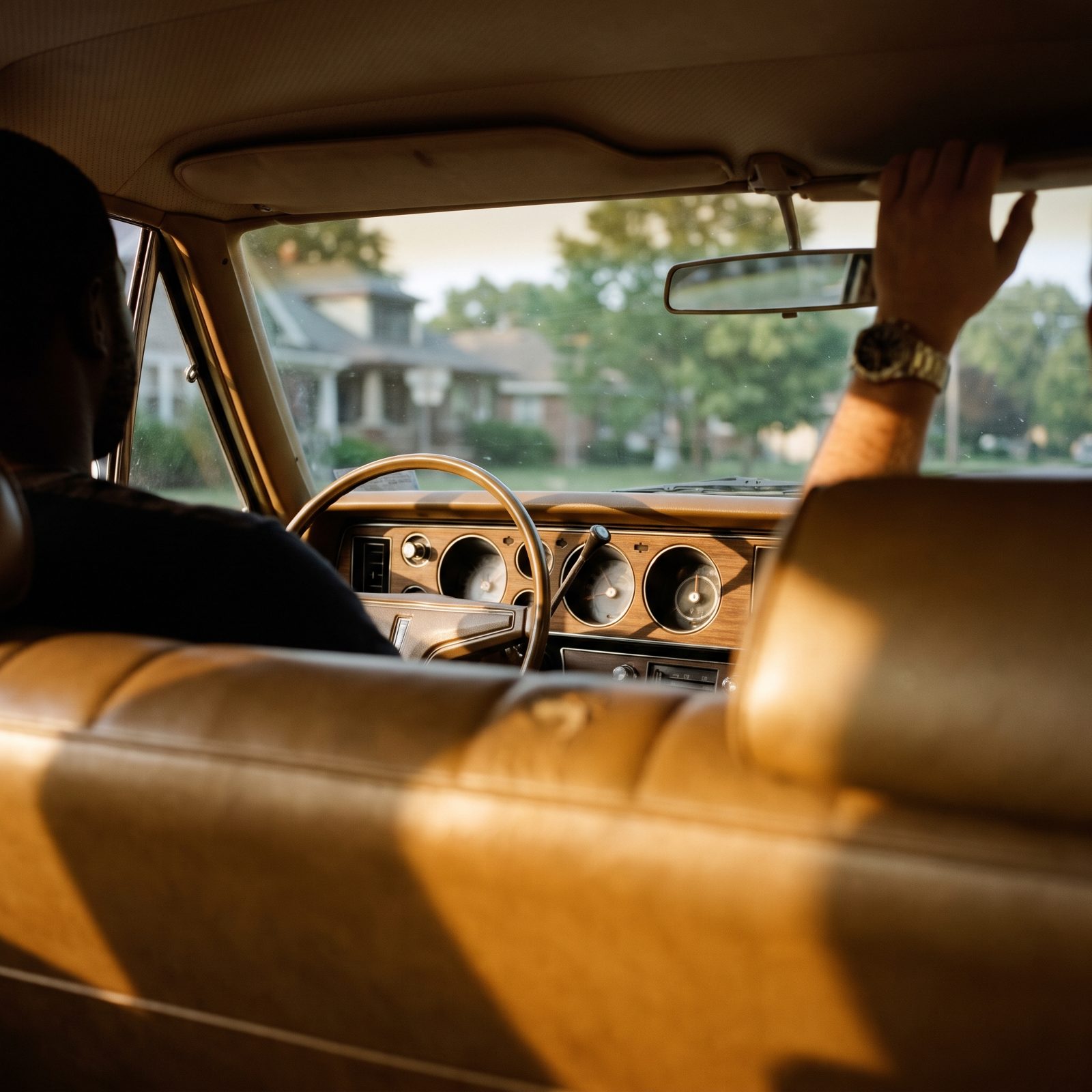
The sound starts small. A sharp intake of breath from the passenger seat, maybe a hand reaching for the grab handle. You didn’t even feel the car do anything wrong, and already your defenses are up, your jaw tightening over nothing in particular.
And here’s the odd part. A gasp isn’t a sentence — nobody accused you of anything. But the brain reads it as a verdict on your competence, and few of us take that hit quietly. Driving is one of the first adult skills most of us mastered, so it lives close to our sense of who we are. Question it, even wordlessly, and the reaction is pure reflex.
That’s the self-serving bias at work, the instinct to defend our own judgment before we’ve even checked whether it needed defending. The passenger wasn’t grading you. You graded yourself, found the review threatening, and argued back in your head before anyone said a word.
9. Parking Spots Reveal a Ruthless Side Nobody Invited
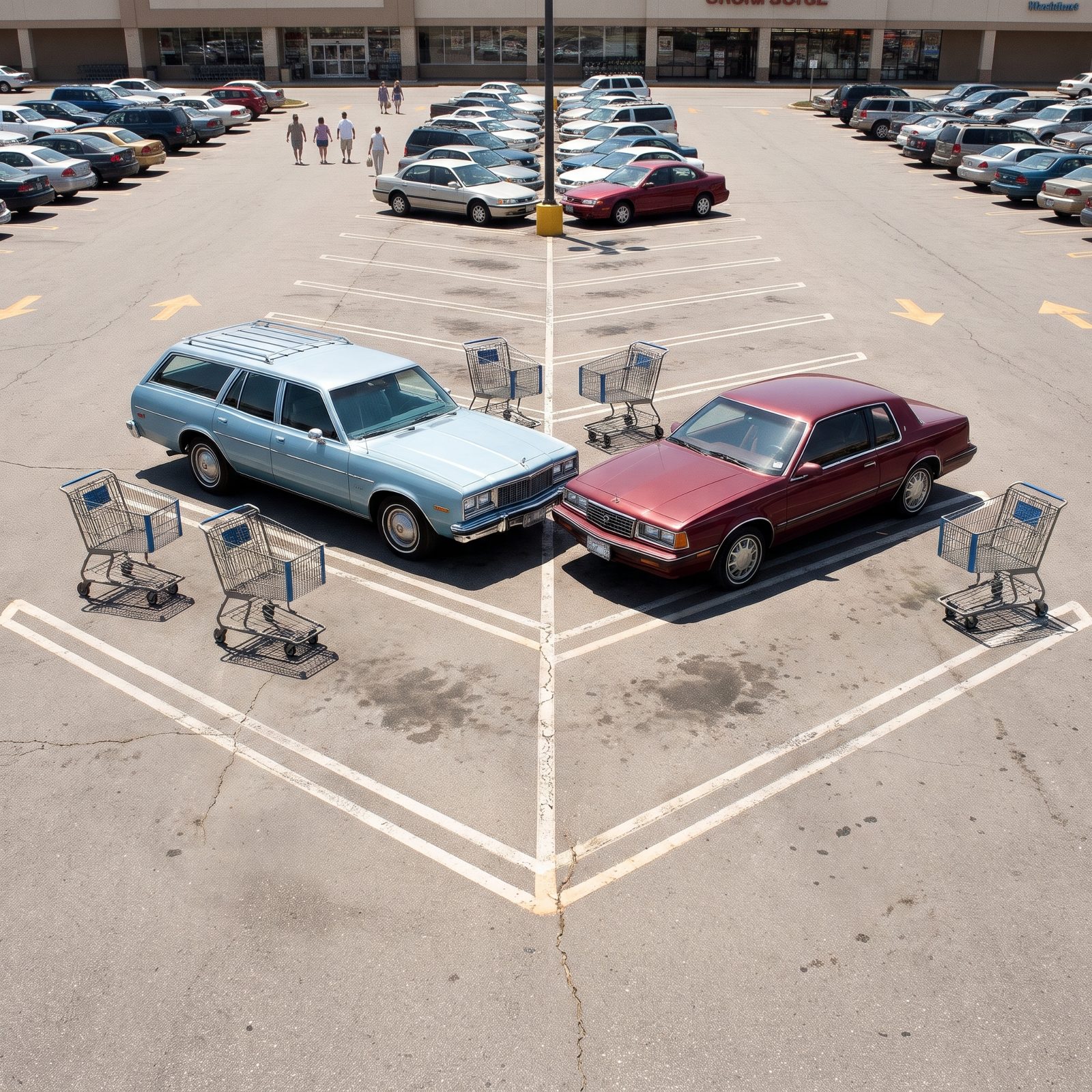
Someone slides into the spot you were waiting for, blinker on, the universal flag of intent planted. Something cold rises in a person who returns extra change to cashiers. You consider the horn. You rehearse the glare. For a spot you’ll leave in forty minutes.
It isn’t about the parking — it’s about fairness, and fairness is one of the oldest buttons in the human brain. You called dibs, you followed the rule, and they cut the line. The reaction to a jumped queue runs so strong that people will punish line-cutters even when punishing costs them more than just letting it go.
In a lot full of strangers, nobody knows your name and nobody expects to see you again, and that anonymity turns down the usual social brakes. The grocery store version of you would smile and wave someone ahead. The windshield version keeps score.
8. Crawling Traffic Makes Checking Your Phone Feel Harmless
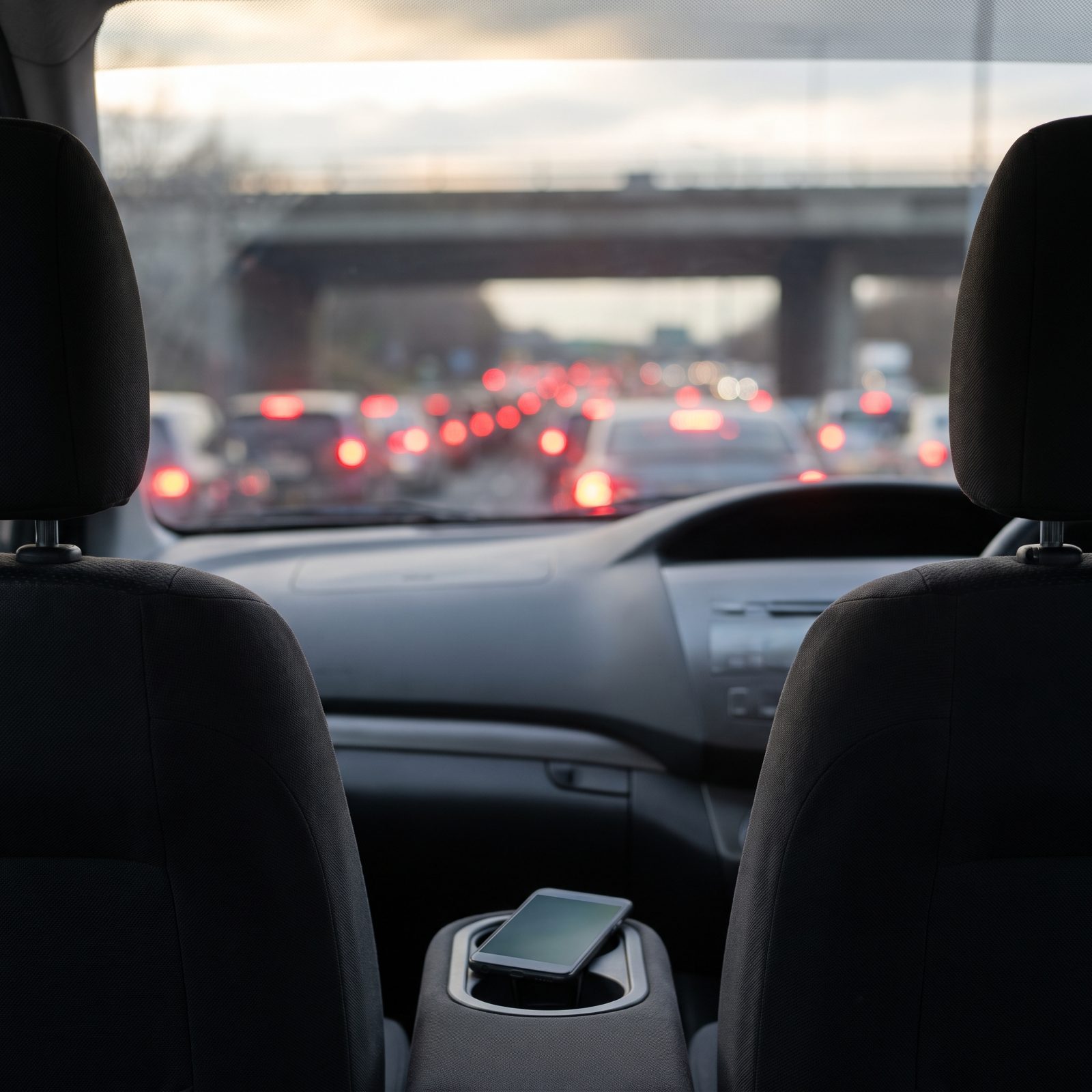
Dead stopped, bumper to bumper. The car ahead hasn’t moved in twenty seconds, so your hand drifts toward the phone like it has its own agenda. Just a glance. What could happen while you’re not even rolling?
Plenty, as it turns out, and your brain knows it in the abstract. The trouble is how we judge risk. Stationary feels like safe, and feelings outrun facts when a moment is dull. We weigh the small certain reward of relieving boredom against a vague, invisible danger, and boredom wins almost every time.
This is present bias, the pull toward whatever pays off right now over whatever costs us later. The rear-end bump that happens when traffic surges and you’re three words into a text isn’t on your mind. The itch to not be bored is. We discount the future so steeply that a few idle seconds feel like permission.
7. Kids in Back Turn You Into the Safety Police
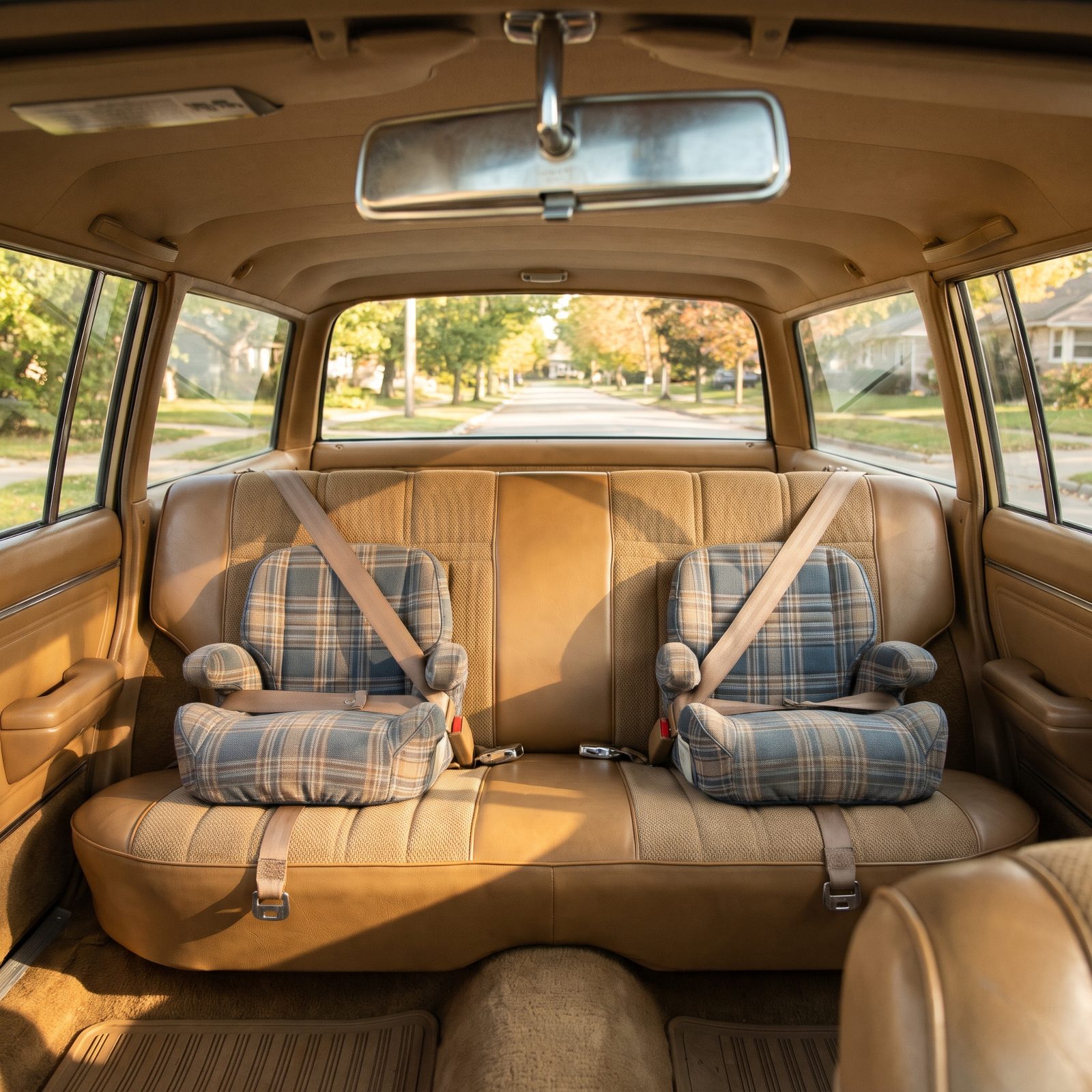
Driving alone, you take the yellow and roll through the soft stop on the empty side street. Load two kids in the back and watch yourself turn into a different driver entirely — calling out every hazard, coasting to full stops, checking mirrors like you’re being graded.
The shift is real, and it’s about responsibility, not fear. When the stakes are abstract, our own safety, we tolerate risk we barely notice. Make the stakes concrete and precious — little people who trust us completely — and the brain recalibrates fast.
Psychologists call it the identifiable victim effect. We’re wired to protect the specific and visible far more than the statistical. A number on a crash report doesn’t move us. A kid buckled in the mirror moves us instantly. The irony is you were always driving someone precious. You just needed to see the face in the back seat to start driving like it.
6. You Follow the Crowd Through a Questionable Yellow Light
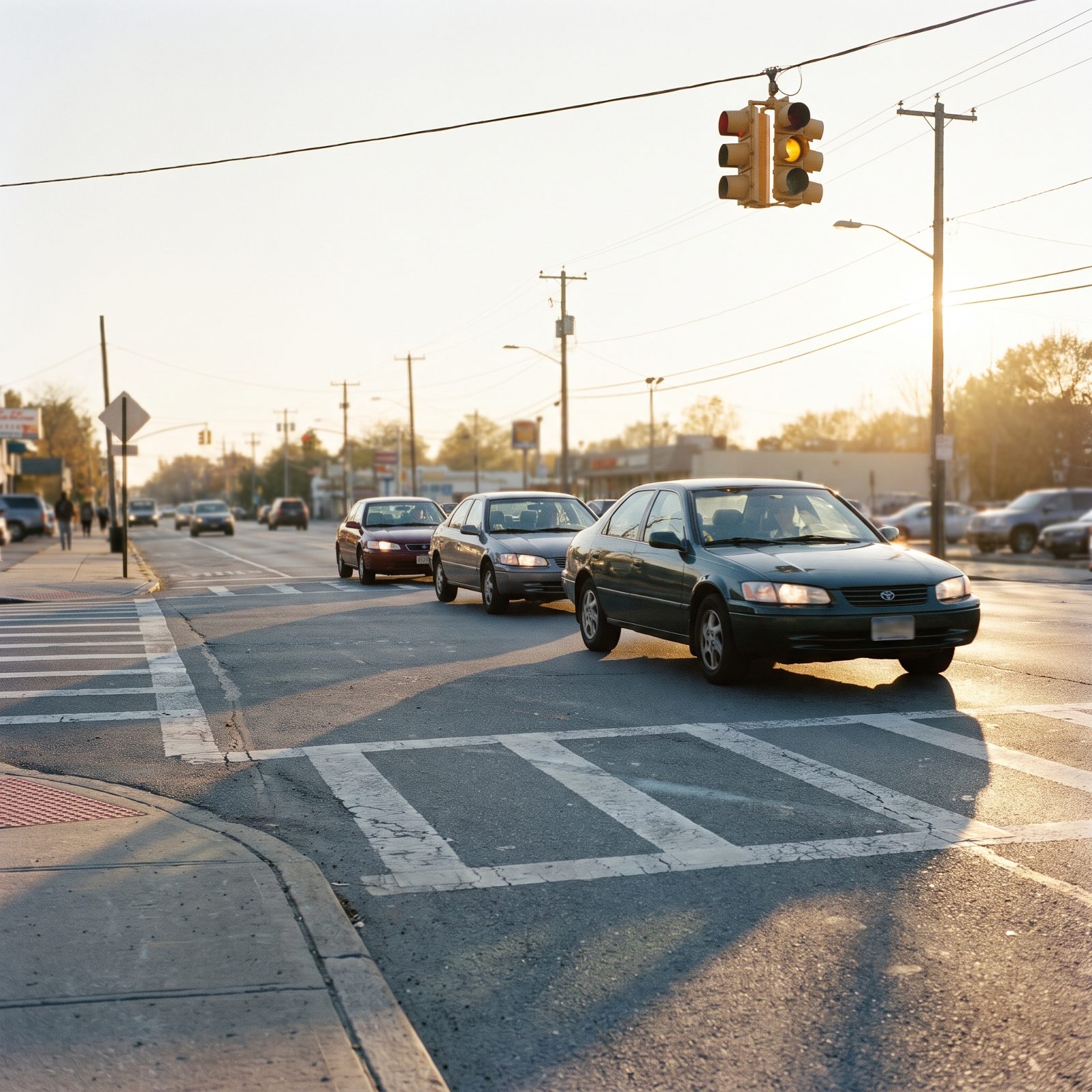
The light goes yellow. The car beside you doesn’t brake, so you don’t either, and neither does the one next to it. Three of you surge in together while it’s still glowing yellow and end up strung out in a tight staggered line, nose to tail, rolling toward the crosswalk. Somehow it felt fine, because everyone did it. Alone, you’d have stopped. In the pack, you went.
That’s social proof running the show. When we’re unsure what to do, we scan what others are doing and treat it as the answer — an efficient shortcut most of the time. In traffic it quietly erodes judgment, because a cluster of drivers crowding into a stale yellow isn’t evidence of safety. It’s just a knot of people making the same gamble.
The crowd also launders the responsibility. If everyone went, no single person feels like the one who broke the rule. Diffused across a pack, the decision stops feeling like yours at all.
A cluster of cars crowding into a stale yellow isn’t proof it’s safe. It’s just proof that other people made the same bet.
5. Bad News at Work Follows You Into the Fast Lane
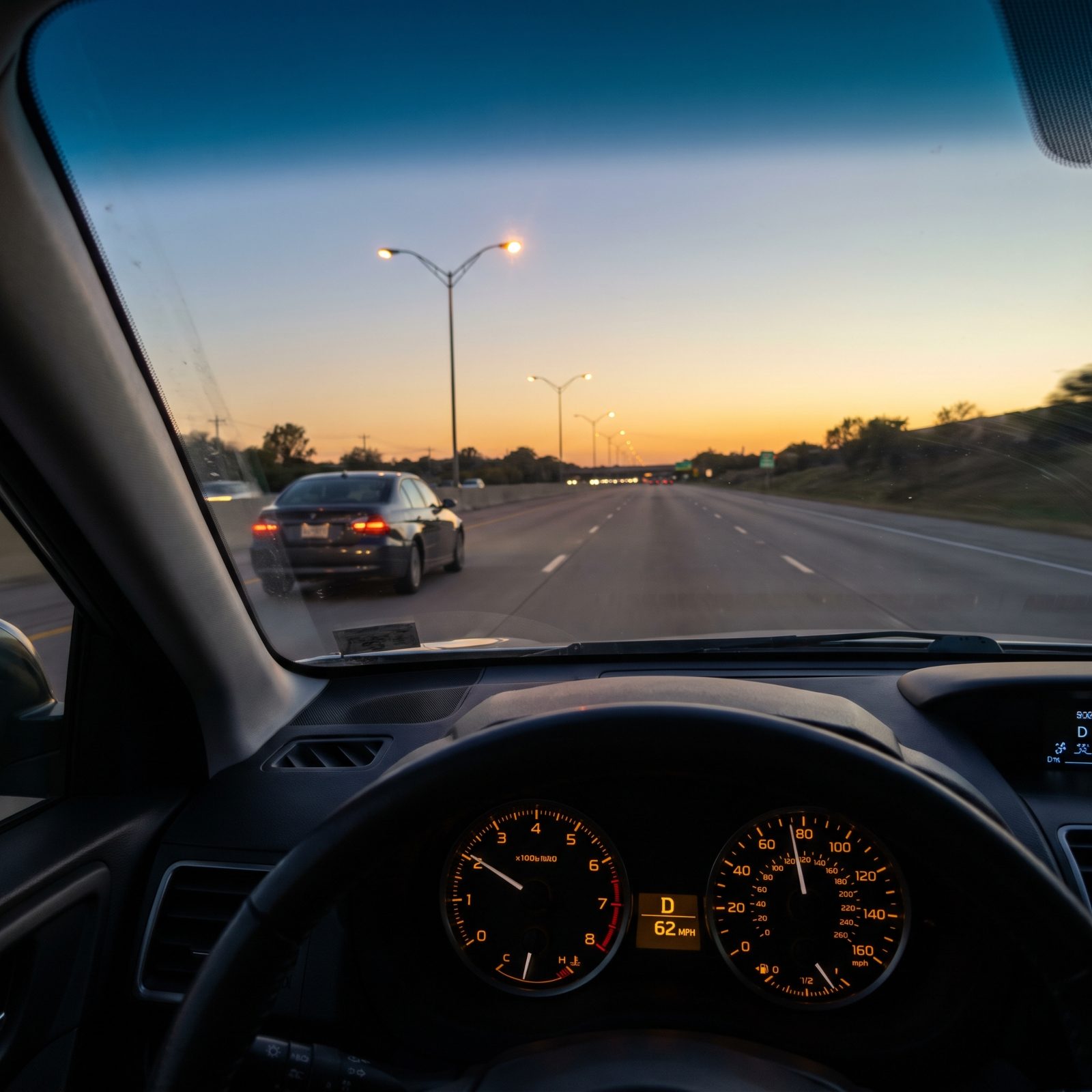
A rough meeting. A sharp email. A conversation that didn’t go your way. You get in the car still chewing on it, and twenty minutes later you’re riding bumpers, muttering, treating a slow driver in the left lane like he personally ruined your afternoon. He didn’t. Your boss did.
Stress doesn’t stay in the building where it started. It rides along, and the car becomes a place to discharge it, because the road offers targets that can’t argue back and strangers who’ll never know your name. This is displaced aggression, the old habit of taking frustration out on whoever’s closest and safest to lash at.
The steering wheel makes it worse. A stressed brain narrows its focus, shortens its patience, and reads neutral events as provocations. The driver who merged in front of you wasn’t being rude. You were just already loaded, looking for somewhere to put it.
4. Someone Watching Makes Your Parallel Parking Fall Apart
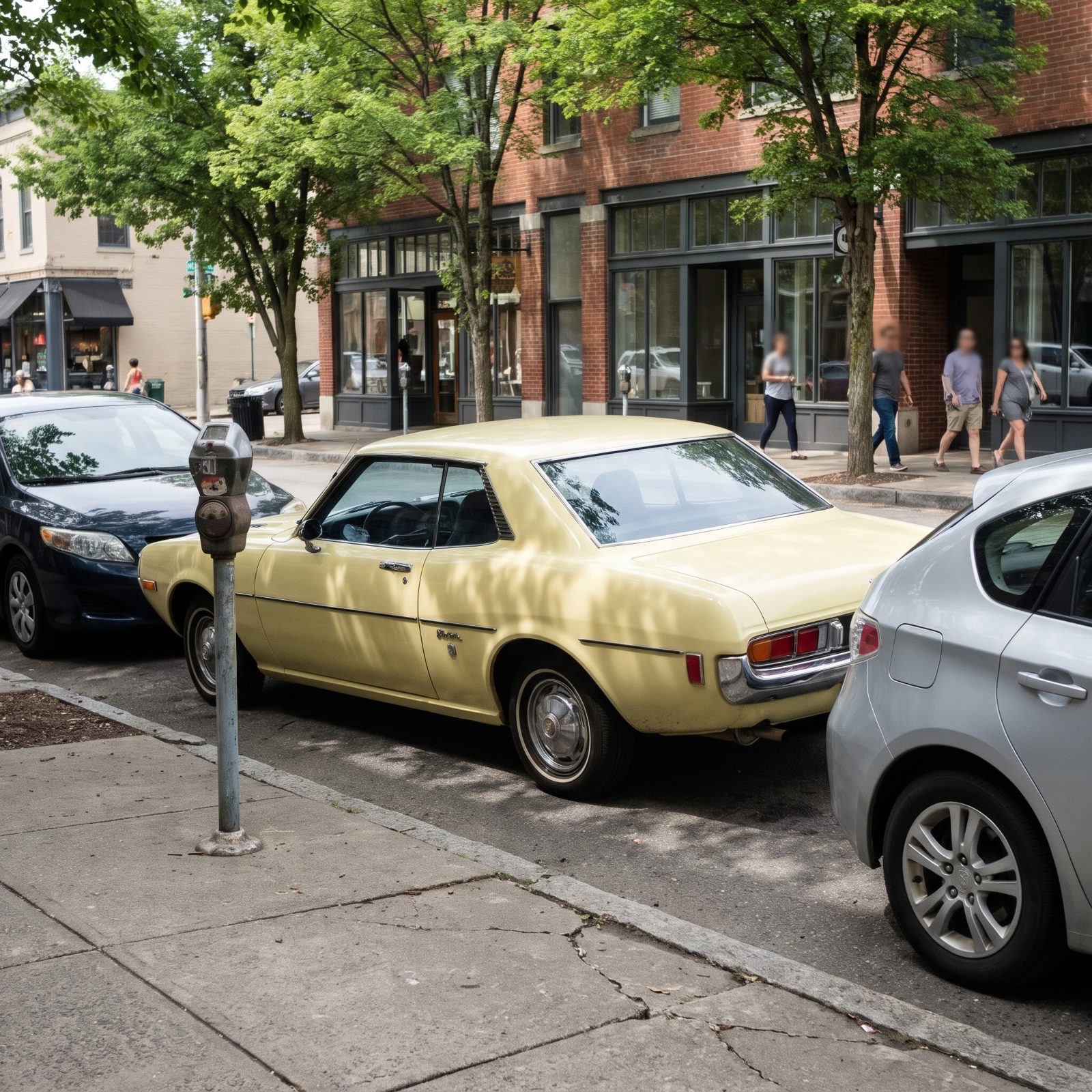
You can parallel park. You’ve done it a thousand times without thinking. But add a line of people waiting at a crosswalk, or a passenger watching, and suddenly you’re sawing the wheel, misjudging the gap, pulling out to start over while your ears go hot.
An audience changes everything, and not for the better on a task that demands smooth, automatic motion. When we feel watched on something we usually do without thinking, we start thinking — and thinking jams the machinery.
Psychologists call this choking under pressure, and it comes from paying conscious attention to a skill that works best on autopilot. The spotlight makes you monitor each small move, and that monitoring is exactly what breaks the flow. Nobody watching actually cares whether you nail it on the first try. Your brain is just convinced the whole street is keeping score.
3. A Police Car Instantly Improves Your Driving Manners
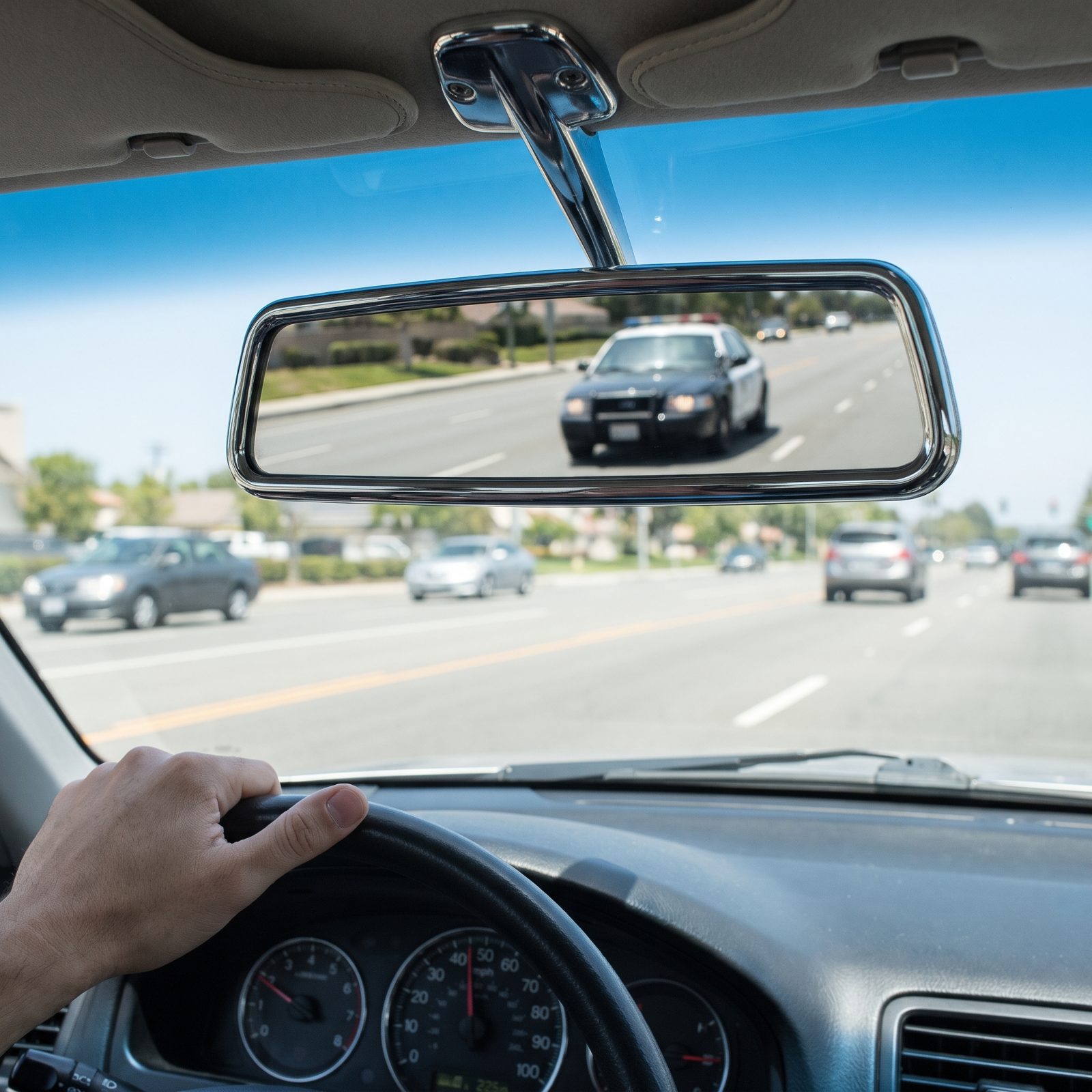
A patrol car slides into the lane behind you and the whole operation tightens. Hands at ten and two. Speed dialed exactly to the limit. Blinker on for a lane change you’d normally make on instinct. You become, for about four miles, the finest driver on the road.
Behavior changes the instant we believe we’re being watched by someone who can enforce a rule. The cost of breaking it just went from invisible to very real and very close. This is deterrence working exactly as designed, the sight of consequences sharpening compliance in real time.
What’s telling is how fast the good behavior fades once the cruiser turns off. If the rules only matter when someone’s watching, they were never really our rules. They were just the price of getting caught, and the moment the watcher leaves, so does the discipline.
2. The GPS Says Turn, and Common Sense Takes a Break
Would you like to save this?
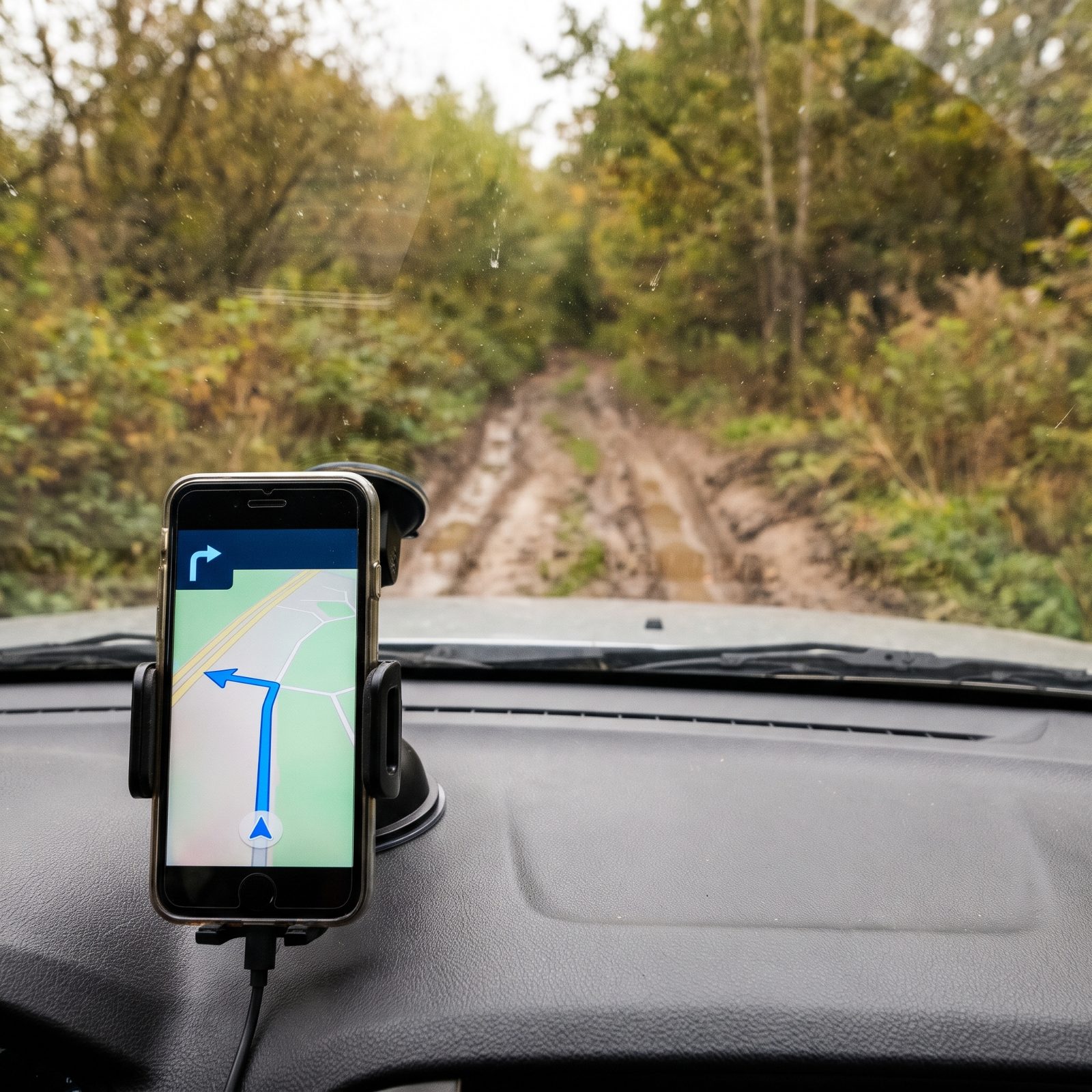
The screen says turn right. Your eyes say that’s a muddy forest track, a dead end, a road clearly going the wrong way. And a surprising number of us follow the screen anyway, overruling a lifetime of judgment because a calm synthetic voice sounded sure of itself.
This is automation bias, the tendency to trust a machine’s answer over our own, especially when the machine delivers it with confidence. The screen feels objective. Our gut feels like a guess. So we hand the gut’s job to the gadget and switch our own attention off.
The quiet cost is that outsourced skills fade. Lean on the voice long enough and you stop building the mental map of where you are, which means when the machine gets it wrong, you’ve got nothing to fall back on. A small habit worth keeping while screens get smarter: let the GPS suggest, but keep one eye on the actual road. The computer has never once driven into the lake. The driver who stopped looking has.
1. Missing One Exit Can Turn Calm Adults Into Chaos
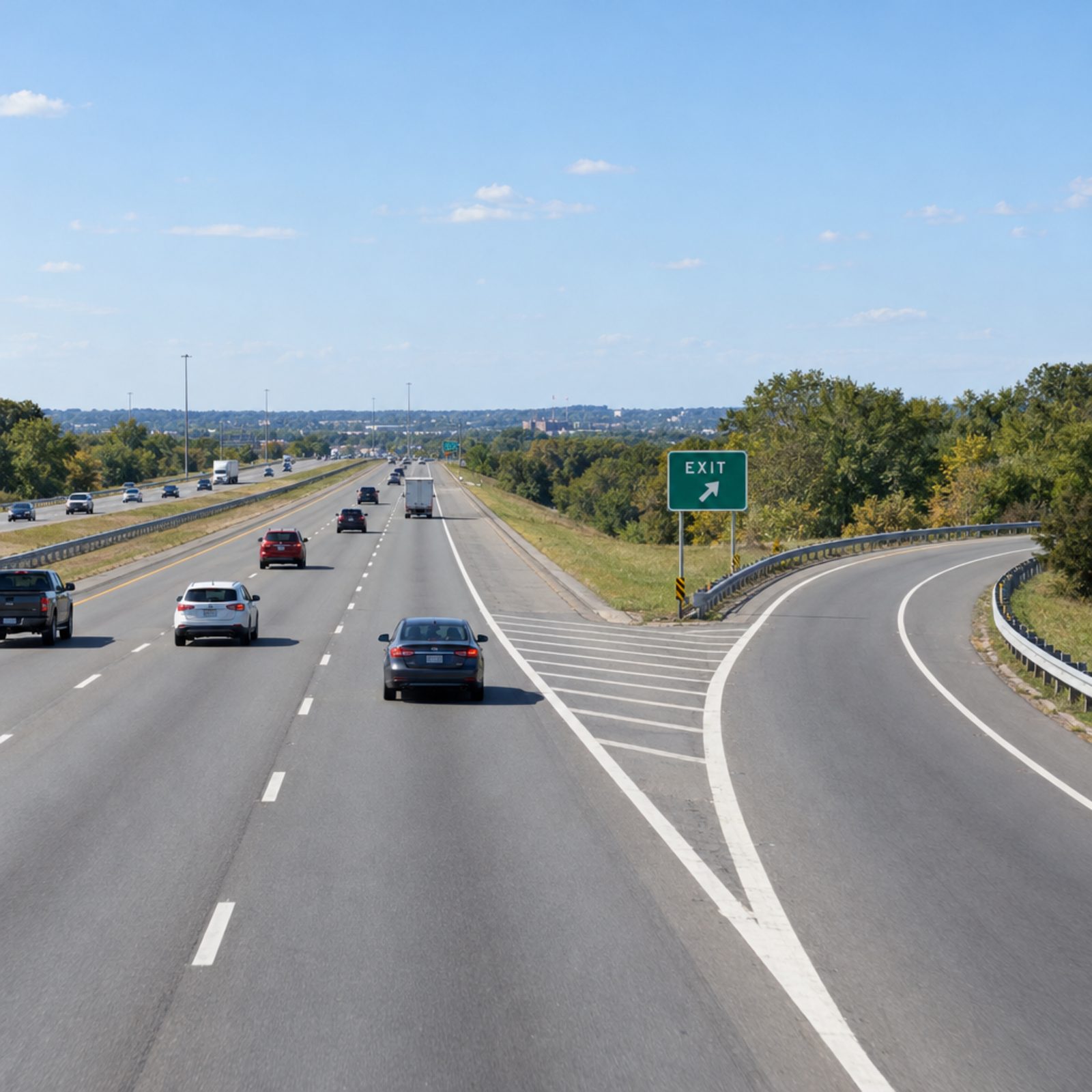
You sail past the exit. One missed ramp, five extra minutes to loop back, and somehow the mood in the car collapses. A level-headed adult who handles real problems with grace is now gripping the wheel, annoyed out of all proportion to a tiny, fixable mistake.
Why does so small a thing land so hard? Because a missed exit reads as a failure, and failures sting more than equivalent wins feel good. Losing those five minutes hurts worse than finding five minutes early would please us. That’s loss aversion, the lopsided math that makes setbacks loom larger than they deserve.
There’s also the frustrated goal. You had a plan, a clean line to the destination, and the plan just got interrupted. The brain treats a blocked goal as a threat, firing off irritation meant for actual danger. It’s a U-turn, not a catastrophe. The reaction just doesn’t know the difference.