

Would you like to save this?
The smell of a dealership lot on a Saturday morning does something to a person. Hot asphalt, rubber, a faint ghost of cologne from the salesman who just drifted past. You tell yourself you’re being practical this time around — you’ve got a budget, you’ve got a list. Then a certain shape of fender catches the light and all of it goes out the window. Anyone who has gone looking for a car and gone looking for love knows these two hunts run on the same wiring. Same hope, same blind spots, same slow art of talking yourself into something. What follows is a field guide to the overlap, the little mental tricks that make a search for horsepower feel suspiciously like a search for the one.
Please note that some of the images in this article were created with the assistance of AI.
20. You Fall for the Bodywork Before Checking the Service History
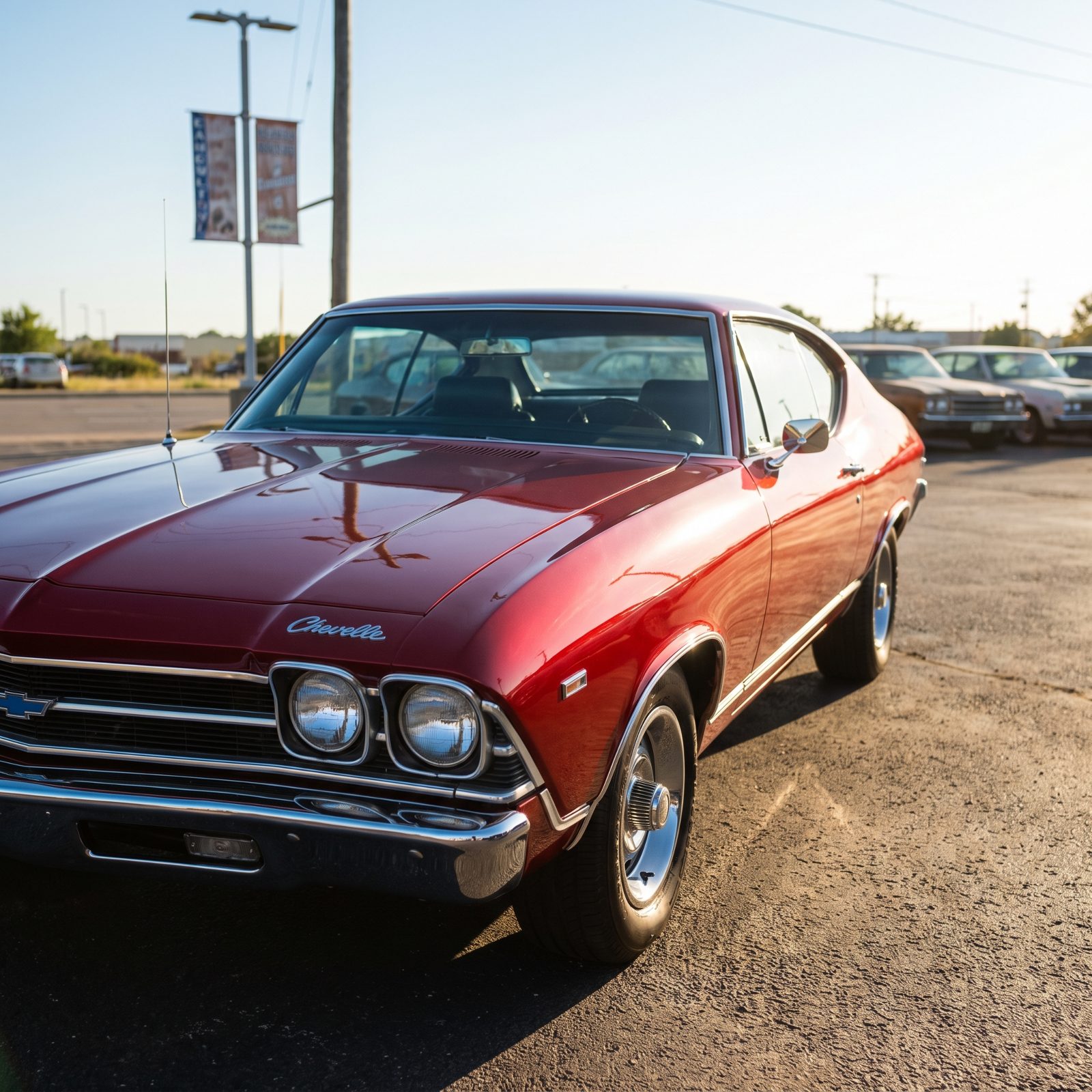
The paint hits you first. A red clear-coat so wet-looking you could comb your hair in it, curves that catch the sun just right, chrome throwing light back at you like it’s flirting. You’re already picturing Sunday drives and you haven’t even found the hood release.
This is the halo effect, plain as day. One gorgeous feature convinces your brain the whole package must be good — the shine quietly whispers that the engine is sound, the transmission smooth, the previous owner some saint who changed the oil on the dot. None of that is proven. It’s just what pretty makes us assume.
Happens across a crowded room, too. A great smile, and we hand over every other benefit of the doubt free of charge. The fix works for both situations: look under the hood before you fall. Ask for the maintenance records. Shine tells you nothing about the parts that actually matter.
That pull is real: Jalopy Talk readers gave cars with lots of chrome hearts 89% of the time, a bit more than the other cars in the same articles.
19. Your Must-Have List Somehow Rules Out Every Car
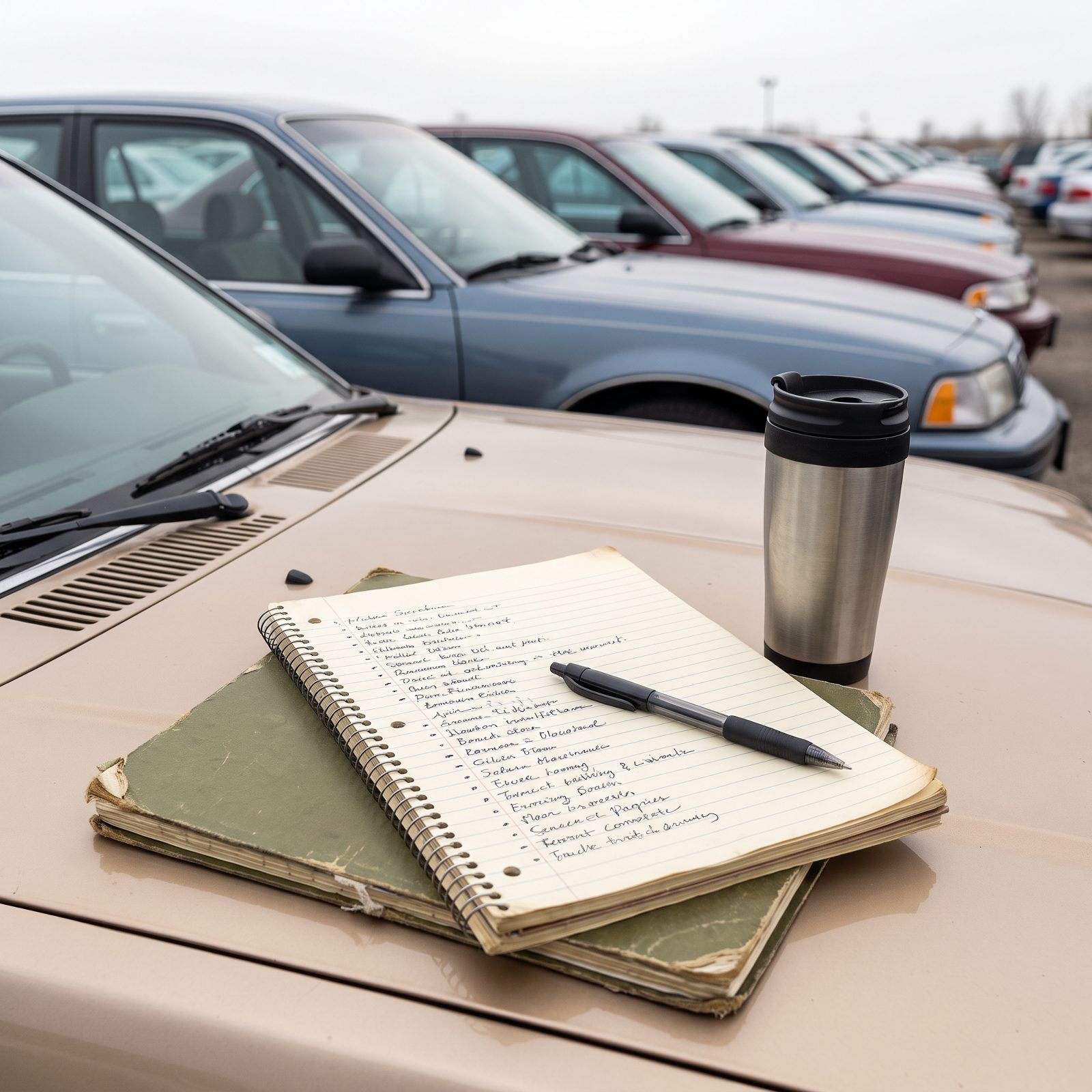
Low miles. One owner. Manual transmission but also easy to park. Fast but great on gas. Under twelve grand. Oh, and it should have that classic look without the classic maintenance headaches.
Congratulations — you’ve just described a car that does not exist. The list keeps growing, each new requirement sensible on its own, and together they fence out every actual vehicle on the planet.
Same list exists for people. Tall but not intimidating, ambitious but always home for dinner, exciting but safe. We think we’re being careful. We’re actually building a cage no real thing can squeeze into. The pattern is predictable: the more criteria you stack, the harder every option looks to accept, and the longer you stall. A real car, like a real person, shows up carrying trade-offs. The list that allows none is a list designed to keep you shopping forever.
18. You Research Horsepower for Months to Avoid Choosing

You’ve read every forum thread. You know the torque curves by heart, the difference between the 318 and the 383, which model year hid a weak transmission. You could teach a night class on it. You still haven’t bought anything.
Here’s the secret: all that research feels like progress, and a lot of it is just a very sophisticated way to not decide. As long as there’s one more spec to compare, you never have to commit and risk being wrong.
Research feels like moving forward. Sometimes it’s just a nicer-looking way to stand still.
People run this same dance before any big commitment. We gather, we analyze, we keep the file open, because an open file can’t disappoint us. Information was never the problem. Deciding is. At some point the only thing left to learn about a car is how it feels to own one, and you can’t read your way to that.
17. Your First Test Drive Feels Like Proof of Compatibility

Twenty minutes around the block and you’re sold — the steering felt right in your hands, the seat hugged you, the engine note sang on the on-ramp. You climb out convinced this is the one.
Twenty minutes is a wonderful experience and terrible evidence. A test drive is a first date in motion. Everybody’s on best behavior, the roads are hand-picked, the weather cooperates. You’re meeting the car in the one hour engineered to make you love it.
What a test drive can’t show you is the January morning it won’t start, the parts that take six weeks to arrive, the way the novelty fades by spring. We mistake a strong first impression for deep compatibility all the time, in showrooms and everywhere else. The spark is real. It just isn’t the whole story — and the whole story is what you’re actually signing up for.
16. You Ignore Dashboard Warnings Because the Seats Feel Amazing
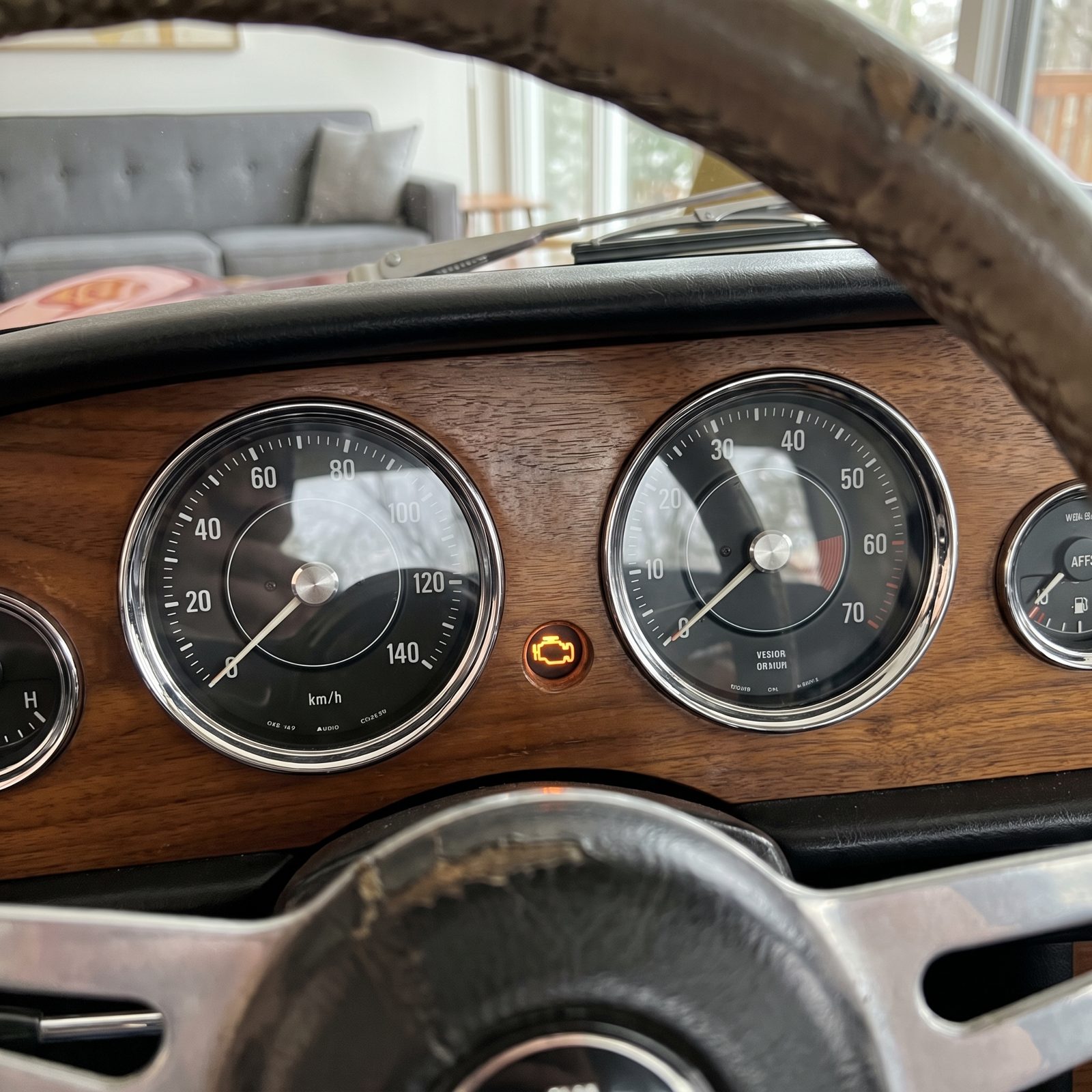
There’s a light on the dash. You noticed it. You also noticed how the leather seat fits your back like it was molded for you, and that the stereo sounds incredible, and honestly the light is probably nothing.
It is almost never nothing. But the brain is a master of talking itself past red flags when it wants something badly enough. Call it confirmation bias wearing work gloves — you’ve already decided you love the car, so every scrap of evidence gets sorted into keep or ignore, and warnings go straight in the ignore pile.
The parallel writes itself. We wave off the warning signs in people too, because the good parts feel so good. Those seats were never going to fix the engine.
15. Your Friends’ Verdict on the New Car Matters Too Much
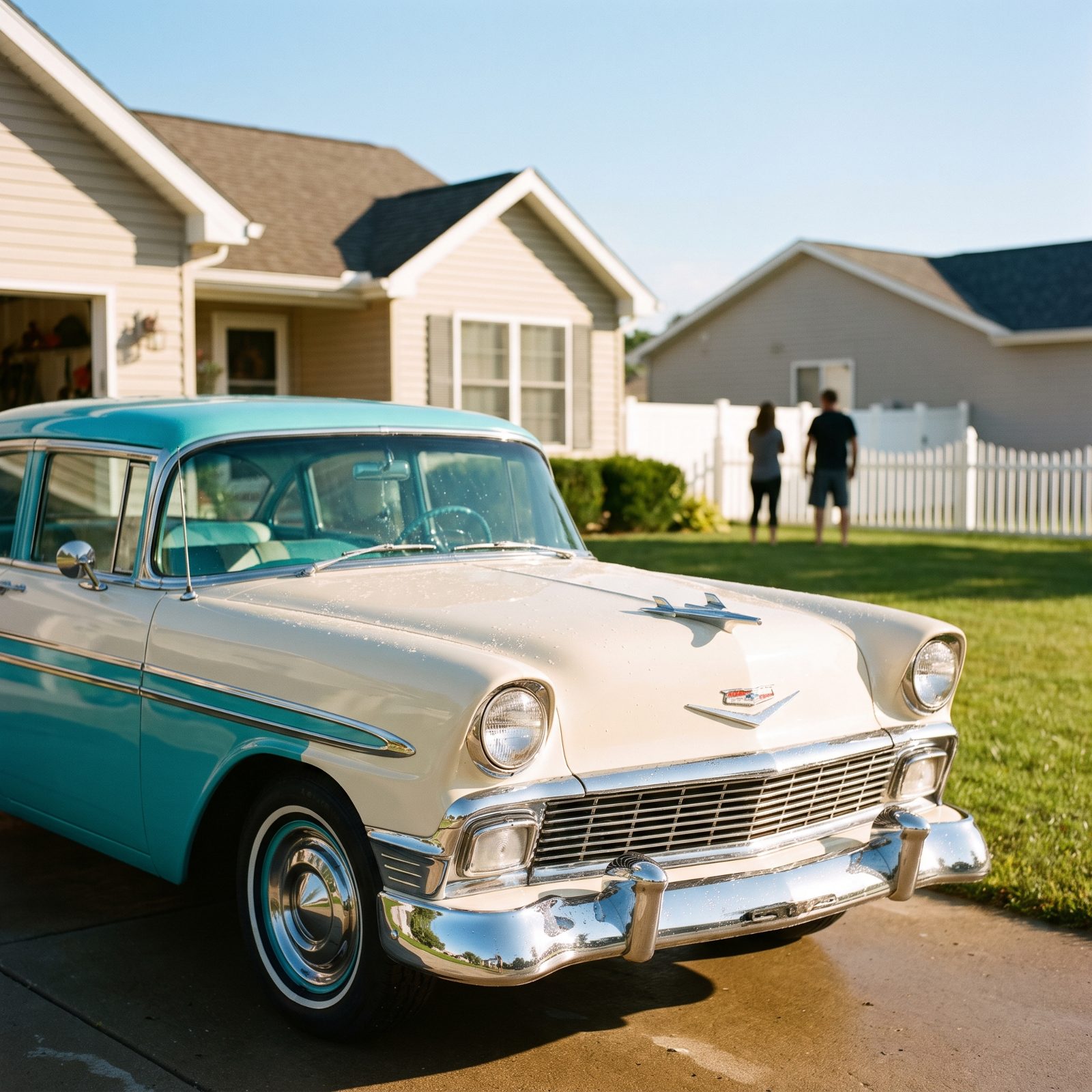
You drive it home and the first thing you do is wait for the verdict. A buddy walks around it, makes a face, says “huh, interesting choice,” and suddenly the car you loved an hour ago looks different sitting in your own driveway.
Social proof is a powerful drug. We’re wired to borrow other people’s opinions as a shortcut for judging our own — usually it keeps us safe, sometimes it robs us blind. One raised eyebrow, and a car that made you grin starts to feel like a mistake.
Watch the same pattern when you introduce a new partner to the group and spend the whole dinner reading the room instead of enjoying yourself. The approval starts mattering more than your own two eyes did five minutes earlier. And here’s what nobody says out loud: your friends don’t drive the car. They won’t wax it on Saturdays. You’re the one in the seat.
14. You Mistake a Luxury Badge for a Better Match

That badge on the hood does something to you. A premium nameplate feels like a promise — better engineering, smarter choices, a higher class of life waiting on the far side of the purchase.
Sometimes the premium car really is built better. Often you’re just paying a steep tax on a symbol. Status signaling runs deep in us, and a prestige badge lets us tell a whole story about who we are without saying a word. Trouble is, that story is about status, not about whether the thing actually suits your life.
We chase the impressive-on-paper partner for the same reason — the resume that sounds great at a party. Then we get it home and discover a spec sheet and a nameplate don’t keep you warm or start on a cold morning. Prestige is a feature. It is not the same as fit, and the day you confuse the two is the day you overpay.
13. You Buy the Sports Car for Your Imaginary Life
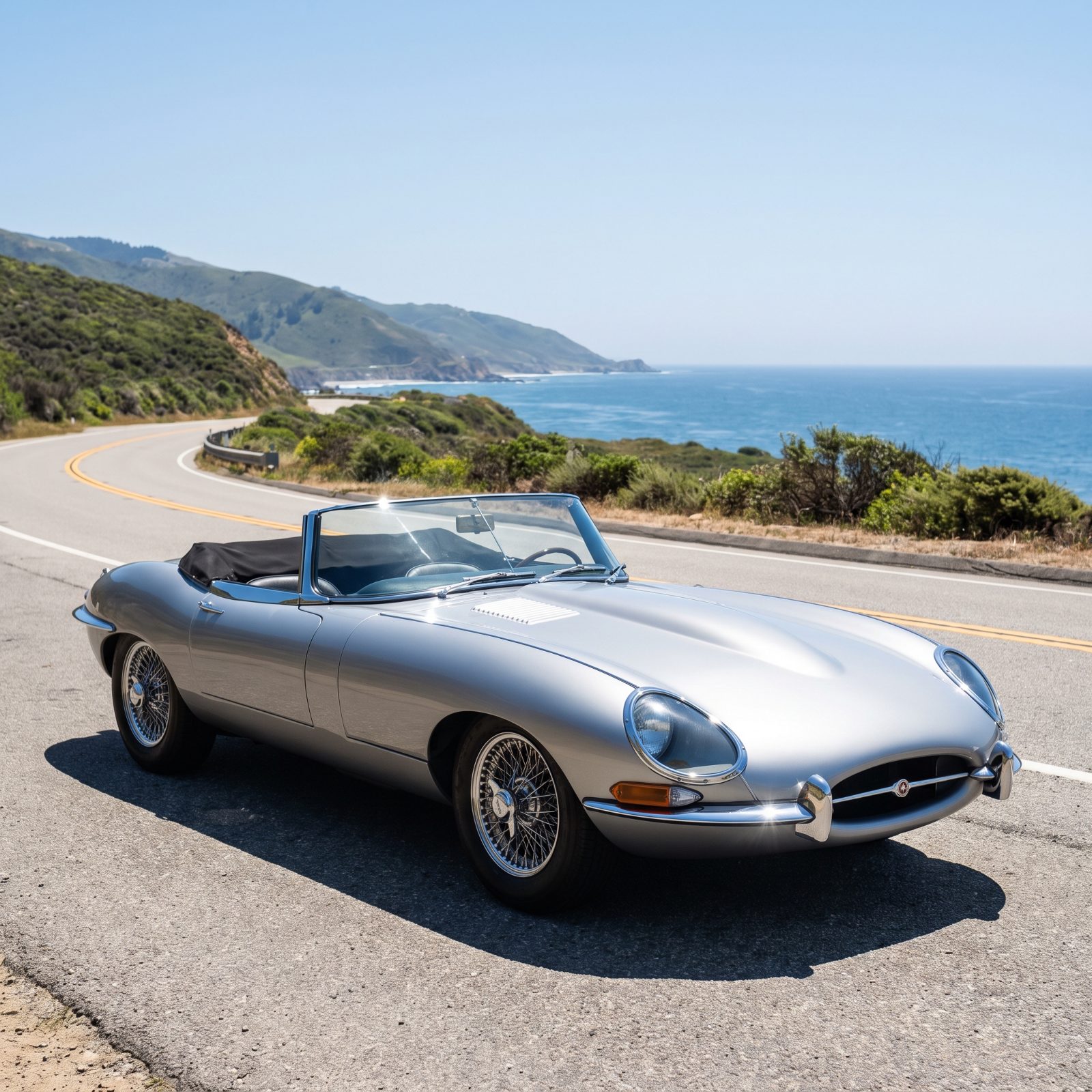
You don’t buy the two-seat convertible for the person you are. You buy it for the person you plan to become — weekend mountain roads, top down, a life that has suddenly gotten a whole lot more interesting.
That future version of you is doing a lot of the shopping. We buy for the life we imagine rather than the one we actually live, which is how a man with a long commute and two car seats winds up pricing a roadster with no back seat.
The same logic steers us toward the partner who fits a fantasy instead of our Tuesday. Buy for the life you’ve got. The fantasy can ride along, sure. Just don’t let it hold the checkbook.
What Our Readers Say
- In Jalopy Talk readers’ votes, full-size land yachts got hearts 87% of the time, compared with 79% for the other cars in the same articles.
- Station wagons drew more hearts from our readers than the other cars shown alongside them, 88% versus 83%.
From Jalopy Talk reader polls and votes.
12. You Want Reliable Until a V8 Rumbles Nearby
Would you like to save this?
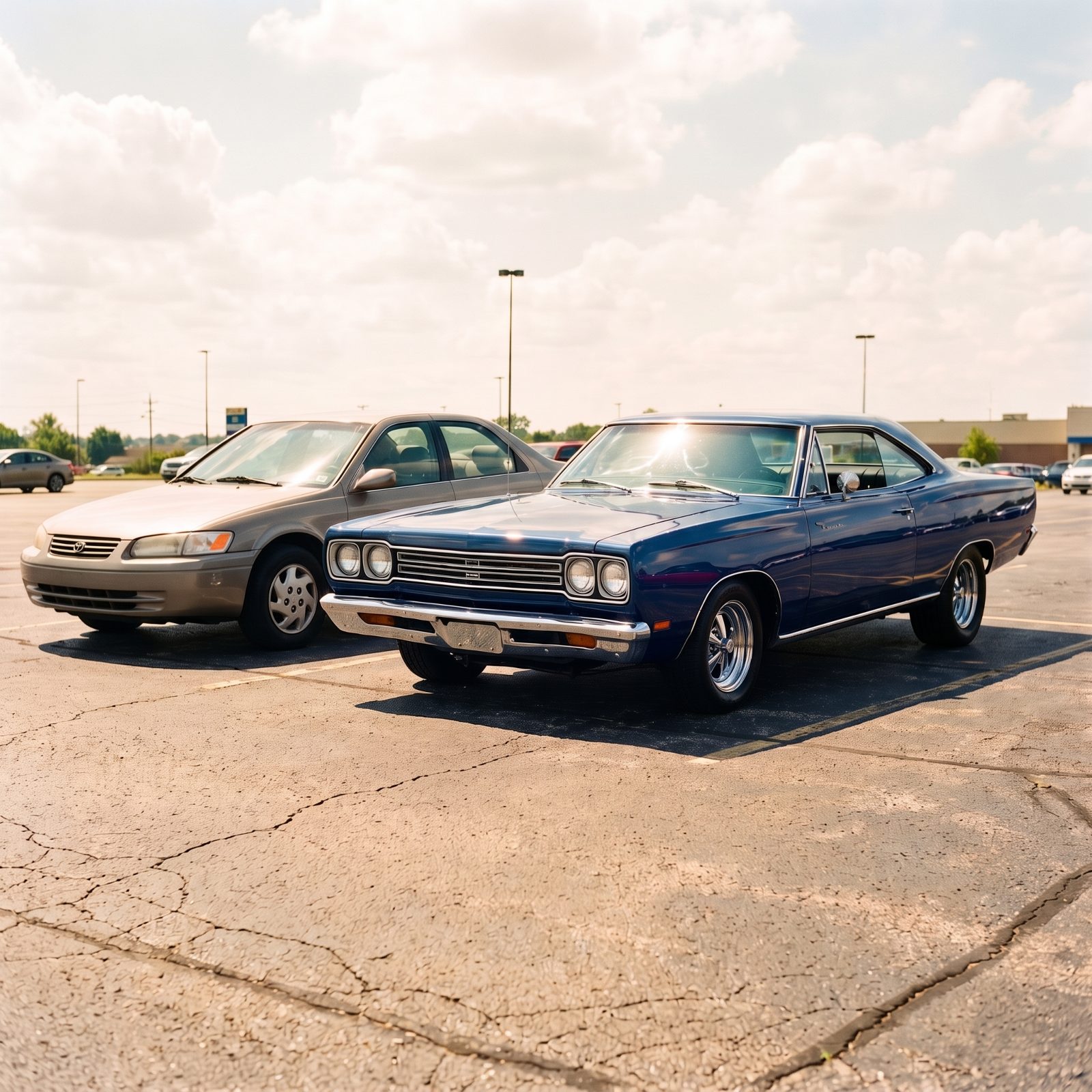
All month you’ve preached sensible. Good gas mileage, cheap parts, nothing flashy, a car that just works. You mean every word of it. Then a big V8 fires up in the very next space and that honest little commuter suddenly looks like a dustpan with wheels.
Welcome to the gap between what we say we want and what actually makes the pulse jump. We’re genuinely terrible at predicting which traits will satisfy us over the long haul. The calm, dependable choice looks right on paper and goes a little gray the second something with more thunder walks by.
Everybody knows this dance from the dating side. We claim we want steady and low-drama, then get yanked toward whoever makes the heart pound. The grown-up move isn’t pretending the rumble doesn’t move you. It’s knowing that the thing that thrills you on the lot and the thing that serves you for ten years are usually two different cars.
11. You Keep Browsing Listings After a Great Test Drive
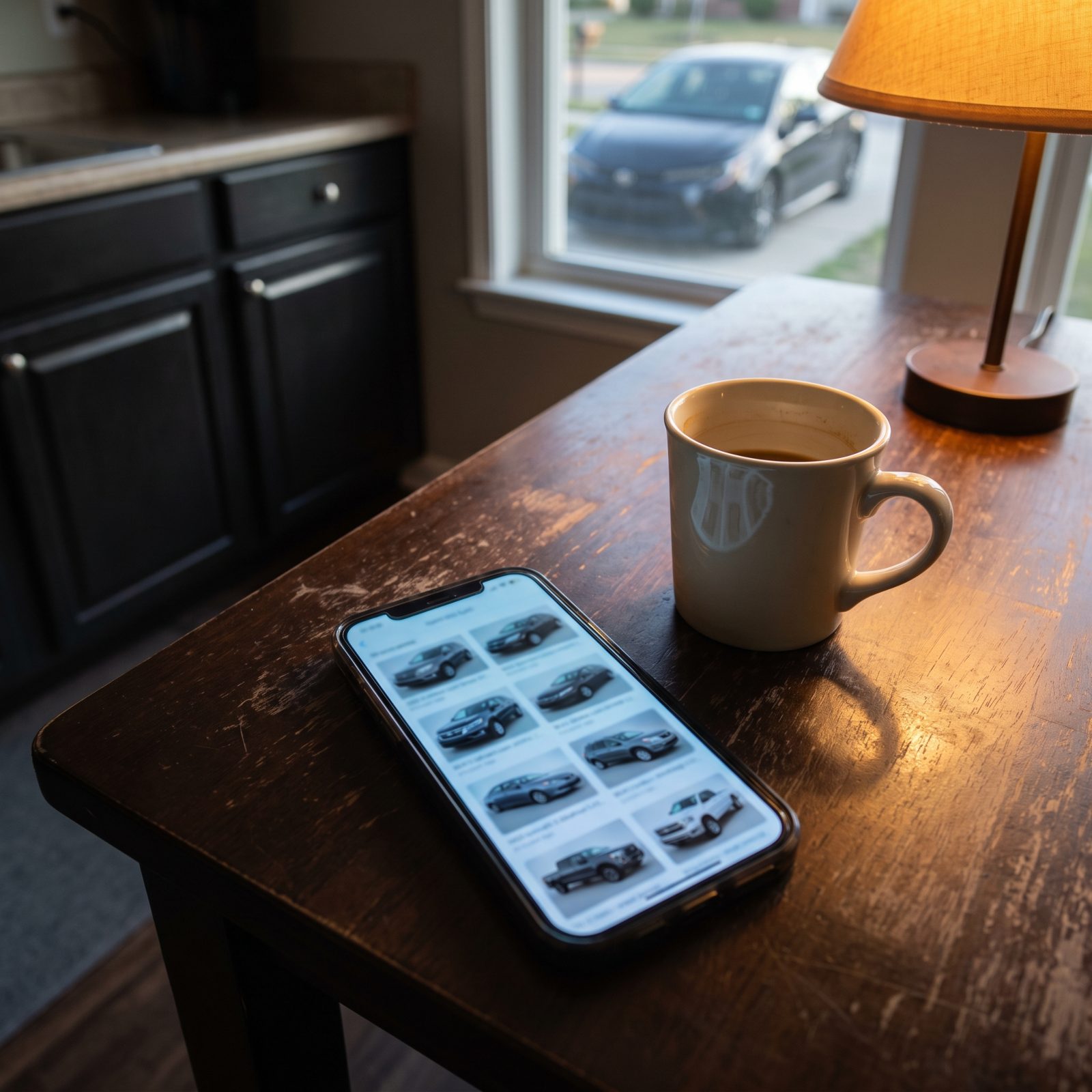
You found a good one. The drive was great, the price was fair, you shook on it. And that night there you are on the couch, thumbing through listings again, just to see what else is out there.
This is the itch that never quite scratches — the fear that somewhere, one click away, sits a slightly better deal, a slightly cleaner example, the car that would’ve been even more right. Psychologists call it maximizing, and research shows the folks who hunt for the absolute best option end up less happy with what they pick than the ones who grab a good-enough choice and shut the laptop.
The never-ending scroll has a romantic twin, and we all know its name. The constant peek over the fence. The hunch that commitment means closing a door you’d rather keep cracked. A good car, like a good relationship, asks you to stop looking. Not because better doesn’t exist somewhere out there. Because the looking itself is what keeps you from enjoying what you already found.
10. Limited-Edition Paint Panics You Into Buying
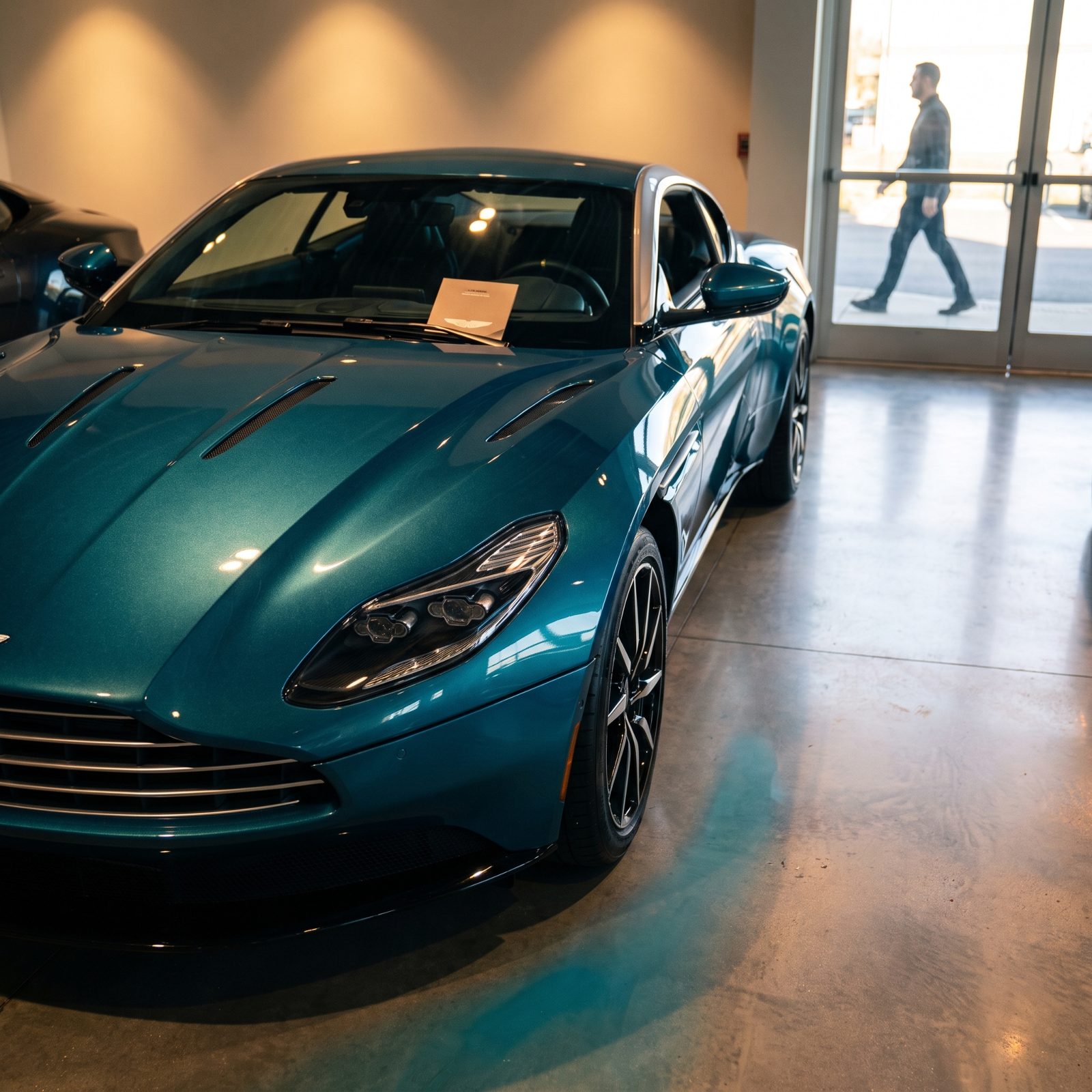
“This color’s only running through the end of the month.” You weren’t even sure you wanted the car. Now you want the color, the color came attached to a car, and suddenly you’re signing.
Same jolt that hits when someone you’ve barely noticed announces they’re moving away Friday. The clock starts, and your brain quietly upgrades a maybe into a must-have. Scarcity doesn’t make a thing better — it makes you afraid of losing it, and loss aversion is a louder voice than desire ever was.
The teal was always just paint. But a limited run tells you other people are circling, and nothing sharpens an appetite like the sense that the plate’s about to be cleared.
9. You Settle When Your Lease Return Deadline Starts Looming
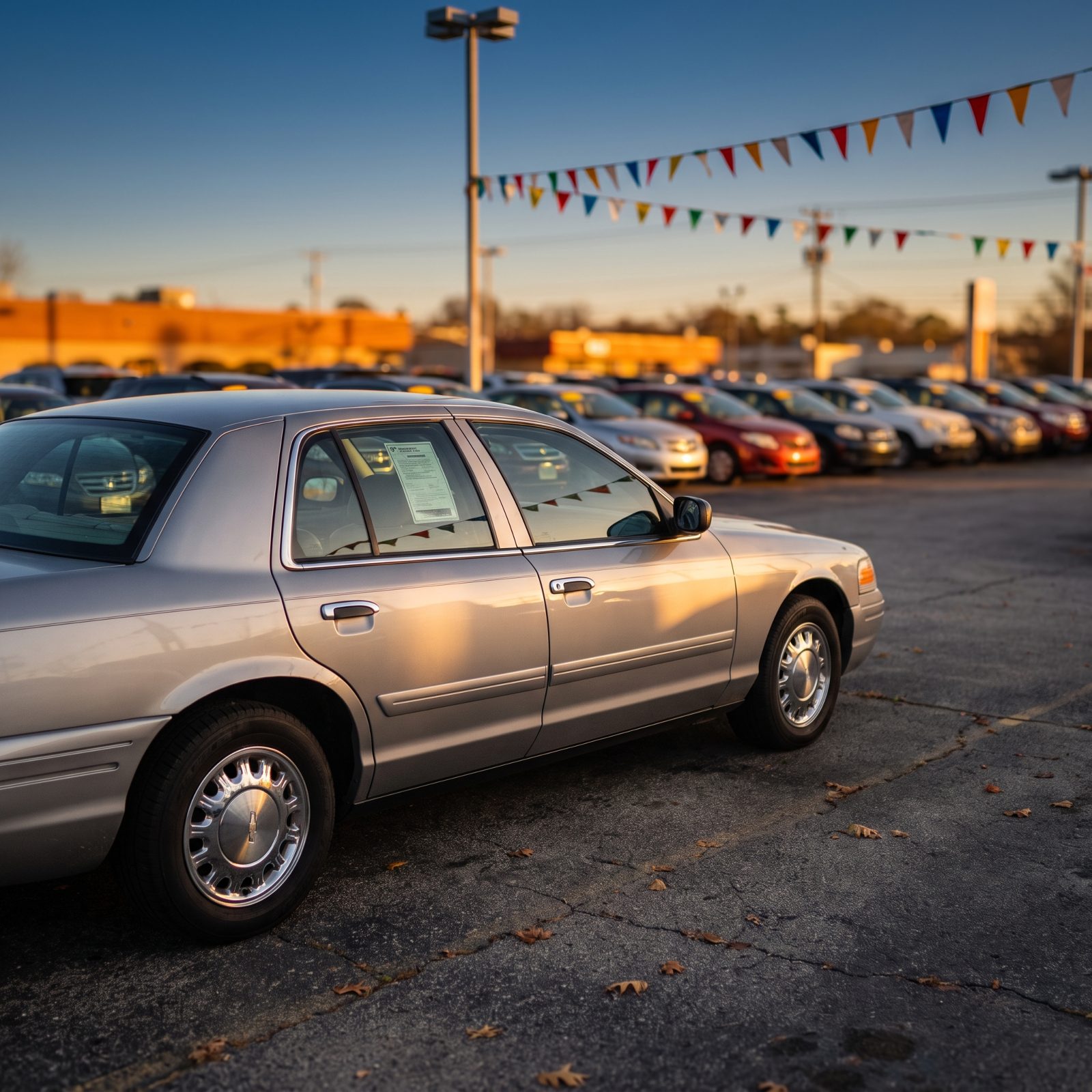
Three weeks until the lease is due back. You’d meant to shop around, test a few, really think it through — instead you walk the nearest lot and talk yourself into the silver sedan because it’s there and the window’s closing.
People pull the exact same move when a certain birthday or a friend’s wedding starts bearing down. The deadline does the choosing. Not the fit, not the feeling, just the ticking.
A deadline shrinks your options down to whatever’s in reach, and whatever’s in reach starts looking a lot more reasonable than it did a month ago. That’s not judgment. That’s pressure dressed up as a decision.
8. You Choose a Familiar Dashboard Over a Better Car
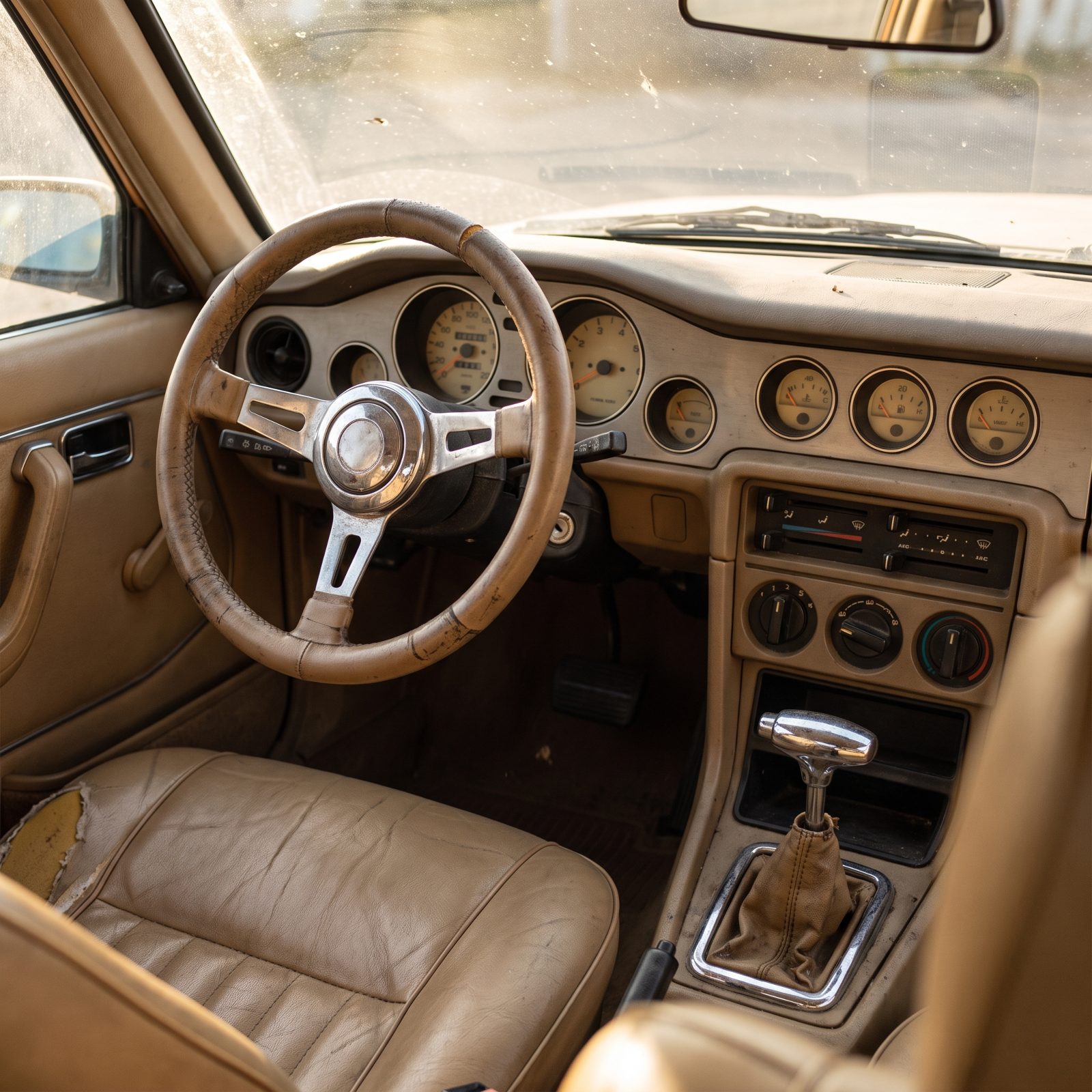
The newer model has the better engine, the safer bones, the mileage that makes sense. You buy the familiar one anyway, because you already know where every knob lives and your hand finds the shifter in the dark.
Comfort beats quality more often than any of us admit. We stay in the relationship we can navigate blindfolded even when a better one is standing right there, because the known thing asks nothing new of us.
Familiar isn’t the same as good. It’s just the thing you don’t have to learn.
That worn thumb-spot on the wheel is worth something. Just be honest that what it’s buying you is ease, not excellence.
7. You Compare Every New Car With the One That Got Away
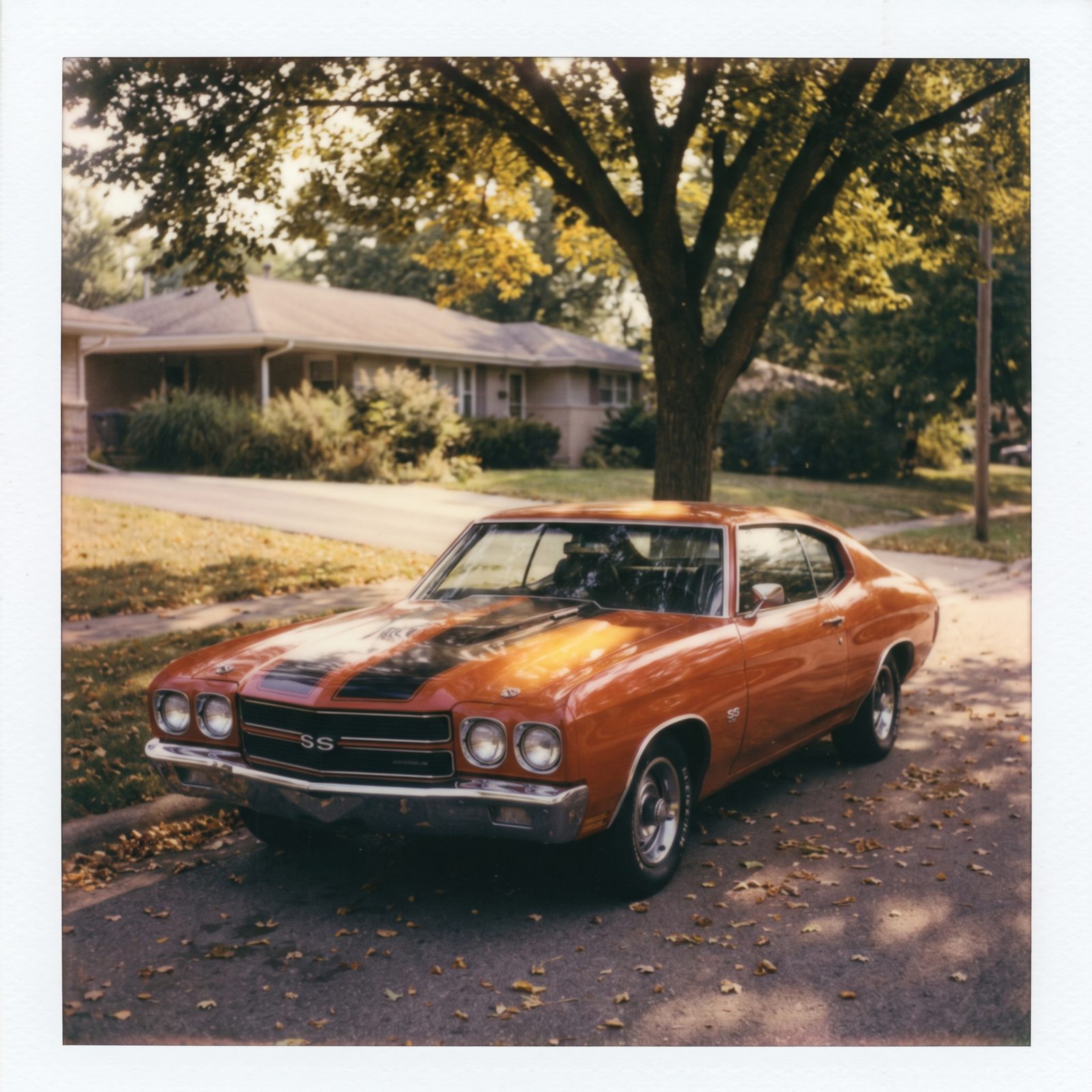
Every car you’ve bought since has been measured against the one you sold in a weak moment and never stopped missing. The orange one, with the rumble you can still hear.
We do this with people we let slip, too. Memory is a terrible editor — it keeps the good scenes and quietly deletes the overheating, the shop bills, the mornings it wouldn’t start.
The car that got away is always perfect, because it never had to survive another decade of actual ownership. You’re not comparing new cars to a real one. You’re comparing them to a highlight reel, and nobody beats a highlight reel.
6. One Bad Breakdown Sends You Into a Rebound Car
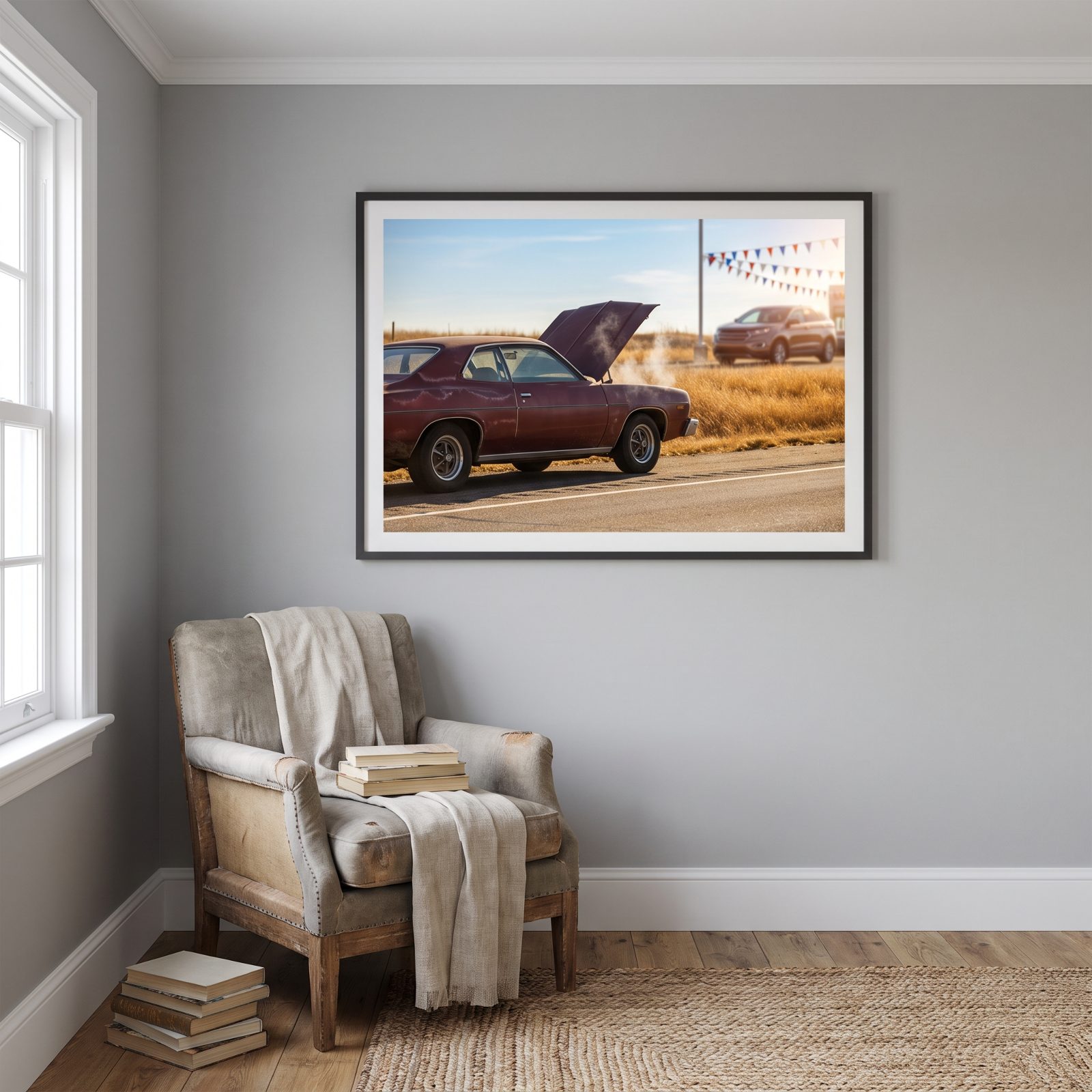
The timing belt lets go on the interstate. By that evening you’re on a lot, keys in hand, buying something new and shiny mostly to stop feeling that stranded, steaming helplessness.
That’s a rebound, plain as day — the same move people make after a bad breakup, when the point isn’t the next one, it’s just not being in the last one anymore.
Decisions made inside a flush of frustration aren’t really decisions. They’re reactions. The car you buy mad is rarely the car you’d have chosen calm, and the credit statement arrives long after the adrenaline wears off.
5. The First Scratch Makes Your Dream Car Feel Ordinary
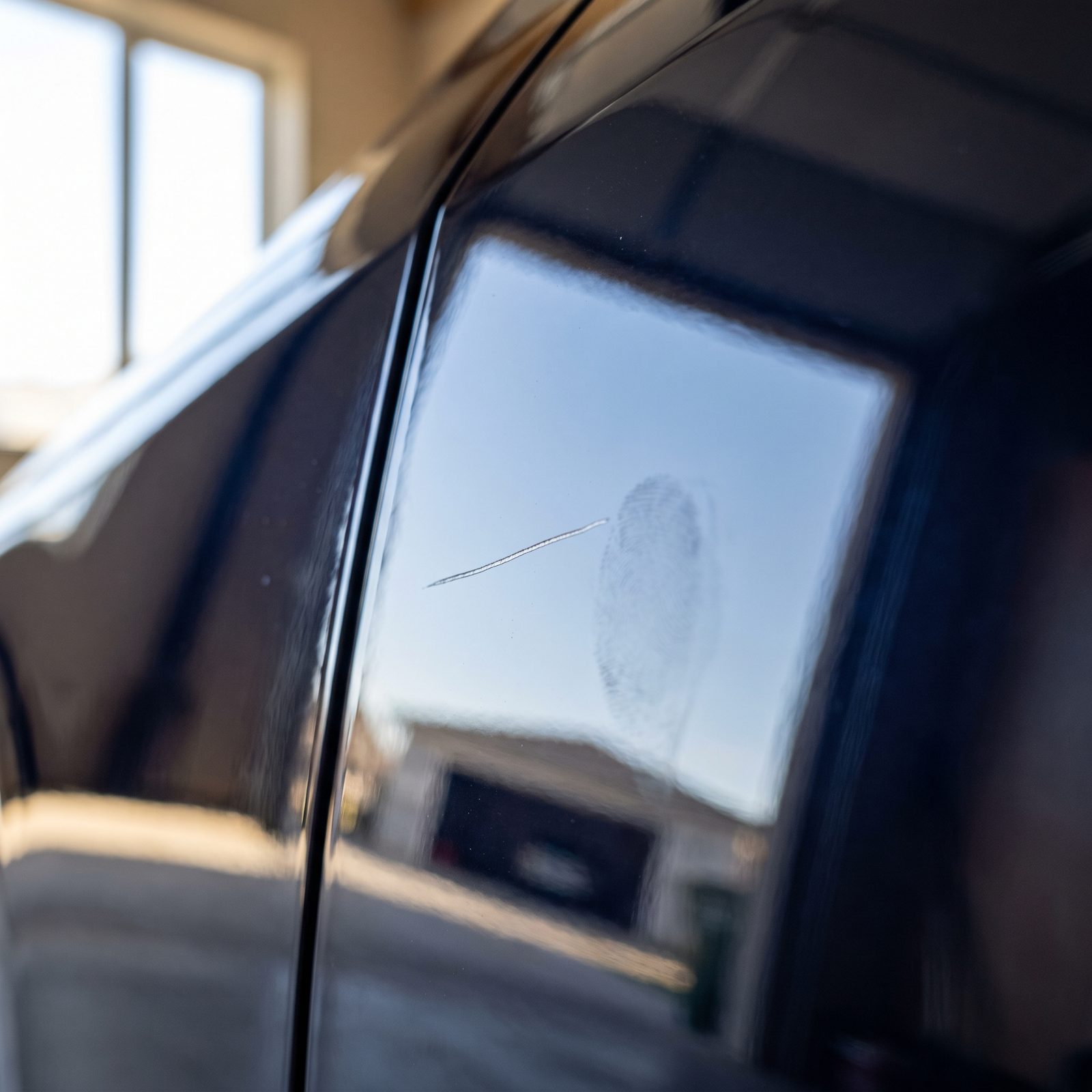
For three weeks it was perfect. Then a shopping cart in a parking lot leaves a hairline scratch on the door, and some spell breaks. The dream car becomes just a car.
Hedonic adaptation, that’s the culprit, and it runs the same play in every new relationship. The thrill of the flawless always fades, and that first flaw just hands your brain permission to stop being dazzled.
Nothing about the car actually changed — one scratch can’t undo an engine. What changed is you, settling back down to baseline, where you were always headed. The honeymoon ends on schedule whether it’s a car or a courtship.
No surprise that flawless matters to us: our readers hearted concours-restored cars 85% of the time, versus 74% for the other cars in the same articles.
4. You Add Mods Instead of Admitting the Car Isn’t Right
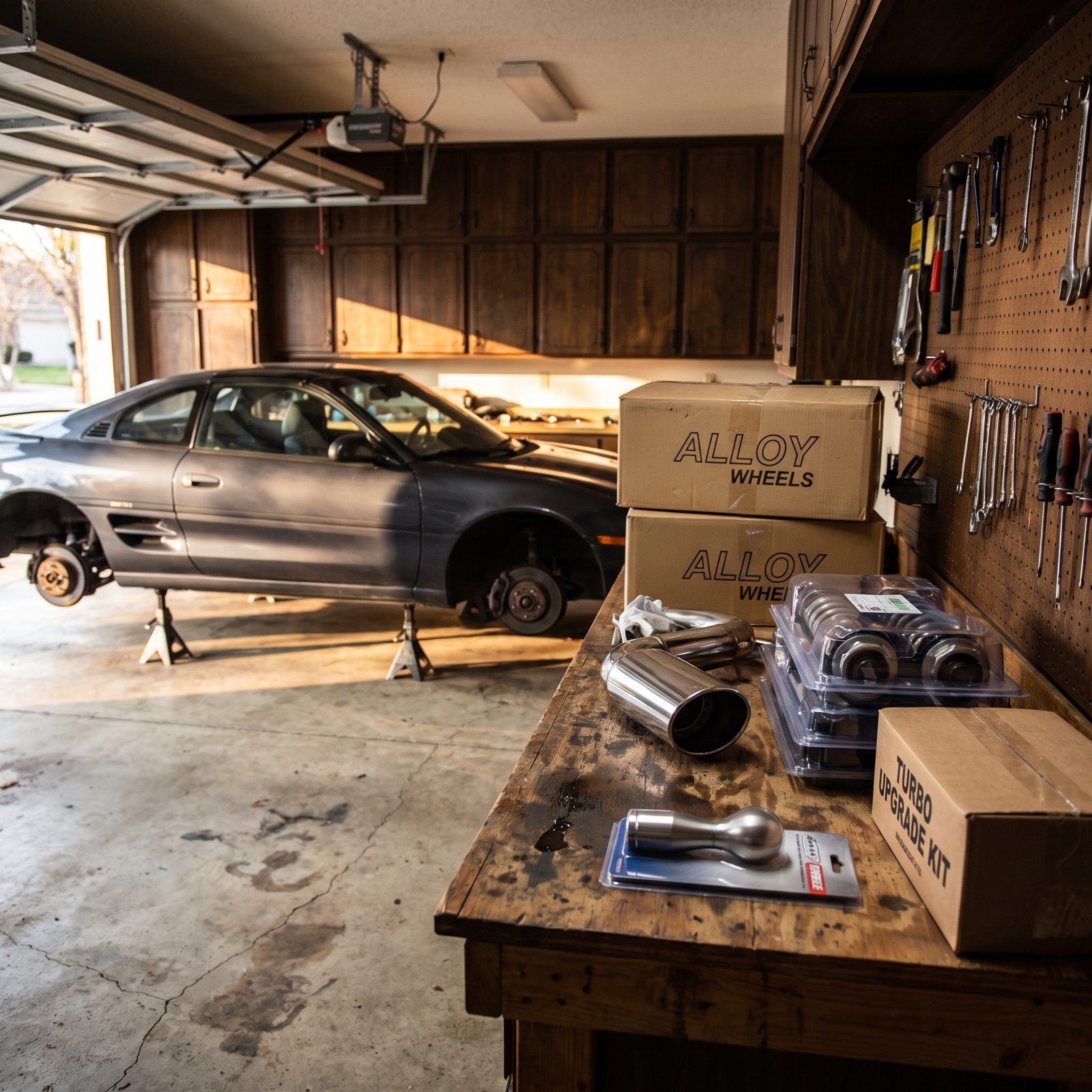
New wheels. A tune. A better exhaust. You keep bolting improvements onto a car that, deep down, was never the one you wanted, because fixing feels braver than admitting.
People renovate relationships the same way — new routines, new rules, one more earnest try, anything but saying the hard thing out loud. The effort becomes the proof it’s worth saving.
Here’s the cruel part. The more you pour in, the harder it gets to walk, because now you’d be abandoning all that work too. The mods don’t fix the fit. They just raise the cost of being honest with yourself.
3. You Keep Paying Repairs Because You’ve Already Paid So Much
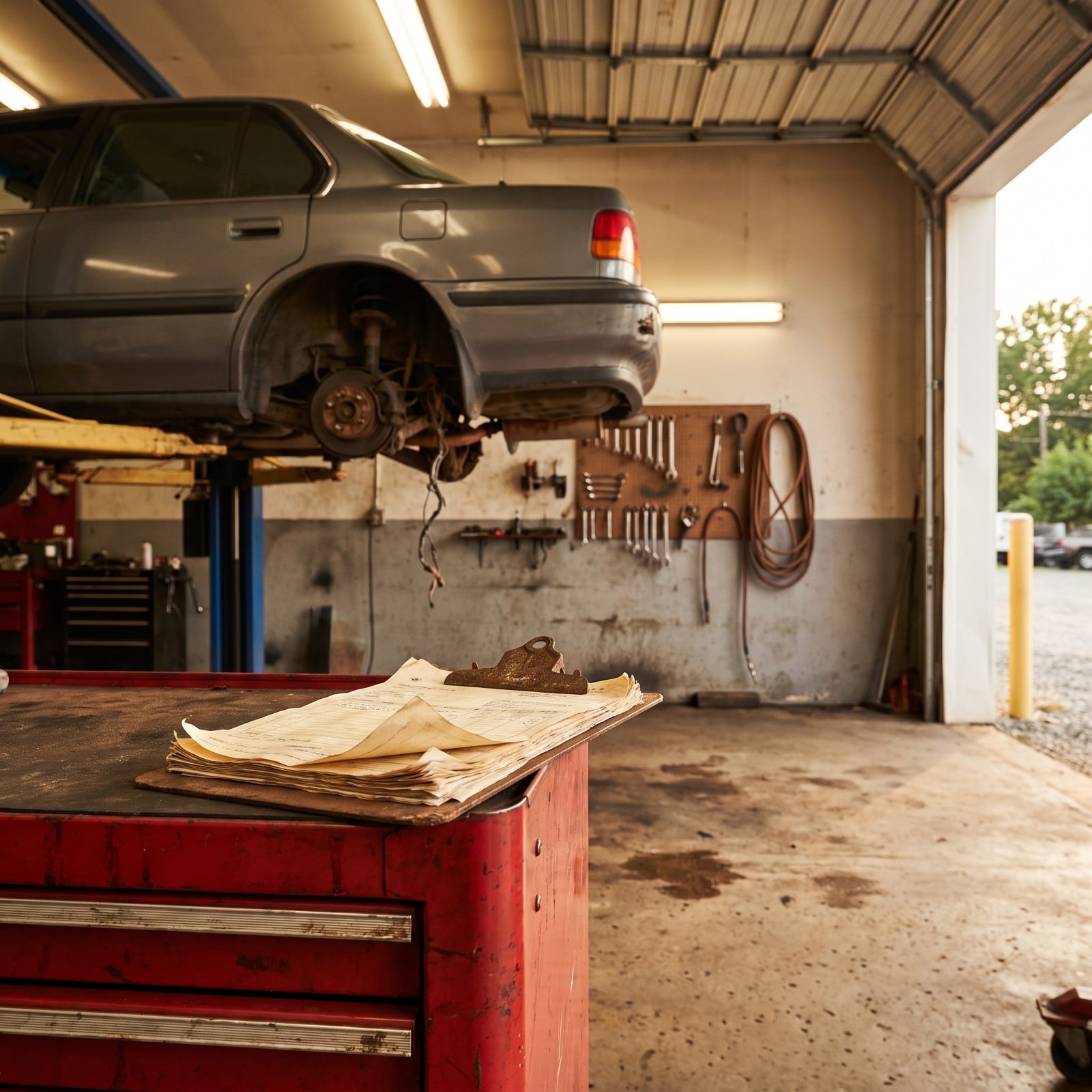
The transmission needs work. Again. You’ve already sunk more into this car than it’s worth, so you fix it one more time, telling yourself you can’t quit now after all that.
That’s sunk-cost fallacy, and it keeps people in dying marriages and dead-end jobs exactly as often as it keeps old cars limping down the road. The money you already spent is gone. It can’t be earned back by spending more.
But the brain hates waste so much it’ll throw fresh money after lost money just to avoid admitting the loss. The invoices stack up like a dare. The only question that matters is whether this car is worth it from today forward, and that answer doesn’t care what you spent last spring.
2. You Blame the Car After Skipping Every Service
Would you like to save this?
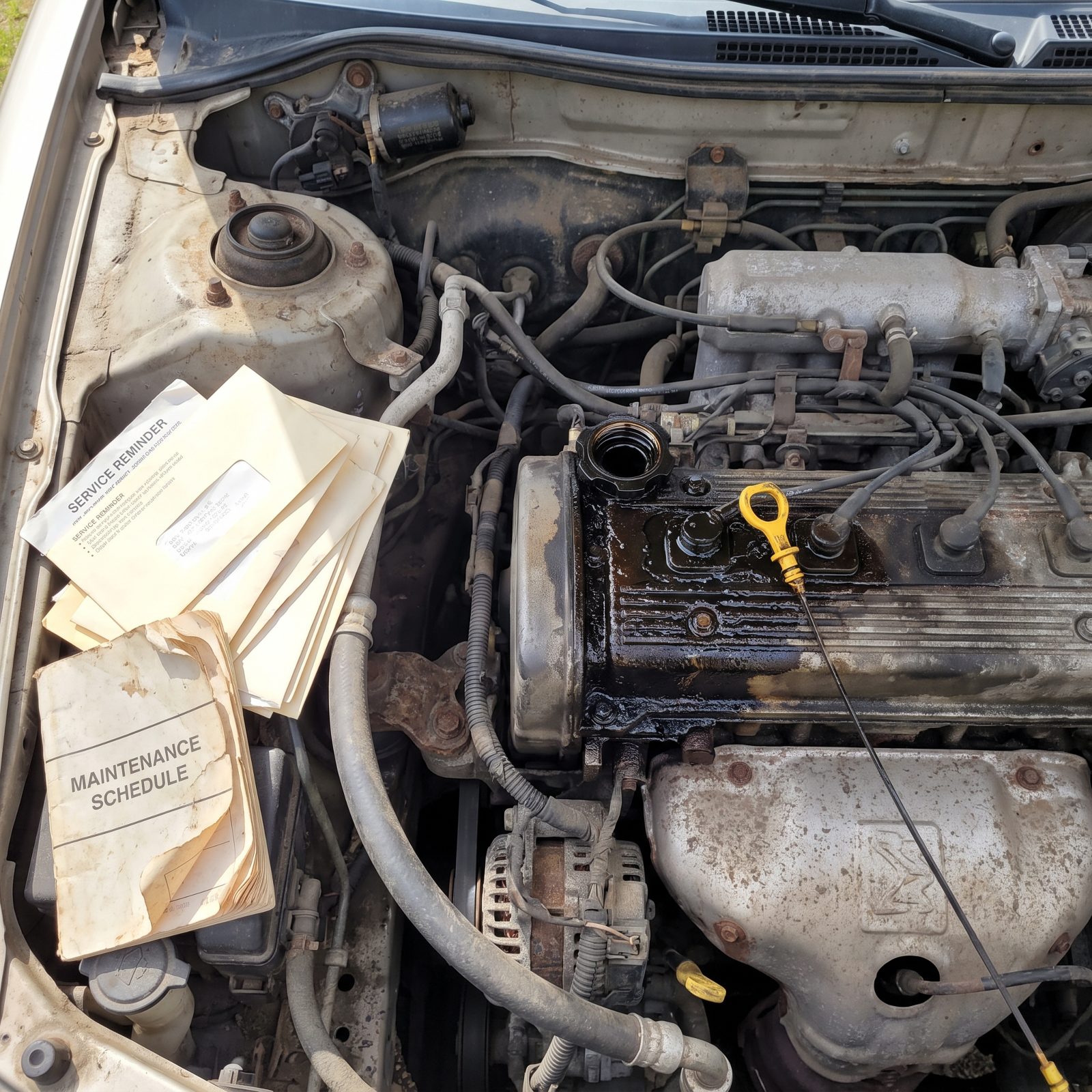
You never changed the oil on schedule, skipped the coolant flush, drove it hard and cold. Then the engine lets go and you curse the car for being junk.
Easy to miss how much of that was yours. We do it in relationships too — neglecting the small upkeep for years, then acting shocked and wronged when the whole thing seizes.
Blaming the car protects your ego. A faulty machine is nobody’s fault. A machine you starved of care is harder to look at. Most breakdowns, like most heartbreaks, send warning lights long before the final failure. The dash was blinking. You just preferred not to read it.
1. You Defend the Monthly Payment Once the Keys Are Yours

The night before you bought it, the payment seemed steep. The morning after, you’re explaining to anyone who’ll listen why it’s actually a smart deal — great resale, built to last, cheaper than you’d think.
Nothing about the price changed overnight. You did. Once a choice is locked in, the mind gets busy making peace with it, and the loudest defender of any decision is the person who can no longer undo it.
Same reason people talk up a partner hardest right after things got serious. Doubt is uncomfortable. Commitment demands we believe we chose well, so we go hunting for the reasons after the fact and call them our real reasons all along.