
Would you like to save this?
There’s a guy at every cookout who has bought the same brand four times running, defends it like family, and cannot tell you a single reason that holds up under questioning. You know the one. Maybe you are the one.
Please note that some of the images in this article were created with the assistance of AI.
Brand loyalty in cars isn’t loyalty at all. It’s that same tangle of memory, fear, and sunk cost that drags people back to a partner they already know doesn’t quite work. The familiar leak. The quirk you forgave. The badge that smells like your father’s garage. What follows are the forces that keep your hand drifting toward the same showroom, over and over, and why they feel exactly like the pull of an old flame who still has a drawer at your place.
18. You’d Rather Face Known Problems Than Mystery Problems
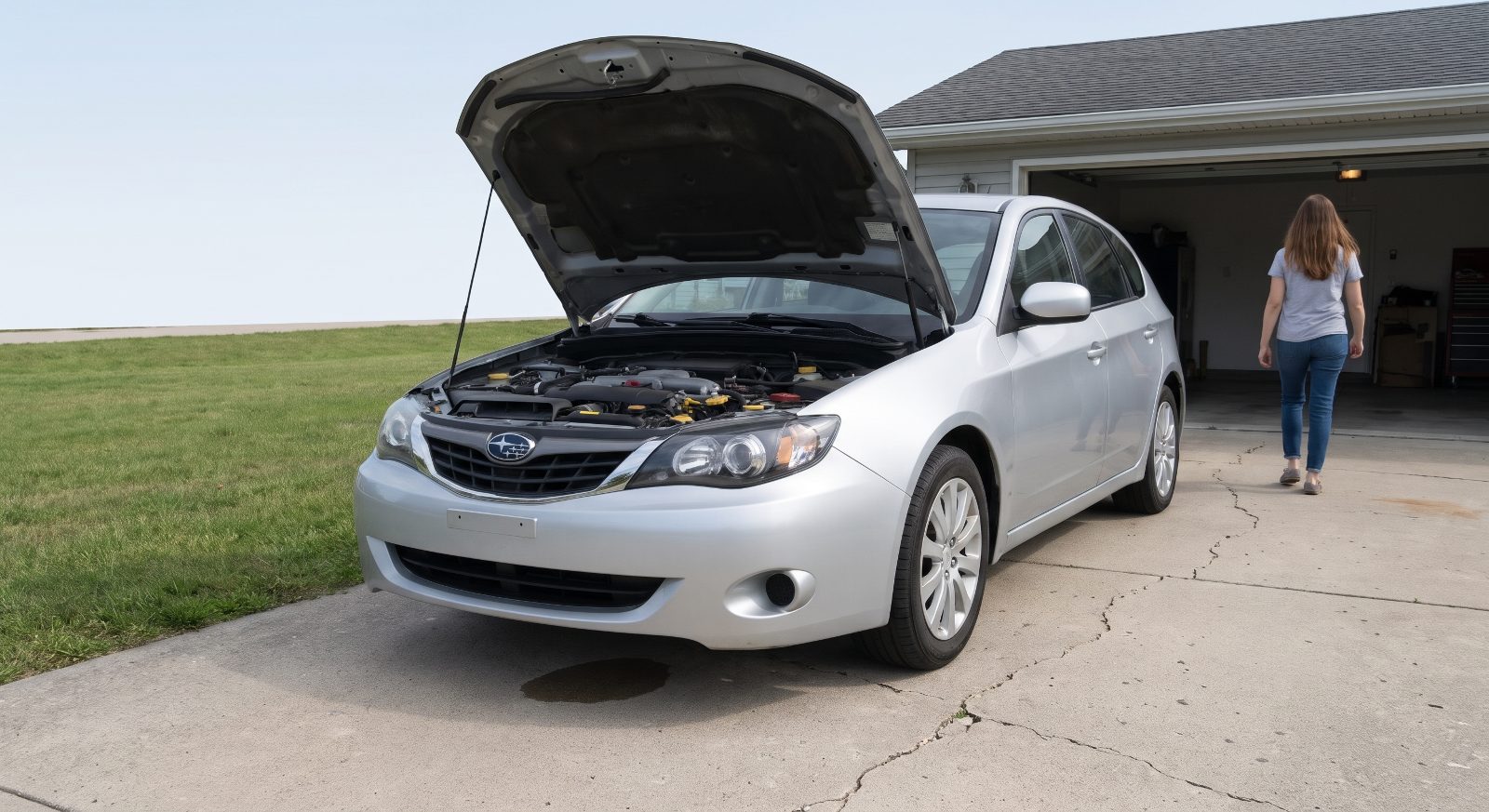
The devil you know gets a free pass no stranger ever would. Your current car burns a little oil between changes, the window motor hesitates in the cold, and the rear door has that trick you’ve learned to pull just so. You’ve made peace with all of it.
Now imagine switching brands. A whole new catalog of unknown failures waits out there, and your brain treats every one of them as scarier than the ones you’ve already survived. Call it loss aversion doing its quiet work. A known flaw feels smaller than a mystery flaw, even when the mystery one might never show up — which is the exact math that keeps people circling back to a familiar partner. The arguments you’ve already had feel safer than the ones you haven’t met yet.
17. You Call the Brand’s Worst Quirks “Character”
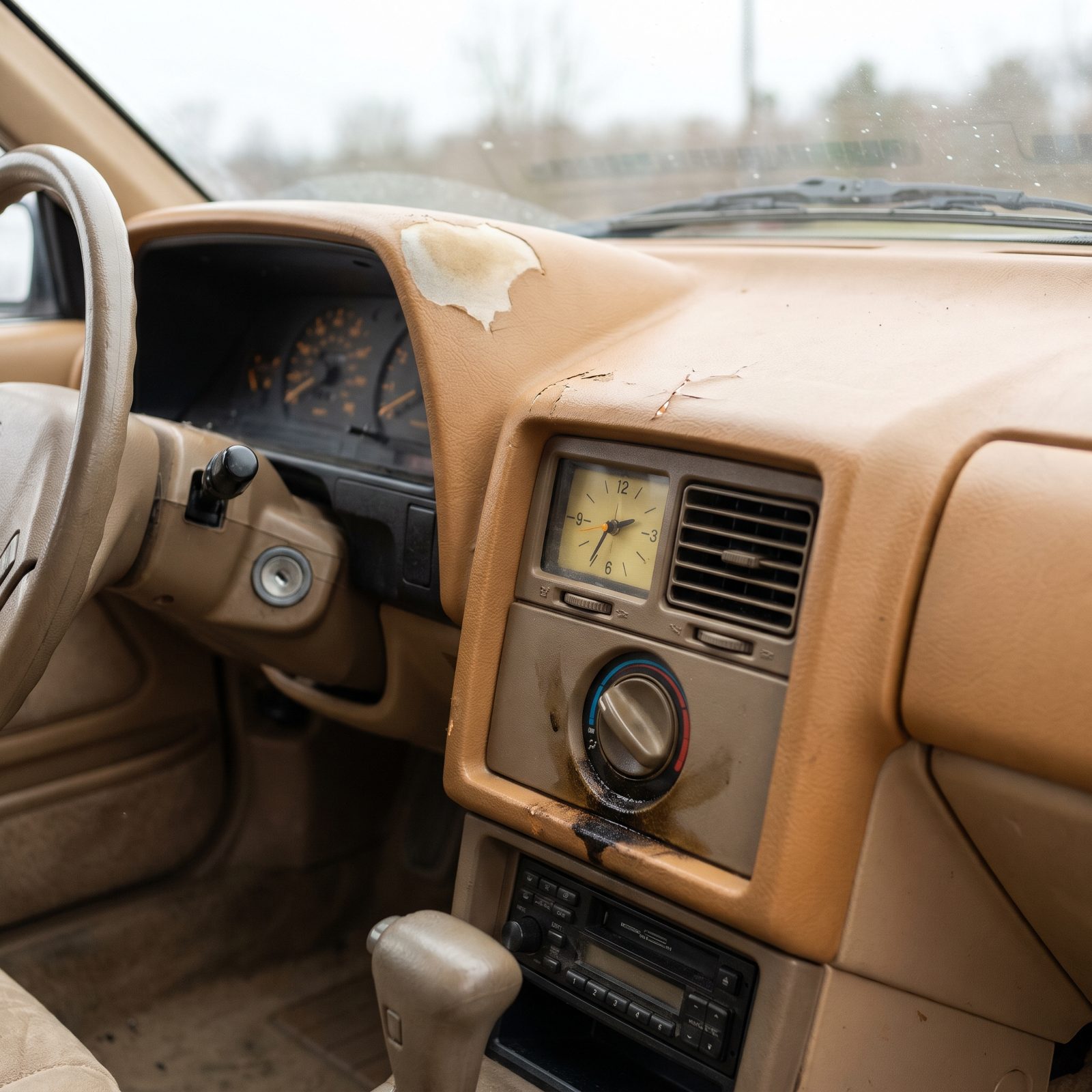
Every owner has a list. The trunk that needs a shoulder-check to close, the heater that roars like a leaf blower on step one, the turn signal with a mind of its own. Strangers would call these defects. You call them personality.
This is the halo effect running backward, the same thing that happens when you describe an ex’s worst habit as “just how they are.” Once you’ve decided you love something, your mind quietly reframes its flaws as charm. The quirk stops being a problem and becomes a private joke between you and the machine, proof you two have history. Nobody re-labels a stranger’s annoying tic as endearing. You only do that for the ones you’ve already chosen to keep.
16. A New Grille Makes You Swear the Brand Has Changed
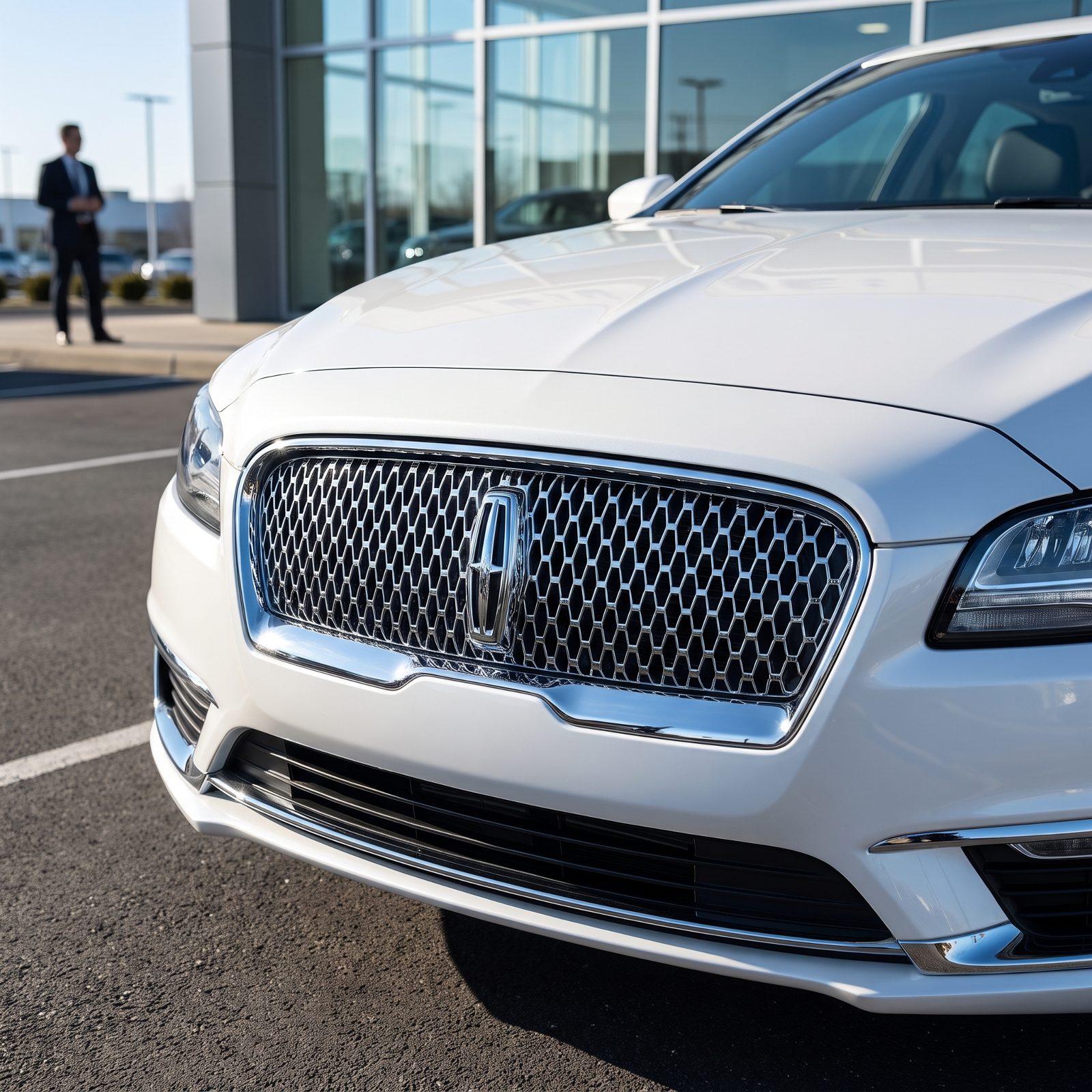
The brand slaps a fresh face on the same old platform, adds a touchscreen, repaints the brochure — and suddenly you’re convinced it’s a different company entirely. Those reliability complaints from last year? Surely addressed. The transmission that gave three owners grief? Surely sorted now.
Welcome to the fresh-start fallacy, the belief that a visible change signals a deep one. A new grille works on car buyers the way a new haircut and a sincere apology work on someone deciding whether to give it another go. The surface shift lets you imagine the core has reformed, even when nothing underneath has budged an inch.
15. One Terrible Model Becomes “Just a Bad Year”
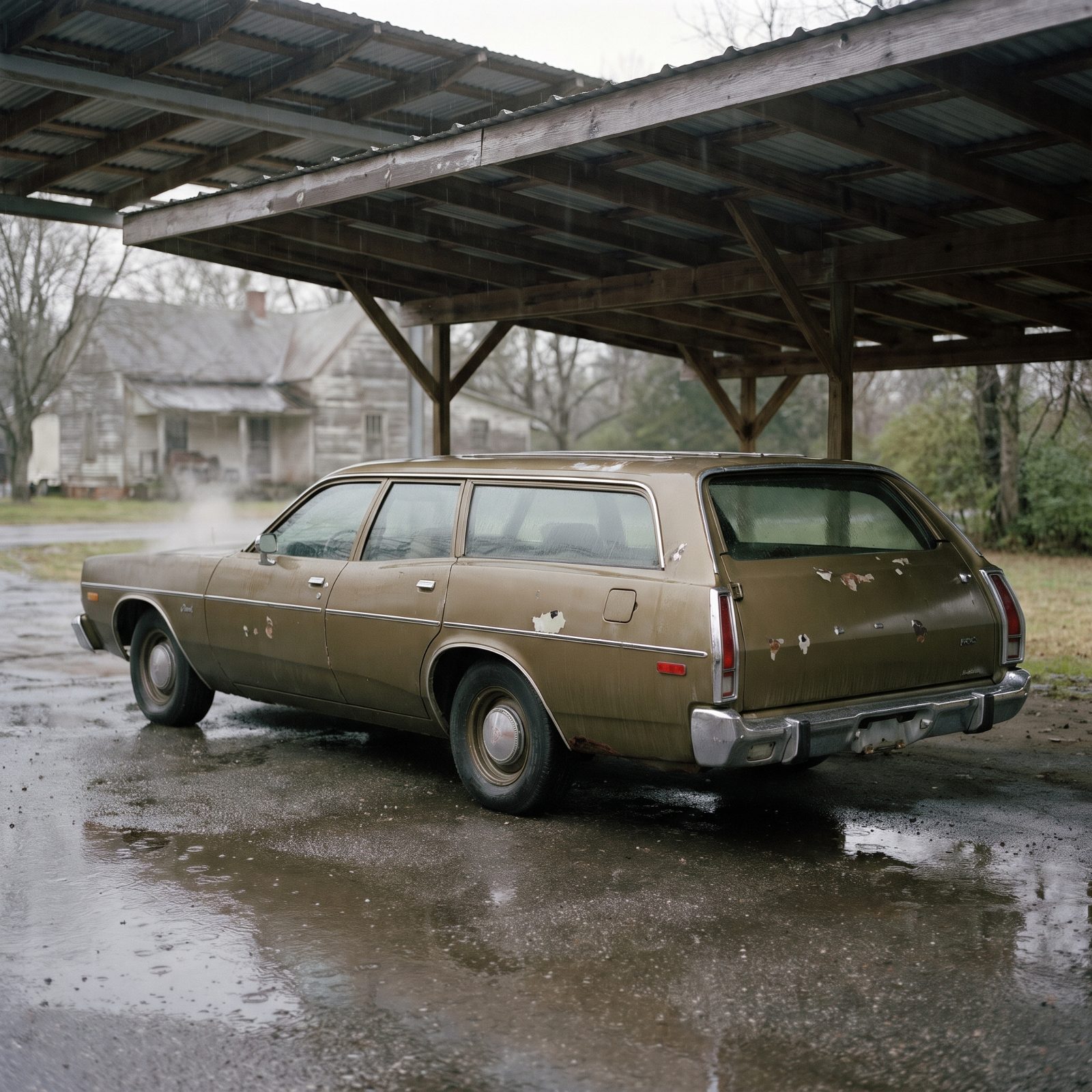
Everybody knows that one model year was a disaster. The one your buddy warned you about. The one with the engine that never saw the far side of 90,000 miles. But when it comes from your brand, the story softens. It wasn’t the brand’s fault. It was a rough stretch, a bad batch, not who they really are.
You’ve heard this exact speech applied to a person. “He was going through something.” “That wasn’t the real her.” We quarantine the evidence we don’t like so it can’t poison the larger loyalty we’ve already signed up for. The flop gets filed under exception. The pattern stays intact. One rotten year never gets to define a brand you’ve already decided to believe in.
14. Your First Car Keeps Choosing Your Next Badge
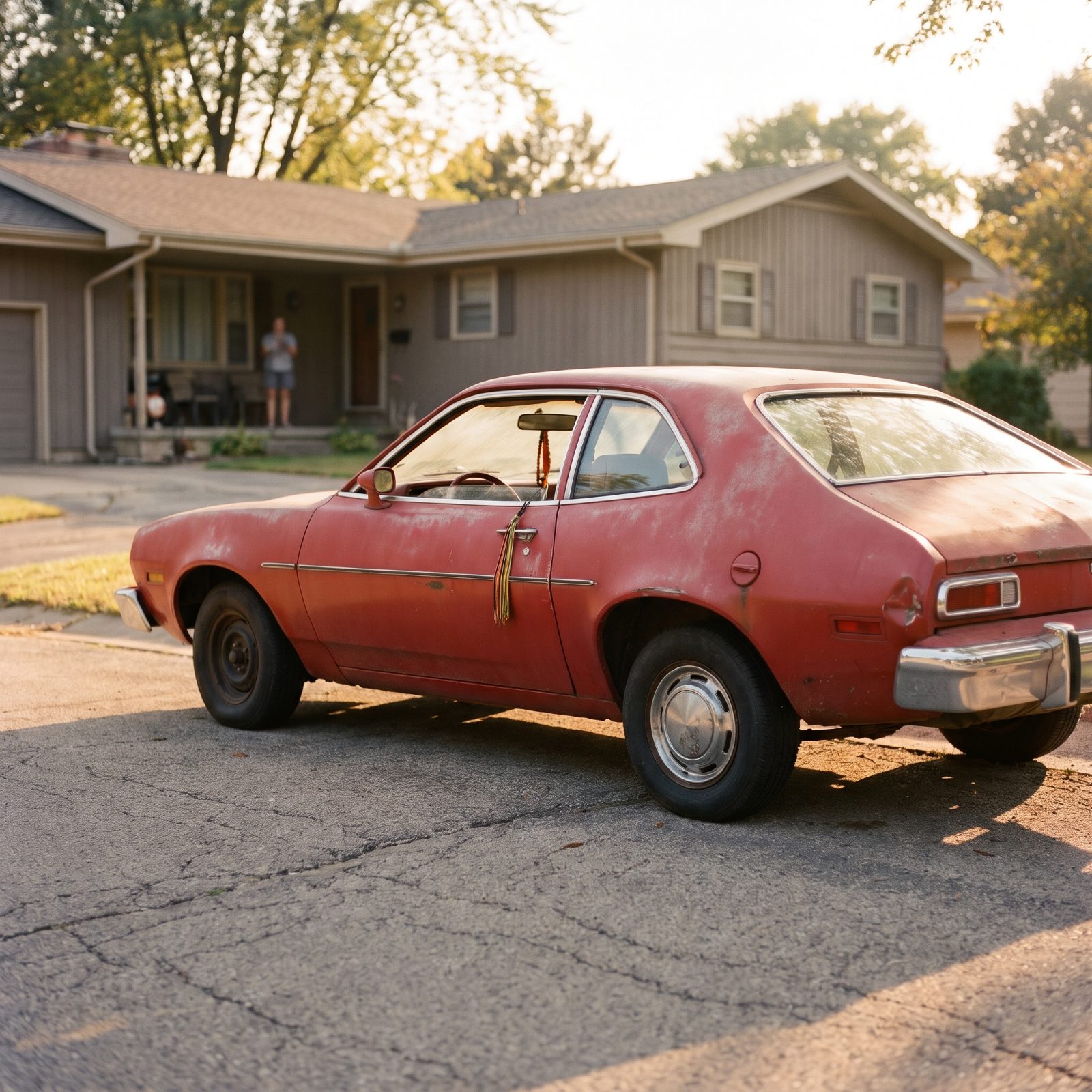
The first car is never just transportation. It’s the first taste of freedom, the first radio sing-along, the first fight with a parking spot you lost. Whatever badge wore you through all that gets wired straight into your sense of what a car should feel like.
Thirty years later you’re standing on a lot, and your hand drifts toward that same marque for no reason you could put into words. It feels right. That’s the imprint of a first love setting the template for everyone who follows — we spend years unconsciously hunting for the shape of our first attachment, in people and in sheet metal alike, mistaking plain familiarity for taste.
13. Dad Drove Fords, So Ford Still Feels Like Home
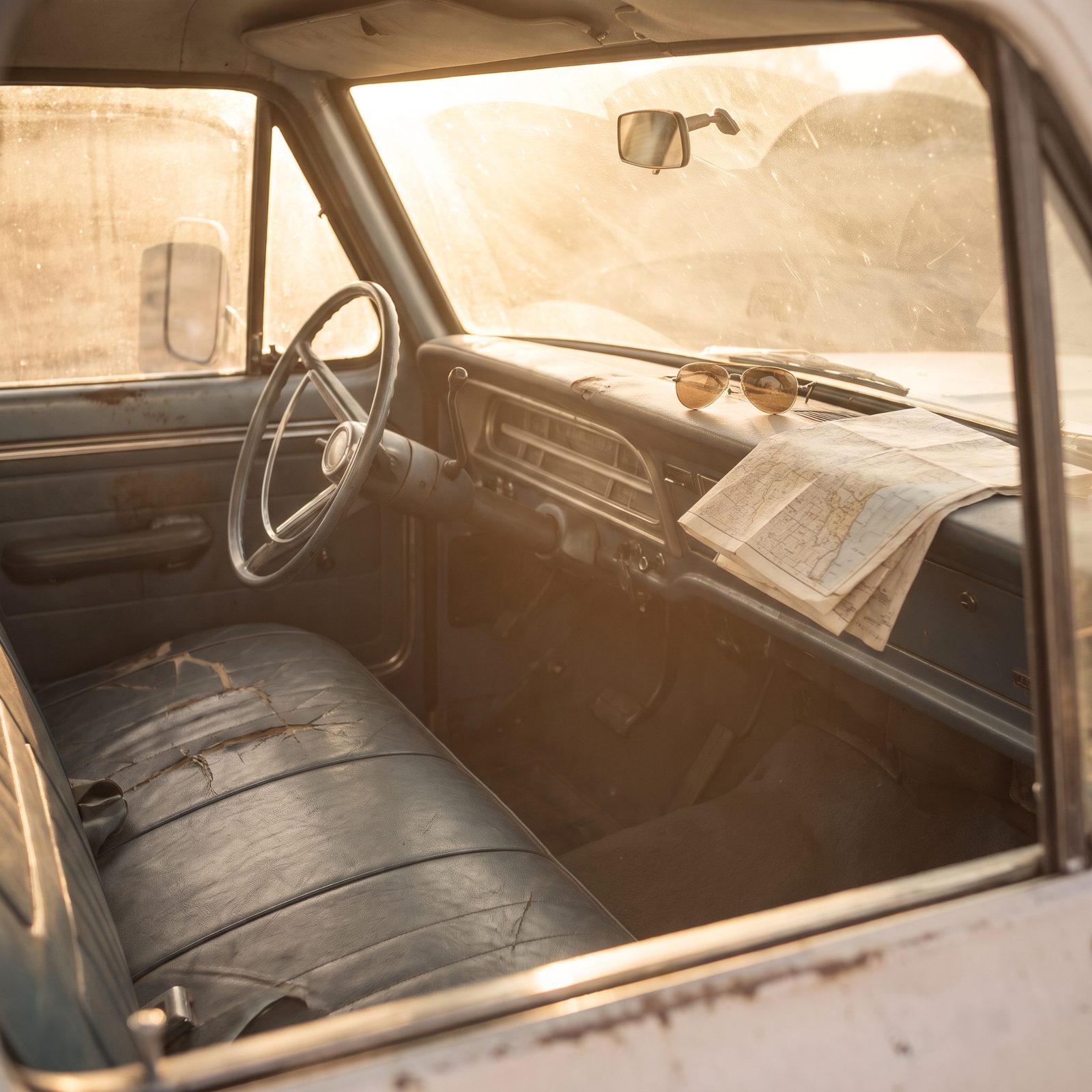
The smell of your father’s garage. The badge on the tailgate of the truck you rode shotgun in before you could reach the pedals. The way he’d thump the dash and say they don’t build them like this anymore. That stuff doesn’t leave you.
Loyalty like this gets inherited the way a last name does, handed down through riding along and watching the man you looked up to swear by one blue oval. Choosing his brand later isn’t really a product decision. It’s a way of keeping him close, the same reason people drift back toward partners who remind them of home. Comfort and belonging get stamped onto a badge, and the badge becomes a feeling you can drive.
12. You Trust the Subaru That Got You Through the Crash
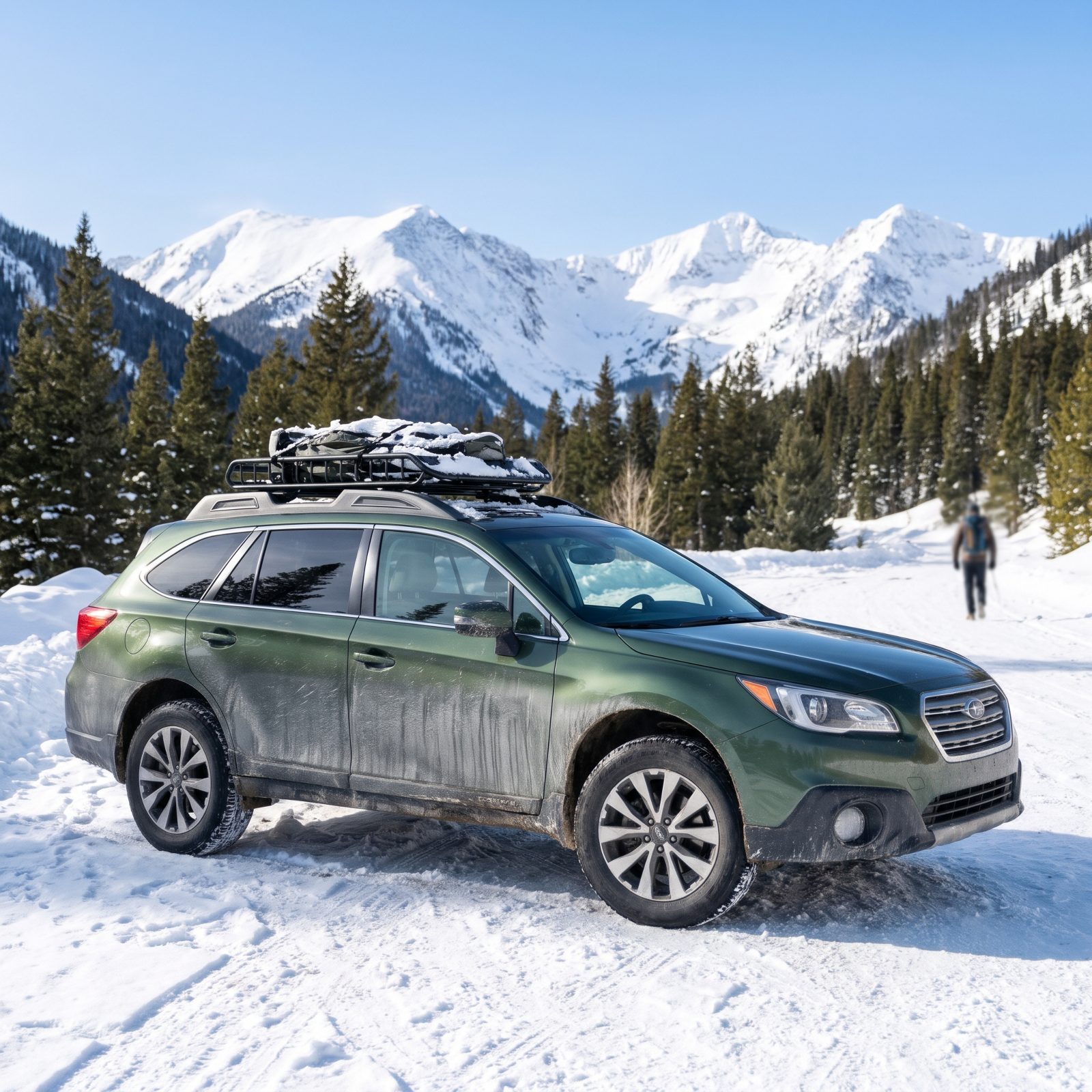
Some loyalty gets bought in a single terrible moment. The car that held together when the other driver didn’t stop. The one that climbed the ice when nothing else would. The one that kept the family intact on a night you still don’t talk about much.
After that, no spreadsheet is talking you out of the brand. You owe it something now. A bond forged under threat runs deeper than any sales pitch, and it’s the same mechanism that cements an attachment to a person who showed up when it counted. One moment of being protected outweighs a hundred ordinary days. The car didn’t just do its job. It proved it had your back, and you don’t walk away from that.
11. One Great Toyota Makes Every Toyota Seem Trustworthy
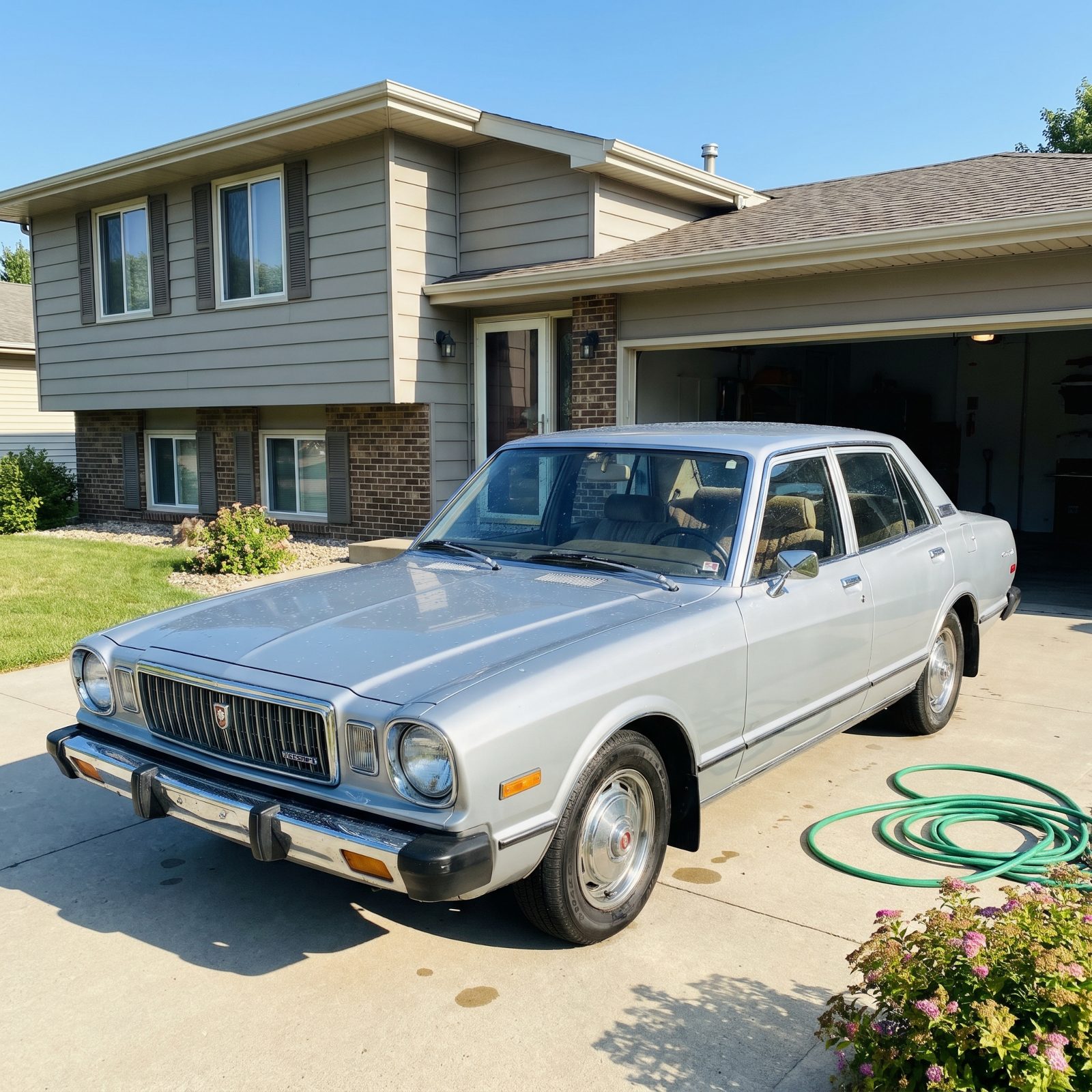
You had one that ran well past a quarter million miles and never once left you stranded. From that single experience, you now believe every car wearing that badge is bulletproof — including models you’ve never driven and whole classes the company barely makes.
Meet the representativeness heuristic, where one vivid example quietly becomes the rule for the whole category. It’s the same leap people make when one good relationship with a certain kind of partner convinces them the entire type is safe. Your sample size is one. Your conviction is total. And honestly? It might even be right. But notice the belief arrived long before any evidence could justify it.
10. You Know Exactly Where Every Dashboard Button Lives
Would you like to save this?
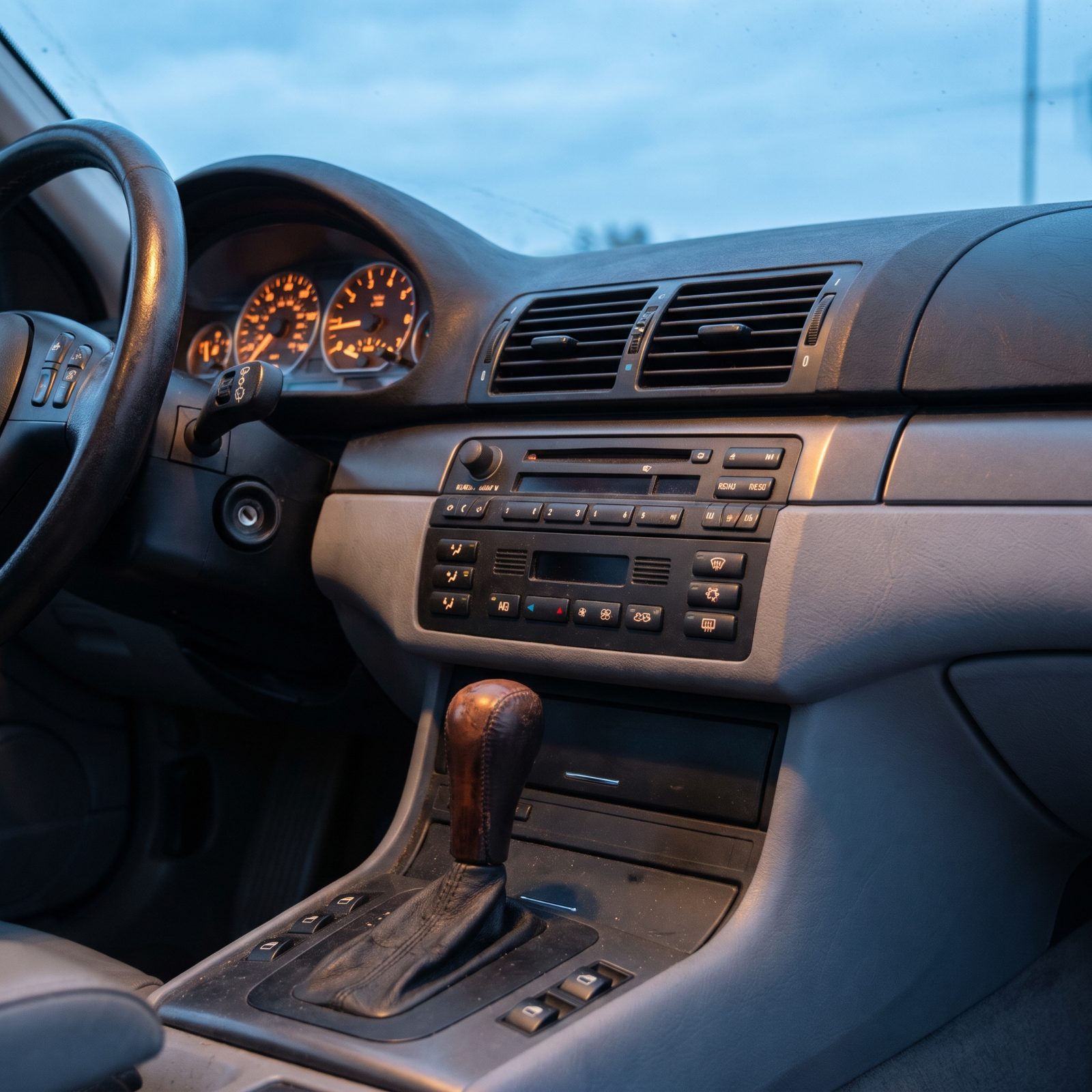
You can find the defroster in the dark. Your thumb lands on the volume without looking. The wipers, the fog lights, the trunk release — all of it lives in muscle memory now, mapped so deep you don’t even register it as knowledge.
Switch brands and you lose every bit of it. Suddenly you’re hunting for the hazards at a four-way stop like a nervous teenager. Sticking with one brand keeps that fluency intact, and the comfort of already knowing someone’s whole layout is real currency — we undervalue it right up until it’s gone. It’s why reconnecting with a former partner can feel like slipping into a warm room. You already know where everything is, and starting over somewhere unfamiliar is genuinely exhausting.
9. Your Mechanic Already Knows That Engine’s Favorite Leak
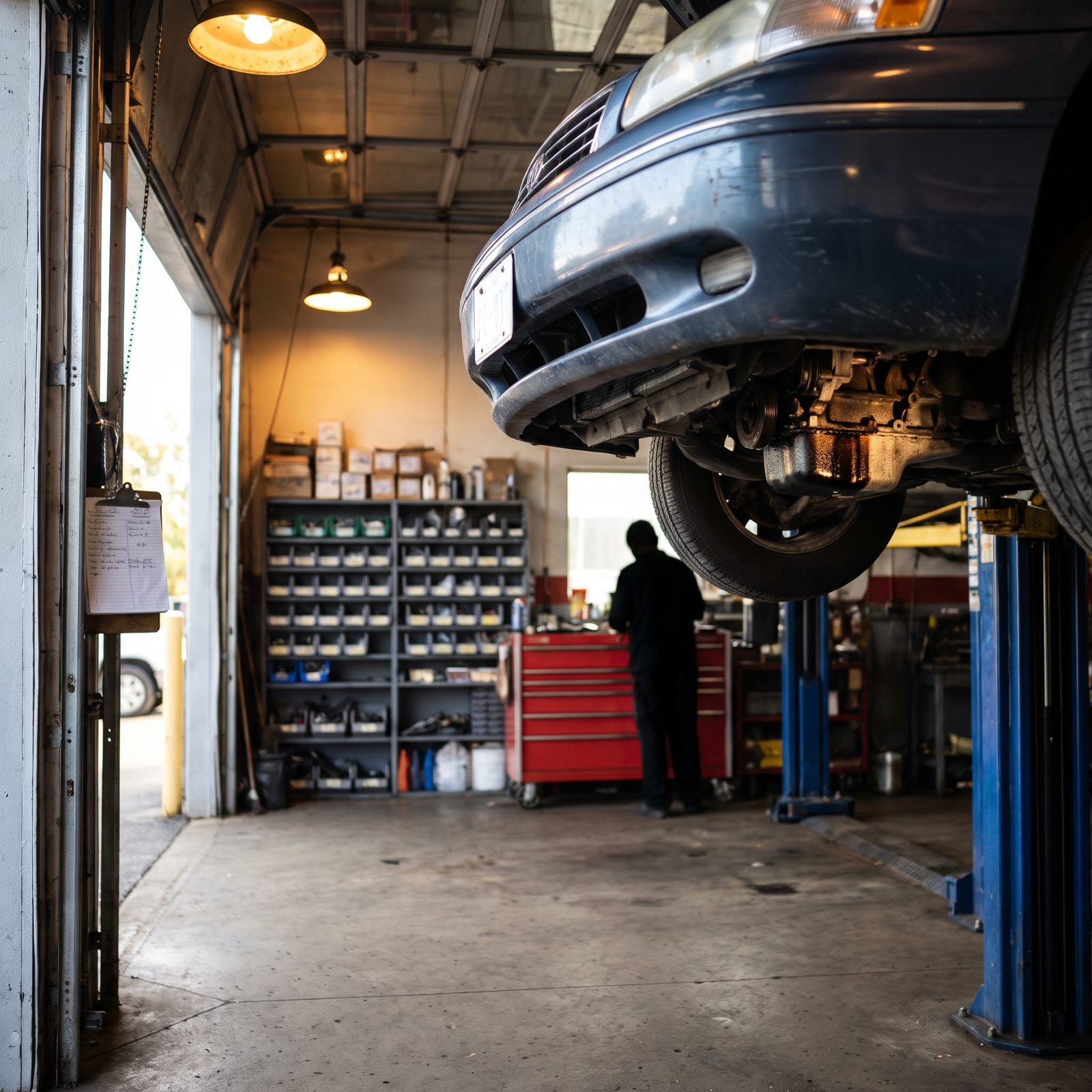
Your mechanic greets your car by name. He knows the oil pan gasket likes to weep around this mileage, keeps the right filter in stock, and doesn’t have to diagnose from scratch because he’s seen this exact complaint a dozen times on this exact engine. That relationship is worth money and a good night’s sleep.
Walk away from the brand and you walk away from the whole arrangement. New car, new unknowns, new guy learning your machine on your dime. Call it the sunk-cost trap in coveralls. You’ve spent years building a support system around one badge, and that entanglement quietly votes to keep you right where you are. Same gravity that holds people in place: not the thing itself, but all the shared infrastructure that would cost too much to rebuild somewhere new. Loyalty, half the time, is just the price of starting over being too high to face.
8. The Roof Rack Fits Another Outback, So Why Leave?
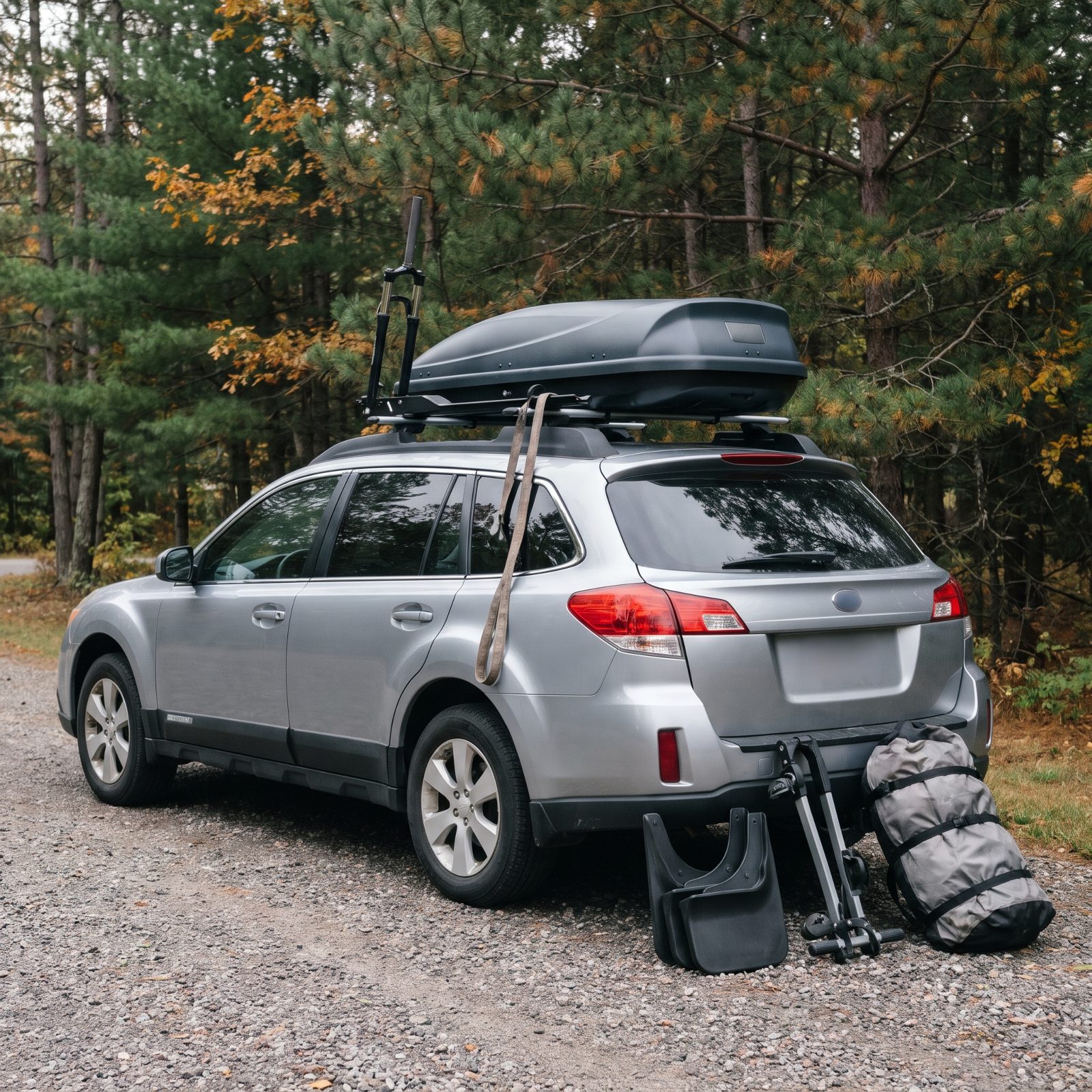
You bought the roof rack. Then the cargo box that clamps to the roof rack, then the bike mount sized for that specific crossbar spacing. Now there’s a few hundred dollars of gear in the garage that fits exactly one car in America, and wouldn’t you know it, that’s the one already parked out front.
Same logic keeps people circling back to an old partner. Not love, exactly. More like the fact that you already know where they stash the spare key and how they take their coffee. The investment is already sunk, and walking away means it all turns into a pile of expensive junk.
Economists call it the sunk-cost fallacy, and it’s a sneaky one. The money on those accessories is already gone no matter what you drive next. But the brain refuses to let it go to waste, so it quietly votes for the car that honors the old spending. You’re not choosing the wagon. You’re protecting a purchase you already made.
Wagon owners aren’t alone in their attachment: in our reader votes, station wagon photos got hearts 87% of the time, versus 83% for the other images in the same articles.
7. That Familiar Showroom Makes Another Purchase Feel Easier
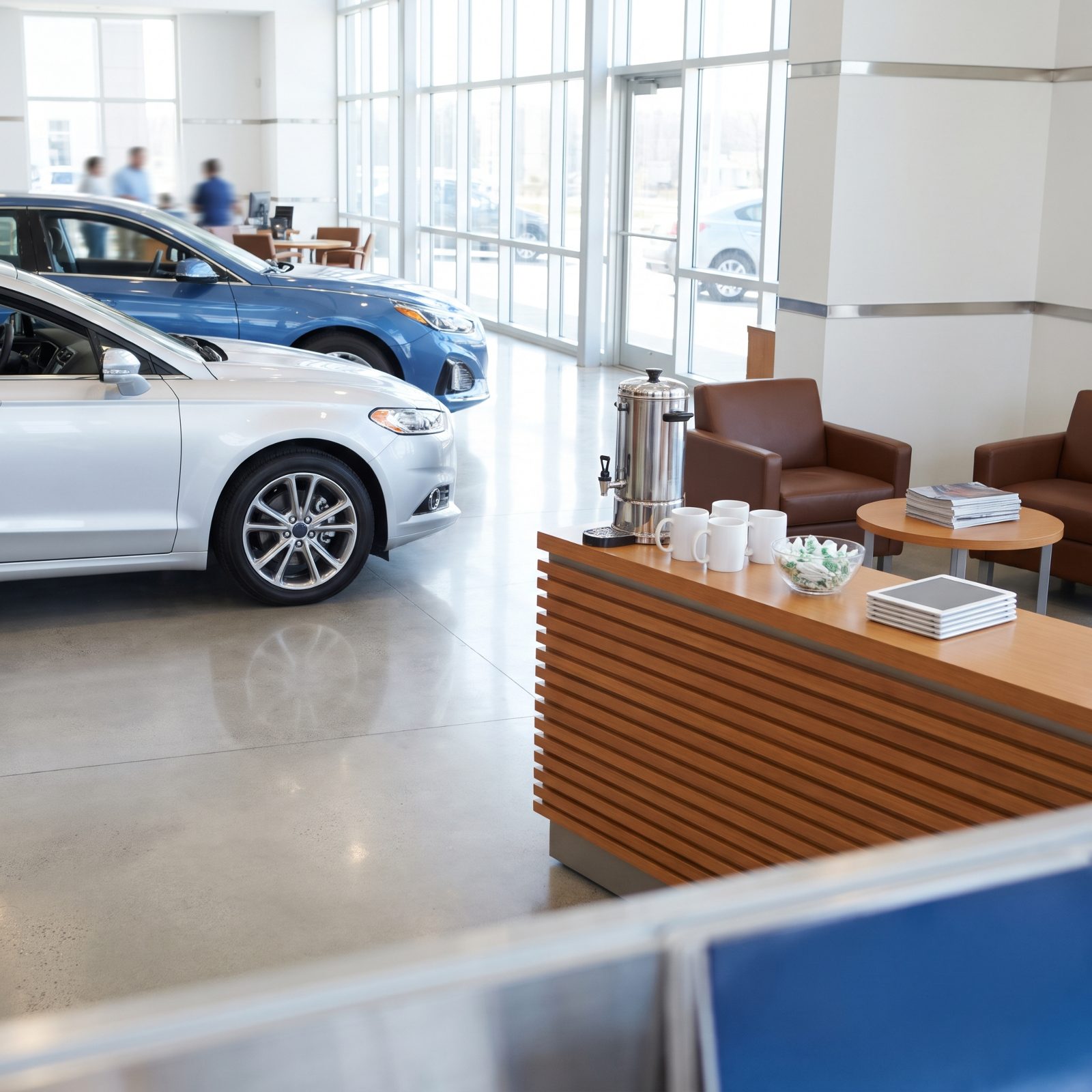
Same parking lot, same glass doors, same bowl of peppermints by the sales desk and the same espresso machine with its neat rows of cups at the counter. You know where the bathroom is. You know the salesman’s name, or at least his face. Buying a car is stressful, and this place has stripped away half that stress just by being recognizable.
Going back to someone you’ve already dated runs on the identical fuel. You skip the awkward getting-to-know-you phase and land straight in the comfortable part, already fluent in their quirks, their stories, the restaurant they’ll suggest before they suggest it. Novelty is exciting but exhausting. Familiarity asks nothing of you.
Psychologists call this the mere-exposure effect. The more we see a thing, the more we tend to like it, purely from repetition, no quality required. The showroom doesn’t have to be better than the one across town. It just has to feel known. And known, when your palms are already sweating over a five-figure signature, feels an awful lot like better.
6. Loyalty Rebates Make Leaving Seem Needlessly Expensive

A loyalty rebate is money off for staying put. Switch brands and you leave it on the table. Suddenly the competitor across town isn’t just unfamiliar, it’s more expensive, at least in the math your brain decides to run.
Here’s the trick nobody mentions: that rebate often just closes a gap the brand built in on purpose. Doesn’t feel that way, though. It feels like a reward for faithfulness and a fine for wandering.
This is loss aversion doing what it does best. We hate losing a thing far more than we enjoy gaining the same thing. Money “saved” by staying lights up the brain harder than a possibly better car you’d have to gamble the unknown on. Same pull as a partner who reminds you, gently, how much history you’d be throwing away by leaving. The cost of going isn’t really the money. It’s the feeling that you’re forfeiting something you already earned.
5. Months of Comparison Shopping End at the Same Dealership

You did the homework. Weeks of it. You read every review, watched the walkaround videos, built spreadsheets comparing cargo volume and ground clearance across four brands. Open-minded, genuinely.
And then you bought the same brand you already owned.
The research was real, but it wasn’t a search. It was a trial. Somewhere early on your gut had already picked the familiar one, and every hour of “comparing” after that was quietly collecting evidence to back the verdict you’d secretly reached. This is confirmation bias, and it is relentless. We don’t weigh information evenly. We hunt for the facts that nod along and wave off the ones that don’t.
Anyone who’s “thought long and hard” before going back to an ex knows the feeling. The deliberation looks like diligence. Really it’s just the mind building a case for a decision already made. You weren’t deciding. You were justifying.
4. Seeing That Badge Everywhere Makes Your Choice Feel Safer
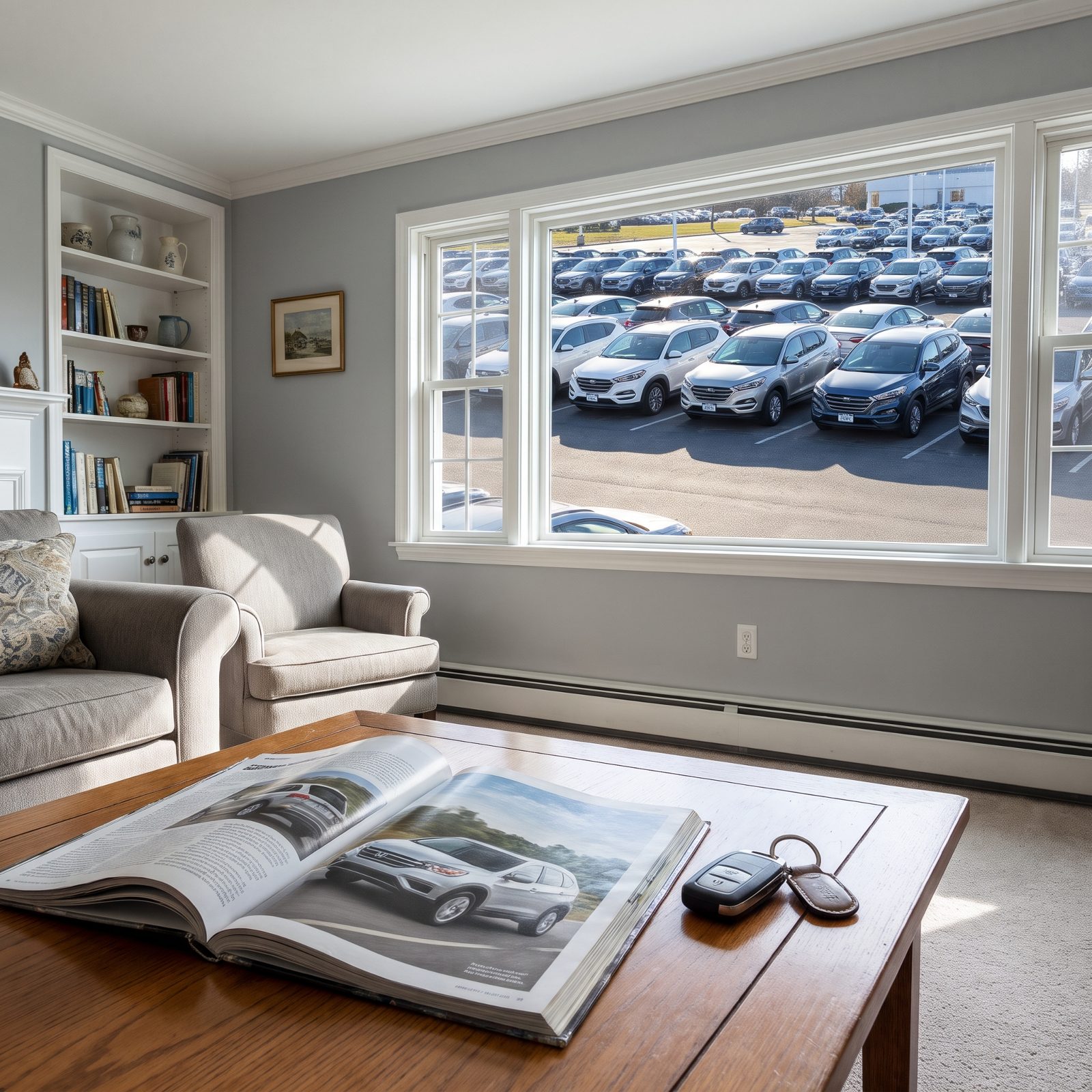
Pull into any parking lot and count how many wear the same badge as yours. The more you spot, the more certain you feel. If everyone’s driving it, it must be a safe bet, right? Nobody ever got fired for buying what everyone else buys.
That’s social proof, the herd instinct wearing a sport coat. When we’re unsure, we glance sideways to see what the crowd is doing and copy it. A thousand neighbors can’t all be wrong, the thinking goes, even though those thousand neighbors are mostly just doing the same sideways-glancing you are.
Same reassurance people feel reuniting with an old flame their whole circle already approved of. Your mother liked them. Your friends know them. Reconciling means no one has to be introduced, judged, or explained. The path of least social friction feels like the path of least risk.
3. Owner Forums Keep Confirming You Picked the Right Brand

There’s a forum for your car. Thousands of members, every last one of whom chose exactly what you chose. They swap mod photos, defend the engine’s quirks, and reassure each other nightly that they made the right call. Spend an hour in there and you walk away glowing.
Of course you do. It’s an echo chamber, and a warm one at that. Nobody who hated the car stuck around to post. The people who switched brands left and never came back, so you only ever hear from the faithful.
Same comfort people find texting the one friend who always says “you two were so good together, give it another shot.” You didn’t ask for a balanced opinion. You asked for permission. The forum, like that friend, is happy to grant it, over and over, because everyone in the room already agrees. A chorus singing your choice back at you isn’t information. It’s a mirror with a login screen.
2. Compliments on Your Jeep Keep You Shopping for Jeeps

Someone at the gas pump says “nice Jeep” and you feel it right in the chest. The wave other drivers of the same model throw you. The thumbs-up from a kid in a backseat. Every one of those little moments quietly welds you a notch tighter to the badge.
Compliments are reinforcement, and reinforcement sets habits like concrete. The reward isn’t the car. It’s the little hit of recognition you get for owning it, and the brain files that under “keep doing this.”
Picture the person who goes back to an ex partly because being a couple earned praise from everyone around them. Reconciling restores the applause. The relationship becomes less about the two people and more about the crowd’s reaction to the pairing.
You’re not loyal to the vehicle. You’re loyal to how the vehicle makes strangers treat you.
Strip away the waves and the compliments, then ask honestly whether you’d still want the exact same thing. A lot of brand loyalty can’t survive that question, which is precisely why we never ask it.
1. You Defend the Badge Like It’s Part of You
Criticize the brand to someone’s face and watch what happens. The spine straightens. The transmission problems get explained away, and the recall was “blown way out of proportion.” They’ll argue for a company that has never once argued back for them, that doesn’t know they exist, that would drop them for a better quarter without a flicker.
That’s because the badge stopped being a product somewhere along the line and became part of the self. “I’m a truck person.” “We’re a Chevy family.” Attack the car and it lands like an attack on them, so they defend it the way you’d defend your own name.
It’s a dead ringer for staying loyal to a partner everyone else can plainly see is wrong, because by now leaving would mean admitting you were wrong, and that threatens the whole story you tell about who you are. Identity is the stickiest glue there is. We’ll overlook almost any flaw to protect our sense of self. The car isn’t just sitting in the driveway anymore. Somewhere along the way it moved in behind your ribs, and nobody’s ever happy to evict that.