
Would you like to save this?
The tow truck driver knows you by name. He waves. You wave back, a little ashamed, as your pride and joy rides backward down the street on his flatbed again. You’ve spent more on that transmission than the car is worth, and you know it, and you’re keeping it anyway. Everybody’s got one — the car that drinks oil like a thirsty hound and costs a fortune to keep breathing. The strange part isn’t that we keep them. It’s that the reasons we keep them are the exact same reasons people stay in marriages that quit working years ago. Same wiring, same excuses, same quiet math that never adds up. Below, the familiar habits that keep good people loyal to bad machines, and the human machinery running underneath all of it.
Please note that some of the images in this article were created with the assistance of AI.
11. Every Repair Bill Makes the Previous Repairs Feel Worth Saving
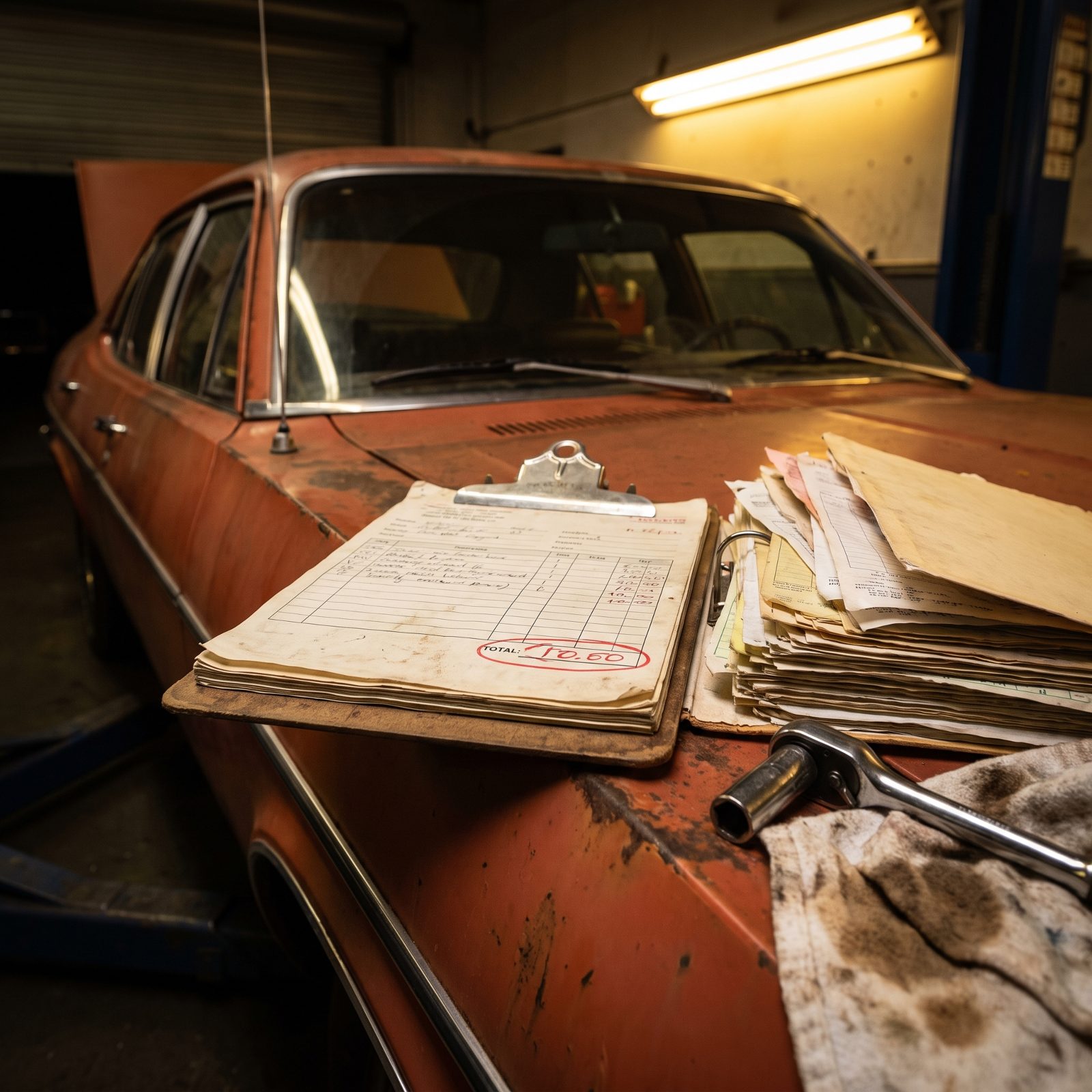
The water pump went last spring, the alternator came next in the fall, and after that the brakes and the belts and that noise the mechanic couldn’t name but charged you for anyway. Each time you hand over the card, you tell yourself the same thing. I’ve already put so much into this car, I can’t quit now.
That’s the sunk-cost fallacy, and it’s the exact logic that keeps people in marriages long past their expiration. Fifteen years in, you don’t leave because of the fifteen years — the time is gone either way. But the mind refuses to see spent money and spent years as spent. It sees them as an investment that only pays off if you keep paying.
Now here’s the cruel part. The more it costs you, the more committed you feel. A healthy brain would cut losses; ours doubles down to justify the losses already taken. The repair bill doesn’t make you want to leave the car. It makes you want to protect everything you’ve sunk into it.
10. You Know Every Rattle, So Another Car Feels Riskier
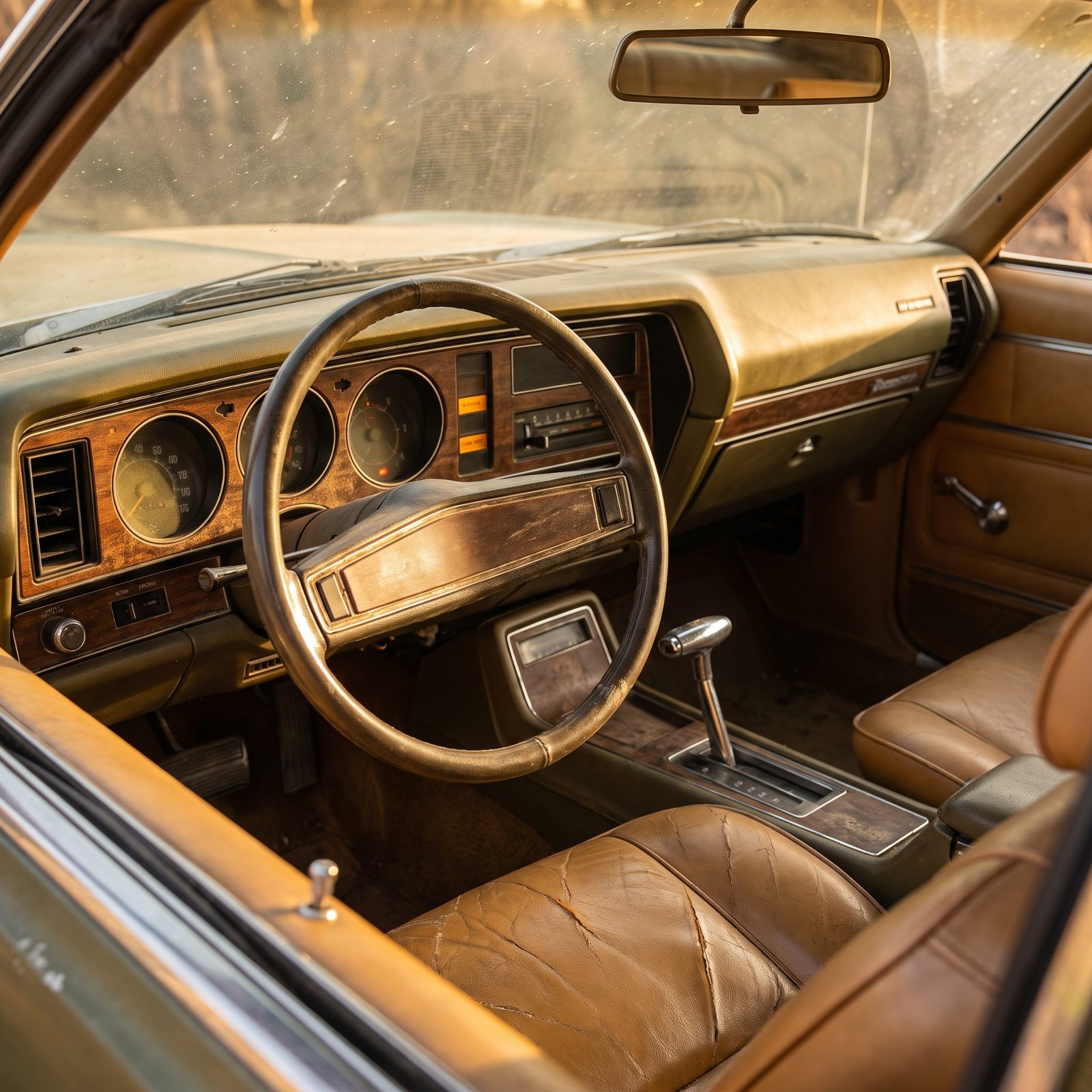
You could identify your car’s sounds blindfolded. The shudder at forty, the clunk when you back out of the driveway, the way it hesitates for half a second before the heat kicks in. None of it is good. All of it is known.
A newer, better car comes with an unknown. What rattles that you haven’t learned yet? What’s going to surprise you at eleven at night on a dark road? Known trouble beats unknown anything, every time.
People stay for the same reason. A difficult partner you understand feels safer than a stranger who might be worse. We’re wired to overvalue the familiar and treat the unfamiliar as a threat, even when the familiar is actively making us miserable. The devil you know isn’t comfort — it’s just a lower variance.
9. You Remember the First Road Trip, Not the Breakdowns
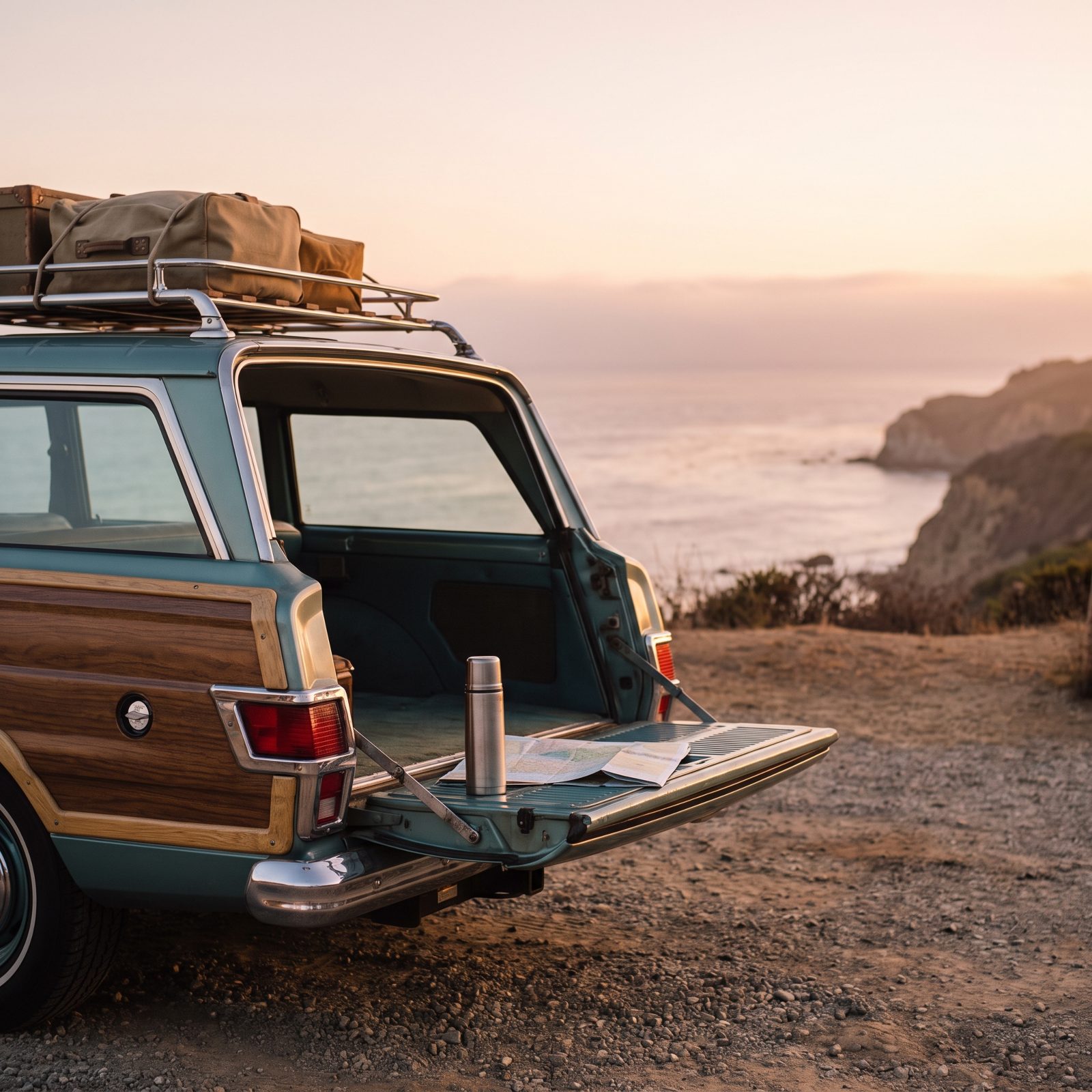
Ask anyone about their worst car and watch what happens. They’ll smile. They won’t tell you about the time it died on the interstate shoulder in a thunderstorm — they’ll tell you about the summer you drove it to the coast with the windows down and nothing but open road ahead.
Memory is a terrible accountant. It files the peak moment and the ending, and it quietly loses the receipts for everything in between. Psychologists call it the peak-end rule. We rate an entire experience by its best moment and how it finished, not by the long gray middle where most of the breakdowns actually lived.
This is precisely how a marriage survives its own evidence. The highlight reel plays on a loop — the honeymoon, the kids’ first steps, the one good vacation. The thousand ordinary grievances fade to static. You’re not loyal to the car you have. You’re loyal to the trip you took in it once.
8. One Trouble-Free Road Trip Restores All Your Faith
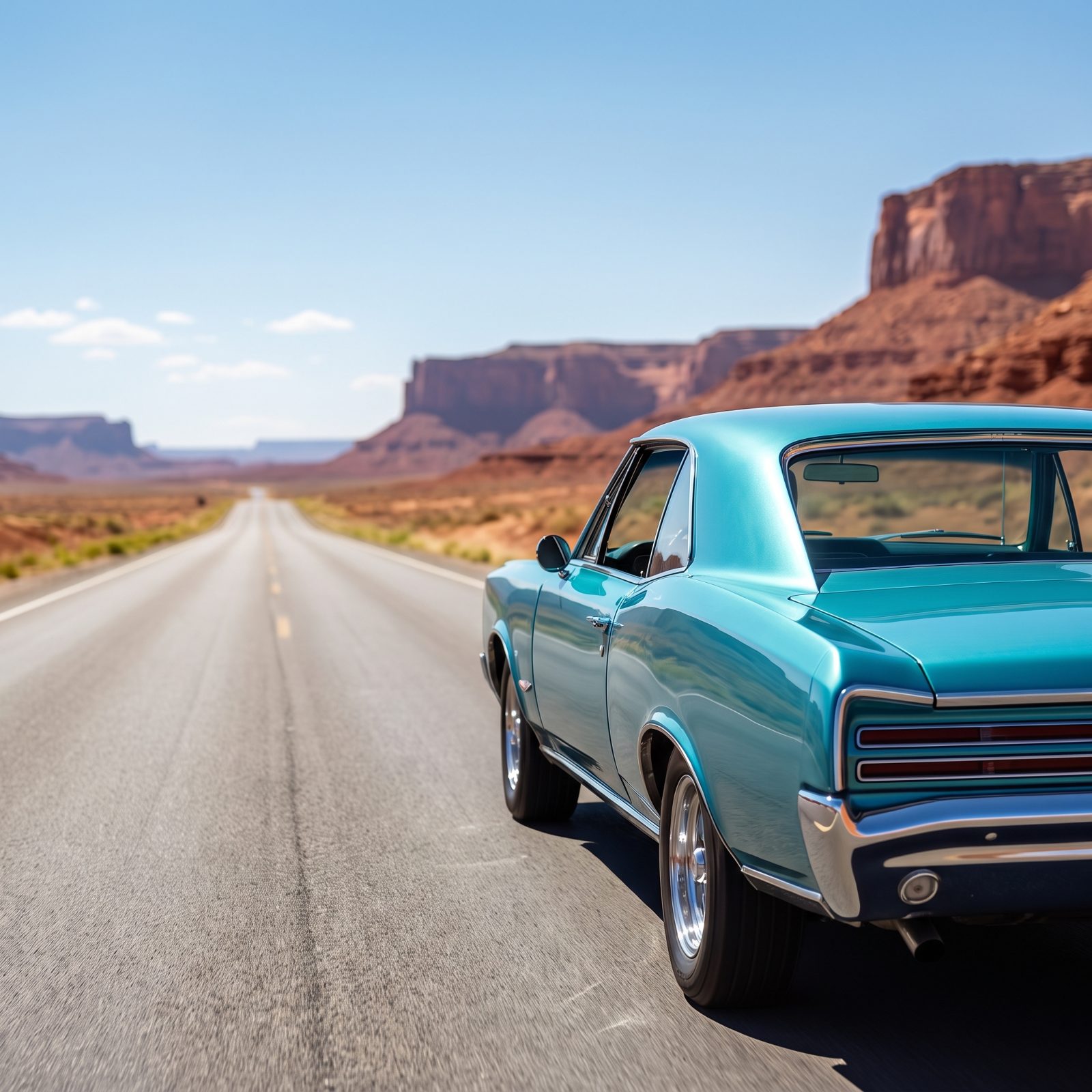
Four hundred miles. No warning lights, no weird smells, the car running clean the whole way and purring at the gas pumps. By the time you got home you were already telling people maybe you’d been too hard on it. Maybe it just needed a good highway run to clear things out.
One good stretch and all the sins are forgiven. This is intermittent reinforcement, the most powerful hook the mind has. A reward that shows up unpredictably keeps you hanging on far longer than a reward you can count on. It’s why slot machines work, and it’s why the occasional good week in a bad relationship resets the whole clock.
The car doesn’t have to be reliable. It just has to be reliable sometimes, at random, enough to keep hope flickering. That one perfect trip bought it another year of forgiveness it hadn’t earned.
7. You’ve Been a Jeep Person Too Long to Leave
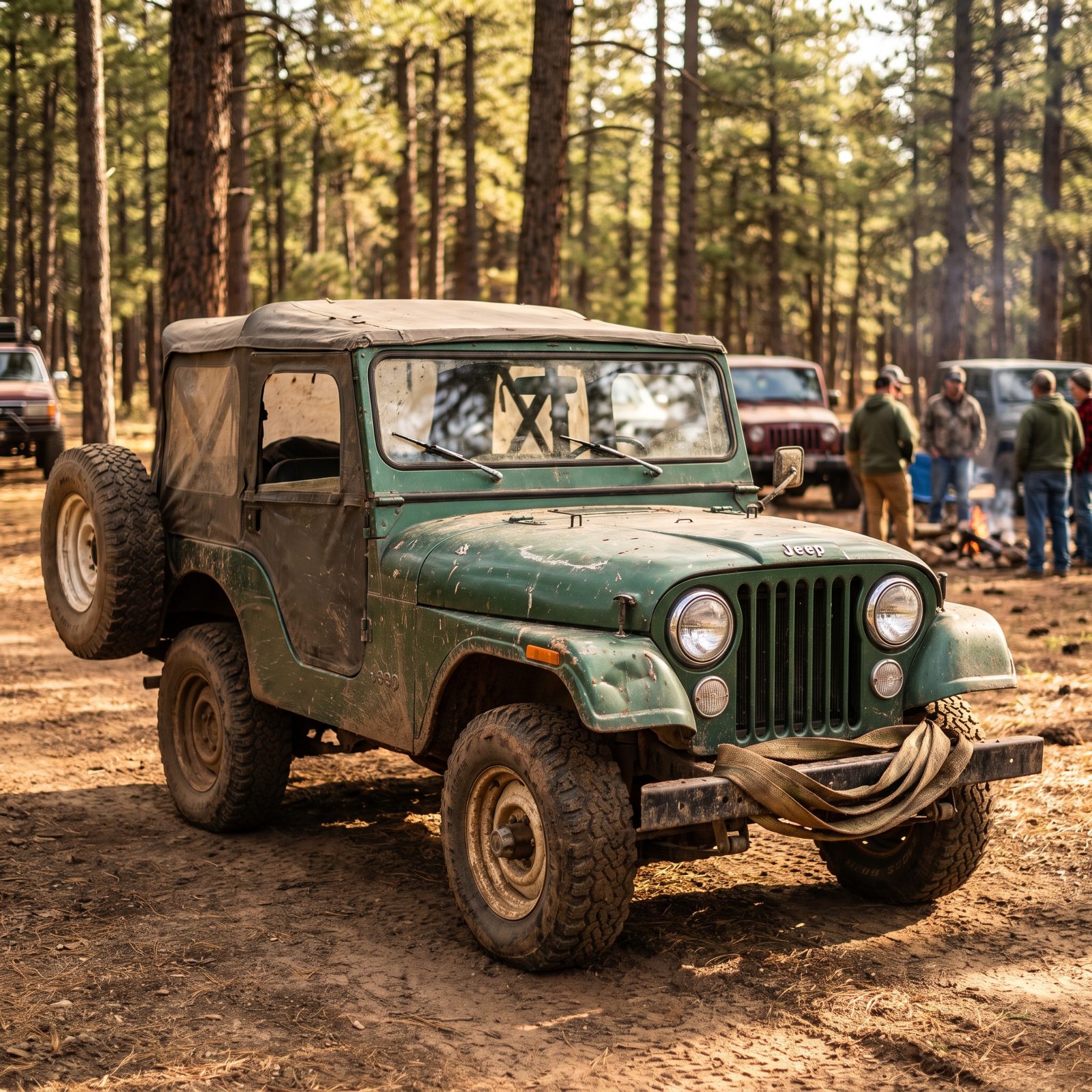
The wave. If you’ve driven a certain kind of vehicle long enough, you know the wave. You lift two fingers off the wheel at every one you pass, they lift back, and for a second you belong to something. Try giving that up for a sensible sedan. You wouldn’t be leaving a vehicle. You’d be leaving a tribe.
Your identity got welded to the thing you drive somewhere along the way — the t-shirts, the forum username, the sticker on the back glass, the way you describe yourself at parties. Switching cars would mean switching who you are, and the mind guards identity harder than it guards comfort or money.
People stay in marriages for the same reason they’d never admit out loud. Leaving means becoming someone new, and for decades you’ve been the person in this. Who are you without it? That question is scarier than any breakdown.
6. Car Shopping Feels Worse Than Paying for Another Repair
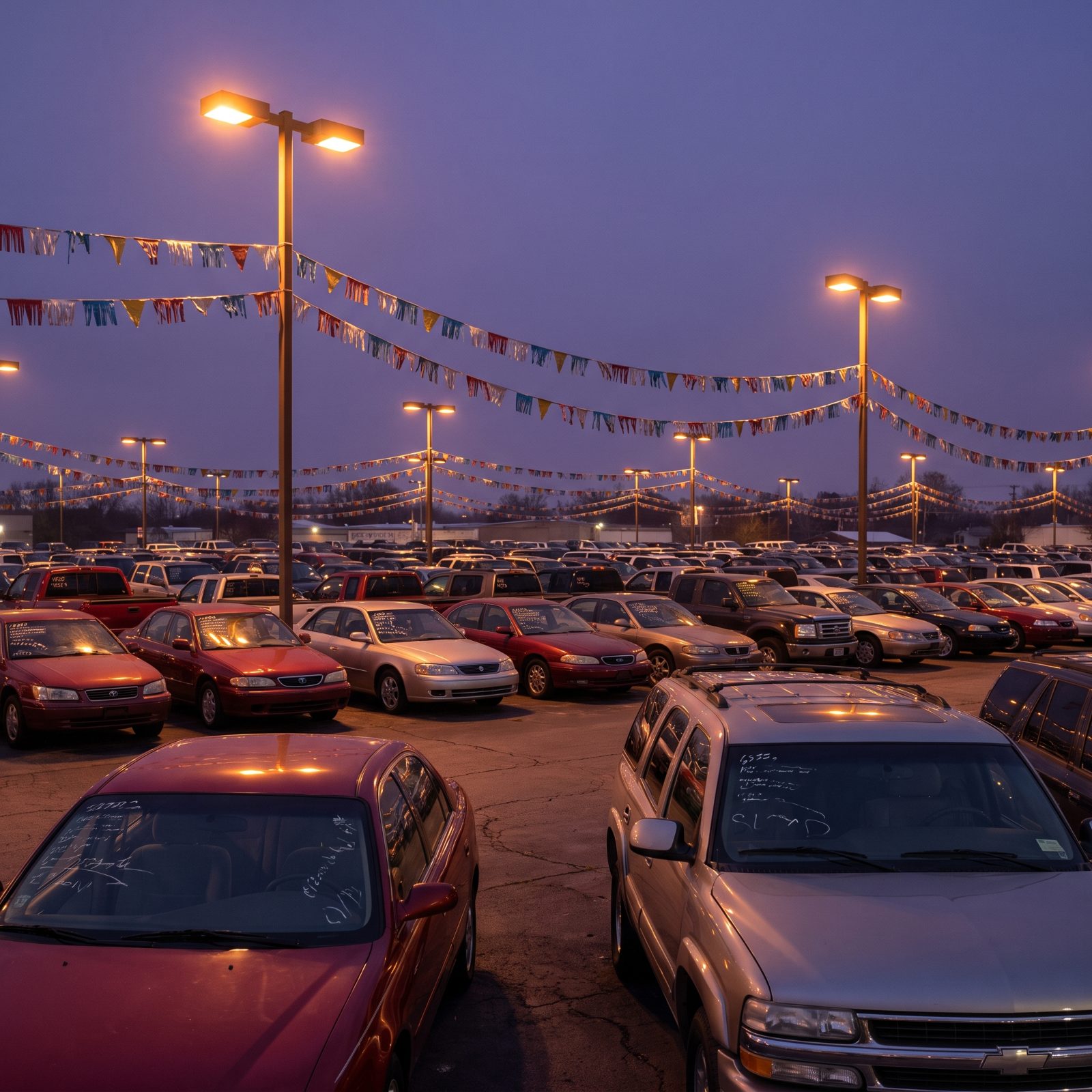
You’d rather spend a Saturday under the car with a busted knuckle than one afternoon on a dealer lot. The haggling, the salesman, the paperwork, the forty near-identical options and the sick certainty you’ll choose wrong and regret it for five years.
So you don’t. You pay for the repair instead, because the repair is a known pain with a known endpoint, and shopping is a fog of choices with no floor. Decision paralysis freezes us in the status quo, and the status quo is whatever we already have.
Same inertia that keeps a bad situation running on momentum alone. Change is hard work with an uncertain payoff. Staying put requires nothing but a signature on the next invoice. We mistake the ease of staying for proof that staying is right.
5. A Paid-Off Wreck Still Feels Safer Than Car Payments
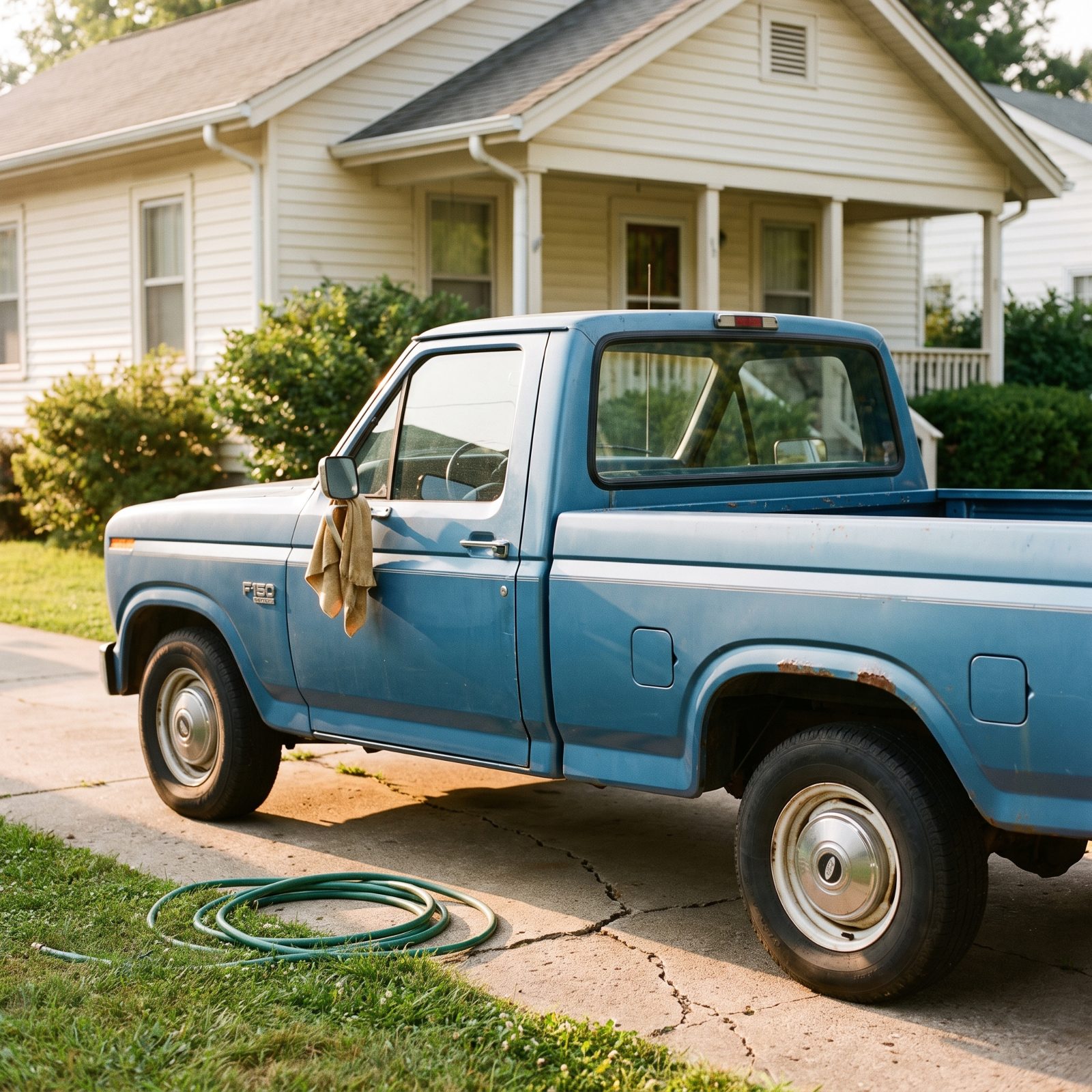
It leaks, it clunks, it needs money twice a year. But it’s yours. No note, no monthly draft out of the checking account, no bank with a lien. There’s a deep satisfaction in owning the thing outright, even when the thing is barely holding together.
Blame the endowment effect. We value what we already own far above what it’s worth, simply because it’s ours. The paid-off truck feels worth more than the same truck would if you were buying it today. Ownership itself adds imaginary value.
Layer on loss aversion, where a new payment registers as a loss but a pile of repair bills somehow doesn’t, and you’ve got a person defending a wreck on principle. Nobody adds up the repairs against the payments. If they did, the math would get ugly fast.
4. The Three-Step Starting Ritual Somehow Became Completely Normal
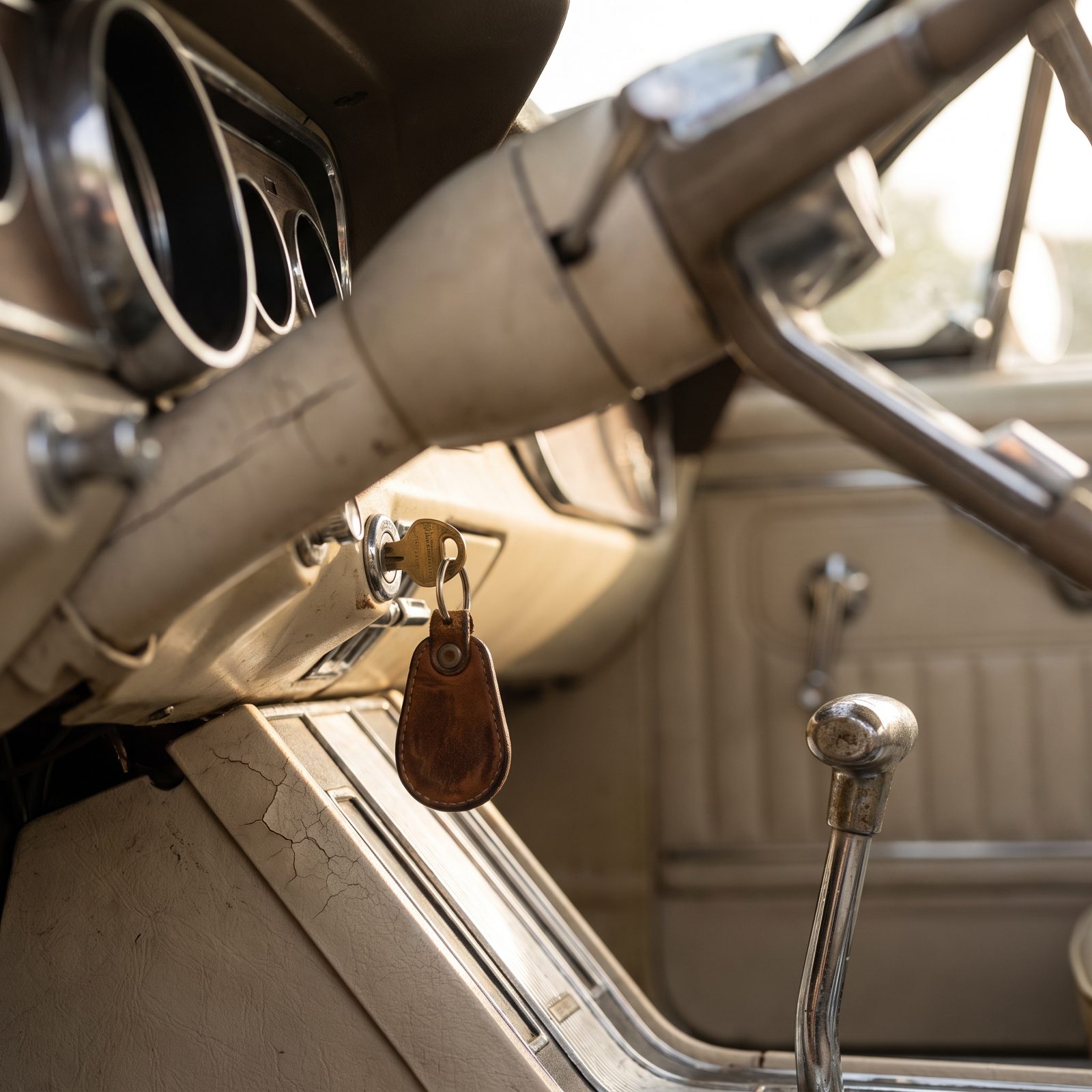
Pump the gas twice. Hold the key for a three-count without cranking. Then turn it, and if it coughs, let off and try again in exactly ten seconds, never sooner. You do this every single morning without a flicker of complaint. A passenger watches in horror. You don’t even notice you’re doing it.
Normalization of deviance — that’s the real name for it. A problem repeated often enough stops registering as a problem and becomes just how things are done. The dysfunction got absorbed into your routine so gradually you never noticed it crossing the line from broken to normal.
This same machinery lets people live inside situations that would horrify an outsider. The coping mechanism goes invisible to the person performing it daily. You’re not driving a car that won’t start. You’re performing a ritual you no longer question, for a machine that trained you instead of the other way around.
3. You Hide the Warning Lights Before Anyone Rides Along
Would you like to save this?
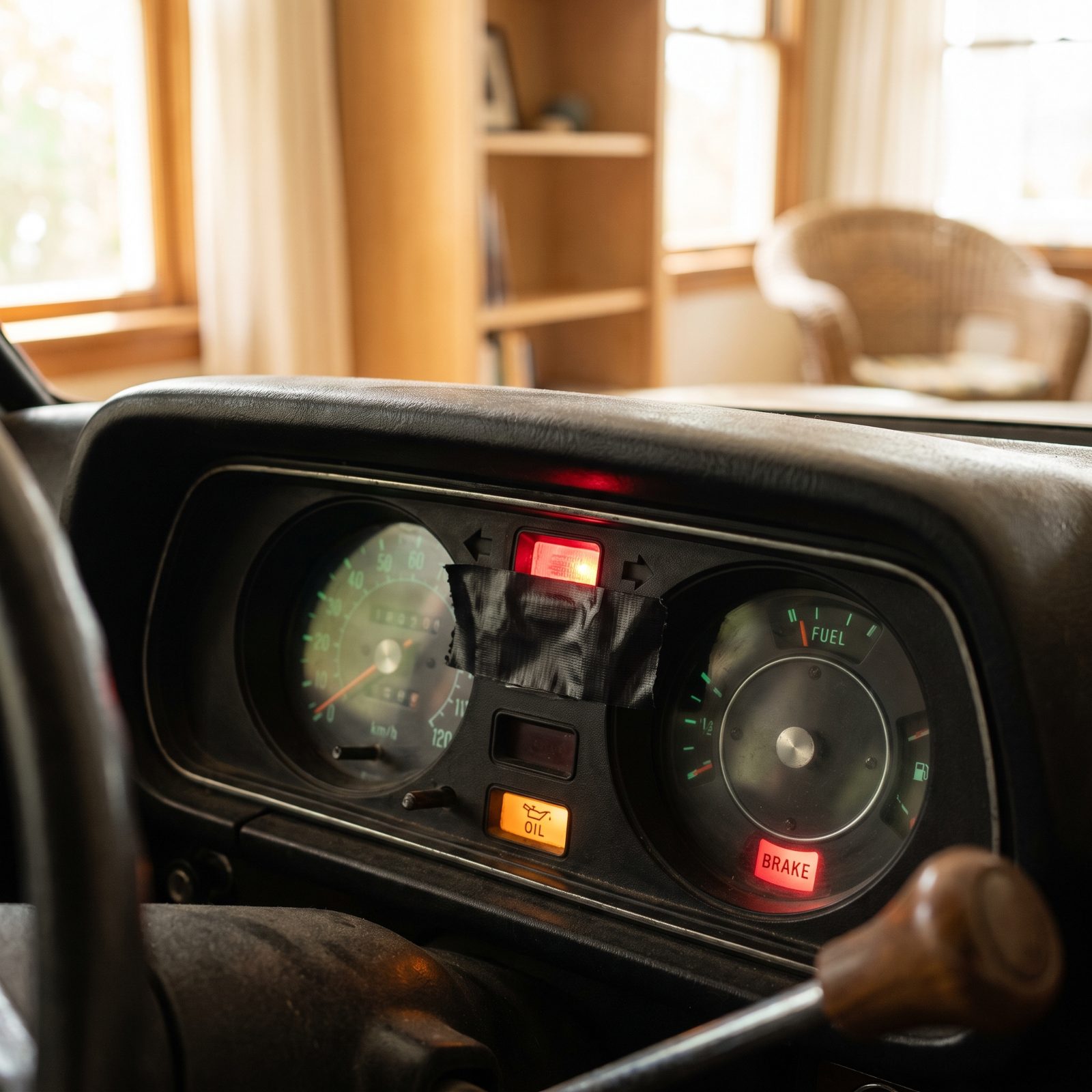
Before anyone gets in, you do a quiet pass. Adjust the seat so the dash is harder to see, turn the radio up to cover the noise, and maybe — you’d never confess this — a little strip of black tape over the red light that’s been on since March. Nothing to see here.
Impression management, we’re all guilty of it. We curate what others witness because admitting the trouble out loud would make it real, and worse, make us look foolish for tolerating it. The hiding isn’t about the passenger. It’s about protecting yourself from your own judgment reflected in their face.
People do exactly this with the hard parts of their lives. The brave front for the dinner guests. The problems that only come out behind closed doors. The instinct to conceal runs strongest right where the trouble runs deepest. If you’re reaching for the tape, some part of you already knows what the light means.
2. The Owners’ Forum Calls Every Breakdown “Just a Quirk”
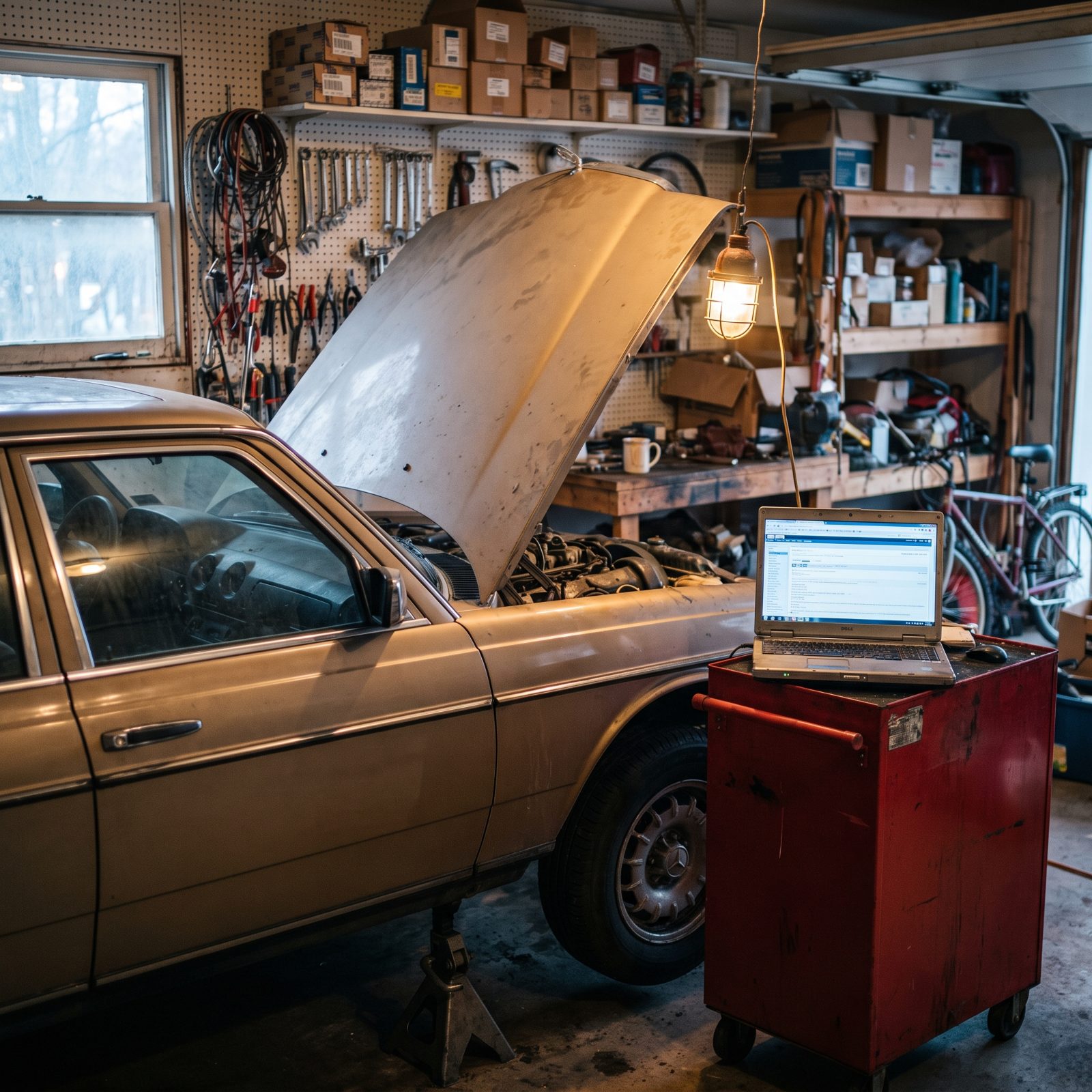
Something terrible happens. The thing dies on the highway, or dumps coolant across a parking lot, and you come home rattled and type it all out on the forum, looking for someone to tell you it’s serious. Instead, forty replies roll in: yeah, mine does that, that’s just the such-and-such, you learn to live with it, welcome to the club.
And just like that, a genuine failure gets rebranded as a beloved character trait. The forum isn’t lying to you. They’ve all made the same peace you’re trying to make, and your doubt threatens the story they tell themselves. So they close ranks.
Social proof is a drug. When everyone around you treats the broken thing as normal and even charming, the pressure to see it their way is enormous. Same mechanism as friends who insist your situation is fine, because leaving it would raise uncomfortable questions about their own.
A community of the committed will always talk you back off the ledge. That’s what it’s for.
1. Your Family Hates It, Which Makes You Defend It
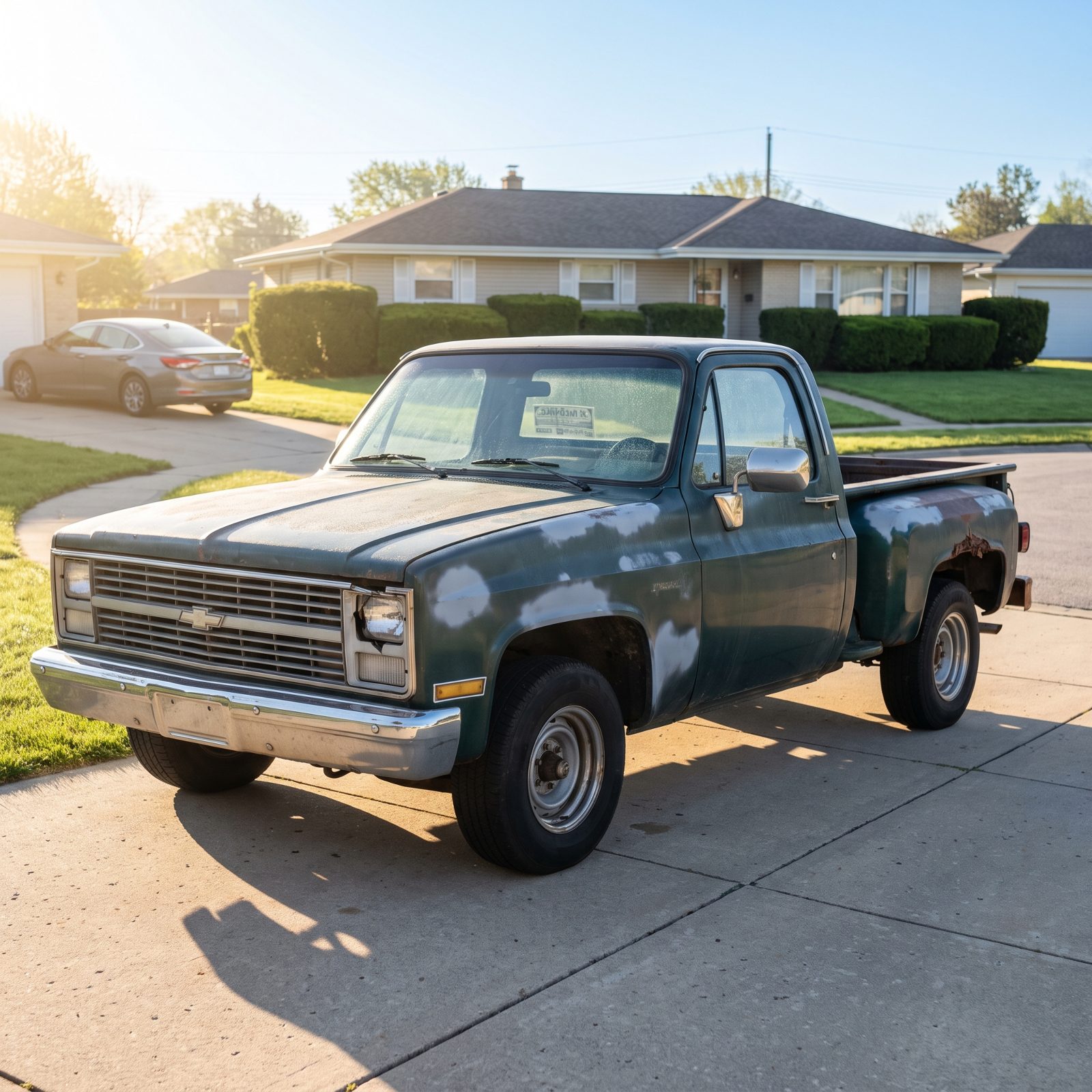
Nothing makes a man love his truck more than his wife asking when he’s finally getting rid of it. The cab smells faintly of gear oil, the passenger door needs a shoulder to open, and the second someone at the dinner table calls it an eyesore, you discover virtues you never knew the thing had.
People do the identical dance when relatives start lining up against their relationship. Criticism from the outside doesn’t crack the bond. It welds it shut. A little pushback from the in-laws can turn a wobbly commitment into a hill worth dying on.
Psychologists even named it — the Romeo and Juliet effect. Opposition from outside tends to deepen attachment rather than weaken it, because the threat trips some loyalty reflex buried deep in us. You quit weighing the thing honestly and start defending your right to keep it. And the argument isn’t really about the valve cover gasket anymore. It’s about whether anyone gets to tell you what you’re allowed to love.
The second someone attacks your choice, you stop evaluating it and start guarding it.
So the rust creeps on, the repair bills climb, and you buff that one good fender a little harder. Spite makes a powerful rustproofing. Shame it does absolutely nothing for the frame.