

A 1972 Oldsmobile with 140,000 miles on it and a stack of service receipts going back to the Nixon years will outlast a newer car nobody bothered to watch. That’s the secret, right there. The machine that gets looked at, listened to, and kept on a schedule keeps going; the one ignored until something screams does not. Same math applies to the body you drive around in every day. We pulled these comparisons that make the connection impossible to unsee, because the habits that keep a good old car on the road are the same ones that keep a person on their feet, sharp, and independent well past the point where everyone assumed they’d slow down.
Please note that some of the images in this article were created with the assistance of AI.
48. Annual Inspections Work Like Regular Health Checkups
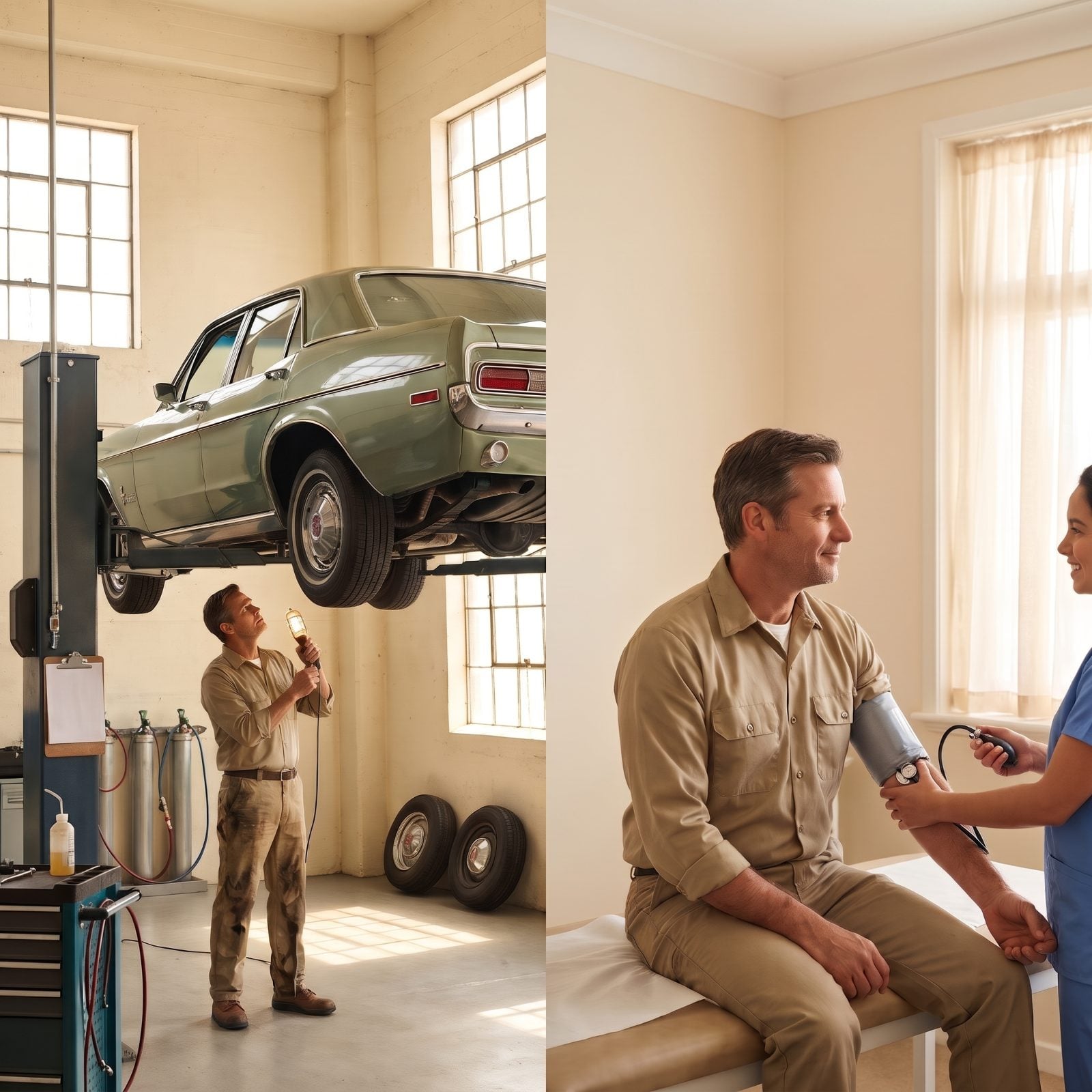
Nobody waits for the engine to seize before checking the oil. You do it on a schedule whether the car’s acting up or not, because the problems worth catching are the ones that haven’t announced themselves yet.
Your body runs the same way. The yearly once-over isn’t about fixing what already hurts — it’s the mechanic shining a light on the stuff you can’t see from the driver’s seat. Blood pressure creeping up is the brake pad wearing thin. You won’t feel it until it’s expensive.
47. A New Rattle Deserves the Same Attention as a New Ache
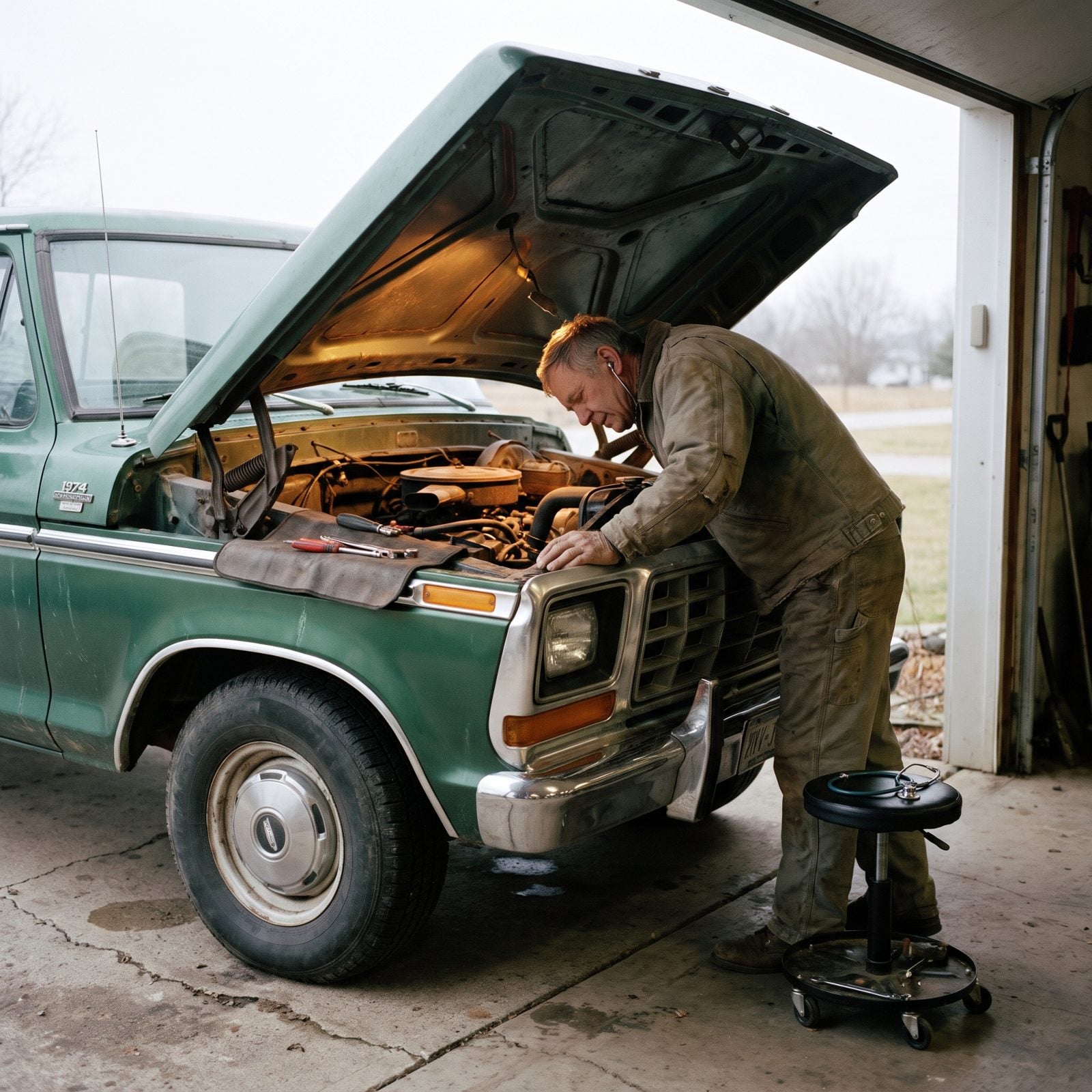
A sound that wasn’t there last week is the car talking to you. Ignore it and it gets louder, then it gets expensive, then it leaves you on the shoulder with your flashers on.
A new ache is that same message in a different language. Not every twinge means disaster. But a pain that’s new, that shows up where there wasn’t one before — that one gets written down and mentioned, not shrugged off as just getting older. Getting older is not a diagnosis. It’s the thing people hide behind instead of asking the question.
46. Knowing Normal Gauge Readings Is Like Knowing Your Health Baseline

Here’s something we got wrong for years. We figured a gauge only mattered when the needle swung into the red. Wrong. It matters because you know where it usually sits — the temperature that always runs just left of center, the oil pressure that holds steady at idle. You spot trouble because you know what calm looks like.
Your own numbers run on the same logic. Resting heart rate, usual weight, how far you can walk before you’re winded. Know your normal and a change jumps out at you. Don’t, and you’ve got nothing to measure the drift against.
45. Service Records Matter as Much as a Complete Medical History
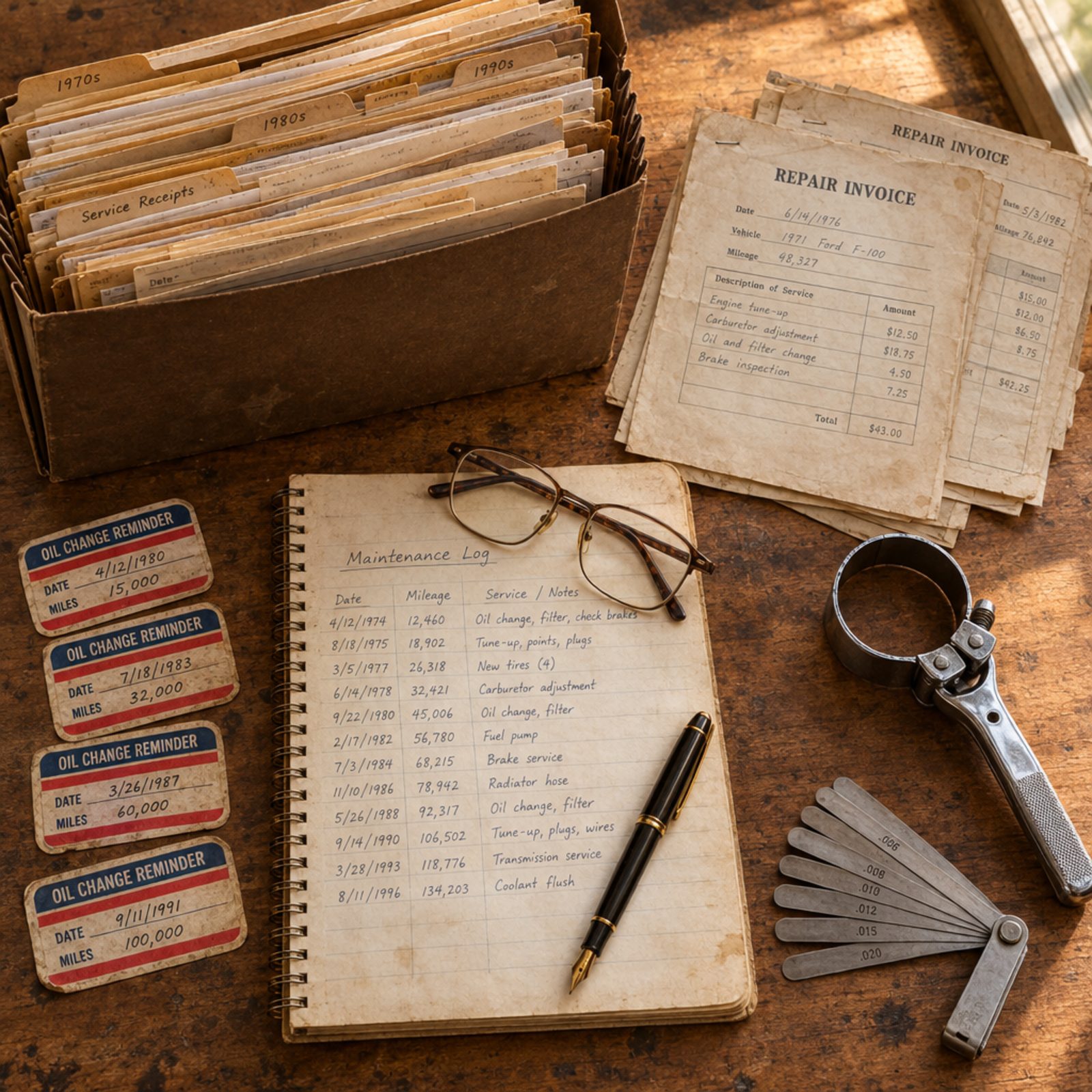
Sell an old car with a shoebox of receipts and you’ll get a better price — not because the paper’s worth anything, but because it proves the thing was cared for. A buyer can see exactly what’s been done and what’s coming due.
Your health history is that shoebox. A new doctor walking in blind has to guess, while one with the full record — the old X-rays, the medication list, the surgery from fifteen years back — makes faster and safer calls. Keep the folder. Bring it with you. Be the car with the receipts.
What Our Readers Say
- When Jalopy Talk readers loved a car photo and tapped a reason, the top pick was nostalgic, followed by body style and would drive.
- Photos that look like the 1960s got hearts 88% of the time from our readers, versus 78% for the other images in the same articles.
From Jalopy Talk reader polls and votes.
44. Knowing a Model’s Weak Points Is Like Understanding Family Health History
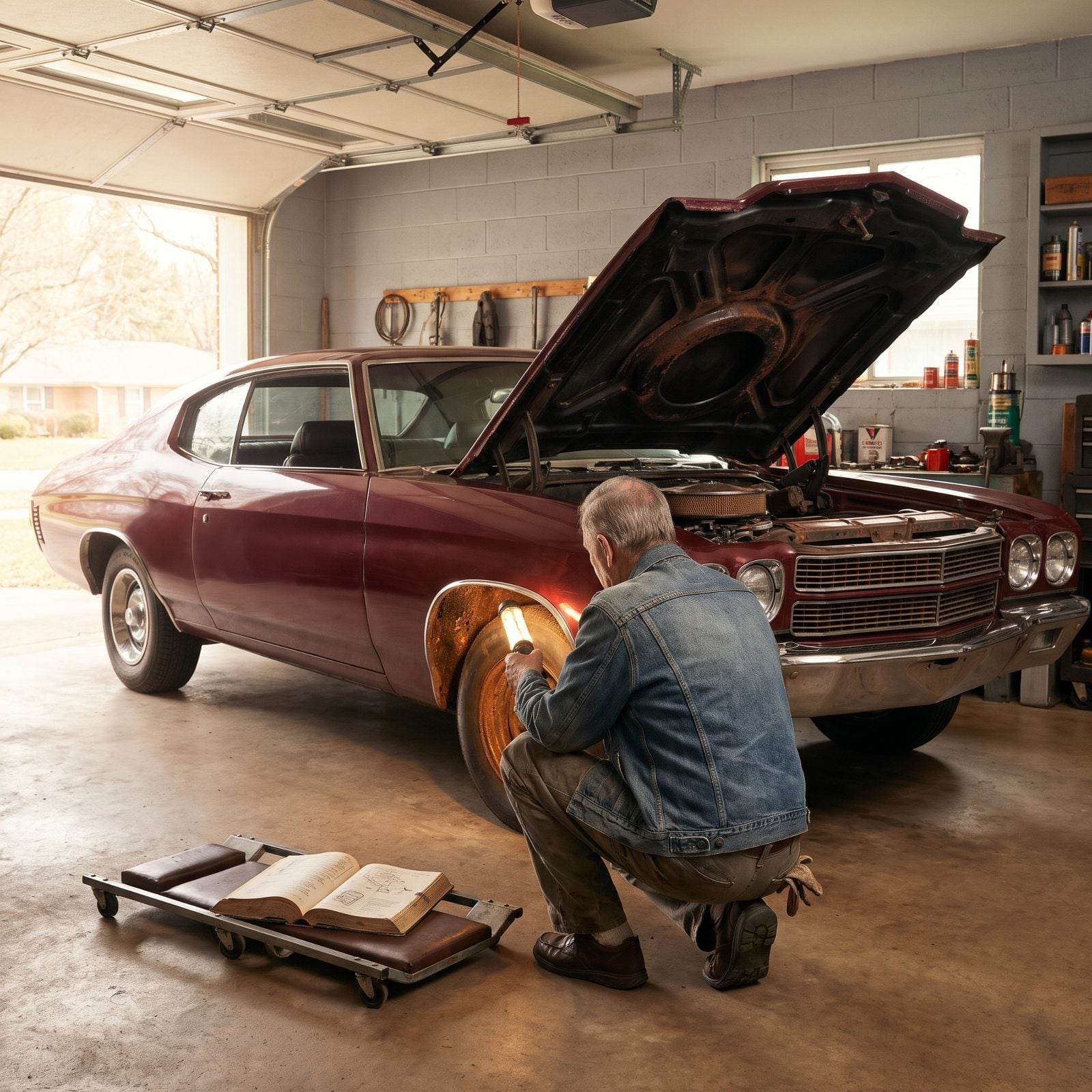
Every classic has a reputation. Owners know which models rust at the rear quarters, which engines eat valve seals, which transmissions give up around a certain mileage. That knowledge isn’t fatalism — it’s a map of where to look first.
Family history draws the same map for a person. If heart trouble or certain cancers run through the line, that’s not a sentence, it’s a heads-up. You watch those gauges a little closer. You tell the doctor. The car that knows its own soft spots gets inspected where it counts, and so does the person who knows theirs.
43. Safety Recalls Resemble Screenings for Problems Not Yet Visible
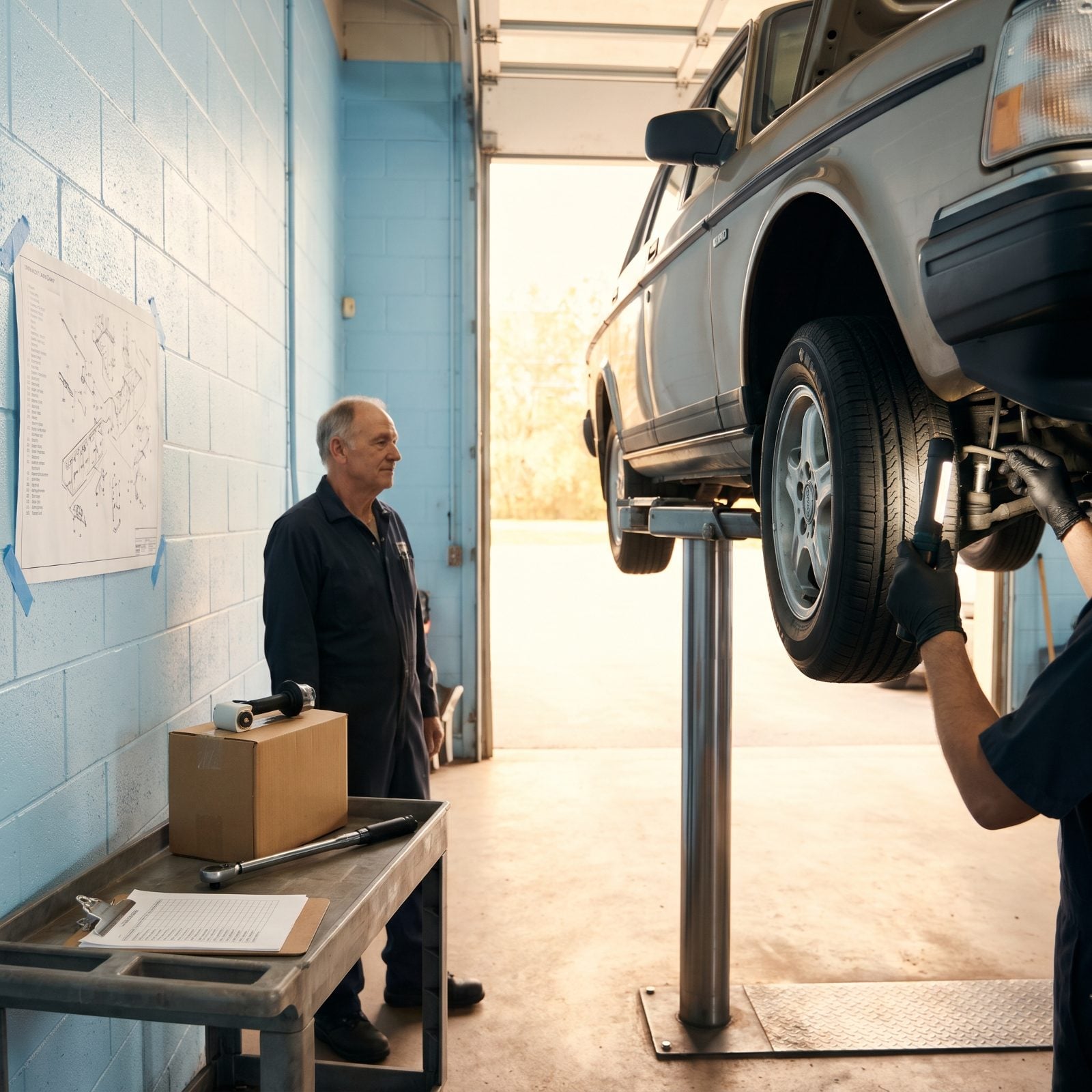
A recall is the manufacturer admitting something might fail before it ever has on your car. You bring it in, they replace a part that looked perfectly fine, and you drive off having dodged a problem you never saw coming.
Screenings pull the same trick for you. The colonoscopy, the bone-density test, the mammogram — none of them wait for symptoms. They go hunting for trouble while it’s still small enough to handle quietly.
42. Diagnostic Scans Can Find Trouble Before It Becomes Obvious

Plug a scanner into a car and it’ll flag a sensor going soft weeks before the engine ever stumbles. The trouble sits in there, logged and waiting, long before you’d feel it in the seat.
Bloodwork does the same quiet reporting. Numbers drift on a panel before you notice a thing in how you feel, and catch that drift early and the fix is often a change to habits, not a procedure. The scan is not the enemy. The surprise is, and the scan is how you dodge it.
41. Preventive Maintenance Usually Costs Less Than an Emergency
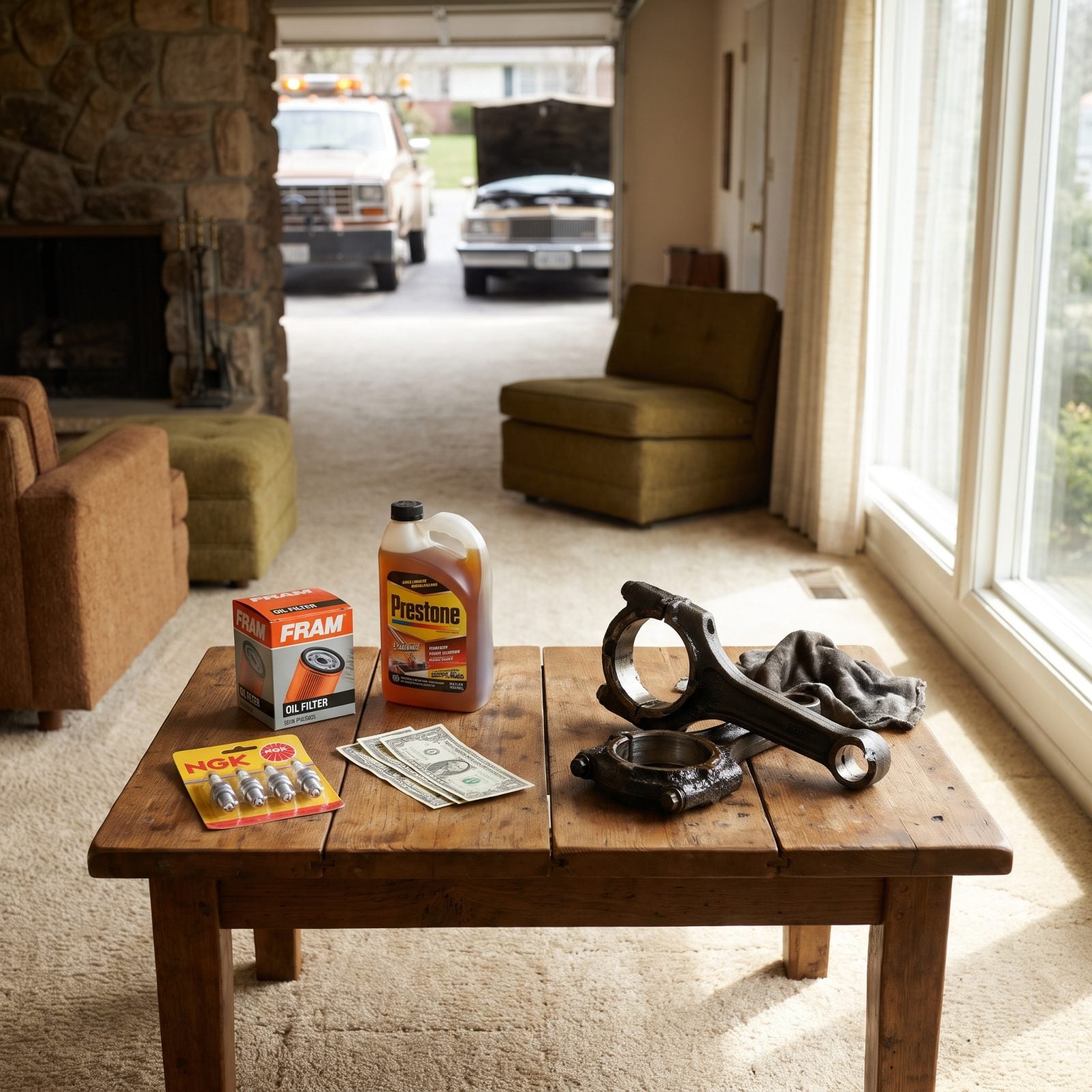
A timing belt costs a few hundred dollars on a Saturday morning. That same belt snapping on the highway takes the engine with it, and now you’re looking at a bill many times higher, plus the tow, plus the day lost on the shoulder.
Prevention always looks like the pricey option until you price the alternative. The walk you take every day, the strength you keep in your legs, the dental cleaning, the flu shot — boring, cheap, and nothing next to the cost of the fall, the hospital stay, the long recovery that follows skipping them.
The cheapest repair is the one you did before it was a repair.
40. Learning the Owner’s Manual Is Like Becoming Health-Literate

The glovebox manual tells you how often to change the fluid, what the warning lights mean, what’s normal and what’s a reason to pull over. Read it once and you stop being at the mercy of whoever’s holding the wrench.
Health literacy is that same quiet power. You don’t need a medical degree — you need to understand your own prescriptions, know what your conditions actually are, and ask the follow-up question instead of nodding along. The owner who reads the manual gets taken for a ride far less often, in the garage and the exam room both.
39. A Model-Specific Mechanic Can Help Like the Right Medical Specialist
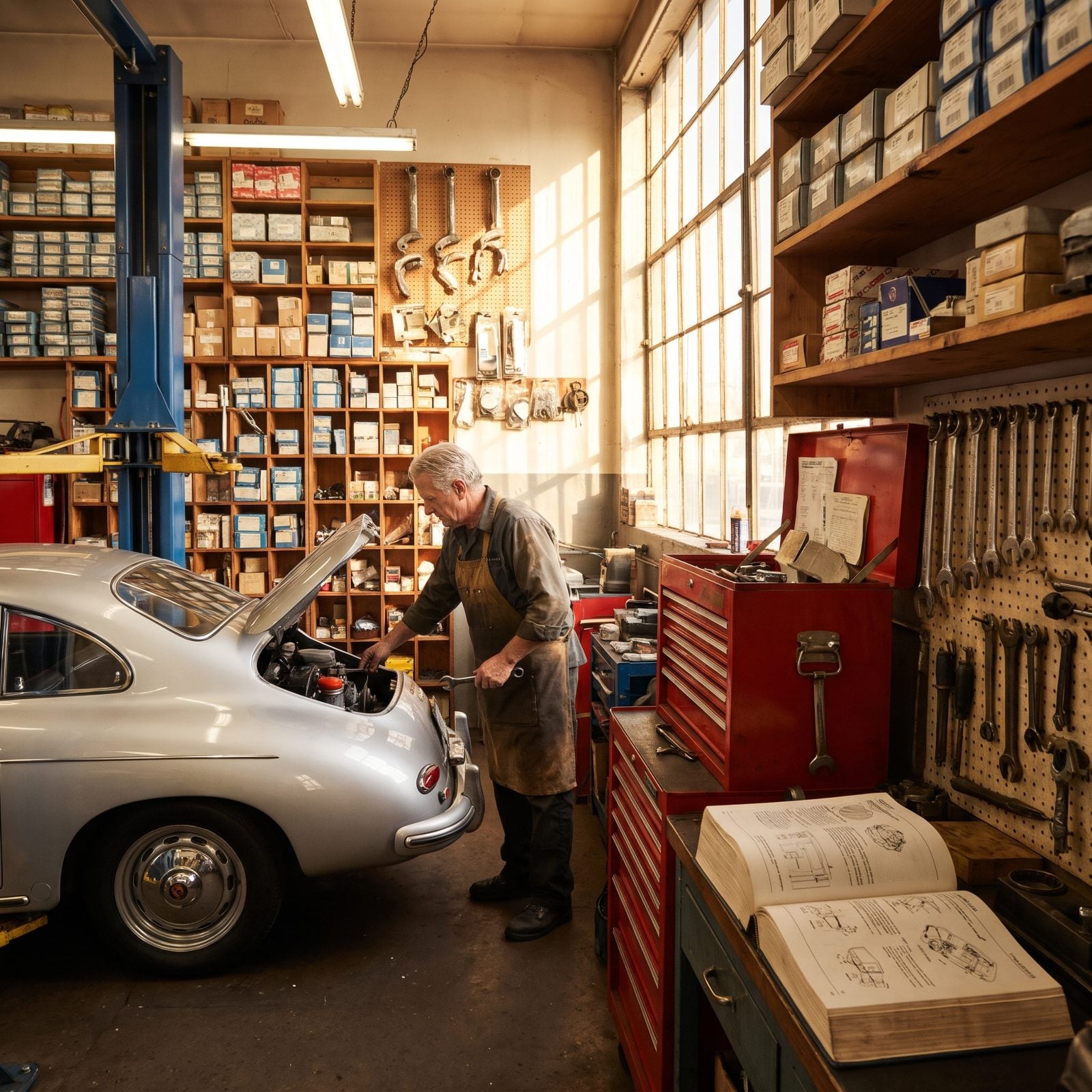
A good general mechanic can fix most of what rolls in. Hand him a rare marque with quirks only its specialists know, though, and you want the shop that works on nothing else — the person who’s seen your exact problem a hundred times and knows the fix before you finish the sentence.
A specialist pulls the same off in medicine. The family doctor handles the daily business and knows when to pass you up the line. When something specific lands, the cardiologist or the orthopedist who does only that all day is the one you want. Knowing when to make that call is itself a skill, and the owners who last tend to have it.
38. A Second Opinion Can Stop an Expensive Wrong Repair
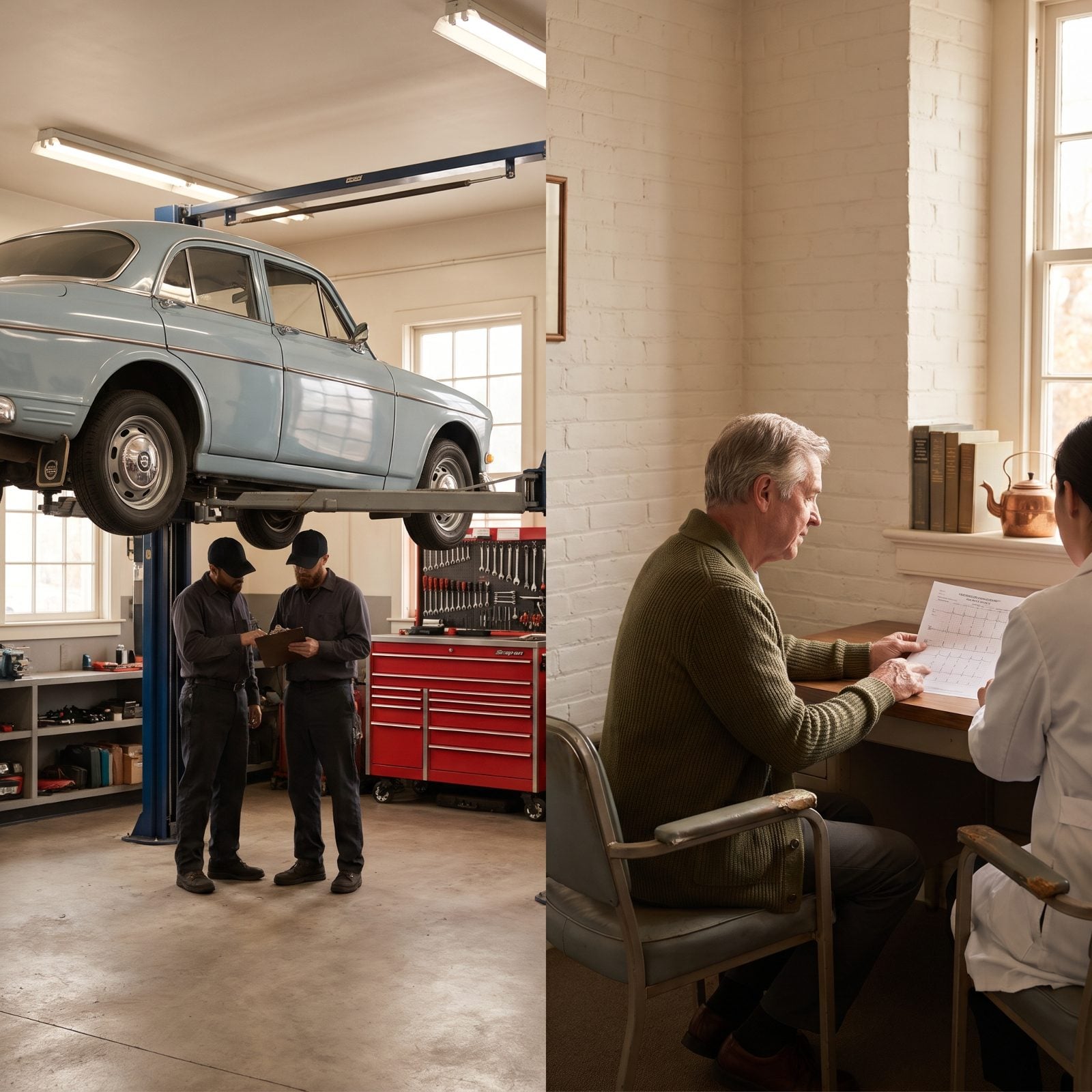
One opinion is a guess with confidence. A shop that says the whole transmission is gone might be right — or it might be reading a $40 solenoid as a full rebuild. You don’t hand over the keys on the first word. Get a second set of eyes.
The body plays by the same rules. A single verdict on your knee, your back, your heart deserves the same skepticism you’d give a surprise quote. Ask the other mechanic. The wrong repair, the costly one, is always the one nobody bothered to check twice.
37. A Careful Road Test After Repairs Works Like a Follow-Up Appointment
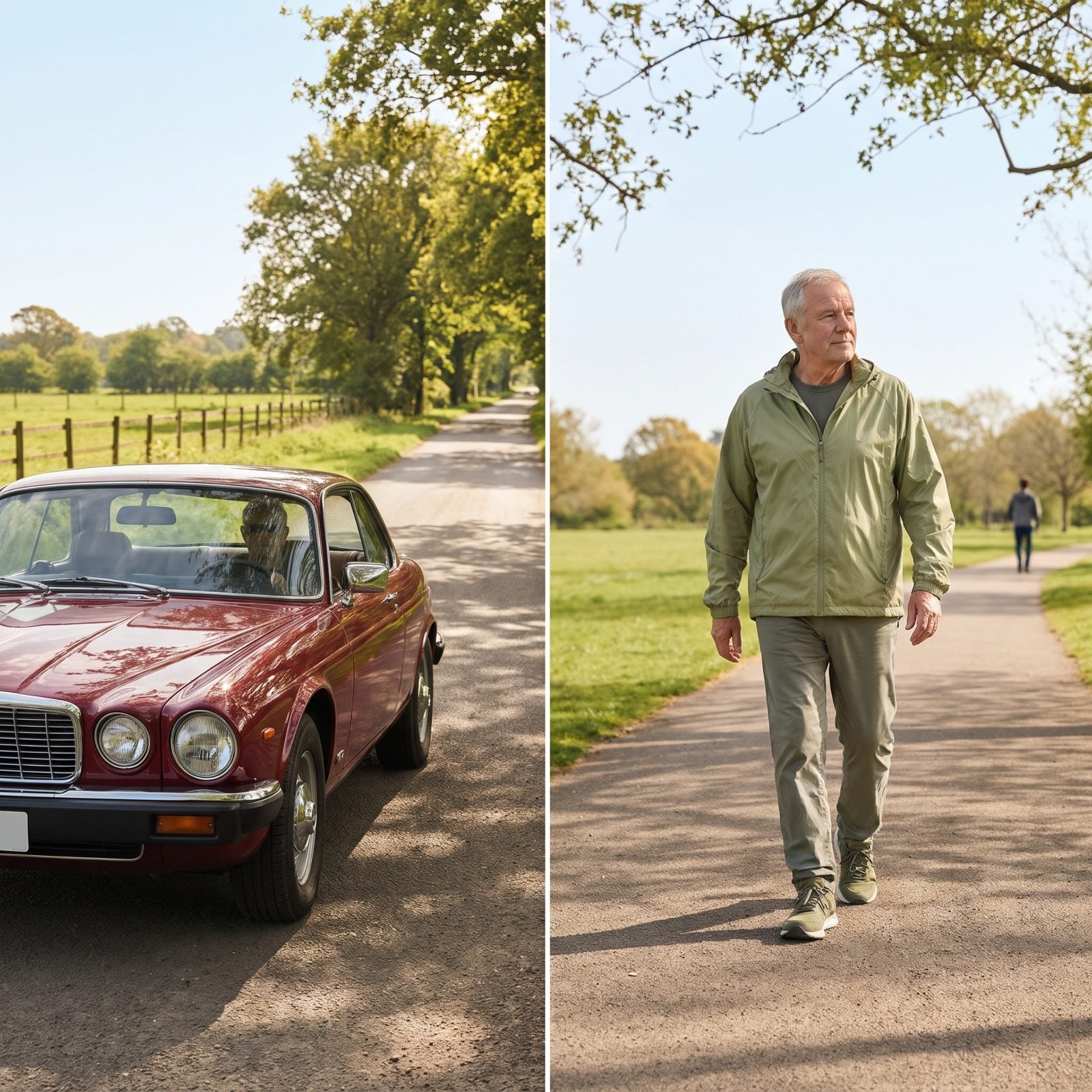
A new part on paper is not a fixed car. You take it out slow, work up through the gears, listen for the thing that was wrong and feel for the thing that’s new. Repairs reveal themselves in the first ten miles, not on the invoice.
After any procedure or a change in medication, the follow-up is your road test. You find out whether the fix held under real load. Skip it, and that’s how a small slip turns into a tow truck.
36. New Parts and Recovering Bodies Both Need a Sensible Break-In Period
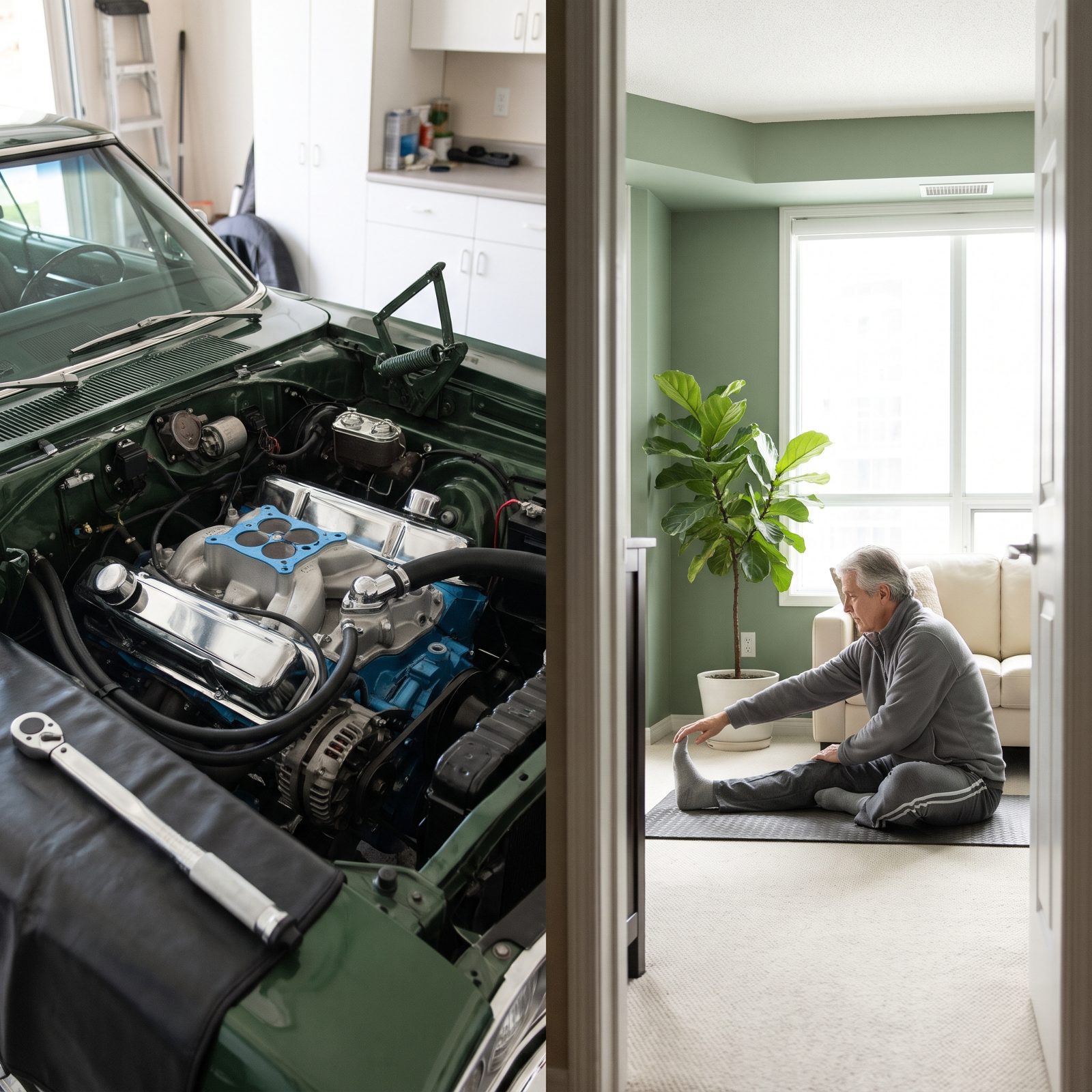
Drop a fresh engine in and redline it that afternoon and you’ll ruin it. Rings need to seat, oil needs to circulate, and you baby the thing for the first few hundred miles before you ever open it up. Every engine builder knows this. The impatient ones learn it twice.
Recovery runs on the same clock. A repaired joint, a healing muscle, a brand-new routine — all of them want measured load before full throttle. Push too hard, too early, and you’re right back in the bay.
35. Quality Fuel and Good Nutrition Both Affect Daily Performance
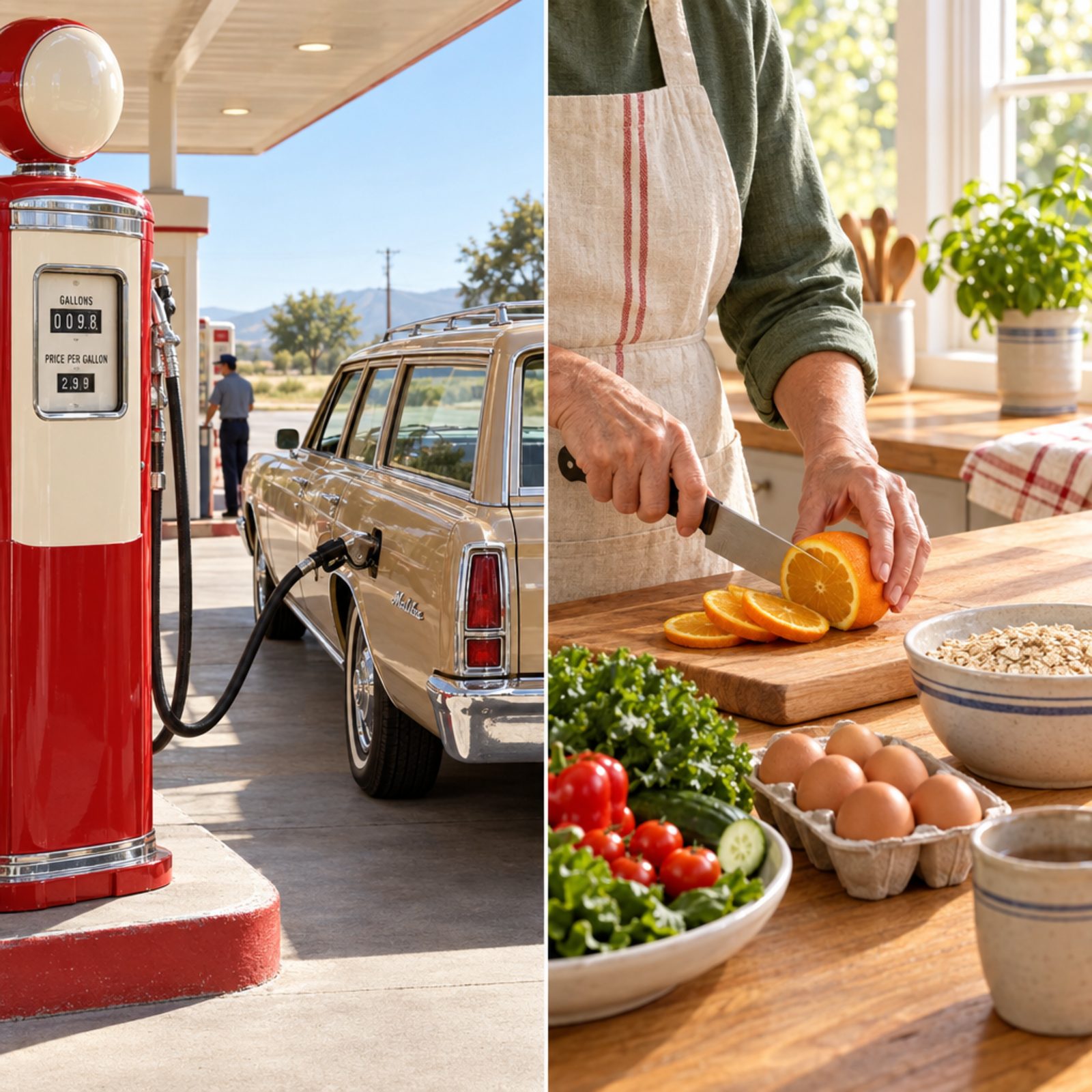
Cheap gas with water in the tank, and your engine stumbles at every light. You feel it before the gauge ever tells you. Whatever you put in shows up in how the thing runs — not someday, but by the next mile marker.
Food is the same input with the same honesty. A tank of junk and you’re idling rough by mid-afternoon. Good fuel isn’t a reward you earn. It’s the difference between pulling the hill and limping up it.
34. Coolant and Hydration Keep Heat from Becoming a Crisis

An overheating engine doesn’t announce itself politely. The needle climbs, the temp light glows, and ignore it long enough and you warp a head — day over on the shoulder, steam pouring out. Coolant is the quiet system nobody thinks about until it’s gone.
Heat does the same thing to a person on a brutal afternoon. Hydration is your coolant. Run behind on it and a fine morning becomes a dizzy spell and a bad fall. Top it off before the gauge moves.
33. Fresh Oil Keeps Moving Parts from Grinding Themselves Down
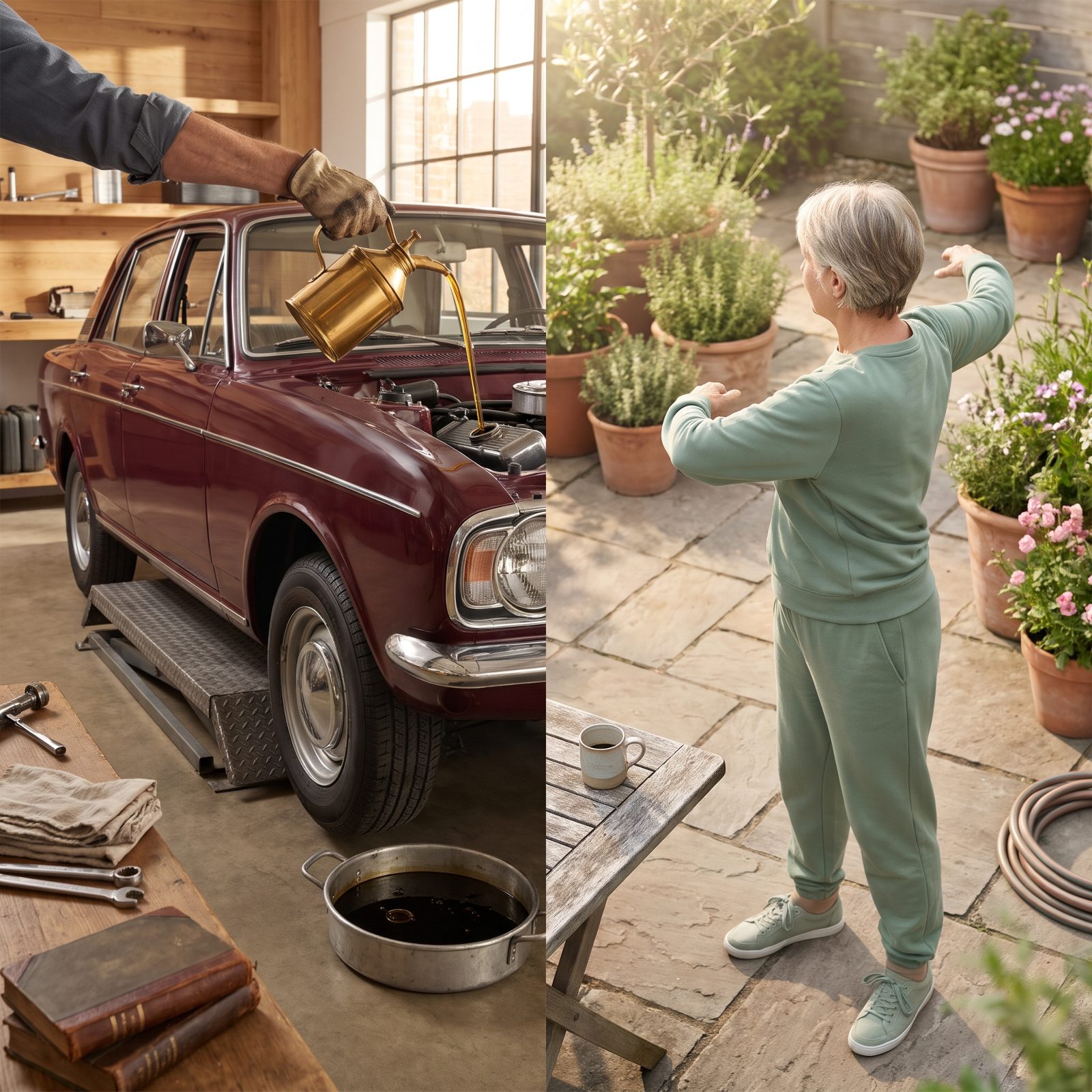
Run an engine on old oil and you can hear it. The gummy, blackened stuff quits lubricating and the moving parts start wearing against each other. Change it on schedule and that same engine will turn over past a quarter million miles without complaint.
Joints and muscles want the same courtesy. Movement is your oil change. Sit still too long and everything stiffens, grinds, and gripes at you. Keep it circulating and the whole machine runs quiet.
32. Clean Filters Help Both Engines and People Breathe Easier
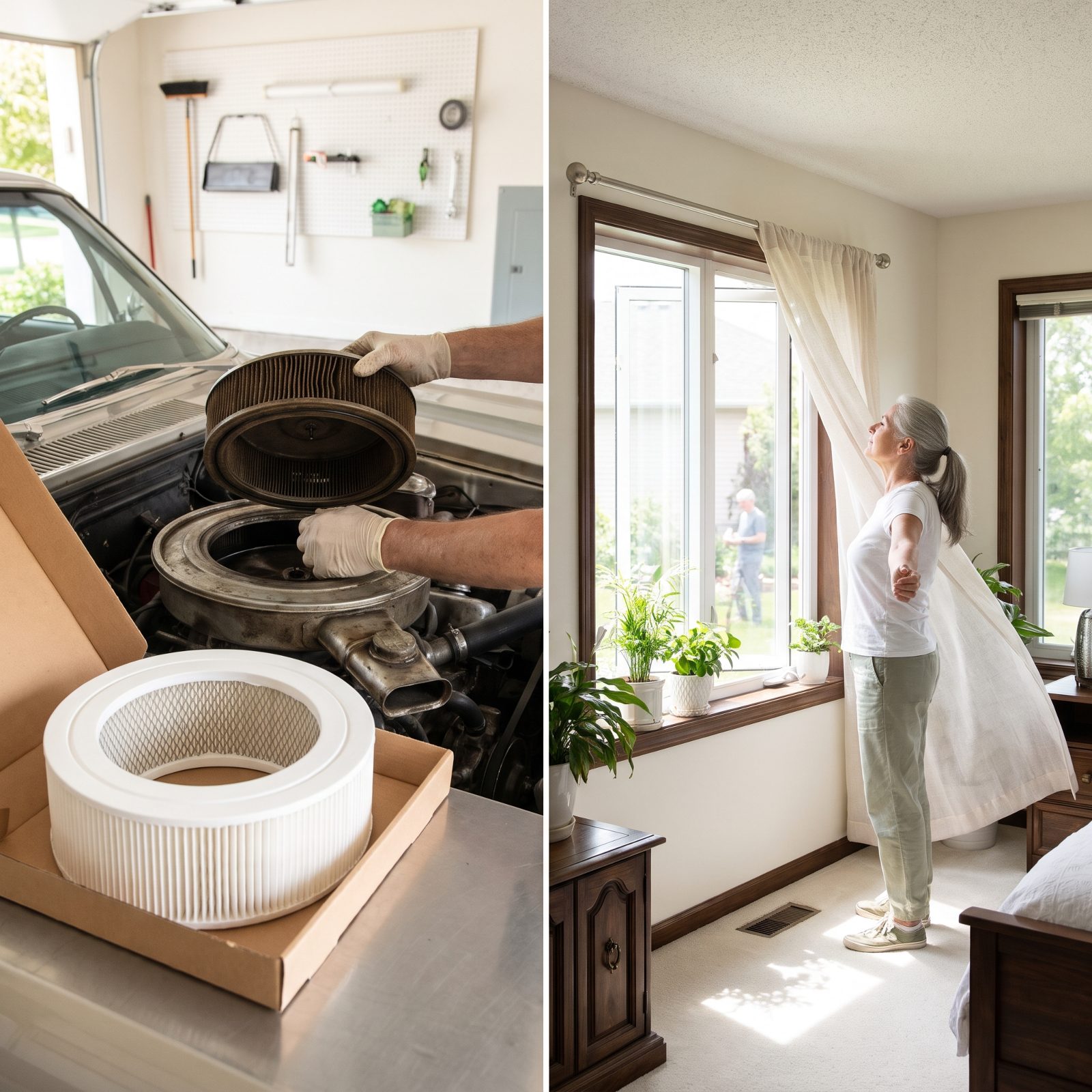
Pull a clogged air filter and hold it to the light. Nothing gets through. A choked engine runs rich, loses power, and drinks fuel just trying to breathe. Swap in a clean one and it wakes right up.
Lungs answer to that same principle. Clean air, deep breaths, a little cardio — all of it keeps the intake clear. Neglect it and you’ll be laboring at the top of a staircase you used to take two at a time.
31. Correct Engine Timing Is the Mechanical Equivalent of a Steady Rhythm
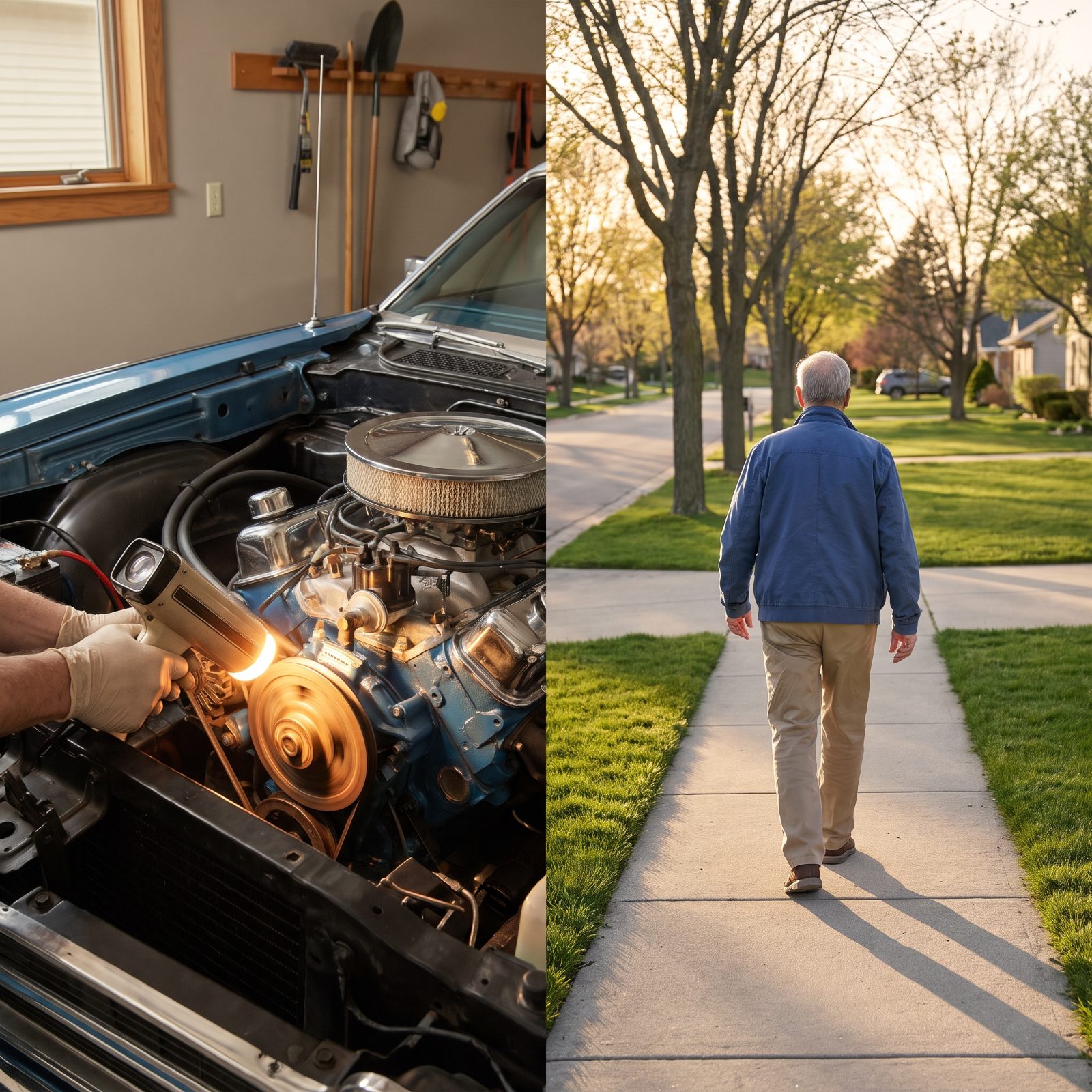
Timing off by a few degrees and the engine pings, hesitates, and fights itself. Spark has to fire at the right instant, every stroke, in rhythm. Set it true with a timing light and the whole machine smooths out and pulls clean.
The heart keeps time the same way. A steady, even beat is the engine running in sync. Erratic firing — mechanical or biological — is the signal you check sooner rather than later.
30. Brittle Hoses Can Disrupt Flow Like Aging Blood Vessels
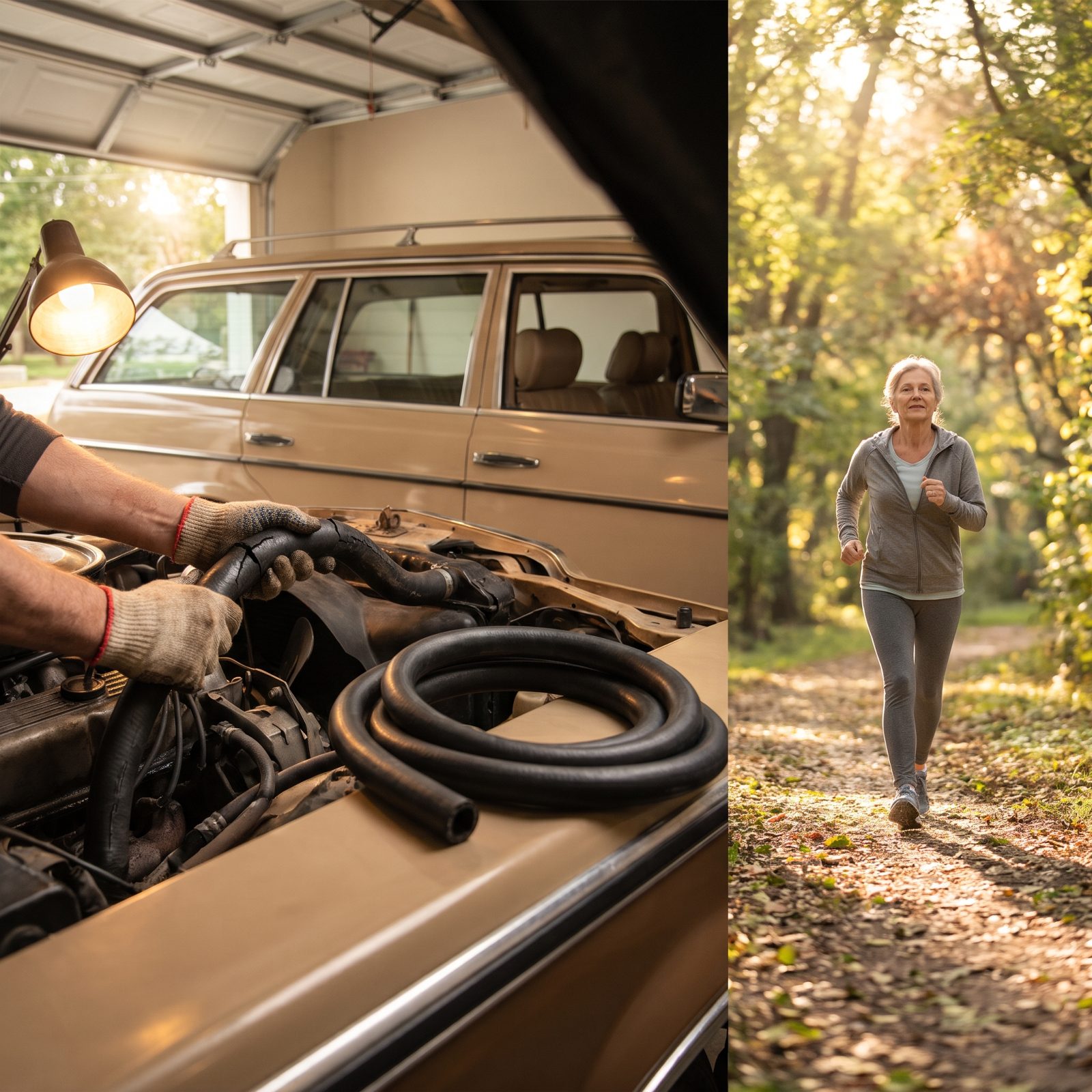
Hoses go hard before they go. Years of heat cycles turn supple rubber brittle, and one day a cracked line splits and whatever it was carrying — coolant, fuel — ends up all over the driveway. You catch it by squeezing them during a service, not after the leak.
Vessels stiffen with that same quiet patience. Flow matters, and keeping it easy through movement and good habits is a lot cheaper than the roadside failure. Check the lines while they still bend.
29. Aging Belts Need Attention Just as Tendons Do
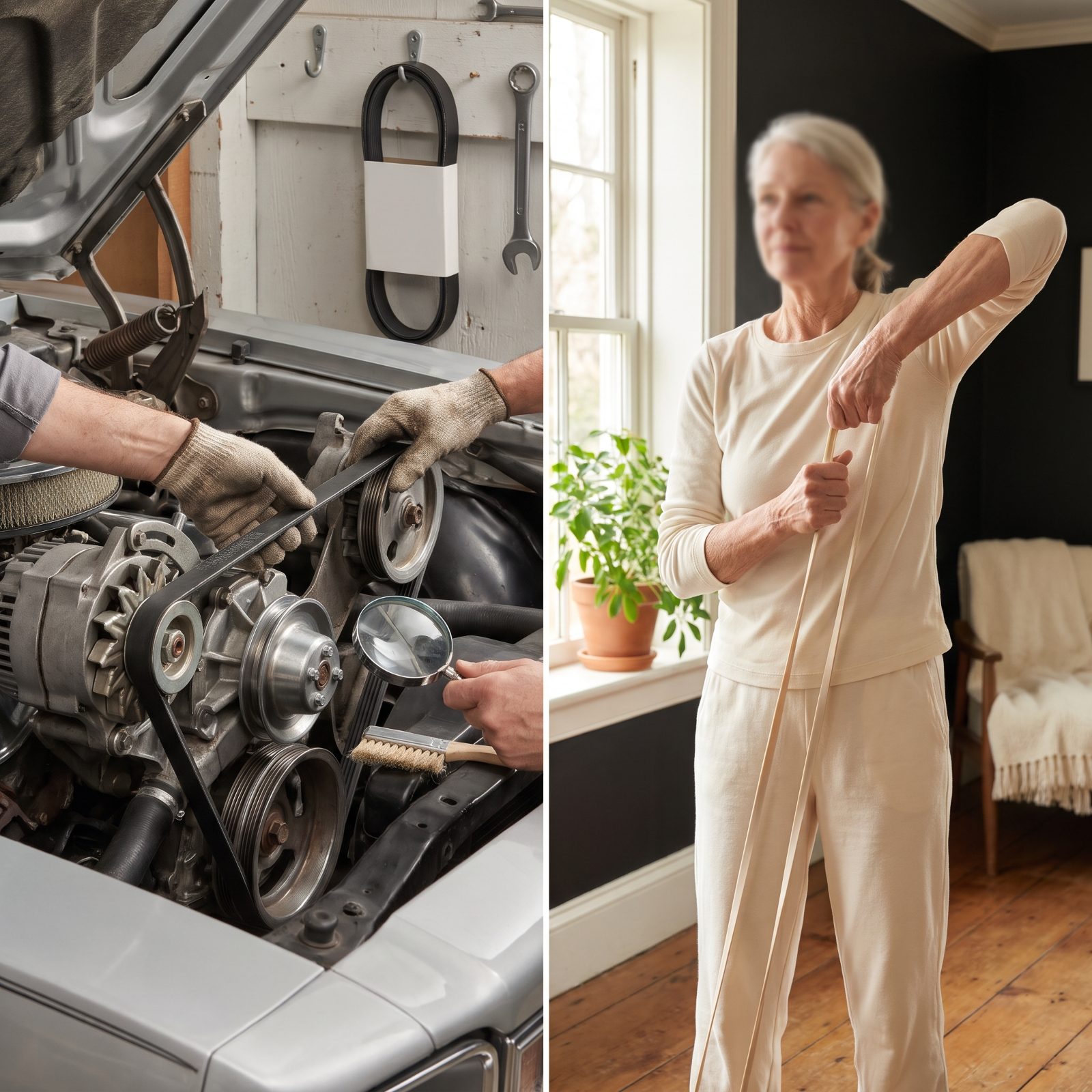
A belt doesn’t snap out of nowhere. It frays at the edges, glazes over, loses its grip, and gives you plenty of warning if you ever bother to look. Keep it tensioned and in good shape and it drives everything it’s supposed to, no drama.
Tendons are the belts in the body. They want steady, measured tension to stay springy — not the neglect that lets them go stiff and give out under a sudden load. Gentle, consistent work keeps them in service for the long haul.
28. Sound Wiring Keeps Distant Parts Talking Like a Healthy Nervous System
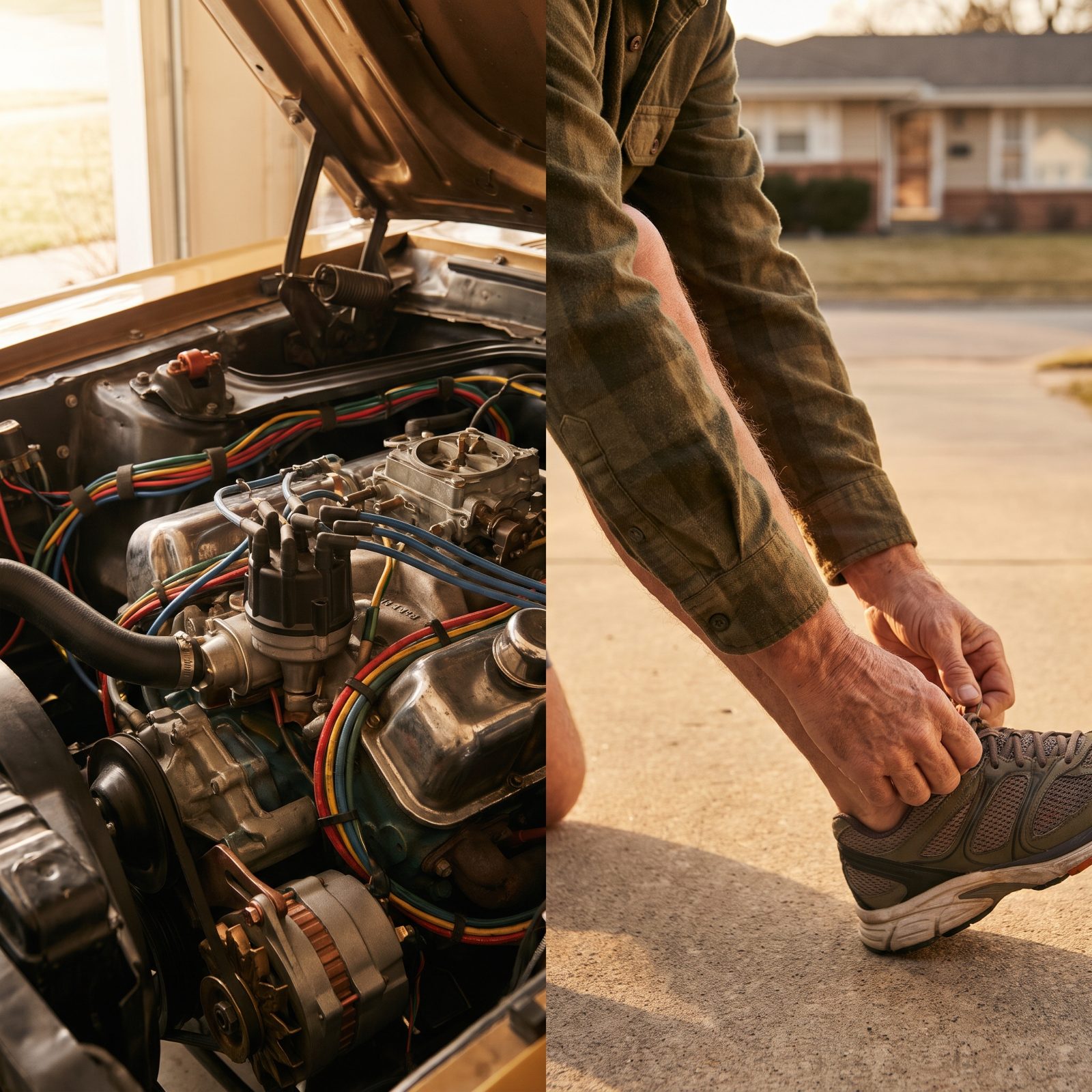
Chafed wiring is the sneakiest fault in an old car. The engine runs fine until a gauge flickers, then a signal drops, then a whole circuit goes dark. Nothing broke that you can see. The message just stopped getting through.
The body past 60 works the same way. Balance, reflex, reaction time — all of it rides on signals moving cleanly between distant parts. Stay active and those pathways stay quick. Go quiet and they fray. The fix in both cases is unglamorous: keep the connections used, keep them clean, catch the fray before the circuit dies.
27. One Failing System Drags Several Others Down With It
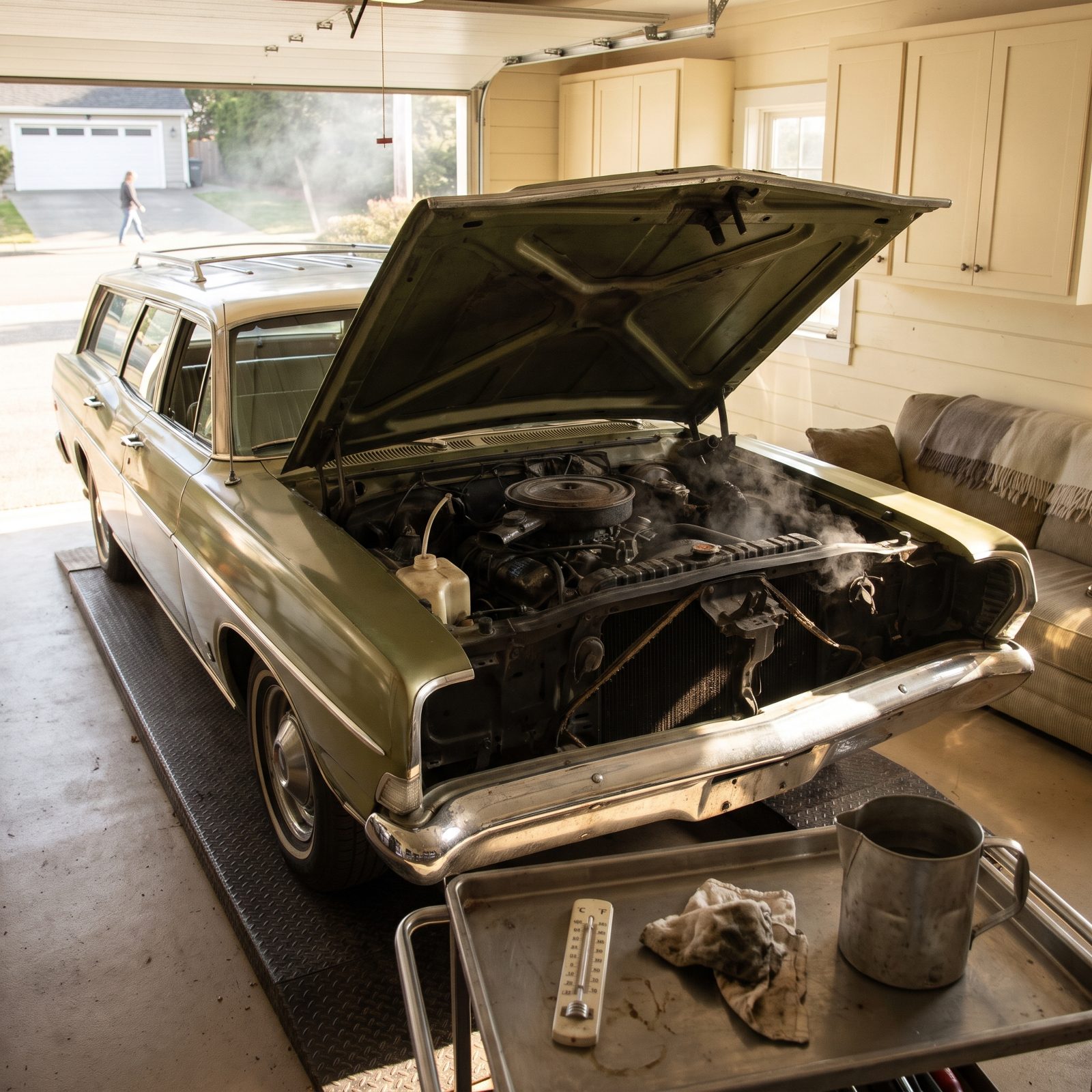
Let the cooling system slip and watch what follows. The engine runs hot, so the oil thins, so the bearings wear, and now you’ve got three problems born from one low coolant level.
We ignored a tired water pump once and talked ourselves into the idea that it was fine. It was not fine. It took the head gasket with it, and the head gasket nearly took our summer.
Bodies compensate the same way. A bad knee shifts your weight, the hip starts carrying a load it was never built to carry, and the back files its complaint a month later. Fix the first thing fast, before it recruits the rest.
26. Regular Drives Stop an Old Car From Stiffening Up in Storage
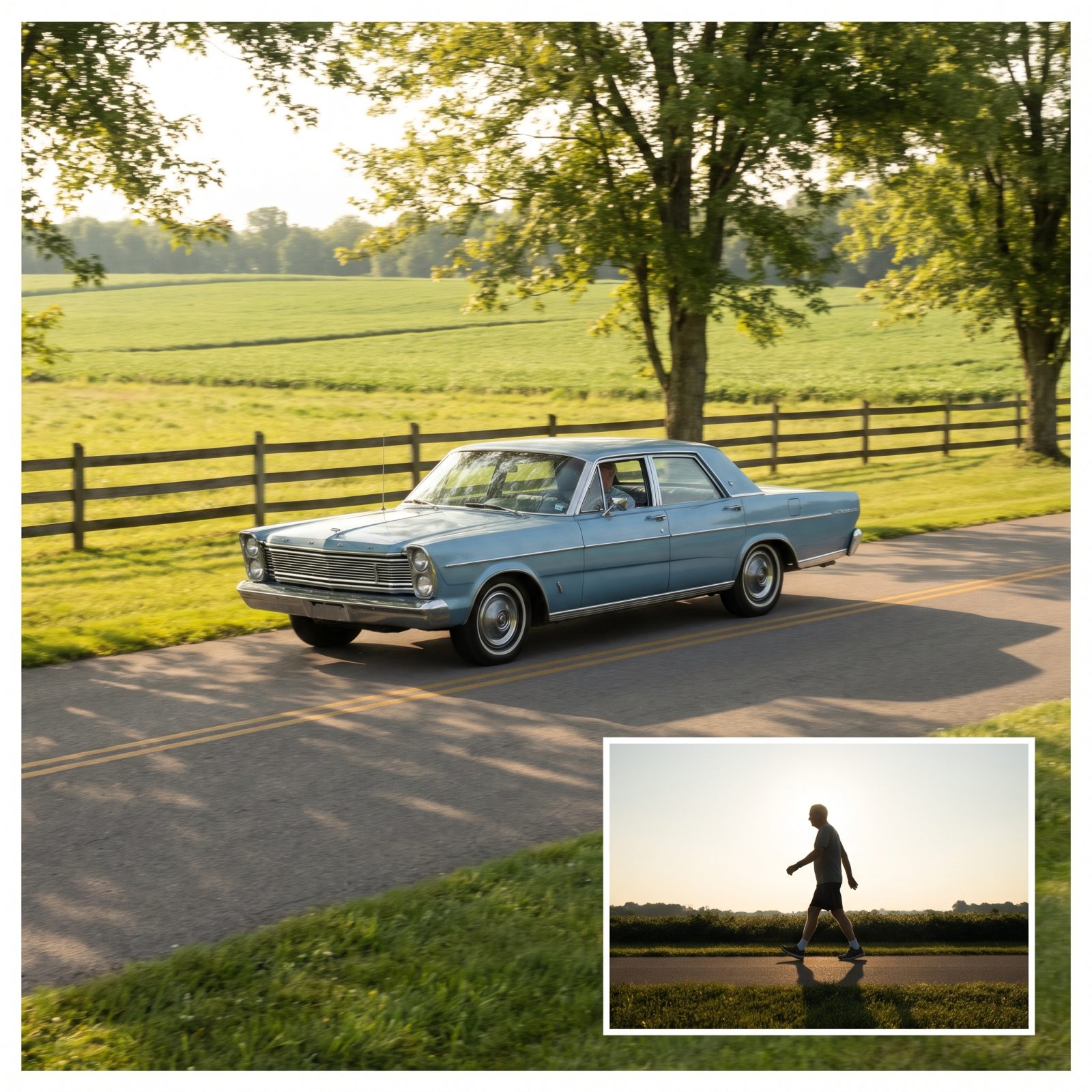
A car parked all winter doesn’t rest. It seizes. Brake pads bond to rotors, seals dry out, and flat spots settle into the tires where they’ve sat under load for months. The thing that looks like preservation is actually slow damage.
Movement is the only cure, for the sedan and for you. A regular drive keeps the fluids circulating and the seals pliable, and a regular walk does the identical job for joints that stiffen the second you decide to sit the week out.
25. Gentle Cold Starts Are the Mechanical Version of Warming Up
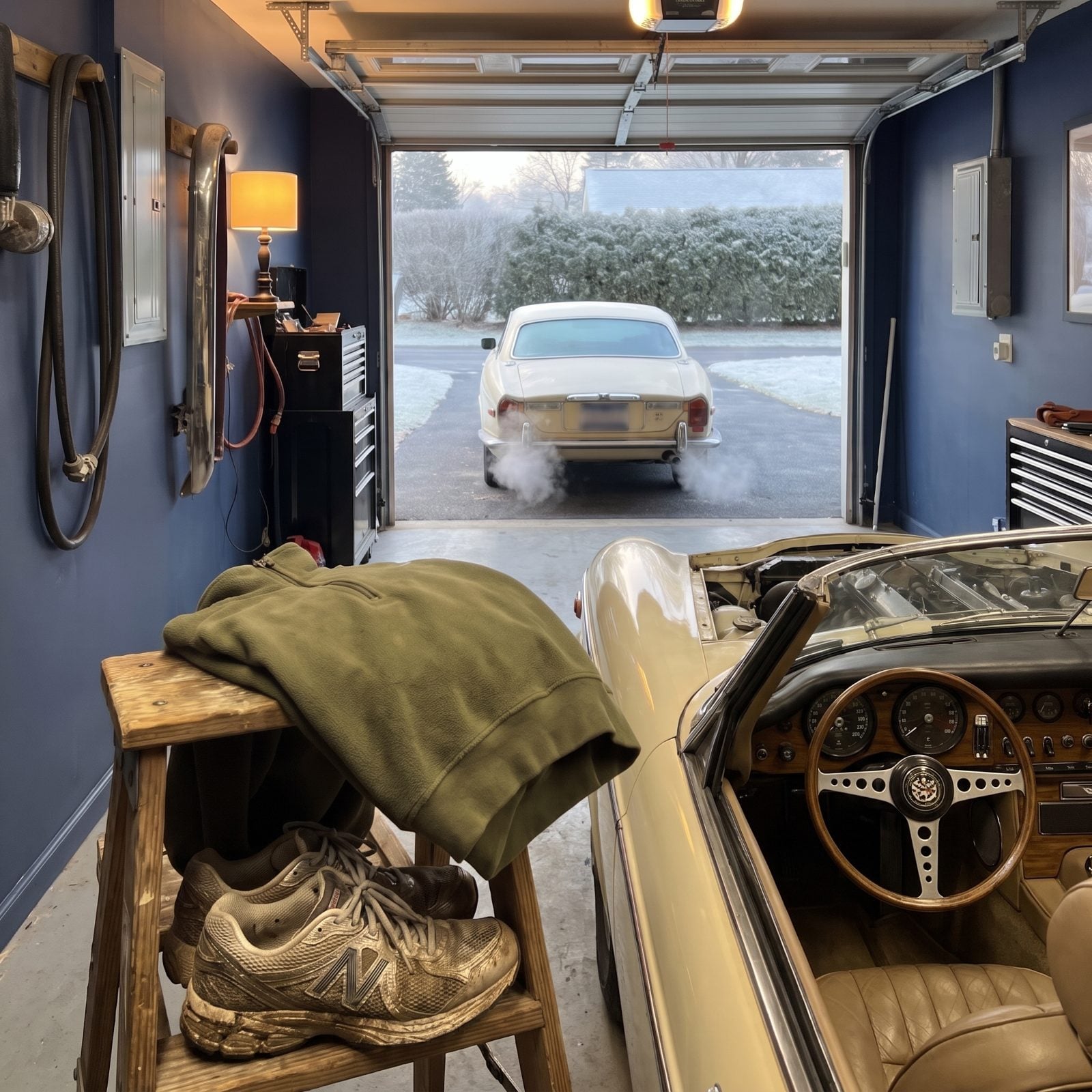
Flooring a cold engine is how you shorten its life. The oil is still pooled in the pan, the metal hasn’t expanded to its running tolerances, and every hard rev before it’s warm grinds surfaces that aren’t ready to meet yet. Give it a minute. Let the pressure build.
You run on the same principle. Cold muscle doesn’t like being asked for everything at once — a few easy minutes first, then the effort. The old-timers who let the car idle a beat before pulling out of the drive weren’t being sentimental. They were right.
24. Nothing But Short Trips Never Gets the Whole System Working
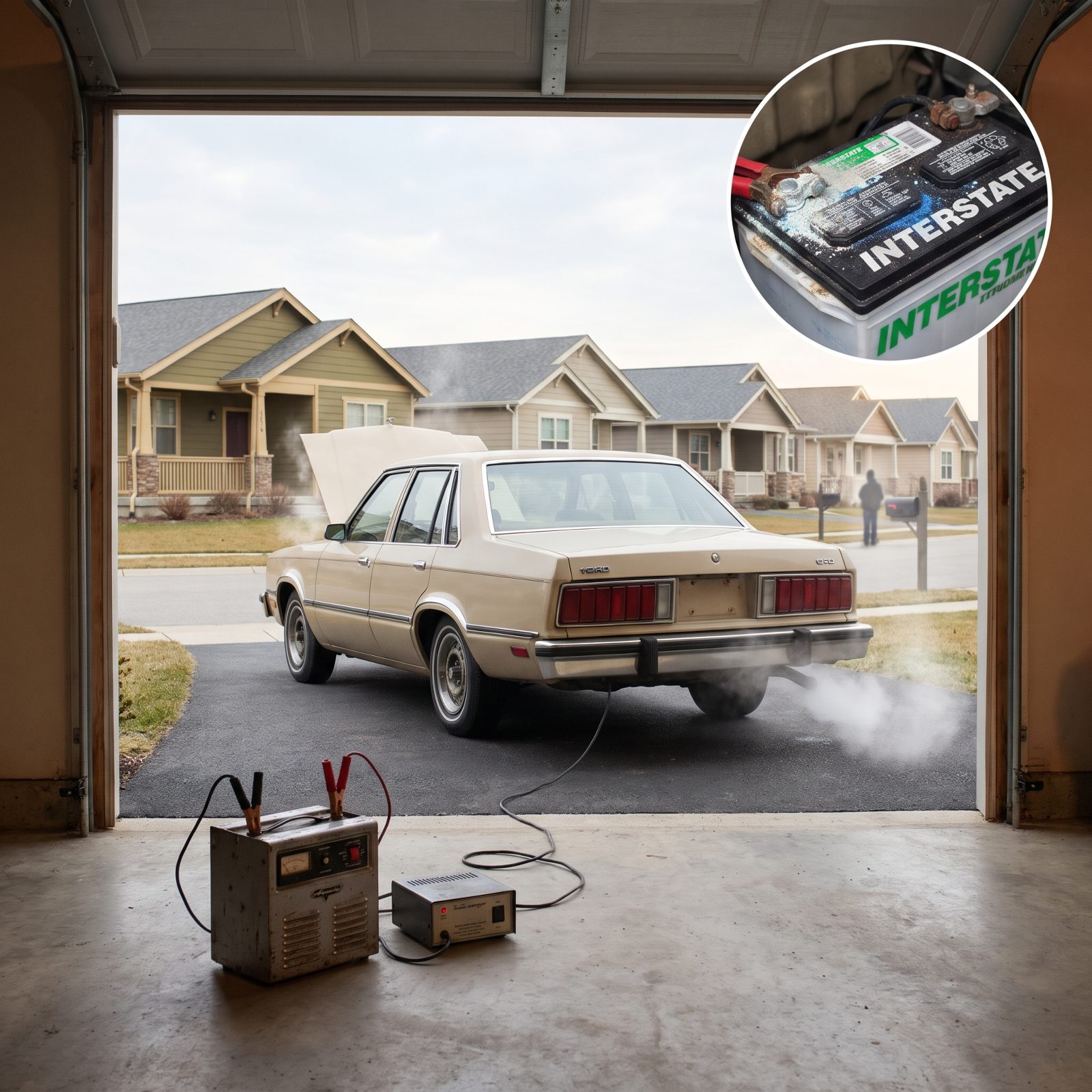
Short hops are quietly bad for an engine. The oil never fully heats, moisture never burns off, and the battery never recoups what the starter pulled to crank it. Do that for weeks and the car gets fragile without ever leaving the neighborhood.
A life of tiny efforts can leave a body in the same half-finished state. Puttering counts for something, but it never asks the whole system to show up and do its job. Every so often the car needs a real highway run. You need the equivalent.
23. Endless Idling Does as Little Good as a Sedentary Week
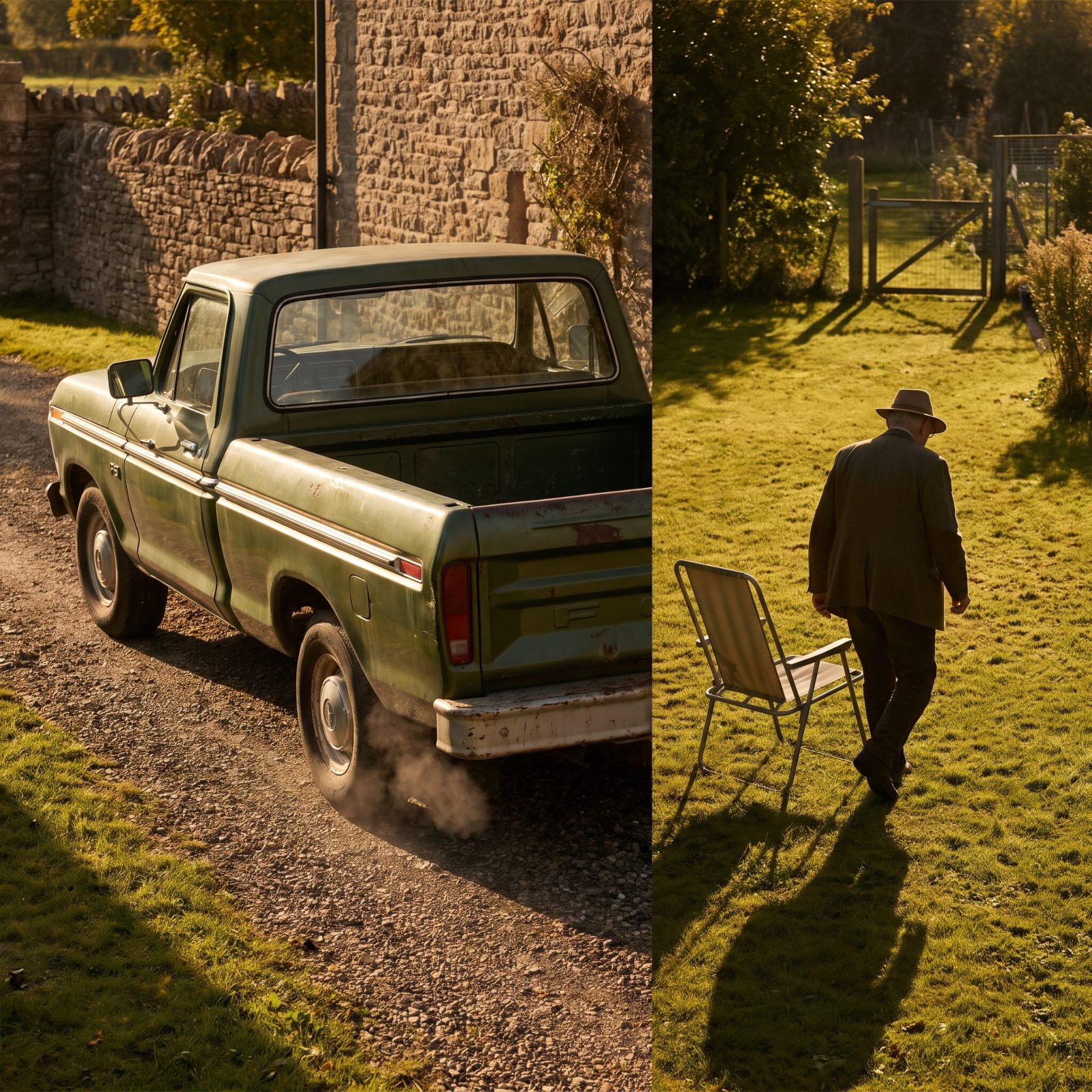
An engine left idling burns fuel, fouls plugs, and glazes the cylinder walls, all while accomplishing exactly nothing. Running is not the same as going somewhere. The motor is awake but the car is useless.
A sedentary stretch runs the same tab on a person. The heart beats, the lungs work, the day passes, and the body settles into the chair a little deeper than it did yesterday. Being alive is not the same as being in motion. Both the truck and the man need to be put in gear.
22. Excess Payload Makes Every System Work Harder

Watch an overloaded truck try to climb a grade. The engine strains, the transmission runs hot, the brakes fade faster coming down the other side, and the tires wear at the edges. Nothing in that truck is broken. Everything in it is working too hard because of what it’s been asked to haul.
Carry too much, and the body fights that same uphill battle, every joint and every system paying the surcharge on weight it wasn’t engineered for. The fix isn’t exotic. Lighten the load and the whole machine breathes easier.
21. Correct Tire Pressure Matters as Much as Watching Your Blood Pressure
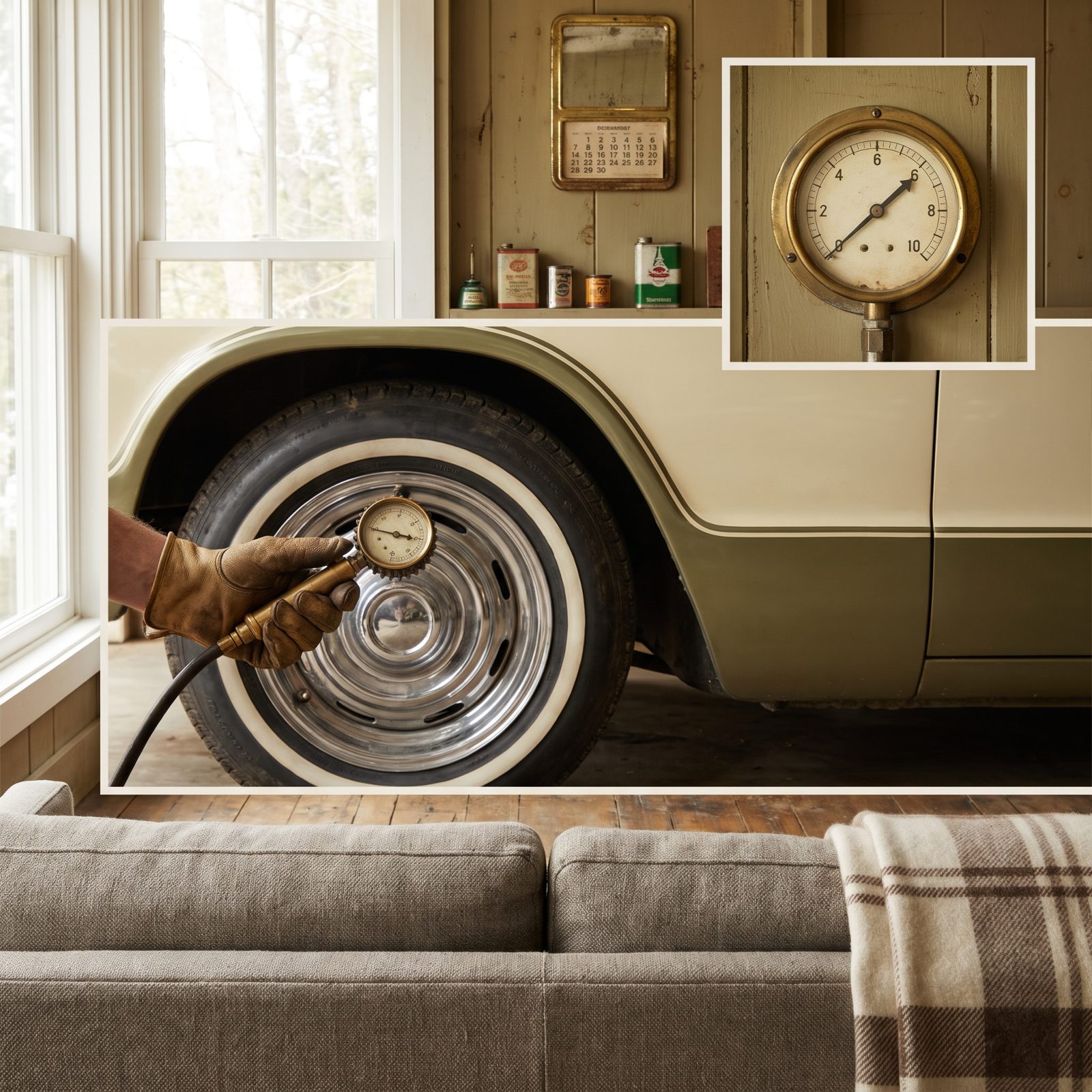
Tire pressure is invisible until it isn’t. Run too low and the sidewalls flex, heat builds, and the casing fails without warning on a hot highway. Run too high and the ride turns harsh and the center wears bald. You cannot eyeball it, and you cannot just hold a gauge against the chrome hubcap and hope. The gauge has to seat on the valve stem, on a schedule, because the number tells you things the tire never will.
The parallel writes itself. The pressure you can’t feel is the one most likely to catch you out. Know the number, and check it before it checks you.
20. Good Tire Tread Gives You the Grip Good Shoes Do
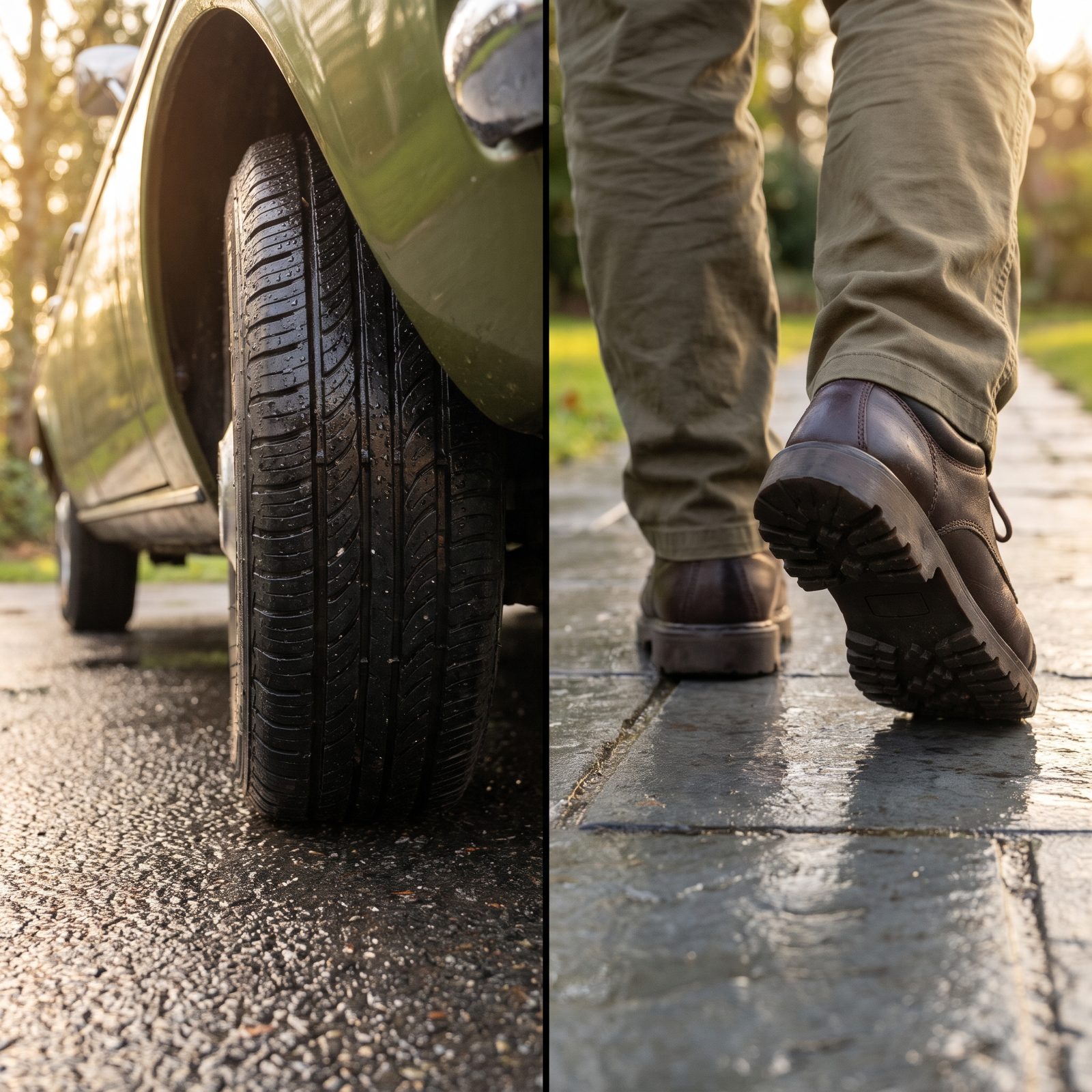
Bald tires feel perfectly safe right up until the one moment they don’t. Dry pavement hides the problem completely. Then it rains, the grooves aren’t there to move the water, and the car floats on a film it can’t grip.
Footing works the same after 60. Smooth soles and worn heels are fine on dry ground and treacherous the instant the surface turns slick. The grip you take for granted is the grip that keeps you upright. Good tread, good shoes — same insurance policy.
19. Proper Alignment Prevents the Uneven Wear Bad Posture Causes
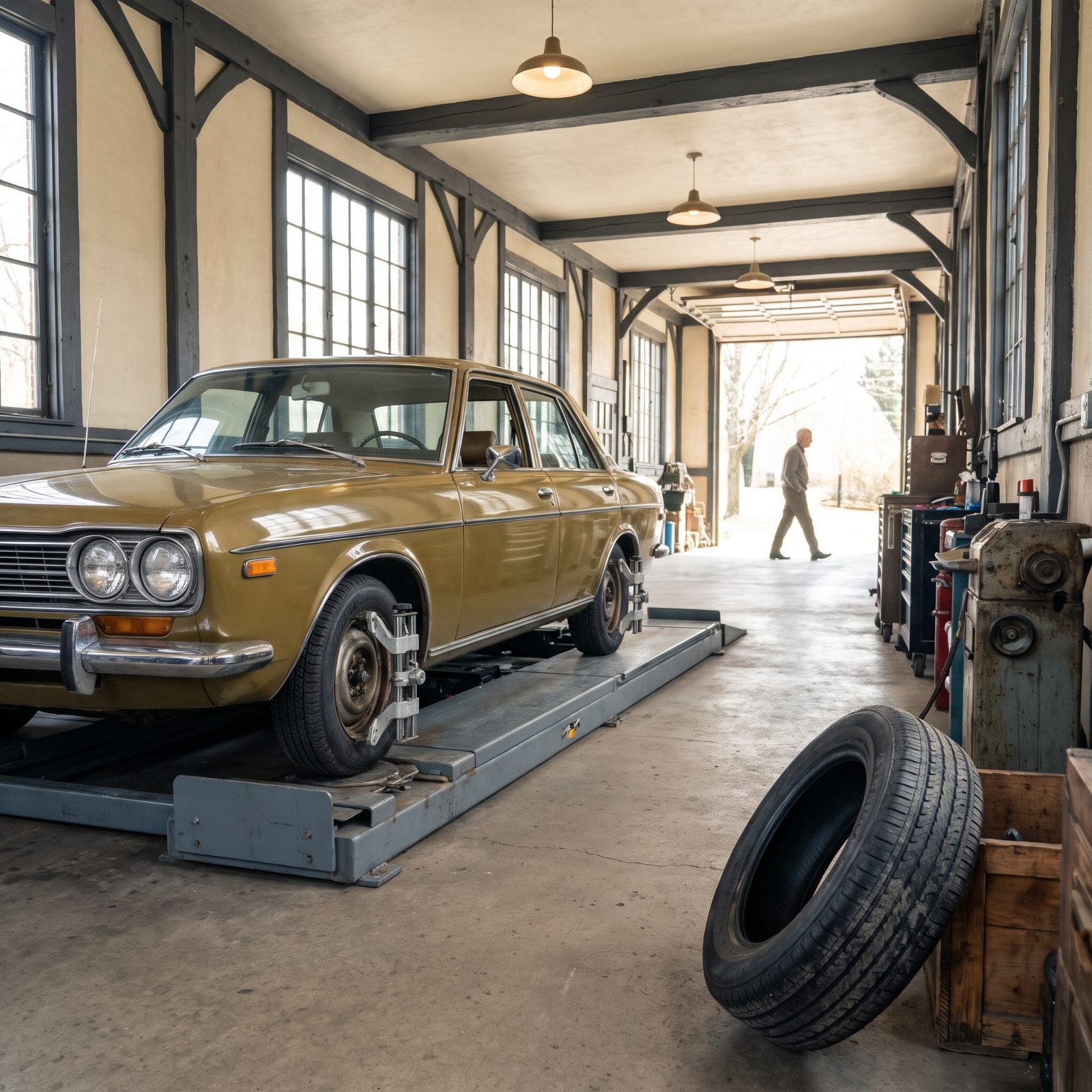
Alignment is a fault you can track down with the car rolled onto the alignment rack. Clamp the heads on the wheels, lean a spare tire against the bench, look over the readings and the tread, and start working out why the car drifts a little even when the wheel’s dead center. Nothing dramatic ever announces it. The wear just adds up, crooked and expensive, until you’re buying rubber twice as often as you should.
Posture does the exact same bookkeeping. Carry yourself a few degrees off true, year after year, and the body wears unevenly, one joint cashing checks the others wrote. Square up and everything downstream lasts longer. Go check your tires. And stand up straight while you’re out there.
18. Reliable Brakes Preserve the Ability to Stop Before Trouble
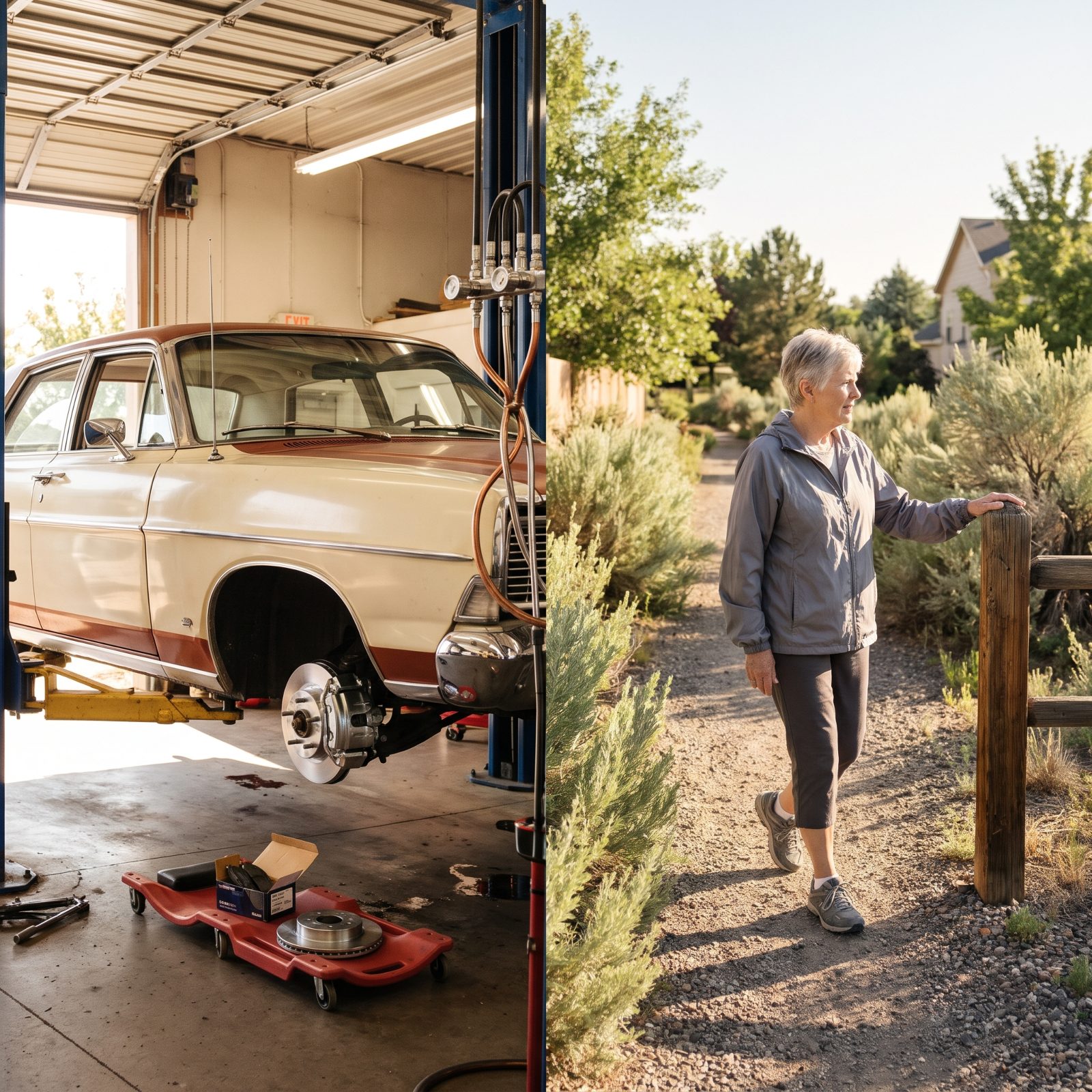
Brakes are the one system you never notice until the moment you need them most. A soft pedal or a set of glazed pads won’t announce themselves — they just fail to deliver when a kid chases a ball into the street.
Reaction and strength work the same way after 60. The ability to catch yourself, plant a foot, halt before a stumble becomes a fall. You don’t build it for the easy days. You build it for that one second that decides everything.
17. Fresh Suspension Keeps Bumps from Punishing the Whole Structure
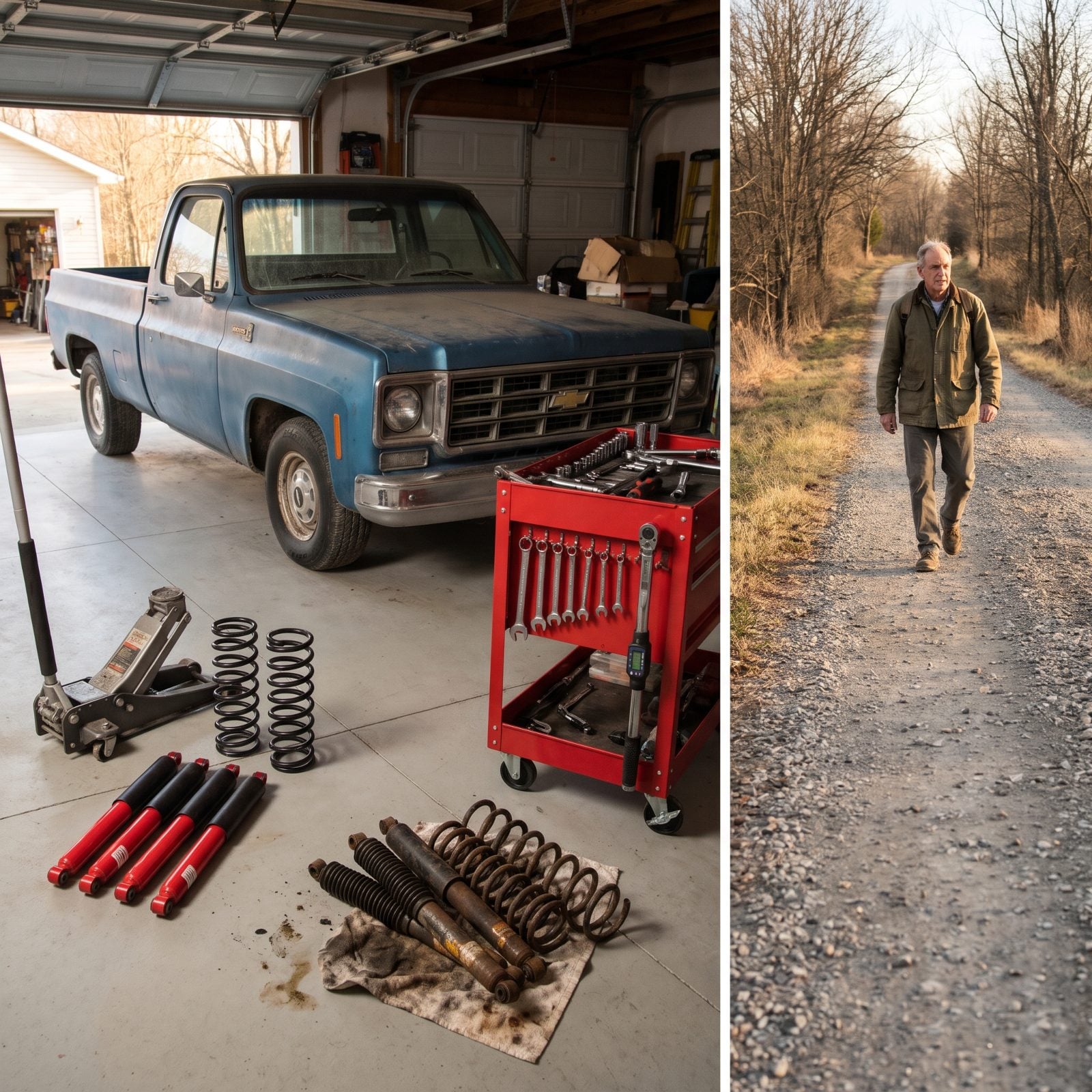
Worn shocks don’t just make for a rough ride. They send every pothole straight into the frame, the bushings, the body mounts, and one tired component means the whole car starts eating damage from roads it used to shrug off.
Your joints pull the same shift. Strong legs and good connective tissue soak up the jolt of walking, stepping down, hauling groceries up the porch steps. Let them go soft and every hard surface starts punishing your spine and hips instead. Keep the suspension fresh and you protect everything riding above it.
16. Tight Steering Maintains the Control Mobility Depends On
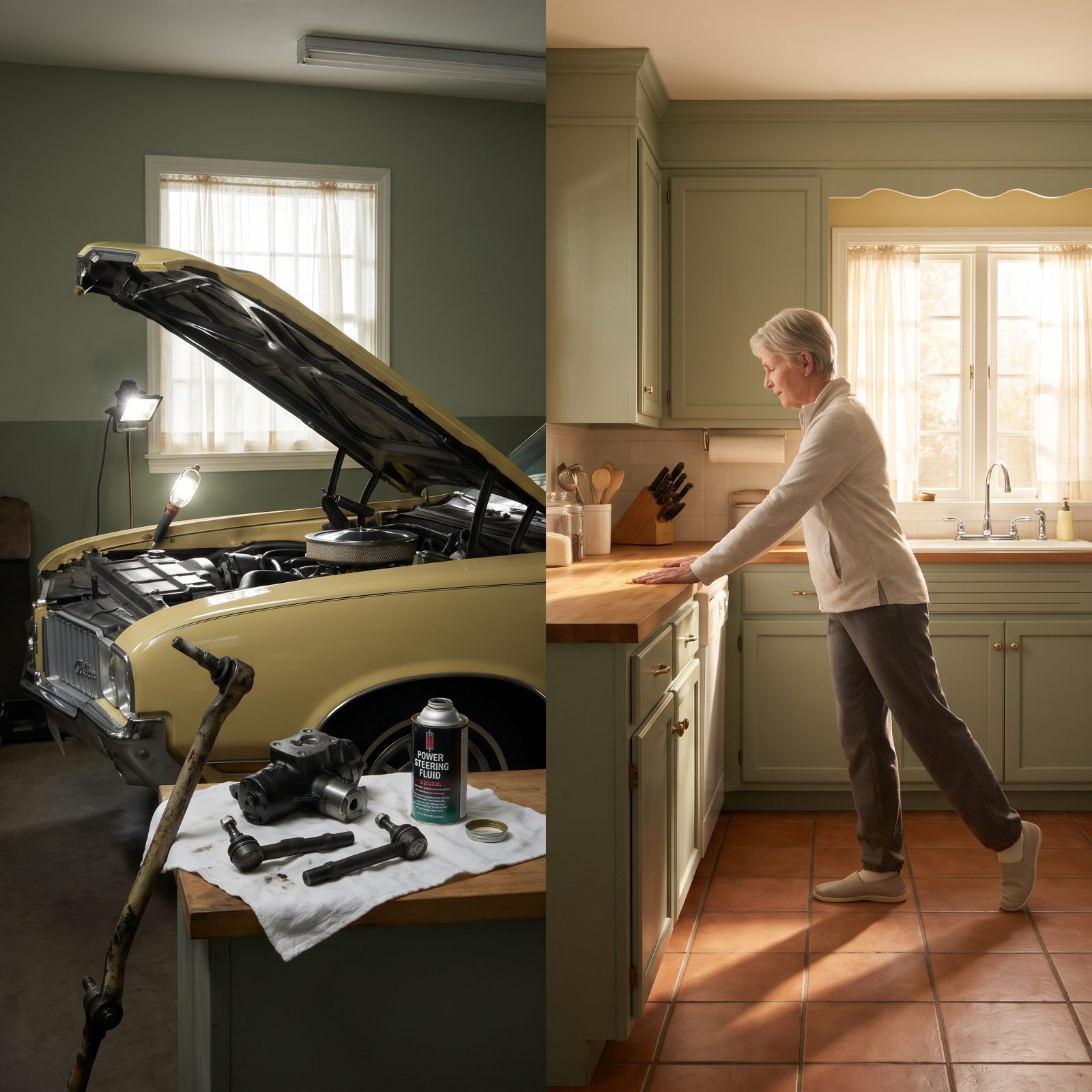
Slop in the steering is the slow killer. A little play in the tie rods, a worn box, and the car wanders — you’re always correcting, never quite pointed where you mean to be. Feels fine right up until the one moment it doesn’t.
Balance ages that way too. Precision in how you move, how you turn, how you set a foot down on a wet step. Sharpen it with practice and you go where you intend. Let it drift and you’ll spend every day fighting the wander.
15. Avoiding Potholes Resembles Reducing Fall and Injury Risks
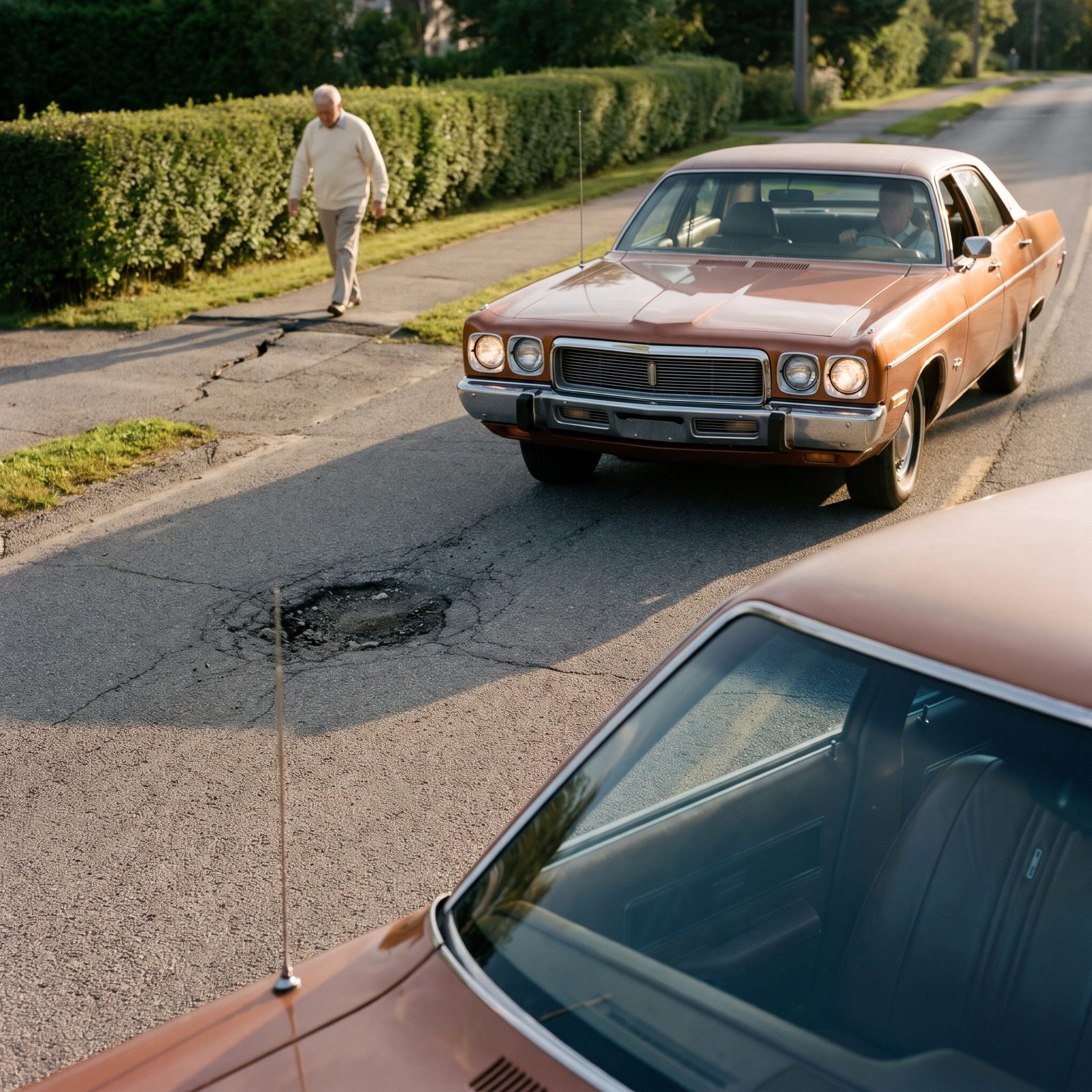
The cheapest repair is the one you never needed. A driver who reads the road and steers around the crater keeps his tires round and his alignment true — costs nothing but attention.
Watching where you step runs the same math. The loose rug, the dark stairwell, the icy threshold. Spot the hazard and route around it, because that beats recovering from the hit every single time.
14. Respecting Speed Limits Means Accepting That Limits Can Change
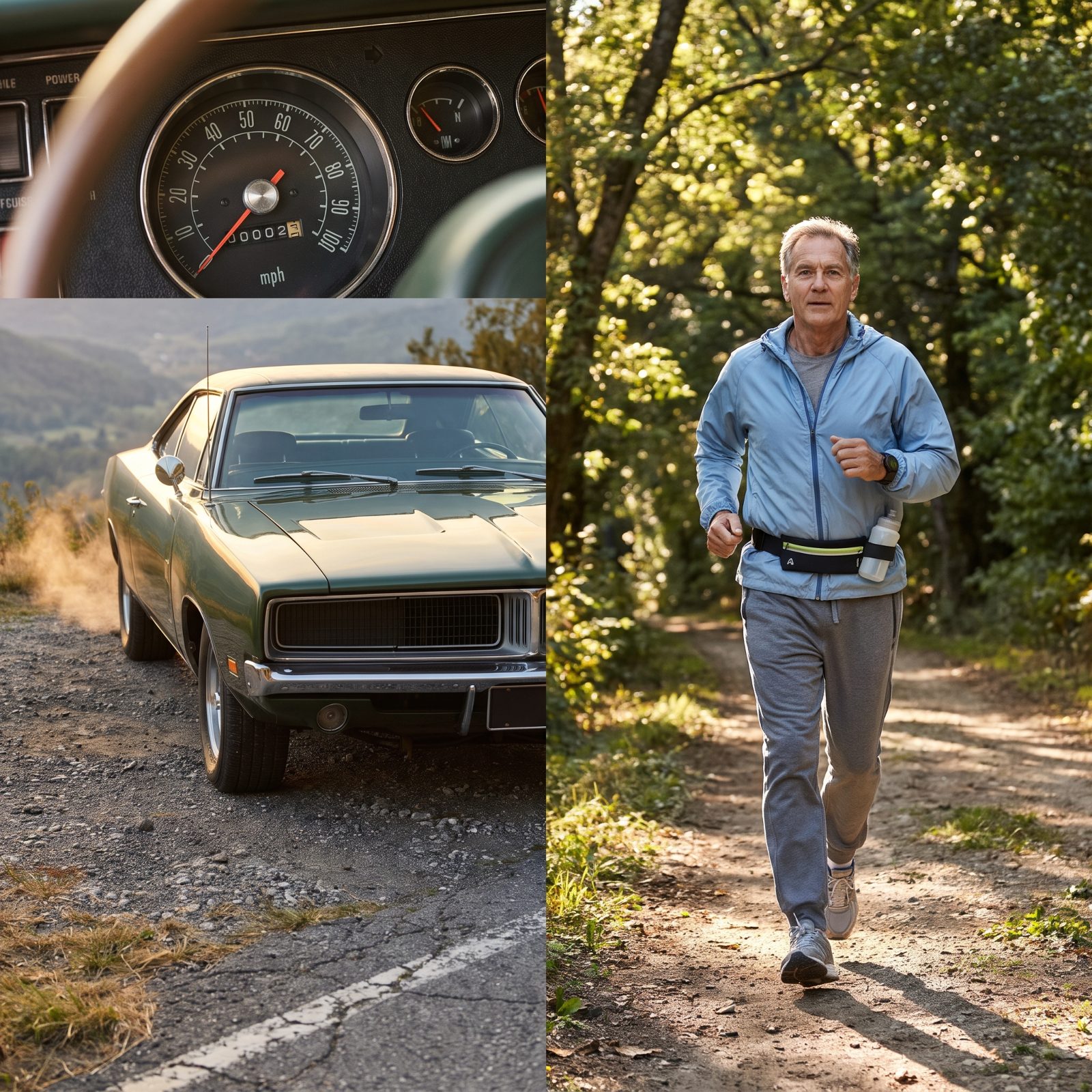
A muscle car with 300 horses under the hood doesn’t have to use all of them. The driver who knows what the chassis can take and stays inside it keeps the car for decades. The one who redlines through every corner buries it young.
Honoring your own limit isn’t quitting — it’s the opposite. The number that worked at 40 may shift, and running your pace instead of some old pace is how you keep rolling long after the showoffs have packed it in. Fast is a choice. So is lasting.
13. Planned Rest Stops Make Long Journeys More Sustainable
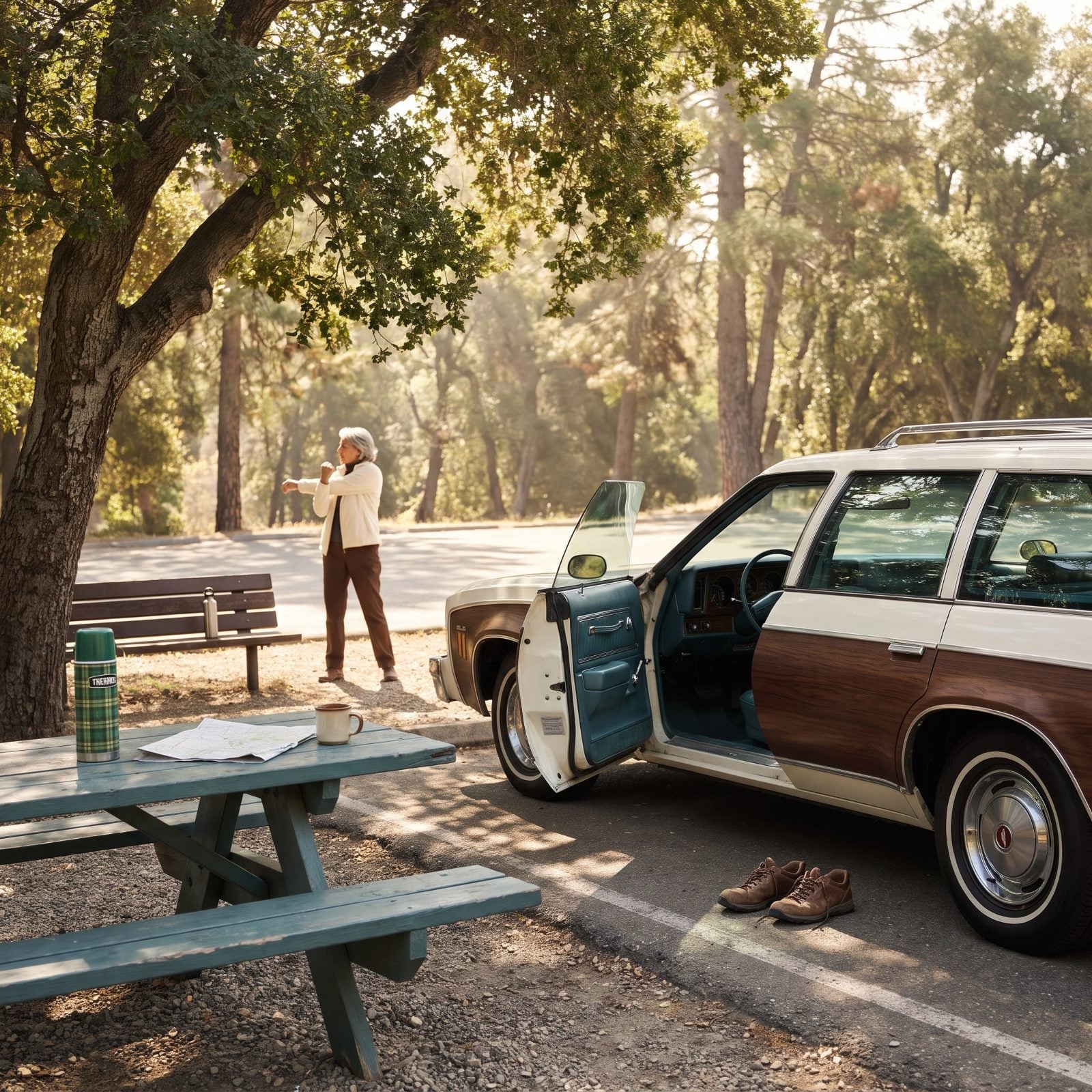
Push a car eight hours without a break and something complains. The coolant climbs, the oil thins, the driver’s eyes glaze over. Smart road dogs plan their stops before the engine or the body ever demands one.
Rest works the same way at any age, and even more after 60. A short walk, a glass of water, an honest pause — not weakness, strategy. The long haul belongs to folks who stop on purpose, not the ones who collapse at the end of it.
12. Downshifting for Hills Is Like Pacing Yourself on a Hard Climb
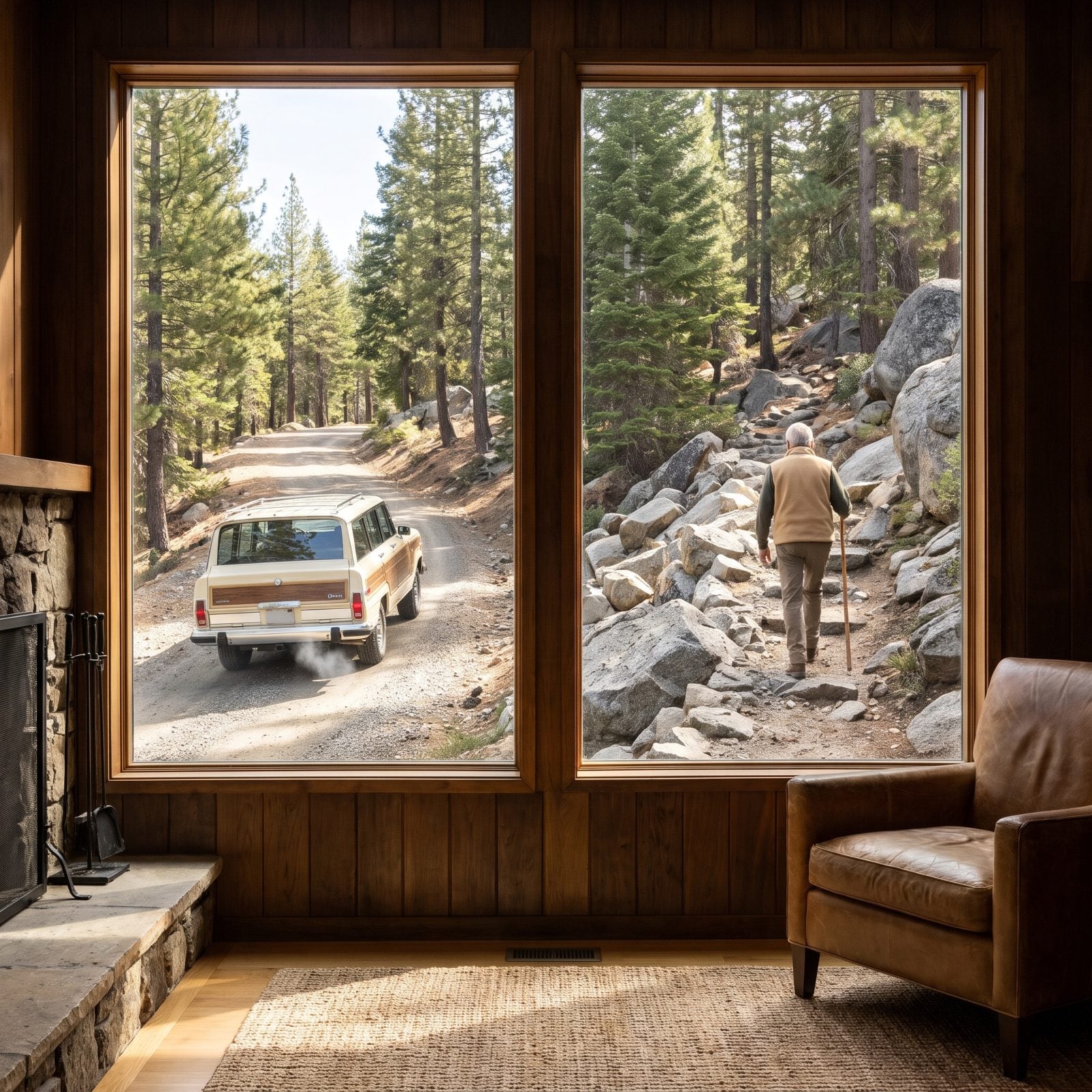
Burning up a hill in high gear is how you cook an engine. The experienced hand drops a gear, lets the revs do the work, and climbs all day without overheating. More effort per second, sure — but the engine survives the grade.
Hard physical days ask for the same read. Carrying the boxes, climbing the stairs, working the garden through a long afternoon. Pace it, pick your gear, let steady effort move the load instead of one flat-out burst. The hill doesn’t care how you take it. Your heart does.
11. Bright Headlights Preserve Independence After Dark

Foggy, yellowed headlights shrink your world. First you skip the night drive, then the evening errand, then you just don’t go out after dark at all. The car didn’t change. Your reach did.
Night vision does the same quiet shrinking. Keep it honest — good light, clean glasses, a flashlight in the pocket — and you hang onto the evenings. Independence isn’t one big thing. It’s the sum of all the trips you still feel free to make.
10. Cold Weather Exposes Weaknesses That Mild Days Can Hide
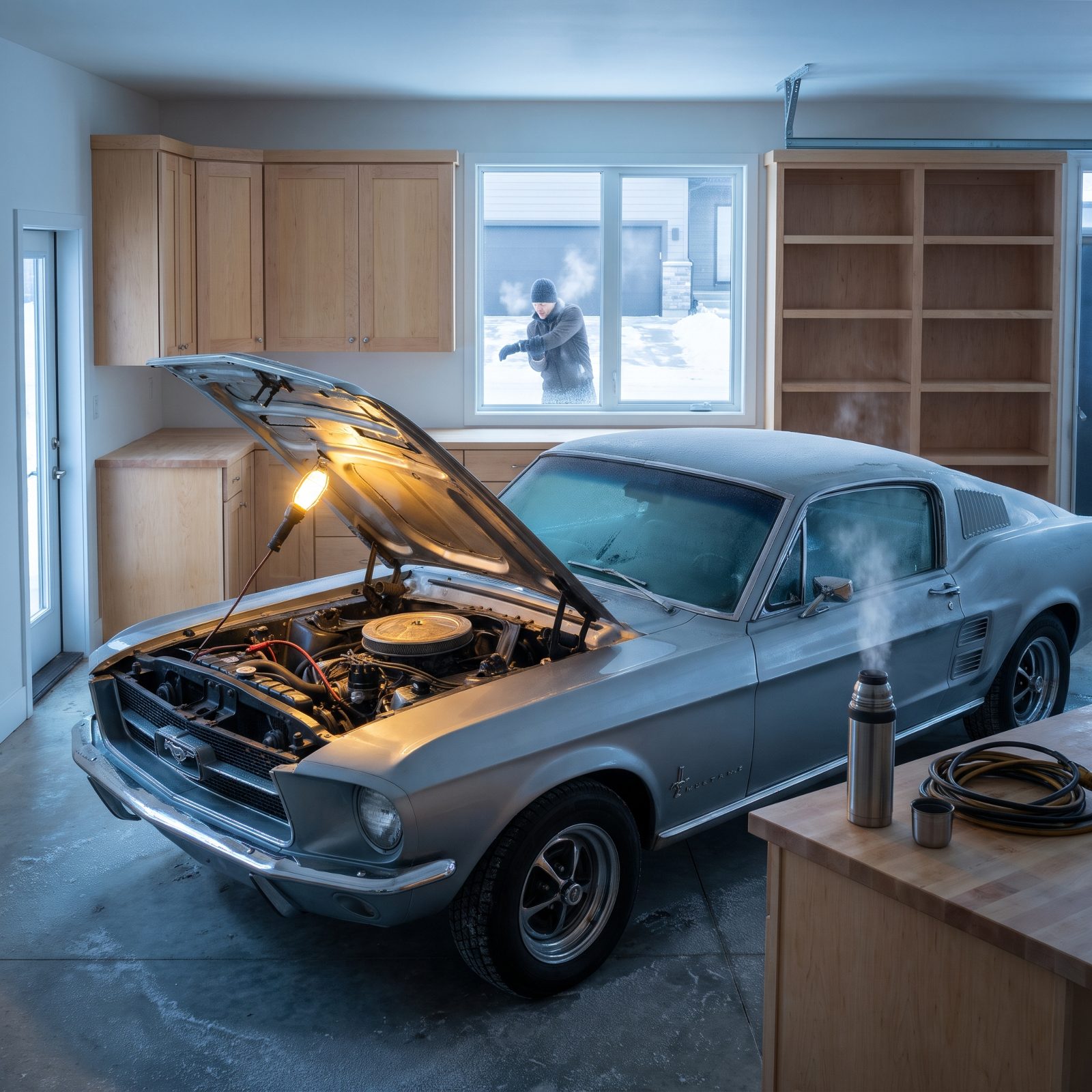
A marginal battery starts fine in July. Come the first hard freeze it cranks slow, then not at all. Cold doesn’t create the weakness. It just drags into the open what warm weather let you ignore.
The body does this too. The stiff knee that stays quiet all summer, the back that locks up in the chill, the circulation that runs thin. Winter finds the weak link — which is exactly why the smart move is warming up first, dressing for it, and shoring up the soft spot before the cold runs your diagnostics for you.
9. Wax Protects Aging Paint Much Like Skin Protection Preserves Skin
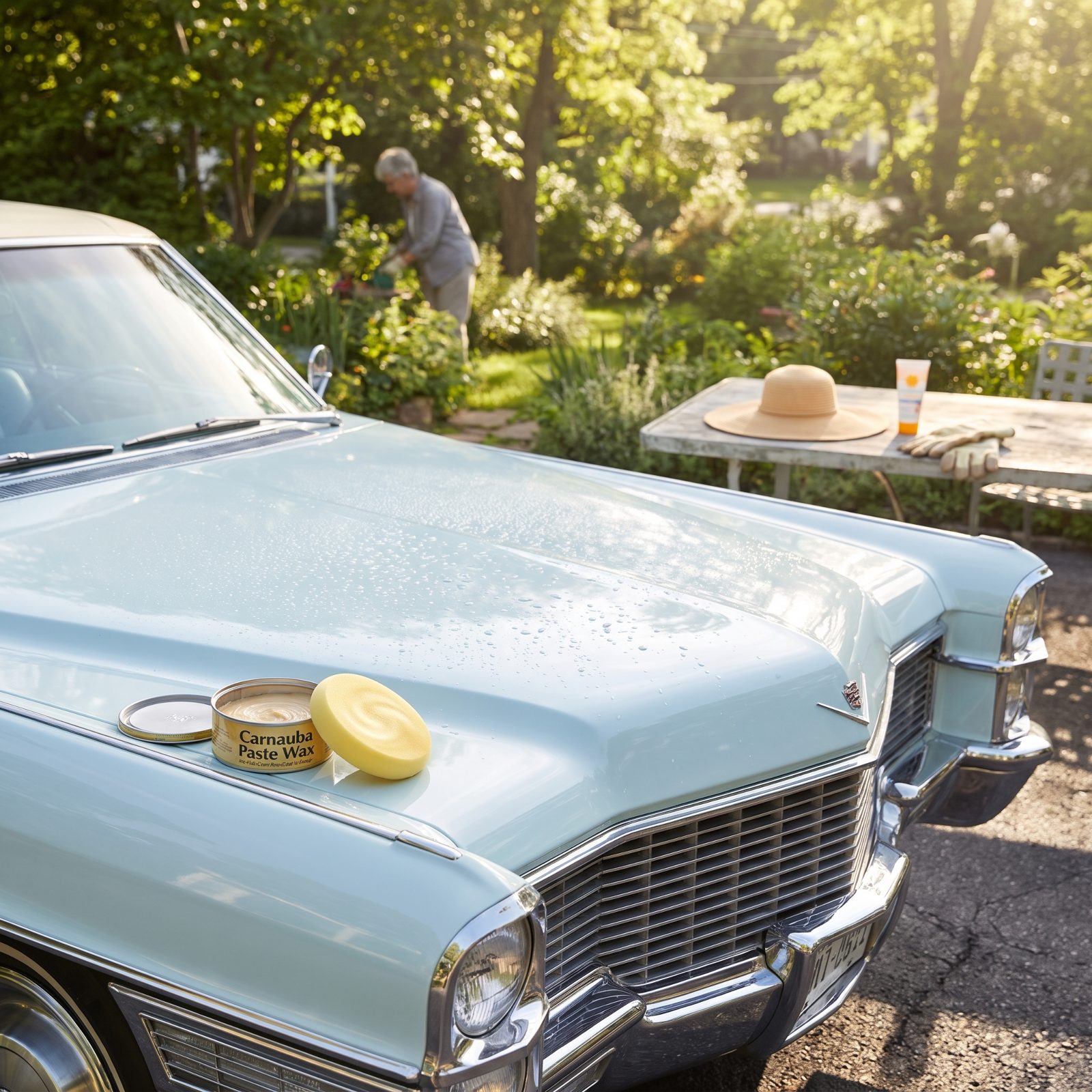
Sun is what kills old paint. Not age, not miles — the UV that fades a hood to a chalky ghost of its old color. A coat of good carnauba stands between the finish and the thing trying to destroy it, and the cars still shining at 50 are the ones somebody kept waxing.
Skin runs the identical account. Same sun, same slow damage, same simple barrier that flips the outcome. A hat and a little shade cost almost nothing and buy you decades of looking and feeling like the finish is still good.
8. Hidden Rust Works Like a Quiet Illness: Gone Deep Before the Surface Shows It

Rust never announces itself. It starts behind a trim panel, under the carpet, inside a door seam where nobody ever looks, and by the time a bubble pushes up through the paint, the metal underneath is already half gone. The lesson is brutal and simple: what you can see is usually the last stage, not the first.
Bodies pull the same trick. Blood pressure, bone density, the slow creep of something in the arteries — none of it waves a flag. You feel fine right up until you don’t. The old-timers who keep their cars forever are the ones who crawl underneath twice a year with a flashlight, poking seams and checking the floor pans before anything looks wrong. Do that with yourself. The checkup you skip because you feel great is exactly the one that catches the rust.
7. When the Gas Mileage Slips, Something Upstream Is Already Tired
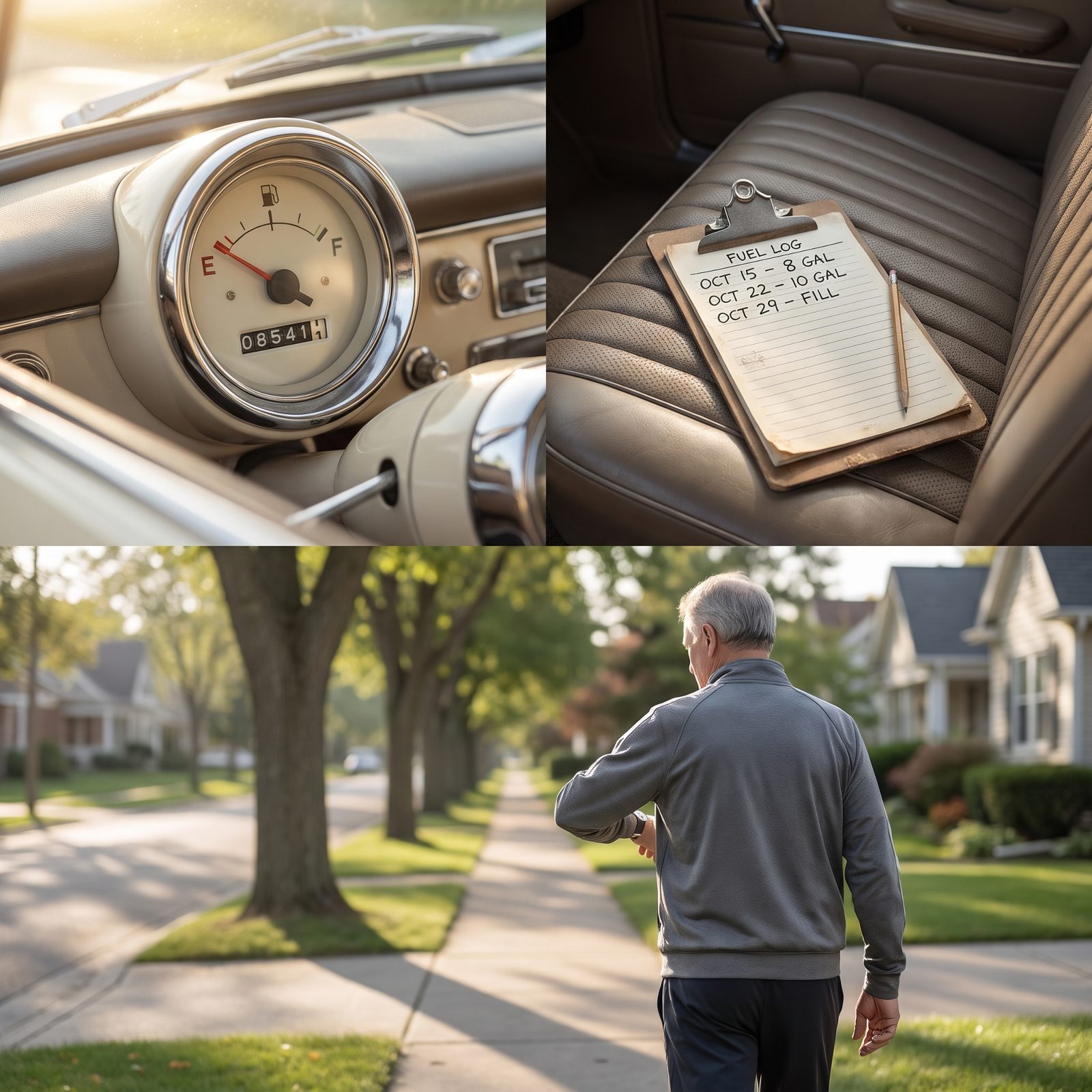
A car that suddenly starts drinking more gas is telling you something long before it ever leaves you stranded. Clogged filter. Dragging brake. Worn plugs, or a sensor going lazy. The tank doesn’t lie, and the smart owners keep a log so they catch the two-mile-per-gallon drift that everybody else waves off.
Stamina is your fuel gauge. When the walk to the mailbox leaves you winded and it didn’t last spring, that’s not just getting older — that’s a signal with a cause worth finding. Decline isn’t automatic. It’s a reading, and a reading points at a part you can usually fix.
6. The Bottle That Promises Everything in One Pour Is Lying to You
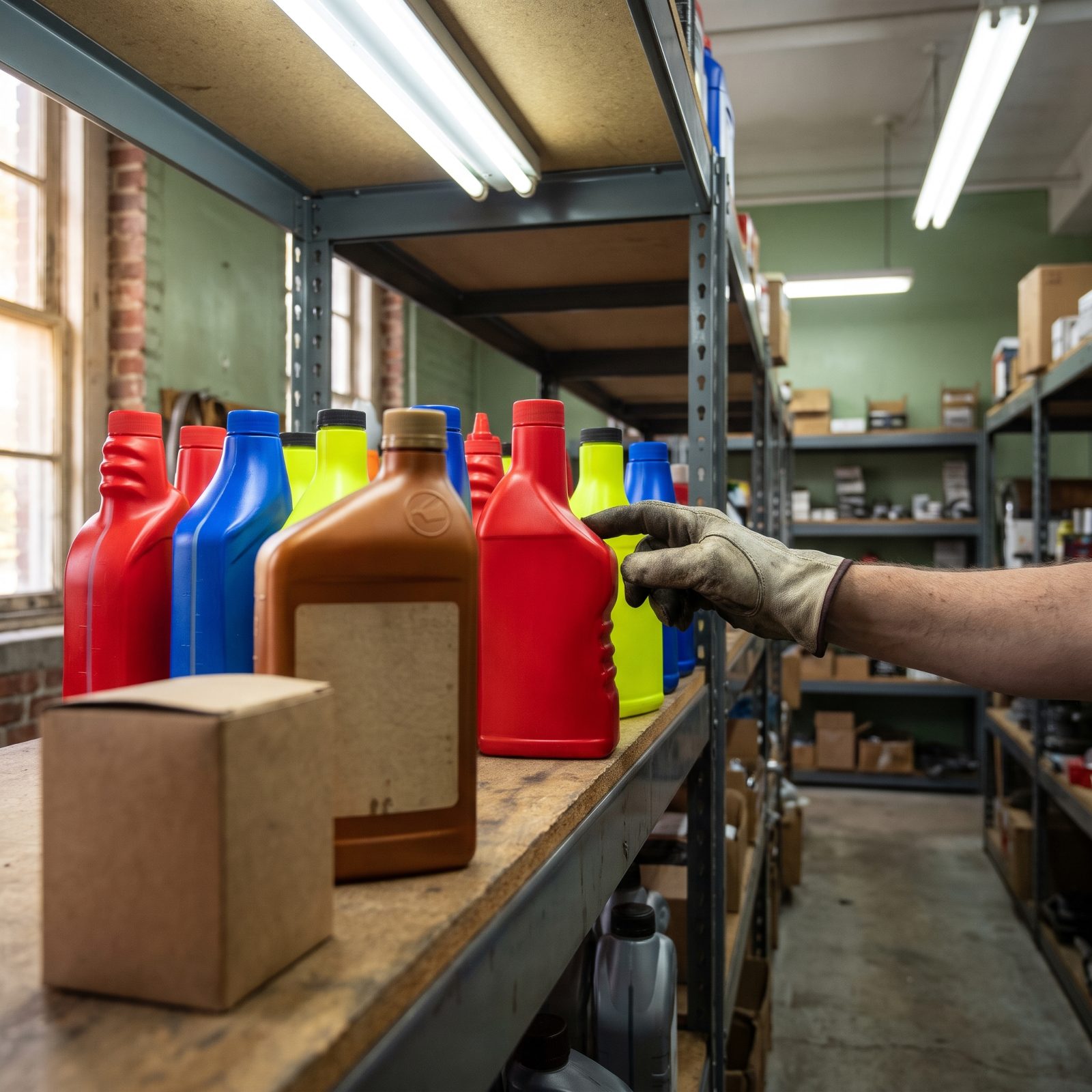
Every parts store has a shelf of miracle in a bottle. Pour this in and your tired engine runs like new, your leaks seal themselves, your compression comes roaring back. It won’t. Worn is worn, and a cheap additive doesn’t rebuild metal.
The health aisle sells the same fantasy with better lighting — the pill that melts years off, the powder that fixes everything the hard stuff was supposed to. I’ve watched good people burn real money chasing it.
The car that lasts 50 years never did it on magic. It did it on clean oil, changed on time, by somebody who paid attention.
Boring maintenance wins. It always has. The shortcut is the scam.
5. Smart Safety Upgrades Buy You More Years Behind the Wheel of Your Own Life
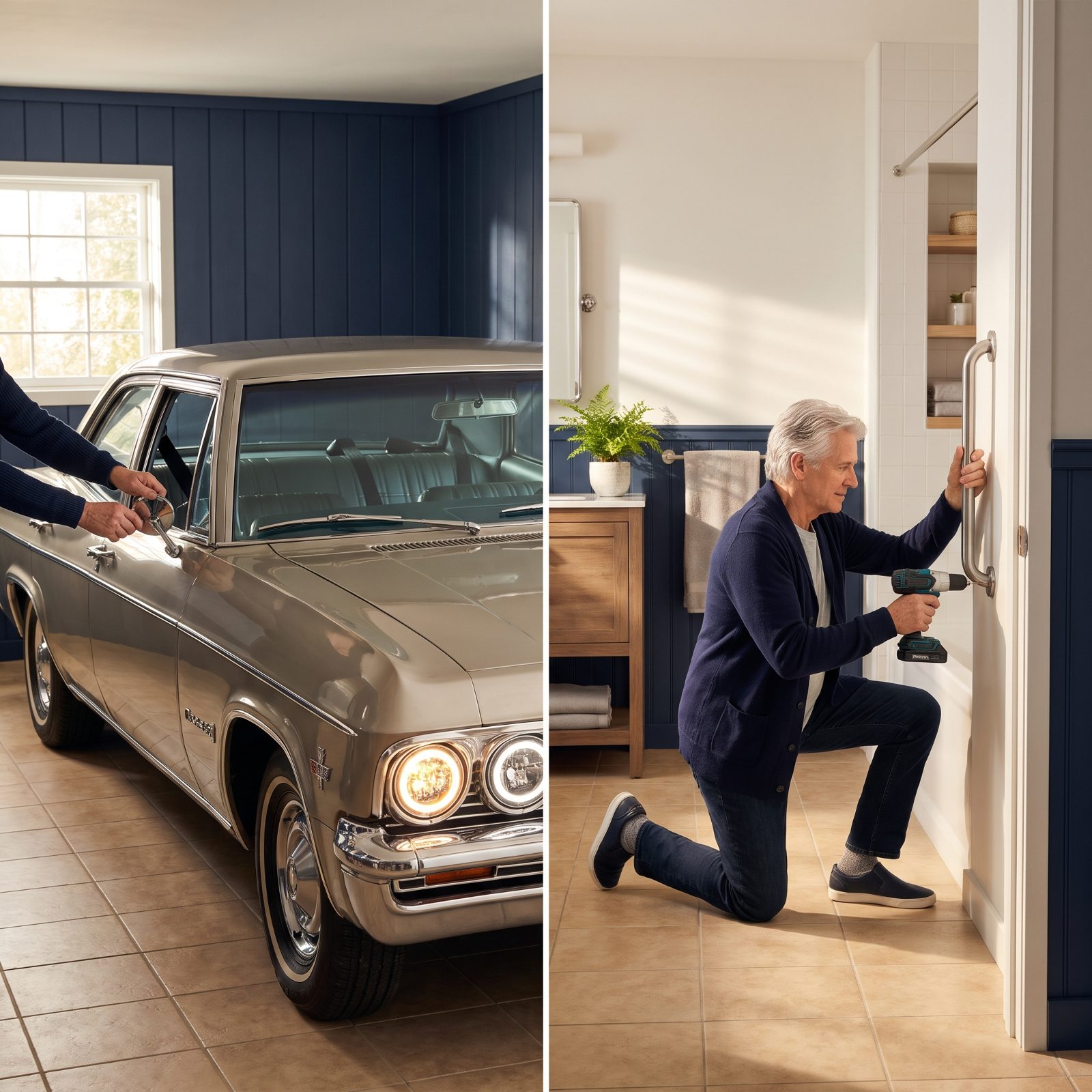
Purists wince, but a front bumper camera on an old car and a set of brighter headlamps aren’t betrayals of the machine. They’re what let you keep driving it safely into your eighties. An upgrade that respects your limits extends your reach instead of shrinking it.
Same math at home. A grab bar in the shower, better lighting on the stairs, a handrail where there wasn’t one — none of it means you’re giving up. It means you stay in the driver’s seat of your own house. The guy who adds the modern safety gear keeps driving long after the fella who refuses on principle has parked the car at 70.
4. The Trunk Kit You Hope You Never Open Is the Whole Point
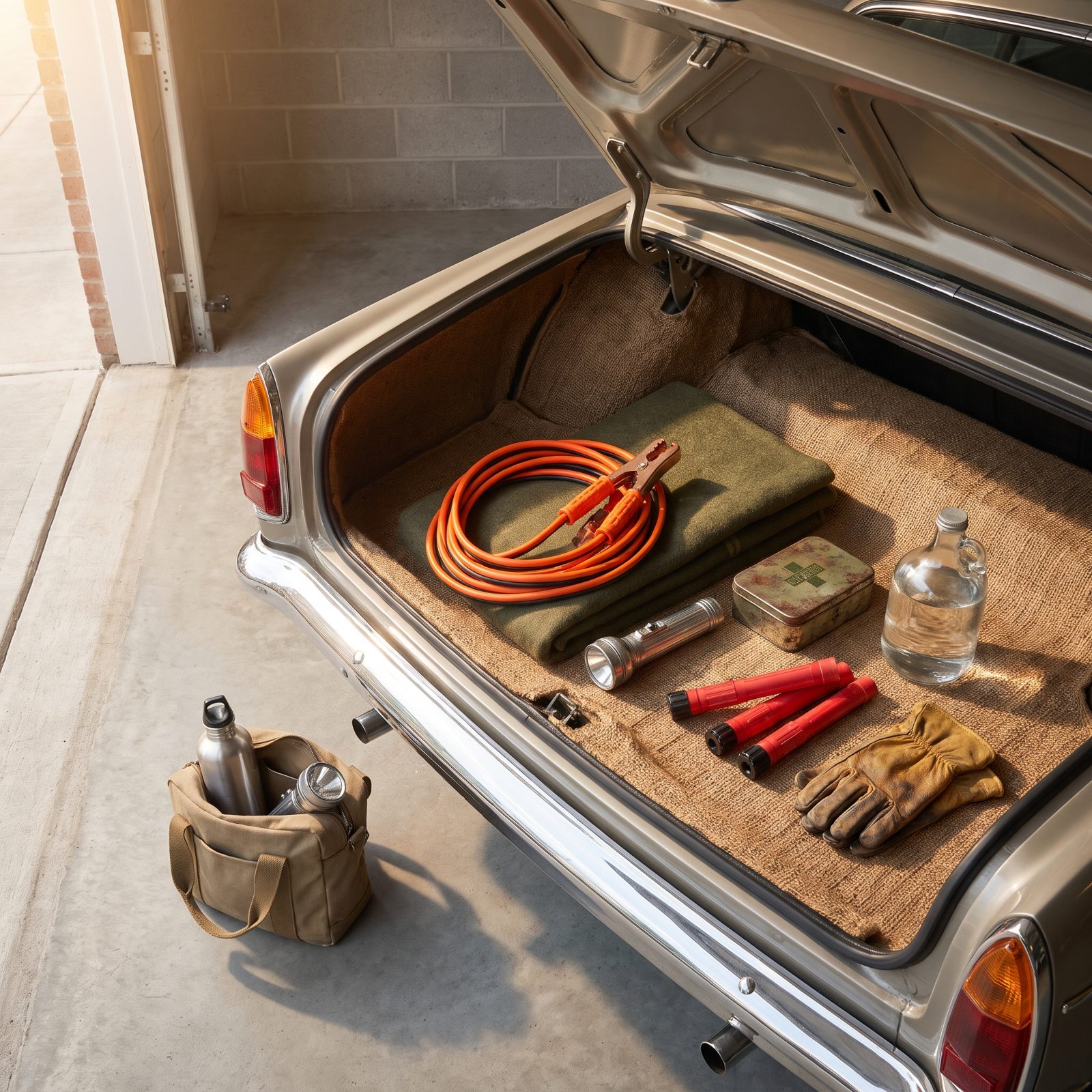
The old road-trip crowd never left town without the trunk kit — jumper cables, a blanket, a flashlight that actually worked, water, flares. You don’t pack it for the trip that goes right. You pack it for the one night on a dark shoulder when it doesn’t.
Aging is the same bet. The emergency contact list by the phone. The spare set of medications. The flashlight and water within reach in the dark. The grab bar you installed before the fall, not after. You’ll feel a little silly preparing for trouble that hasn’t come. Then one day it comes, and you won’t.
3. A Tow Truck on Speed Dial Proves Nobody Keeps a Car Going Alone
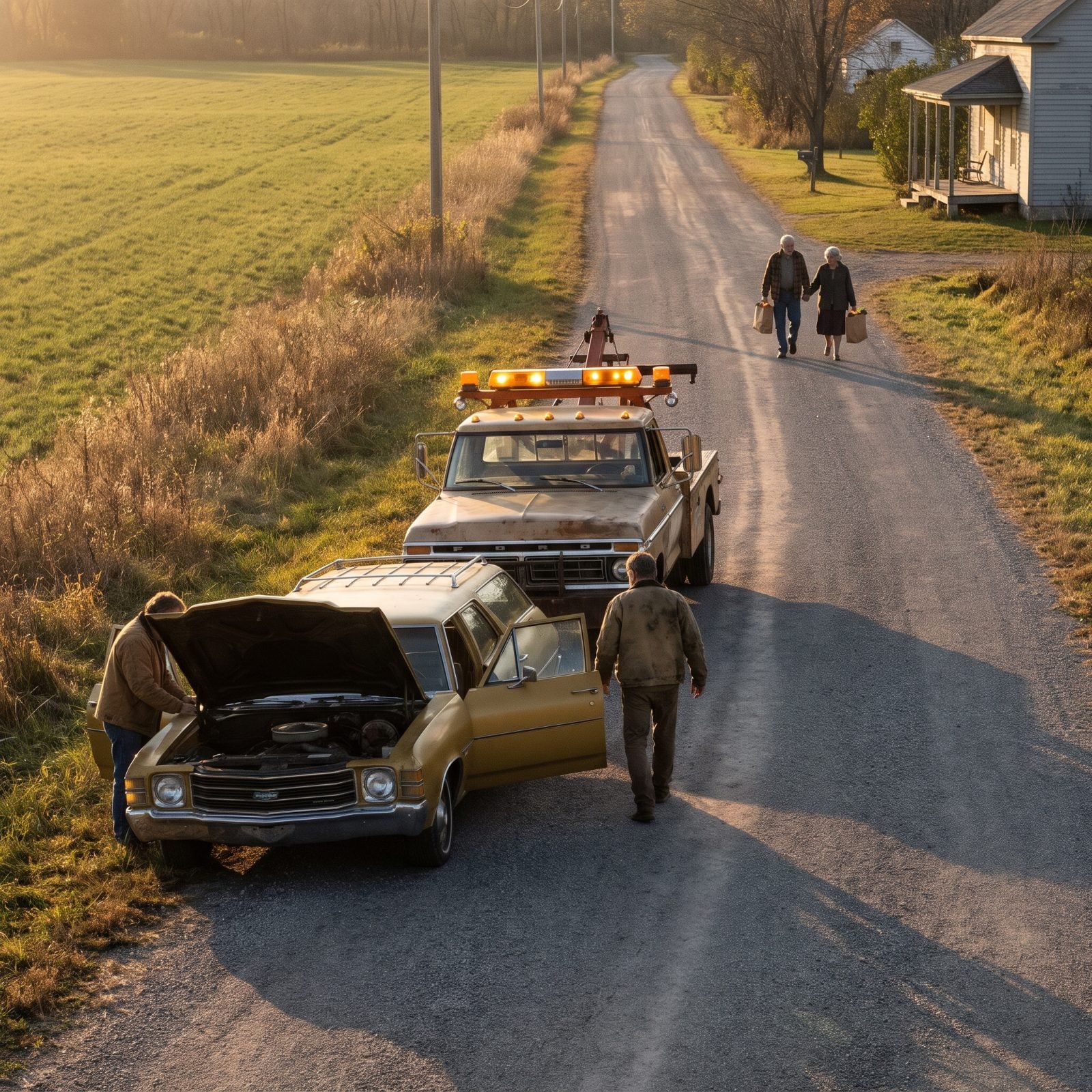
Even the most capable shade-tree mechanic keeps a roadside number tucked in his wallet. Pride won’t get you off a dark shoulder with a blown transmission. A phone call will. And knowing help will come changes how far you’re willing to drive in the first place.
Independence after 60 gets badly misunderstood as going it alone. It isn’t. The most independent people have the deepest bench — a neighbor with a key, a daughter who checks in, a doctor who answers, a friend who’ll drive at midnight. Call it infrastructure. Build the network while you don’t need it, so it’s standing the night you do.
2. The Car Club Keeps the Engine Running and the Owner’s Spirits Up Too
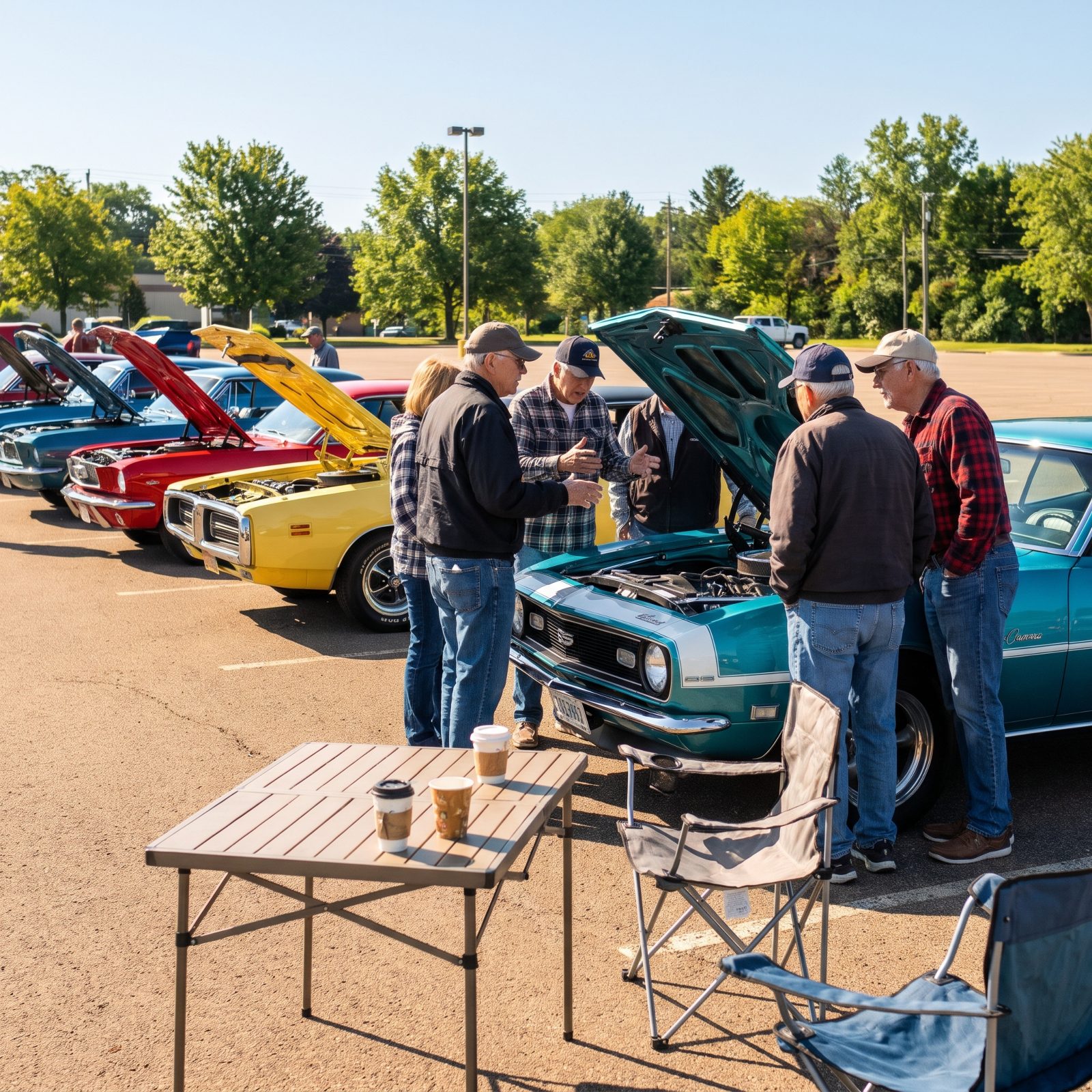
Watch what happens when old-car people gather on a Saturday morning. Hoods go up, coffee goes cold, and forty years of hard-won knowledge gets handed around for free. The club keeps the cars alive. It keeps the owners alive too.
Isolation does to a person what dry rot does to a set of tires. The folks who stay sharp and content past 60 are almost always the ones still plugged into something — a hobby group, a church, a bowling night, a handful of friends who argue about carburetors.
1. Keeping the Patina Means Age Isn’t a Flaw to Sand Away

There’s a whole movement now of owners who flat-out refuse to repaint. They preserve the patina instead — the sun-softened color, the honest wear, the marks of a life actually lived. A flawless restoration can look great. But a well-kept original tells a better story.
You’ve earned yours too. The gray hair, the laugh lines, the hands that have fixed things. The culture keeps whispering that age is a defect to buff out and hide, and it’s wrong. Maintenance is the goal, never erasure. Keep the machine running, keep the body strong, and let the finish show its miles. A truck that’s survived 60 years with its character intact turns more heads than any showroom clone. Same goes for the person who drove it.
Not everyone agrees: in our readers’ heart votes, restored concours-condition cars got hearts 82% of the time, versus 76% for the other images in the same articles.