
Would you like to save this?
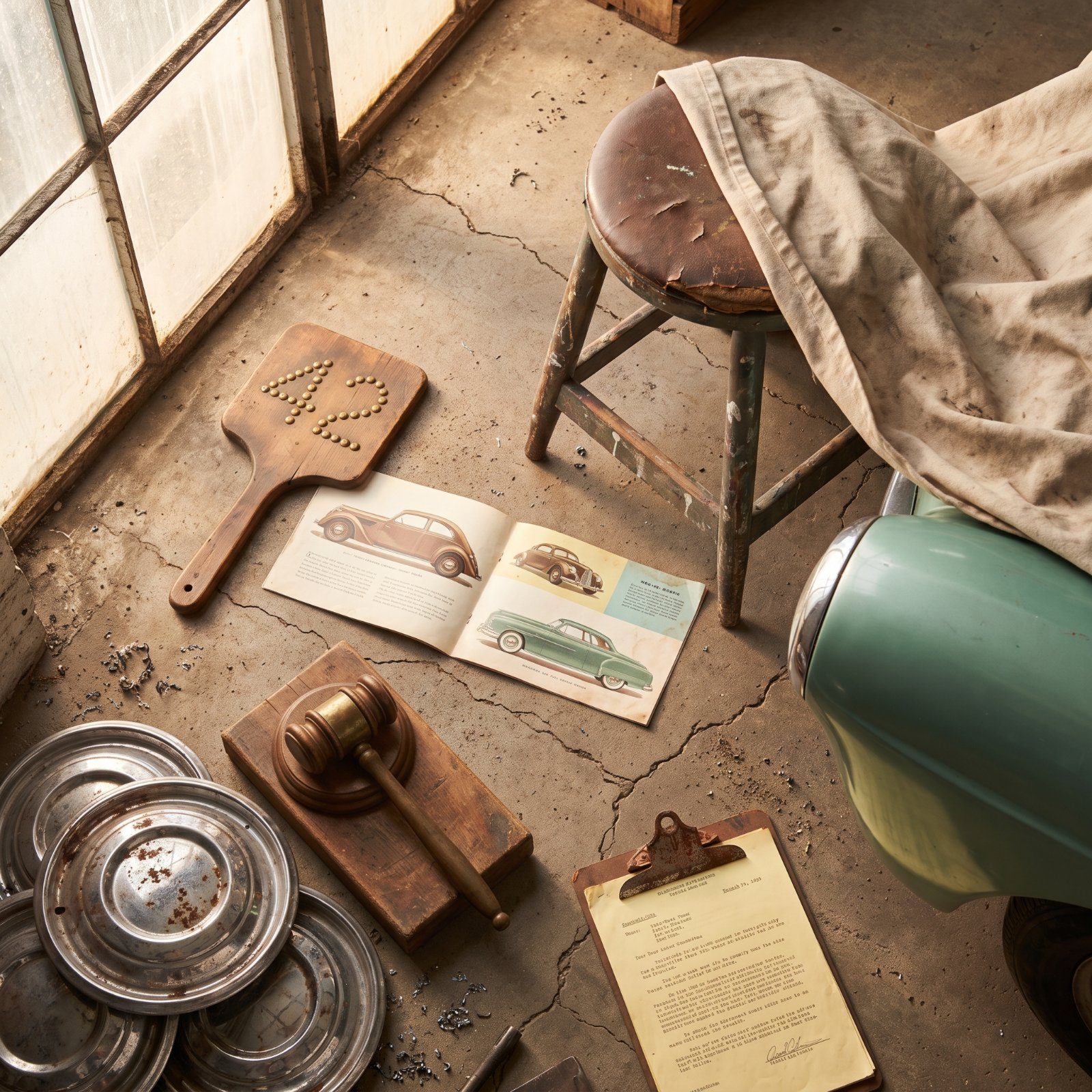
Nobody wanted these cars new. The styling was wrong, the engineering reckless, and the badges meant nothing at the country club. Dealers couldn’t move them and magazines mocked them, and a few went straight from the showroom to the curiosity pile. Then the years did their work. Scarcity sharpened into obsession, and the oddballs that embarrassed their makers started changing hands for sums that would’ve bought a nice house back when they rolled off the line. These are the misfits that got the last laugh.
Please note that some of the images in this article were created with the assistance of AI.
42. Panther 6: The Six-Wheeled Fantasy That Became Nearly Unobtainable
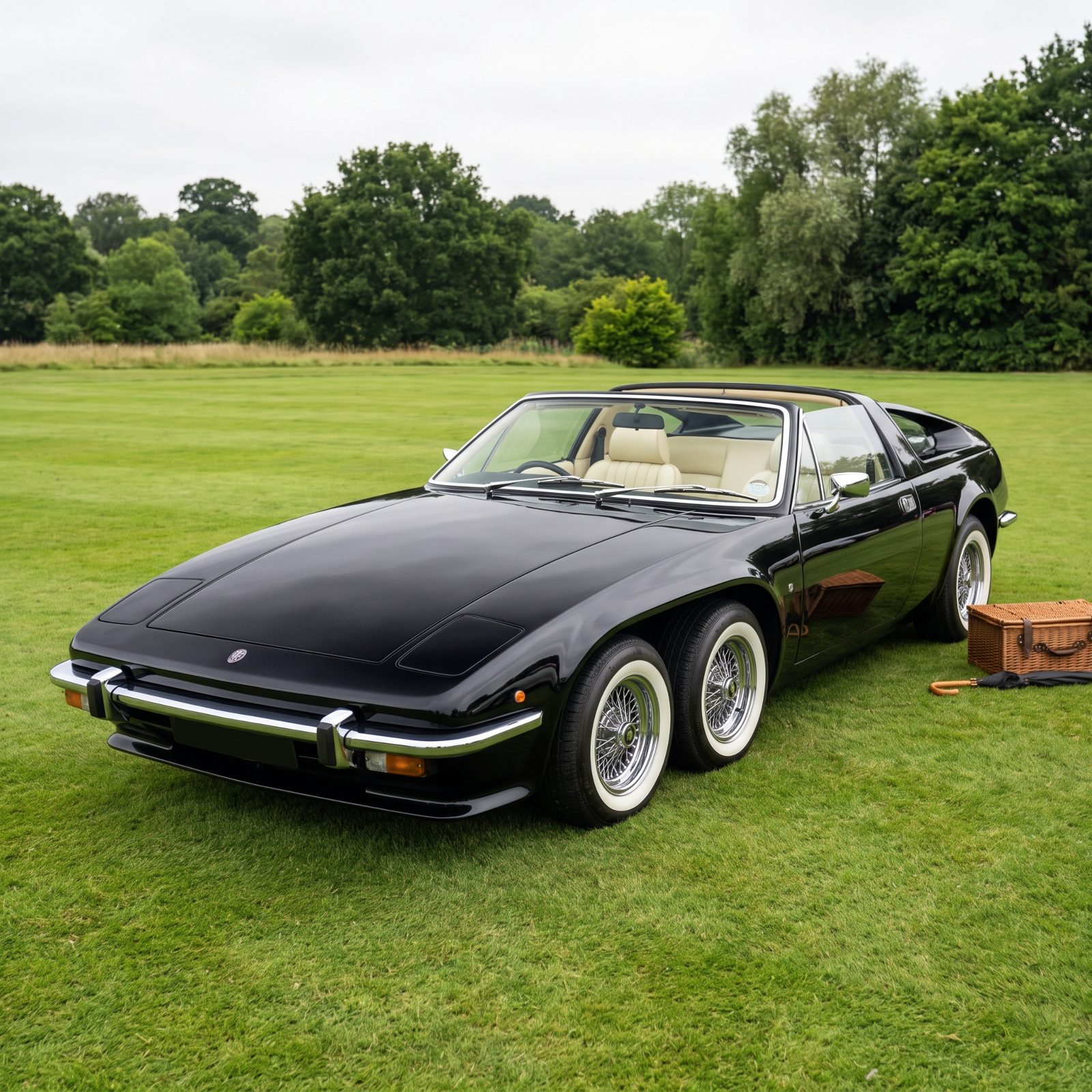
Two were built. That’s the entire production run. The Panther 6 was a British fever dream from 1977, with four steered wheels up front, two more at the rear, a twin-turbo Cadillac V8 in the back, and a claimed top speed nobody could verify because the thing was basically a show car somebody decided to sell.
It got dismissed as a vanity stunt, and fairly so. But when a car exists in a population of two, the laughter stops mattering. Whoever owns either survivor holds something no amount of money can simply summon on demand.
41. Consulier GTP: The Awkward Composite Coupe That Earned a Cult Following
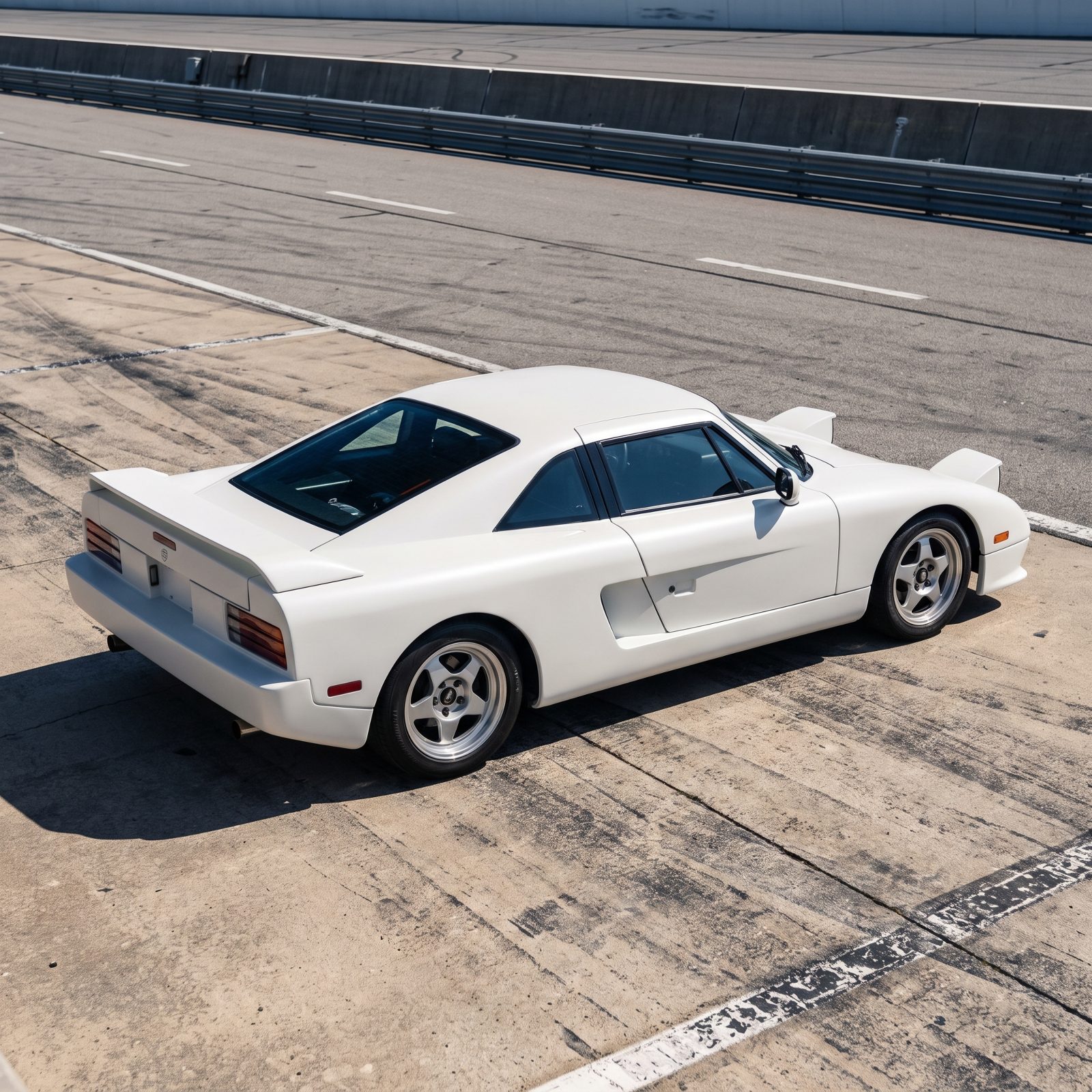
Homely doesn’t begin to cover it. The Consulier GTP looked like someone built a race car out of a picnic cooler, and the fiberglass-and-foam body did it no favors on the showroom floor. But that composite tub made it absurdly light, and light beats pretty on a track every single time.
It won so consistently that IMSA banned it. Its maker once offered cash to anyone who could beat it in a comparable car, and nobody collected. Ugly cars that win races age into legends, and this one did.
40. Citroën 2CV Sahara: The Twin-Engine Tin Snail Now Worth Serious Money

The 2CV was engineered to carry a farmer and a basket of eggs across a plowed field without cracking a single shell. Nobody mistook it for exotic. Then Citroën bolted a second engine in the back, gave it four-wheel drive and two fuel tanks, and pointed it at the desert.
Around 700 Saharas were built. Few survive. The cheapest car France ever loved spawned one of its most valuable variants, and twin-engine Saharas now trade for figures that would stun anyone who remembers these as poor man’s transport.
39. Isdera Imperator 108i: The Roof-Mirror Oddity Collectors Now Chase
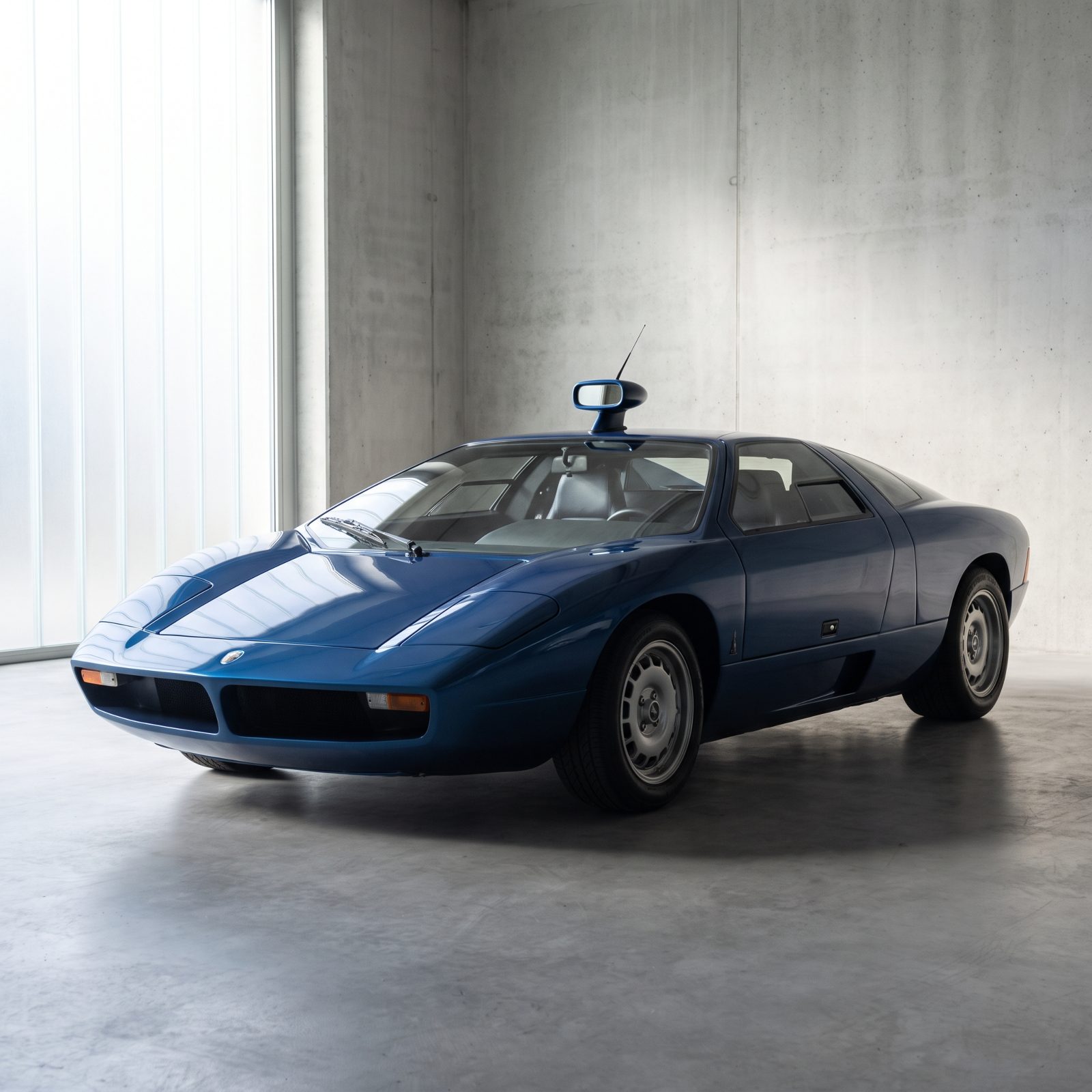
That periscope mirror poking up from the roof got all the attention, and all the ridicule. It looked like a mistake. It was actually clever packaging around a mid-mounted Mercedes V8 and a cabin too low for any ordinary glass arrangement.
Fewer than thirty Imperators left the small German workshop that built them by hand. A handbuilt car in those numbers was always going to find its people. The mirror everyone laughed at? Now it’s the first detail collectors point to.
38. Cizeta V16T: The Over-the-Top Supercar That Outlived the Jokes
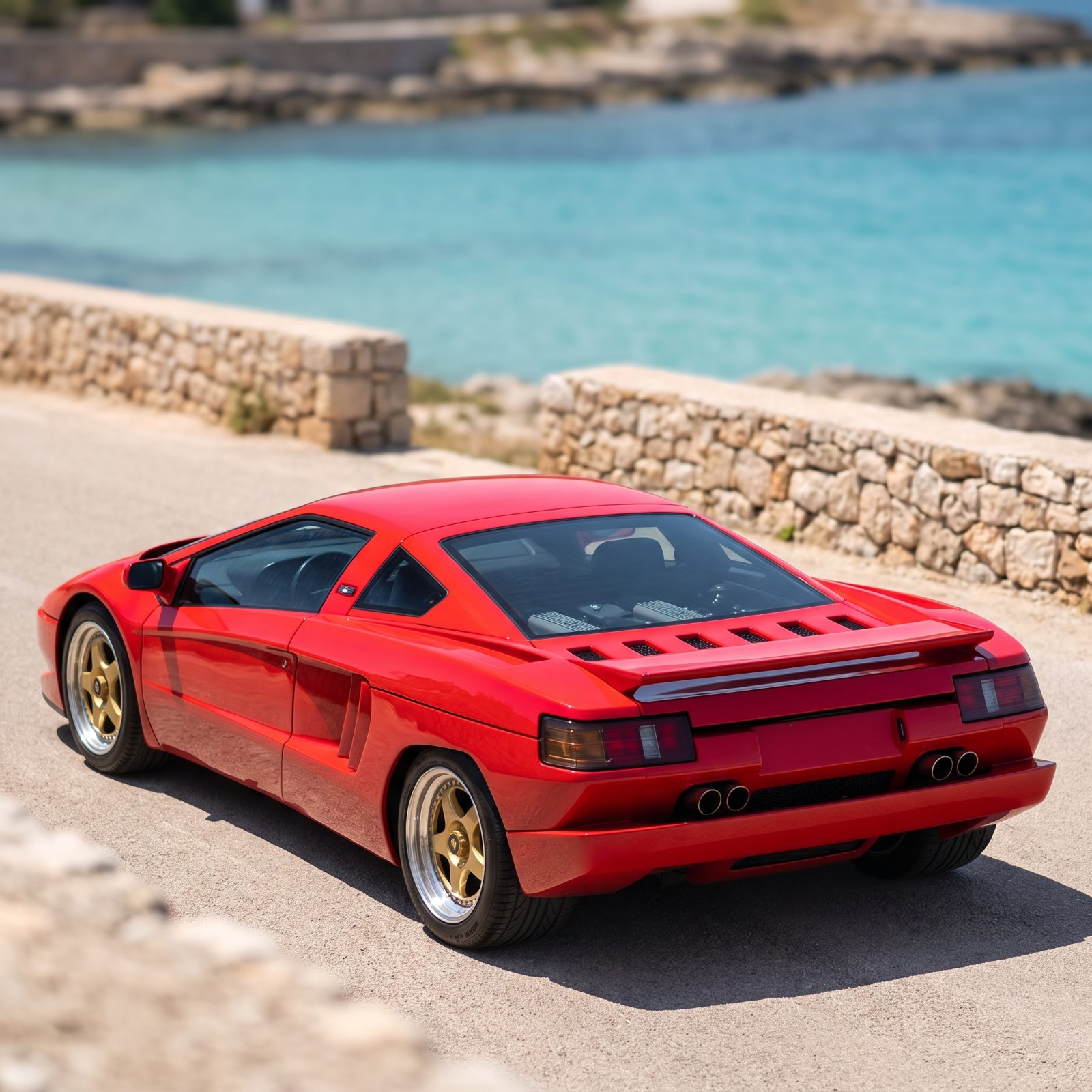
The V16T mounts sixteen cylinders sideways behind the cabin, all wrapped in an extremely wide, low wedge. In the sober early 1990s, that excess earned no applause.
Critics called it excessive and doomed. They were half right. The company nearly collapsed, which is exactly why so few exist. Excess served in tiny quantities turns desirable, and the survivors rank among the rarest Italian supercars anyone can name.
Excess served in tiny quantities turns desirable.
37. Hudson Italia: The Jet-Age Styling Experiment Now Coveted for Its Rarity
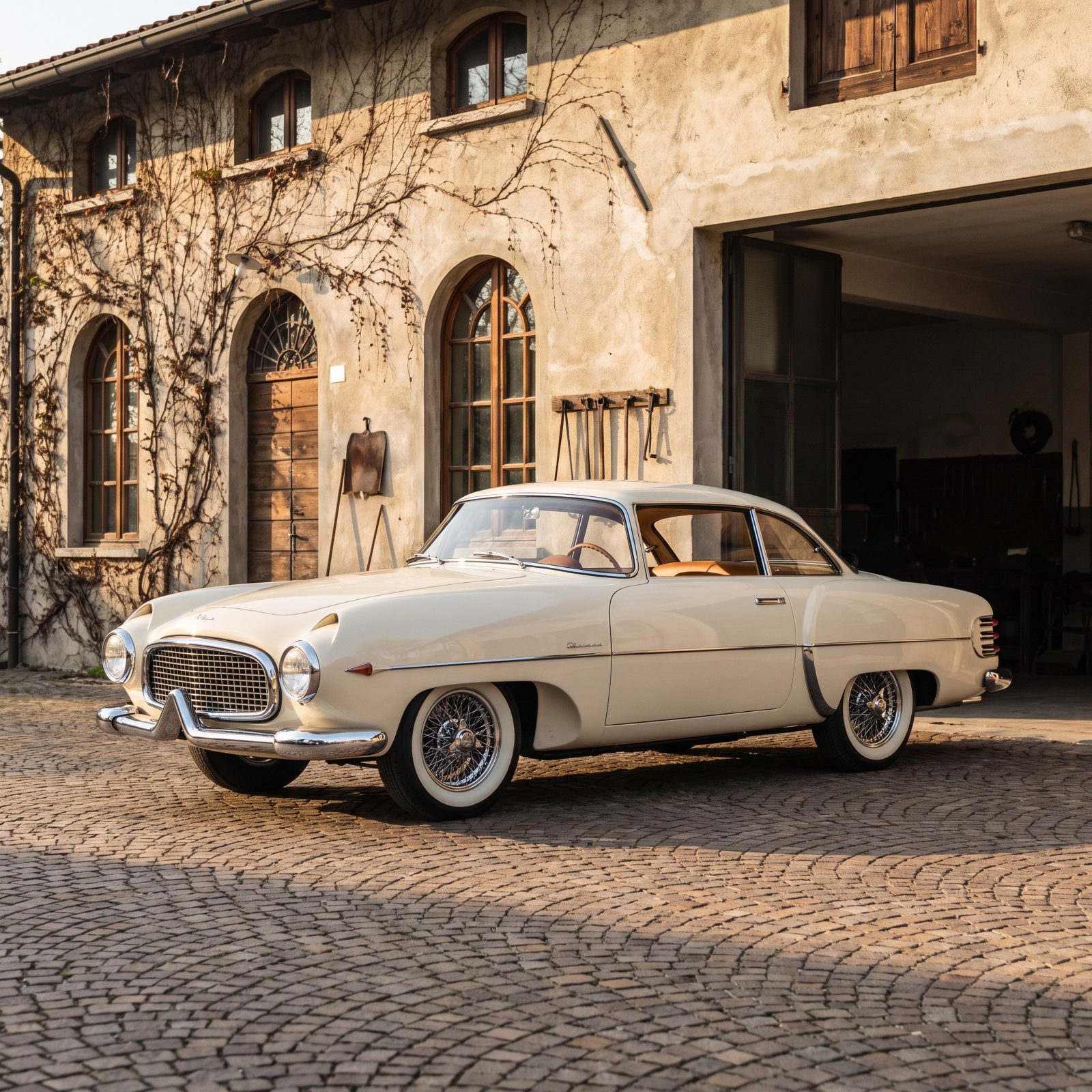
Hudson was a dying brand grasping for relevance when it shipped a chassis to Italy and asked for something beautiful. Carrozzeria Touring obliged with a hand-formed aluminum body that looked like nothing else leaving Detroit.
Only 26 were built before Hudson merged itself out of existence. The styling was too strange and too expensive for 1954 buyers chasing chrome and fins. Now the scarcity and the honest Italian craftsmanship put it firmly in serious-money territory, which the failed company never lived to enjoy.
36. Stout Scarab: The Rolling Living Room That Was Decades Ahead of Its Time
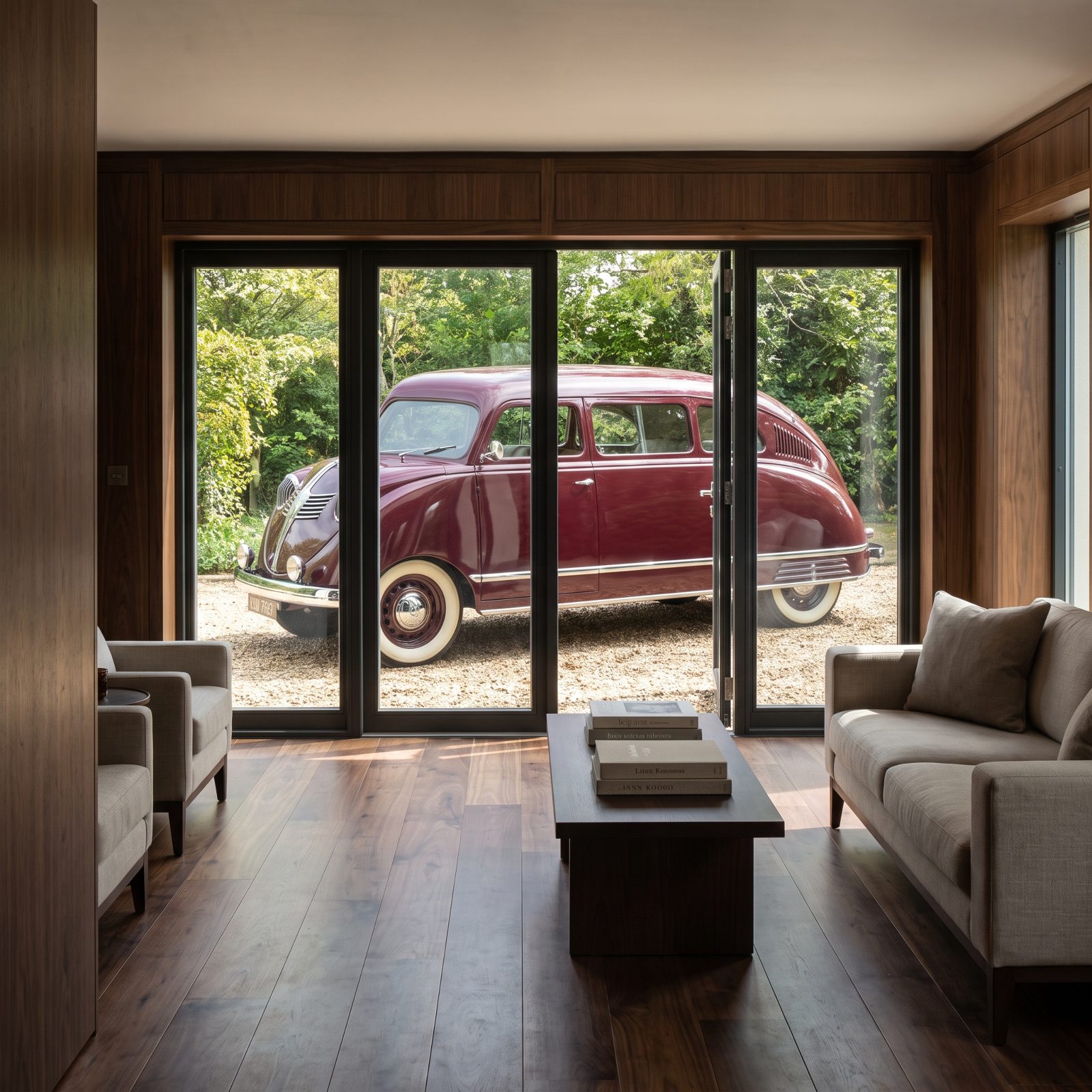
Before anyone said the word minivan, William Stout built one and nobody understood it. The Scarab put its engine in the back and gave you a flat floor, movable chairs, and a folding table. A living room on wheels, dropped into an America that still wanted running boards and upright grilles.
Roughly nine were made. People found it bizarre, which it was, and prohibitively expensive, which it also was. The concept it pioneered now hauls families everywhere, while the original machines surface so rarely that each one becomes a museum event.
35. Kaiser Darrin: The Sliding-Door Sports Car That Went From Gimmick to Treasure
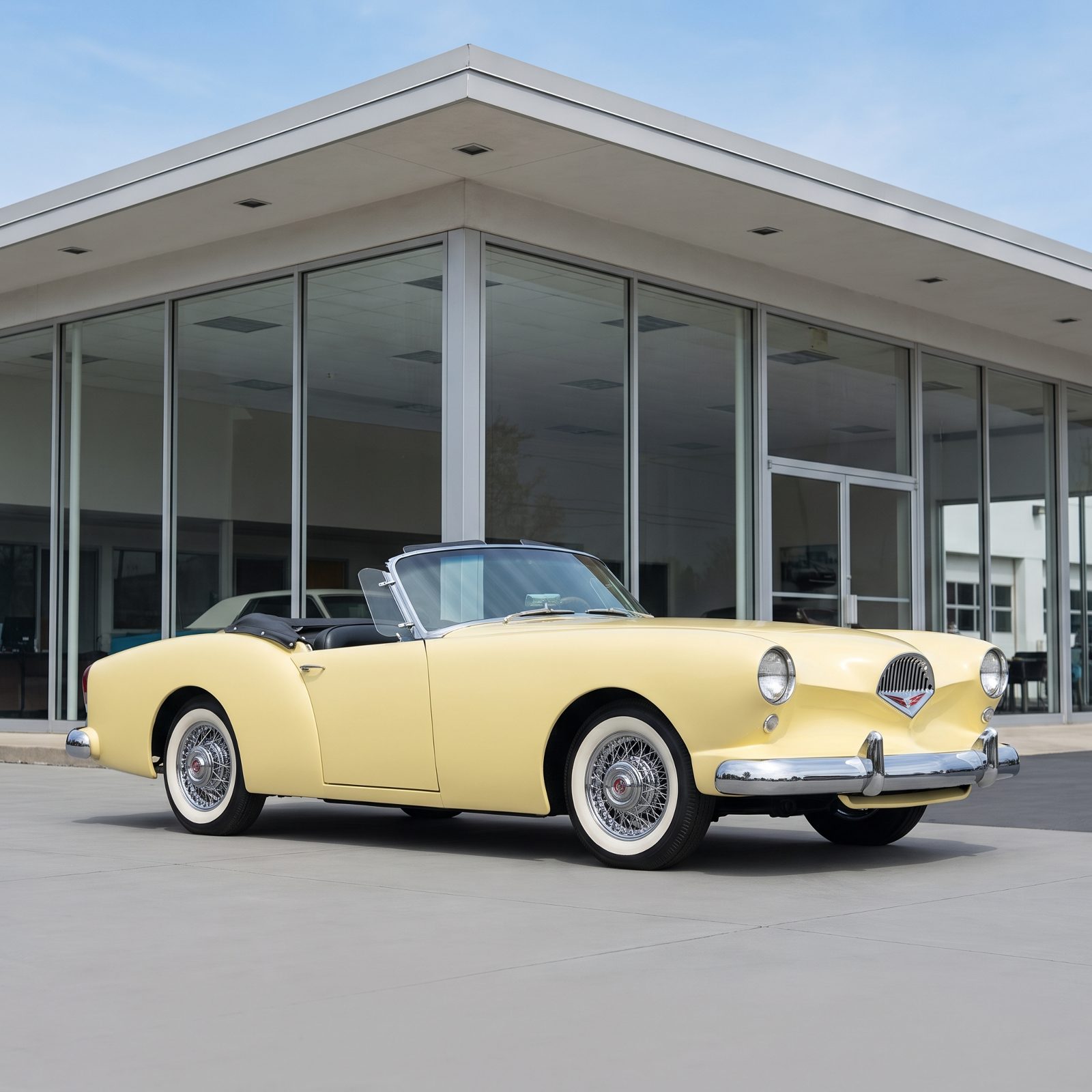
The doors slid forward into the fenders, and the grille looked like a pair of pursed lips. Reviewers in 1954 couldn’t decide whether to be charmed or confused, and buyers mostly chose confused.
Kaiser built only 435 Darrins before folding. Fiberglass body, a quirky designer with a famous name behind it, and a party trick nobody else offered. Odd, rare, and genuinely innovative makes a strong hand to hold decades later, and these sliding-door curiosities now outsell most new roadsters.
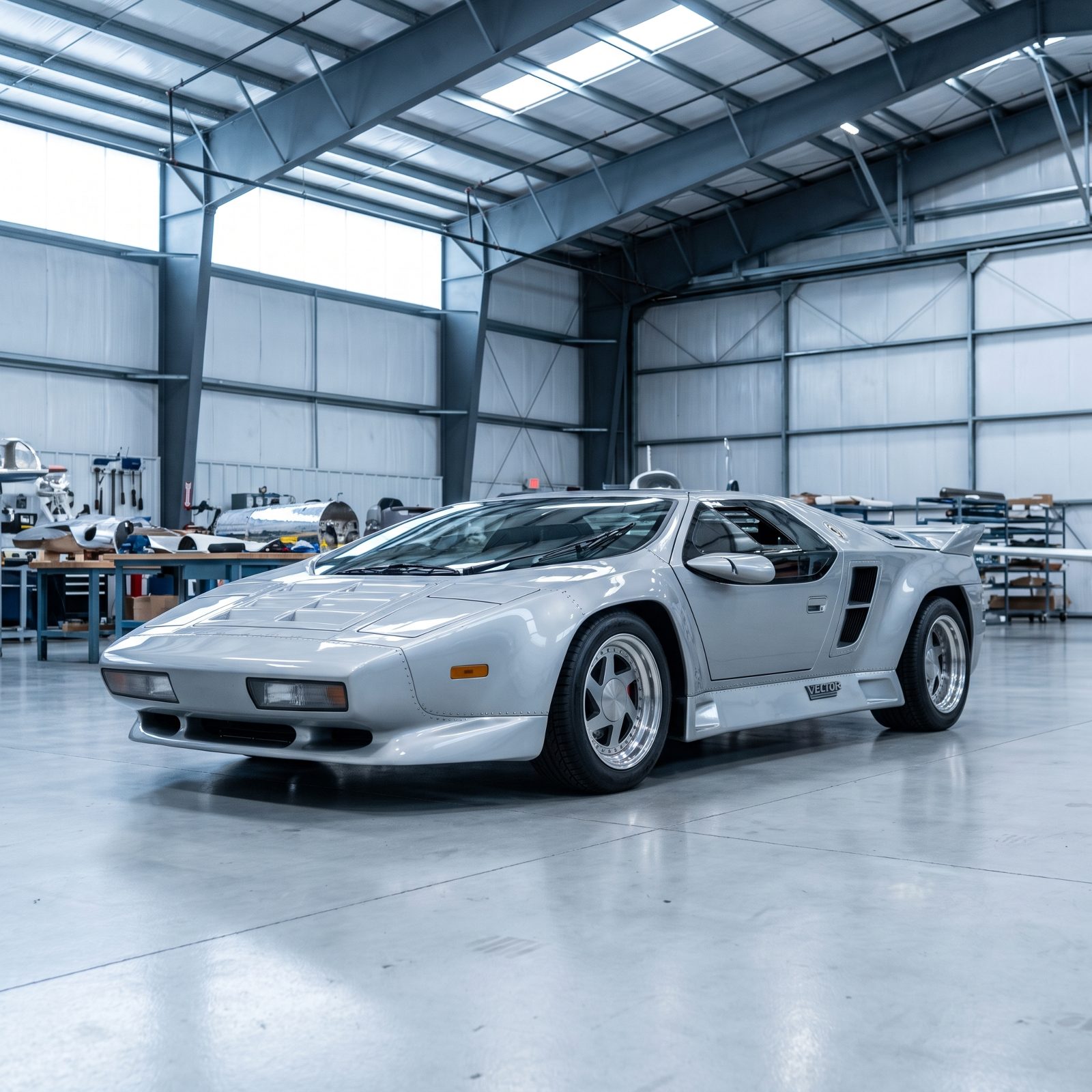
34. Vector W8: The Aerospace-Inspired Supercar Once Dismissed as Vaporware
Would you like to save this?
For years the Vector was more press release than product. The founder promised aerospace construction, 200-plus miles per hour, and American domination of the supercar world. Skeptics figured it was all vapor.
Then he actually built the W8. Aluminum honeycomb tub, twin-turbo V8, an interior lifted straight out of a fighter cockpit. Fewer than two dozen production cars emerged before the company imploded in corporate drama. The car accused of not being real turned out to be very real, and very rare.
33. Amphicar Model 770: The Bad Car and Bad Boat That Became Auction Gold
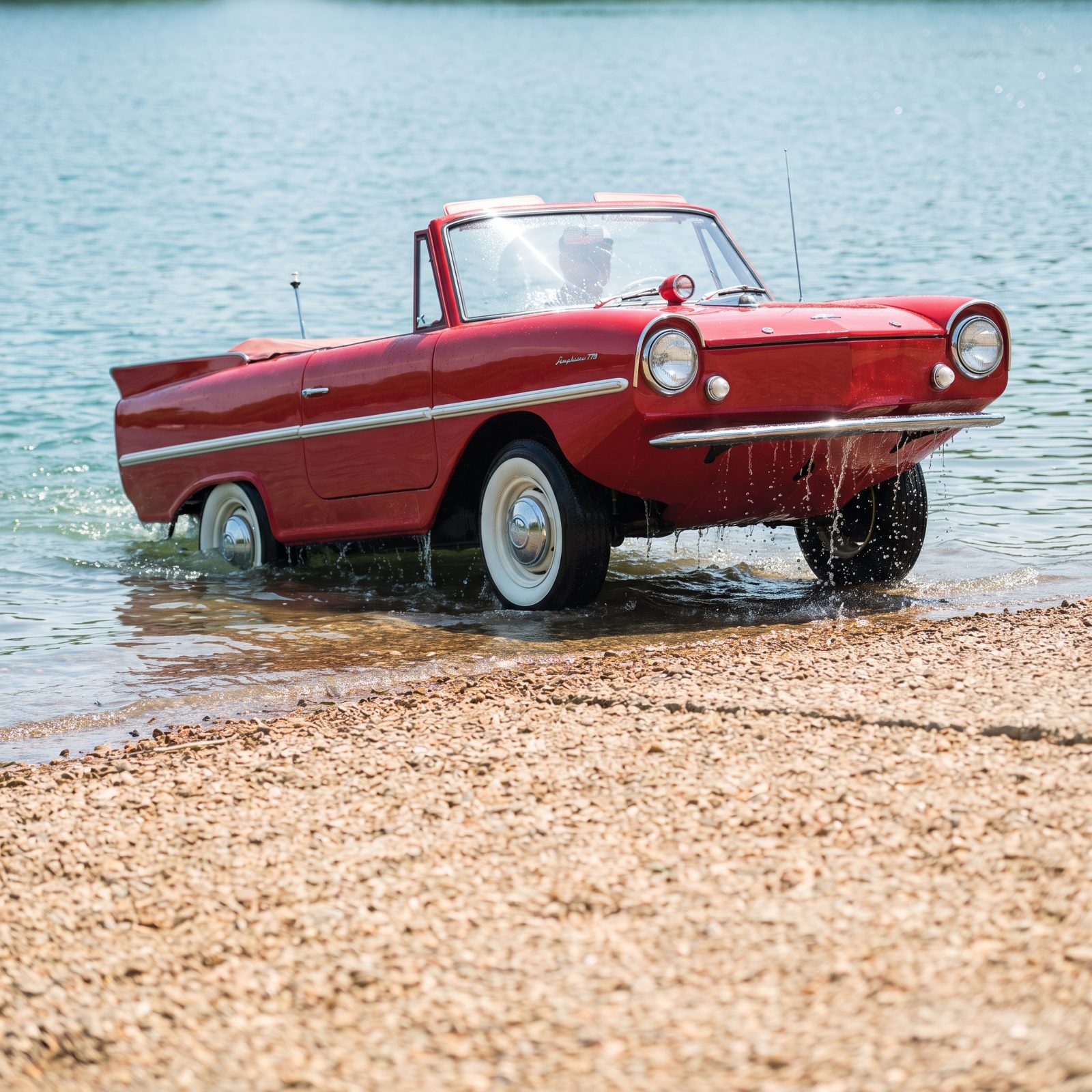
A machine that tried to be both a car and a boat and managed mediocre at each. The Amphicar was slow on land, nervous in the water, and happy to rust in all the places rust loves most. On paper, a terrible idea executed just well enough to float.
And that’s exactly why it works now. Around 4,000 were built, the thing actually swims, and nothing else quite does what it does. The novelty that doomed it commercially is the whole reason it draws crowds and strong bids at auction today. Nobody buys an Amphicar to commute. They buy it to drive into a lake and grin.
32. Aston Martin Lagonda: The Digital Wedge That Became a Six-Figure Curiosity
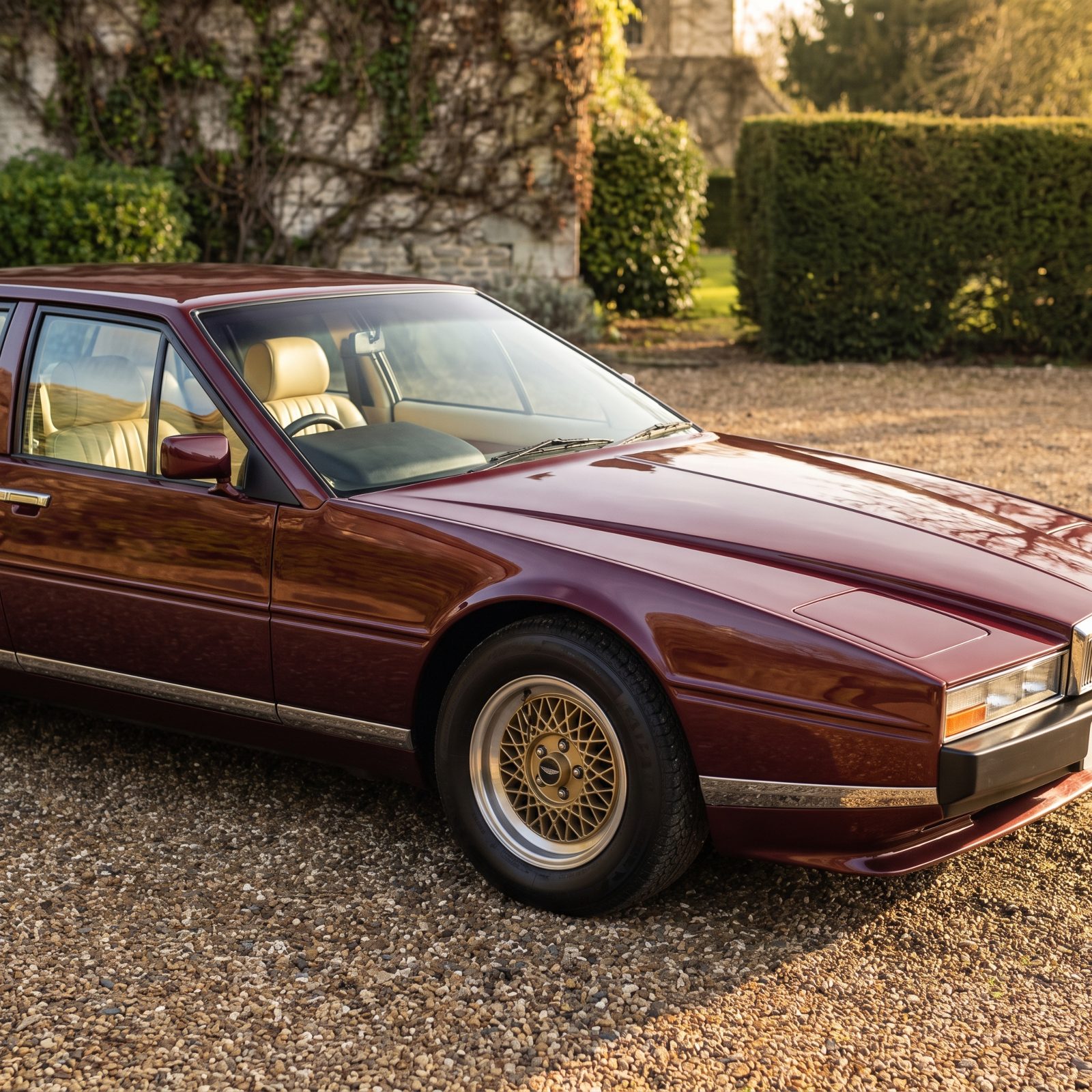
In 1976 it had a dashboard from the future and the reliability of a haunted house. The Lagonda was the first production car with digital instruments, and those touch-sensitive electronics devoured development budgets. Early cars failed constantly, so buyers who’d paid supercar money ended up in a sedan that occasionally refused to tell them how fast they were going.
The styling was pure William Towns origami — so flat and sharp it looked drawn with a ruler. People called it absurd. That absurdity is exactly why anyone wants one now. Clean examples trade well into six figures, and the survivors that outlasted their own wiring have become the last word in acquired-taste cool.
31. Alfa Romeo SZ: The Car Nicknamed “The Monster” That Became Collectible
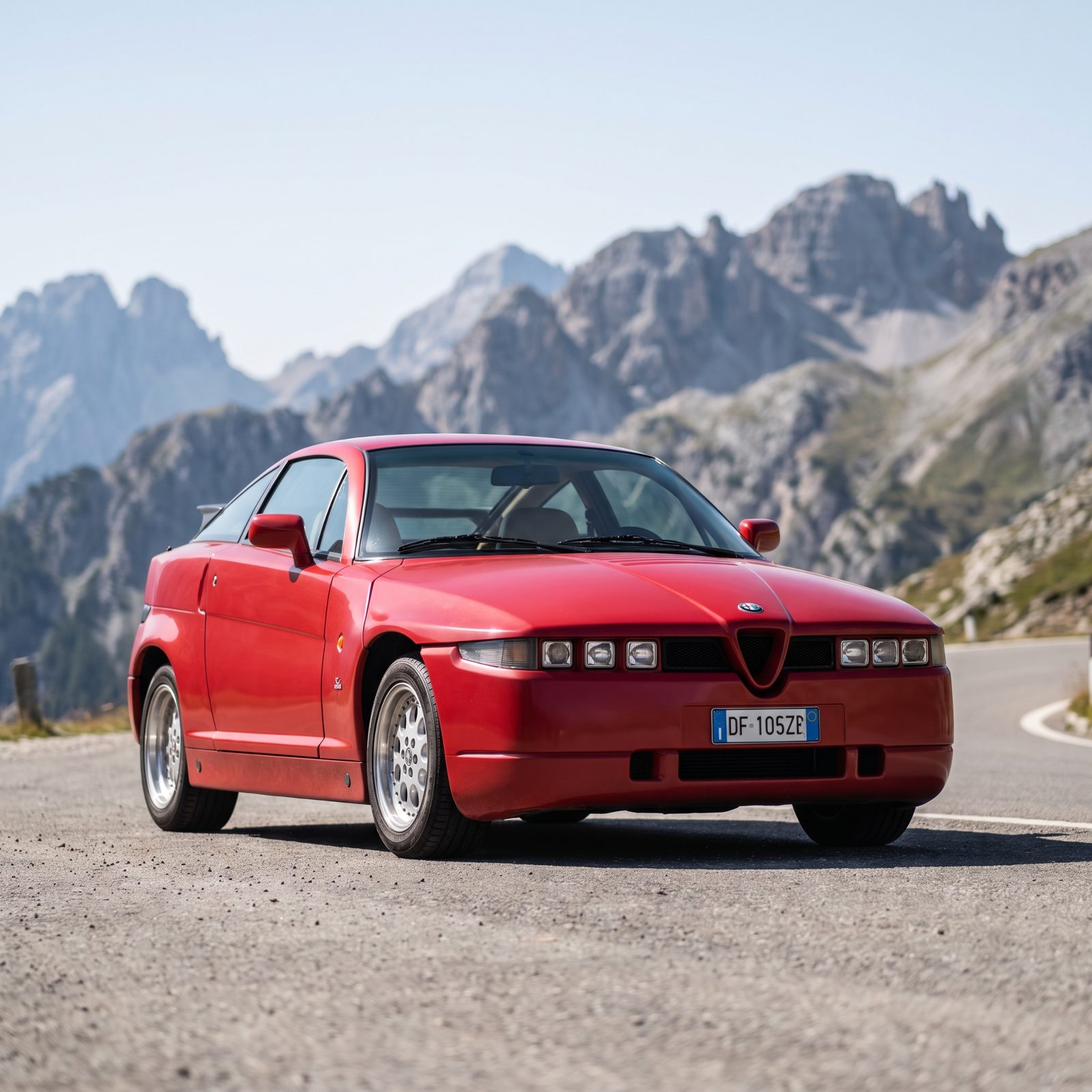
Il Mostro. The Monster. That’s what Italy called the SZ when it showed up in 1989, and nobody meant it as a compliment. The slab sides, the stacked triple headlights, the plastic body panels — none of it looked like anything Alfa had ever built. Purists were horrified.
Under that odd skin, though, sat a Group A race-derived 3.0 V6 and a chassis that cornered like it owed money. Only around a thousand were made. The looks that got it ridiculed are precisely what make it unmistakable on a show field today, and values have climbed well past what most people paid new. The Monster grew into something nobody expected.
30. Peel P50: The Tiny Three-Wheeler That Now Commands Grown-Up Money
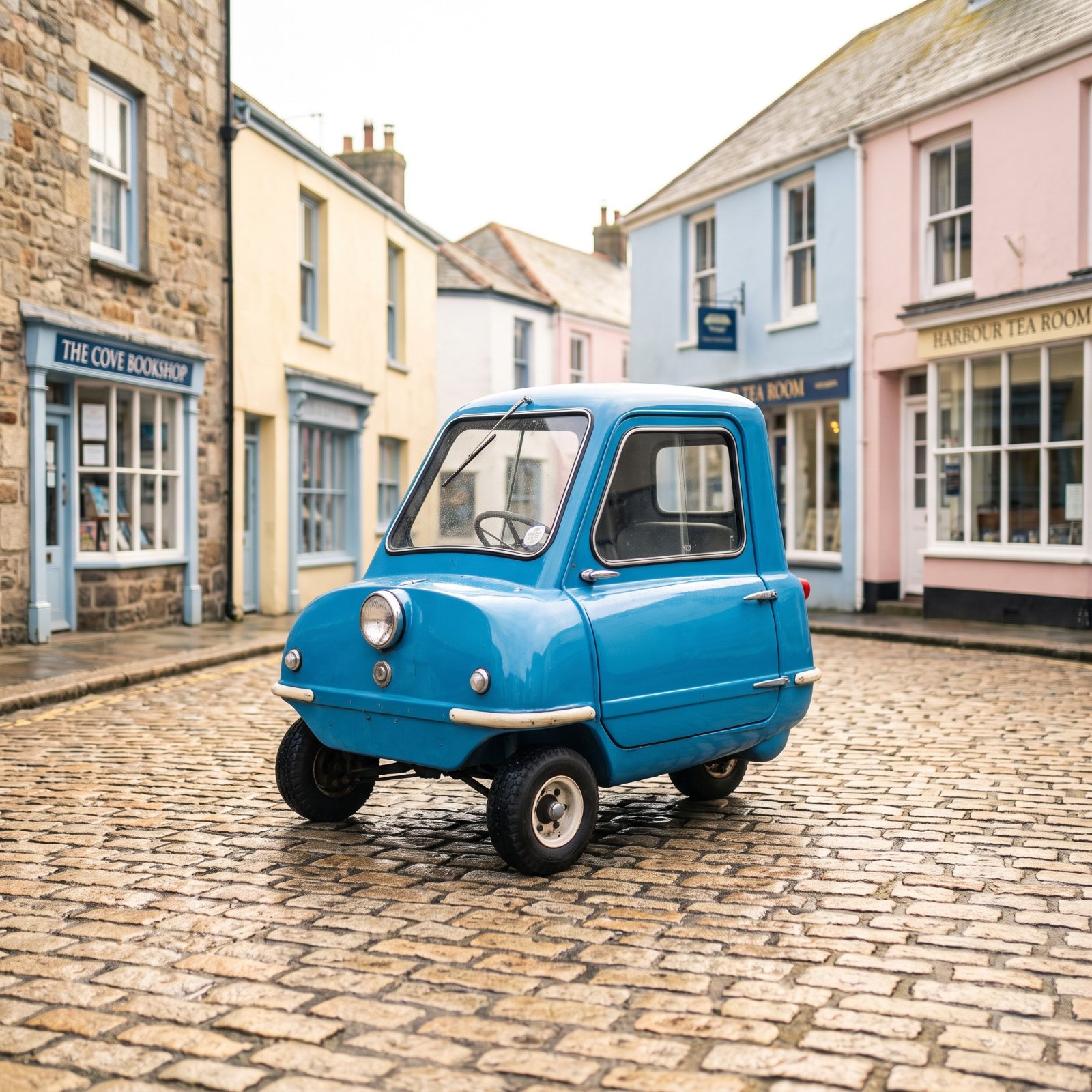
It weighs less than some motorcycles and holds exactly one adult plus a shopping bag — assuming the bag is small and the adult is on good terms with their own knees. Built on the Isle of Man around 1962, the Peel P50 struck most people as a joke on wheels. No reverse gear, either. You grabbed a handle and turned it around by hand.
It’s the smallest production car ever made, which turned out to be a marketing goldmine nobody planned on. Original examples now change hands for sums that would embarrass a used family sedan. Scarcity plus novelty does strange things to a price tag.
29. Fiat 500 Jolly: The Doorless Beach Toy That Became a Luxury Collectible
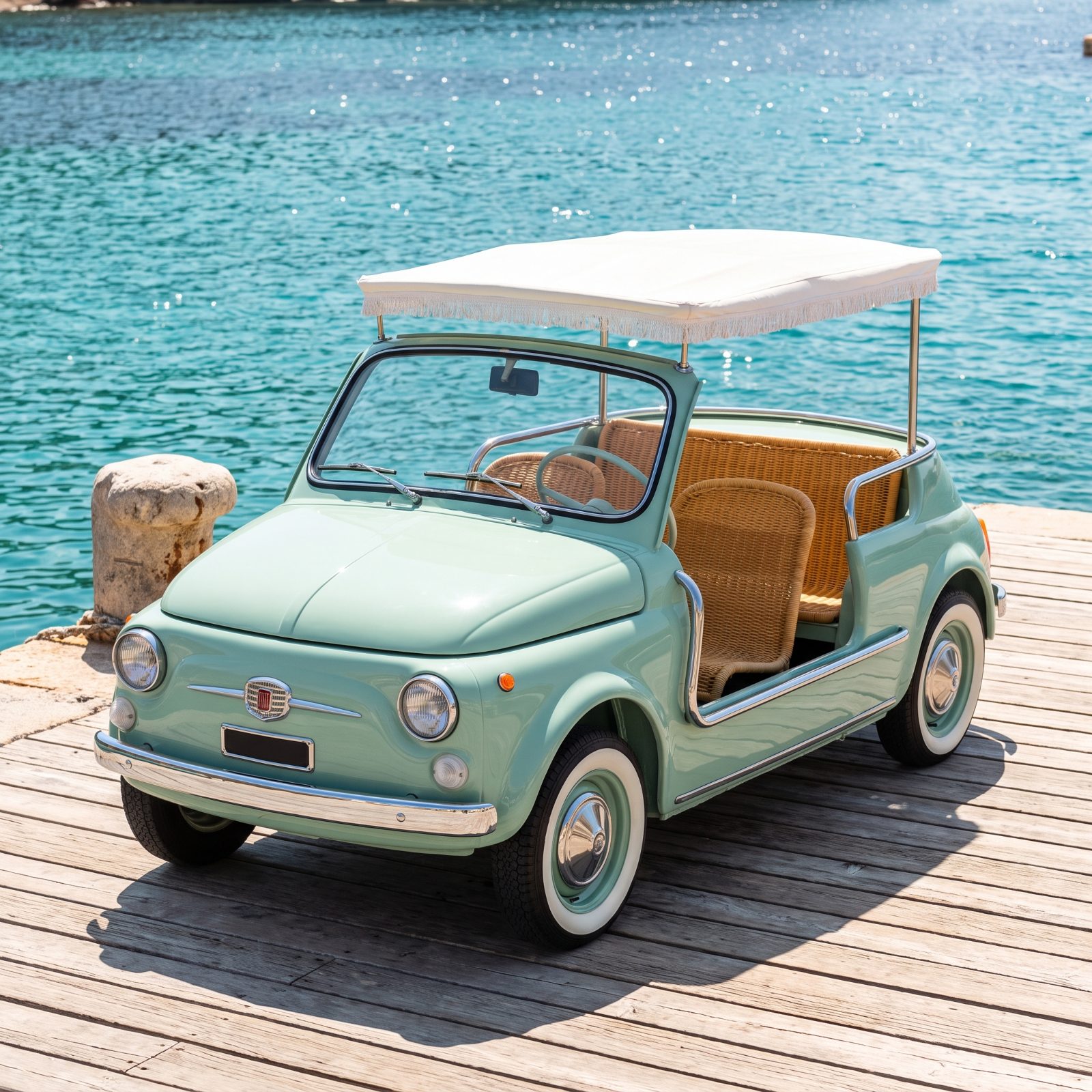
Strip the doors off a Fiat 500, bolt in wicker seats, add a fringed surrey top, and you’ve got either the silliest car in the harbor or the most charming one. In the late 1950s nobody took the Jolly seriously as transport. It was a rich man’s toy. A tender for yachts. A runabout for shuttling guests across resort lobbies.
Ghia built very few. The wicker seats and the open sides — once dismissed as impractical frivolity — are now the rarest and most coveted details in the whole 500 family. Jollys routinely sell for many times the price of a mint standard 500. Frivolity, it turns out, appreciates.
28. Messerschmitt KR200: The Cabin Scooter That Collectors Treat as Automotive Art
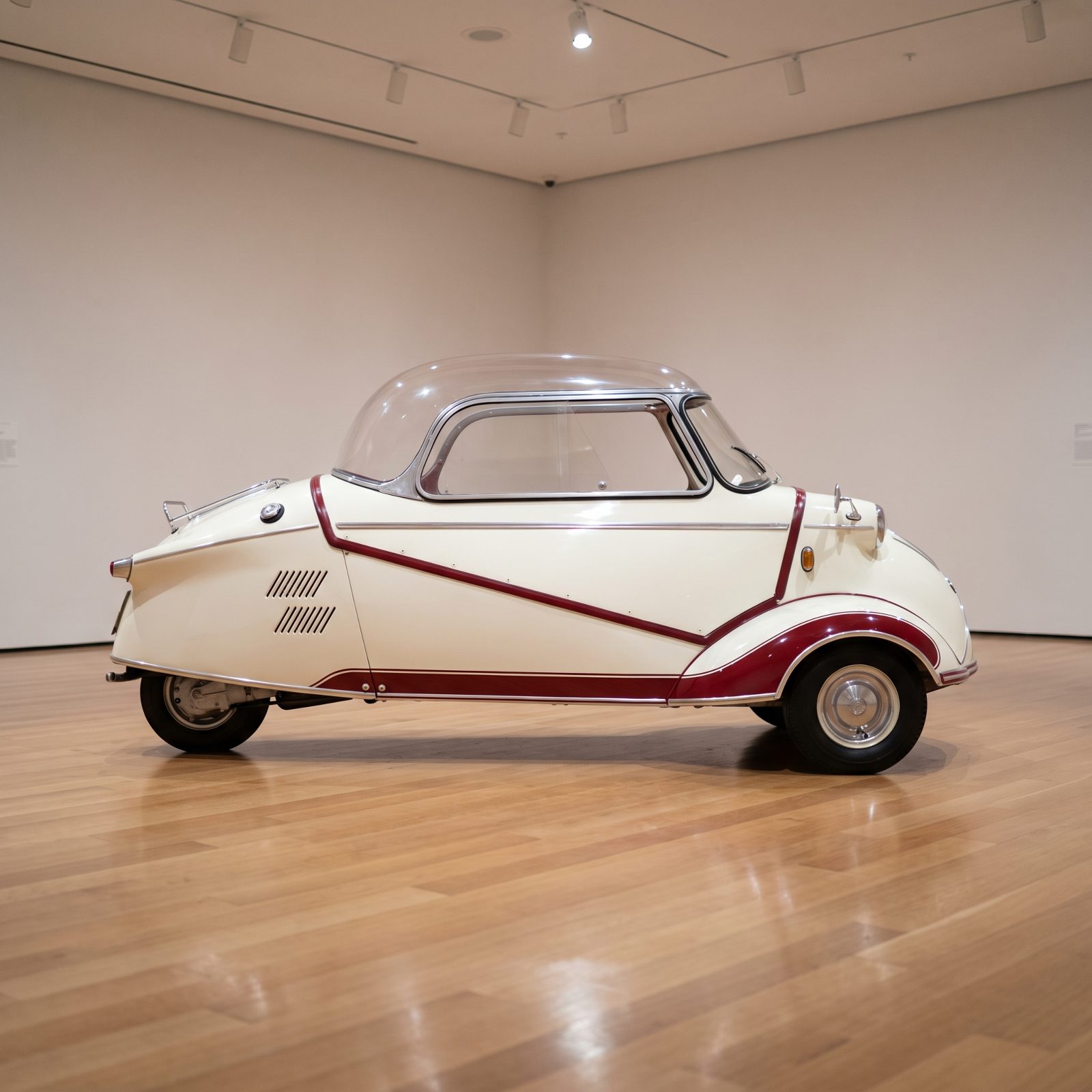
Built by an aircraft company barred from making aircraft after the war, the KR200 is a fighter cockpit that somebody taught to drive. You sit in tandem under a clear bubble canopy, steer with handlebars, and putter along behind a single-cylinder engine about the size of a lawnmower’s.
Postwar Germans bought them because that was all they could afford, which gave the whole genre a whiff of hardship and make-do. Collectors see it differently now. That sculptural fuselage body gets treated as design-museum material, and the finest restorations command prices that would have floored the people who once drove these to work out of sheer necessity.
27. BMW Isetta 300: The Bubble Car That Became a Blue-Chip Microcar

The door is the front of the car. You walk up, swing the whole nose open, and climb in like you’re raiding a refrigerator. Licensed from Italian firm Iso and powered by a BMW motorcycle engine, the Isetta kept a nearly bankrupt BMW breathing through the mid-1950s.
For decades it was the cheap, faintly embarrassing cousin in the BMW story. Not anymore. It’s now a prized piece of the brand’s survival history, and tidy restored 300s pull serious money at the big sales.
26. Chrysler Airflow: The Streamlined Flop That History Ultimately Vindicated
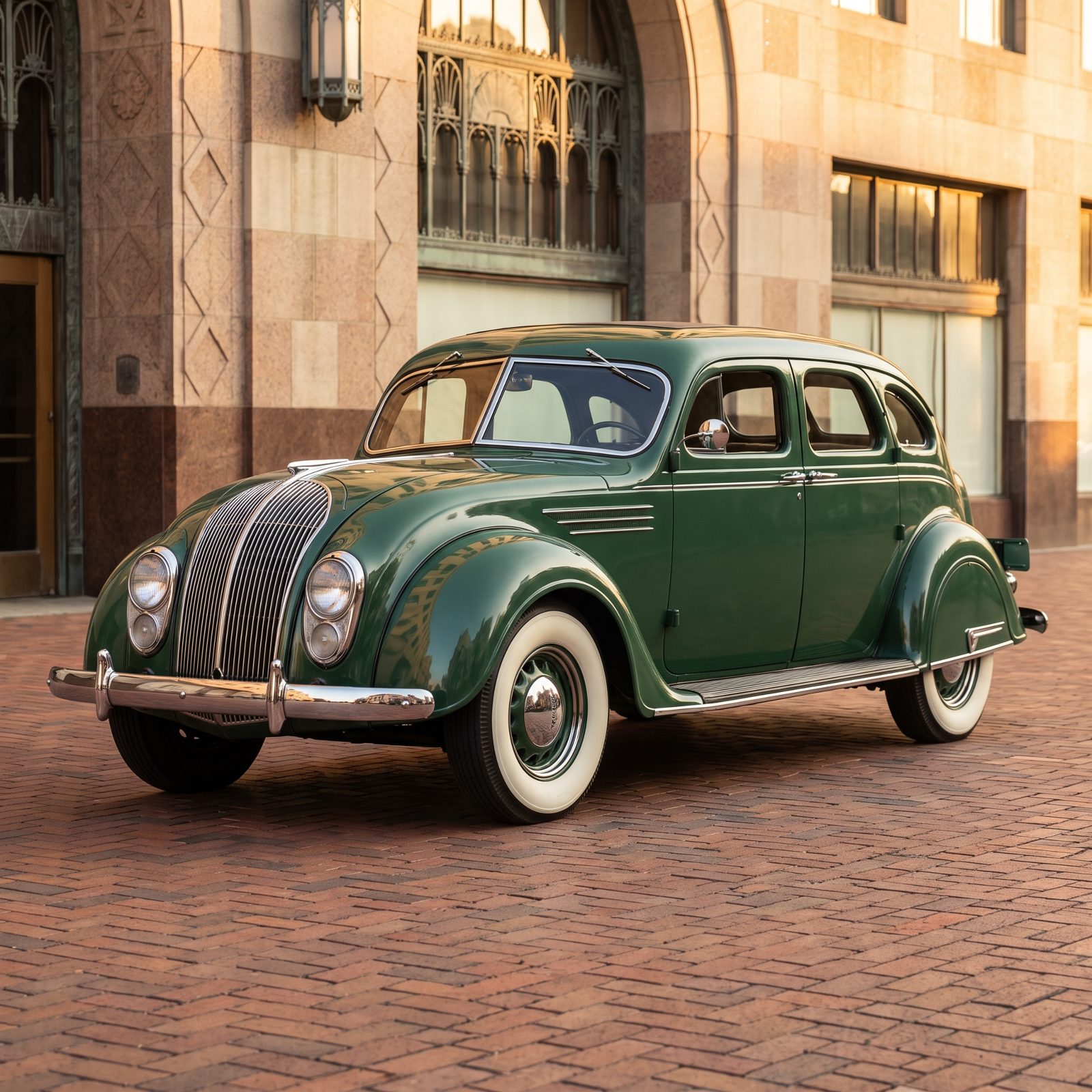
Chrysler bet the company on aerodynamics in 1934, and the public recoiled. Buyers wanted upright, square, familiar. The Airflow’s smooth waterfall front and rounded body looked alien — to some, faintly disturbing. Sales collapsed, and Chrysler spent years quietly walking the design back.
Every wind-cheating car since owes it a debt. The Airflow was right, just early, which happens to be the worst possible thing to be in the car business. Collectors and historians treat it as a landmark now, and surviving examples carry the respect that eluded them when it actually counted. Being ahead of your time pays off eventually. Just never to the folks who built the thing.
25. Edsel Citation Convertible: The Symbol of Failure That Became the Edsel to Own
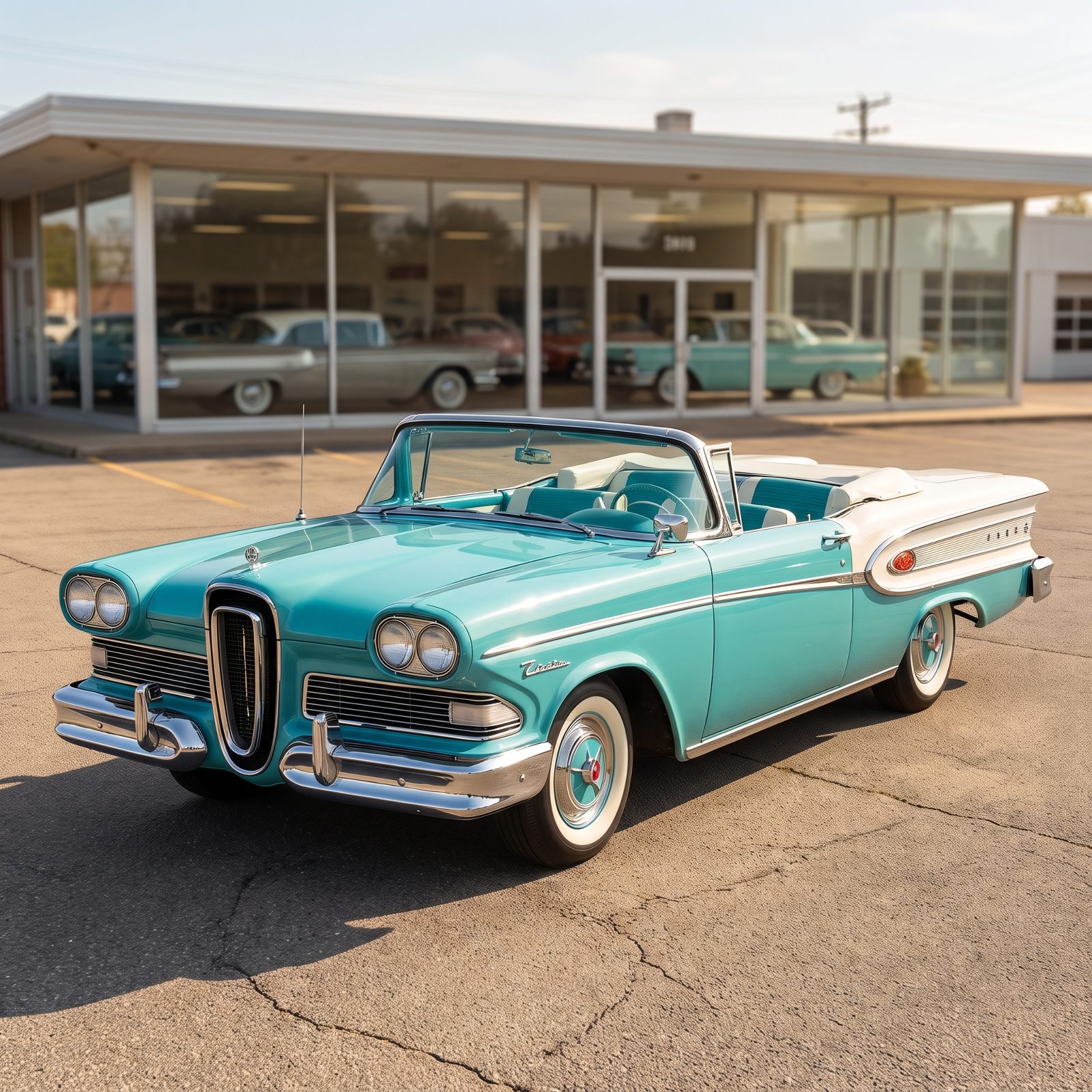
Edsel became American shorthand for failure, and honestly the name earned it. Launched for the 1958 model year with impossible hype, a divisive grille, and timing that dropped it straight into a recession, the brand was dead in under three years. For a long stretch, an Edsel was something you apologized for owning.
Then the story itself became the pitch. The Citation convertible sat at the top of the lineup, came in small numbers, and ranks today among the most desirable Edsels around. The very failure that sank the brand is what turns a clean survivor into a conversation piece worth real money.
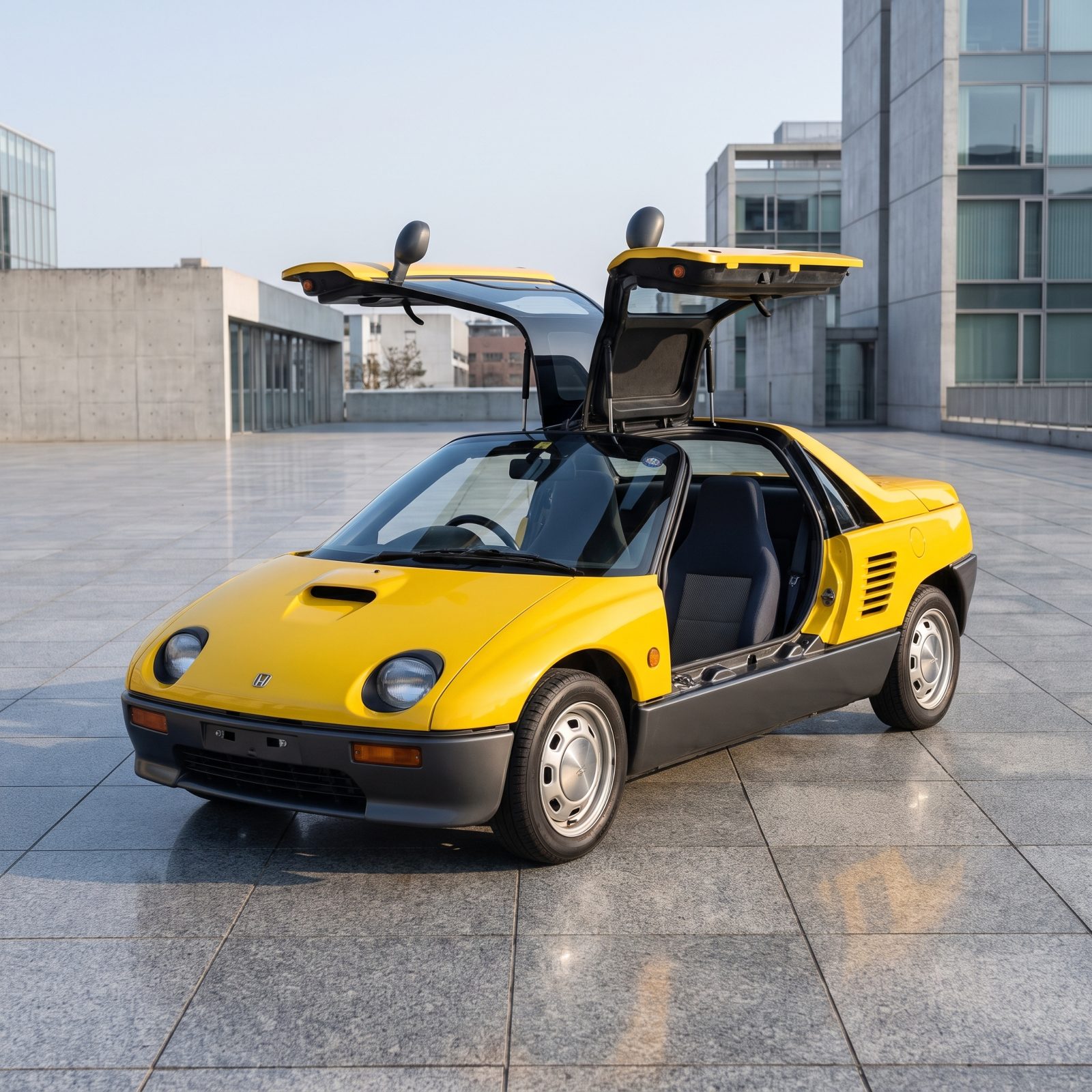
24. Autozam AZ-1: The Gullwing Kei Car Once Treated Like a Toy
Would you like to save this?
Gullwing doors. On a kei car. A mid-mounted turbo three-cylinder making 63 horsepower, because Japanese regulations capped it right there. The Autozam AZ-1 was built to fit a tax bracket and sold like a novelty when it launched in 1992.
For years, enthusiasts outside Japan treated it as an adorable irrelevance — a cartoon drawing of a supercar. Then import rules loosened and people actually drove one. Turns out a featherweight mid-engine machine with wing doors is an absolute riot on a back road. Values have shot up, and clean examples now cost far more than the toy reputation ever let on.
23. Renault Clio V6: The Shopping Car With Its Engine Where the Groceries Belonged
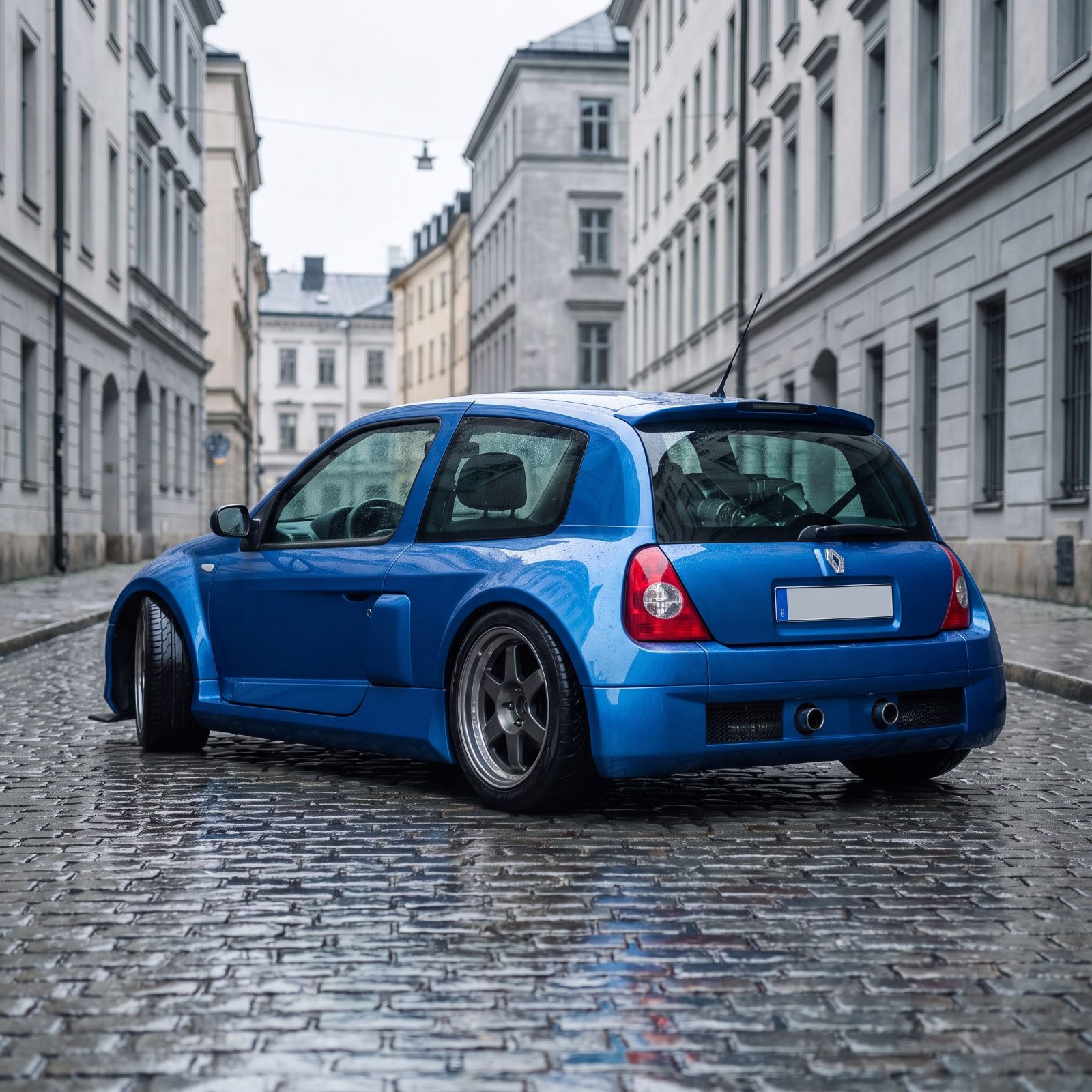
Somebody at Renault looked at the humble Clio hatchback — a car for school runs and grocery hauls — and decided to drop a 3.0 V6 into the middle, right where the back seats used to live. What came out was wide, wild, and a genuine handful to drive. Plenty of people wrote it off as a daft stunt.
Early cars had a reputation for biting the hand that steered them, which torpedoed resale at first. That reputation has flipped entirely. Built in small numbers and like nothing else in the supermarket car park, the Clio V6 has become a bona fide modern collectible. The groceries, sadly, still have nowhere to go.
22. Lexus LFA: The Overpriced Lexus Collectors Now Fight to Own
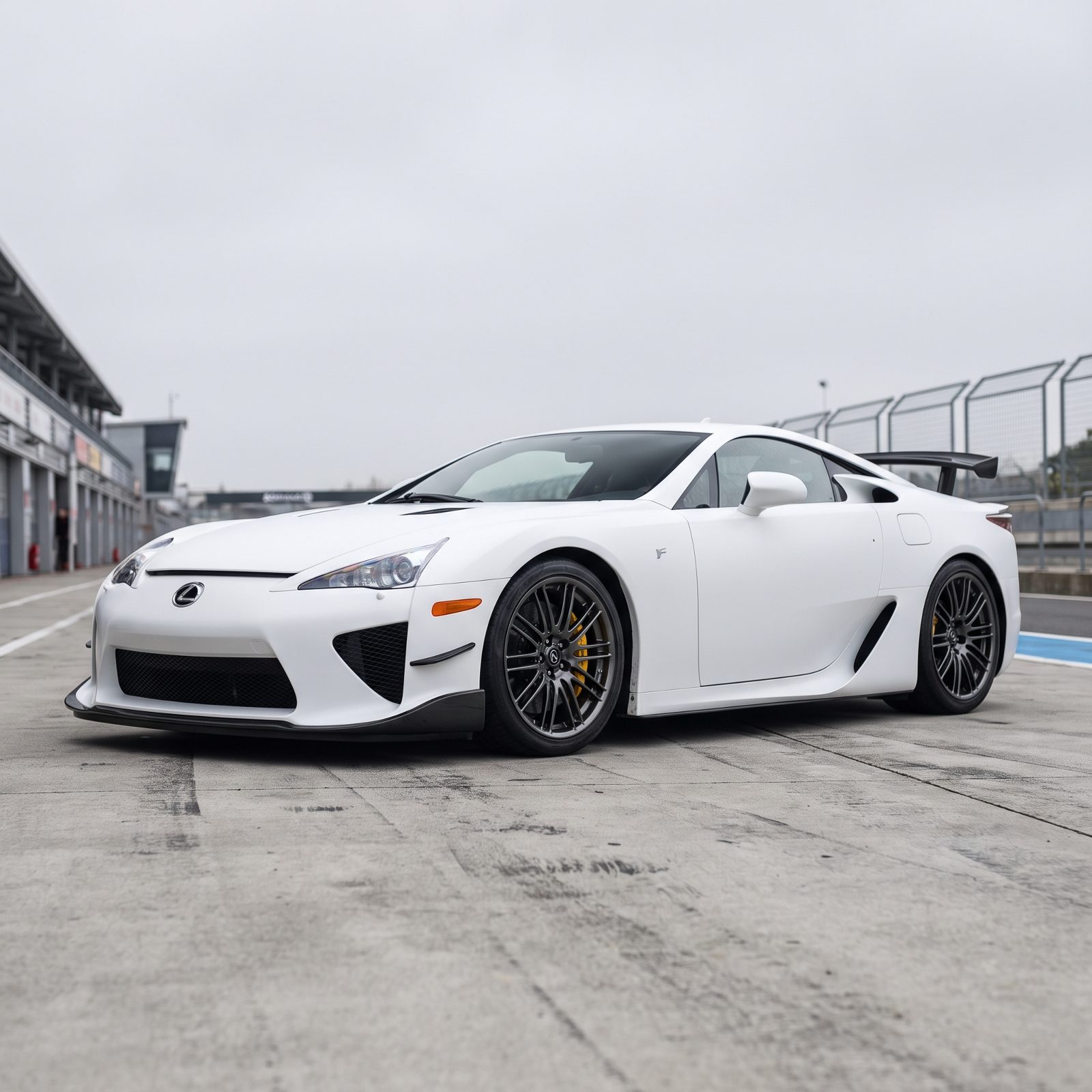
Toyota spent the better part of a decade building a supercar, then charged Ferrari money for it with a Lexus badge on the hood. People scoffed. A Lexus that cost as much as a house sounded like a punchline in 2010.
What the scoffers missed was the carbon-fiber tub woven on a loom Toyota built in-house, and a 4.8-liter V10 that revs so fast the engineers fitted a digital tachometer because a needle couldn’t keep up. Only 500 were made. Clean examples now trade well past a million.
21. Toyota 2000GT: The Japanese E-Type That Climbed to Seven Figures
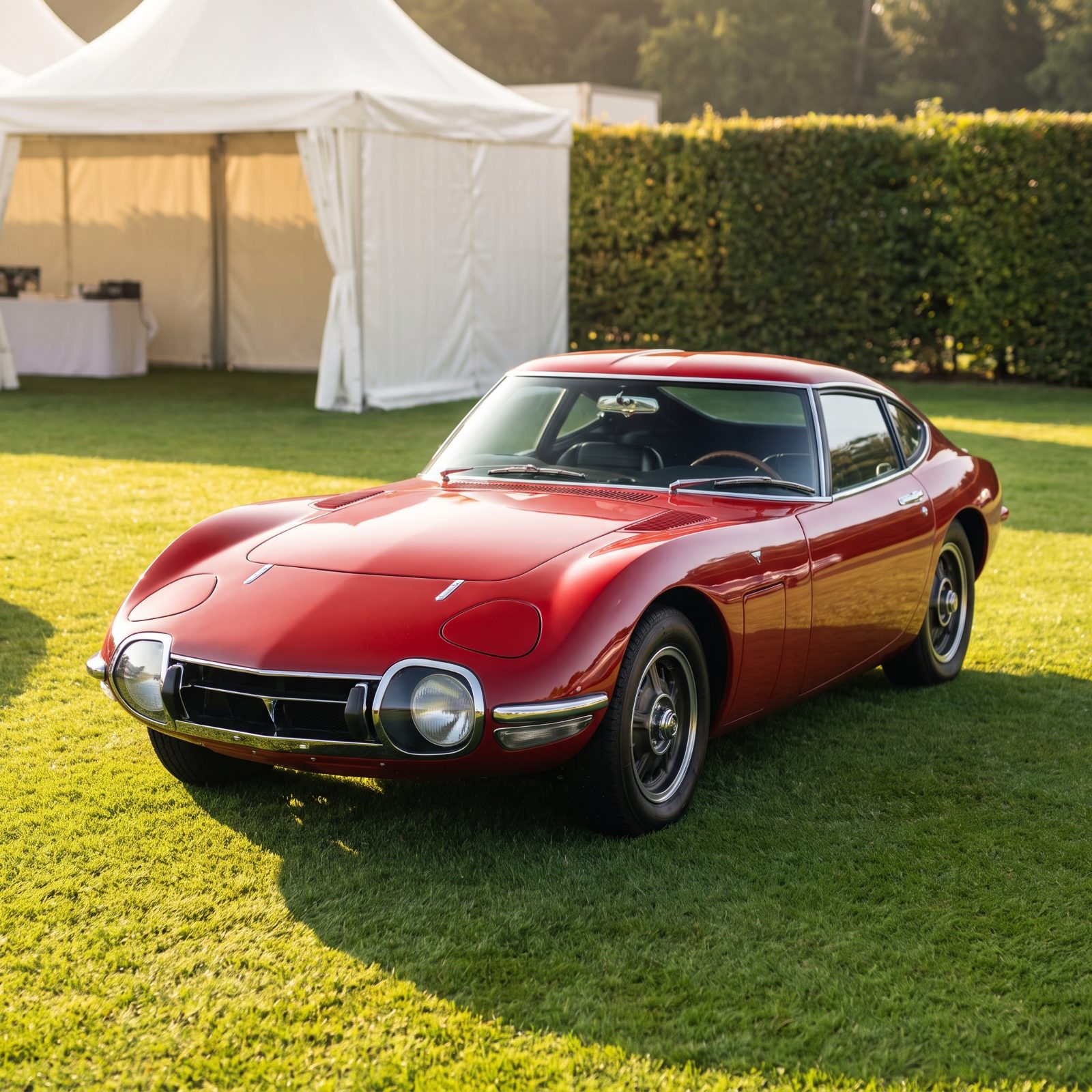
In 1967 the notion that Japan could build a desirable sports car was treated as cute at best. The 2000GT, with its long nose and Jaguar-ish proportions, got written off as an homage with ambitions above its station.
Fewer than 350 were built. Hand-formed aluminum, a Yamaha-finished twin-cam engine, a James Bond cameo in a convertible version built specially for a tall actor who couldn’t fit the coupe. All of it added up to a legend. One crossed an auction block for over a million in 2013, the first Japanese car to do so. The cute little homage ended up being the most valuable thing Toyota ever built for the street.
20. BMW Z1: The Roadster With Doors That Vanished Into the Sills
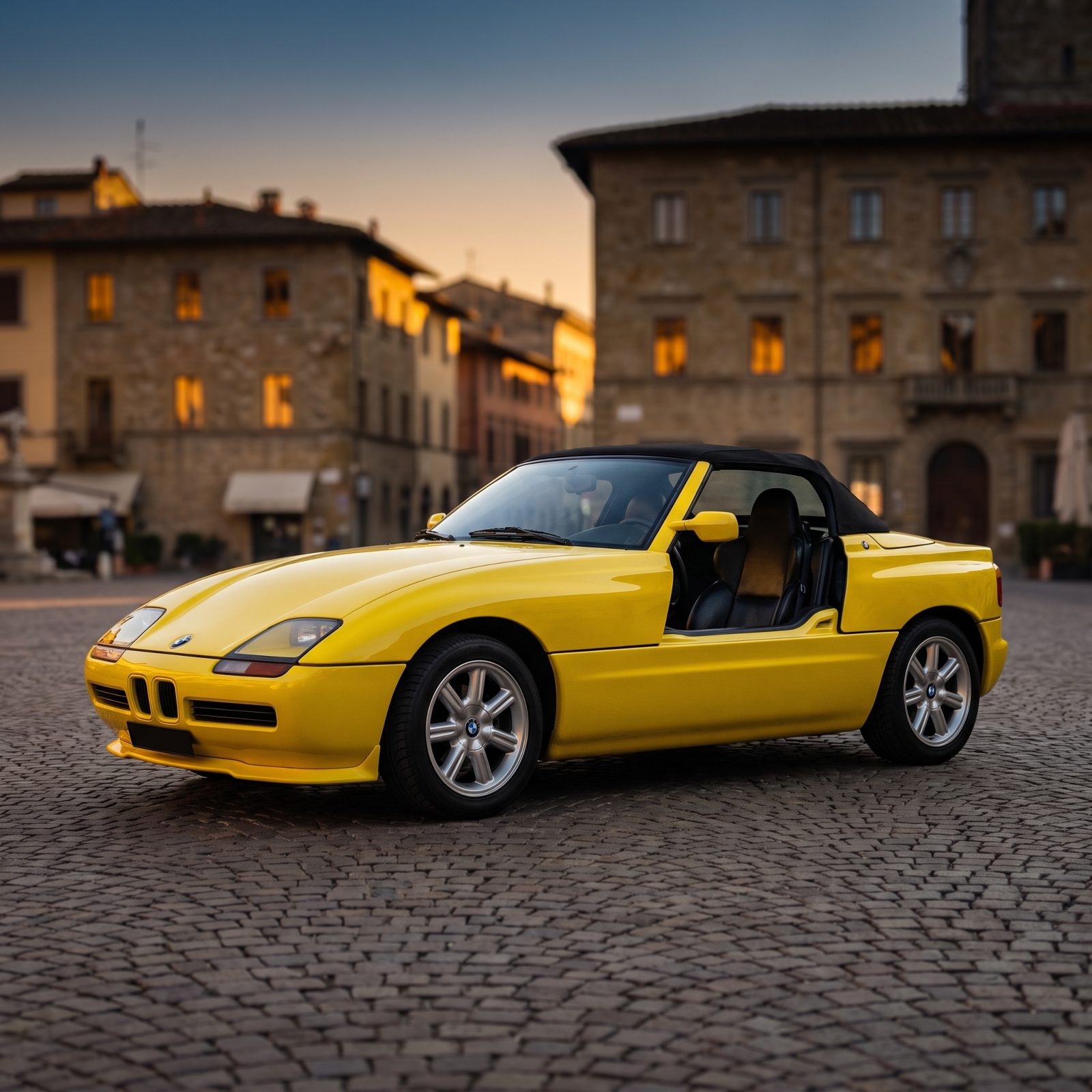
The doors dropped straight down into the body instead of swinging out. It looked like a party trick, and plenty of people treated the Z1 as exactly that.
But the trick had substance. The Z1 was BMW’s rolling laboratory, its underfloor and multilink rear suspension previewing designs that would shape later models. Around 8,000 were built, few left Europe, and the plastic body panels were theoretically removable. Dismissed as a curiosity for years, it’s now a genuinely sought-after piece of BMW history. Values have climbed as collectors realized how little else drives like it.
19. BMW Z3 M Coupe: The ‘Clown Shoe’ Nobody Took Seriously
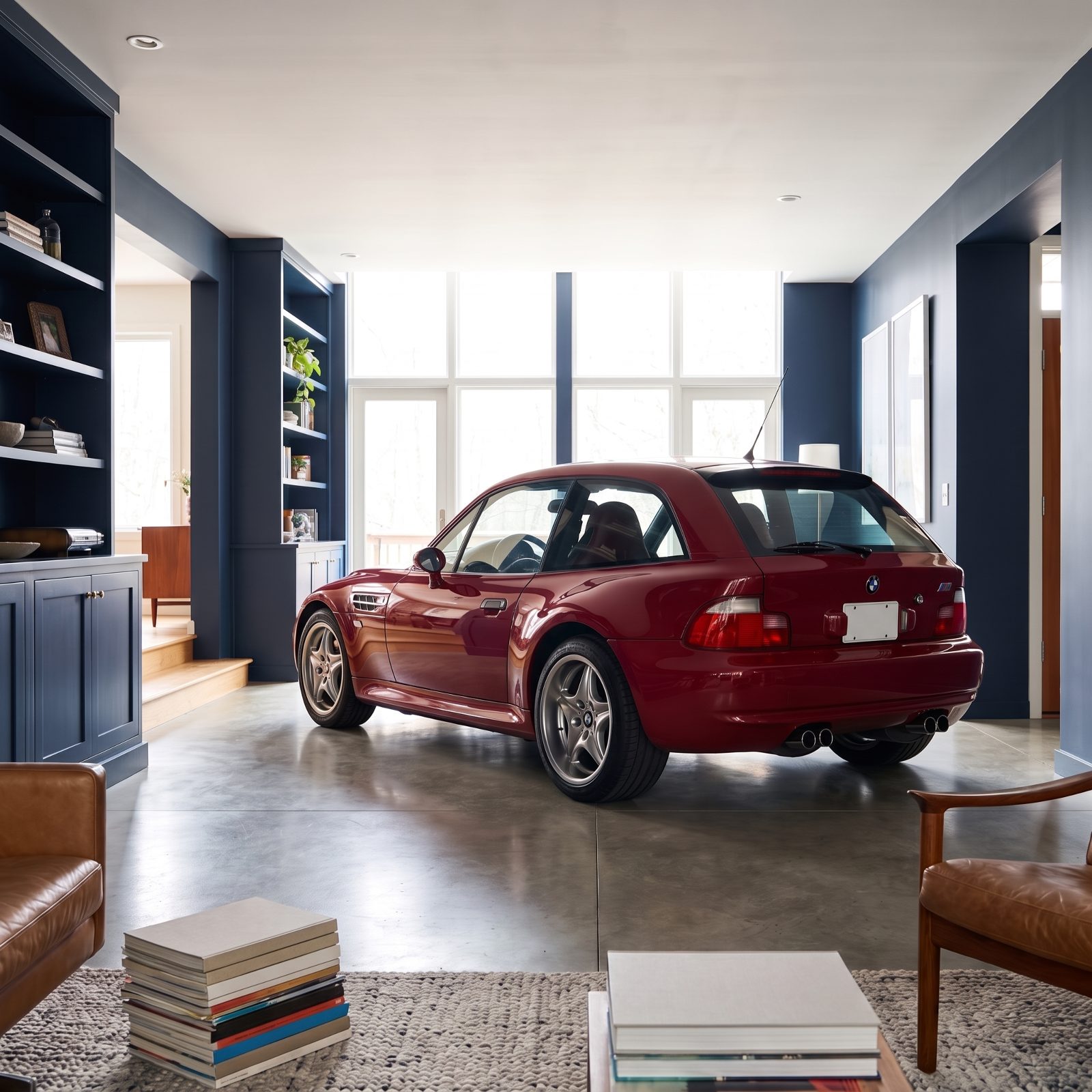
They called it the clown shoe. Long hood, stubby hatchback tail grafted onto a two-seat roadster, the whole thing looking like a sketch somebody forgot to finish.
Underneath the awkward silhouette sat a proper M engine and a chassis the hatchback roof made considerably stiffer than the convertible it was based on. Enthusiasts always knew. The market took longer. Clean M Coupes that sat unloved for years now command serious money, and the US-market S54 cars especially have become hard to find and harder to afford.
The ugliest BMW of its era turned out to be one of the few that drives exactly the way it looks like it should.
18. Mercedes 190E 2.5-16 Evolution II: The Giant-Wing Sedan Gone Right
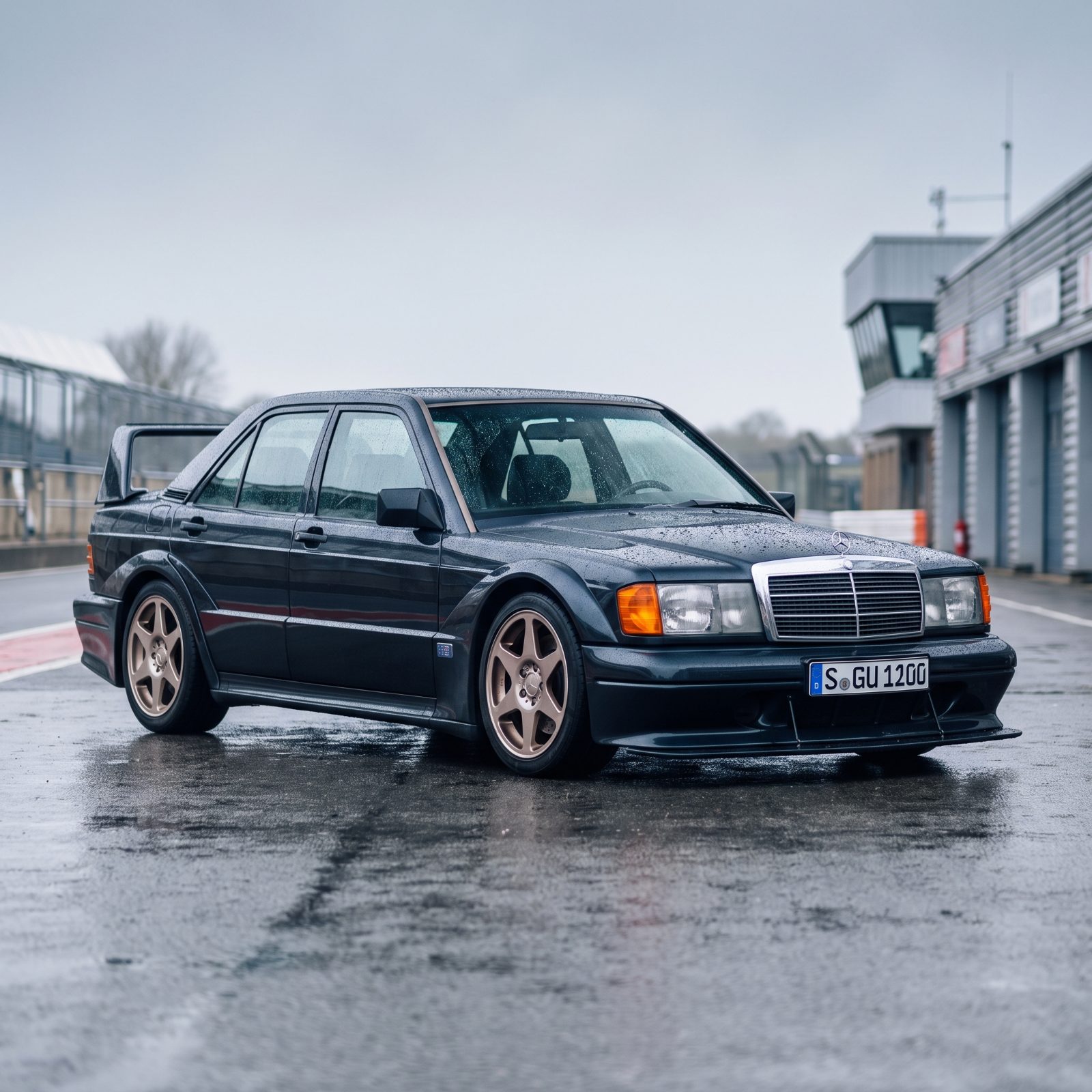
A boxy executive sedan with a rear wing the size of a coffee table struck a lot of people as absurd in 1990. It looked like a homologation special because that’s precisely what it was.
Mercedes needed to beat BMW in German touring car racing, so they built around 500 road cars wild enough to make the aero legal. A Cosworth-developed 16-valve engine, adjustable aerodynamics, the works. For years it was just the odd-looking old Benz. Now it’s one of the most valuable sedans the company has ever sold, with prices that would buy you several ordinary 190Es and leave change for fuel.
17. Porsche 914/6: The ‘VW Porsche’ That Earned Real Respect
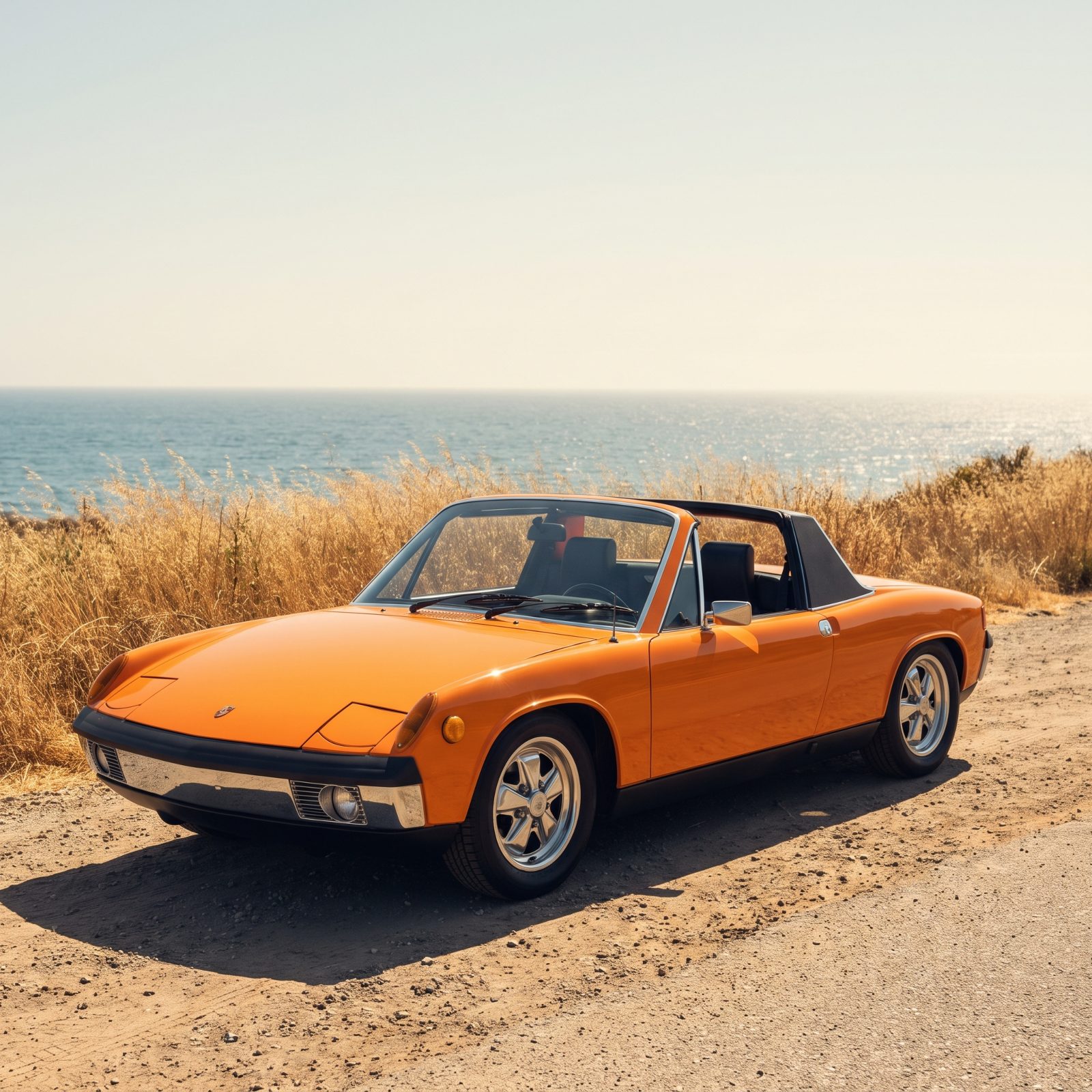
Sold as a joint Volkswagen-Porsche project, the 914 wore a badge purists treated as an insult. A mid-engine Porsche you could almost afford felt like a contradiction, and the cheaper four-cylinder cars got no respect at all.
The 914/6 was the version that mattered, Porsche’s own flat-six sitting behind the seats. Lighter and better balanced than the 911 of its day, quietly brilliant, produced in small numbers. The whole 914 line has been reassessed since, but the six-cylinder cars went from laughingstock to legitimate blue-chip Porsche, and even the four-cylinder examples have shed the apology that used to come attached to them.
16. Porsche 930 Slantnose: The Flashy Factory Job Dismissed as Excess
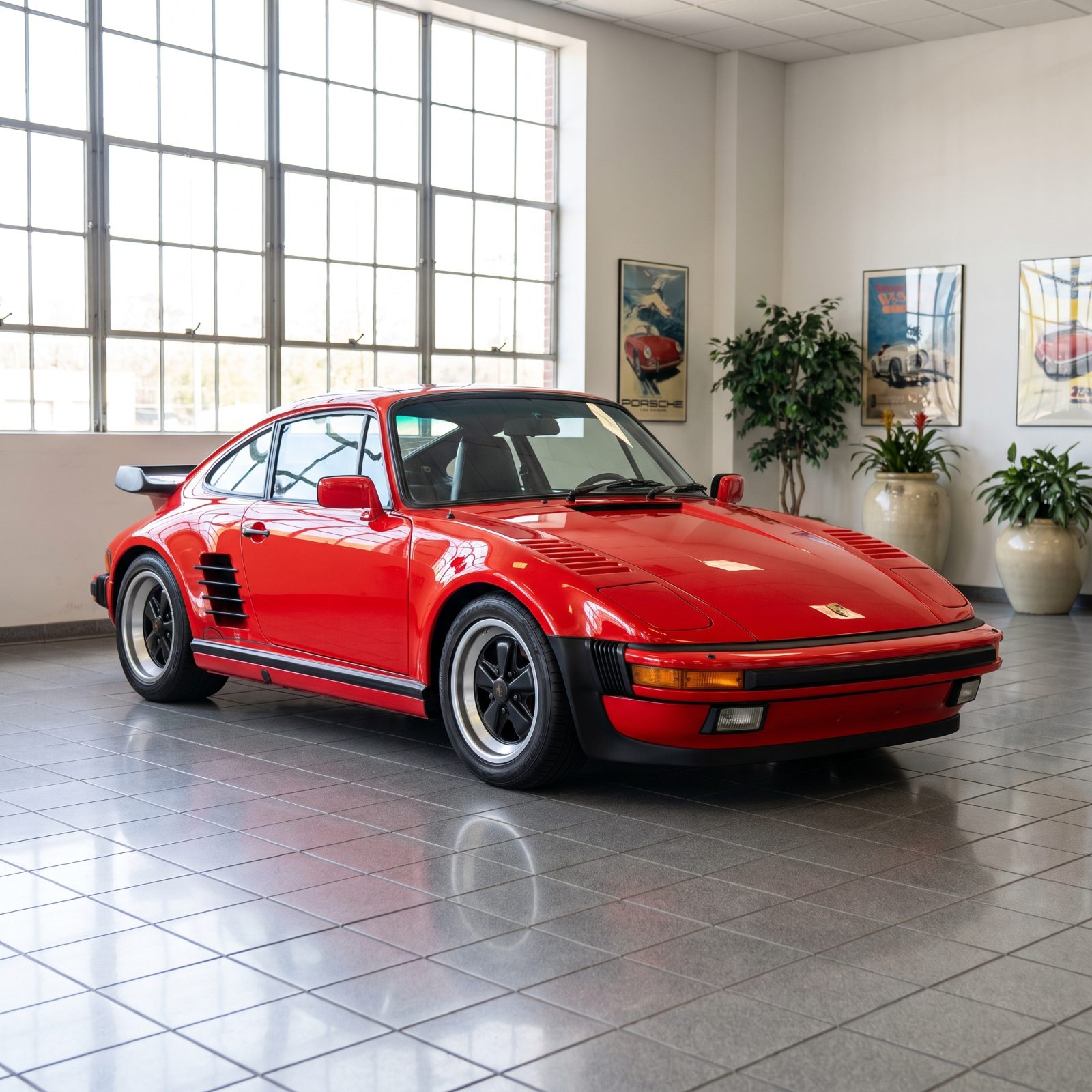
For a price, the factory would chop the headlights out of your 911 Turbo and replace the nose with a flat race-car profile borrowed from the 935. To a lot of traditionalists this looked like a very expensive way to ruin a perfectly good Porsche.
Built in small numbers through Porsche’s special order program, the genuine factory Slantnose cars are exactly the sort of excess that ages into desirability. The fakes and backyard conversions muddied the water for years. Verified factory examples now sell for a substantial premium over a standard 930, flashy nose and all.
15. Citroën SM: The French Spaceship Too Clever for Its Own Good
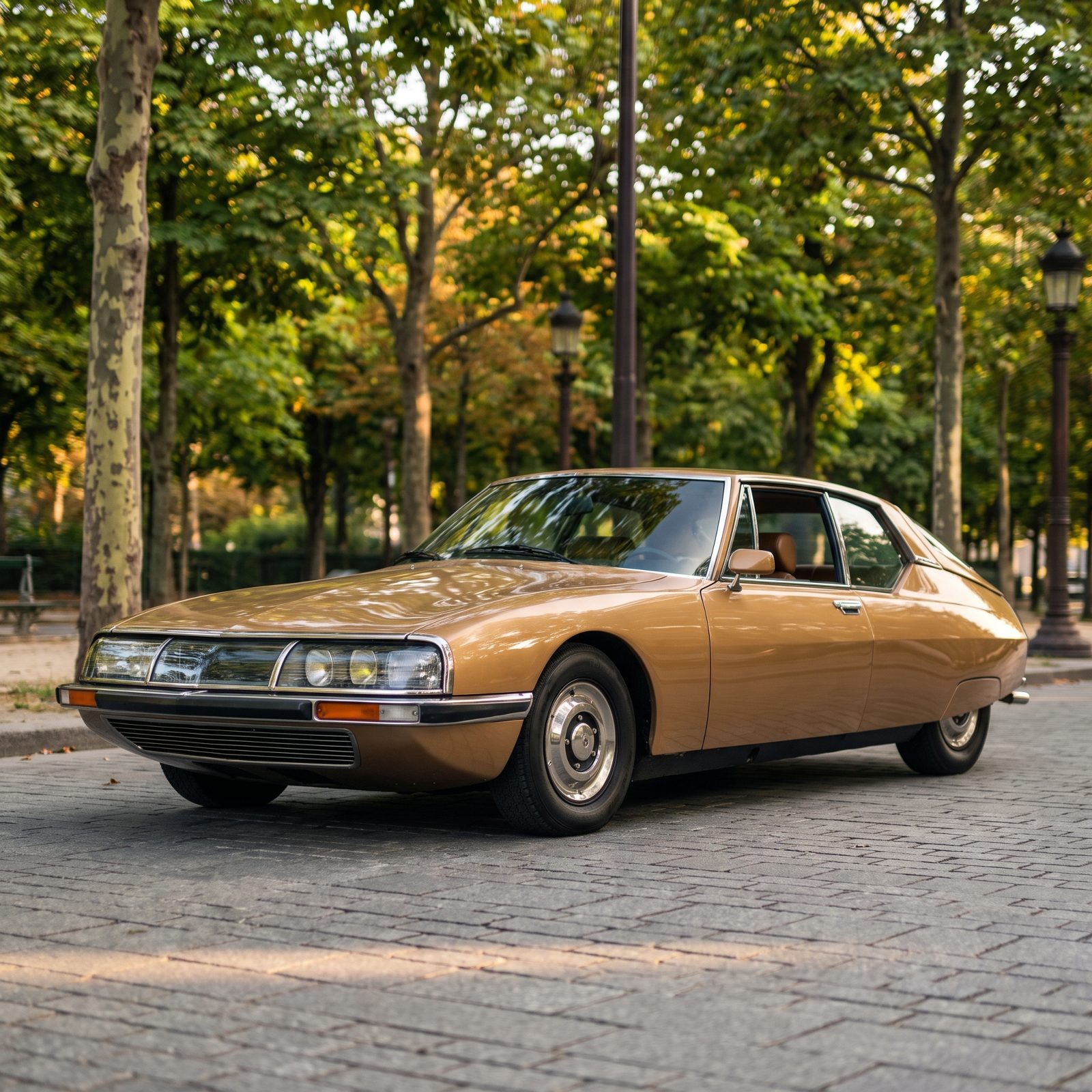
Hydropneumatic suspension, hydraulically powered self-centering steering, swiveling headlights behind glass, and a Maserati V6 under the hood. The SM was so complicated that owners and mechanics alike came to dread it, and that reputation gutted its value for decades.
And yet the complexity was the whole vision. Citroën set out to build the most advanced grand tourer on Earth, and the thing looked like nothing before or since. As specialist knowledge spread and good examples thinned out, collectors circled back and recognized it for the design milestone it was. The scary French spaceship is now a respected classic, and the best cars have the prices to prove it.
14. Ferrari Mondial: The ‘Family Ferrari’ Collectors Finally Forgave
Would you like to save this?
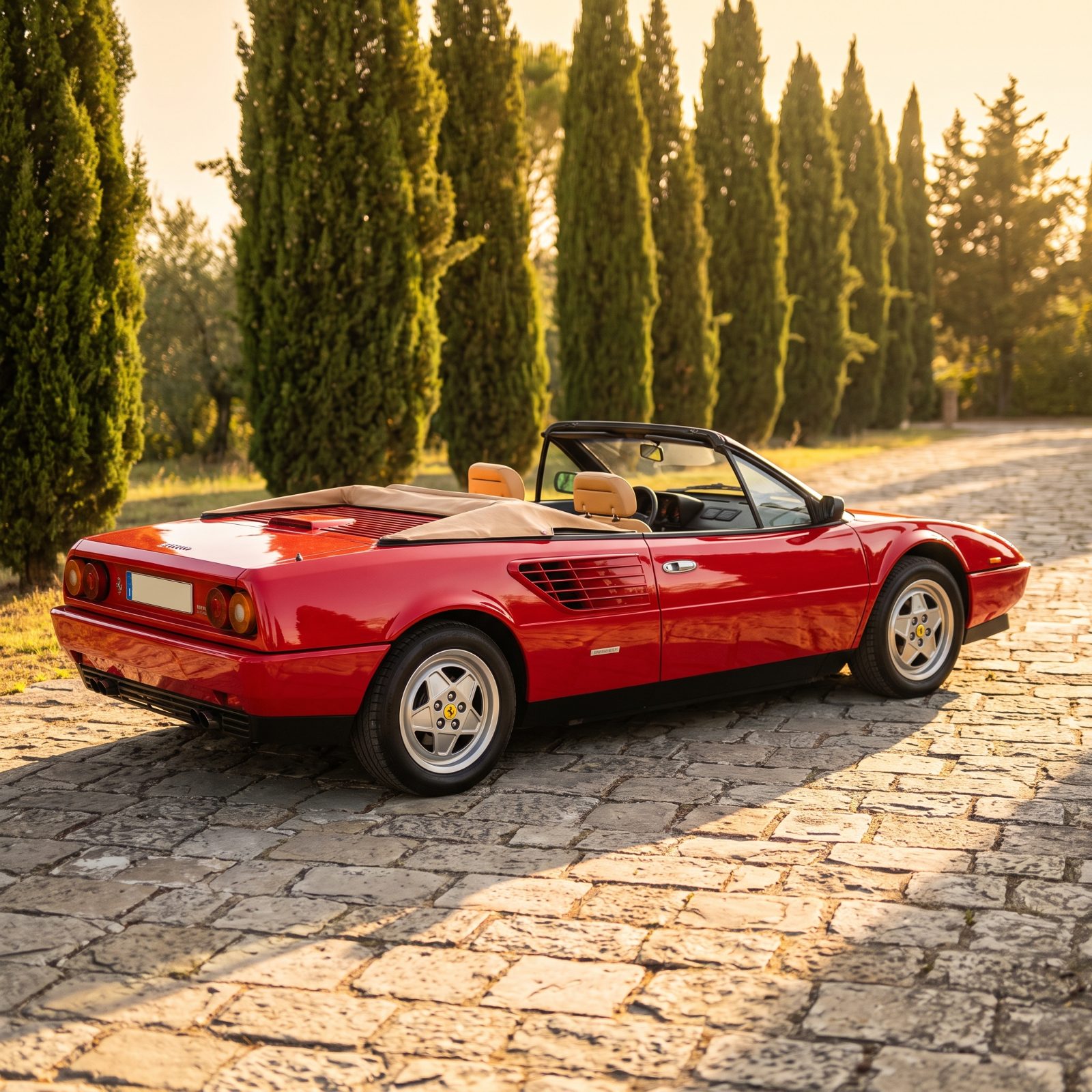
For years the Mondial was the Ferrari you were allowed to make fun of. A 2+2 with rear seats, a reputation for being slow early on, and the dreaded title of entry-level Ferrari. Magazines used it as a punching bag.
Reassessment crept in slowly. The later 3.2 and T models were genuinely quick, the mid-engine layout was pure Ferrari, and the running costs stayed saner than almost anything else wearing the badge. As the cheap Ferraris got expensive, the one everyone mocked started looking like the smart buy. Values have firmed up, and the Mondial has shed most of the embarrassment it carried for a generation.
13. Lamborghini Jalpa: The ‘Baby Lambo’ That Outgrew Its Price
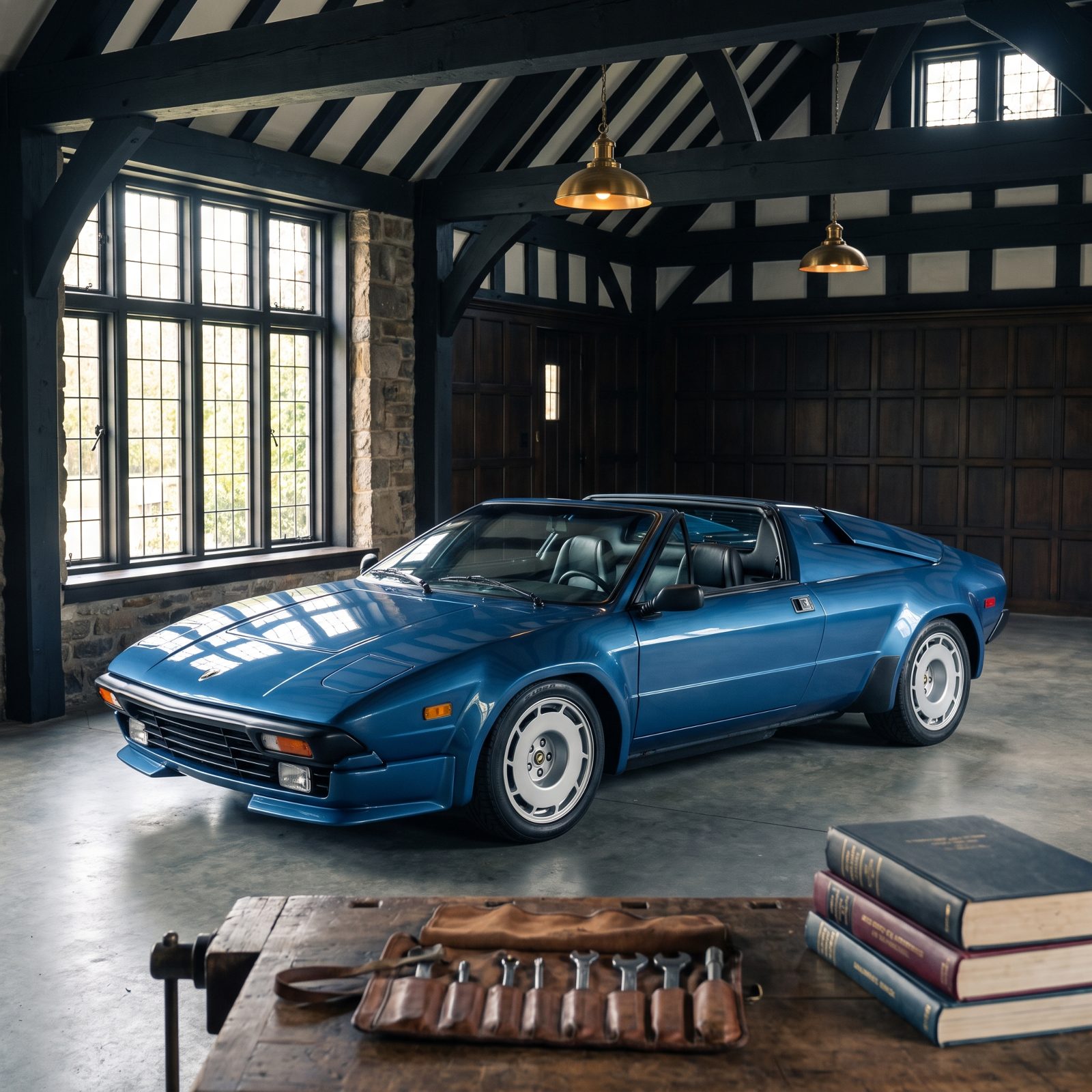
Every Lamborghini conversation got swallowed by the Countach, and the smaller V8-powered Jalpa sat in its shadow. The baby. The affordable one. The car nobody bragged about owning.
Only a few hundred were ever built, which is the sort of number that eventually catches up with a market. The targa roof, the gated shifter, the raw mid-engine Lamborghini experience without the Countach’s temperament, all of it reads differently now that the car is genuinely rare. The baby price is long gone. What was once the entry ticket to Lamborghini ownership now asks real money, and the people who bought one cheap turned out to be the clever ones.
12. Ferrari 308 GT4: The Angular Bertone Ferrari That Escaped Its Bargain-Basement Past
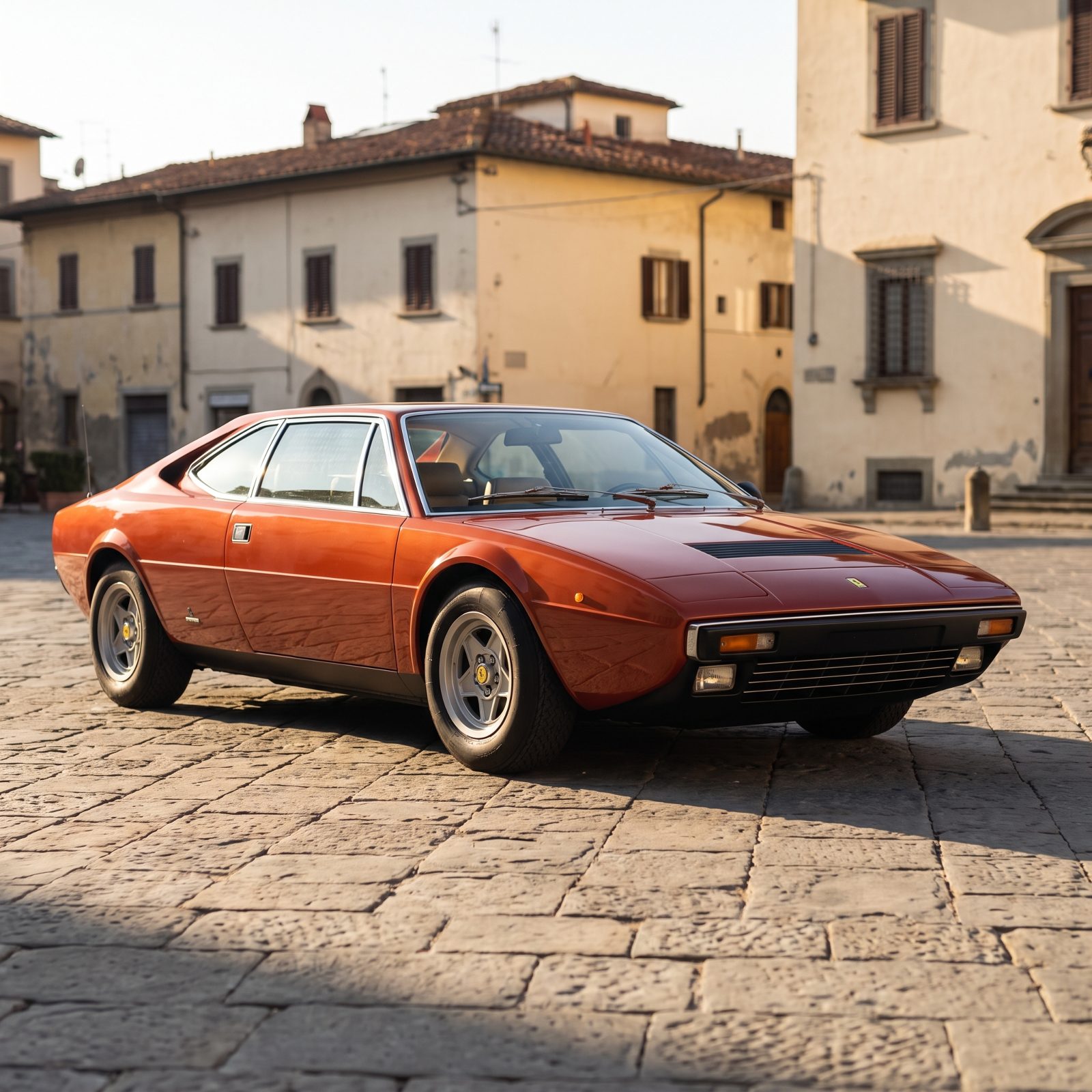
For decades this was the Ferrari you could actually afford, and people treated it that way. The angular Bertone wedge broke every soft curve the faithful expected, and for a while it even wore Dino badges instead of the prancing horse. Buyers sneered. Values sat flat through the eighties and nineties while round-fendered Ferraris climbed right past it.
Then the market ran out of cheap Ferraris. Collectors looked again at the GT4 and saw a genuine mid-engine V8, Bertone lines that had aged into something sharp rather than awkward, and a price that made no sense next to its siblings. Good examples now trade for real money.
11. Lamborghini Countach 25th Anniversary: The Cluttered Countach That Became Highly Collectible
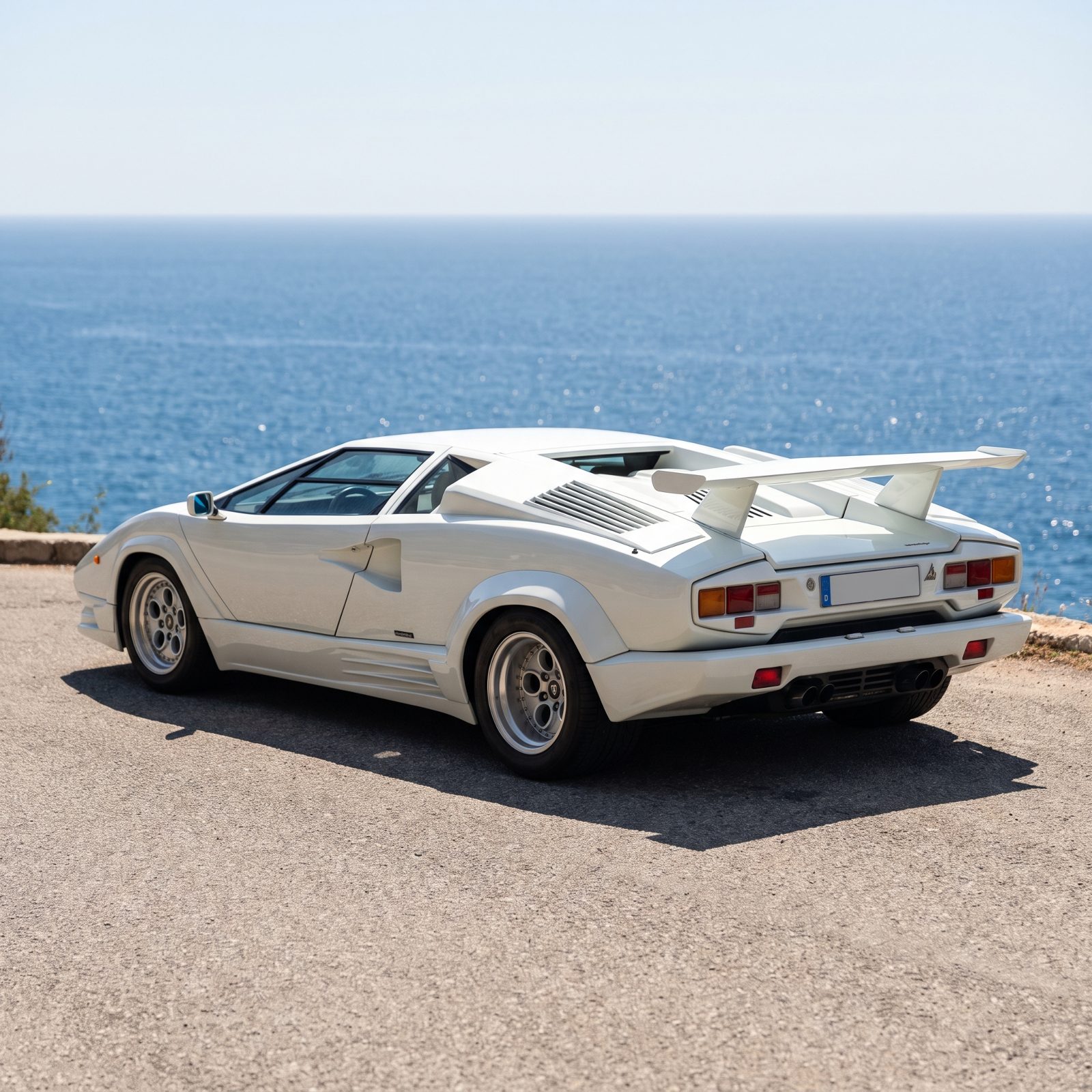
Purists called the 25th Anniversary car the Countach that got ruined. Marcello Gandini’s clean wedge had been buried under plastic strakes, restyled bumpers, and air intakes that looked like somebody bolted a bread slicer to each flank. The last and busiest version of the design.
Here’s the twist. It was also the fastest, best-built, and final Countach, which means it carries the end-of-era premium collectors always chase. The cluttered styling that offended everyone in 1989 now reads as peak eighties excess, and that decade is in heavy demand. The ugly duckling closed the book on an icon, and the market loves whoever turns off the lights.
10. Ferrari Dino 246 GT: The “Not a Real Ferrari” That Became a Collector Favorite
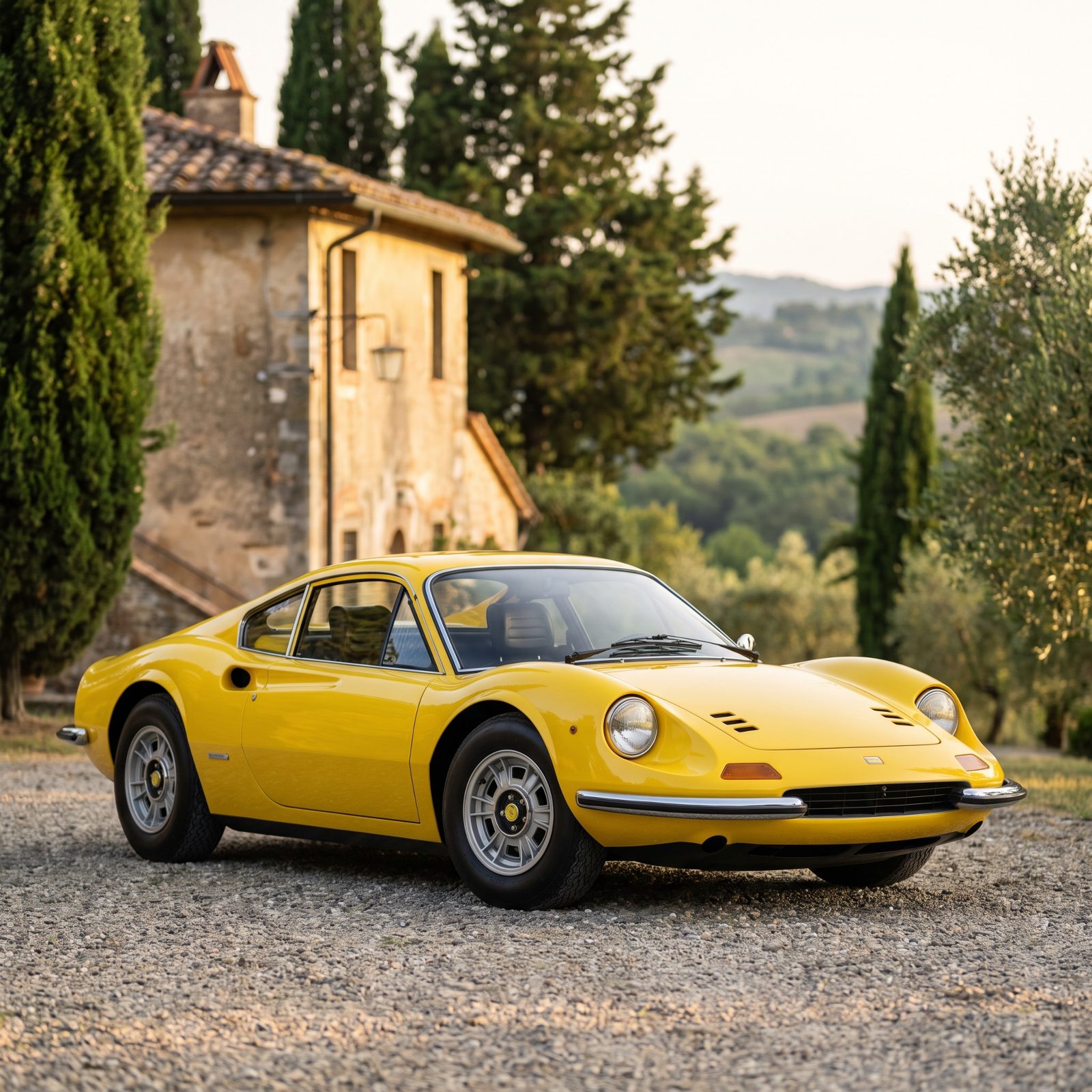
No prancing horse, no V12, no respect. The Dino 246 wore its own badge and ran a V6, and for years the hardcore crowd flat-out refused to count it as a Ferrari. That snobbery kept prices down well into the two-thousands.
Then everyone finally admitted the obvious. The 246 is one of the loveliest shapes Pininfarina ever drew, and it drives like a jewel. Values climbed hard once collectors stopped counting cylinders and started looking at the car itself. The badge debate is over. The Dino won.
9. Ferrari F50: The Unloved F40 Successor That Became a Multimillion-Dollar Prize
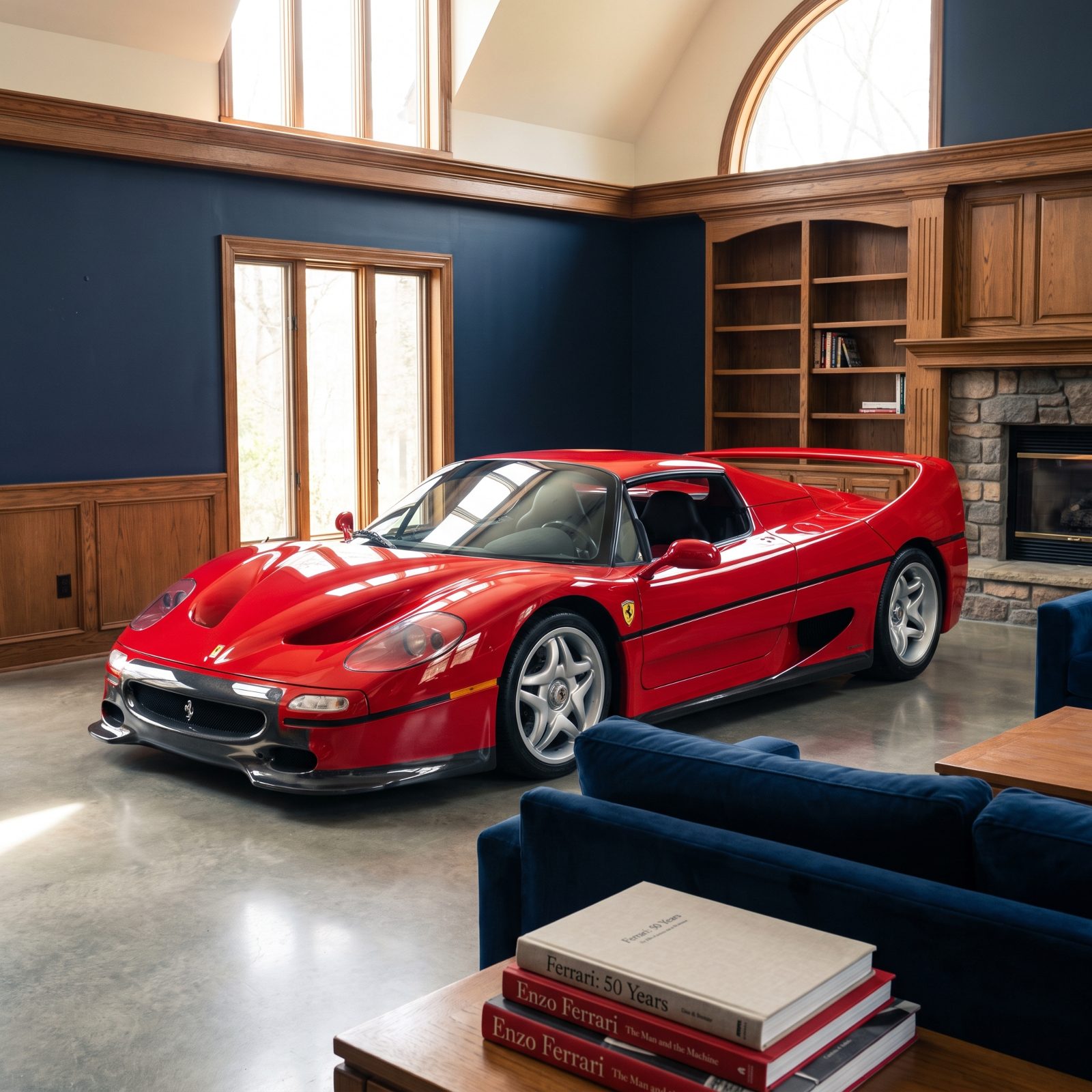
Following the F40 was a thankless job, and the F50 got savaged for it. Critics said it looked fussy next to its brutal predecessor, that the open top was awkward, that it lacked the F40’s violence. For years it was the least loved of Ferrari’s hypercar lineage, and prices reflected the slight.
Here’s what the critics missed. Under that bodywork sat a V12 derived from Formula One, bolted straight to the chassis as a stressed member, no power steering, no electronic nanny second-guessing your right foot. The most analog flagship Ferrari ever built. Collectors eventually figured that out, and the F50 now sits firmly in seven-figure territory.
The successor nobody wanted turned out to be the purest driver of the bunch.
8. Jaguar XJ220: The V6 Supercar Buyers Rejected After Expecting a V12
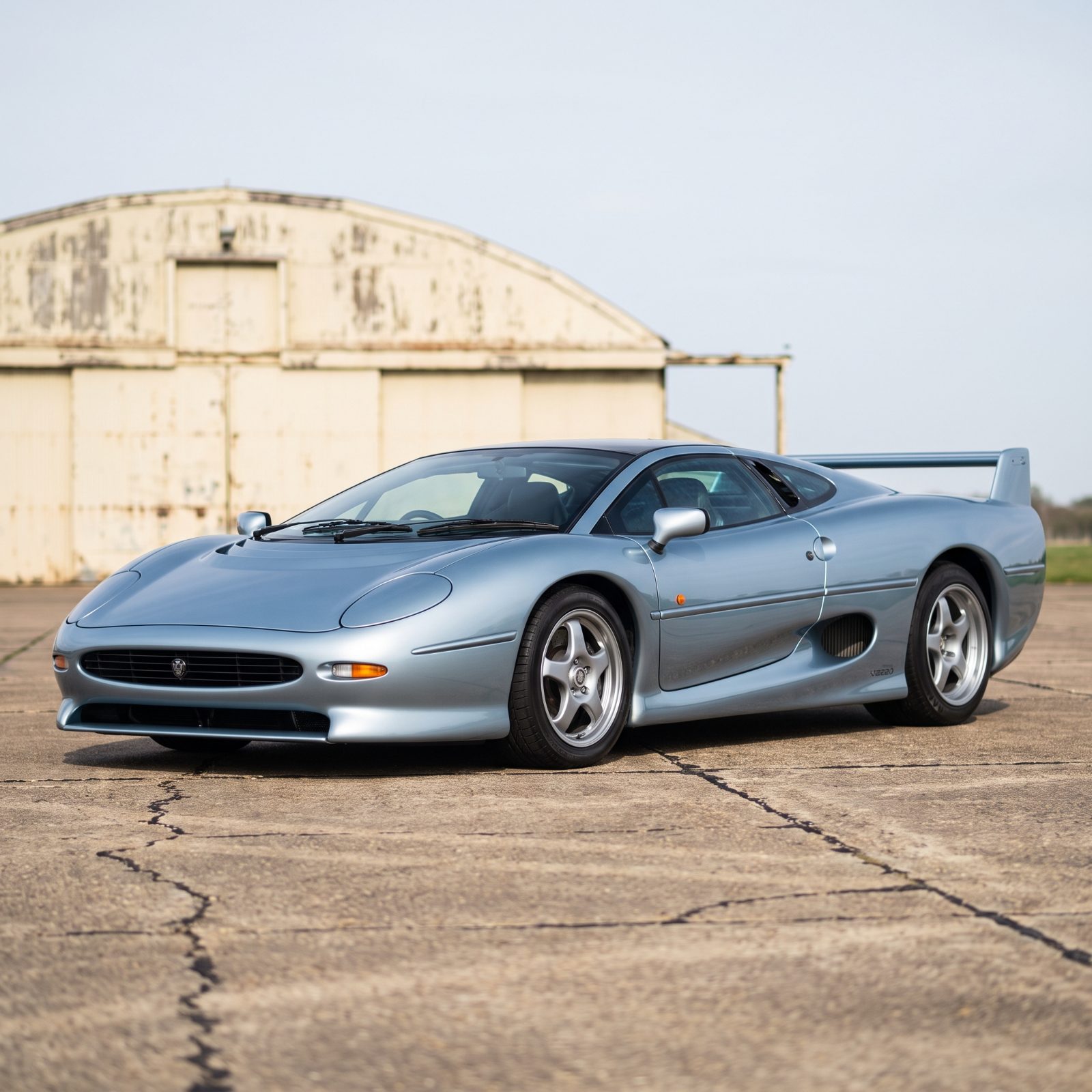
Jaguar showed a V12 concept with all-wheel drive. The production XJ220 arrived with a twin-turbo V6 and rear-wheel drive. Deposit holders felt cheated, some sued, and the car launched straight into a recession. Prices collapsed below what people had paid.
That reputation hung around for twenty years, right up until the stopwatch changed minds. The XJ220 was briefly the fastest production car on earth, and the V6 proved properly quick once anybody bothered to drive it instead of complaining about it. Clean examples now sell for well over a million. Strange fate for a car once moved at a loss.
7. Bugatti EB110: The Heavy, Complicated Supercar That Became a Nineties Trophy
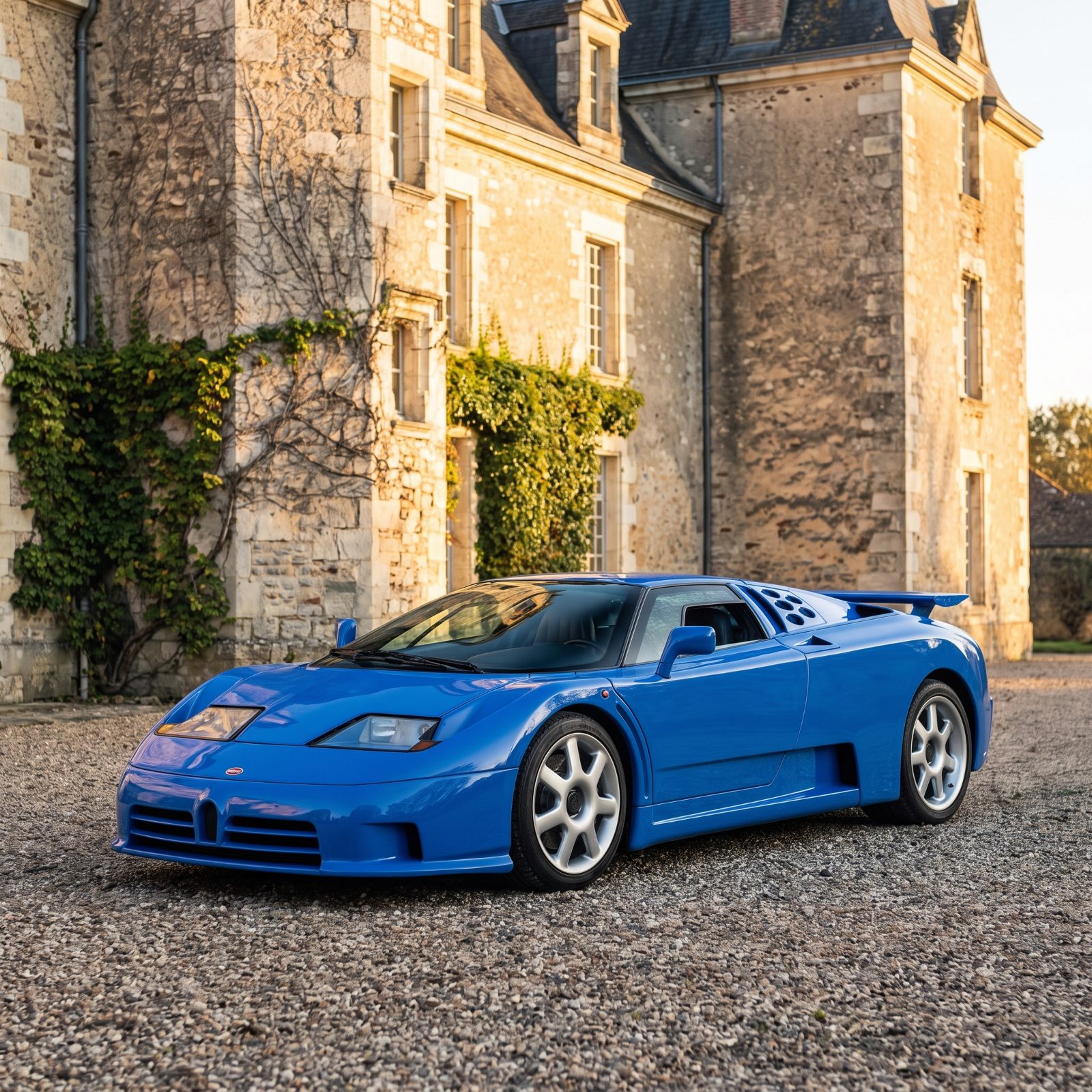
Resurrecting the Bugatti name in 1991 produced a technical overachiever that the market shrugged at. Carbon tub, quad-turbo V12, all-wheel drive. All of that also made it heavy and complicated. Then the company went bankrupt, and an orphaned supercar from a dead brand is just about the hardest sell there is.
For years you could buy one for a fraction of what it cost to build. Collectors eventually recognized it for what it was: a genuinely advanced nineties machine, built in tiny numbers, that laid the groundwork for every Bugatti since. Values have gone vertical.
6. Lamborghini LM002: The V12 Off-Roader Once Viewed as an Outrageous Joke

A Countach engine in a tank body. People laughed.
The LM002 started as Lamborghini’s crack at a military off-roader and ended up a civilian machine, powered by the same V12 that lived behind the driver in a Countach. Critics called it absurd, a desert toy with terrible fuel economy and no obvious buyer. It sold in tiny numbers and got filed away as a curiosity for decades.
Then the SUV era arrived. Suddenly the LM002 looked like a founding father of the super-SUV, the great-grandfather of the Urus. The thing everyone mocked became the car that predicted the entire market. Values now run deep into six figures.
5. Hummer H1: The Civilian Military Truck Once Dismissed as Cartoonish Excess

The H1 was the poster child for too much. Too wide for a parking space, too thirsty, too loud, too obviously a soldier’s truck wearing leather seats. For a long stretch it was the lazy punchline for conspicuous consumption, and used examples bled value like a cut radiator hose.
Then the last decade happened. Turns out the H1 is genuinely capable off-road in a way nothing else on the civilian market ever matched, production ended years ago, and nostalgia for the era kicked in hard. Clean low-mileage trucks now sell for far more than they did new. The joke got the last laugh.
4. Plymouth Superbird: The Dealer-Lot Eyesore That Became Muscle-Car Royalty
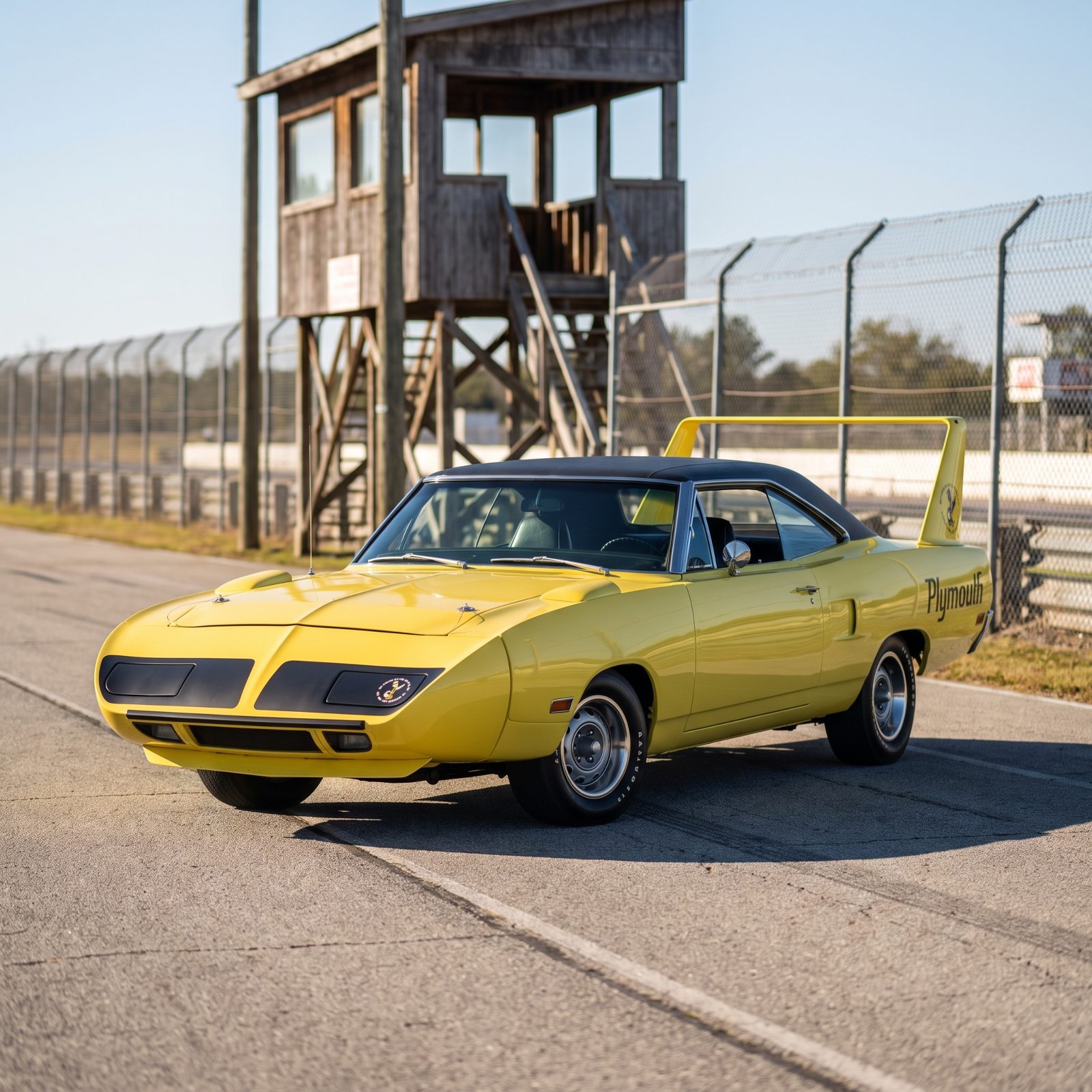
In 1970 the Superbird sat on dealer lots like a bad bet. That enormous nose cone and the wing you could spot from a block away struck shoppers as ridiculous, and some dealers reportedly converted them back toward plain Road Runner trim just to move the things. Buyers wanted muscle, not a spaceship.
The wing was there for one reason. NASCAR. It worked on the banking, and the homologation rules that forced these cars into showrooms also made them scarce. That scarcity, plus the optional HEMI under the hood, flipped the showroom embarrassment into one of the most valuable American muscle cars going.
3. DeLorean DMC-12: The Slow Stainless-Steel Flop That Became a Cultural Icon
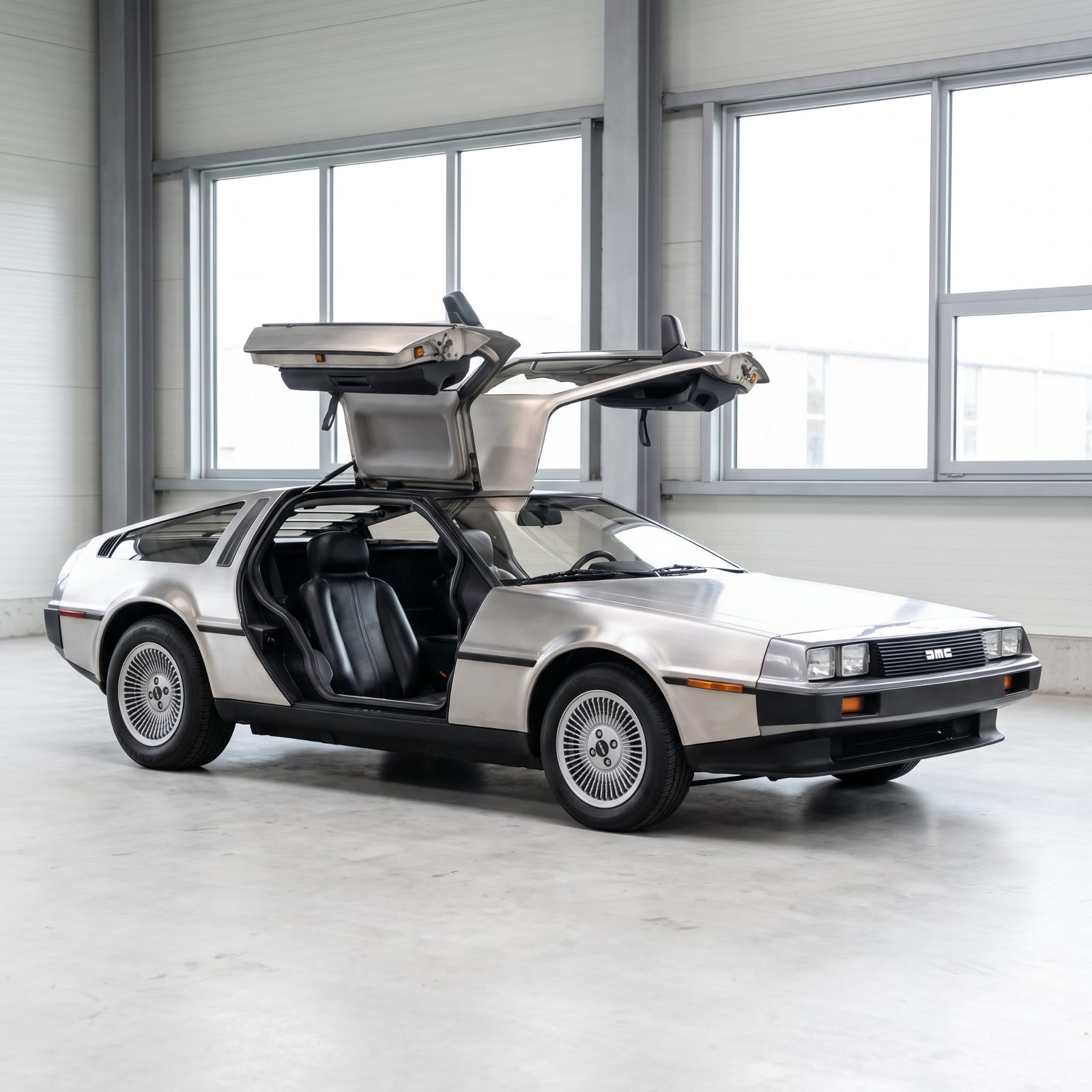
On paper the DMC-12 was a disappointment. The stainless body scratched and showed every fingerprint, the V6 was gutless, build quality was shaky, and the company collapsed in scandal within a couple of years. It should have vanished without a trace.
Instead a time machine saved it. The movie role cemented that gull-wing wedge in popular memory, and a car that flopped in the showroom became a permanent cultural touchstone. Prices have climbed steadily, driven less by what the thing does and more by pure recognition and nostalgia.
2. Toyota Supra Turbo Mk IV: The Heavy Grand Tourer Nobody Lined Up For
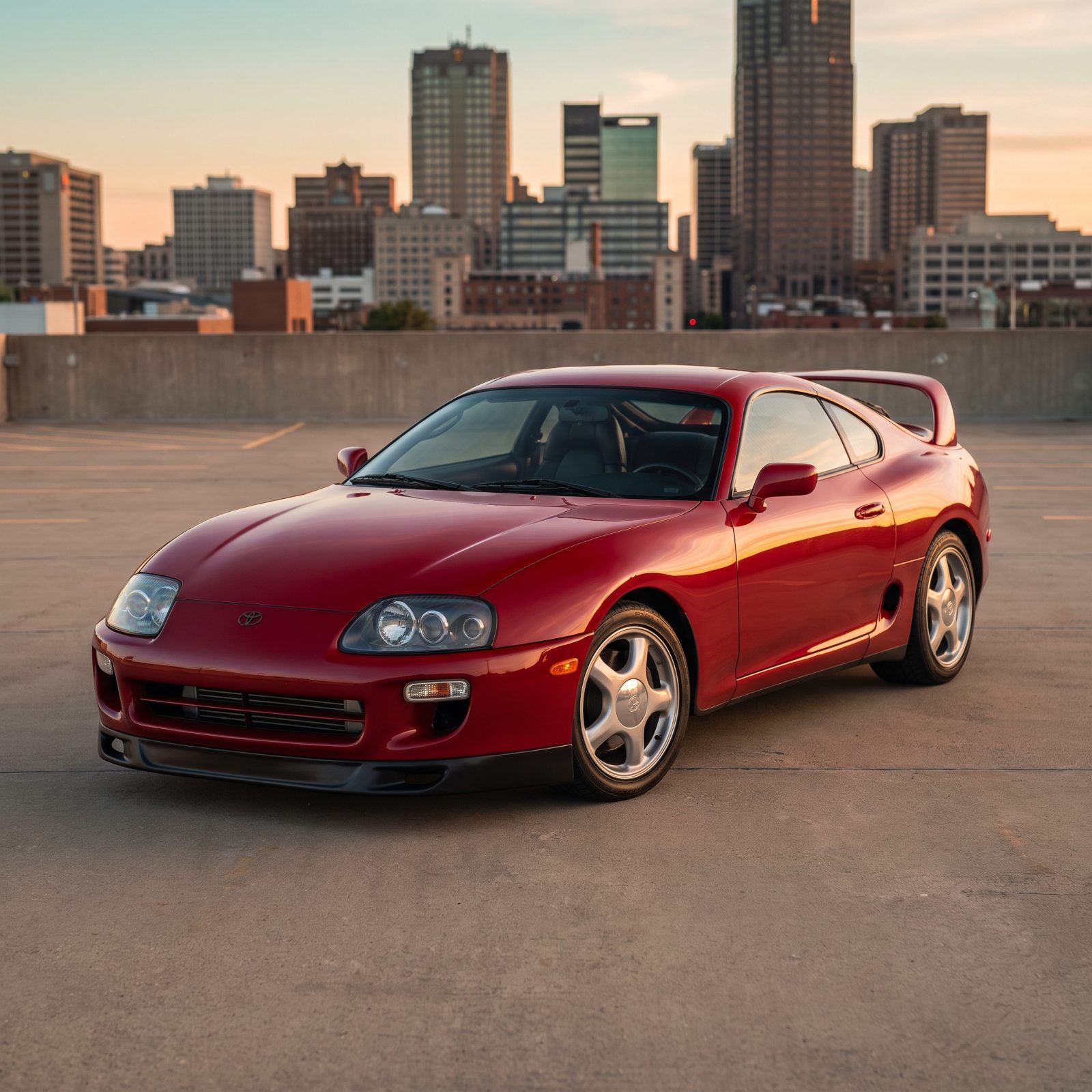
When it landed in 1993, the Mk IV Supra was treated as a problem. Too heavy, too pricey, too soft sitting in the showroom next to lighter rivals that cost less and bragged a whole lot louder. Reviewers respected it and shrugged. Buyers walked right past. Toyota yanked it from the U.S. market by 1998, and for years clean examples just sat on lots marked down to move.
Then the world figured out what that 2JZ-GTE straight-six could swallow.
The cast-iron block laughed off boost numbers that turned other engines into shrapnel. A car written off as a plush cruiser turned out to be the toughest tuner platform anybody had seen in that generation — and that’s the part nobody saw coming.
Low-mileage, unmolested stick-shift turbos now clear six figures at auction. The grand tourer nobody wanted became the one everybody’s chasing.
1. Tucker 48: The Controversial Flop That Turned Into a Million-Dollar Prize
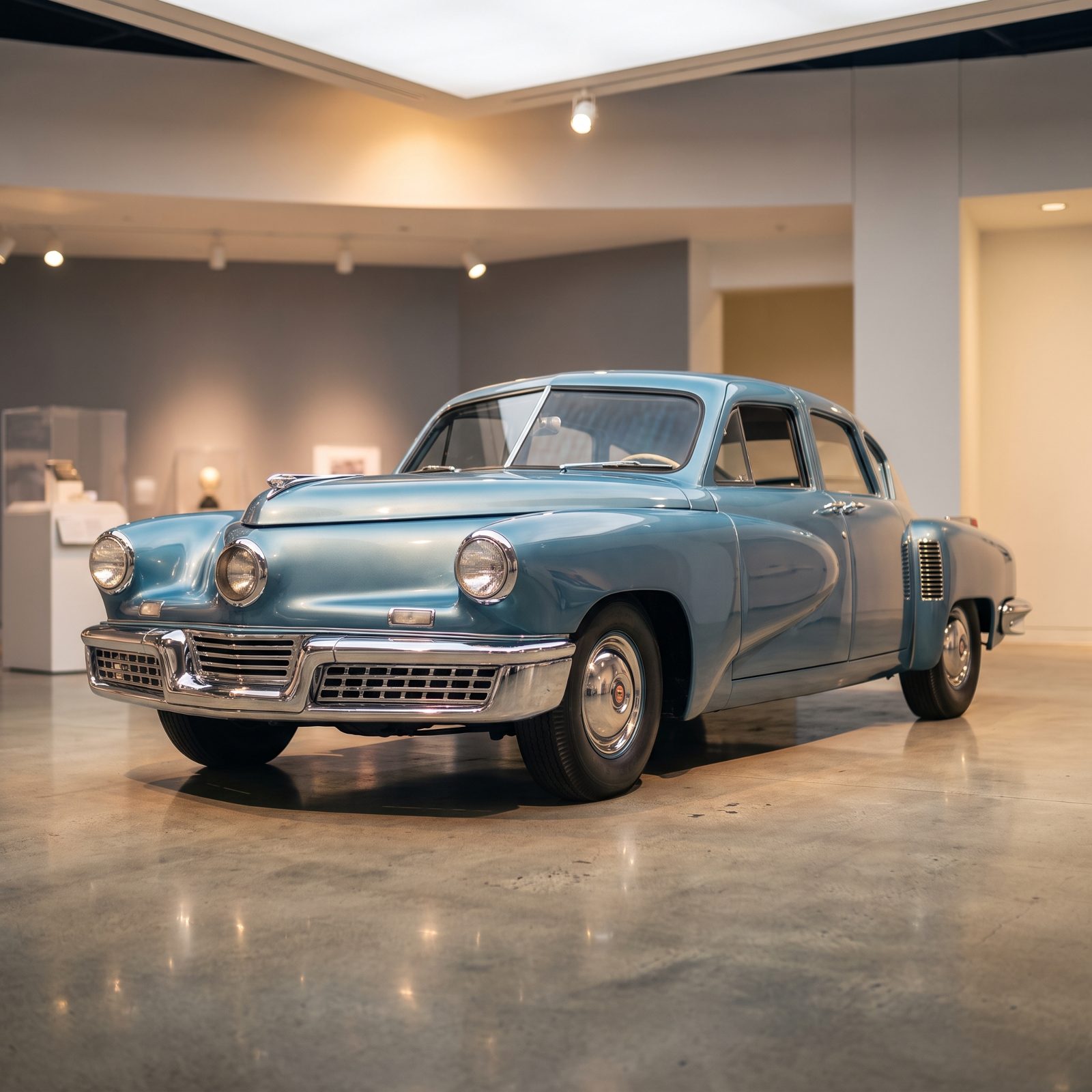
Fifty-one cars. That’s the entire Tucker 48 production run before the whole dream collapsed in a courtroom and a cloud of fraud charges in 1949. The press savaged it, the SEC went digging through the books, and the public filed it under cautionary tale — the car that promised the future and handed over a scandal instead.
Here’s the twist, though. The engineering was genuinely years ahead of everyone else: a rear-mounted flat-six, that center headlight swiveling with the steering, a padded dash, a pop-out windshield built to save lives in a wreck. Safety ideas Detroit’s big three wouldn’t go near for decades.
A car built in the dozens, not the millions, is now worth more than most people’s houses.
Clean examples now change hands somewhere between one and three million dollars. The flop that was supposed to be a warning turned into one of the bluest chips in the whole hobby.