
Would you like to save this?
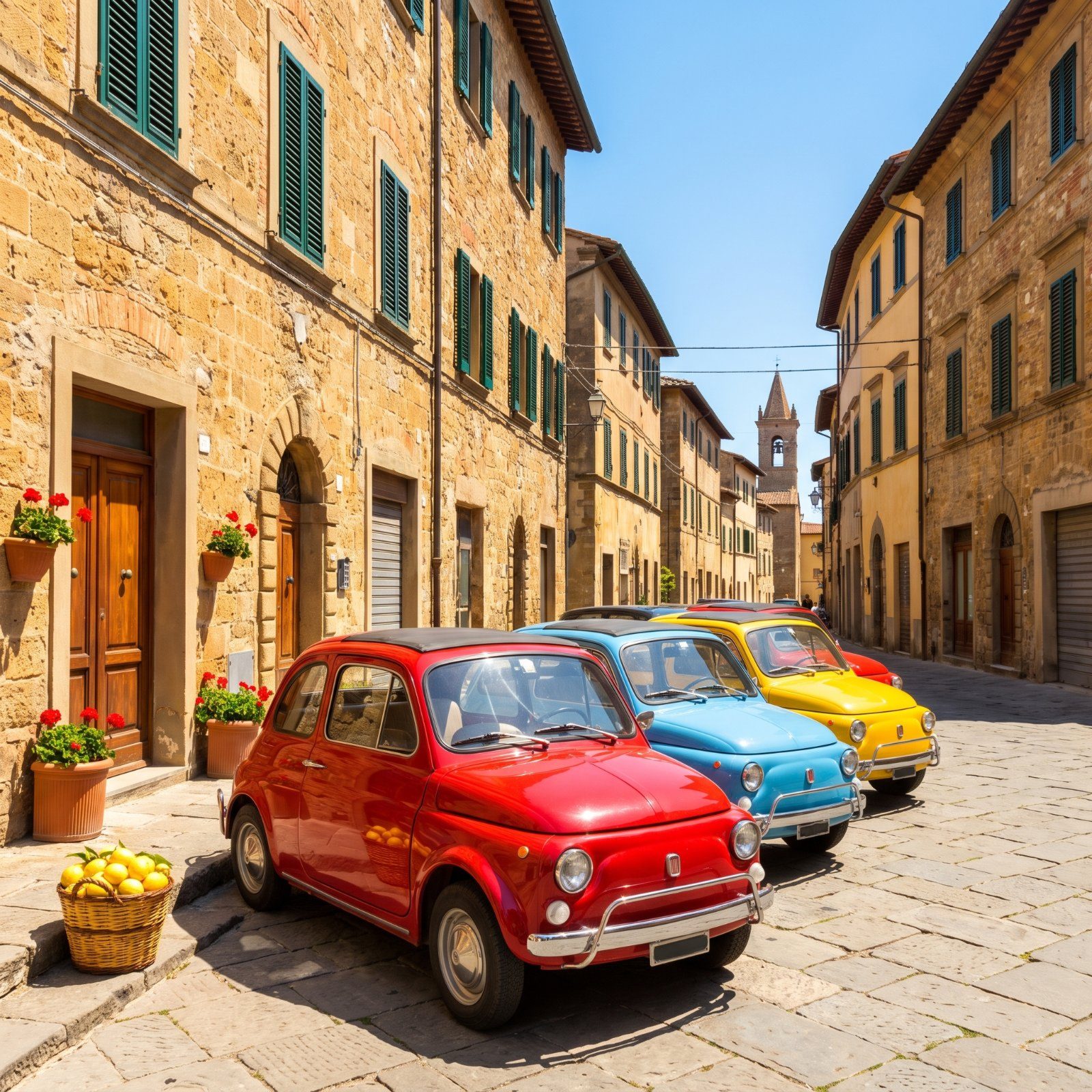
Park a Ferrari next to a Fiat 500 and watch which one makes strangers smile. Big money buys speed and status. It rarely buys charm. Something happens when a designer has to work magic in a space the size of a garden shed — every line earns its keep, every color has to pull double duty. The cars here punch so far above their price and weight that costlier machines look stiff standing beside them. Gullwing doors on a kei car. Cartoon fenders hiding a mid-engine. A grille that grins back at you. Small never meant lesser, and sometimes it meant better.
Please note that some of the images in this article were created with the assistance of AI.
44. Autozam AZ-1: Gullwing Doors on a Kei Car
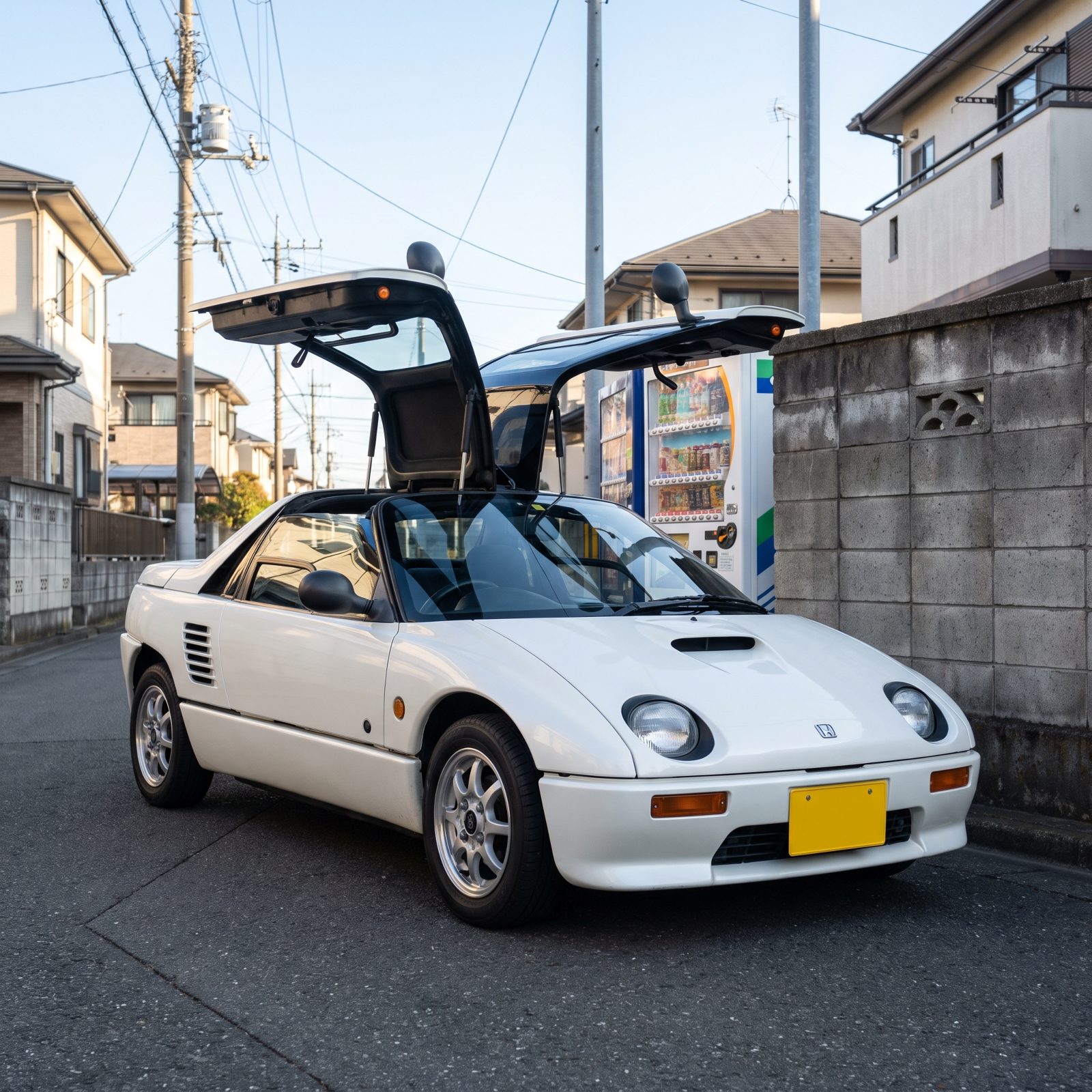
Gullwing doors belong on a Mercedes 300SL or a DeLorean. Nobody told Mazda. The AZ-1 wears them on a car that fits in a parking space most people would call a mistake.
It runs a turbocharged 657cc triple behind the seats — the sort of layout you find on cars costing a small fortune. The whole thing weighs about as much as a motorcycle with a sidecar. People watch it roll up and assume it’s a scale model right until those doors swing skyward.
43. Renault 5 Turbo: Cartoon Fenders With a Mid-Engine Secret
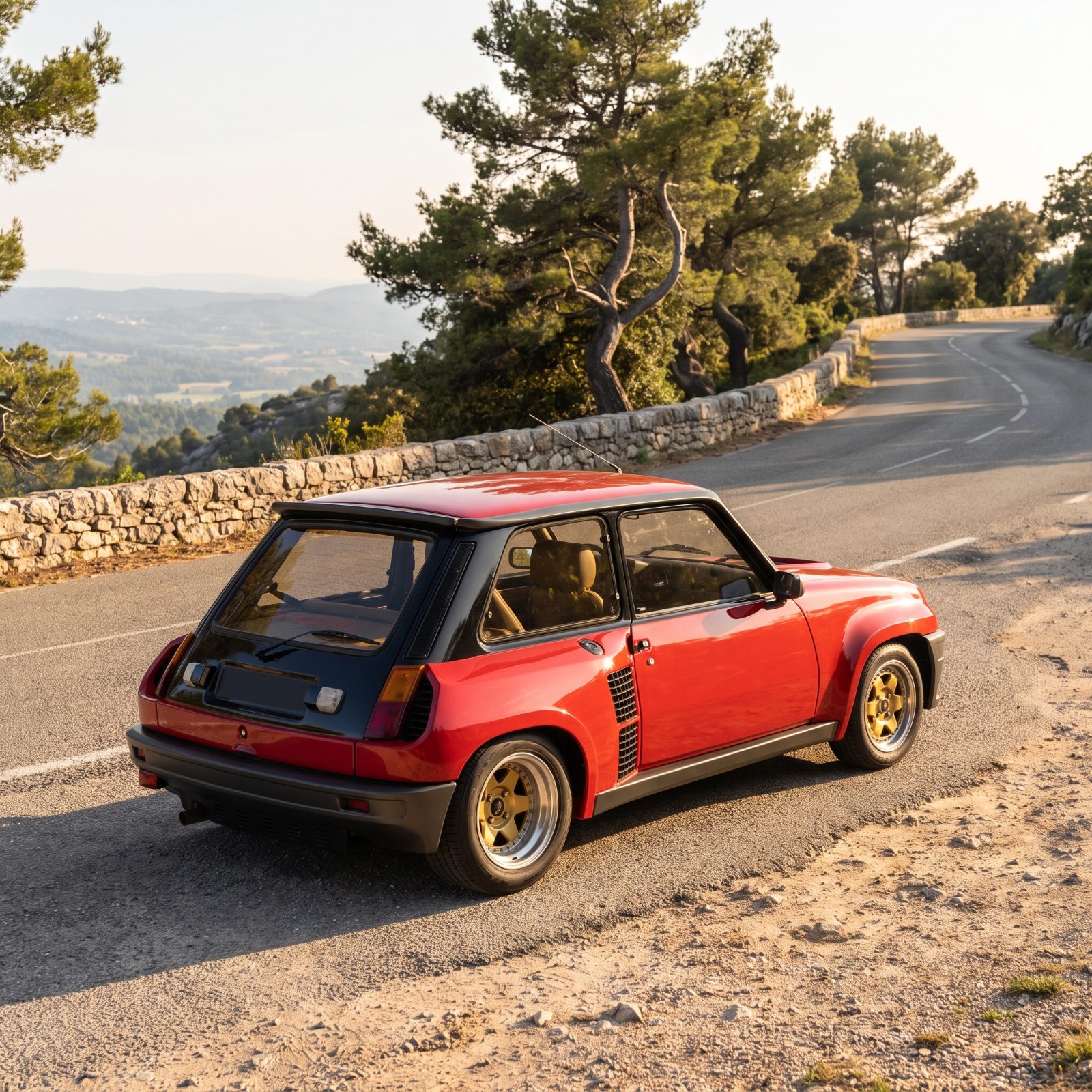
From the front it’s a humble economy hatchback. From the back it looks like someone fed it after midnight. Those rear fenders bulge out a full handspan past the body because they have to swallow a mid-mounted turbo engine and fat rear tires.
Renault yanked the back seat, dropped the motor behind the driver, and built a road-legal rally weapon dressed as a grocery-getter. And the joke is that it works. The proportions are so wrong they loop clean back around to perfect.
42. Austin-Healey Sprite: The Original Bugeye Grin
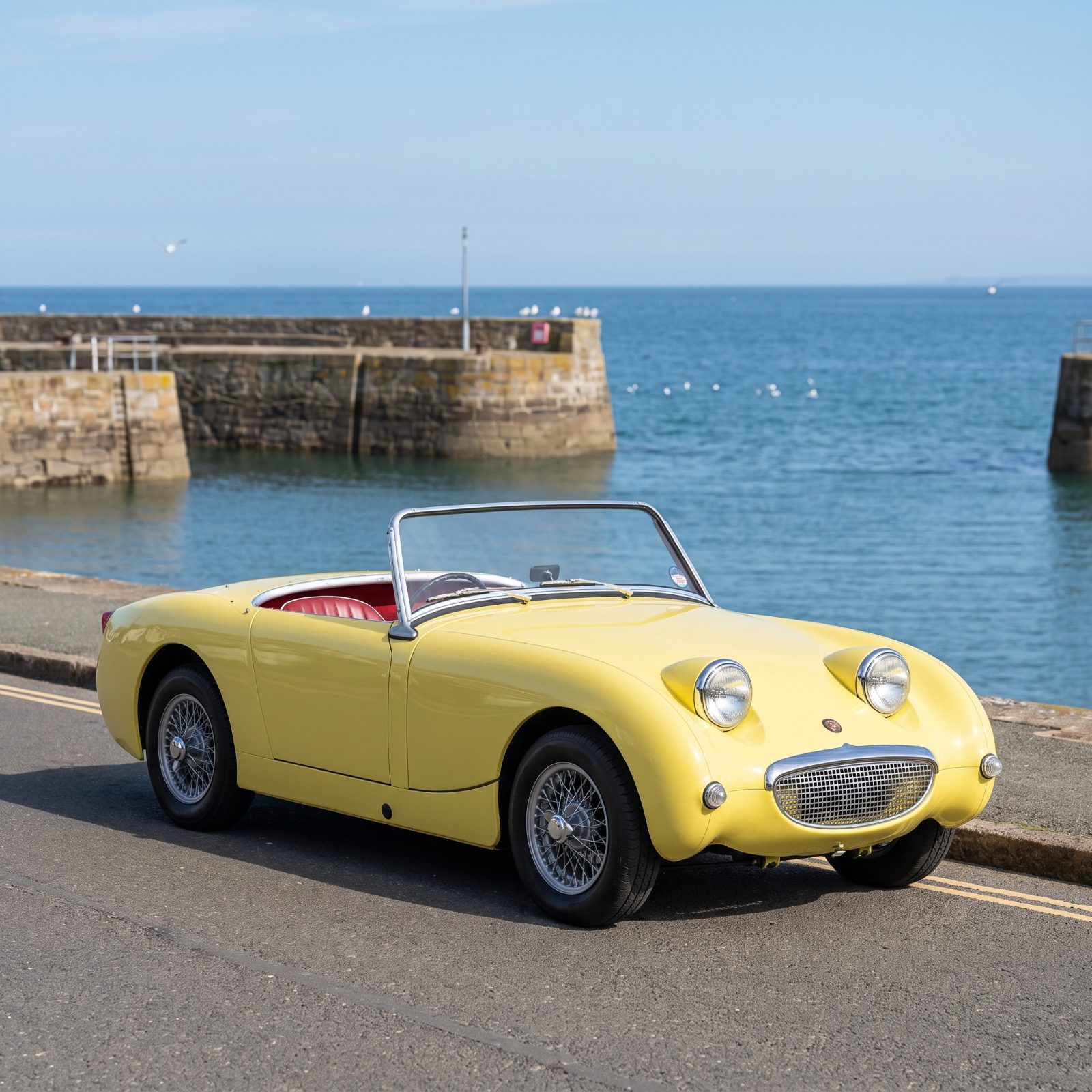
You cannot look at a Bugeye and stay in a bad mood. The headlamps were supposed to retract, but cost-cutting left them standing proud on the bonnet, and that happy accident gave the car a face that’s been making people grin since 1958.
It’s slow by any honest measure. Doesn’t matter a bit. The thing weighs about as much as a loaded wheelbarrow and chatters at you through the steering wheel the whole drive.
41. BMW Isetta: A Front Door That Takes the Steering Wheel Along
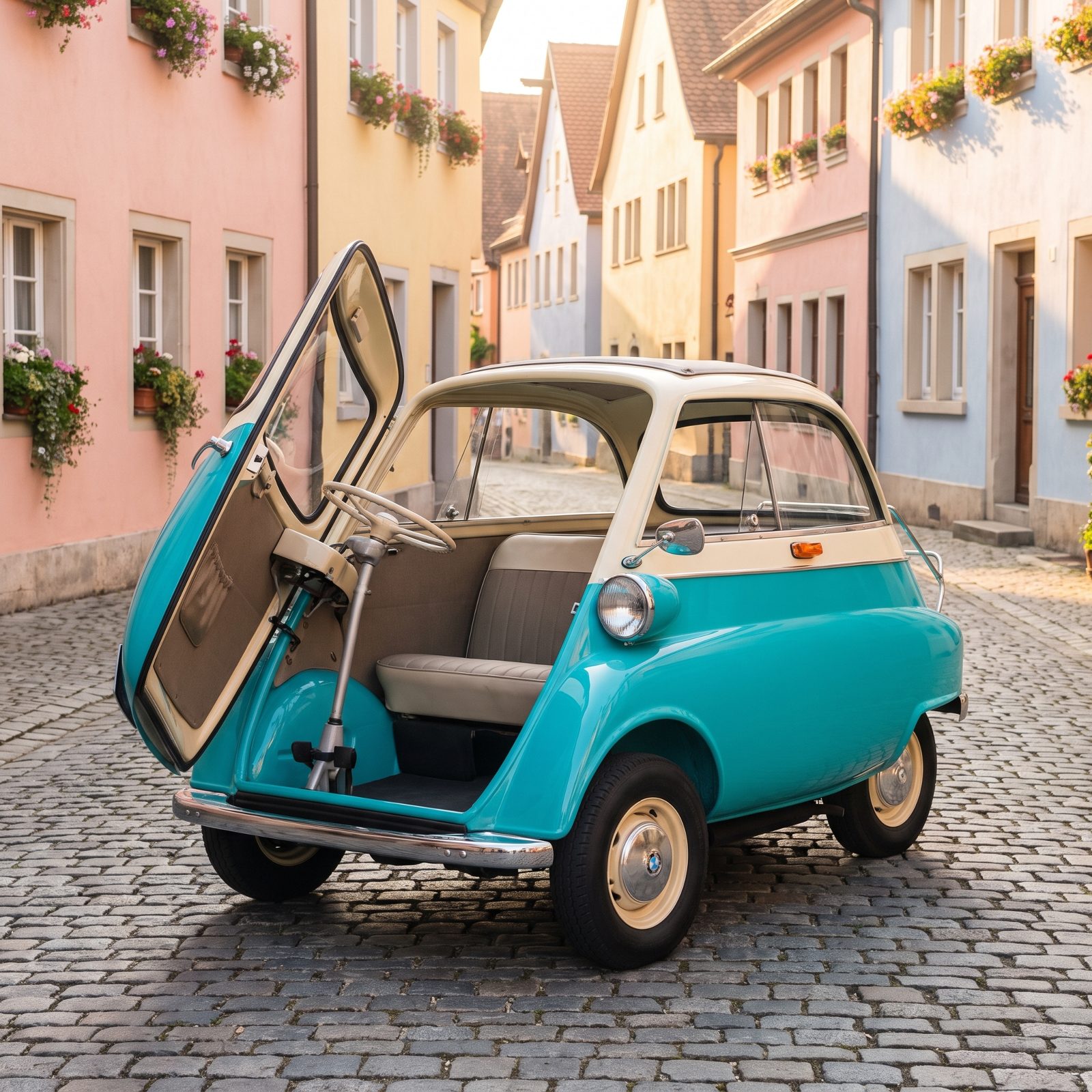
Where do you put the door on a car shorter than some refrigerators? On the front. The whole nose of the Isetta is a door, and the steering column swings out along with it so you can step straight in off the curb.
An egg on wheels with a motorcycle engine and three or four wheels depending on the version — that’s the Isetta. BMW built it under license to keep the company alive after the war, and it worked. There’s no dignity in the thing. There’s a whole lot of joy.
40. Fiat 500: A Friendly Face in a Tiny Footprint
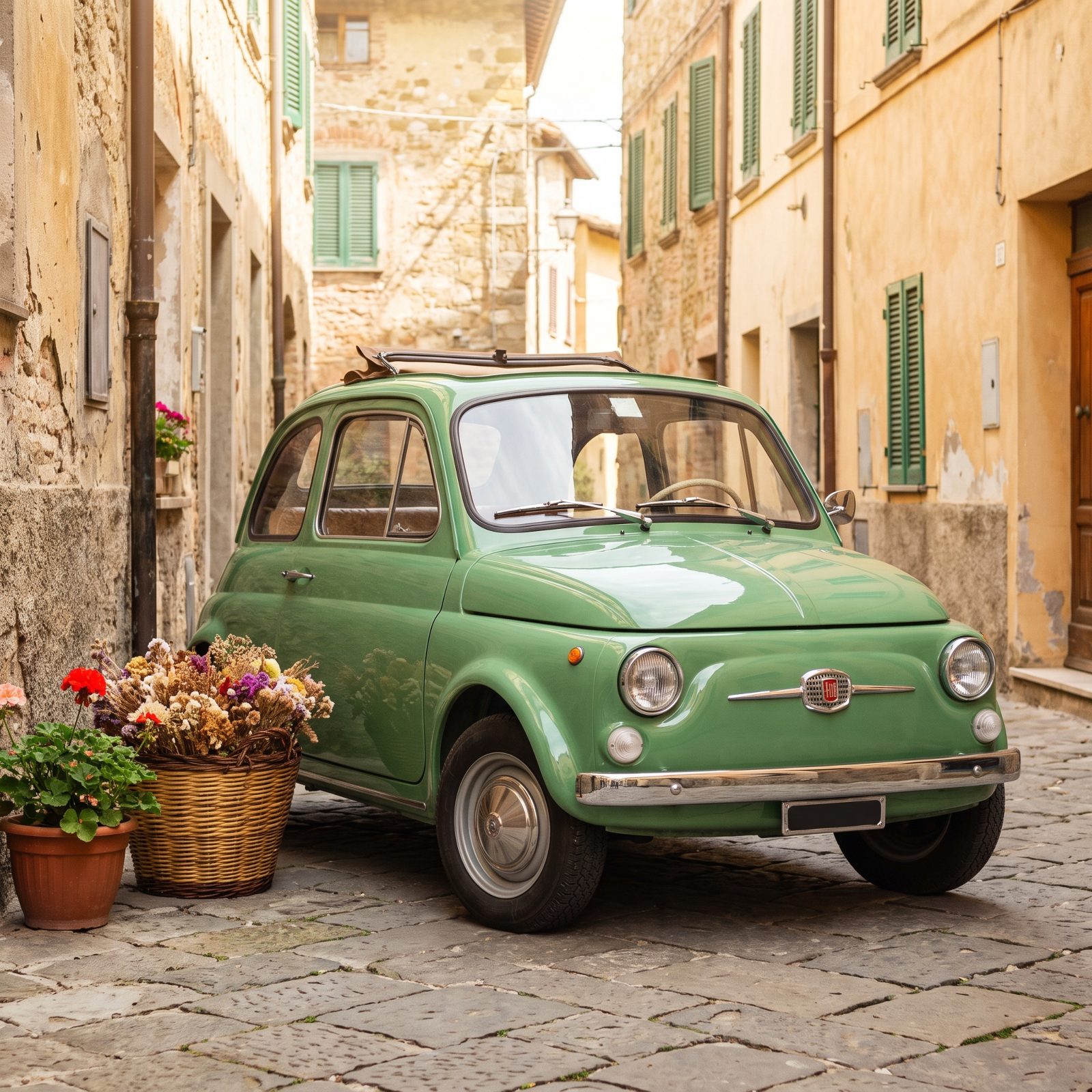
The original 500 is barely longer than a modern refrigerator laid down, and yet it fit a family and a nation’s imagination inside. The face does half the work — those wide-set round lamps and the little chrome mouth read as genuinely pleased to see you.
Fiat made it dirt cheap and dead simple: an air-cooled twin hung out the back, a roll-back fabric roof instead of proper steel to save money. And people still line up to pay real cash for them. A luxury sedan gets ignored at the curb. This gets photographed.
39. Honda S600: Sports-Car Details at Toy Scale
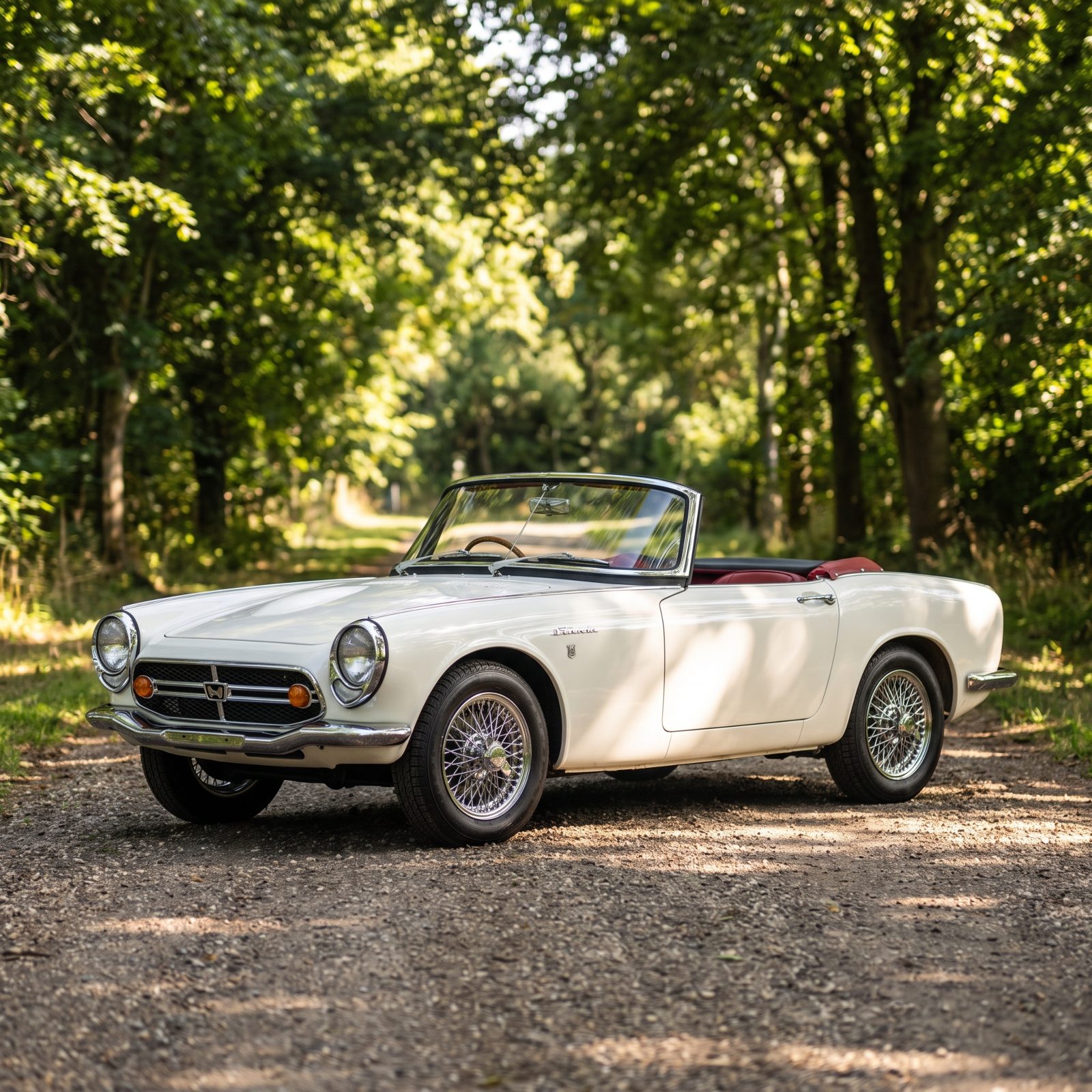
Everything a proper 1960s sports car had, Honda shrank down and did better. The S600 came with a tiny twin-cam four that loved to scream past 8,000 rpm, a proper gearbox, and on early cars, chain drive to each rear wheel like a motorcycle.
Up close the details shame cars three times its size. Wire wheels. A wood-rim wheel. Gauges that mean business. It’s a serious little machine wearing a size that makes people underestimate it, right up until it vanishes around the corner.
38. Peugeot 205 GTI: Delicate Lines and Perfect Stance
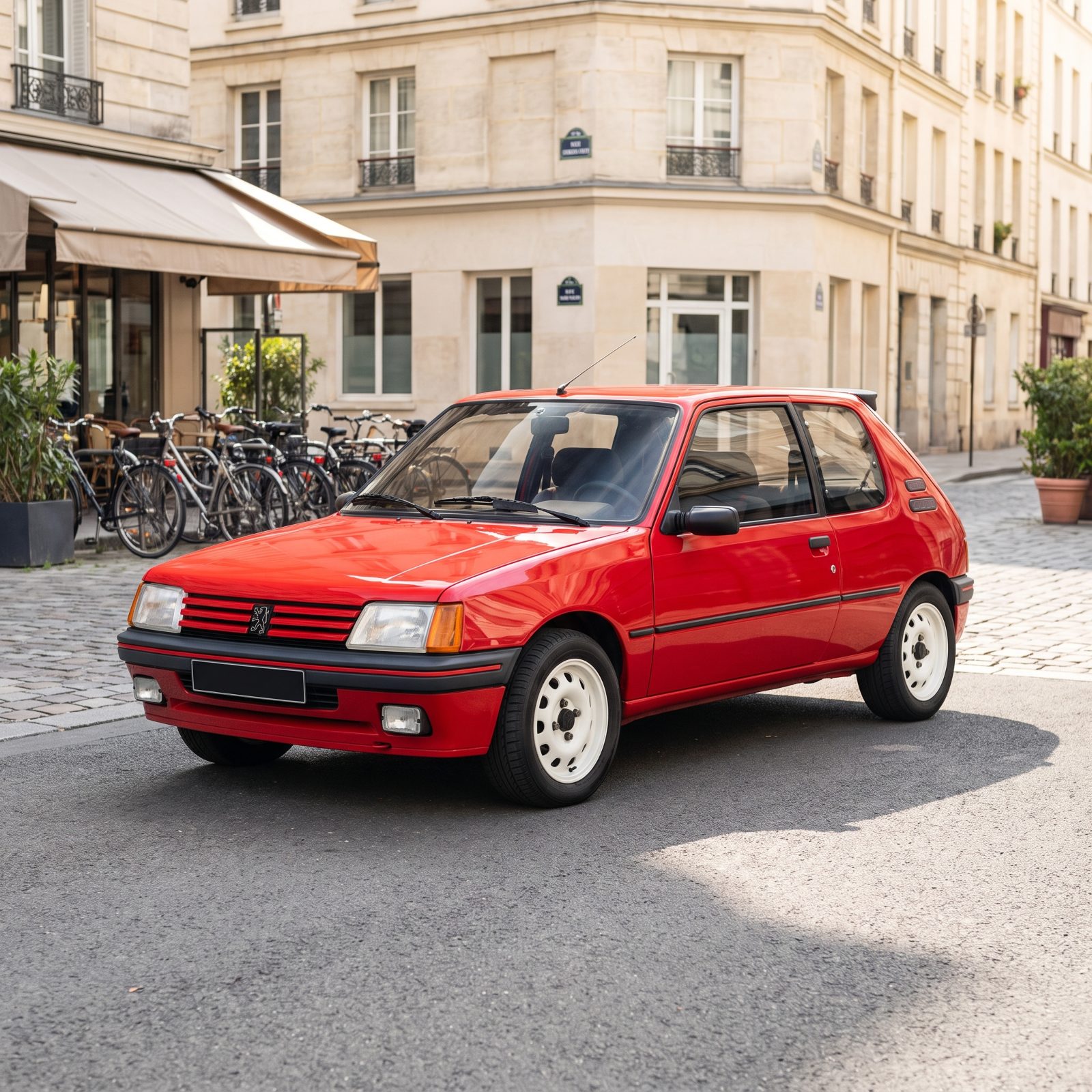
Some cars shout. The 205 GTI just stands there looking exactly right, which is far harder to pull off. The lines are thin and clean, the glass is generous, and the whole thing sits low on those white alloys like it knows something you don’t.
It weighed almost nothing and drove like it was wired straight to your hands. Pininfarina had a hand in the shape, and it shows — nothing fussy, nothing wasted. A lot of expensive hot hatches since have chased this exact feeling and spent twice the budget missing it.
37. Fiat Panda 4×4: Mountain-Goat Ability in a Shoebox
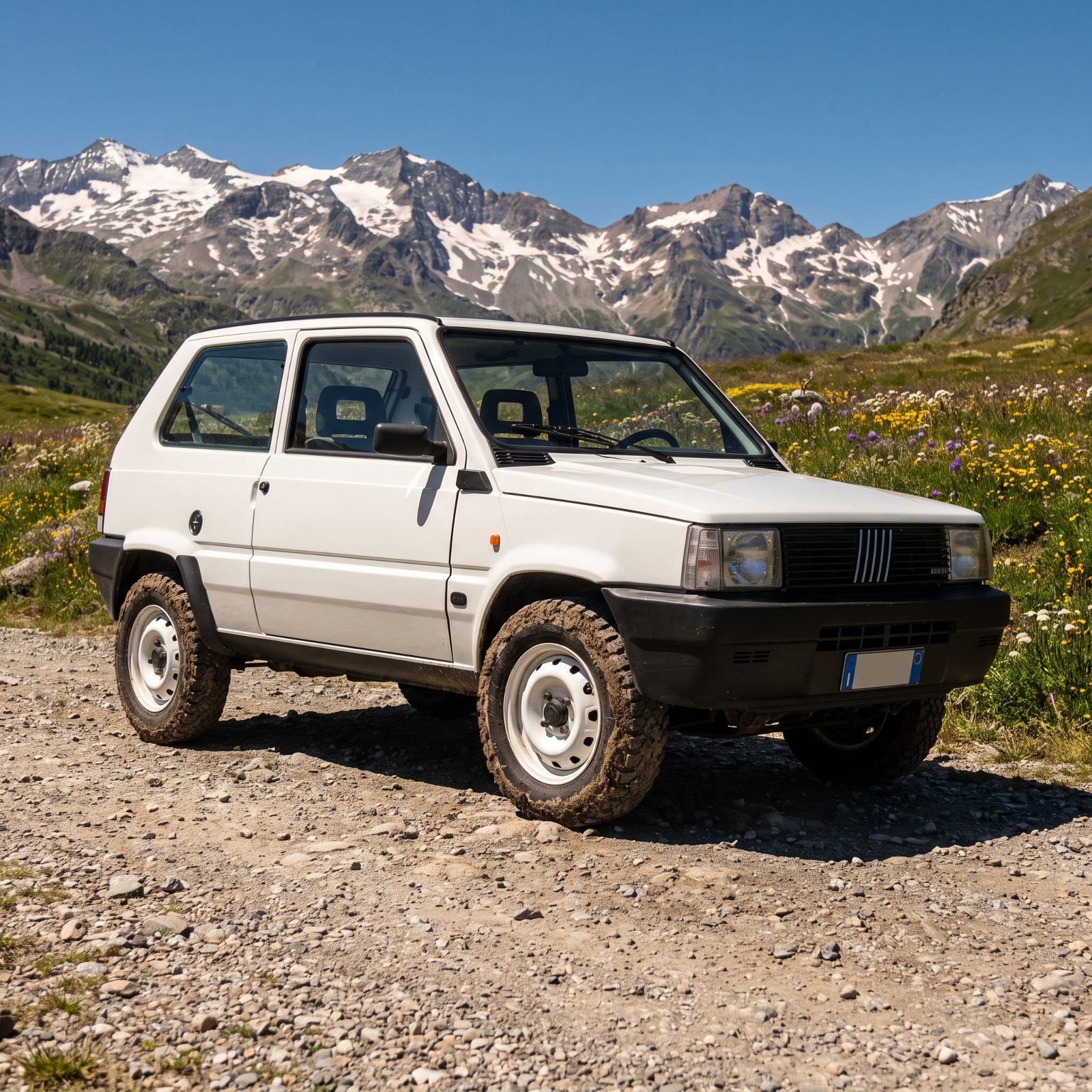
A car this boxy and this cheap has no business climbing an Alp. The Panda 4×4 does it anyway. Fiat took a tin-box city runabout, bolted on a real four-wheel-drive system built with help from Steyr-Puch, and sent it up mountains that stop proper SUVs cold.
Shepherds in the Italian Alps still swear by them. It’s honest in a way that’s gone extinct — no pretense, no leather, just a square little box that goes exactly where you point it.
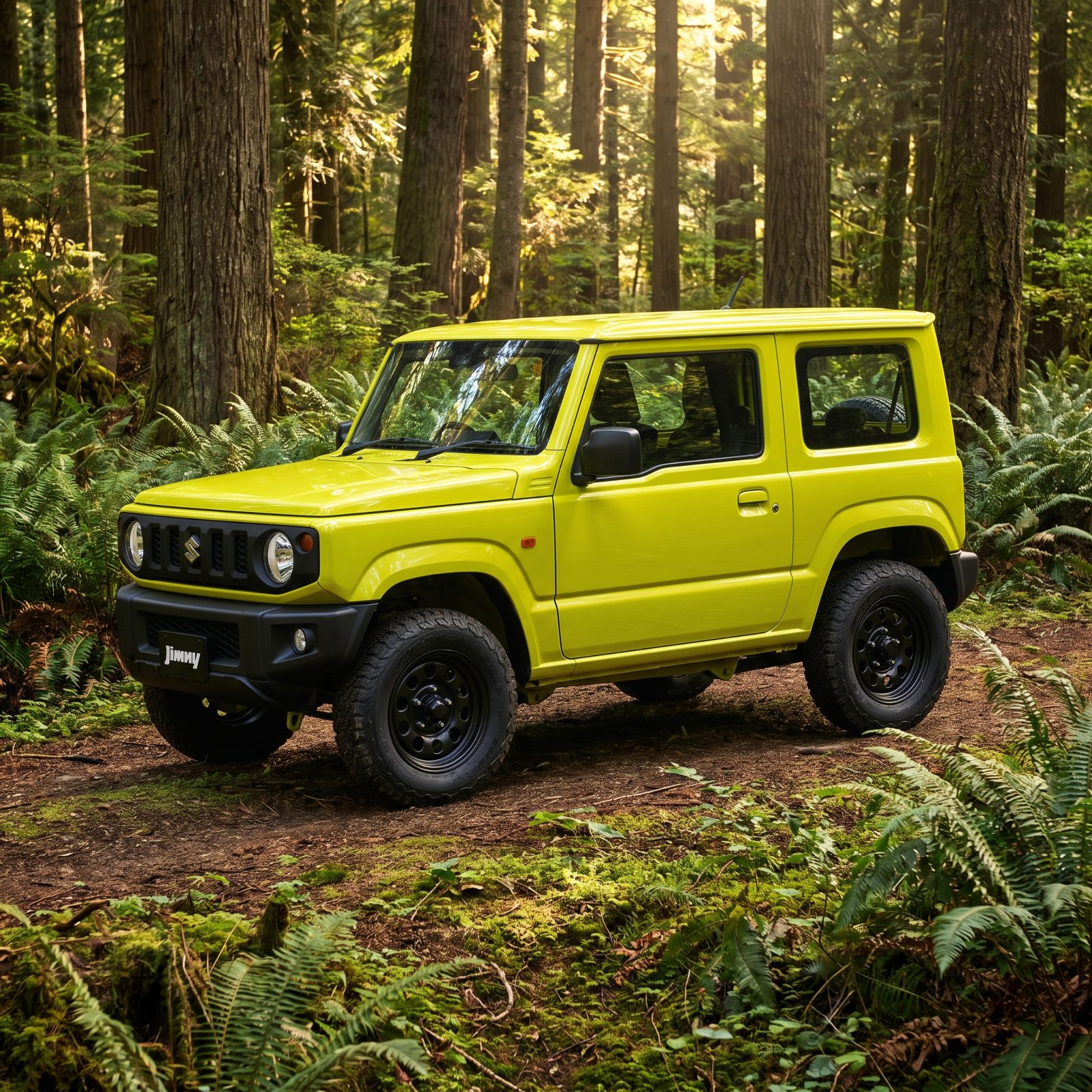
36. Suzuki Jimny: A Tiny Off-Roader With Honest Hardware
Would you like to save this?
While every other small SUV went soft and rounded and fake, the Jimny kept the real stuff. Ladder frame. Solid axles front and rear. A low-range transfer case. It looks like a toy and climbs like a tractor.
The shape is pure function — all flat panels and short overhangs — and that’s exactly why people love it. There’s no cladding here pretending to be toughness. The toughness lives under the floor where it belongs. It’s one of the few cheap cars that make an expensive luxury 4×4 feel like it’s playing dress-up.
35. Daihatsu Copen: A Folding Hardtop on Kei-Car Proportions
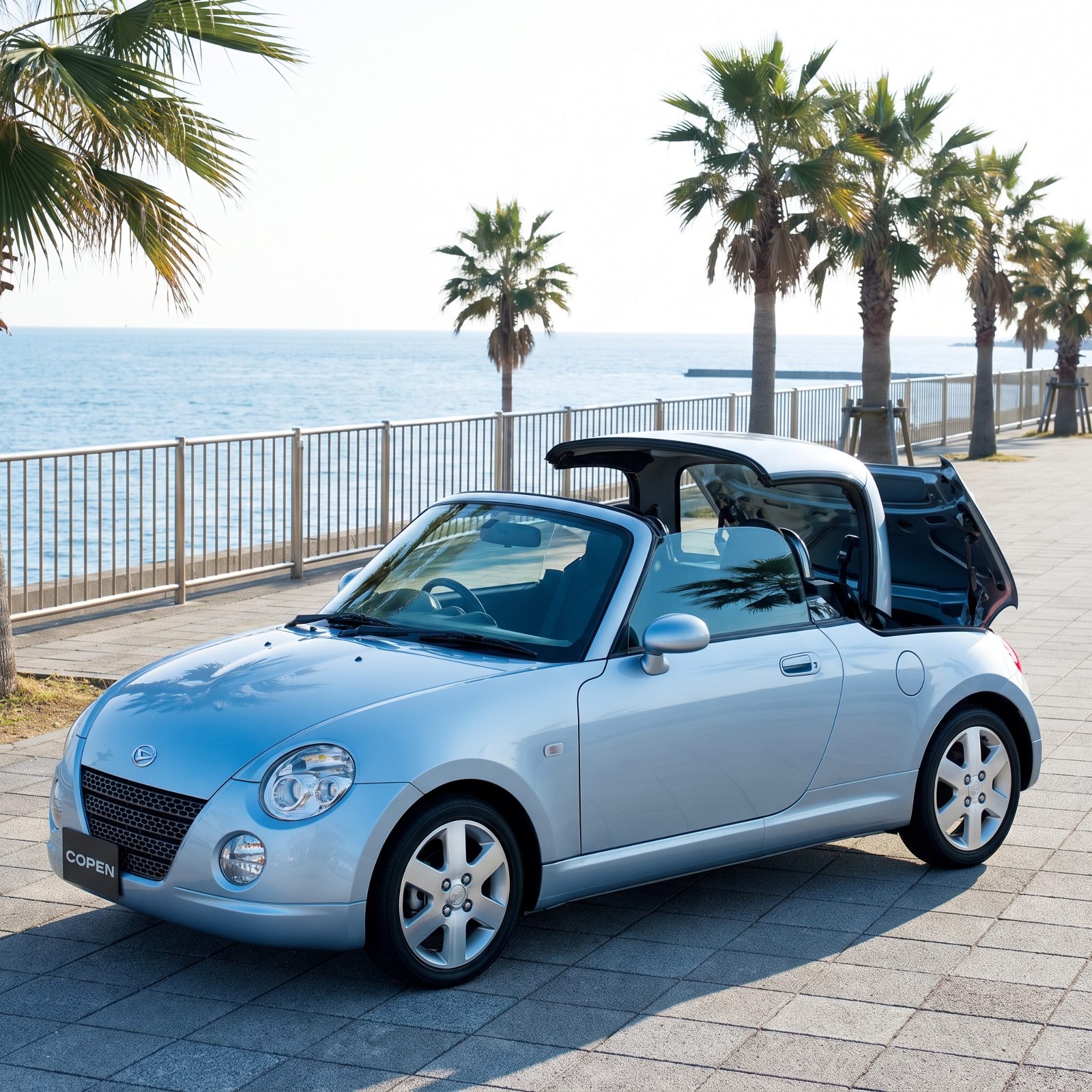
A folding metal hardtop is the kind of expensive party trick you expect on a German convertible with a five-figure badge premium. Daihatsu packed one into a car built to Japan’s kei-car size limits — which is to say, tiny.
Press a button and the roof origamis itself into the back. The whole car runs about the length of a bathtub and sits there shaped like a polished pebble. It has no right to feel as premium as it does. For a fraction of what a real drop-top sports car runs, it delivers most of the fun and keeps the rest of your money in your pocket.
34. Honda Beat: Mid-Engine Fun That Fits in a Parking Stripe
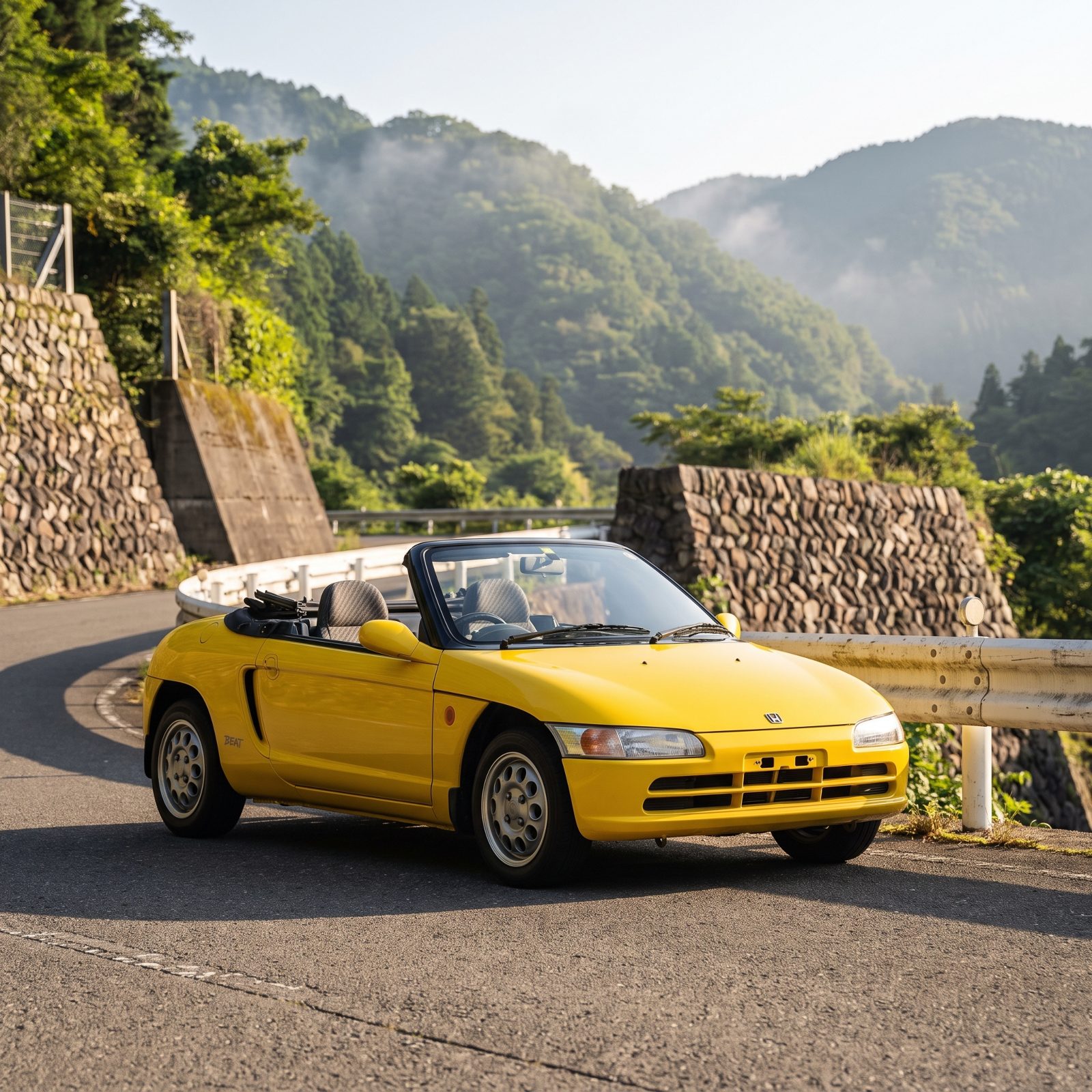
Honda put the engine behind the seats. In a kei car. Let that sink in — a 656cc three-cylinder mounted amidships, spinning past 8,000 rpm, in a convertible shorter than a modern pickup bed.
The Beat never had much power, and it never needed any. The whole idea was that you could floor it everywhere and still stay legal. The styling runs on that same honesty: low, wide for its length, no fake vents, no cosplaying as a supercar. It just looks like a happy little wedge somebody built for the right reasons.
33. Suzuki Cappuccino: One Roadster, Three Different Roofs
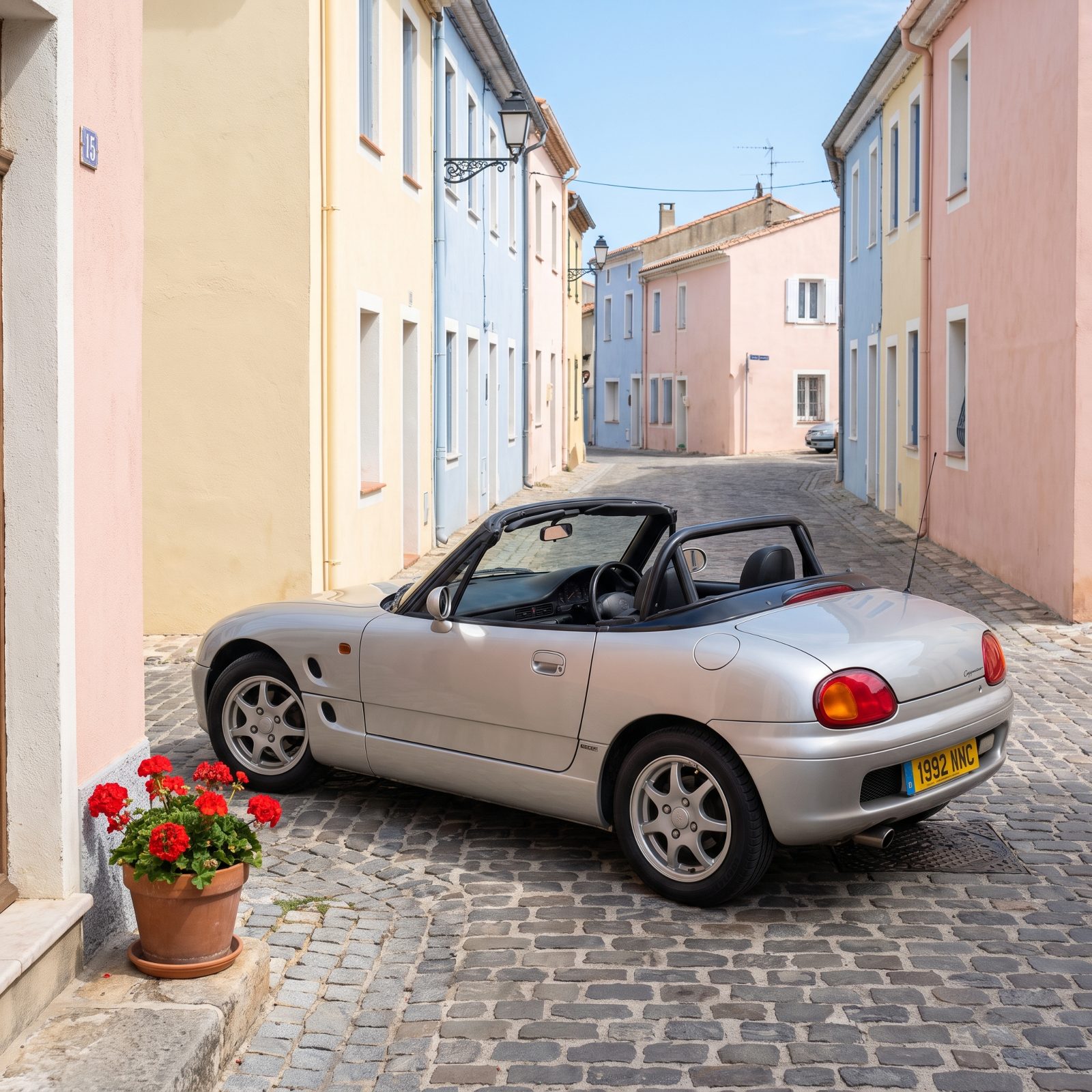
Most convertibles give you one way to lose the roof. The Cappuccino gave you three. Two removable aluminum panels meant you could run it as a closed coupe, a T-top, a full targa, or a proper roadster with everything stowed away.
A car this tiny has no business feeling so configurable, and yet. The turbocharged 657cc engine sat up front and drove the rear wheels, which for a kei car was genuinely rare. Those proportions read like a shrunken British sports car, long nose and all — and that familiarity is exactly why it wins over people who’ve never heard of it.
32. Mazda MX-5 Miata: Modest Numbers, Maximum Grin
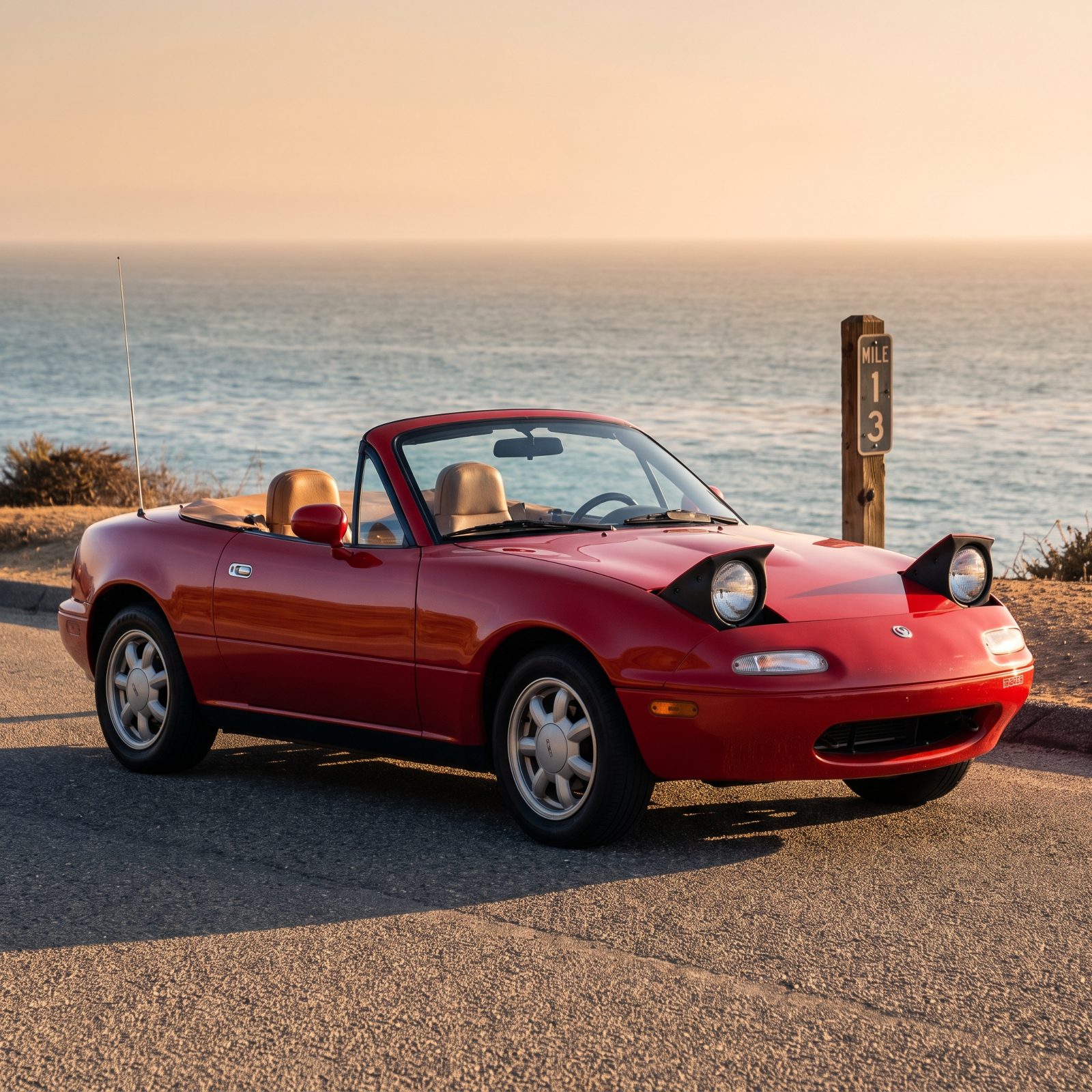
The Miata was never about the dyno sheet. The original made around 116 horsepower, and people lost their minds over it anyway. They were right to.
What the car sold was feeling. Pop-up headlights winking open. A stubby shifter that clicks like a light switch. A shape so clean it has barely dated in over thirty years. You sit low, the wheel sits close, the nose drops away, and suddenly a back road at 45 mph beats a supercar on the highway. All that, for a fraction of what the cars it embarrasses cost on a twisty morning.
31. Toyota Sera: Butterfly Doors on a Car Your Mom Could Drive
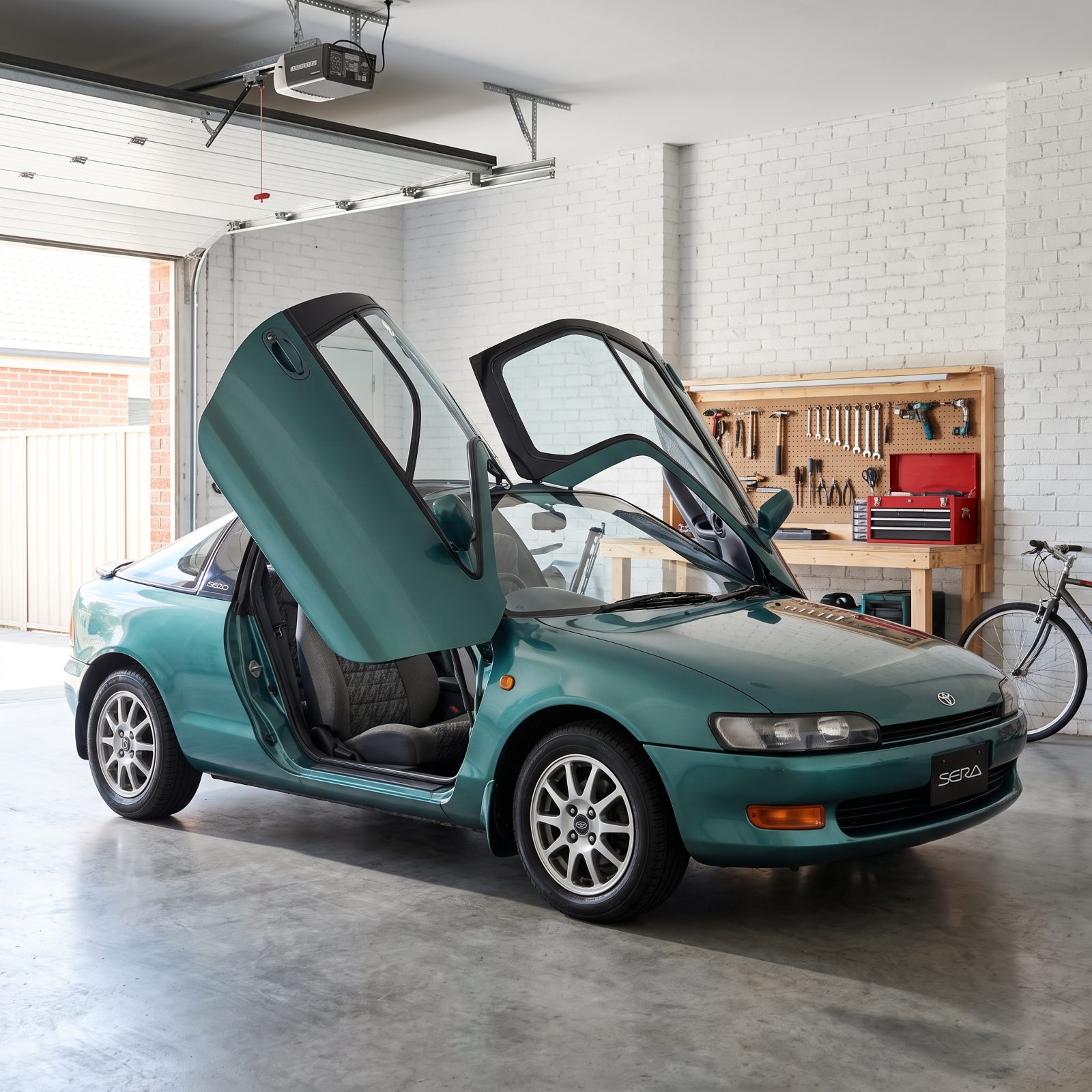
Lamborghini doors on an economy coupe. That’s the Sera in one line, and it’s every bit as delightful as it sounds.
The doors didn’t slide forward the way a supercar’s do — they lifted up and out, butterfly-style, hinged near the A-pillar. Under all that glass and theater sat a humble Toyota drivetrain, reliable and cheap to run. And the greenhouse was enormous, a near-complete glass canopy that poured light into the cabin and turned the whole thing into a rolling jewel box.
30. Nissan Figaro: Factory-Fresh Nostalgia in Four Pastels
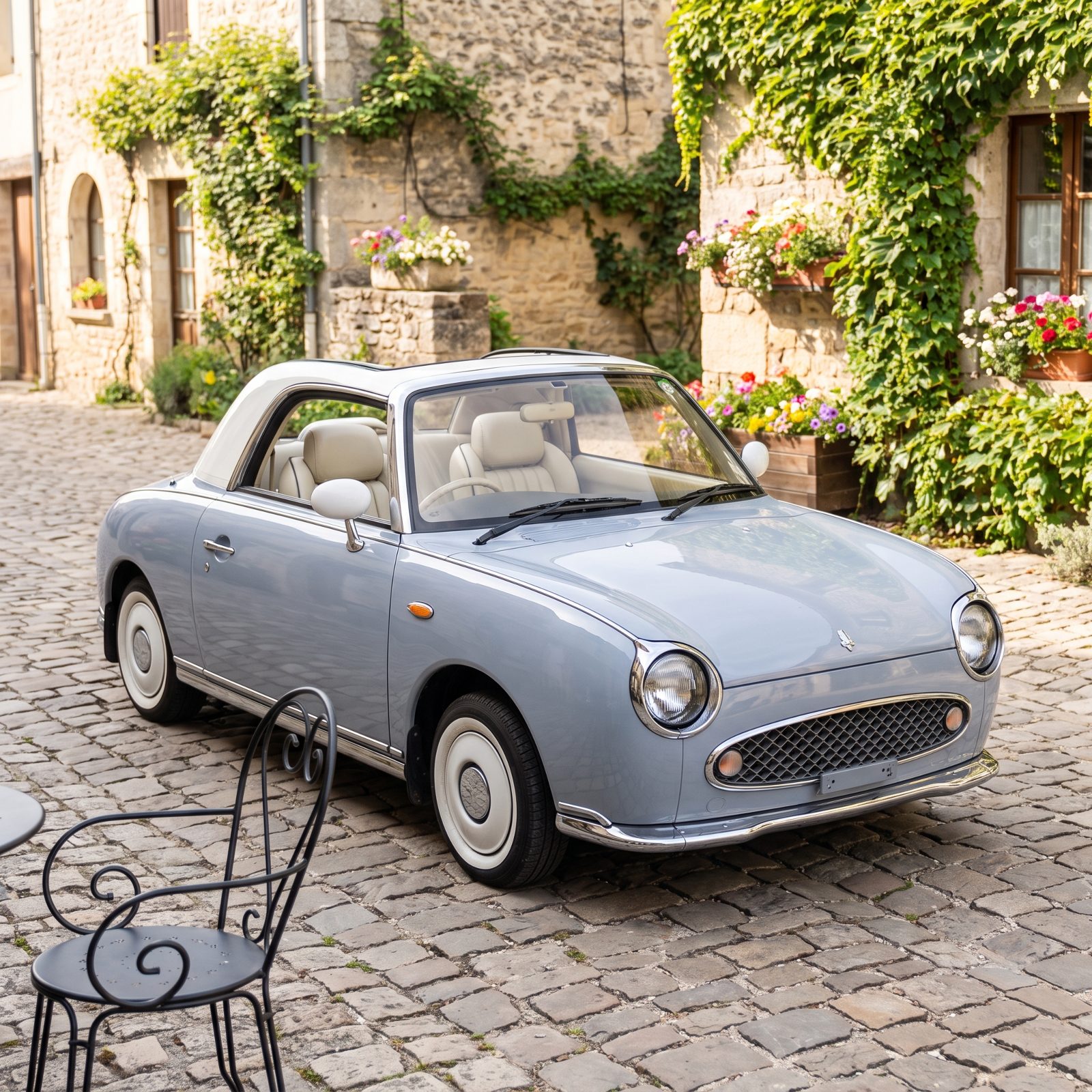
Nissan built a car that looked fifty years old the day it rolled out. On purpose. The Figaro came in four colors tied to the seasons — pale grey, teal, green, and beige, each one soft as a mint.
Chrome bumpers, round headlamps, a cream dashboard, a fold-back canvas roof. This was retro styling done before retro had become a marketing word, and it landed because Nissan committed fully instead of just hinting. Demand ran so far past supply that buyers were picked by lottery. Mechanically the thing was ordinary; visually it was unforgettable, and people still pay a premium for exactly that.
29. Nissan Pao: A Picnic Basket With Wheels and a Latch
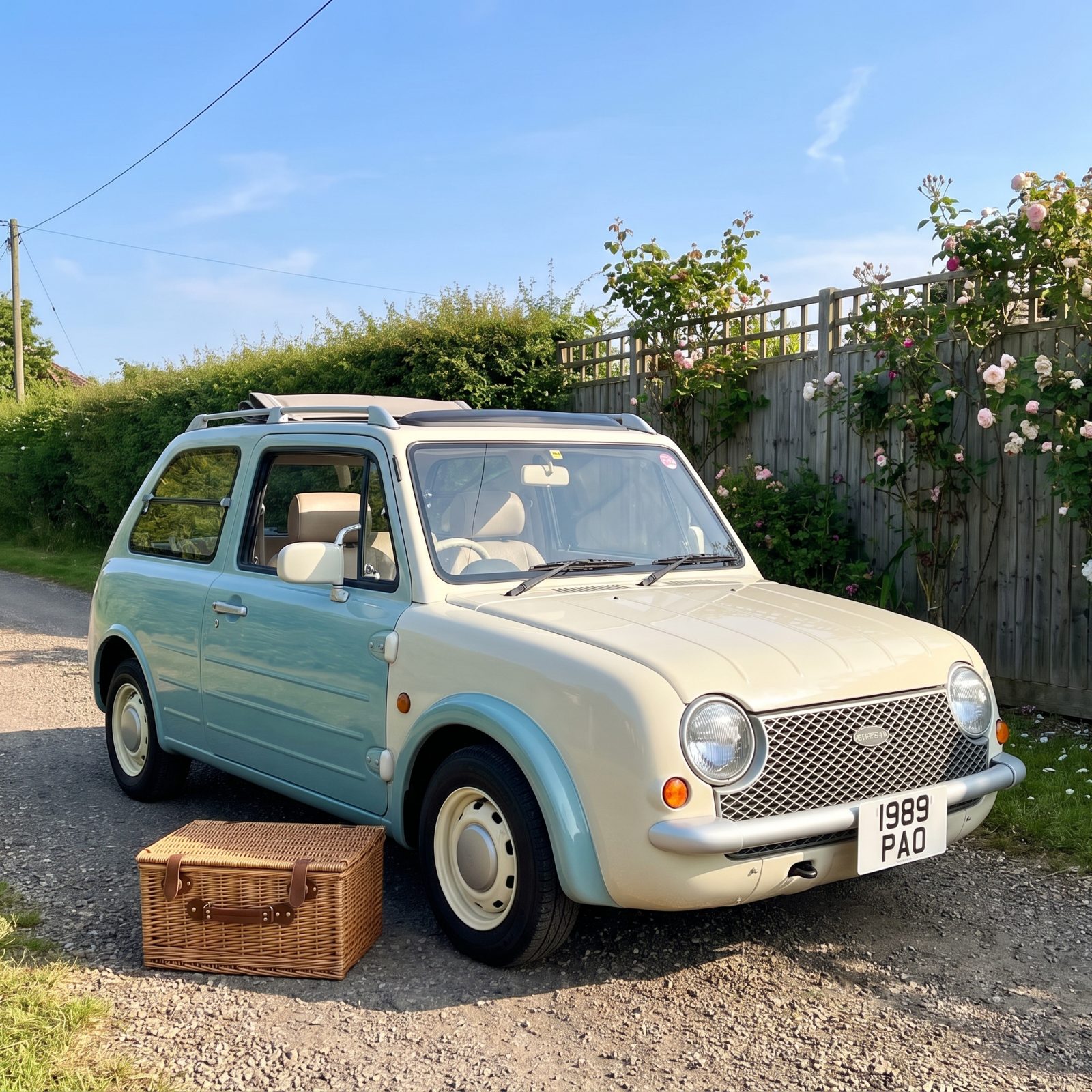
Everything on the Pao is right out in the open where you can see it. Door hinges, a rear latch like a kitchen cupboard, a canvas roll-back roof — Nissan styled it like a piece of friendly camping gear rather than an appliance.
The mechanical bits came straight off the Micra, dependable and plain. The magic was the refusal to hide anything, so the exposed hardware became the decoration. You look at it and you want to pack a lunch and drive somewhere slow. Few cars at any price pull that off. The Pao did it on a shoestring.
28. Nissan S-Cargo: A Van Named After a Snail, Shaped Like One Too
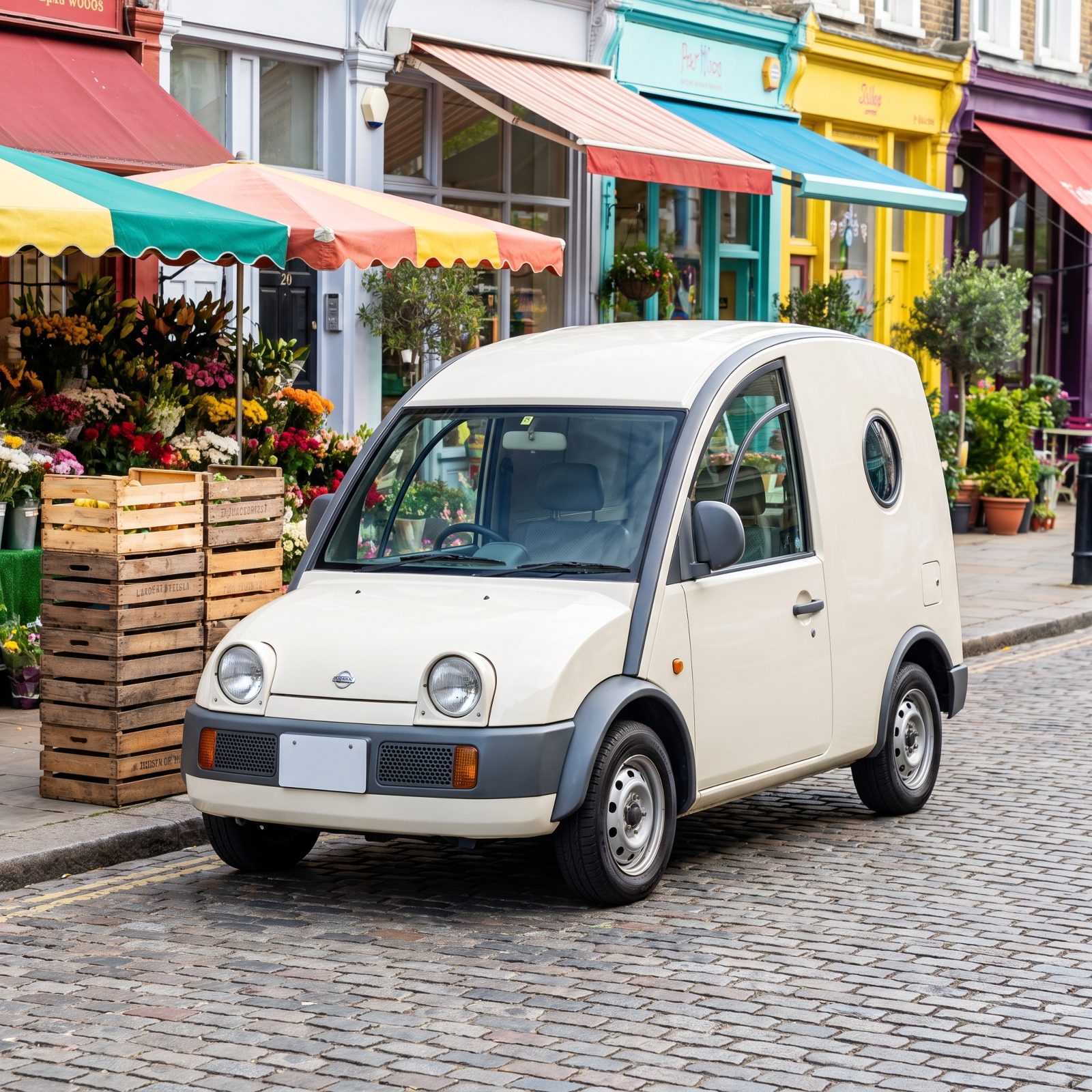
The name is a pun. S-Cargo, escargot, snail. And yes — they shaped it like a snail, all rounded shell and bulging eyes, with an optional porthole window on the flank for good measure.
This was a working delivery van: slow, tall, cheerful, completely unbothered by what anyone thought. A visual gag Nissan was confident enough to actually build and sell. It cost next to nothing to make, yet it turns more heads than vehicles worth ten times the money. Almost nobody else has ever dared to build a commercial van this openly silly.
27. Toyota iQ: Four Seats Packed Into Less Than Three Meters
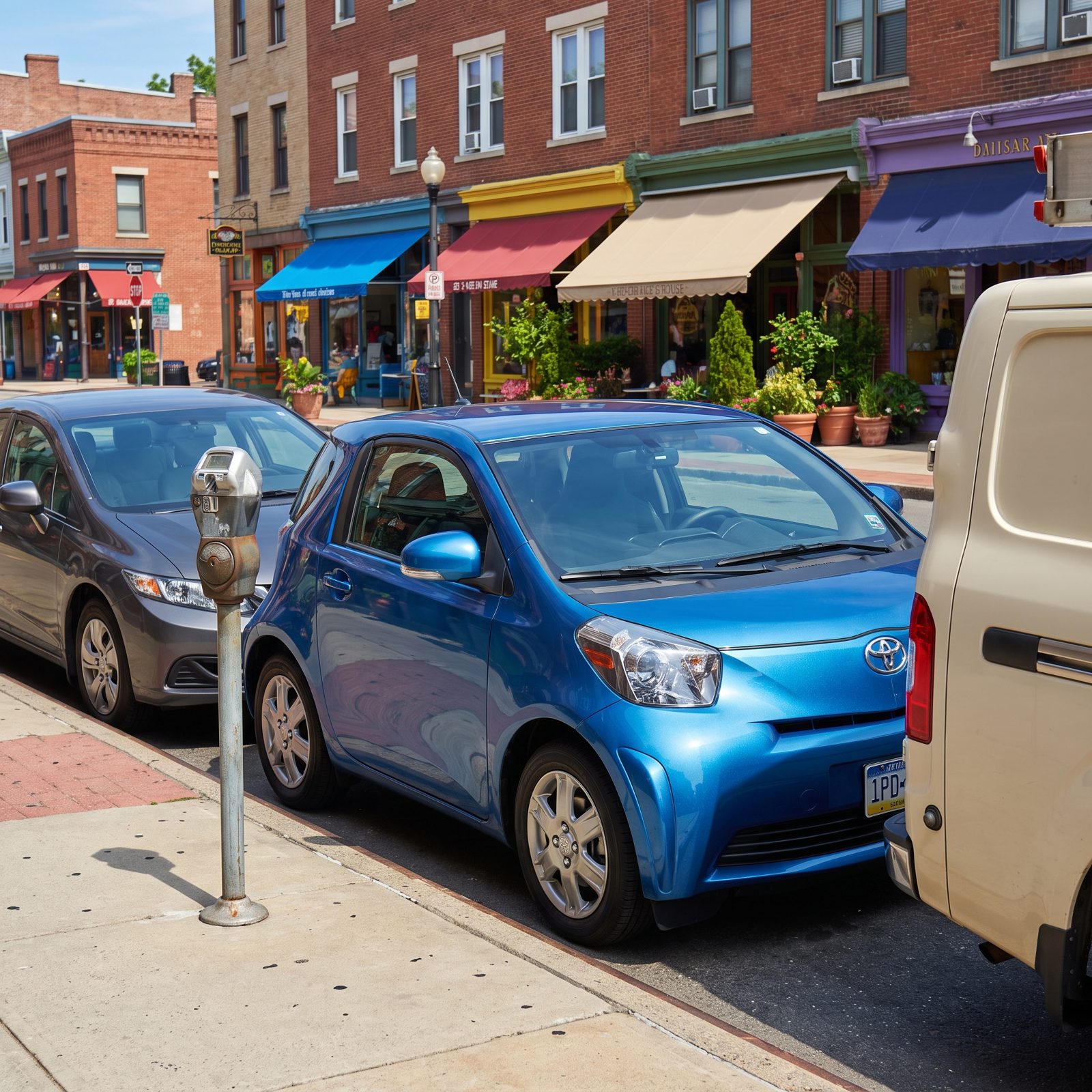
Under three meters long, and Toyota still found room for a driver, two normal passengers, and a child or short-trip fourth seat. The packaging was the whole show.
They flattened the fuel tank, mounted the differential offset, shoved the dash forward, and clawed back every spare millimeter. The result parks in gaps other cars drive right past. What saves it from feeling like a punishment is the stance — short overhangs, a confident little face, wheels pushed hard into the corners. It reads clever instead of cheap, which is a trick plenty of expensive cars never manage.
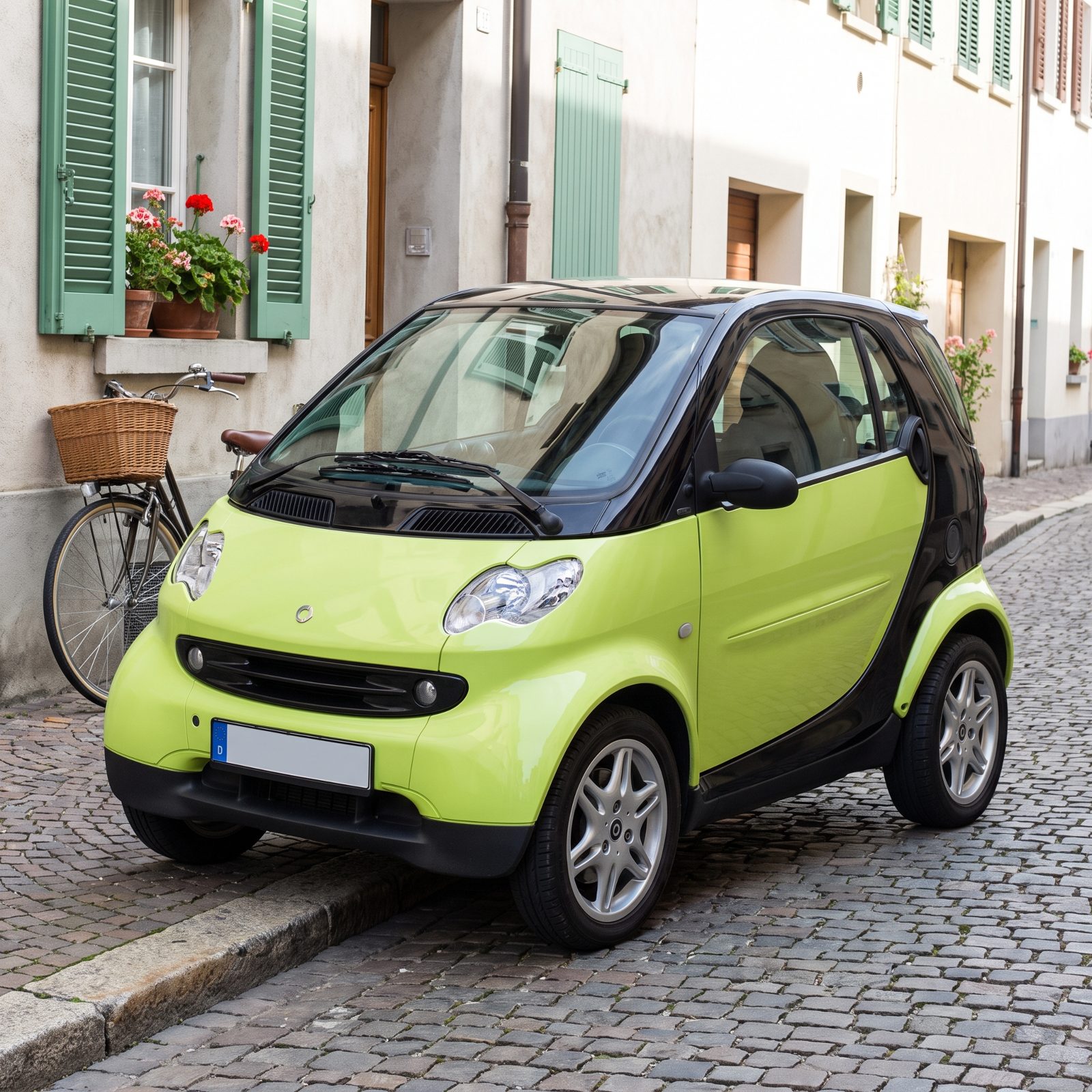
26. Smart Fortwo: Two Colors, Two Seats, Almost No Nose
Would you like to save this?
The design honesty is the charm here. Smart painted the safety cell one color and the body panels another, so you can actually see the strong steel cage wrapped around the two occupants. The structure doubled as the styling.
With almost no overhang at either end, it parks nose-to-curb where normal cars simply can’t. The proportions are odd — tall, stubby — and somehow that candor makes it likeable rather than awkward. Snap on a different colored panel set and you’ve got a new car. Cheap to buy, cheap to change, impossible to confuse with anything else on the road.
25. Renault Twingo Mk1: A One-Box Shape That Grins Back at You
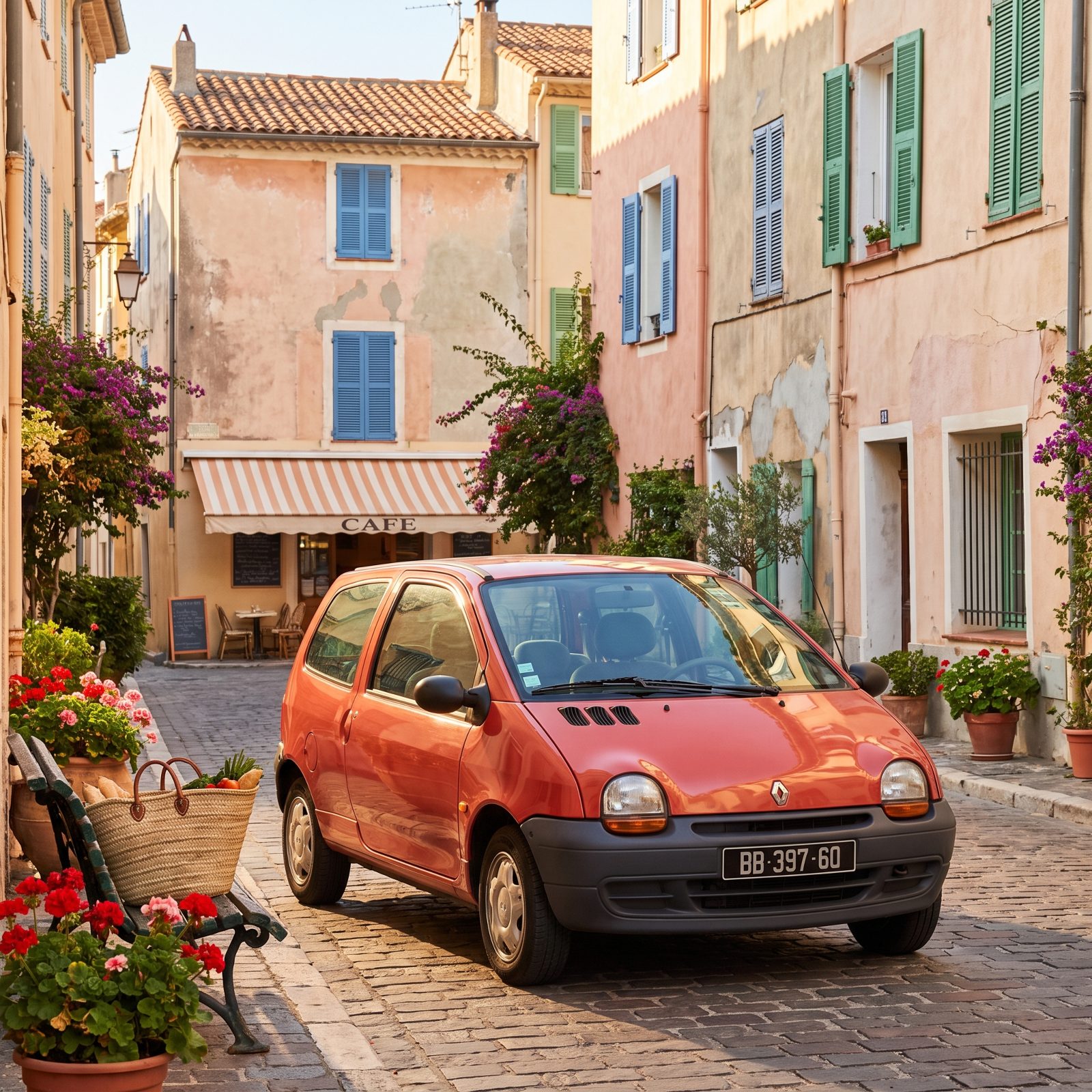
Renault designed a face. Two big round headlights, a curved grille line, and the Twingo appears to smile right at you. People responded the way they respond to anything friendly — immediately.
The one-box shape was pure function: no separate hood, no stubby trunk, just a single curved form over a flat floor, with a sliding rear bench that freed up more cabin than the footprint had any right to. One interior color at launch, one trim, no fuss. It proved a cheap and cheerful car could out-charm everything else in the lot, and the original shape still looks right decades later.
24. Citroën 2CV: Umbrella Engineering With Unmatched Character
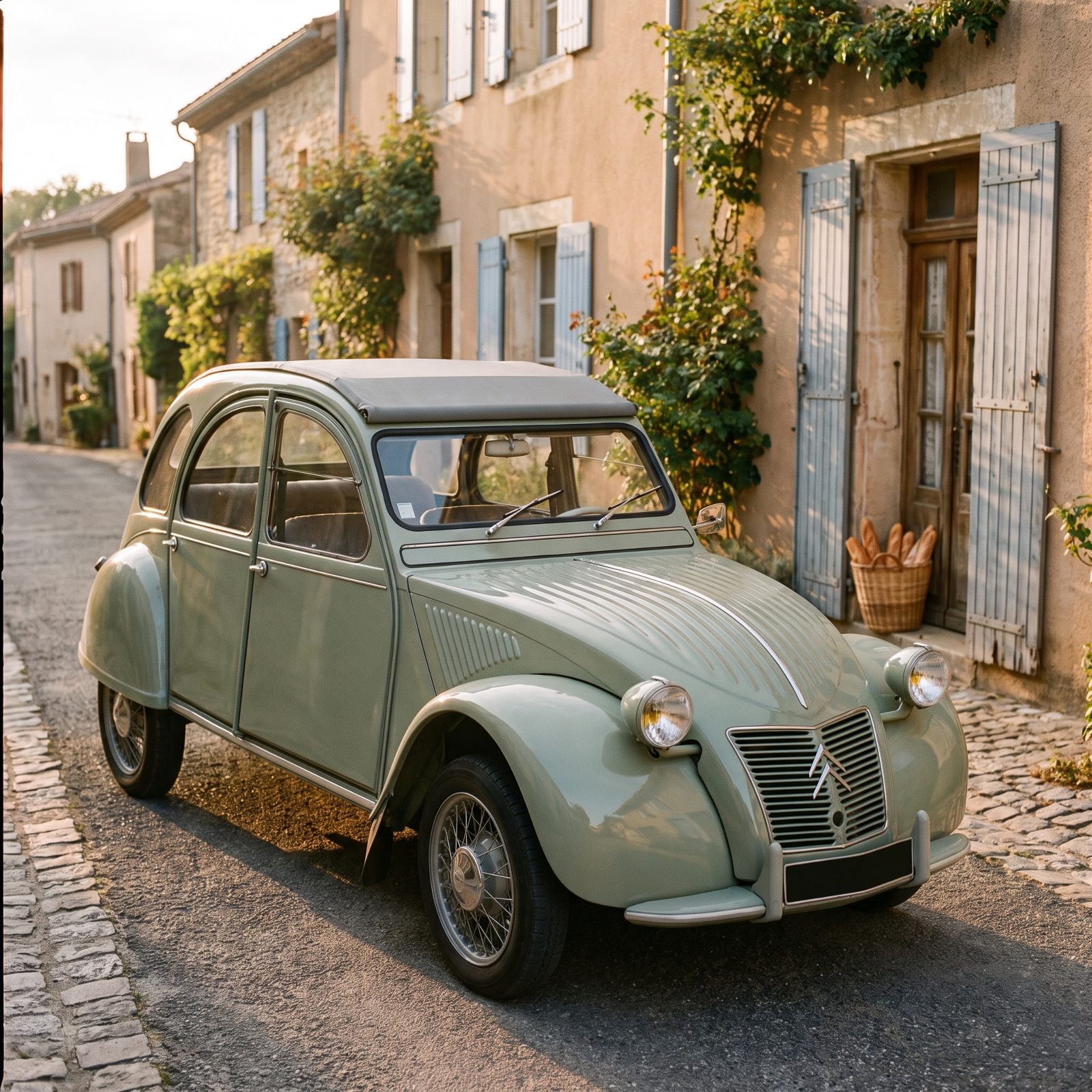
The brief was simple and completely mad: carry four farmers and a basket of eggs across a plowed field without cracking a single shell. What came out of that is one of the most likeable shapes ever bolted together. The 2CV looks like the car a kid would draw if you asked for something happy, and somehow that reads as charm instead of compromise.
Those soft long-travel springs let it lean into corners like a dinghy in a swell, which ought to feel alarming and instead feels like a dare you keep accepting. Set it beside a chrome-heavy luxury sedan from the same years and the little Citroën collects more smiles. It never tried to look expensive. So it never looks dated.
23. Citroën Ami 6: A Reverse-Rake Rear Window
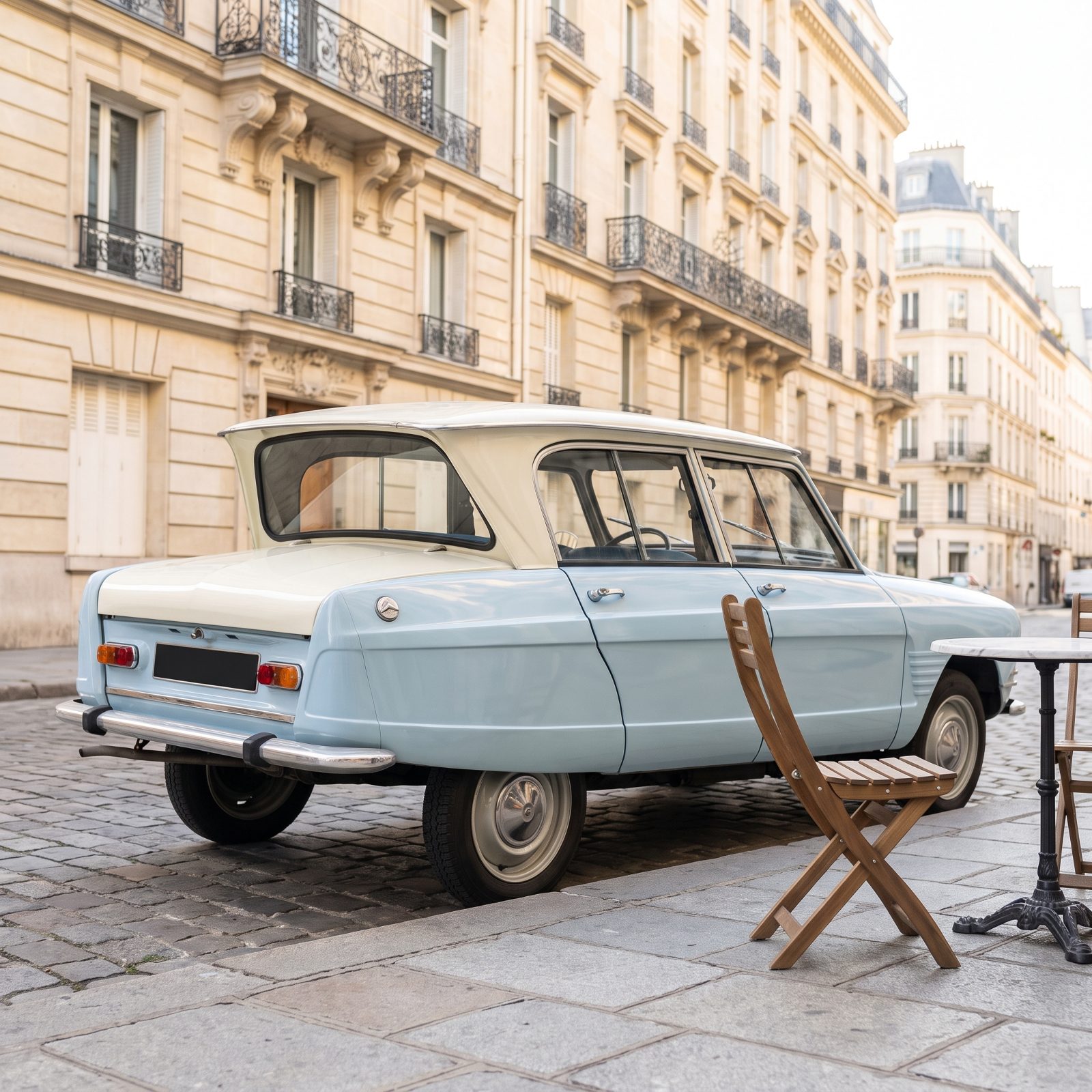
That backward-slanting rear window splits a room the second anyone notices it. Half the people think it’s ugly. The other half can’t look away, which is exactly the effect good design has on you.
Citroën tilted the glass that way to keep rain off and hand rear passengers some headroom — a practical fix, dressed up to look deliberate. Underneath, the Ami 6 borrows the 2CV’s humble bones and wraps them in something odder and more sure of itself. Nothing else on the road looks like it, and that beats a hood ornament every time.
22. Citroën Méhari: Corrugated Plastic Beach-Car Bodywork

Bodywork you could hose out like a boat. The Méhari skipped steel altogether in favor of ribbed plastic panels that shrugged off dents, salt, and sunburned swimmers scrambling in with wet feet.
Sitting on 2CV mechanicals, it weighs about what a loaded wheelbarrow does and looks like a toy that bolted from its box. The brilliance is the honesty of it — no chrome, no pretending, just bright molded plastic and open sides. It cost a sliver of what a proper beach buggy ran. Park it between a row of resort SUVs and it’s the one everybody pulls a camera out for.
21. Abarth 595: An Oversized Exhaust Note From a Tiny Hatch
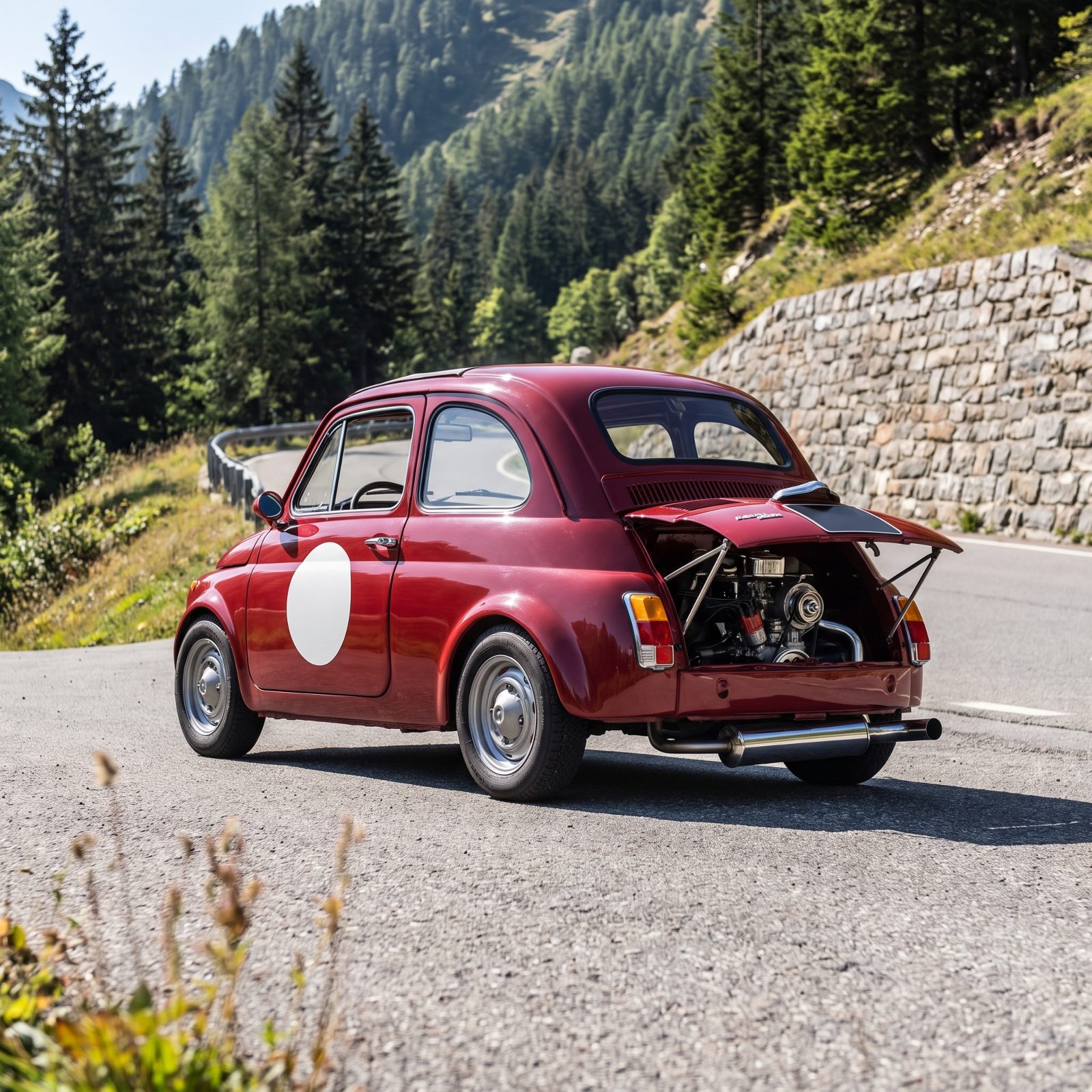
Carlo Abarth took the humble Fiat 500, pinned a scorpion badge on it, and built a little monster that sounds like a hornet trapped in a tin can. The 595 is barely bigger than a phone booth, yet it makes a racket two classes above its weight.
A car that fits in a parking space most drivers wouldn’t attempt, and leaves them grinning anyway.
That exhaust bark is the entire personality. You hear it before you see it. Then the comic little box rolls into view and the two facts just refuse to shake hands — which is where all the joy lives.
20. Fiat 126: Rear-Engine Charm in a Squared-Off Suit
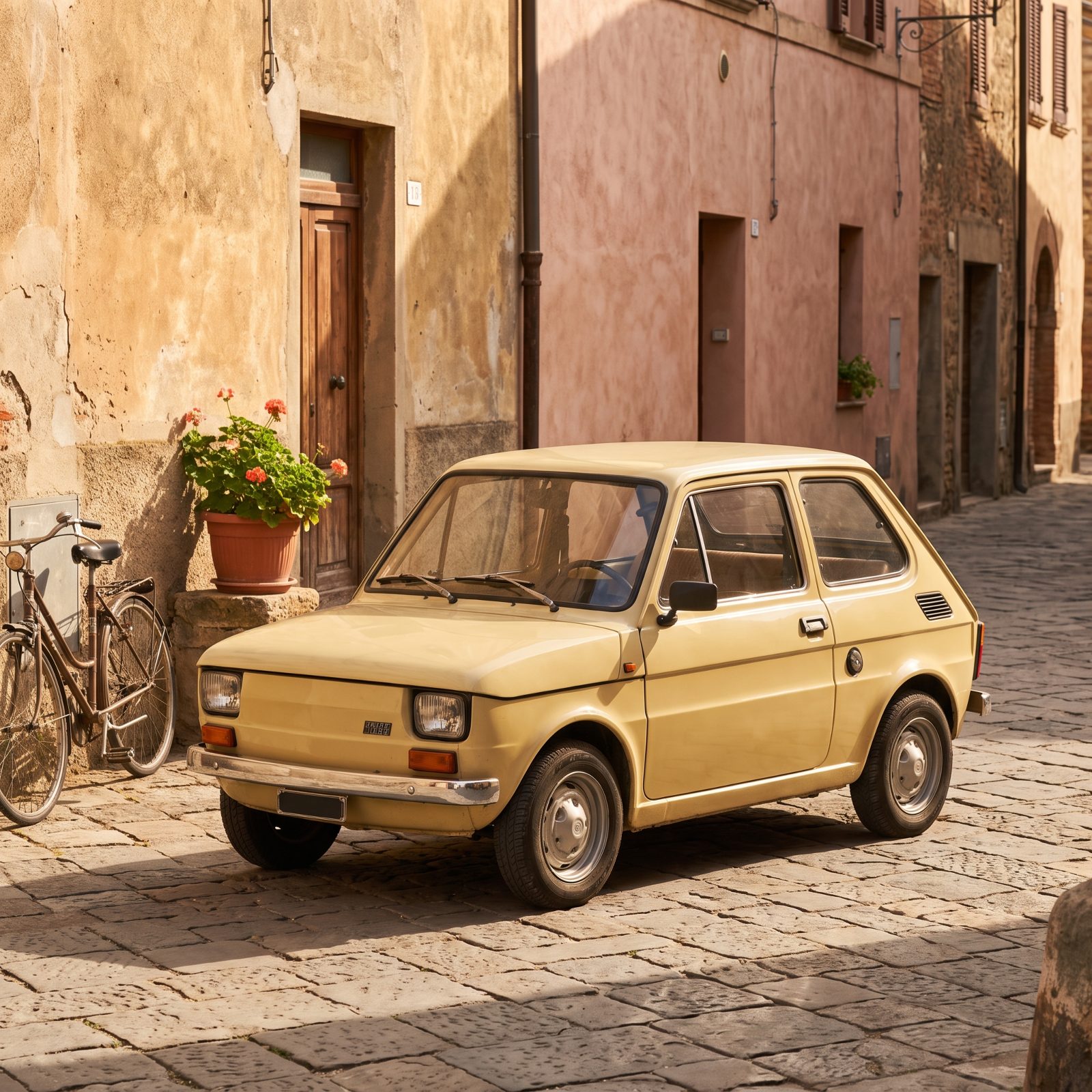
The 500’s successor traded curves for corners and kept the charm anyway. The 126 looks like a filing cabinet that learned to drive — upright, honest, engine tucked behind the rear seats where it buzzes away perfectly content.
It became the people’s car across half of Eastern Europe, built in Poland for decades on end. Tiny and cheap and square, it holds a stubborn appeal that pricey city cars keep trying to buy off the shelf and never quite manage. You can’t fake this much honesty in a shape.
19. Fiat 850 Spider: Italian Roadster Proportions in Miniature
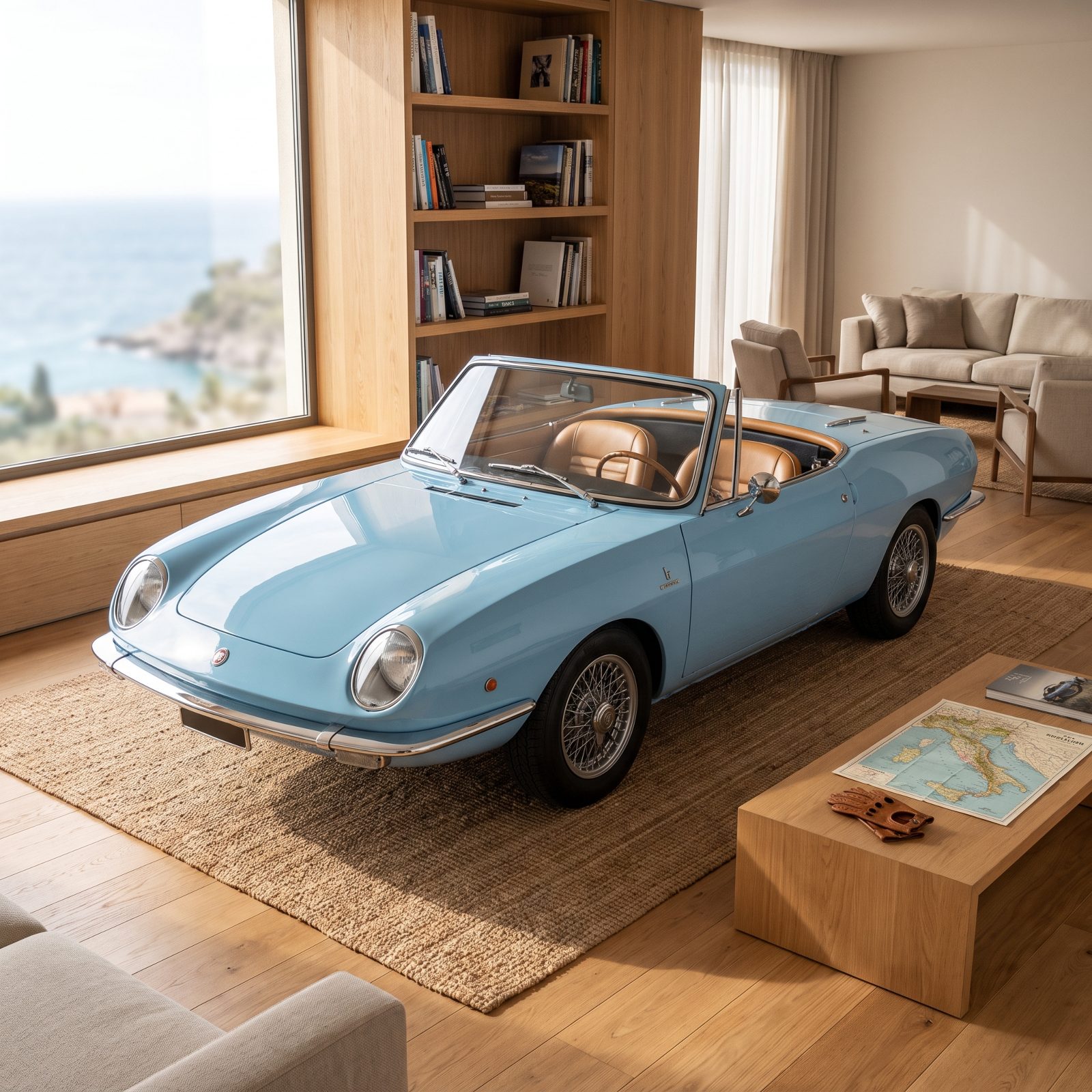
Shrink a proper Italian roadster down to two-thirds size and you land on the 850 Spider — every graceful line accounted for, just sitting closer to the tarmac. Bertone drew it, and you can tell at a glance. These are the proportions you normally only get on cars costing many times as much.
Under the skin it’s a modest Fiat sedan. But the body reads pure sports car, and from across a parking lot nobody’s checking the engine size. They clock the low nose and the folded top and quietly assume something exotic.
18. Mini Moke: The Car Reduced to Seats and a Floor

A car stripped back to the bare idea of a car. Four seats, a floor, a steering wheel, and next to nothing else. The Moke began life as a failed military prototype — too low to clear rough ground — and found its real calling hauling tourists around island resorts.
Built on Mini running gear, it corners dead flat and darts about like a go-kart. There’s no pretense to strip away, because there was never any to begin with, and that purity is the whole draw. A Rolls-Royce turns heads. A green Moke gets people waving.
17. Triumph Spitfire: A Sports Car You Can Nearly Step Over
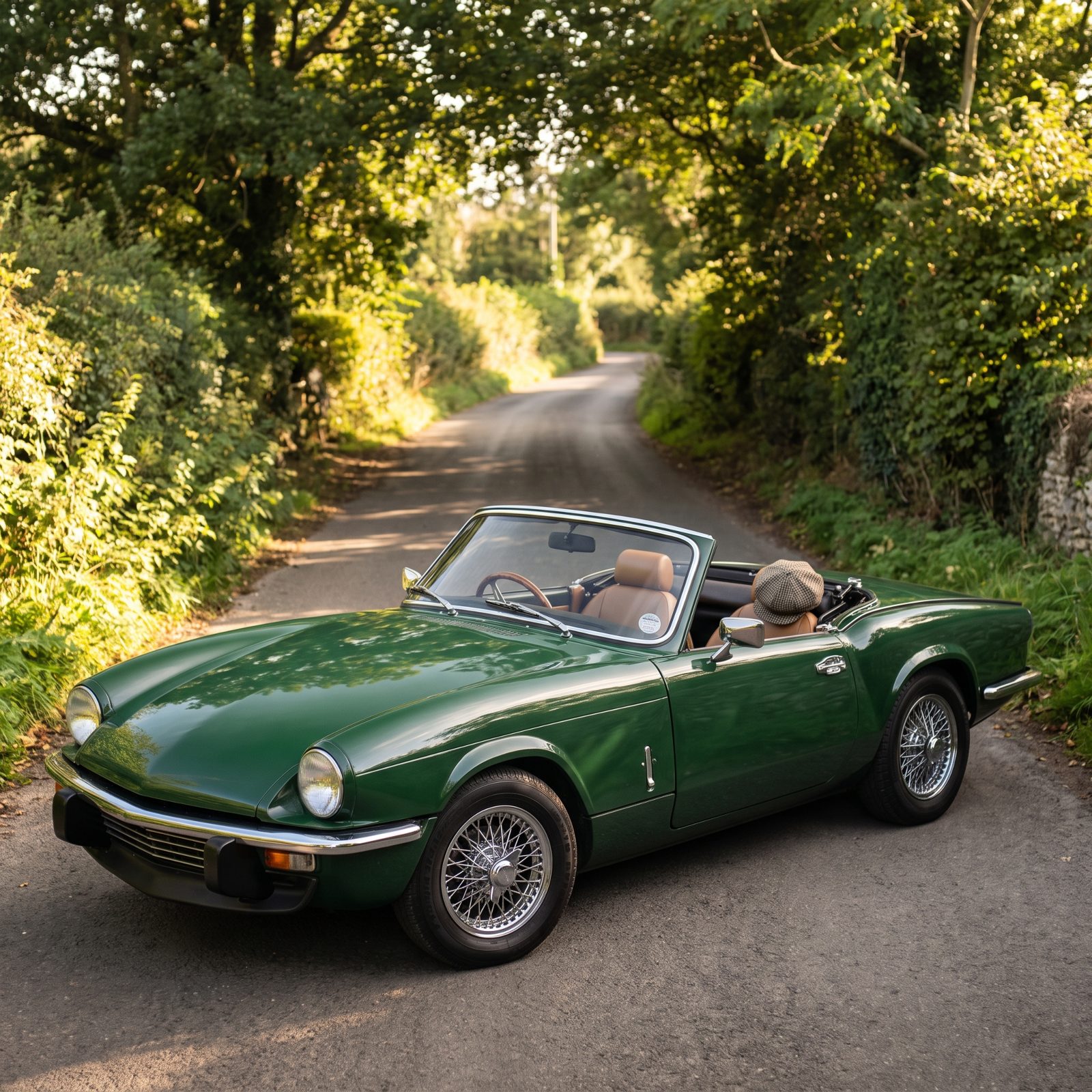
It sits so low to the ground you half expect to step over it instead of climbing in. The Spitfire’s whole front end tilts forward on a hinge, baring the engine like someone opening a hamper at a picnic — and even that bit of mechanical theater feels like showing off.
Michelotti drew those long low lines, and they’ve aged like good leather. Cheap when it was new, a working man’s roadster through and through, yet it carries itself like something far grander.
16. Messerschmitt KR200: Tandem Seating Under a Bubble Canopy

Would you like to save this?
An aircraft maker barred from building planes after the war turned its hand to tiny cars instead, and boy does it show. The KR200 seats driver and passenger in a line, one behind the other like a fighter cockpit, under a clear canopy that swings open to the side.
You don’t open a door. You climb in over the top. The thing looks less like a car than like something that misplaced its wings — three wheels, a two-stroke buzz, and a profile no designer alive would dare pitch today. One costs more to buy now than most people would ever guess, purely because nothing else looks remotely like it.
15. Peel P50: The Car Small Enough to Pull by Hand
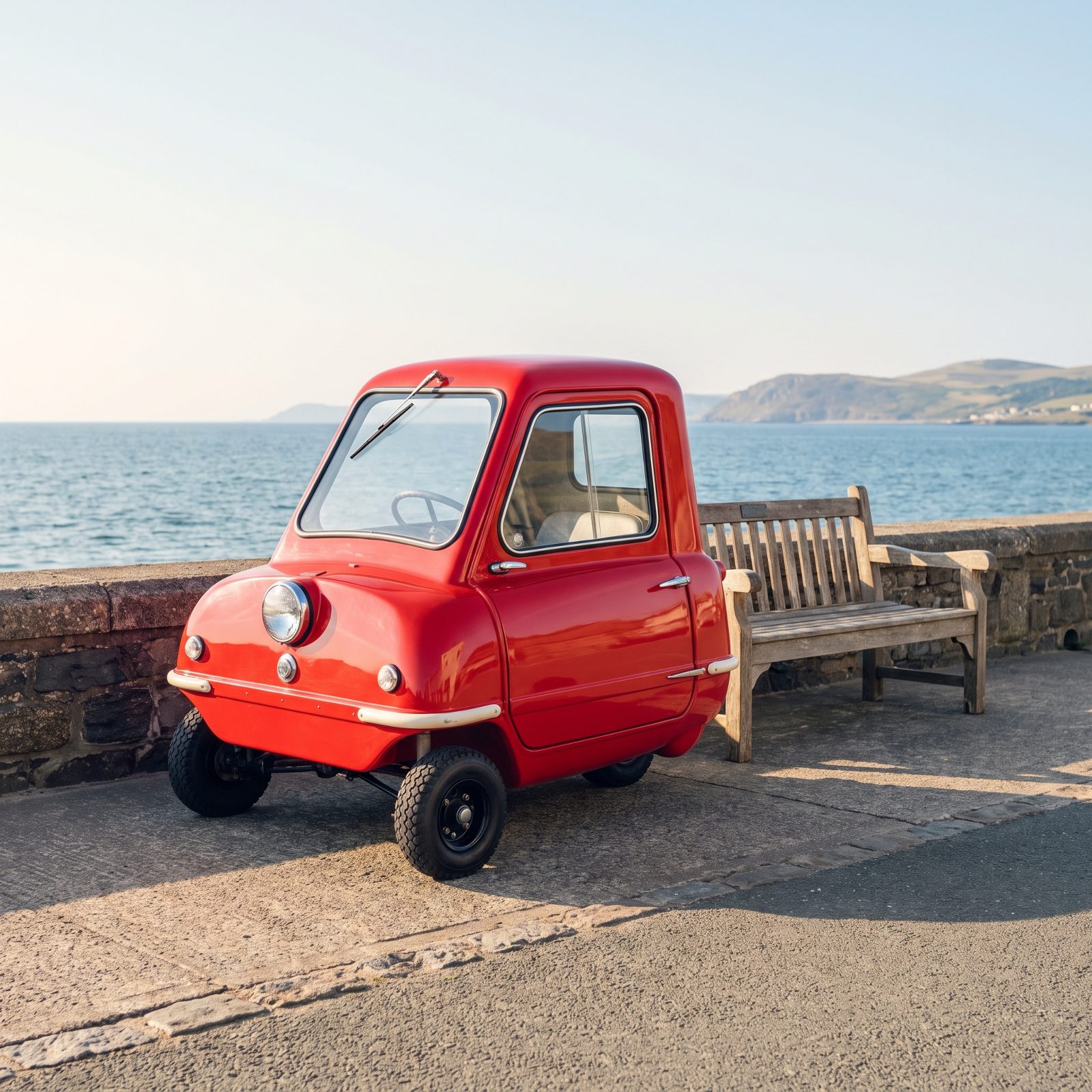
No reverse gear. There’s a handle on the back, so when you need to turn around you just grab the rear end and swing it round by hand. The Peel P50 holds the record for smallest production car ever made, and it earns every letter of that title.
One seat, one headlamp, three wheels, and a shell you could nearly carry up the stairs. It’s absurd — and the absurdity is the entire pitch. Park a supercar beside it and the P50 still runs off with the crowd. Nobody huddles around the thing that cost the most. They huddle around the thing that makes them laugh out loud.
14. Goggomobil T250: A Full Three-Box Car in Miniature
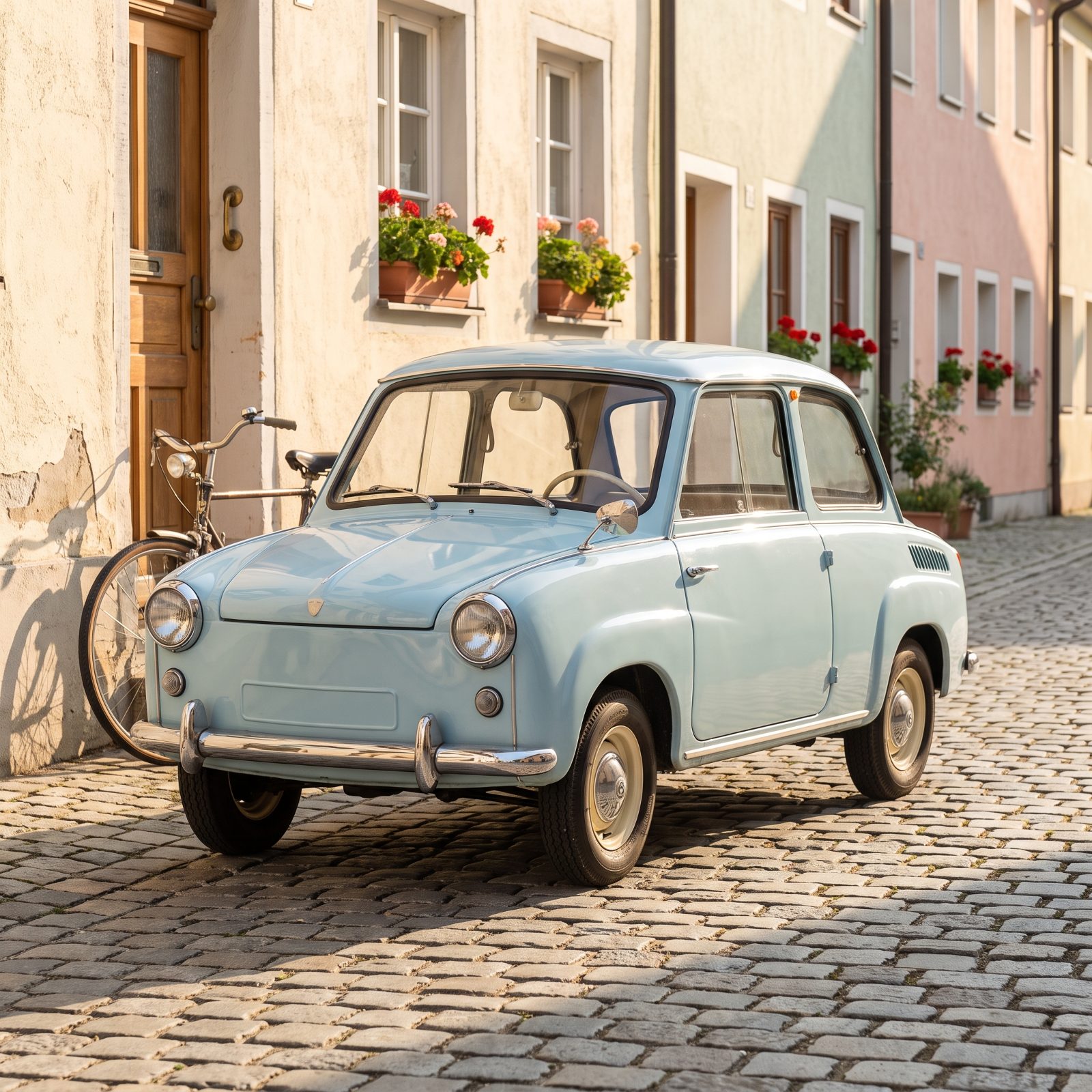
Someone looked at a full-size sedan and decided to shrink the whole thing rather than hack bits off. That’s the charm. A real hood, a real cabin, a real little trunk, all packed into something you could almost push home by hand.
It makes bigger cars look wasteful. There’s a two-cylinder two-stroke out back making under 20 horsepower, and the thing still grins at you. Park it next to a modern crossover and the crossover looks embarrassed, like it brought too much luggage to a weekend trip.
13. Subaru 360: A Ladybug Shape Built for Narrow Roads
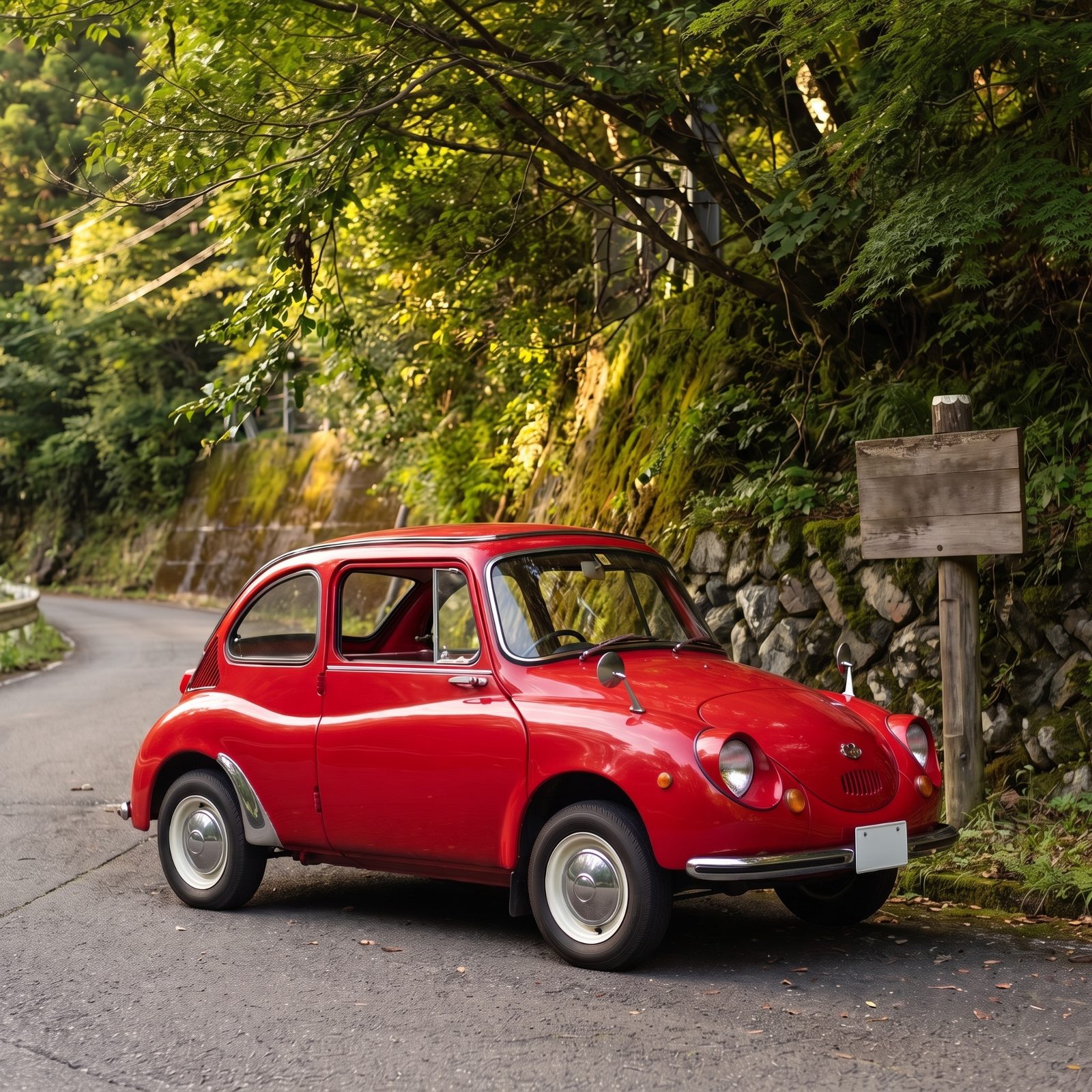
Round where everything else was square. The Subaru 360 curves in every direction, a little dome of a car that earned its ladybug nickname honestly.
It weighs about half a ton with a rear-mounted air-cooled twin and barely any power, and none of that matters once you catch the shape in the sun. Narrow Japanese roads shaped it, and the proportions still read as friendly sixty years on. You can’t frown at it. I’ve tried.
12. Mazda R360 Coupe: Japan’s Tiny Two-Tone Coupe
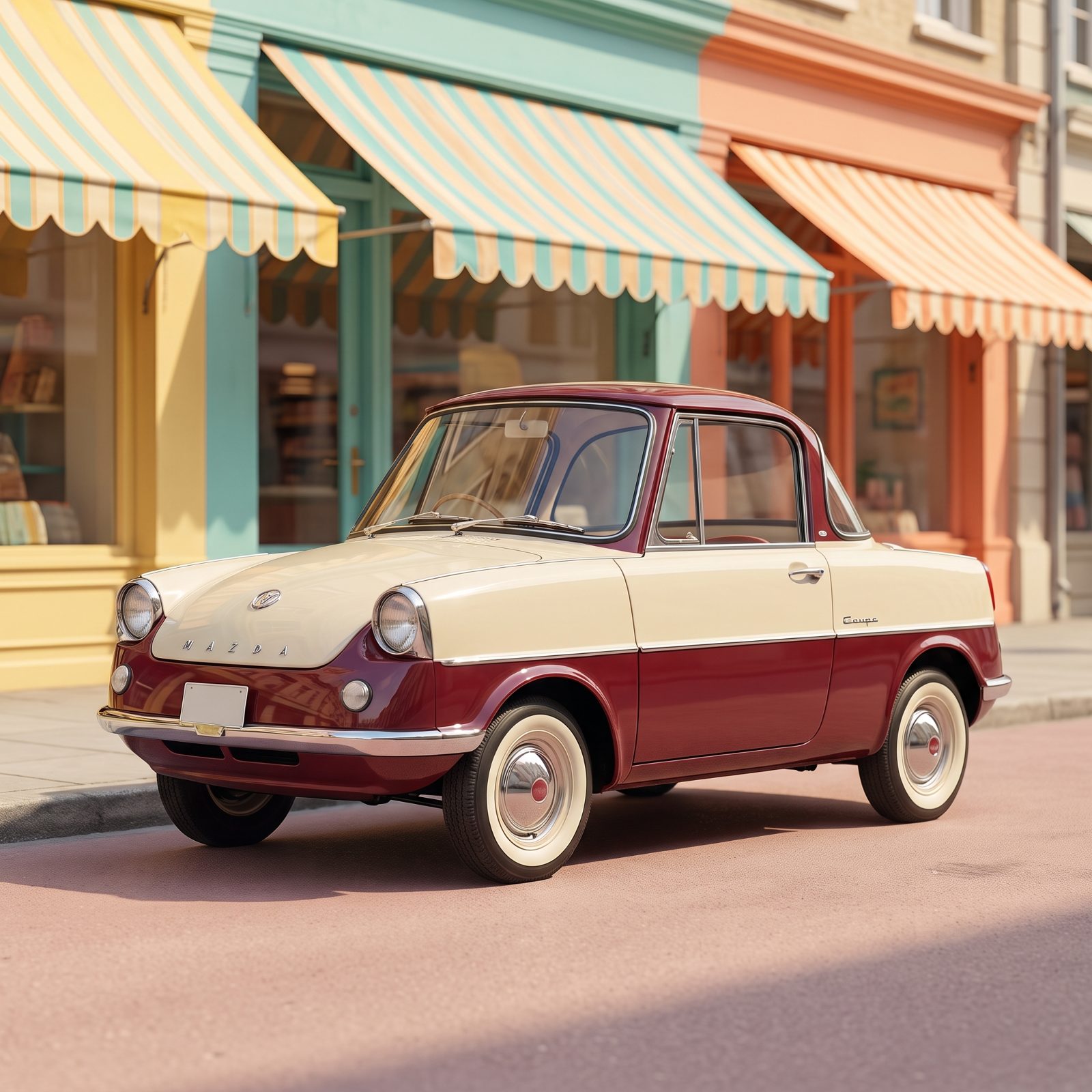
A proper coupe that fits in a parking space meant for a motorcycle. The R360 was Mazda’s first real passenger car, and somebody decided it deserved a fastback roofline and two-tone paint you’d expect on something three times the price. Cream over burgundy, a sweep of chrome down the flank, a rear window raked like it had somewhere to be. All of it wrapped around a tiny 356cc engine and not much more than a dozen horsepower.
11. Honda City Turbo II: The Wide-Fender Bulldog
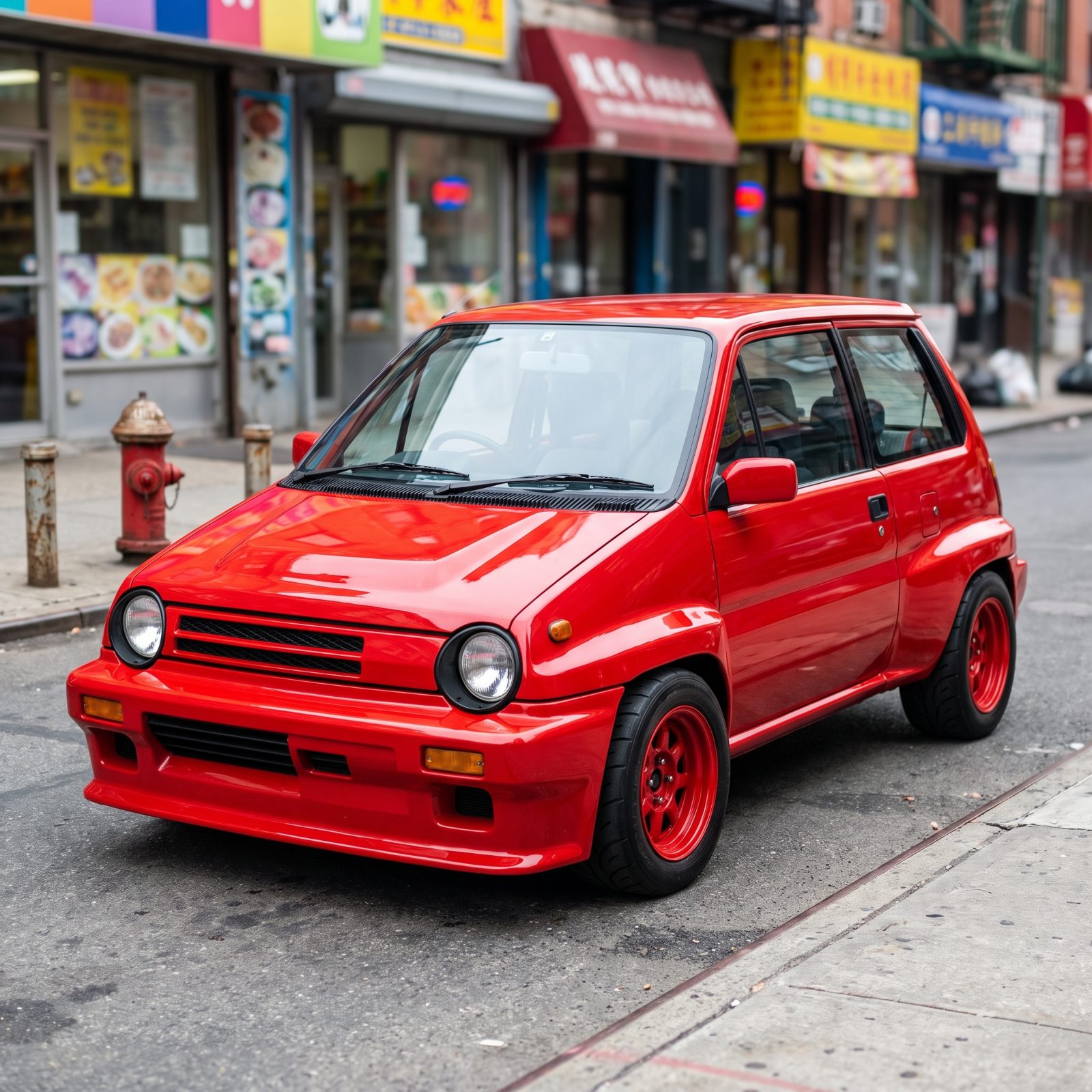
Tall, short, and suddenly very wide. The City Turbo II grew blistered fenders over its already upright little body, and the result looks like a bulldog that skipped leg day in favor of shoulders.
Honda called the styling package the Bulldog, and the stance does all the talking before the turbo ever spools. A tall-boy hatchback that somehow reads mean — which no tall-boy hatchback has any business doing.
10. Suzuki Alto Works: Turbo Hardware Behind a Cute Face
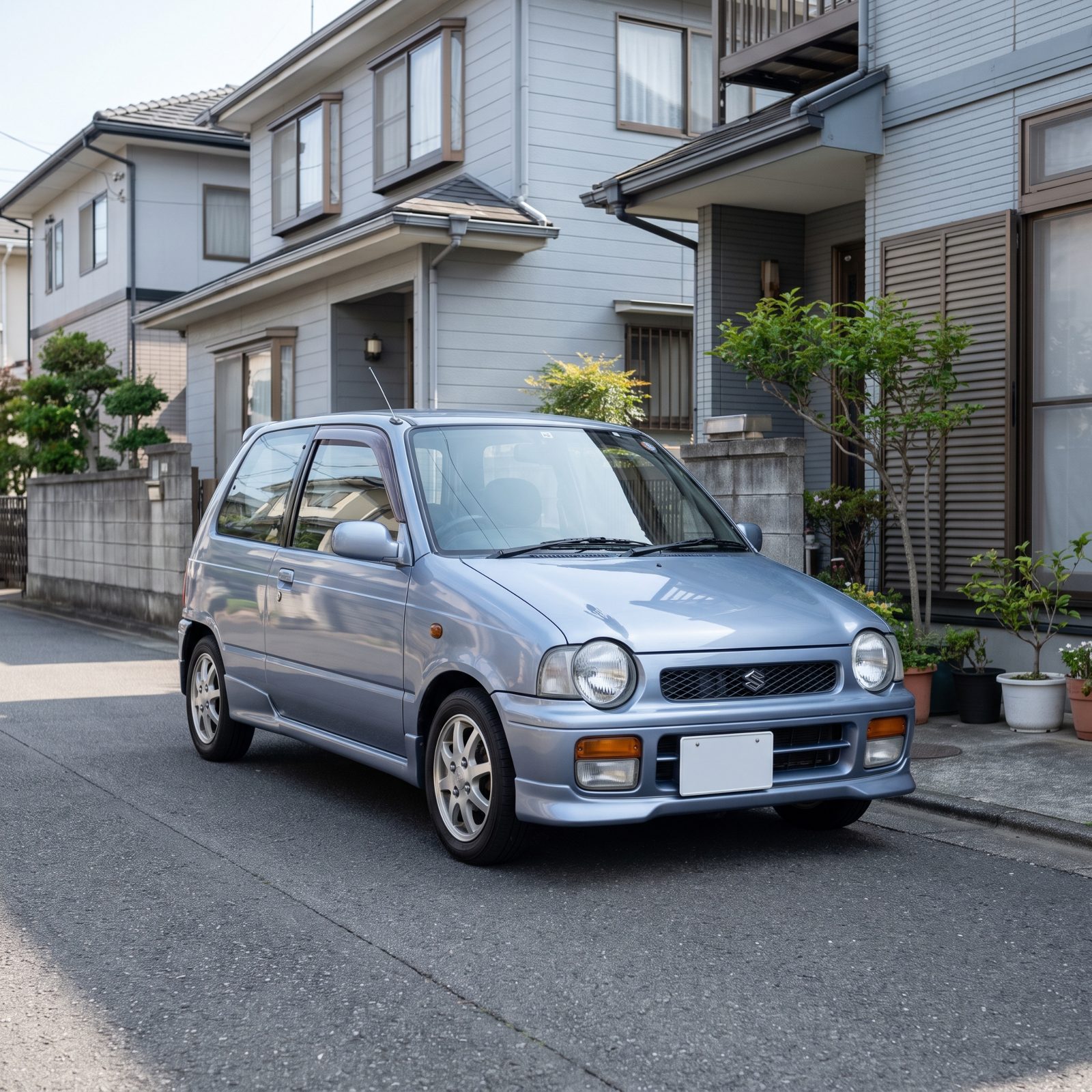
Innocent face, serious intentions. The Alto Works hides a turbocharged twin-cam kei engine behind a shape your grandmother would call adorable, and that mismatch is the draw. A car this small and this friendly-looking has no right to pull the numbers it pulls. Picture the quiet kid in the back of class who turns out to run marathons on weekends.
9. Subaru Vivio RX-R: Supercharged Four-Wheel-Drive Mischief
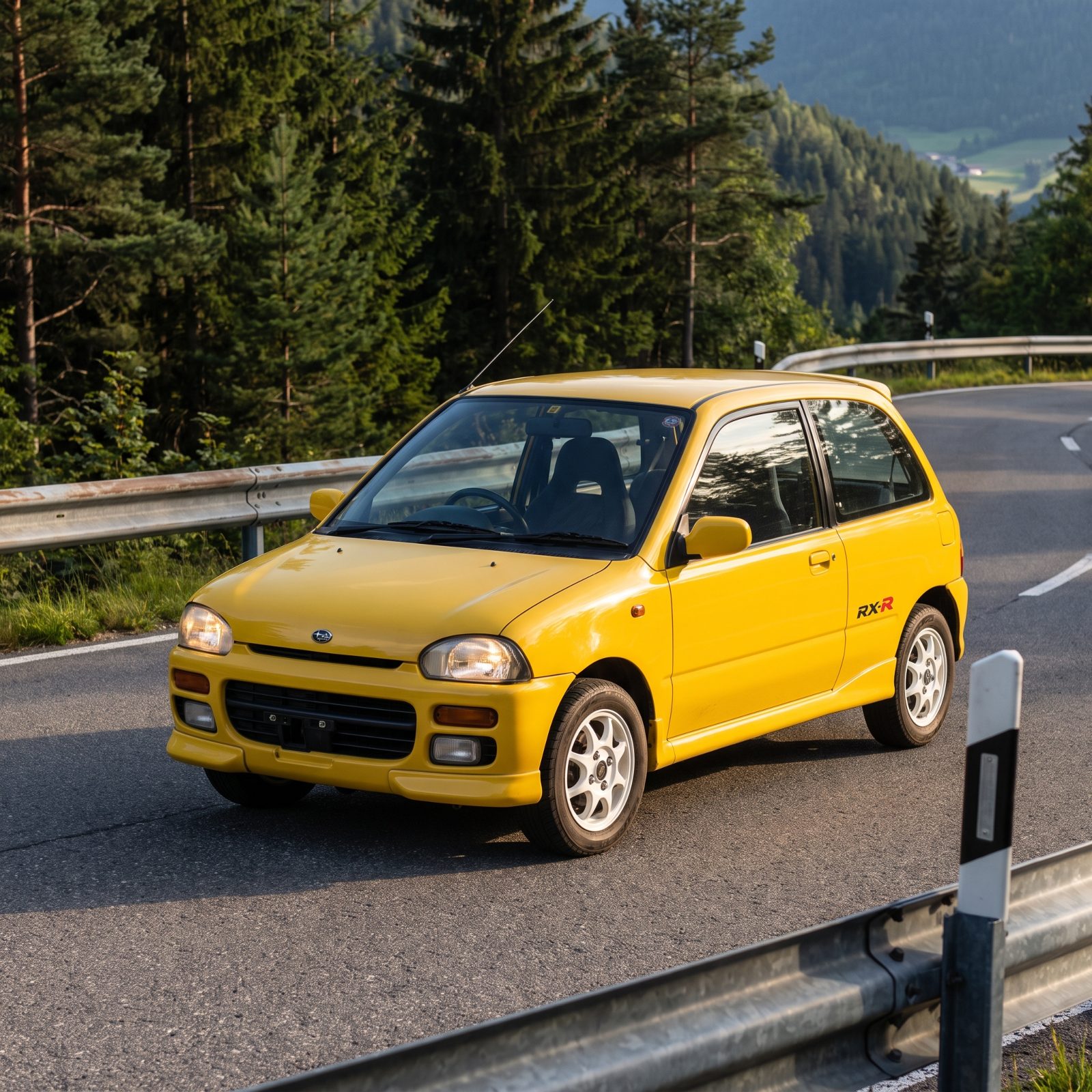
Four-wheel drive and a supercharger in a car smaller than a photocopier. The Vivio RX-R was built for exactly one thing — embarrassing more expensive machinery on a wet mountain road.
Subaru even campaigned a Vivio in the Safari Rally, which tells you everything you need to know. Little round headlights, a cheeky yellow shell, and underneath it the kind of hardware that makes the grin on your face feel earned.
8. Nissan March Super Turbo: A Supercharger and Turbo Working Together
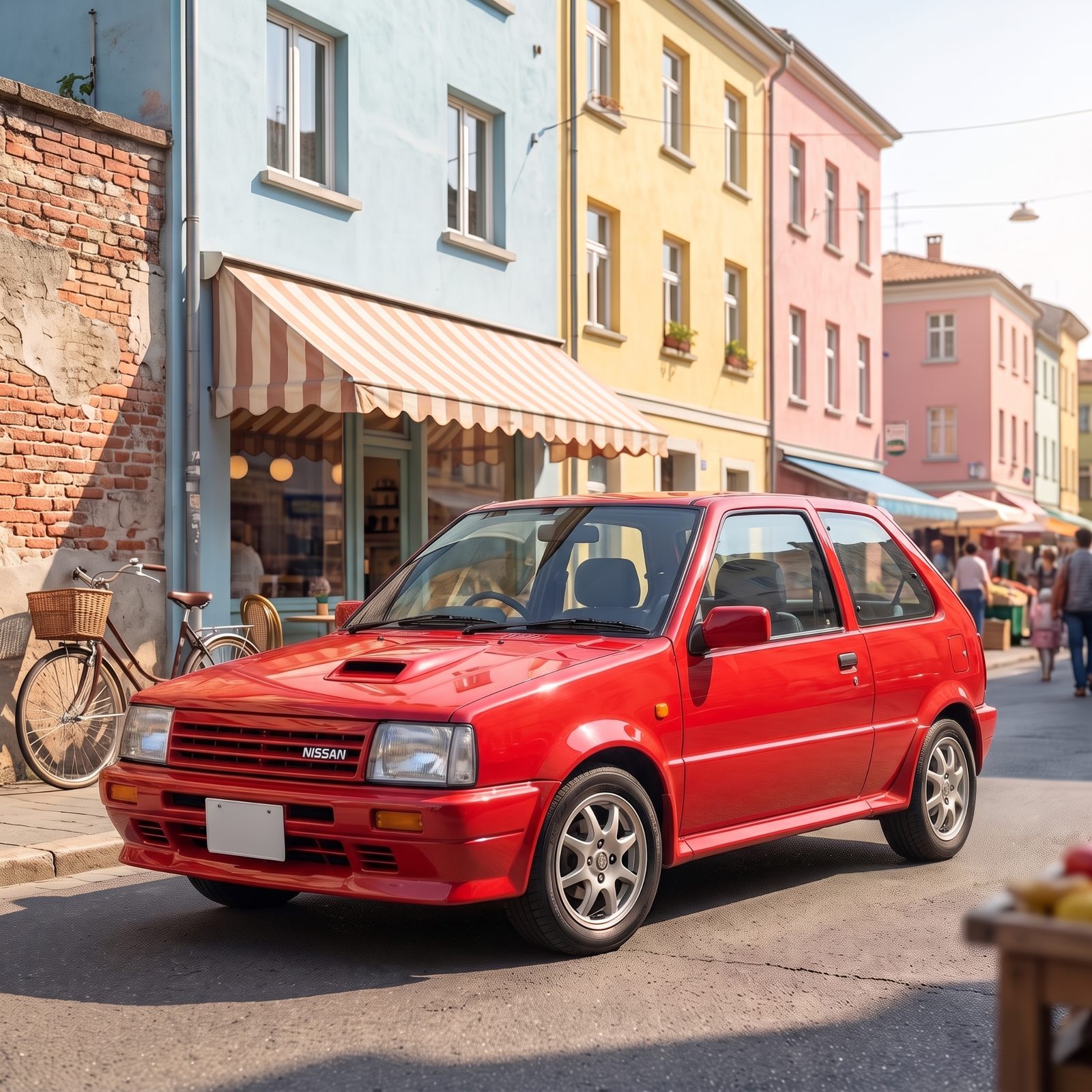
Nissan did something almost nobody else bothered with: they bolted both a supercharger and a turbocharger to the same tiny engine. Supercharger handles the low revs, turbo takes over up top, and the little March surges the way no 1-liter hatchback should. And the body stayed cute through all of it. That’s the trick — all that mechanical ambition under a shape that looks like it should be delivering newspapers.
7. Renault Clio Williams: Gold Wheels and Rally-Bred Stance
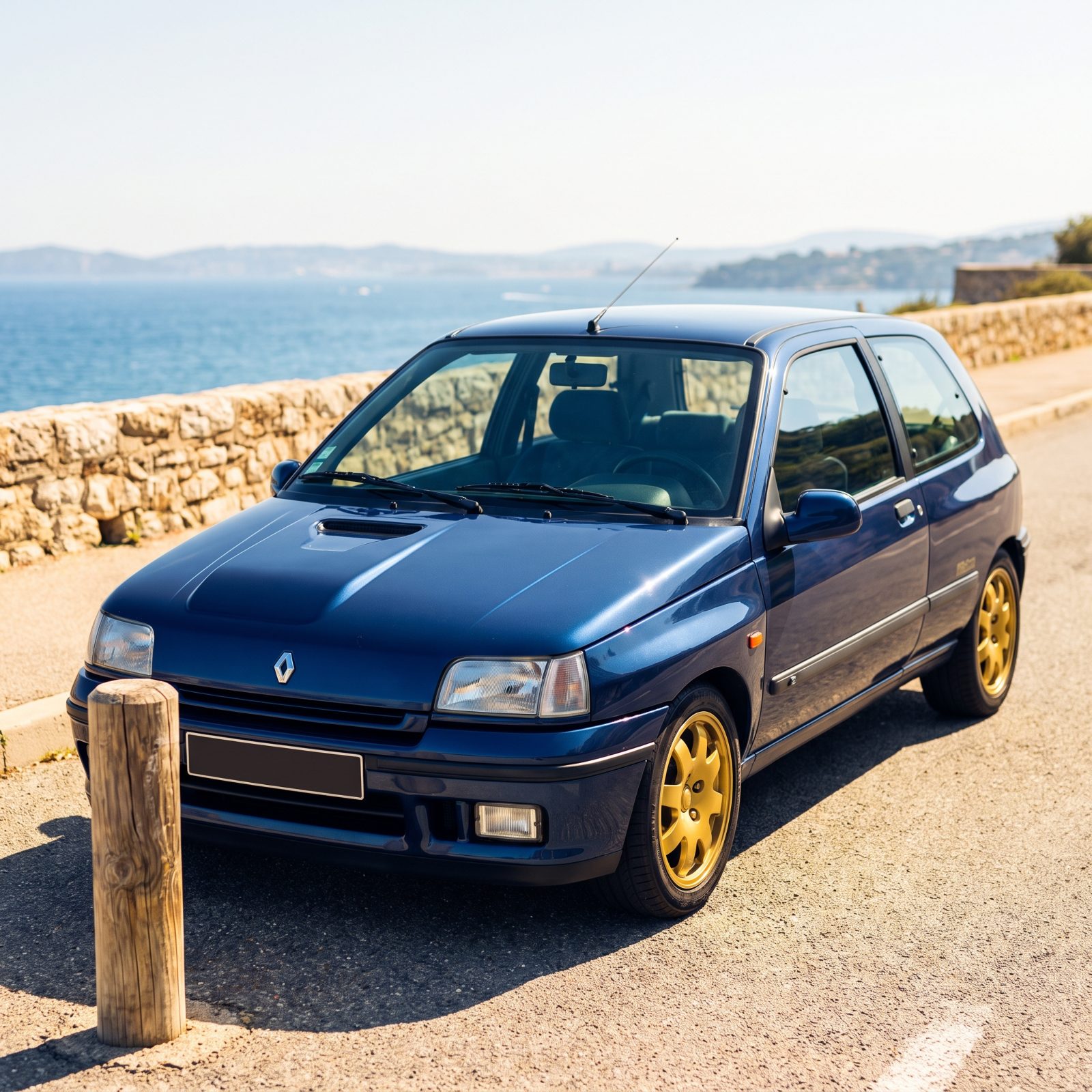
Blue paint, gold wheels, a wider track than the car it came from. The Clio Williams got that stance from rally homologation, and the single decision made it look faster parked than most cars manage flat out.
Gold five-spokes against deep metallic blue is one of those pairings that never ages. Renault built it to go rallying and accidentally built a thing people still chase thirty years later. I’d take one over something twice the money without blinking.
6. Peugeot 106 Rallye: White Steel Wheels and Almost No Equipment
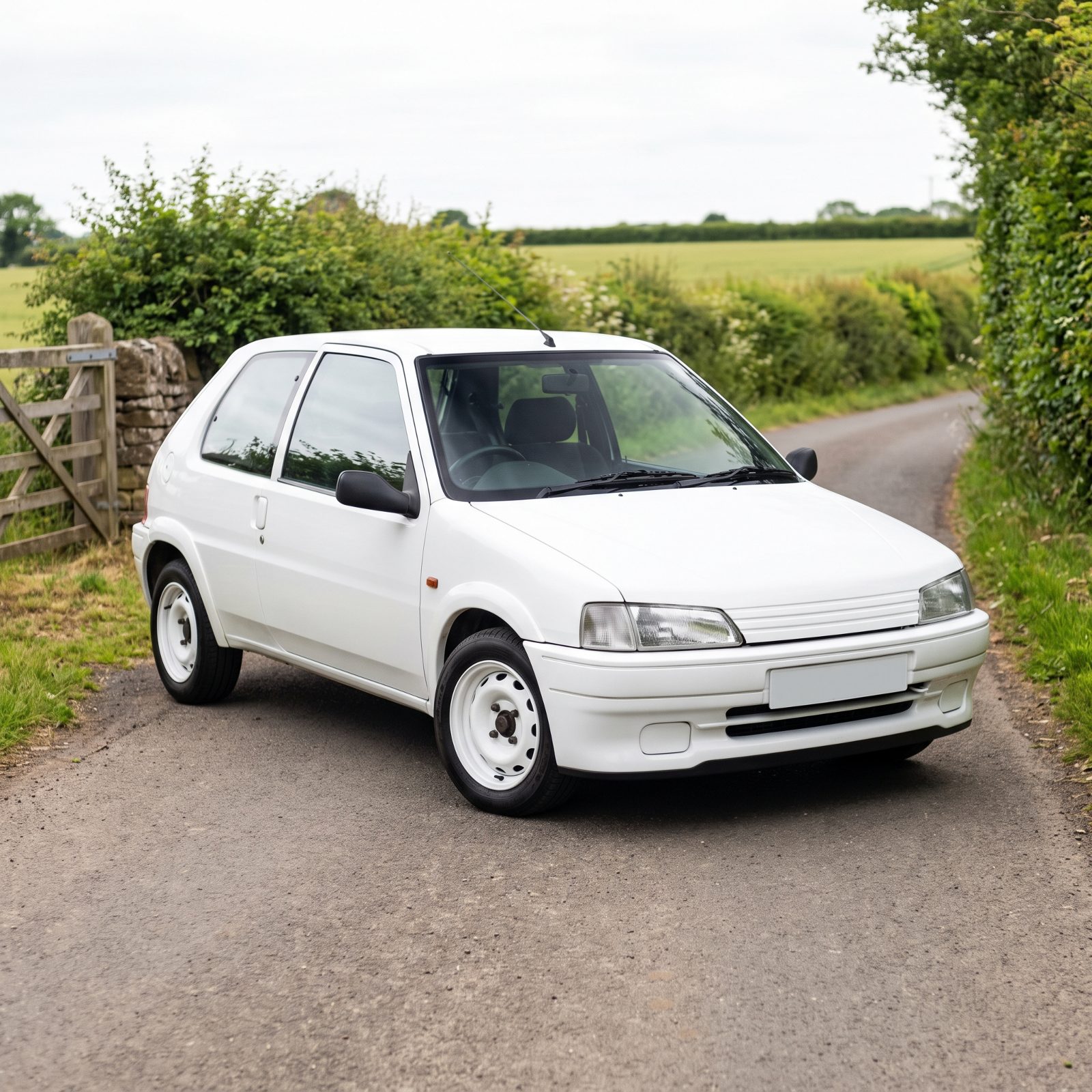
No electric windows. No power steering worth mentioning. White steel wheels where fancier cars wore alloys, because alloys add weight and this car flat-out refused the weight.
The 106 Rallye looks fast precisely because it looks like it’s missing things. That stripped-back honesty does the heavy lifting. Nothing on it is there to impress you, which is exactly why it does.
5. Ford Ka Mk1: New-Edge Curves That Look Like a Toy
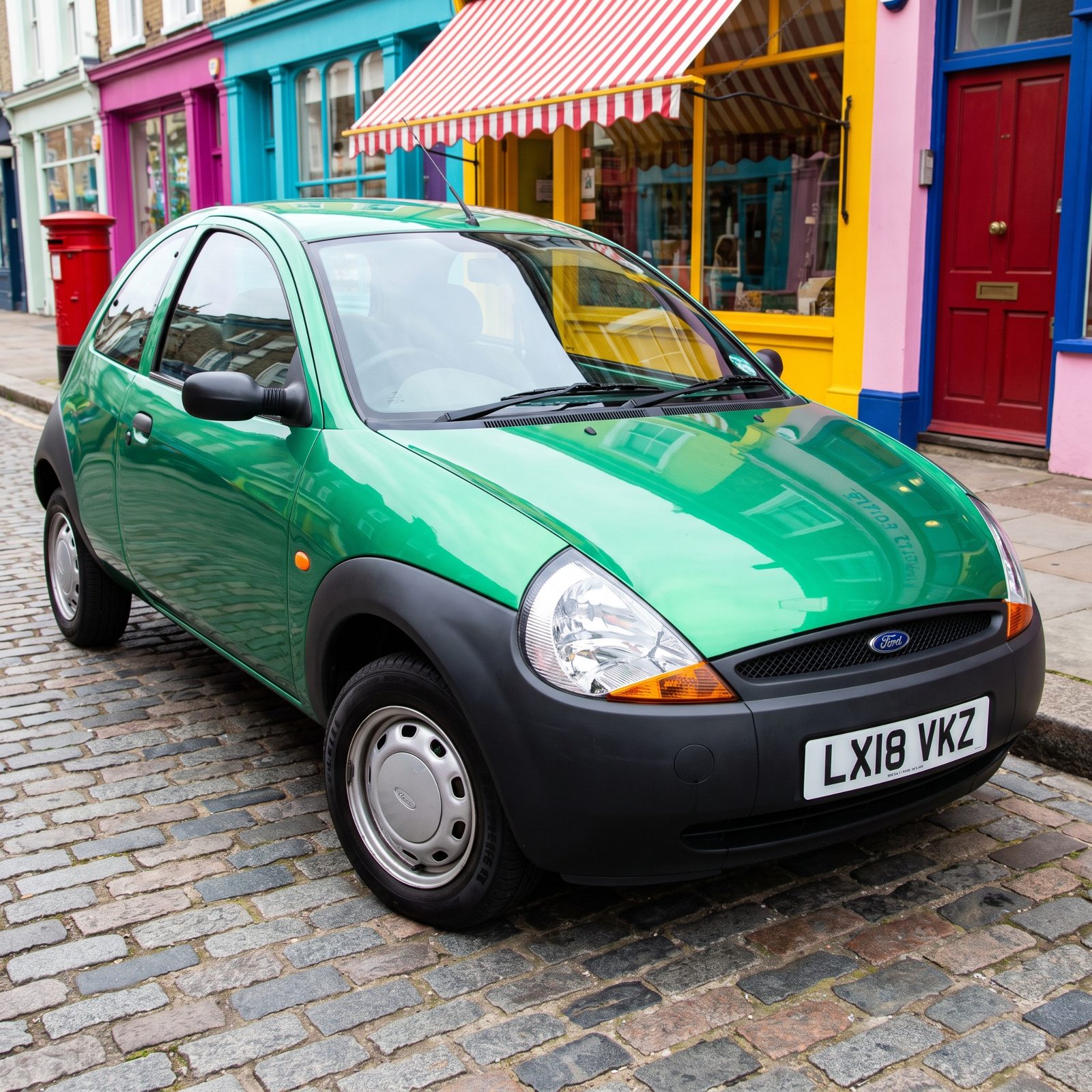
It looks like a bar of soap someone designed on purpose. The original Ka arrived in 1996 wearing Ford’s New Edge language — all curves and swooping shoulders — and it still looks like a toy that escaped the shelf. Underneath sat an aging Fiesta floorpan and a wheezy old pushrod engine, and nobody cared. The shape carried it. A cheap little car that out-charms things with badges people actually recognize, and it pulled that off on looks alone.
4. Toyota Aygo: An X-Shaped Face and a Glass Tailgate
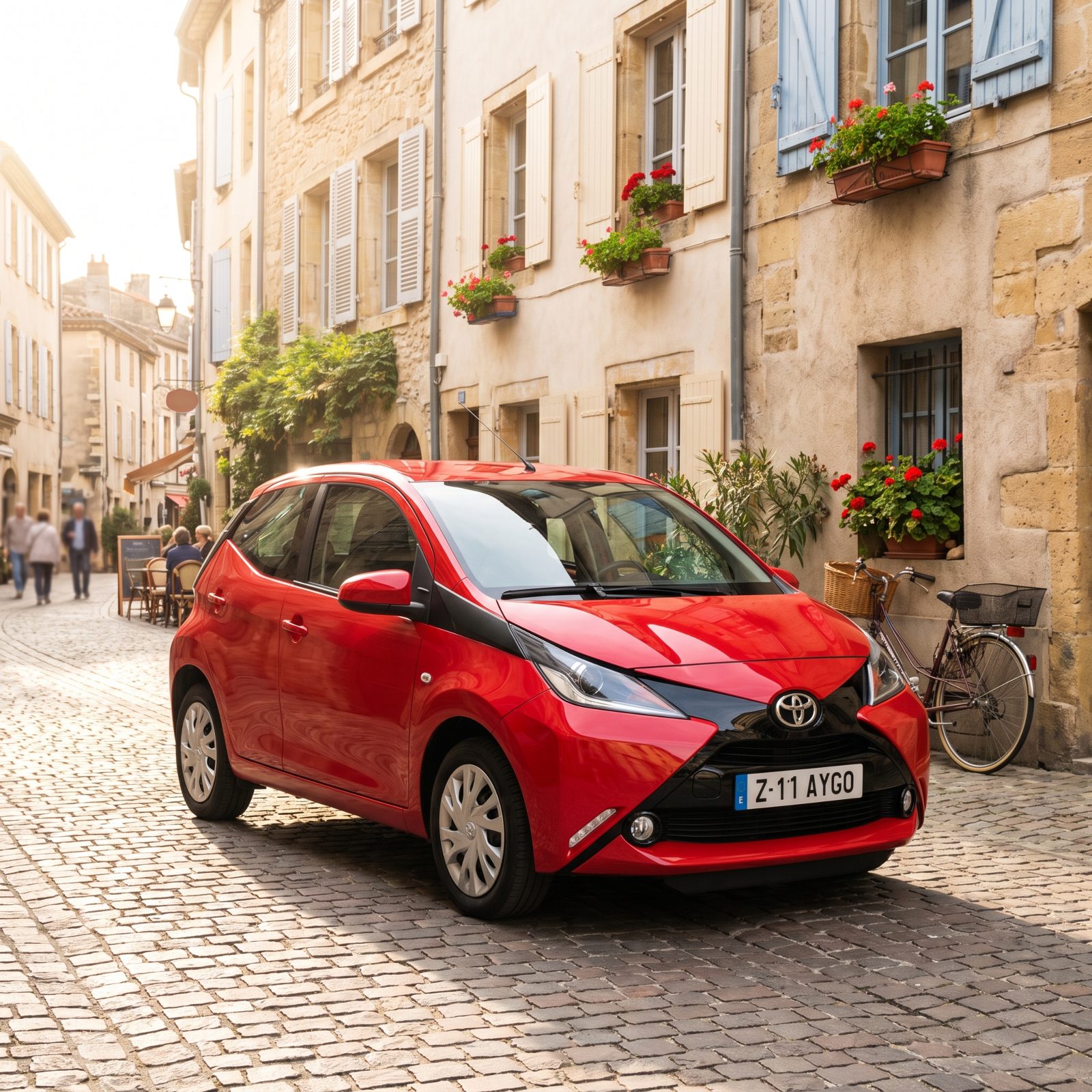
The face does all the work. That X-shaped graphic, pressed right into the bumper and the headlight line, hands a cheap city car the swagger of something far pricier. Toyota built the Aygo alongside Peugeot and Citroën to split the bill, and you can see exactly where the pennies went — into character rather than chrome.
The cleverest bit hides at the back. A frameless glass tailgate, no bodywork around it, just a sheet of glass that lifts up and out. It shaves weight, trims cost, and reads sharper than the pressed-steel hatch bolted onto cars twice the money. Under 2,100 pounds, the thing parks in a space you’d normally laugh at.
3. Microlino: A Modern Bubble Car You Enter Through the Nose
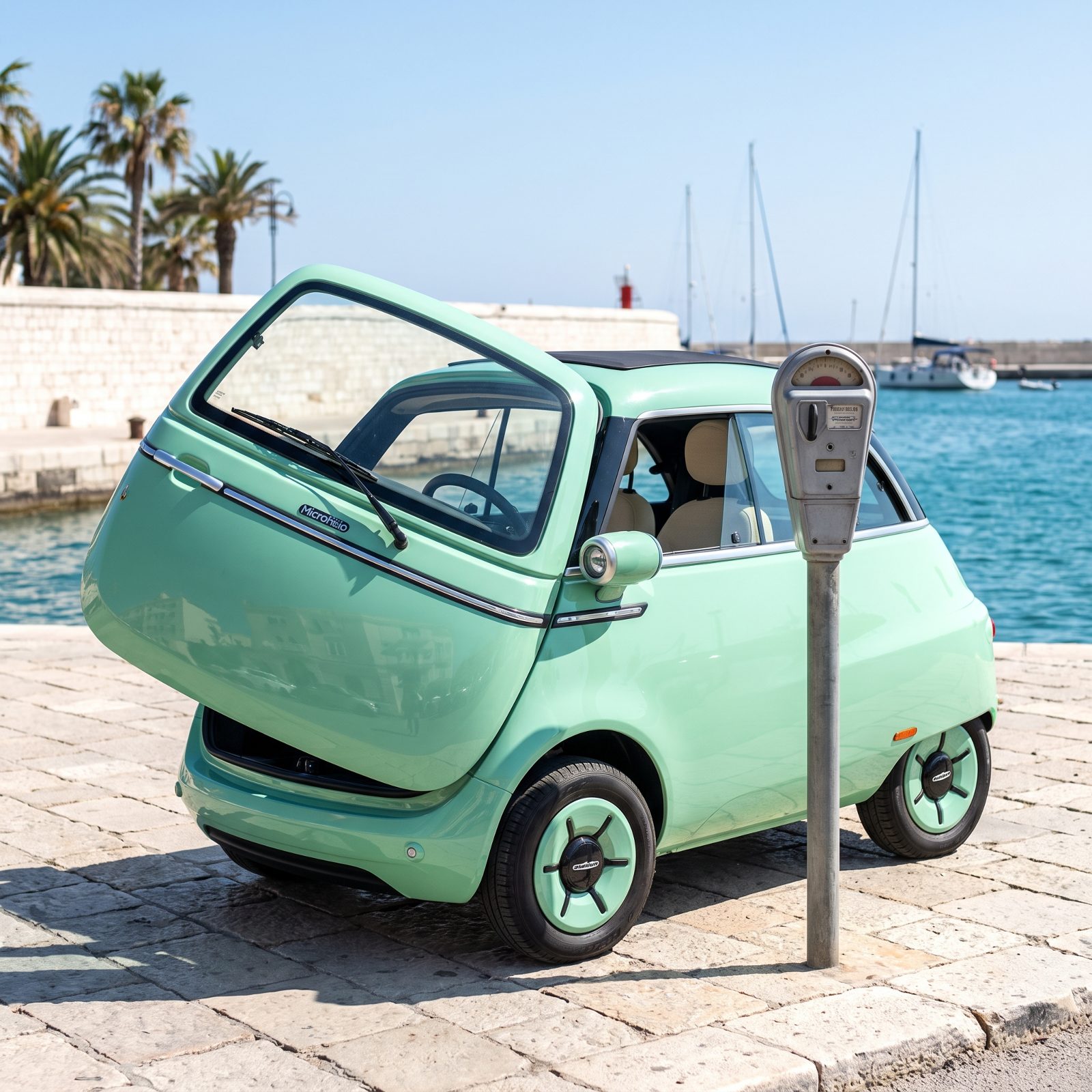
You climb in through the front. The entire nose swings open like a fridge door, a straight tip of the cap to the Isetta bubble cars of the 1950s, and it’s the sort of thing that stops pedestrians cold.
Don’t mistake it for a replica, though. This is a modern electric take on the old idea — round headlights, a face that looks genuinely glad you showed up, room for two people and a sack of groceries. It noses straight into the curb, squeezes into gaps that would give a scooter second thoughts, and pulls more grins per mile than machines wearing six-figure stickers. Charm doing a job that sheet metal usually fumbles.
2. Mitsuoka Viewt: A Tiny Nissan in a Vintage Jaguar Suit
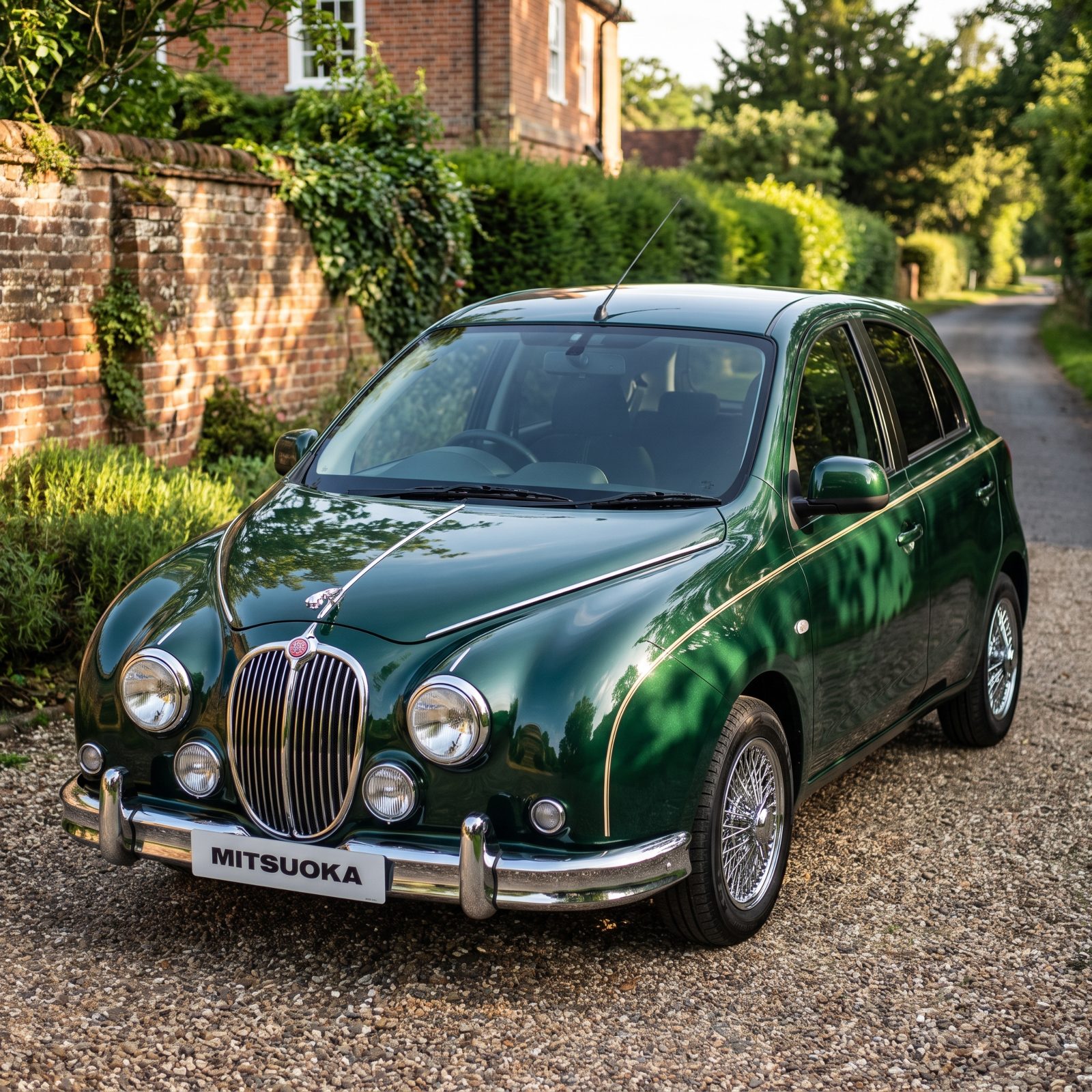
Underneath, it’s a plain old Nissan Micra. On the outside, it’s decided to be a 1960s Jaguar. The Japanese coachbuilder Mitsuoka bolts a long chrome nose, round quad headlights, and a proper vintage grille onto a humble economy hatchback, and the result is one of the most charming things on four wheels.
By every rule it shouldn’t work. A big classic face sitting on a stubby modern body — the proportions are flat-out wrong, and that’s precisely the joy of it. You’re grinning before you’ve even sorted out what you’re looking at.
It’s a Micra wearing a dinner jacket, and I mean that as the highest compliment.
1. Classic Mini Cooper: Wheels Shoved Into the Corners
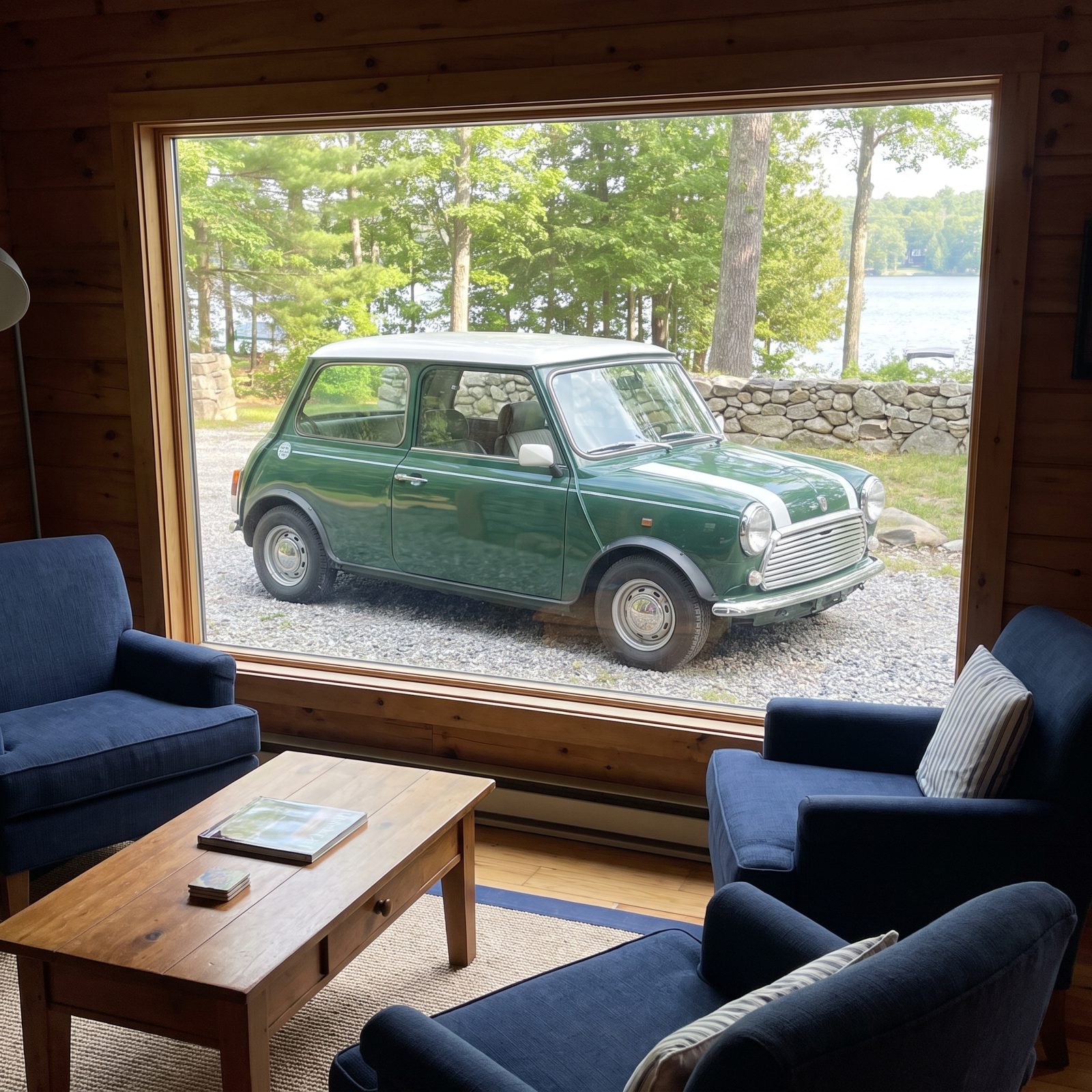
Alec Issigonis shoved the wheels out to the four corners and turned the engine sideways, and by doing it he more or less invented the small car we all know. Ten-inch wheels, next to no overhang, a cabin that somehow swallows four adults inside a footprint shorter than most modern hatchbacks.
The look fell straight out of the engineering, not a stylist’s pad, which is why it still looks right sixty years on. Nothing’s there for show. The stubby nose, the planted stance, those cheeky round headlamps — all of it chases function. And drive one? The layout cashes in. It darts into bends like it’s running on rails, which is how something that cheap ended up conquering Monte Carlo.