Would you like to save this?
Nobody builds a car company planning to fail. Yet the American roadside is littered with nameplates that vanished, some after a single season, some after decades of near-misses. The reasons rarely make the history books. A financing war in a boardroom. A convertible that cost more to build than it sold for. A fraud conviction. A parent company quietly deciding its own showroom star had gotten too pricey to keep around. These are the marques that got the engineering right and the arithmetic wrong.
Please note that some of the images in this article were created with the assistance of AI.
49. Peerless: A Luxury Giant That Walked Away From Cars to Brew Beer
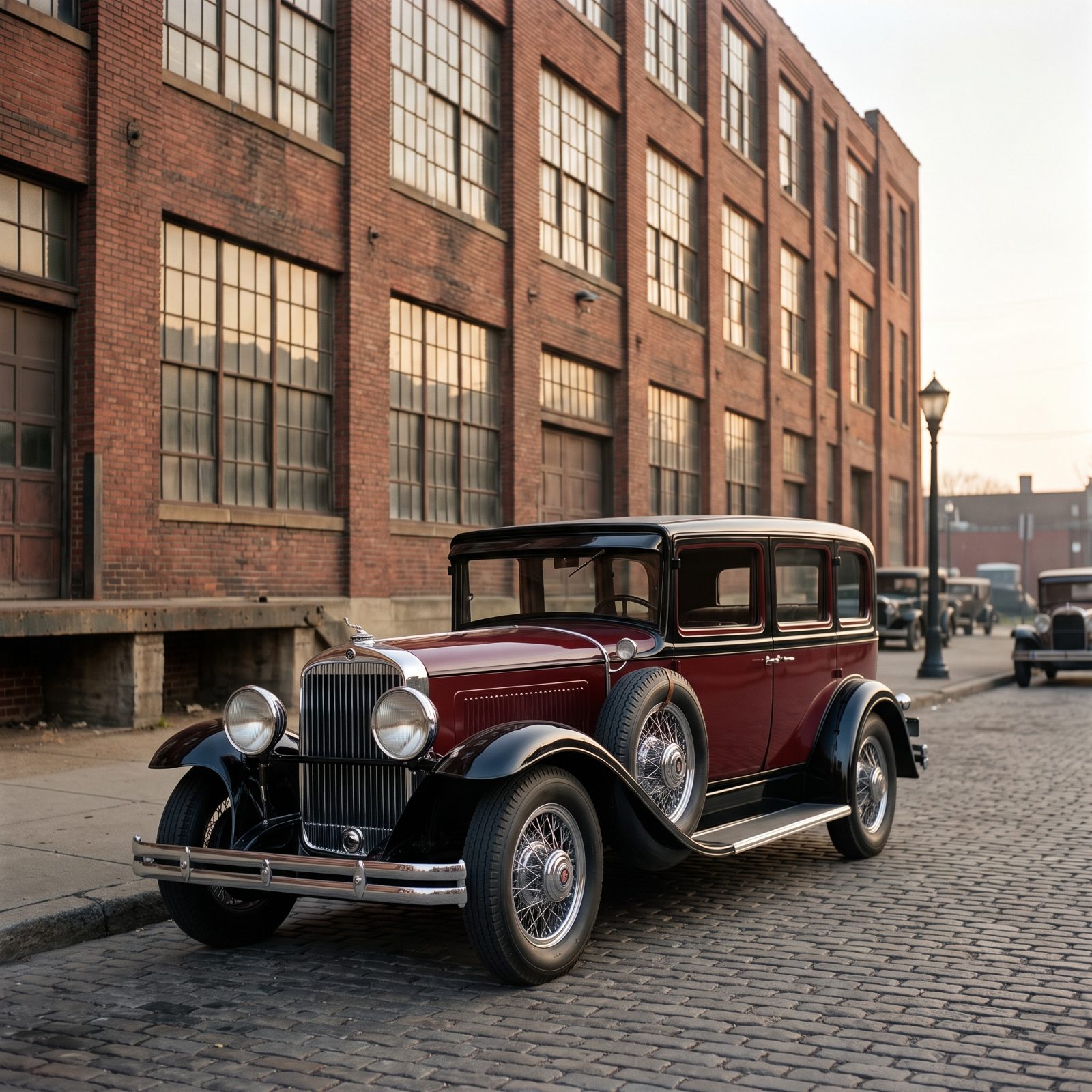
Peerless built cars good enough to sit beside Packard and Pierce-Arrow, that three-name luxury club that assumed it would always have customers. Then the customers stopped coming. The Depression gutted the market for enormous expensive sedans almost overnight, and Peerless had nothing cheaper to sell.
So the company did something no rival dared: it quit building cars entirely. When Prohibition ended in 1933, Peerless converted its Cleveland plant and became the Peerless Corporation, brewing Carling’s Black Label beer under license. The tooling that once stamped luxury bodies went quiet for good.
48. Ruxton: The Front-Drive Marvel Strangled in a Boardroom Fight
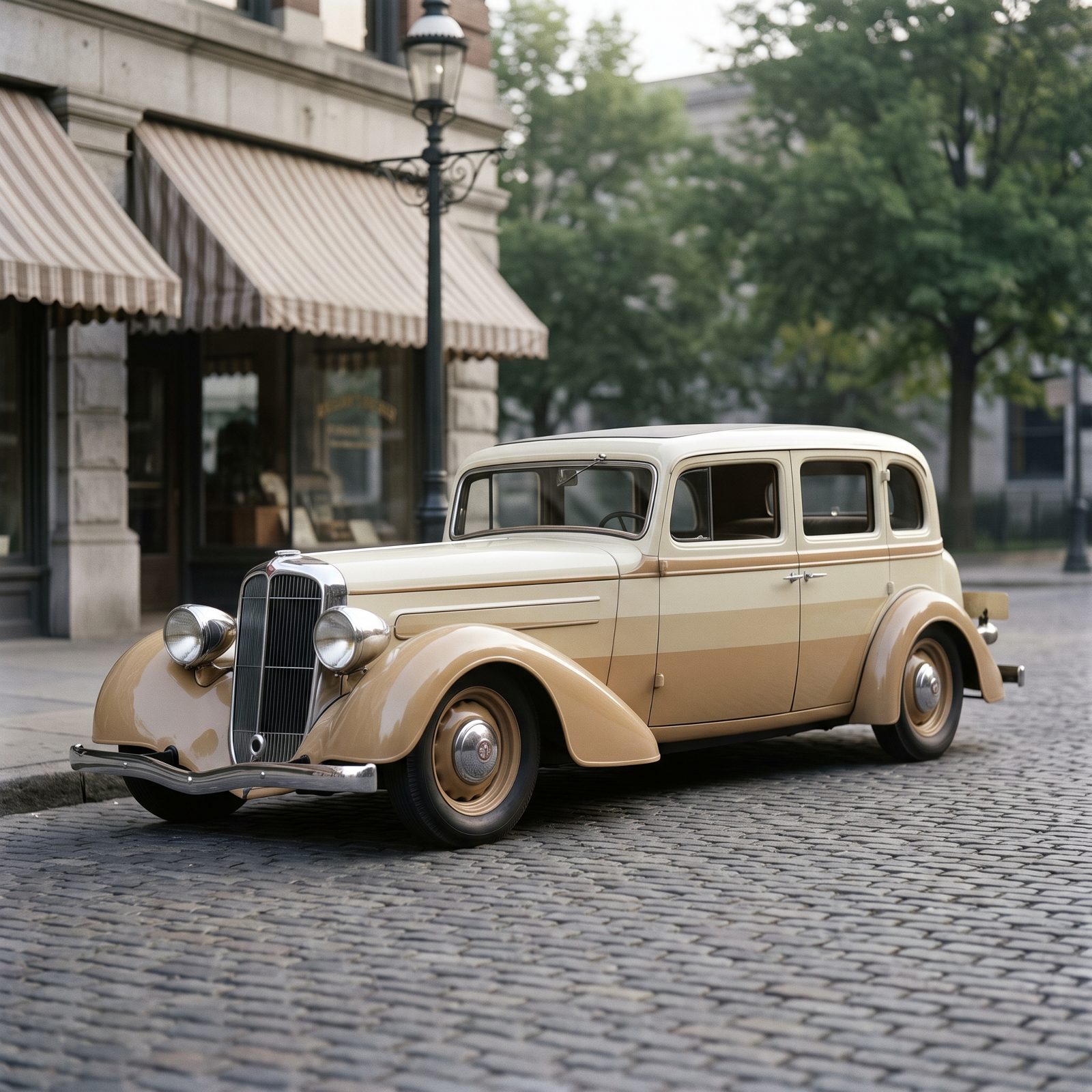
The Ruxton should be remembered as an engineering triumph. Front-wheel drive, a dramatically low body that let people climb in without clambering over high running boards, and those big round chrome headlamps. On the road it turned heads. In the boardroom it never stood a chance.
The company behind it, New Era Motors, got tangled in a financing and control war between competing executives and the two plants trying to build the thing. Lawsuits, stock maneuvering, and a receivership showed up faster than real production did. Only a few hundred cars were finished before the whole operation collapsed in 1931. A brilliant machine, killed by the very people meant to sell it.
47. Oakland: The Parent Brand Its Own Companion Car Swallowed Whole
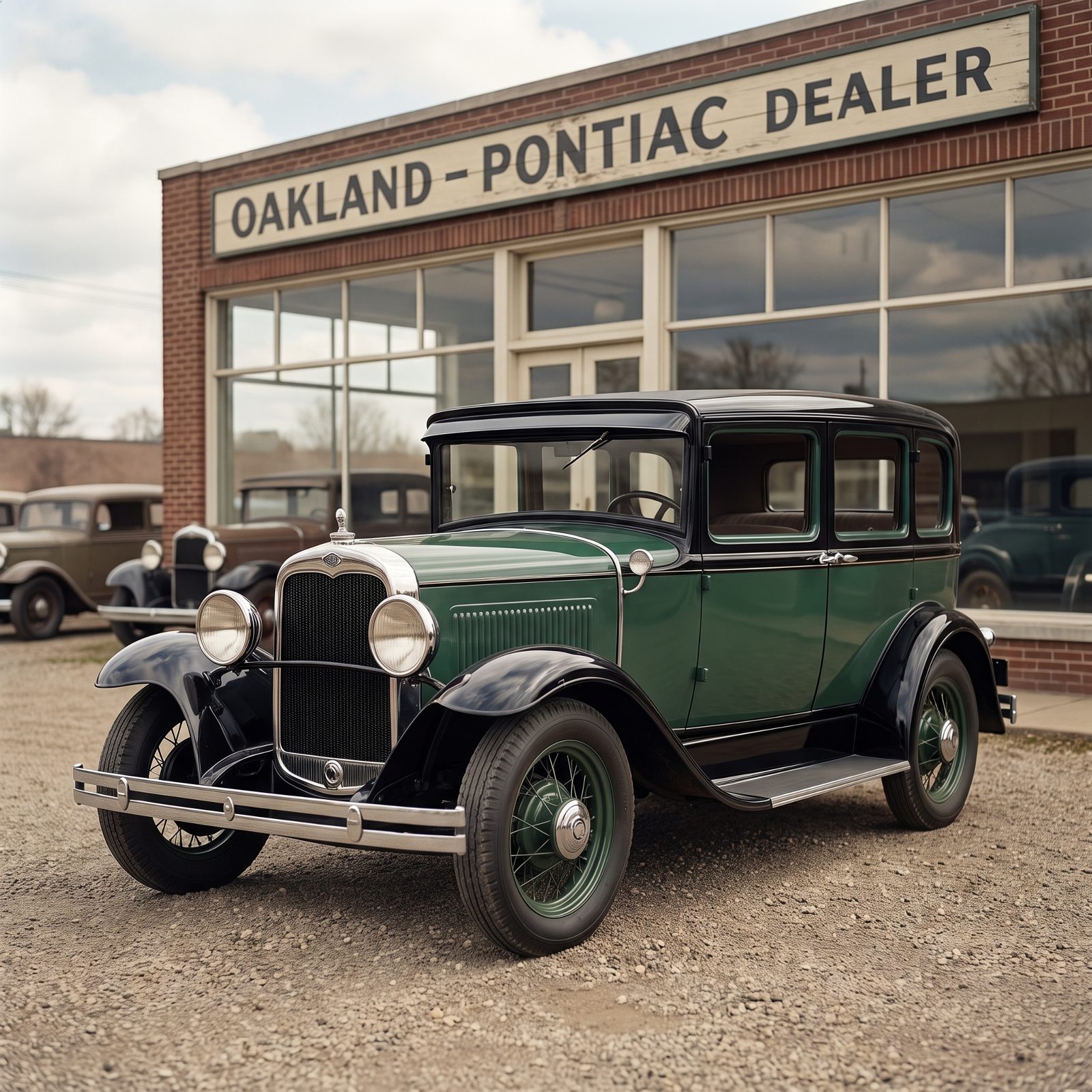
Oakland did everything right and still got replaced by its own offspring. General Motors built the brand to slot between Chevrolet and Oldsmobile, a solid mid-priced make with a decent reputation.
Then in 1926 GM rolled out a lower-priced companion car under Oakland’s own umbrella, named Pontiac. Buyers took one look at the cheaper, better-value Pontiac and voted with their wallets. Within a few years the companion was outselling the parent by a wide margin.
By 1931 GM saw no reason to keep two overlapping names alive. Oakland built its final cars and quietly stepped aside, letting Pontiac carry on from the very division it had been born to support. The child outlived the parent by nearly eighty years.
46. Playboy: The Little Convertible That Could Never Find Its Money
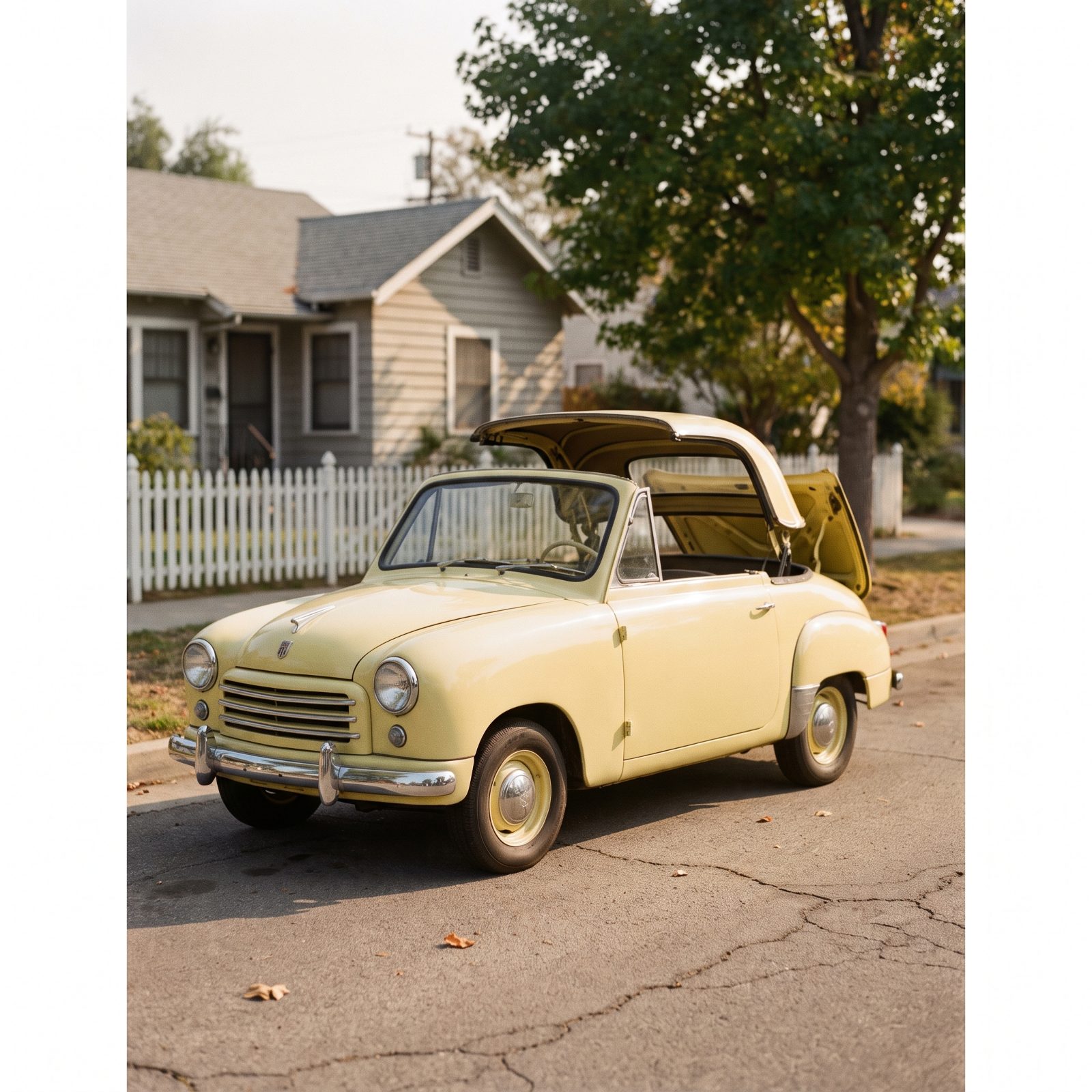
Right after the war, a trio in Buffalo bet that returning servicemen and thrifty families would want something small and cheap. The Playboy was a pint-sized convertible with a clever retractable hardtop, years ahead of the hardtop convertibles the big makers would popularize later.
The engineering was sound. The capital was not. The company needed money to tool up for real volume and dealers to move the cars, and it could never pull together enough of either. A stock offering fizzled. Only a few dozen prototypes and production cars rolled out before the operation folded in 1951.
45. Davis: The Three-Wheeler Brought Down by a Fraud Conviction
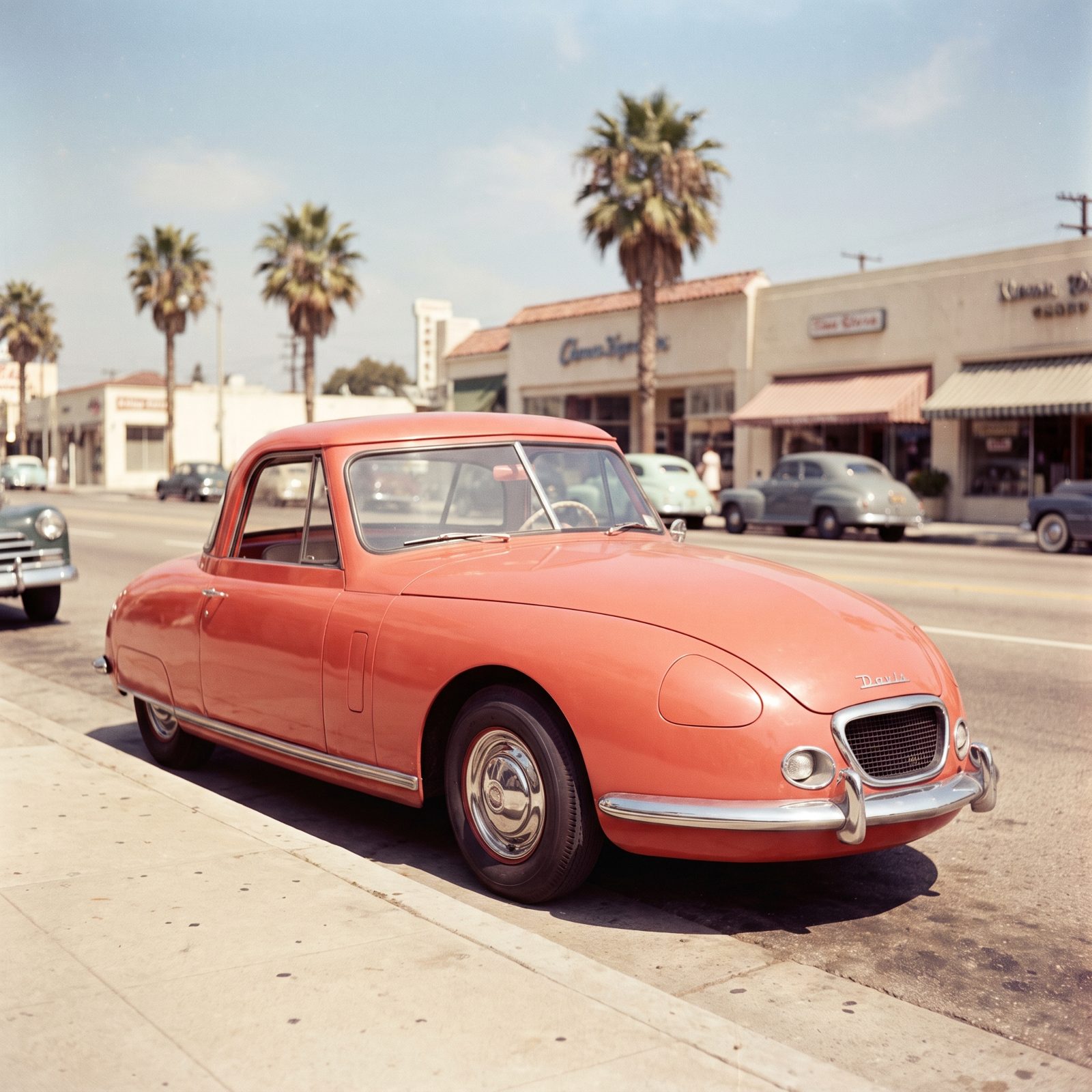
A rounded little coupe riding on three wheels, with a single front wheel tucked under the nose and a bench that seated four across. The Davis looked like the future, promised wild fuel economy and high speeds, and pulled in a fortune from eager dealers who paid for territory rights up front.
That up-front money turned out to be the whole business. When promised cars never arrived in anything close to the quantities sold, the dealers and unpaid workers went to the authorities. The founder was convicted of fraud and grand theft and went to jail. Only a handful of the sleek little things were ever finished. A promising design undone not by its chassis but by a courtroom.
44. Muntz: The Hand-Built Jet That Lost Money on Every Sale
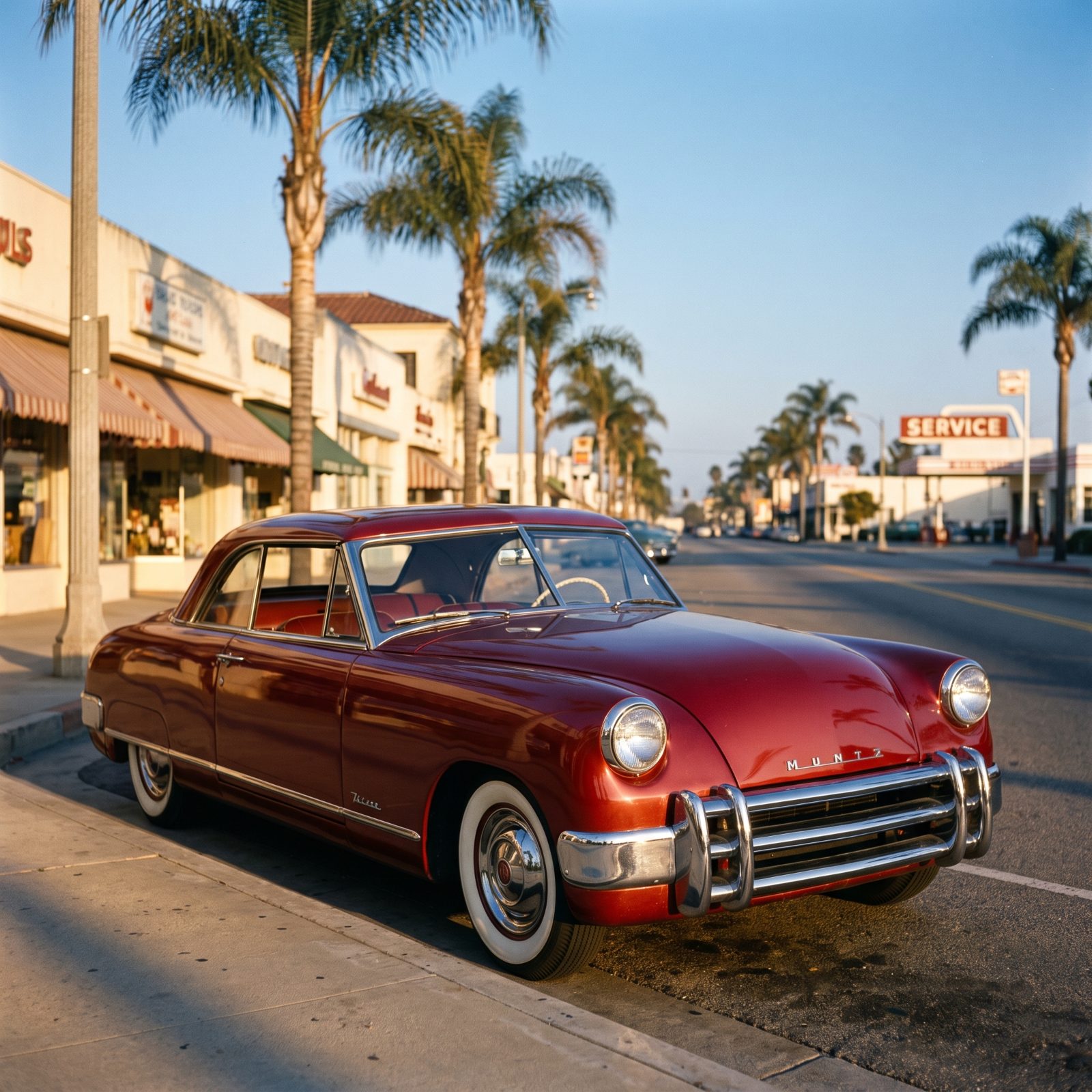
Earl Muntz made his money selling used cars and televisions, and he priced his sports car the way a showman prices a ticket: low enough to draw a crowd. The Muntz Jet was a genuine grand tourer, long and fast and loaded, hand-assembled in small batches.
Here was the problem no amount of salesmanship could fix. Each car cost more to build than the company could sell it for. Hand-building a low-volume car means craftsman wages and expensive components with no economy of scale. Every Jet that left the shop widened the hole. After a few hundred cars and real losses, Muntz did the sane thing and went back to televisions.
43. Jordan: The Little Custom That Bled a Company Dry Before the Crash
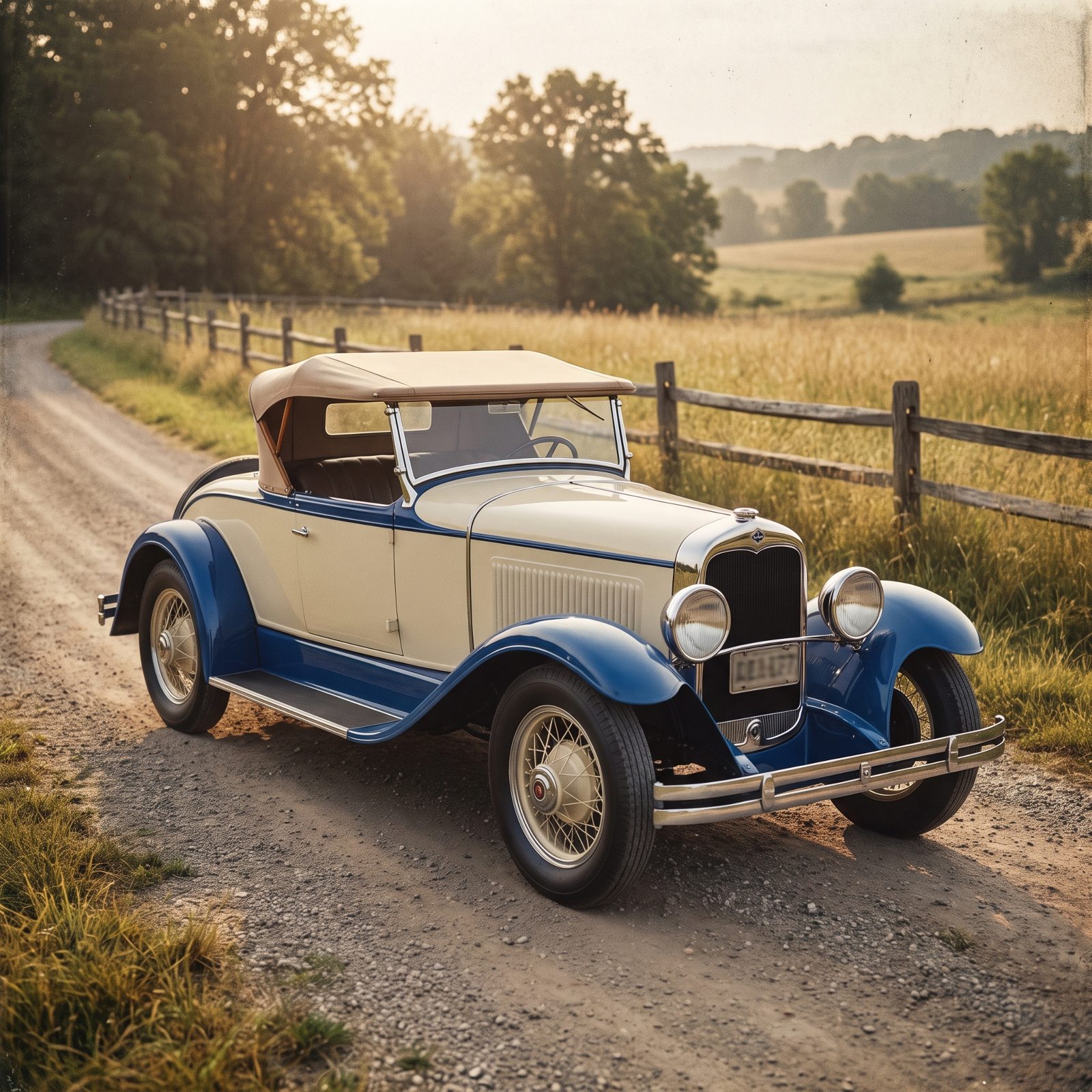
Jordan practically invented emotional car advertising, famous for selling the feeling of the open road rather than horsepower figures. For a while that romance moved a lot of metal.
Chasing more of it, Jordan poured money into a smaller luxury model meant to broaden the lineup. Development and tooling costs ran heavy, the sales never matched the investment, and the company was already stretched thin. When the stock market crashed in 1929, there was no cushion left to absorb the blow.
Cruel timing. A single overreaching model drained the reserves in exactly the year a company needed every dollar. Jordan closed in 1931, remembered far better for its words than its cars.
42. Wills Sainte Claire: Engineering So Good It Priced Itself to Death
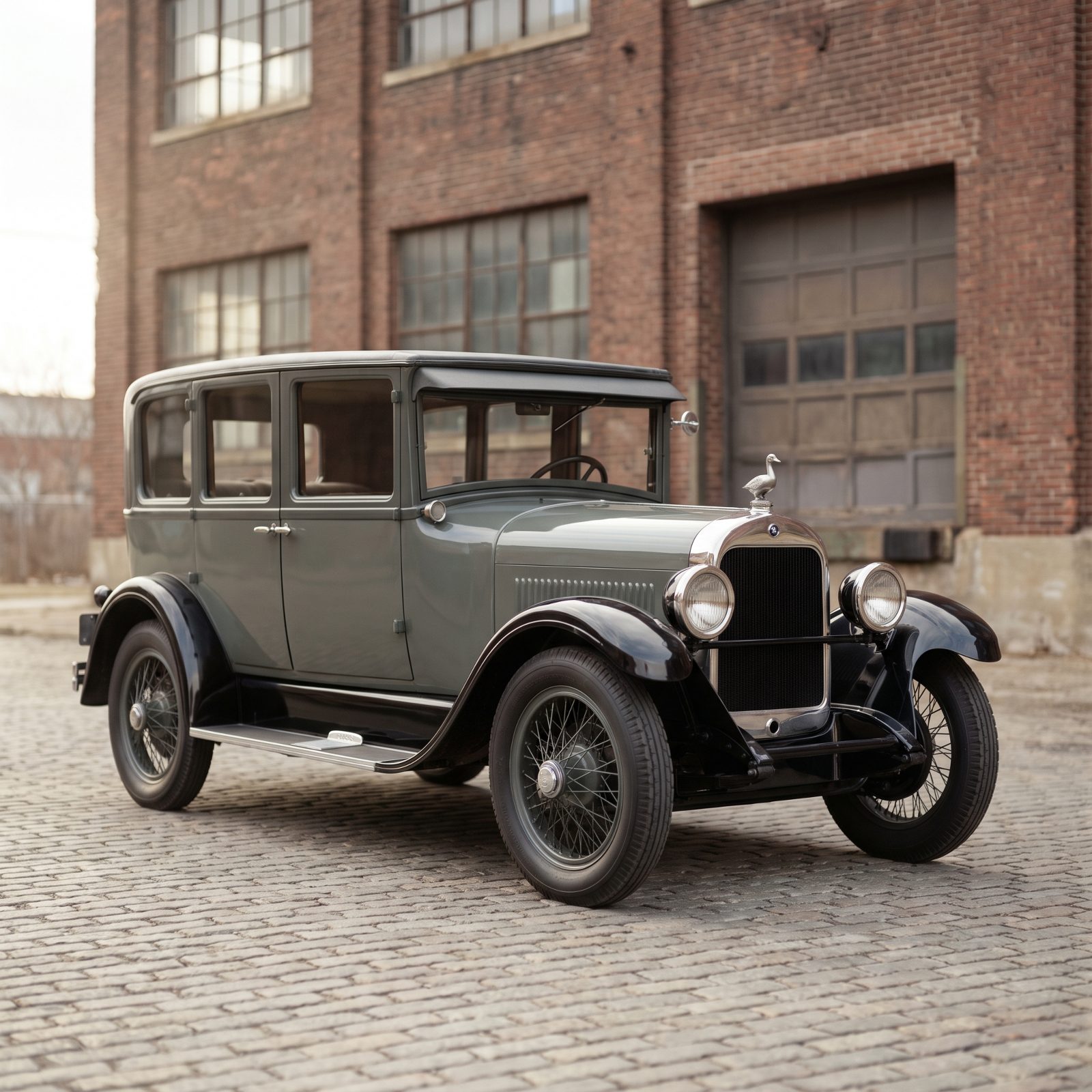
The man behind Wills Sainte Claire helped engineer the Model T, then left Ford determined to build a car with no compromises whatsoever. He pulled it off. The result used advanced molybdenum steel, an overhead-cam V8, and overbuilt components that sat ahead of almost everything else on the road.
That obsession was the whole trouble. Flawless engineering cost a fortune to produce, and the founder reportedly halted the assembly line to make improvements mid-run, which is wonderful for quality and ruinous for a factory’s books.
41. Continental: The Mark II Ford Lost Money On With Every Handshake
Would you like to save this?
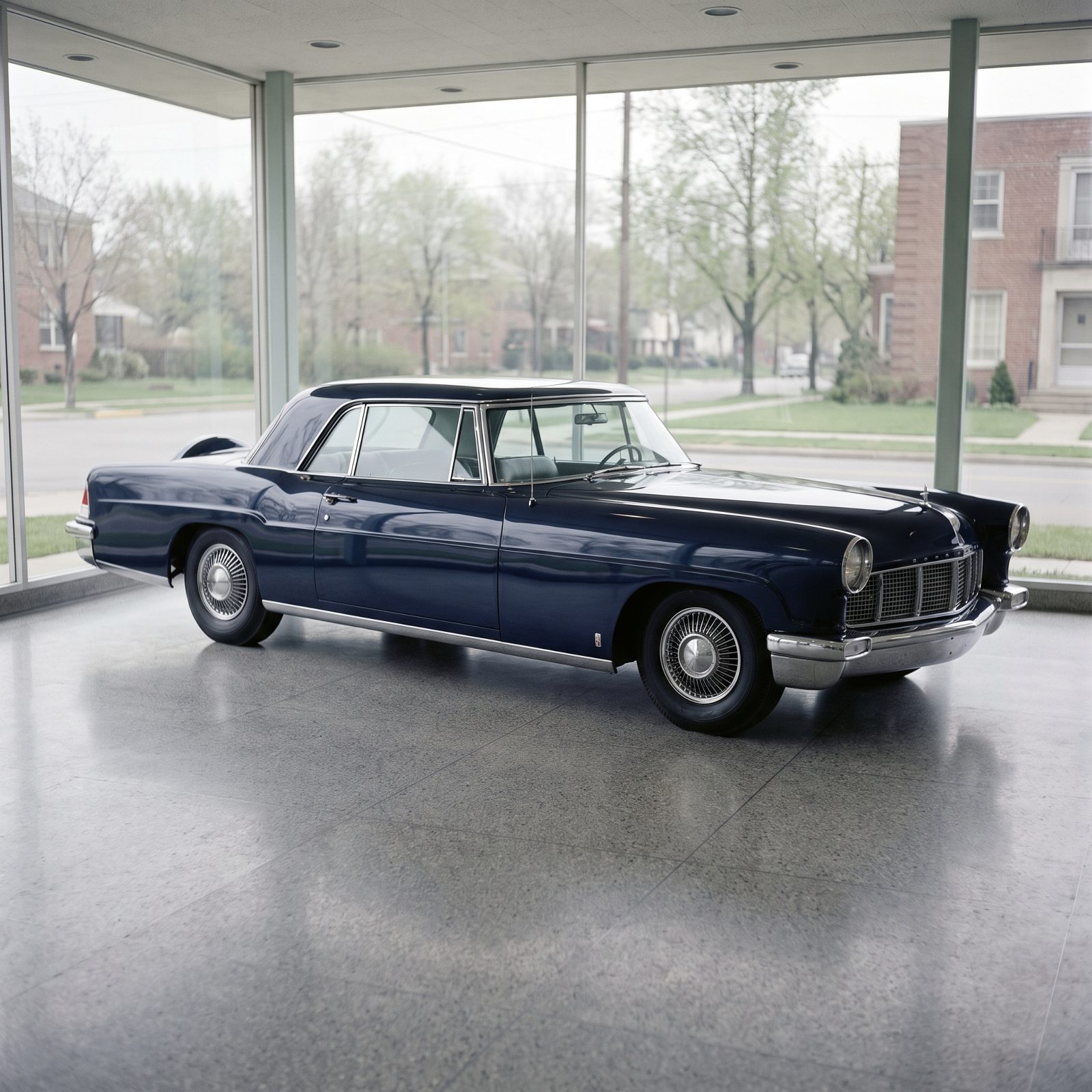
Ford set out to build the finest car in America and, by most accounts, did. The Continental Mark II of 1956 was hand-finished to a standard that shamed cars costing more. Engines got tested, bodies got polished obsessively, and the whole thing looked clean and expensive in a decade of chrome excess.
The catch was arithmetic. Even at its steep sticker price, Ford reportedly lost around a thousand dollars on every car it sold, serious money in 1956. A showcase that bleeds red ink is still bleeding.
Ford tolerated it as a prestige halo for all of two years, then dissolved the standalone Continental Division and folded the name into Lincoln. The most perfect car the company ever built was simply too expensive to keep making.
40. Dual-Ghia: Hollywood’s Favorite Convertible That No One Could Afford to Build
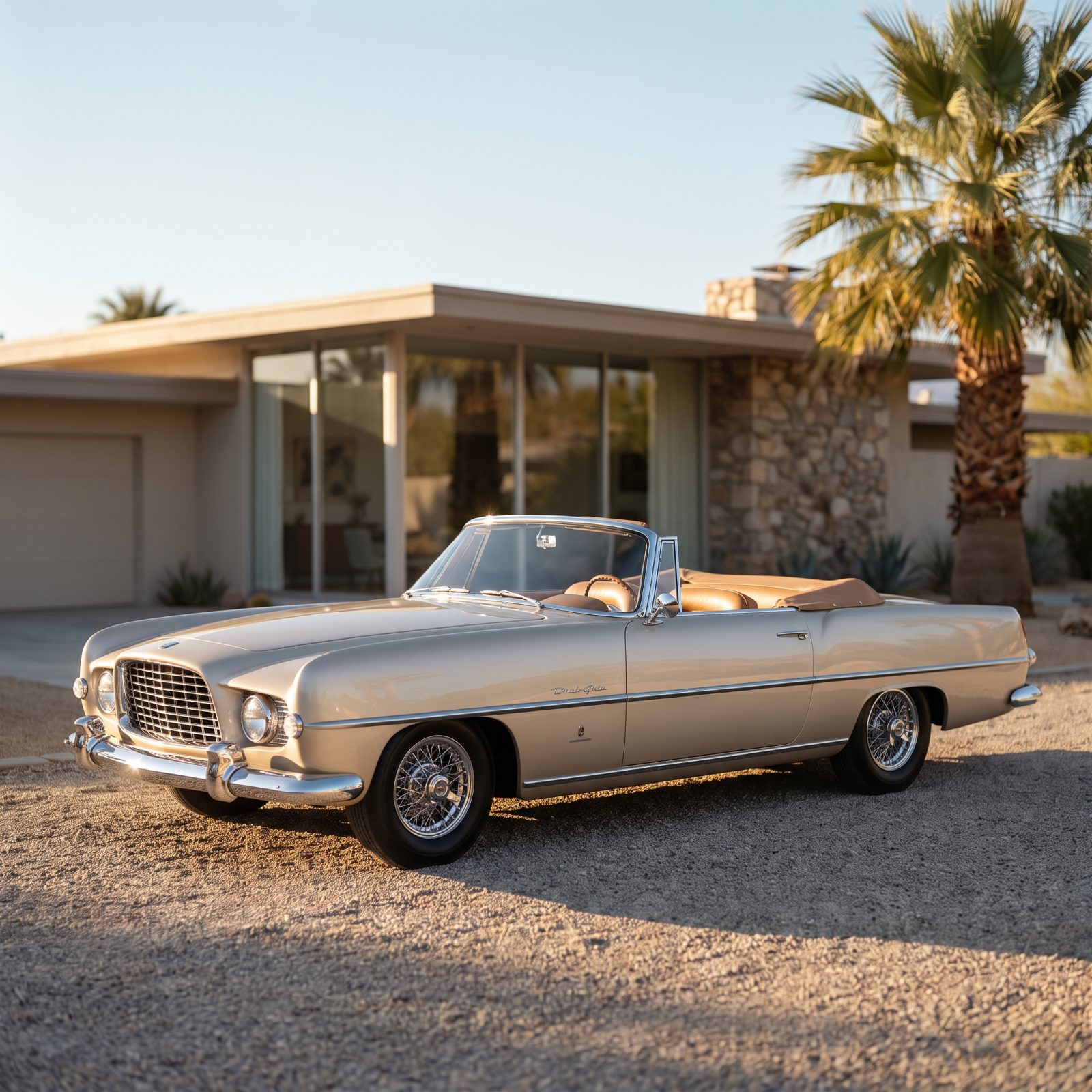
Picture the car Frank Sinatra and his friends actually wanted: a Chrysler V8 for reliability, dressed in a hand-formed Italian body by Ghia, assembled across an ocean and shipped back to America. That was the Dual-Ghia, and the Rat Pack adored it.
The glamour was real. The business model was impossible. Shipping American chassis to Turin, having them coachbuilt by hand, then sending them back cost so much the finished car could never be priced to cover it without scaring off even wealthy buyers.
Fewer than a couple hundred were ever made. Lose money on every hand-built, ocean-crossing convertible and fame from famous owners won’t save you. It just makes the obituary more glamorous.
39. Franklin: The Air-Cooled Engine That Won Races and Lost the Luxury War
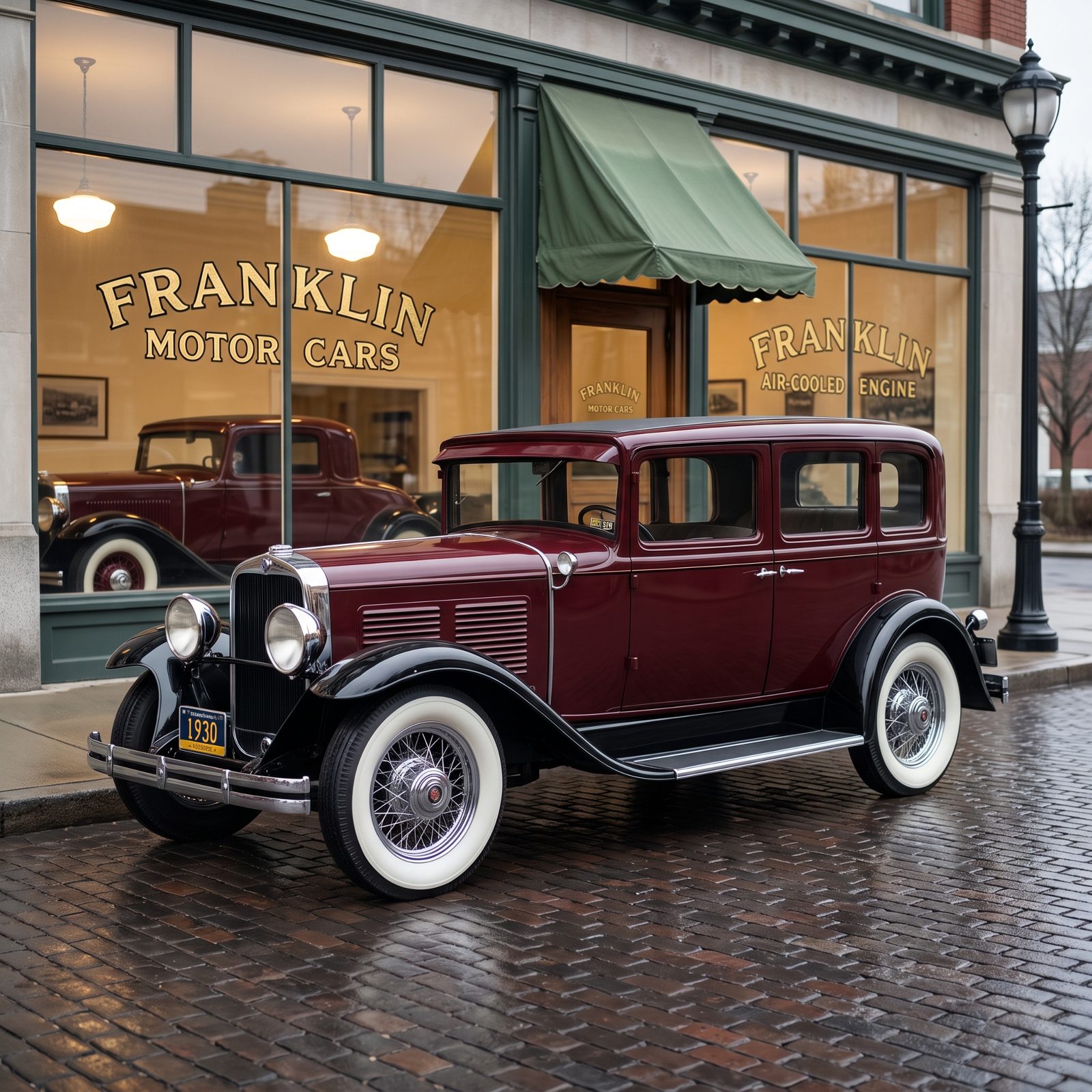
Franklin bet everything on a radiator it refused to build. While every rival cooled its engines with water, Franklin ran air over finned cylinders, and that one decision shed weight, never froze, and never boiled over crossing a desert. For twenty years it was a genuine edge nobody else had.
Then the Depression arrived. Buyers who could still afford a luxury car wanted the one thing Franklin couldn’t fake: that long, imposing grille of a Packard or a Cadillac. Franklin even bolted a dummy grille on later models to play along. Fooled nobody.
38. Marmon: A Sixteen-Cylinder Masterpiece Built at Exactly the Wrong Moment
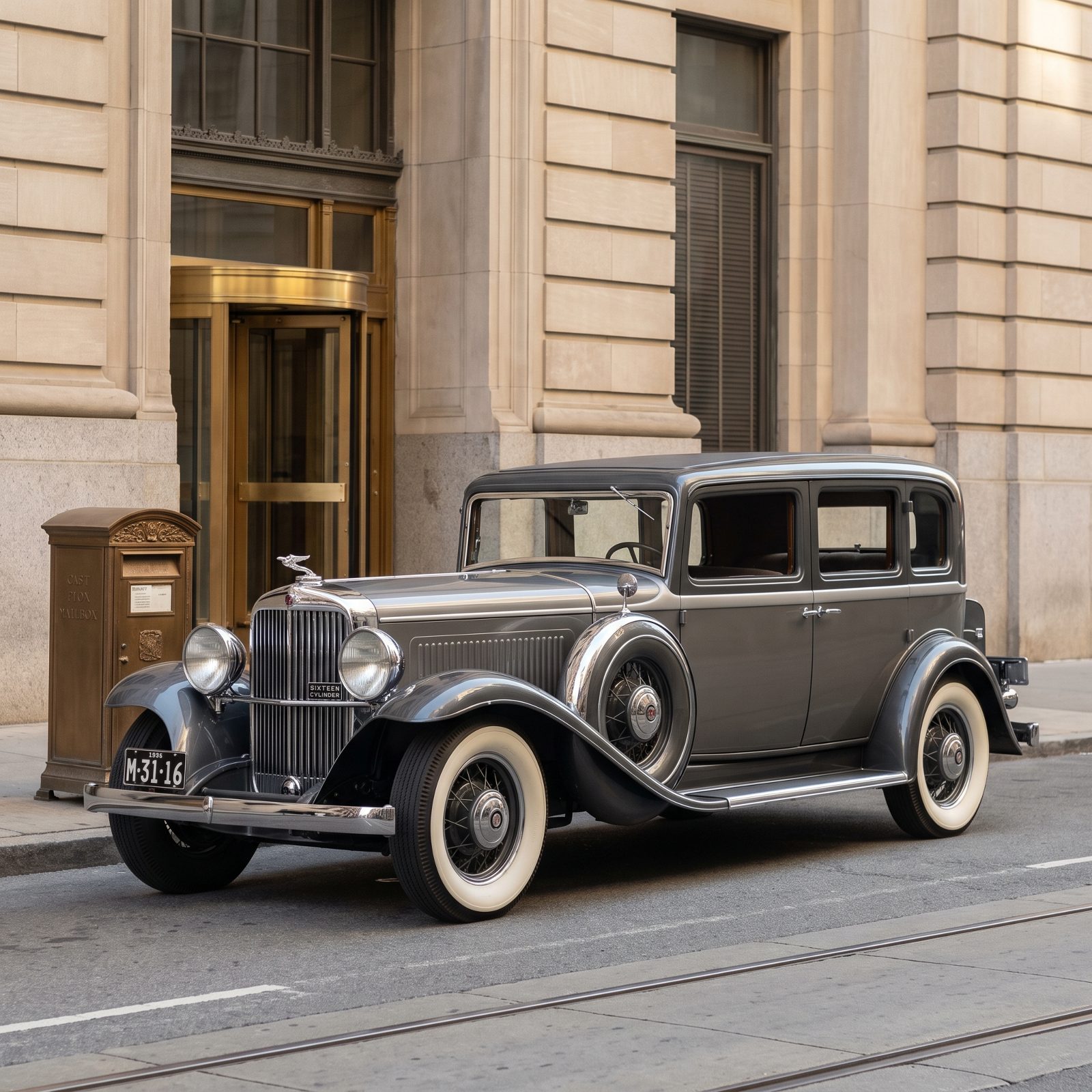
Sixteen cylinders. Marmon engineers built one of the finest engines any American company ever turned out, an aluminum V16 that made the car silky and savagely fast. It arrived in 1931 — two years after the stock market had vaporized the exact customers who could buy it.
Desperate for volume, Marmon had already lunged downmarket with cheaper models to chase ordinary buyers, and that move stranded the company in no-man’s-land: too expensive for the mass market, too compromised for the elite. So the glorious Sixteen became a monument to a market that no longer existed. By 1933 the Indianapolis works had stopped building cars entirely.
37. Cord: The Front-Drive Marvel Rushed to Market Before It Was Ready
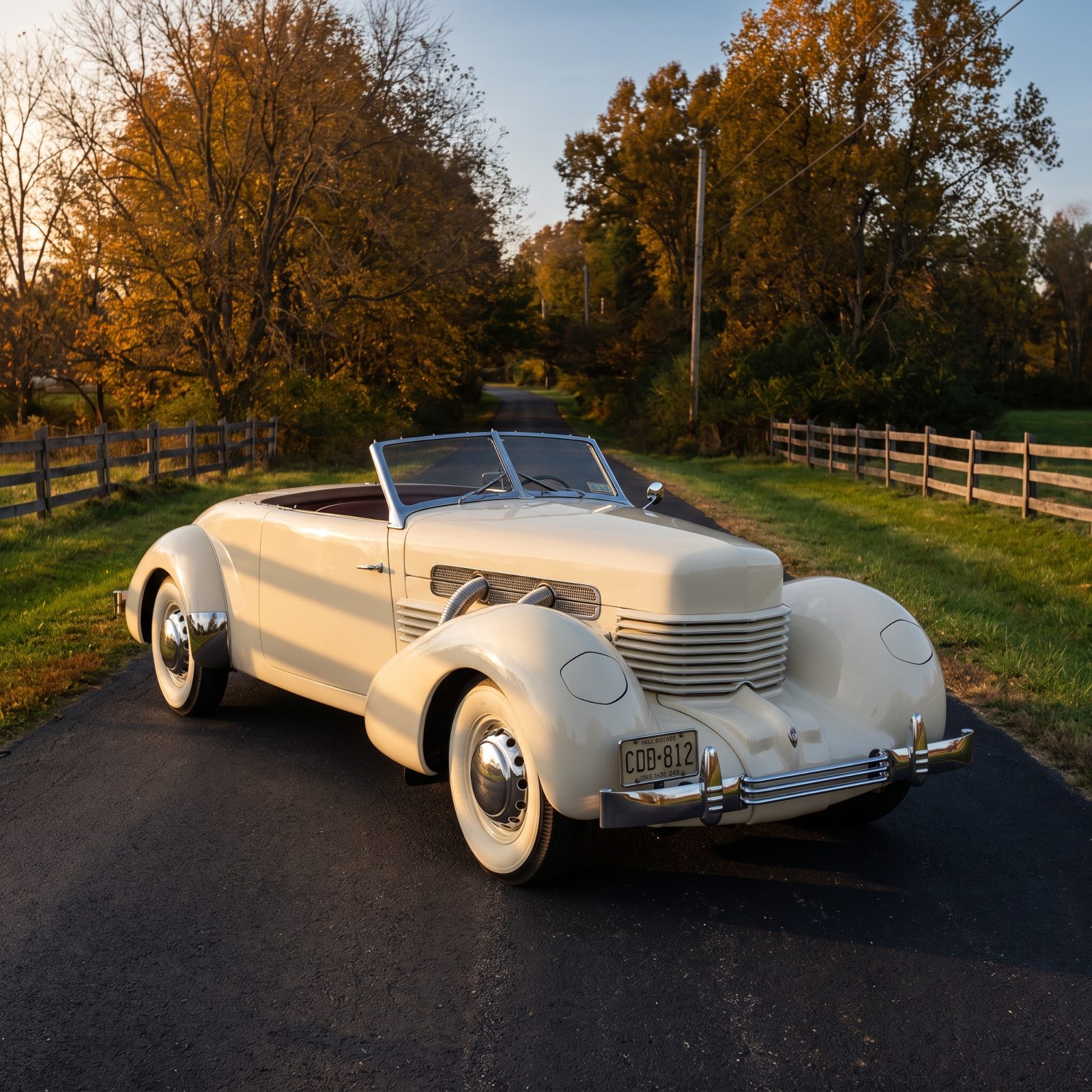
The Cord 810 looked like it had driven in from 1950. Hidden headlamps, front-wheel drive, a dash full of engine-turned aluminum, and that unmistakable louvered nose stopped crowds cold at the 1935 New York show. Orders poured in.
Then reality caught up, because the car wasn’t finished. Early examples slipped out of gear, the semi-automatic transmission jammed, and the complex front-drive setup earned a fast reputation for trouble. Buyers who’d put money down waited months while the word of mouth soured. A car this advanced needed flawless execution, and the cash ran out long before the bugs did. Production ended in 1937.
36. King Midget: The Mail-Order Microcar That Couldn’t Survive the Rulebook
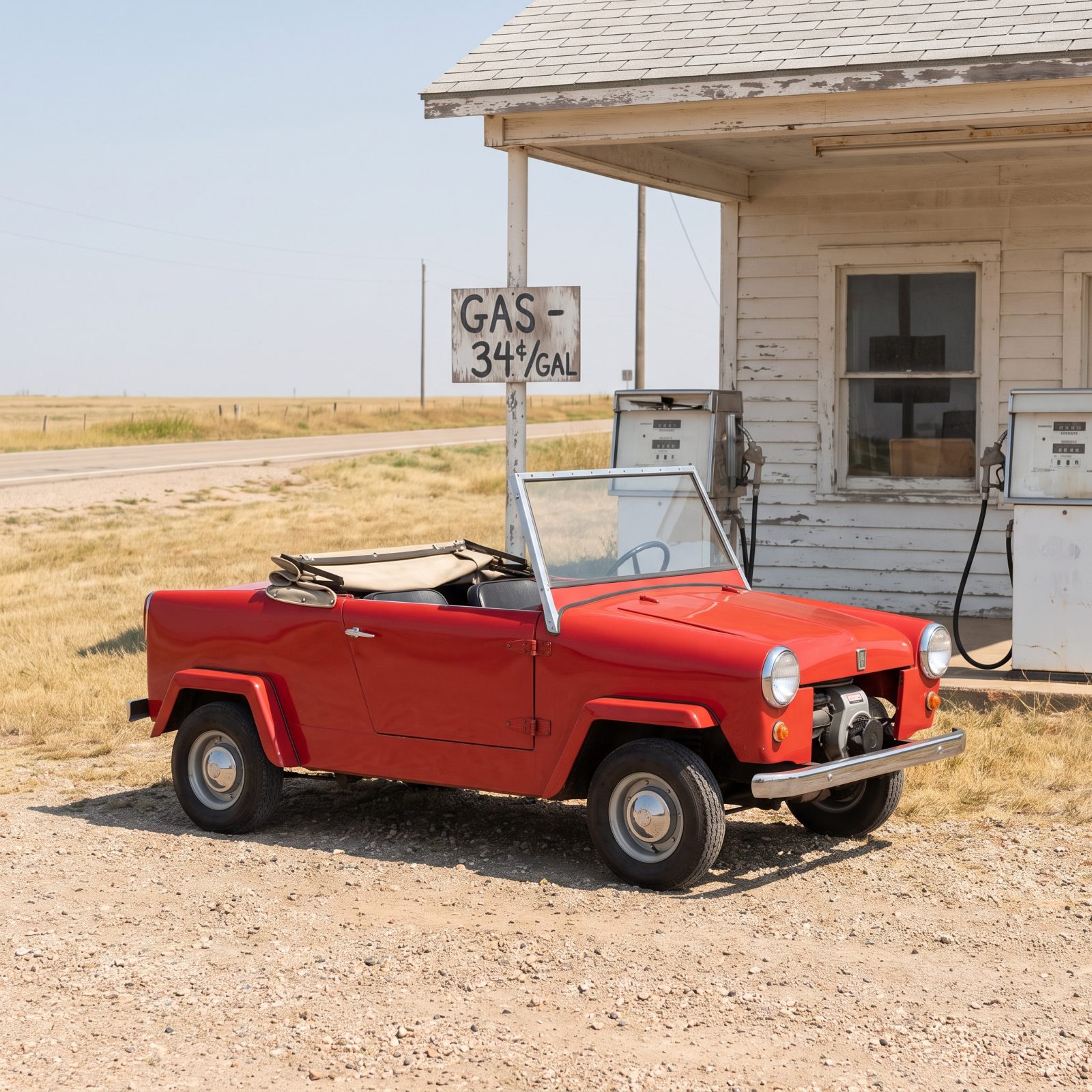
You could buy a King Midget as a kit out of the back of a magazine. Built in Athens, Ohio, it was a real car scaled down to almost nothing — a single-cylinder two-seater sold to folks who wanted cheap, honest transportation and didn’t mind that it looked like a lawn tractor with ambitions.
The shoestring operation ran fine while the rules stayed loose. Then federal safety and emissions standards showed up in the late 1960s, written for companies with engineering departments and crash-test budgets. King Midget had neither, and meeting the new requirements would have cost more than the whole company was worth. It shut down in 1970 rather than pretend it could comply.
35. Crosley: The Economy Car That Lost Its Reason to Exist
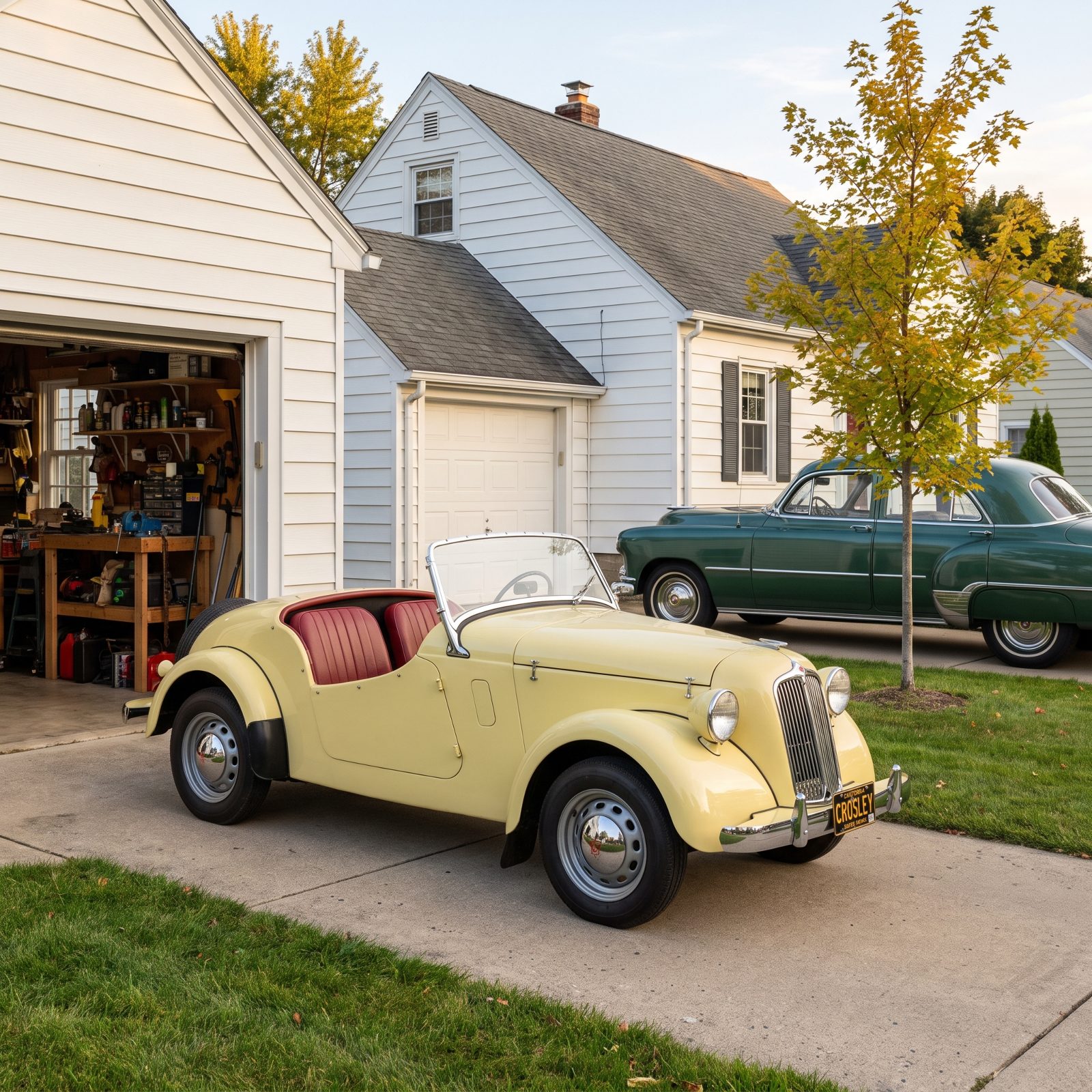
Crosley thrived when America was desperate. During wartime gas rationing and the car-starved years right after, a tiny economical runabout made perfect sense — people bought what they could get, and Crosley’s little machines sipped fuel while the big makers caught up.
The recovery killed it. By the early 1950s the used lots were stuffed with affordable full-size Fords and Chevys, and a used Chevy did everything a new Crosley did while hauling the whole family and feeling like an actual automobile. The economy-car buyer simply walked away. Crosley stopped building cars in 1952, undone not by failure but by the country getting comfortable again.
34. Henry J: The Bargain Car That Forgot to Be a Bargain
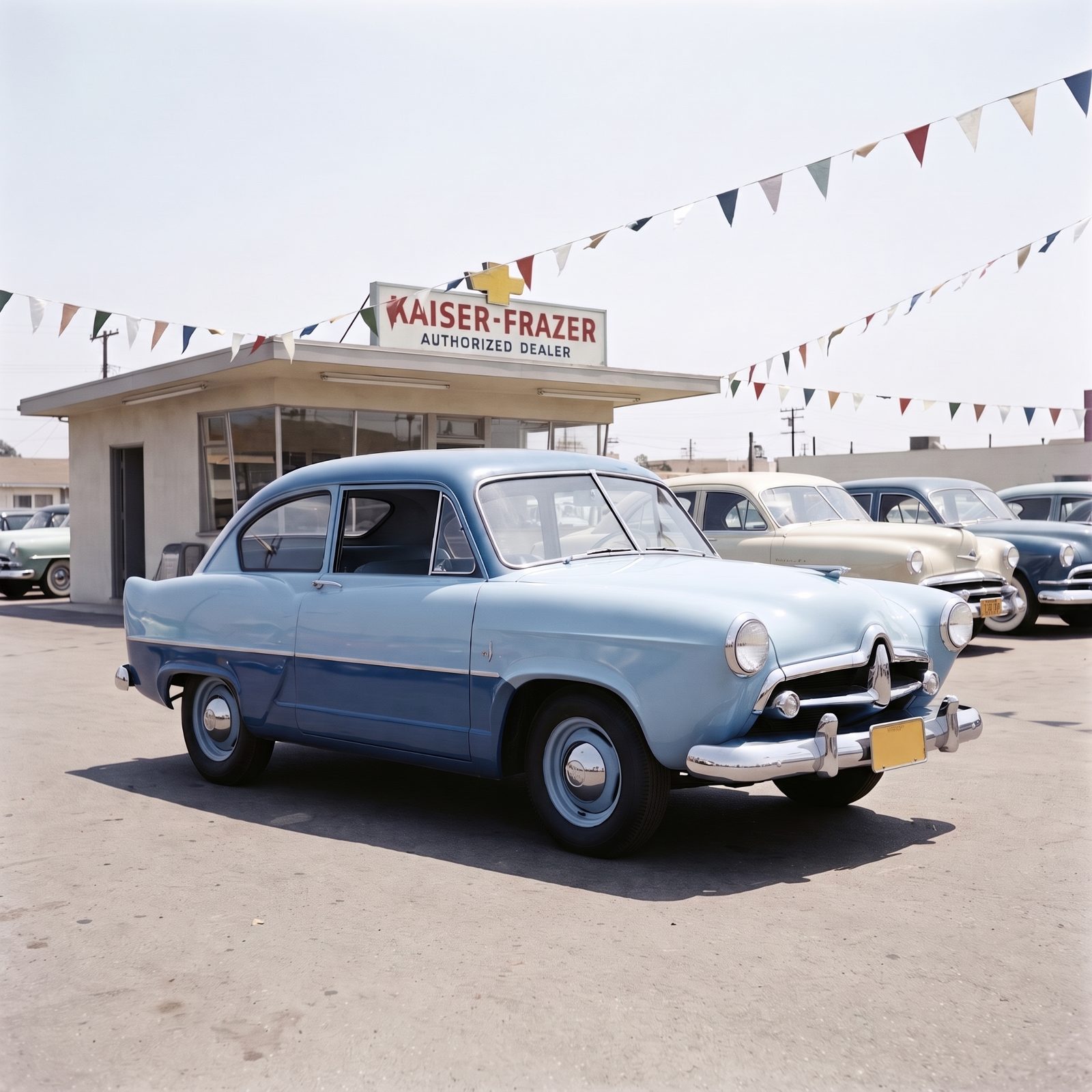
Kaiser-Frazer had a clean idea: a stripped-down compact so cheap that first-time buyers couldn’t say no. The early Henry J came with no trunk lid, no glovebox, roll-down windows only up front, and seats that were barely more than padded benches.
The problem showed up on the sticker. To build it, Kaiser had to spread tooling costs across too few sales, so the price crept up until a Henry J cost nearly as much as a plain Chevrolet. For a few dollars more, a buyer could have a full-size car with a trunk and a back seat that actually worked. Nobody chooses less for the same money. The Henry J faded out by 1954.
33. Willys Aero: A Good Compact Sedan Abandoned for a Better Business
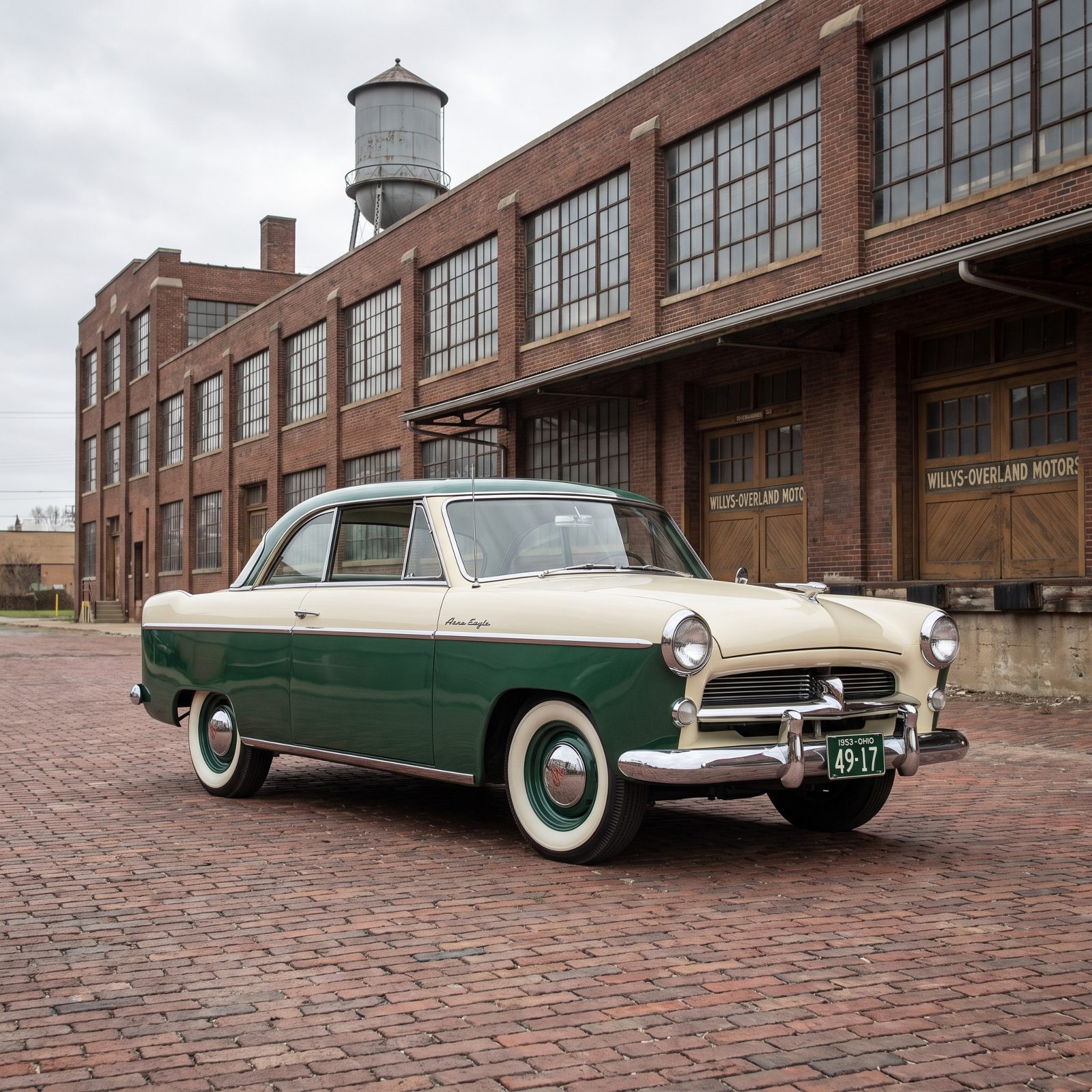
The Willys Aero was a perfectly decent compact — light, efficient, and better built than it had any right to be. In another company it might have carved out a real niche against the Rambler.
But the parent, Kaiser-Willys, owned something far more valuable: the Jeep. Military and civilian Jeep demand was steady and genuinely profitable, while the Aero scrapped in a brutal price war against Detroit’s Big Three for razor-thin margins. When management ran the numbers, the choice made itself. They killed American Aero production in 1955 and poured everything into the Jeep line — the one product nobody else could copy.
32. Tucker: The Car of Tomorrow Buried by a Courtroom
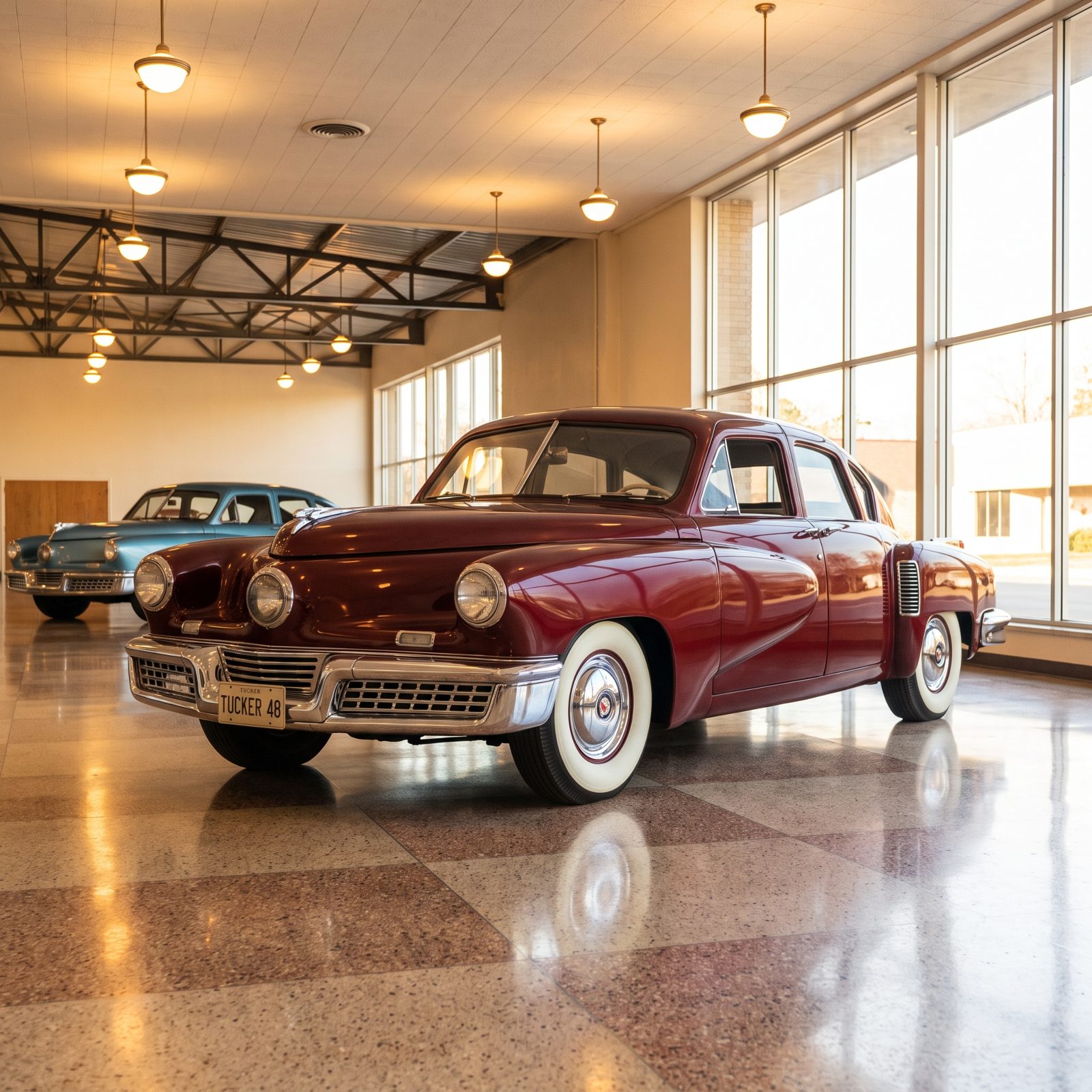
Fifty-one cars. That’s all Tucker ever built. The 48 was crammed with ideas Detroit wouldn’t touch for decades: a center headlamp that turned with the steering, a padded dash, a pop-out windshield, an engine in the back.
The company never got the chance to prove any of it. A federal investigation into how the stock had been sold, followed by a grinding SEC fraud trial, swallowed the company’s cash and its credibility. Preston Tucker was eventually cleared of every charge. But by then the money was gone, the plant sat idle, and the momentum had evaporated. An acquittal doesn’t restart a production line.
31. LaSalle: Squeezed Out of GM’s Own Price Ladder
Would you like to save this?
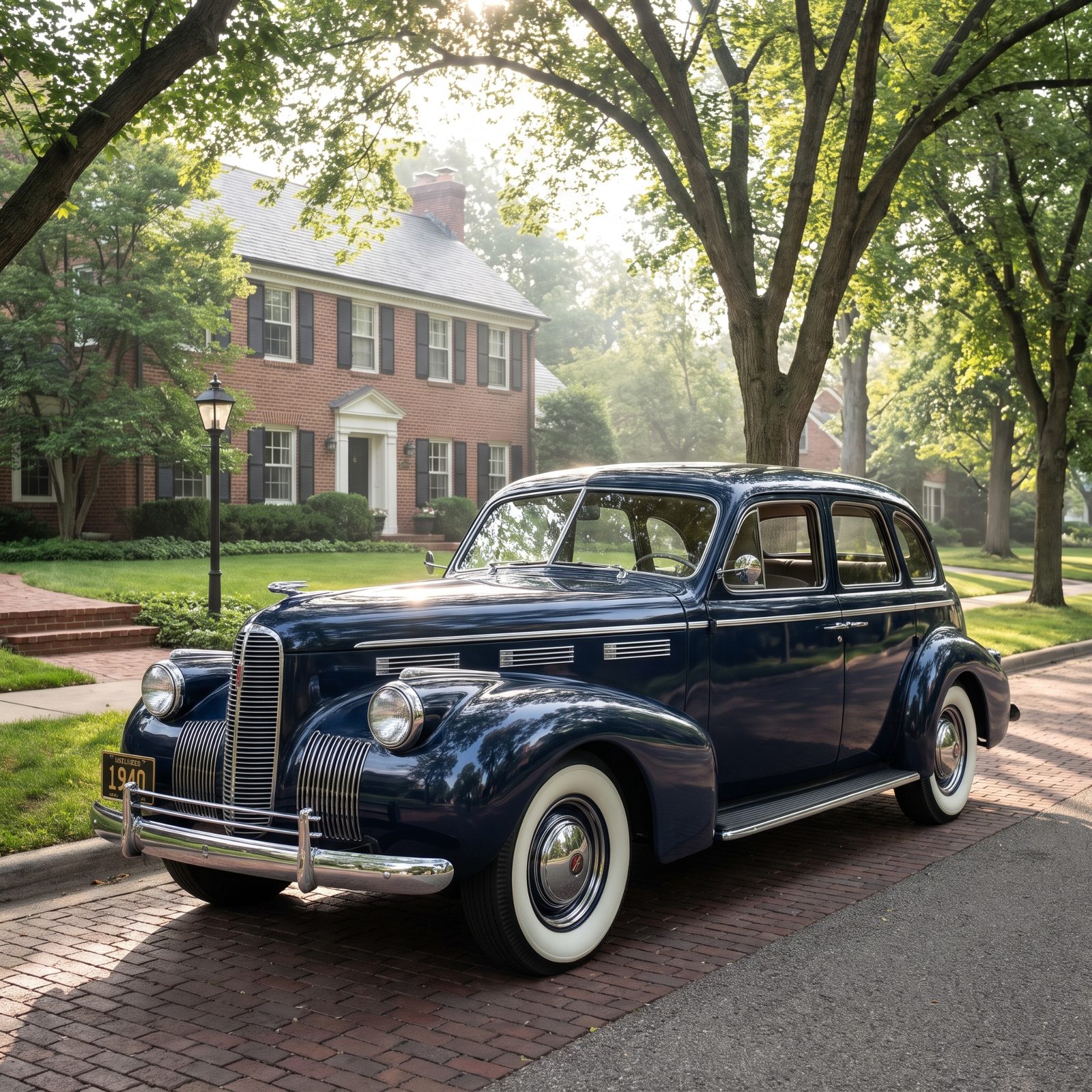
LaSalle existed to fill a gap — the space between a loaded Buick and an entry-level Cadillac. For a while it did the job beautifully, offering Cadillac style at a reachable price and even outselling Cadillac itself in the lean years.
The trouble was arithmetic. As Buick grew more lavish and Cadillac added cheaper models, the two brands closed in from both sides until there was almost no daylight left for LaSalle to occupy. GM looked at its own price ladder and saw a rung that overlapped the ones above and below it. The companion brand had quietly made itself redundant. LaSalle was dropped after 1940.
30. Erskine: A European Small Car Priced Beyond the People It Was Built For
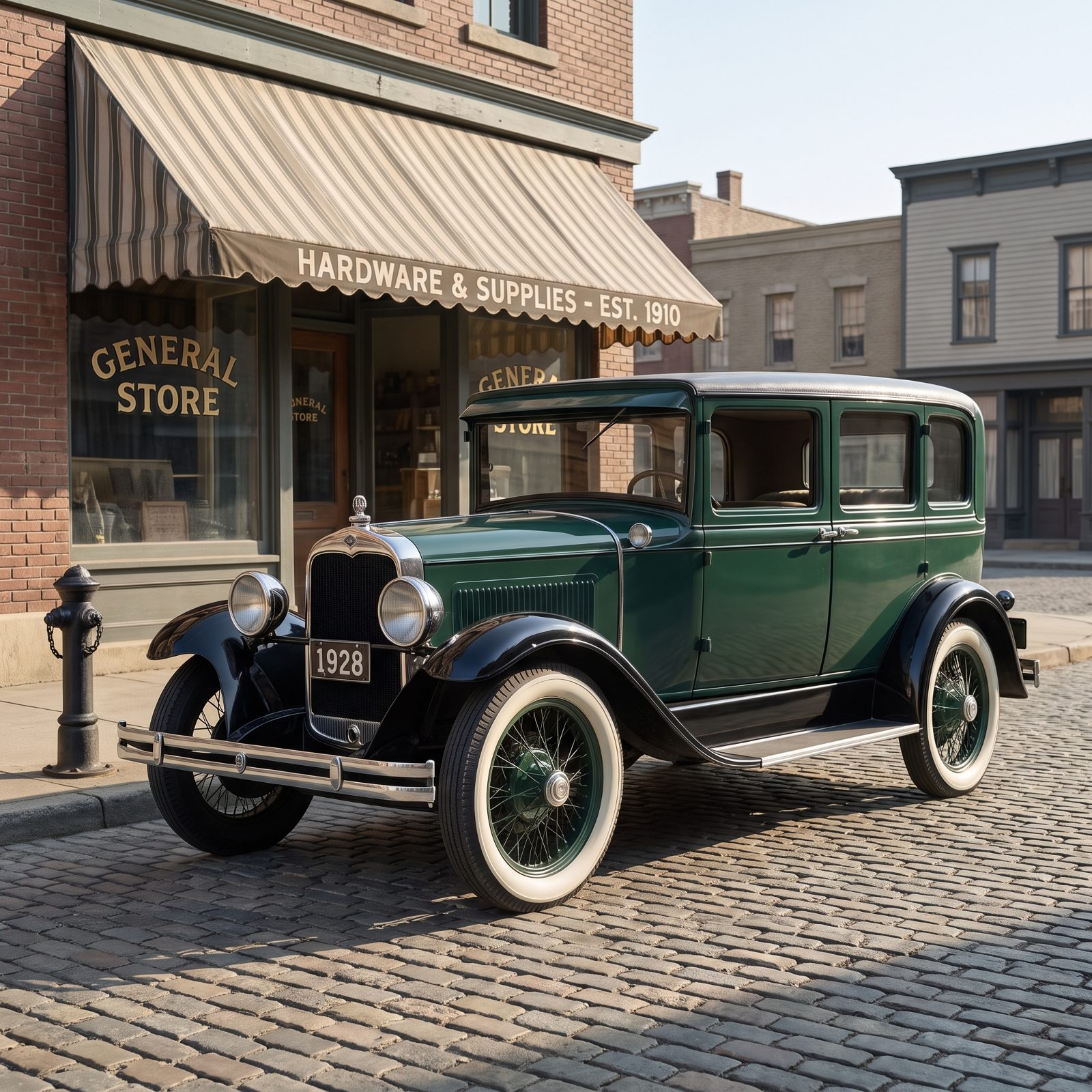
Studebaker named the Erskine after its own president and aimed it straight at thrifty buyers who wanted a trim, light car with a European flavor. On paper it was smart — smaller, lighter, cheaper to run than a full-size sedan.
The math never worked. Building a quality small car wasn’t much cheaper than building a big one, so the Erskine landed priced close to larger, roomier American cars from Chevrolet and Ford. Budget buyers took one look and bought more metal for the money. A small car only wins when it’s also a cheap car, and this one wasn’t. Studebaker folded the Erskine back into its main line by 1930.
29. Rockne: Studebaker’s Receivership Killed a Budget Brand After Just Two Model Years
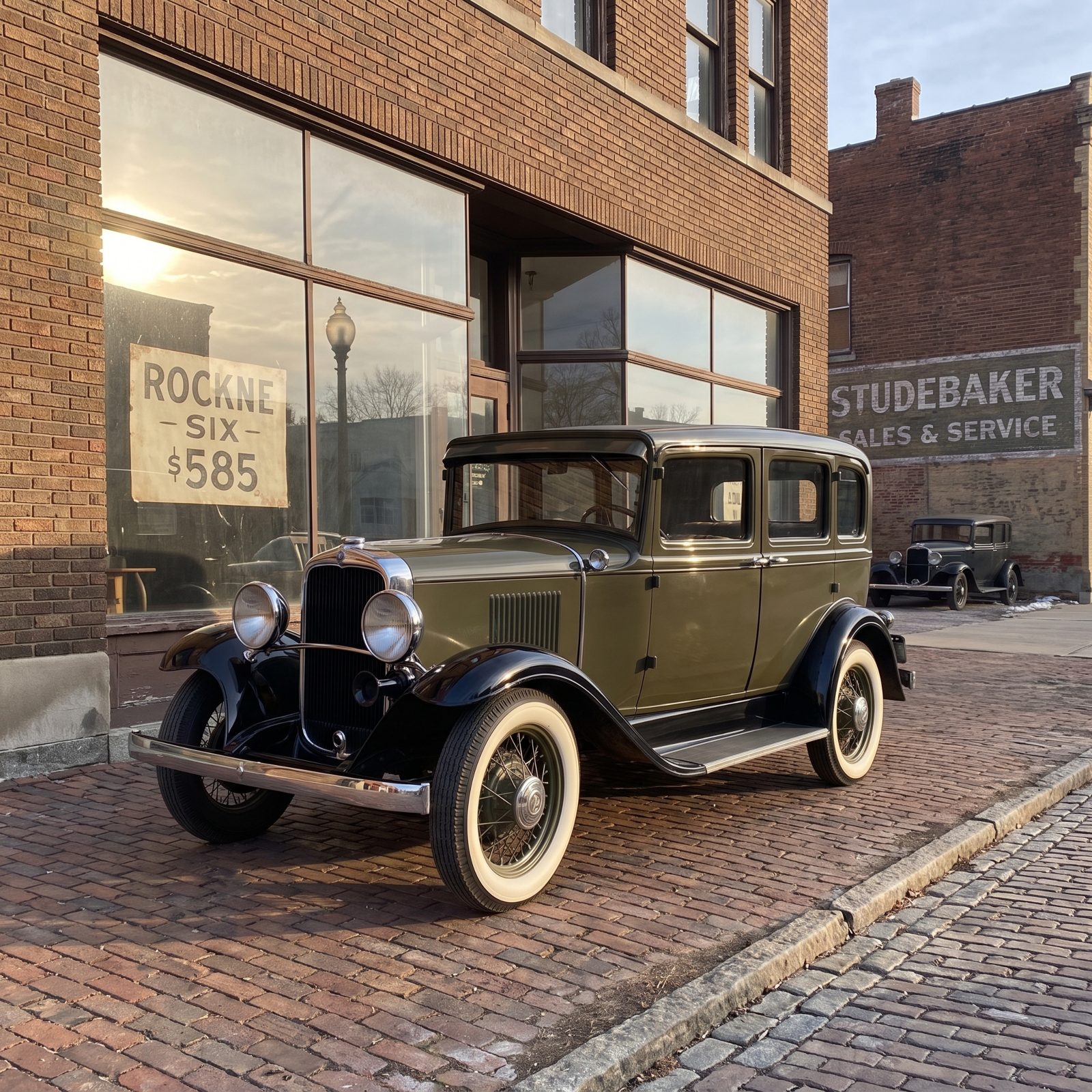
Studebaker named a car after Knute Rockne, the Notre Dame coach who’d signed on as a sales promoter before dying in a plane crash. The timing was cruel all around. The Rockne launched in 1932, a cheap, honest little six aimed squarely at buyers who were counting pennies in the pit of the Depression.
And it sold. Decently, even. But selling cars doesn’t help much when the company building them is sliding toward the edge, and Studebaker was. By 1933 the firm landed in receivership, and the budget brand that was supposed to pull in fresh dollars got shut down after barely two model years on the road.
You can still find a Rockne at the occasional show. Most folks walking the rows have never heard the name, which is a shame, because the thing was a perfectly good car that never got the chance to prove it.
28. Terraplane: Hudson’s Lower-Priced Hit, Folded Into the Parent Name It Was Meant to Save
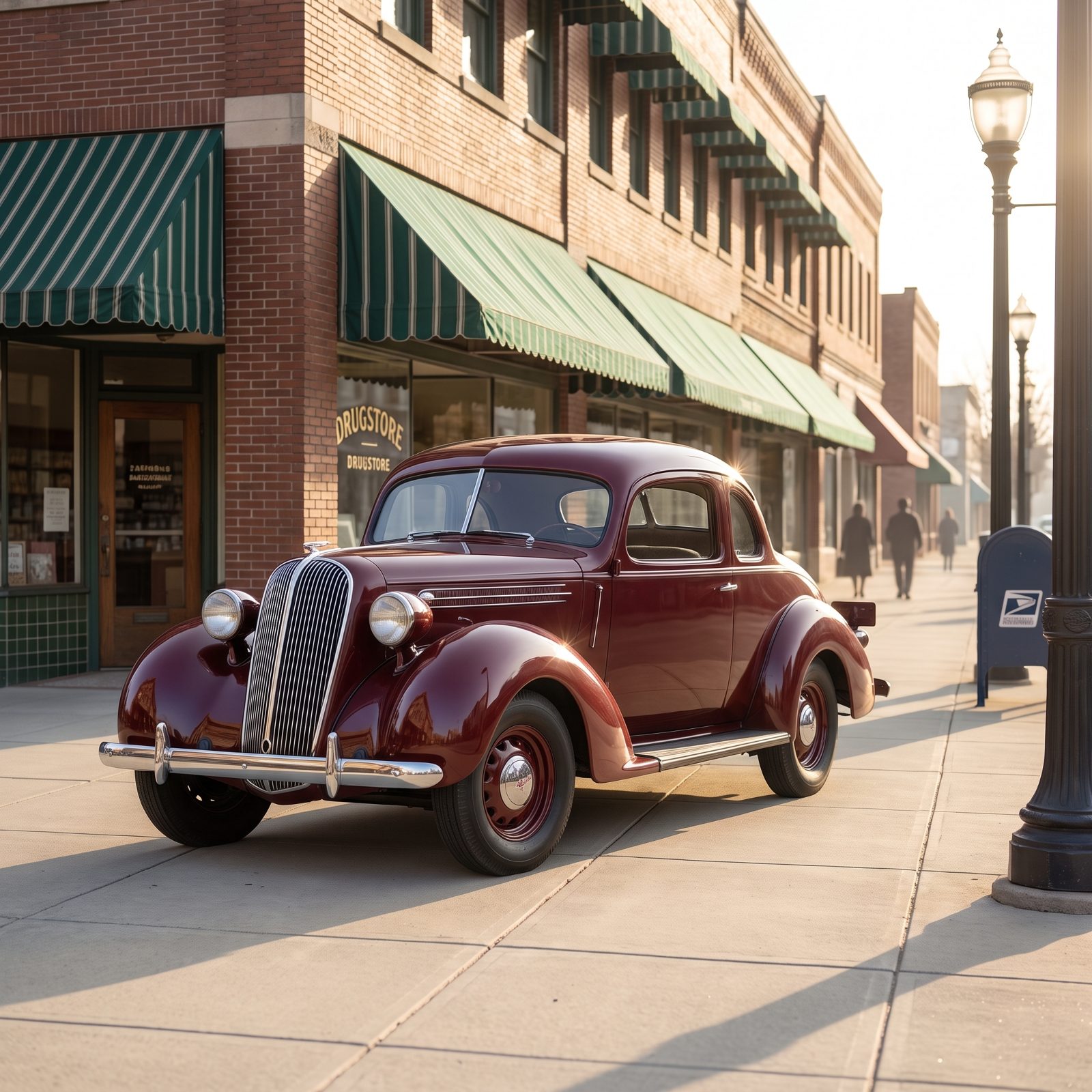
The Terraplane had a party trick. Light body, torquey engine, and it would scoot off the line faster than cars costing a good deal more. Amelia Earhart christened one. Orville Wright bought one. For a few years in the mid-1930s, this was the car that made Hudson look clever.
Here’s where it gets tangled. Hudson first badged it as an Essex Terraplane, then dropped Essex, then eventually swallowed the Terraplane name right back into Hudson itself. The brand meant to lift the parent company got absorbed by it instead, like a tributary feeding into the river that named it.
By 1938 the Terraplane was gone, its best ideas rolled into Hudsons wearing the family name. A clever car, done in by corporate bookkeeping rather than anything mechanical.
27. Hupmobile: The Beautiful Cord-Bodied Skylark That Arrived Too Late to Matter
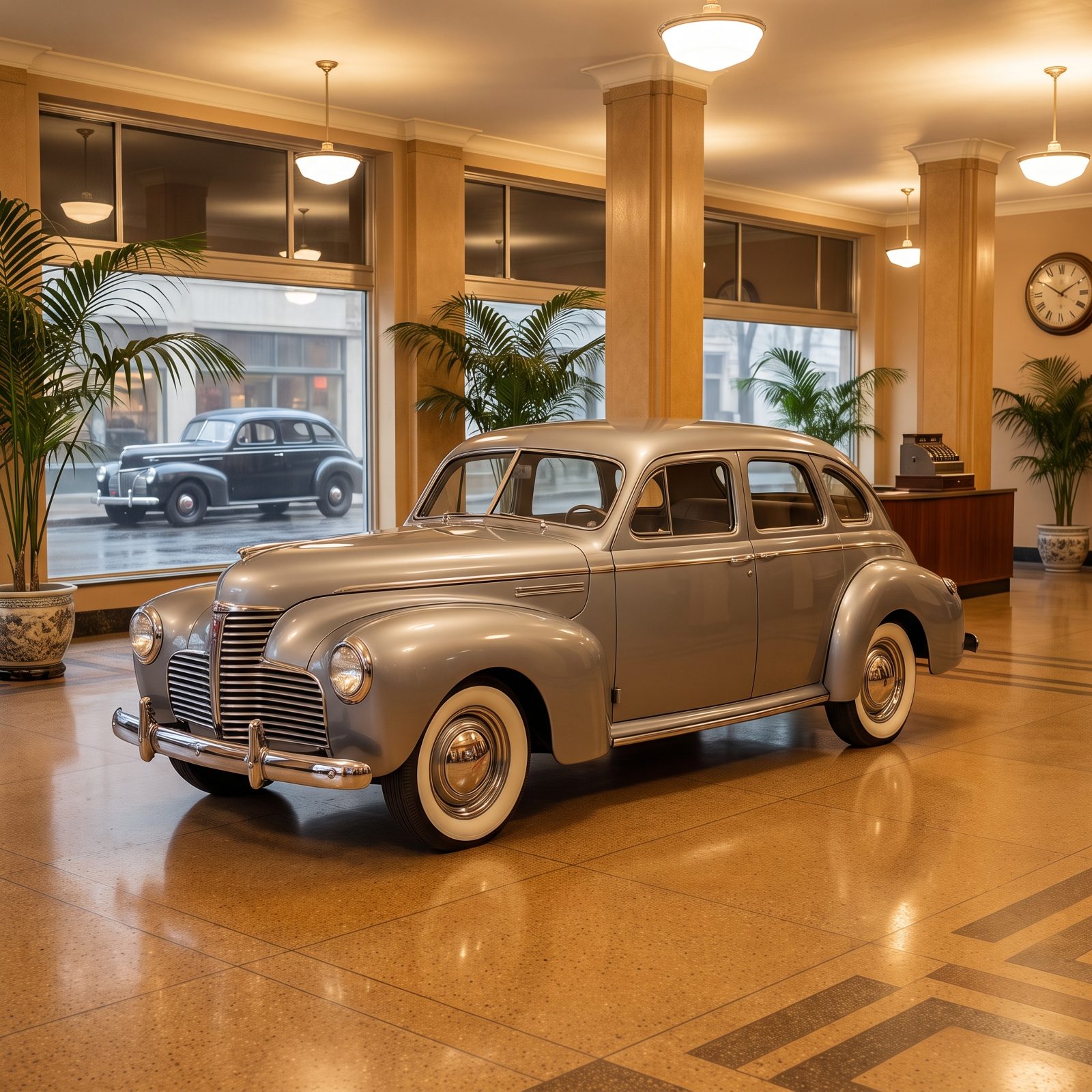
When Cord folded, its gorgeous body dies didn’t just vanish. Hupmobile bought them, dreaming of rebirth. The result was the Skylark, and if you’ve ever seen one in the metal you understand the appeal immediately: that tall vertical chrome grille, the big exposed headlamps in their own pods, the whole thing looking like it was drawn by someone who loved cars.
Trouble is, Hupmobile was broke and slow. Getting those borrowed dies into actual production dragged on and on. By the time Skylarks started trickling out in 1940 and ’41, the company had burned through time and money it didn’t have, and the world was tilting toward wartime priorities anyway.
Only a few hundred ever got built. A beautiful swan song for a firm that had been making solid cars since 1909, and proof that good looks can’t save a company that’s already out of runway.
26. REO: When the Passenger-Car Ledger Bled Red, the Company Bet Everything on Trucks
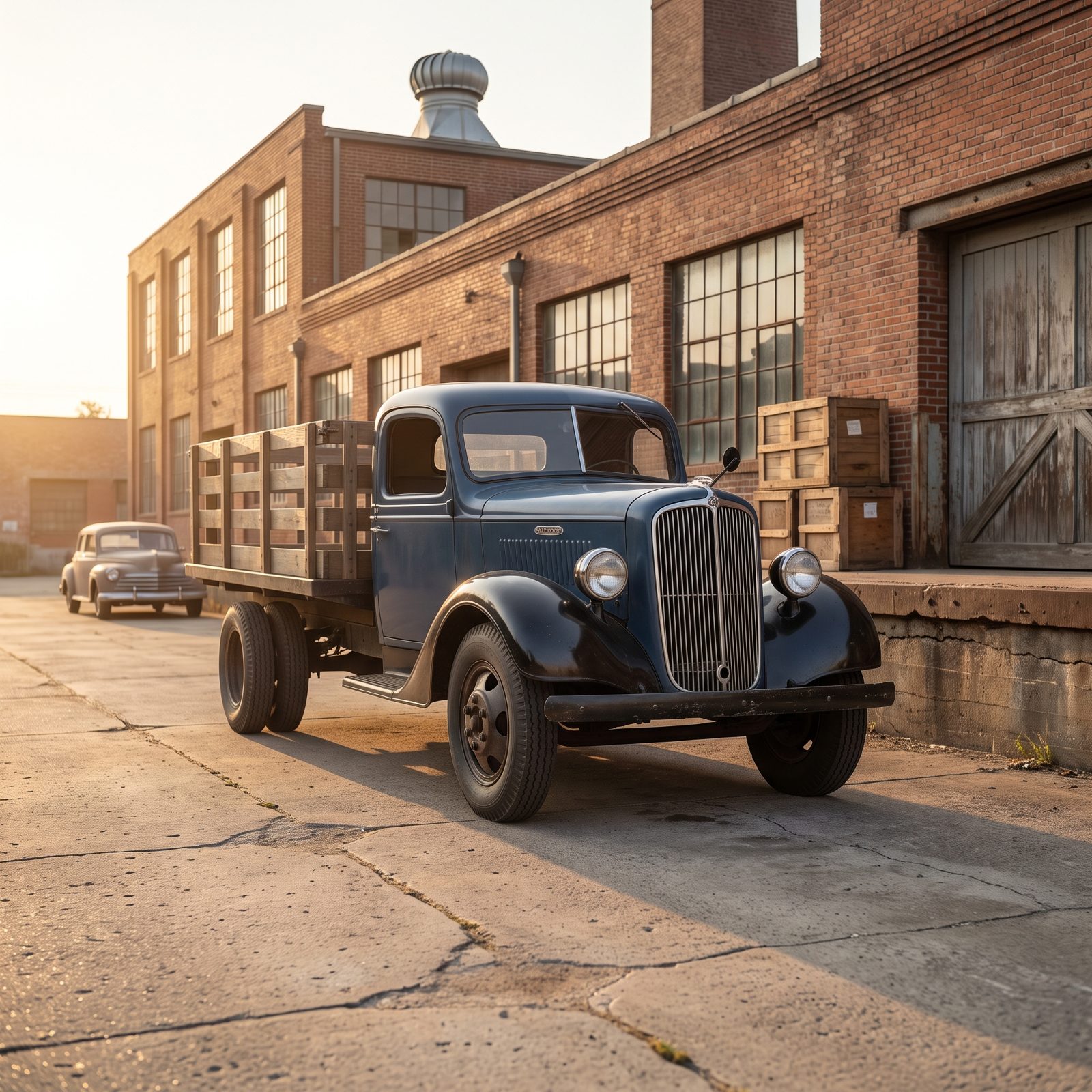
Ransom E. Olds already had his name on Oldsmobile when he struck out and founded REO using his own initials. The passenger cars were good. The passenger cars also, eventually, stopped making money.
So REO did the sensible, unglamorous thing. It looked at the ledger, saw where the red ink was, and walked away from building cars for ordinary buyers in 1936 to go all-in on trucks. The Speed Wagon name became a byword for tough commercial haulers, and that side of the business kept the lights on long after the sedans were history.
There’s a certain dignity in a company knowing what it’s actually good at. REO quit chasing the passenger market and leaned into the trucks that people genuinely wanted. Decades later a rock band borrowed the Speed Wagon name, which is probably how most people under seventy first heard it.
25. Winton: Priced Out by Mass Production, It Quit Cars and Lived On Building Engines
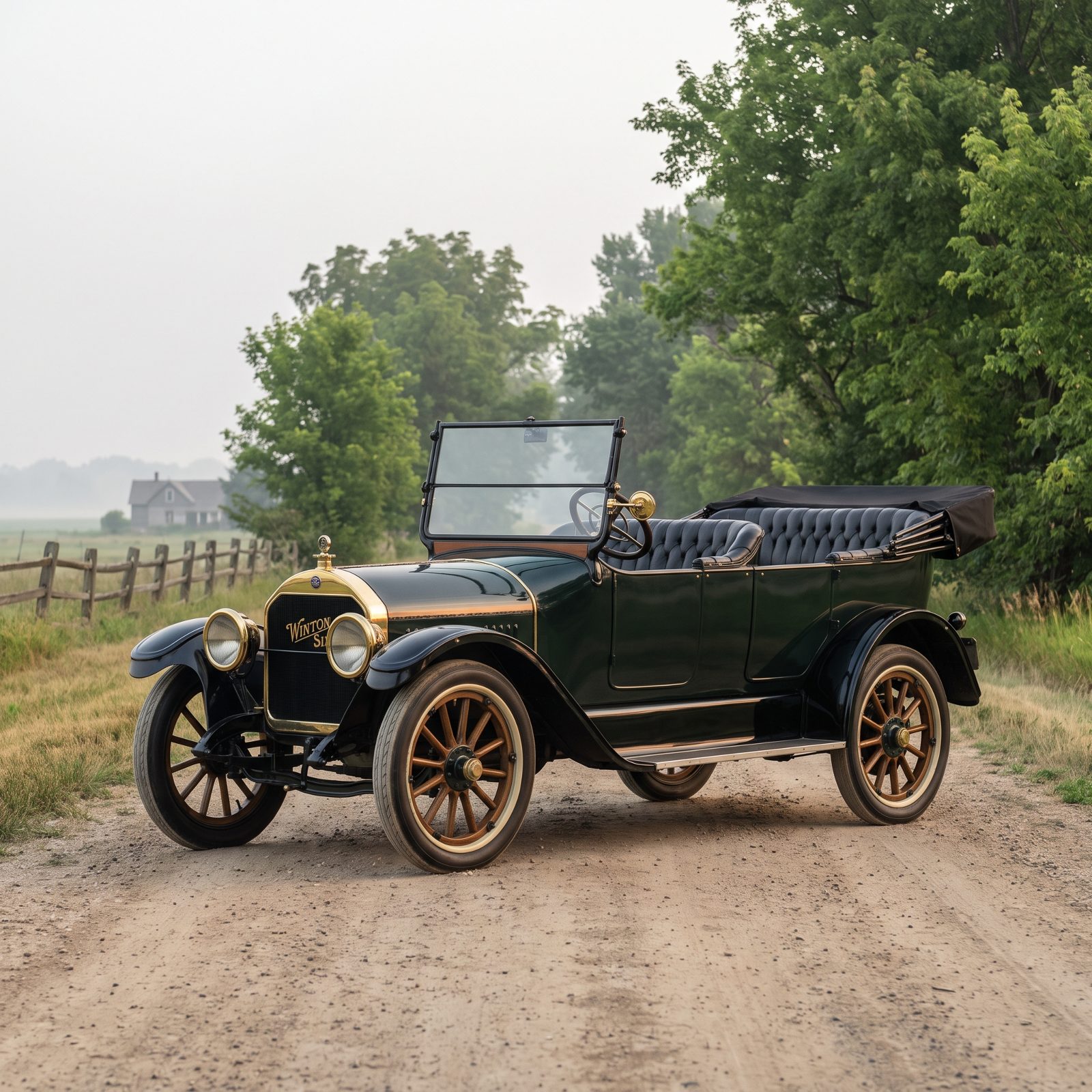
Winton sold one of the first American automobiles to a paying customer back in 1898. For a stretch there, Alexander Winton was a name that mattered, and a young Henry Ford reportedly came calling for work before going off to do his own thing.
And doing his own thing is precisely what buried Winton. Once Ford and the rest cracked the code on mass production, a hand-built Winton simply cost too much against a Model T rolling off a moving line. You can make the finest car on the road, but if the fellow down the street sells one for a third the price, the math wins.
Winton stopped making automobiles in 1924. But the company didn’t die. It pivoted to building diesel engines, got folded into General Motors, and those Winton engines ended up powering locomotives and ships for years. The car vanished; the engineering outlived it.
24. Stanley Steamer: The Electric Starter Took Away Steam’s One Great Advantage
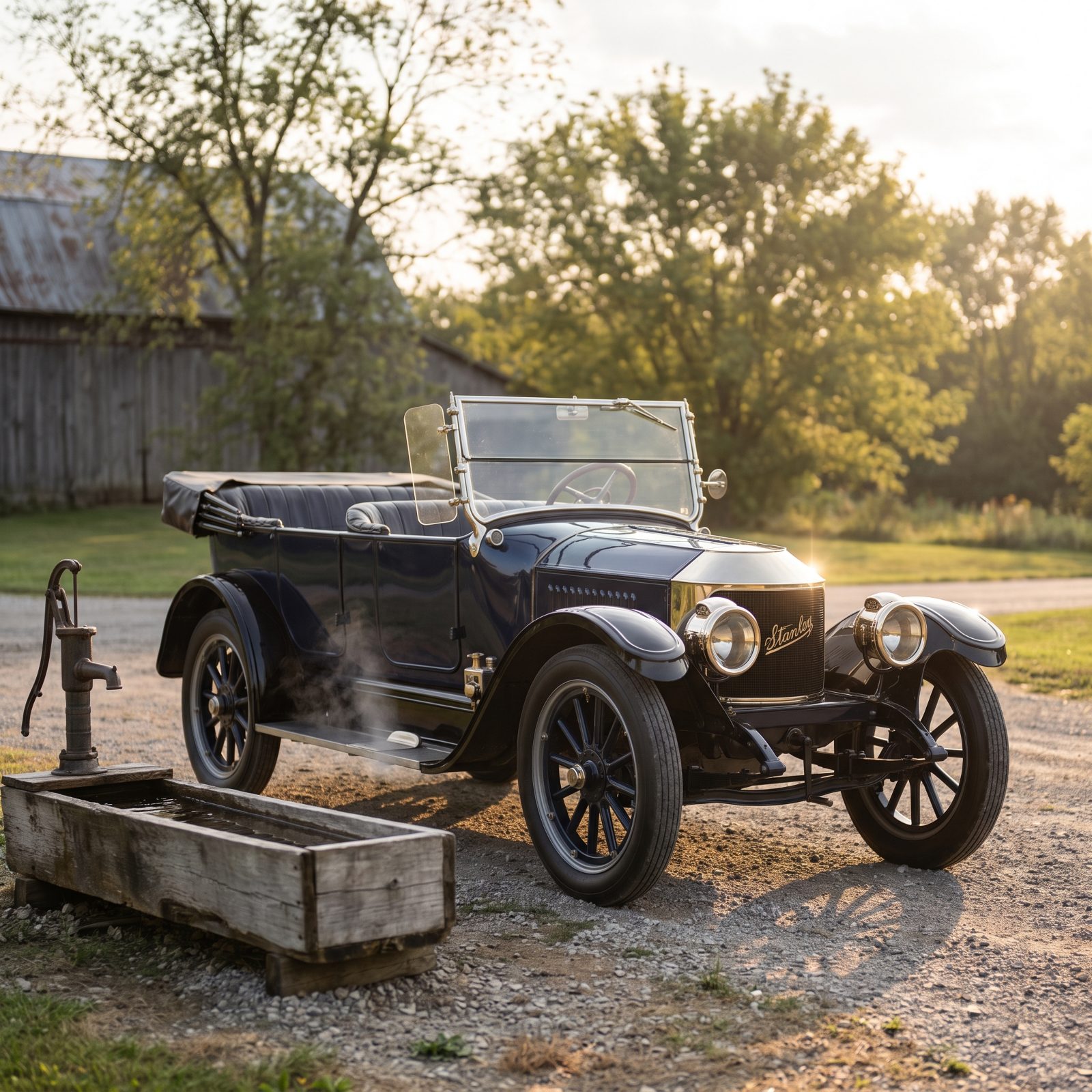
A Stanley Steamer once ran over 127 mph on the sand at Ormond Beach in 1906. Steam cars were fast, quiet, and gloriously smooth. They had exactly one nagging problem: you couldn’t just hop in and go.
Early gasoline cars shared that problem, mind you. Both needed a cranky, sometimes dangerous starting ritual, and steam at least offered a serene ride once you got the boiler up to pressure. Then Cadillac introduced the electric starter in 1912, and the whole equation flipped. Suddenly a gas car was a turn-the-key affair while the Stanley still demanded you light a burner and wait for steam.
The Stanleys were marvelous machines run by marvelously stubborn twin brothers who refused to chase trends. That refusal is charming right up until the market moves without you. By the mid-1920s the company was done, undone not by a rival steam car but by the humble press of a button.
23. Baker Electric: Easy-Starting Gas Cars Erased the Silent Electric’s Whole Reason for Being
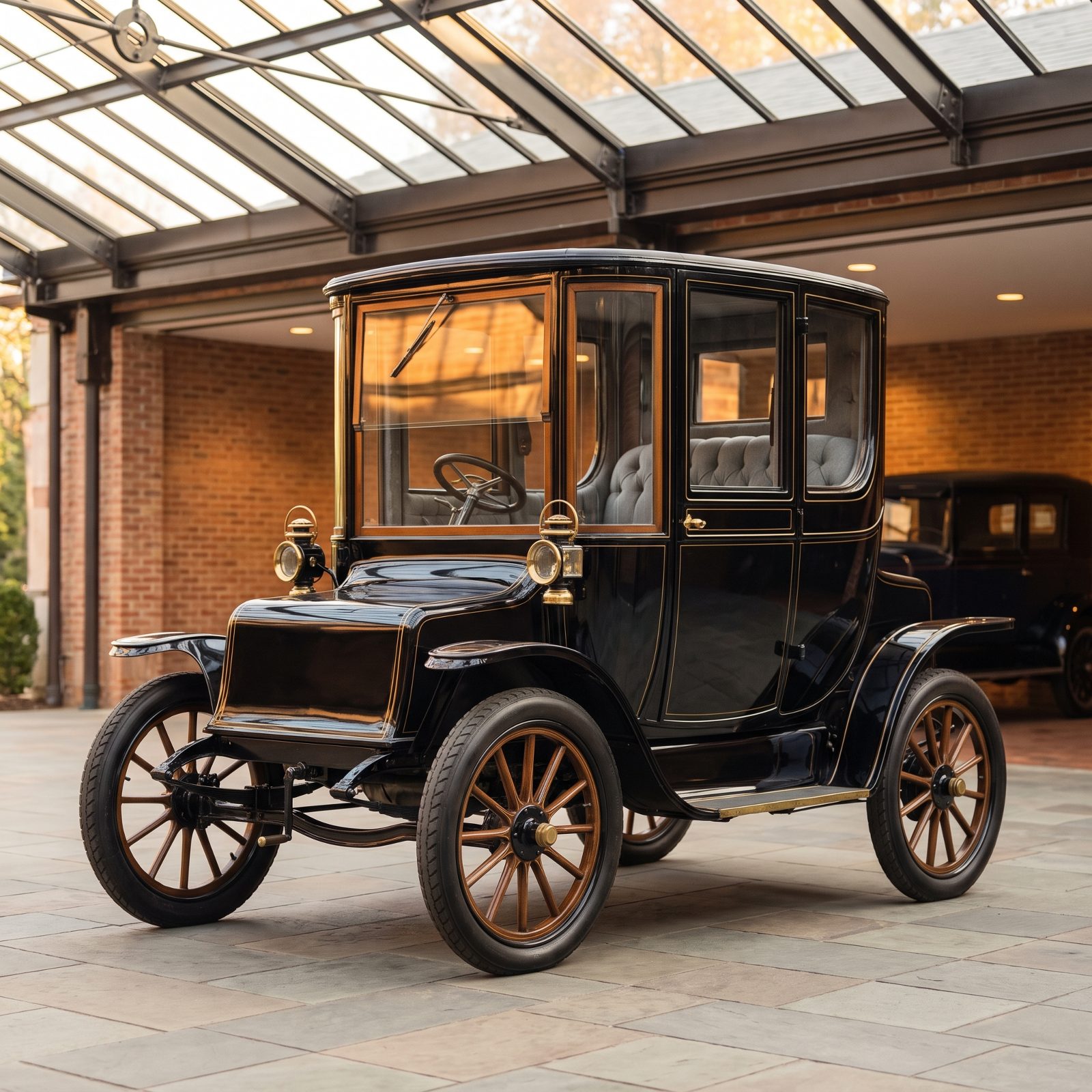
Picture early-1900s motoring. Crank-starting a gas engine could break your arm, and the things were loud and smelly. The Baker Electric asked you to do none of that. Push a lever, glide away in near silence, no cranking, no fumes, no drama.
That’s why electrics found a devoted following, particularly among wealthy women who had no interest in wrestling a crank handle in their good clothes. Thomas Edison drove a Baker. Even Clara Ford, Henry’s wife, reportedly preferred her electric over her husband’s gasoline products.
Then came the electric starter. The moment a gas car would fire up at the push of a button, the Baker’s quiet, dignified ease stopped being special. Gas cars went farther, cost less, and refueled in minutes while an electric sat on its charger. Baker got out of the passenger-car game by the mid-1910s. A century on, we’ve circled back to the quiet electric, which the Baker folks would have found either vindicating or deeply annoying.
22. Detroit Electric: Longer-Range Gas Cars and the Depression Shrank It to Occasional Special Orders
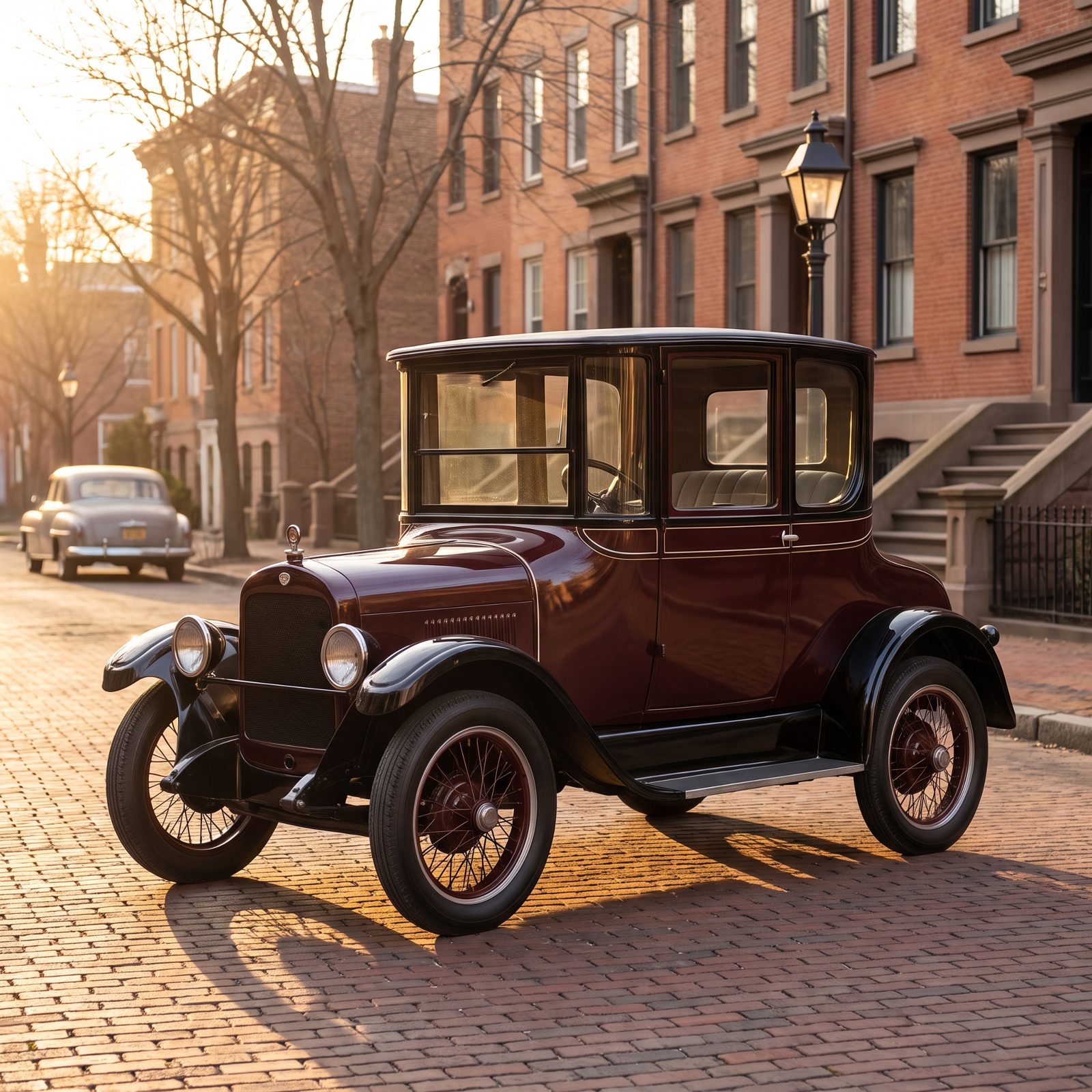
Detroit Electric outlasted most of its battery-powered rivals, which only makes the ending sadder. Its cars were tall, upright, dignified broughams steered by a round wheel and favored by doctors and well-heeled city families who wanted something civilized for short trips around town.
Range was always the catch. Thirty, maybe eighty miles on a charge if you believed the optimistic brochures, which was fine for errands and useless for anything else. As gasoline cars kept stretching their legs and dropping in price, the reasons to own an electric kept shrinking.
The Depression finished the job. By the 1930s Detroit Electric had quietly shrunk to building cars only when someone specifically ordered one, little bespoke runs for loyal holdouts. The company limped along into the early 1940s, a ghost of the electric boom, still faithfully building whisper-quiet carriages for a handful of customers who never quit on them.
21. Duryea: America’s First Series-Production Marque, Undone by Feuding Brothers and Tiny Output
Would you like to save this?
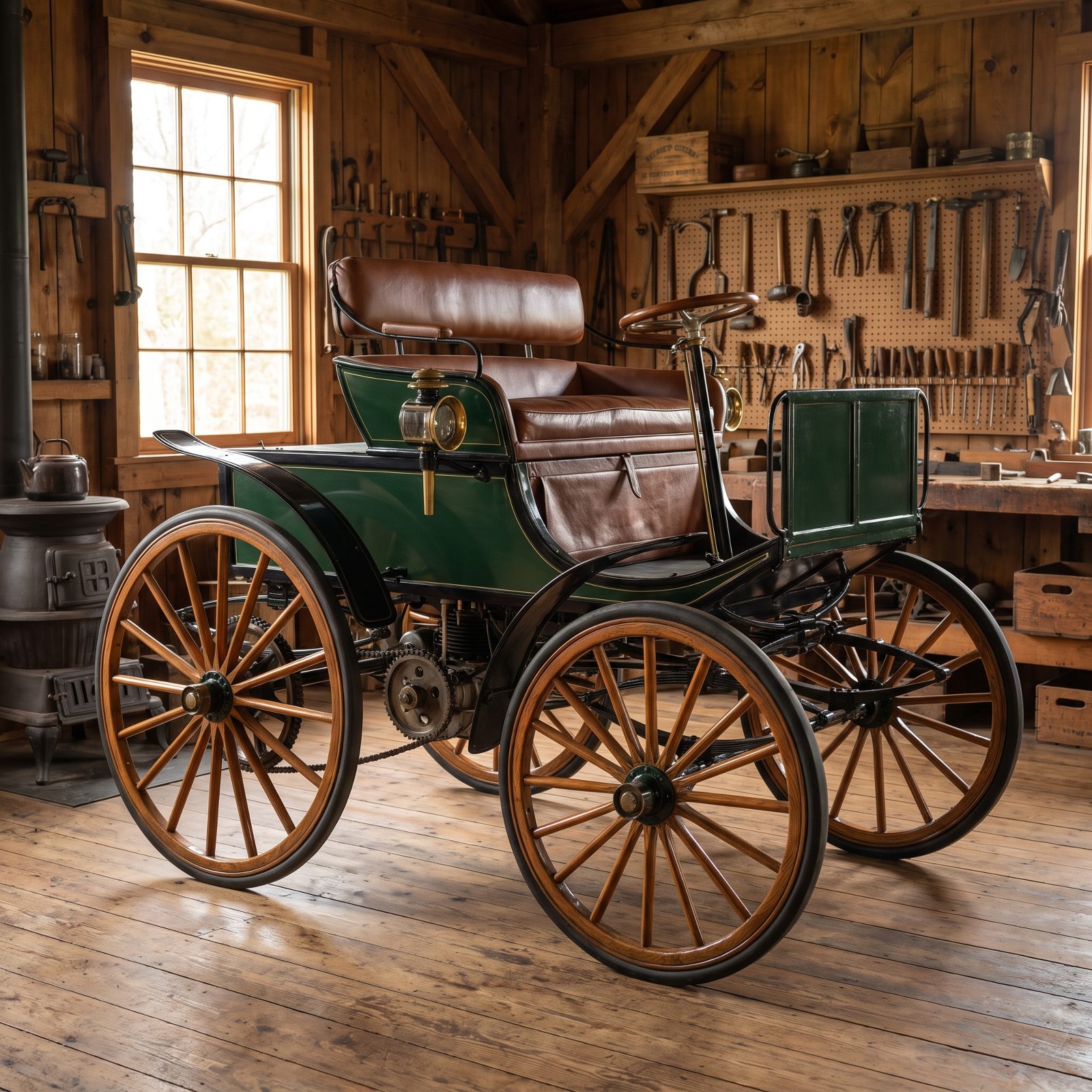
The Duryea brothers, Charles and Frank, built what’s widely called America’s first gasoline automobile to run on public roads, back in 1893. A couple of years later they won the country’s first car race. Then, in 1896, they put a small batch into production, the first American marque to build more than one of the same car.
That’s the high note. Here’s the discord: Charles and Frank could not stand to share credit, and they feuded for decades over who really deserved the glory. Two brothers at war over a handful of cars tends not to build a lasting enterprise.
Output stayed tiny, the squabbling never cooled, and the Duryea name faded while the men who came after built empires. First across the line, first to fade. Being the pioneer earns you a footnote; it doesn’t guarantee you a factory.
20. Locomobile: One of America’s Grandest Early Marques, Dragged Under by Durant Motors’ Collapse
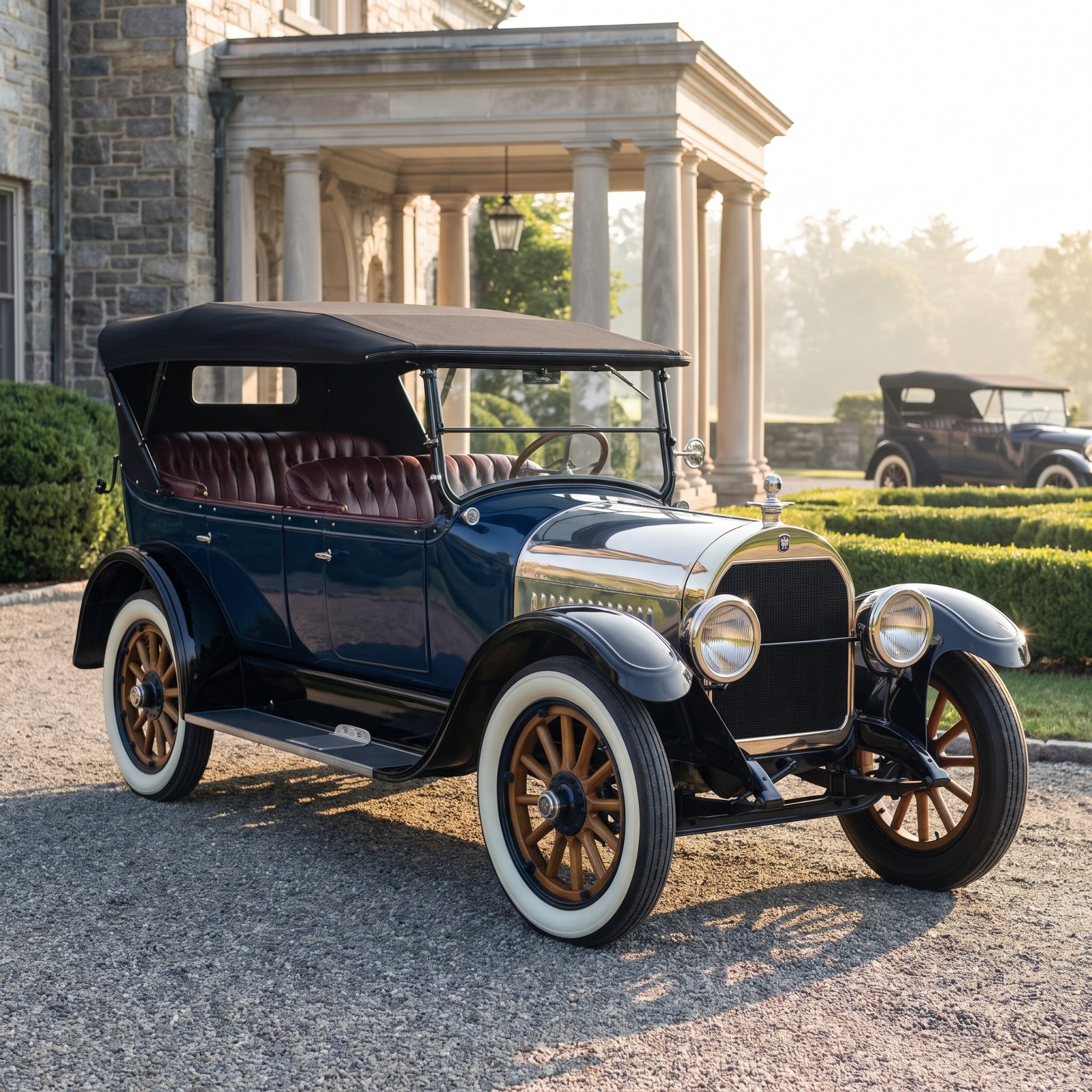
Locomobile started out building steam cars and then became one of the grandest names in American luxury. The Model 48 was the car for people who had truly arrived, hand-built, enormously expensive, the sort of machine that made a statement in a country driveway without anyone saying a word.
Then came William Durant. The man who created General Motors and got pushed out of it twice assembled Durant Motors in the 1920s and bought up Locomobile as the jewel at the top of his lineup. For a moment it looked like the grand old name had a new patron with deep pockets.
Durant Motors did not last. When Durant’s empire crumbled in the early 1930s, it took Locomobile down with it, a victim of a holding company’s failure rather than any fault of its own. One of America’s finest early cars, snuffed out because the man who owned it overreached. The cars deserved better than the boardroom they were tied to.
19. Pierce-Arrow: Depression-Era Luxury Buyers Vanished and a Studebaker Lifeline Snapped
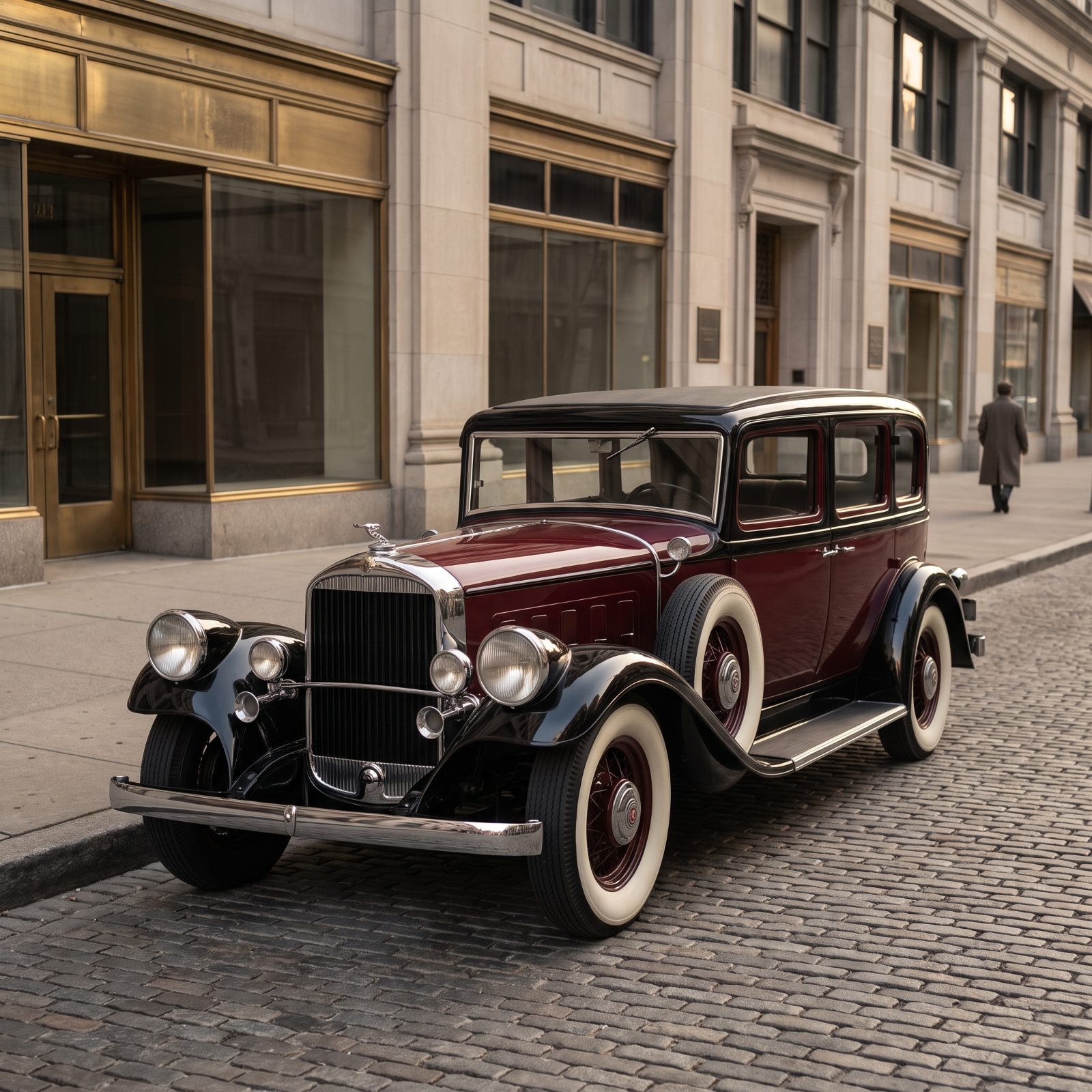
Pierce-Arrow built the kind of car that bankers and movie stars rode around in, and for a long stretch that was a wonderful business to be in. Then the Depression hit, and the people who could drop a year’s wages on a limousine mostly stopped existing overnight. Studebaker tried to throw the company a rope by buying in, but Studebaker had its own troubles coming.
When your entire customer base is the wealthy, a market crash hits you first and hardest. Nobody wanted to be seen rolling up to a foreclosed storefront in a brand-new palace on wheels.
The headlamps faired right into the fenders on either side of that tall grille are still some of the prettiest design touches of the era. Doesn’t matter. Beauty doesn’t pay the light bill when the showroom’s empty, and by the end of the 1930s Pierce-Arrow was gone for good.
18. Stutz: Boardroom Chaos and a Shrinking Appetite for Costly Speed
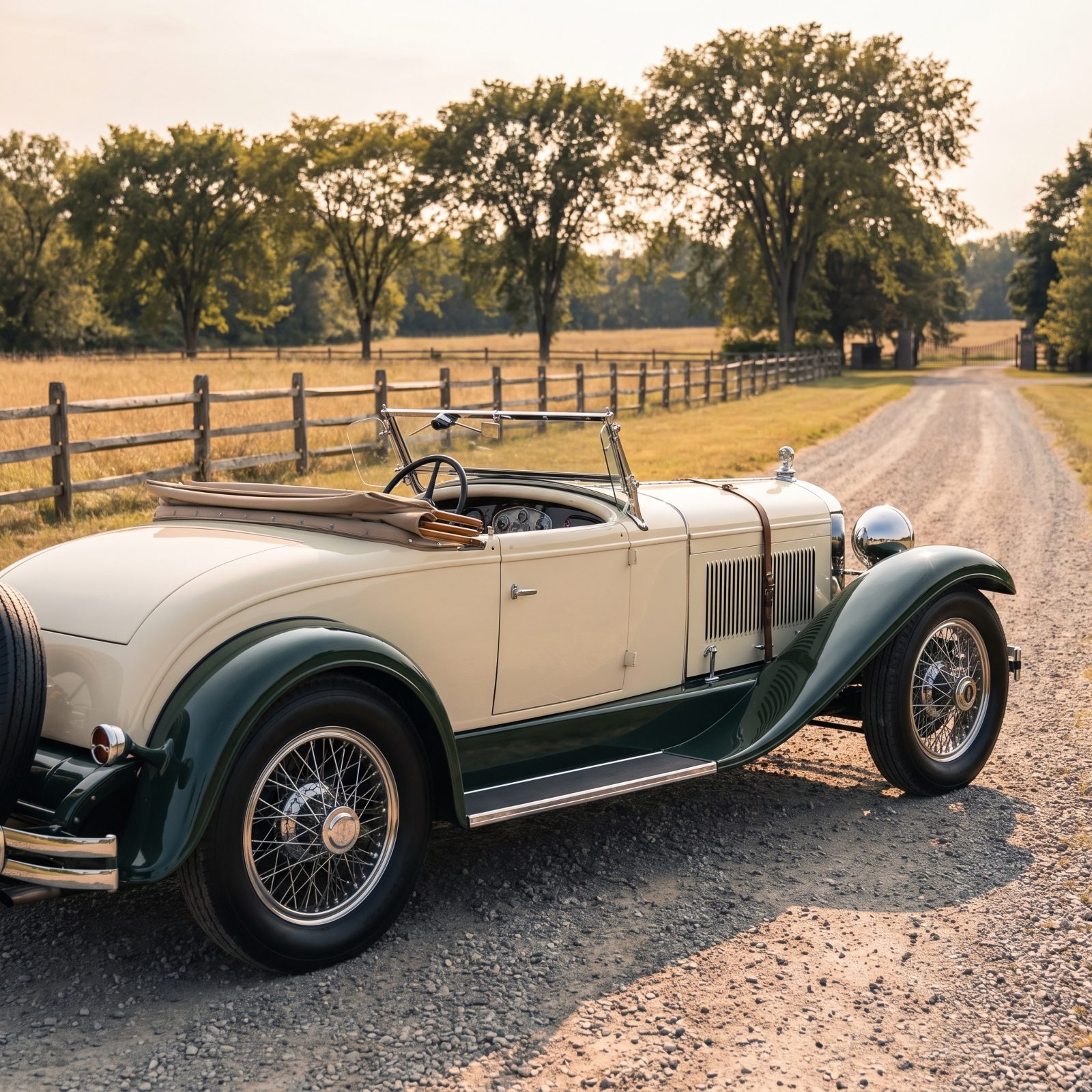
Stutz made its name on speed. The Bearcat was a legend before the Depression, and the company kept chasing performance when performance was exactly what the market stopped paying for. Fast cars are a hard sell when half the country is counting pennies.
Behind the scenes, the boardroom was a mess. Ownership changed hands, direction wobbled, and nobody seemed to agree on what the company should even be building. You can survive a bad economy or you can survive bad leadership, but trying to outrun both at once wears a company down fast.
By the mid-1930s Stutz was done building cars. A supercharged thoroughbred, left standing in an empty field, built for a crowd that had already gone home.
17. Auburn: Fire-Sale Prices That Could Not Fund Tomorrow’s Car
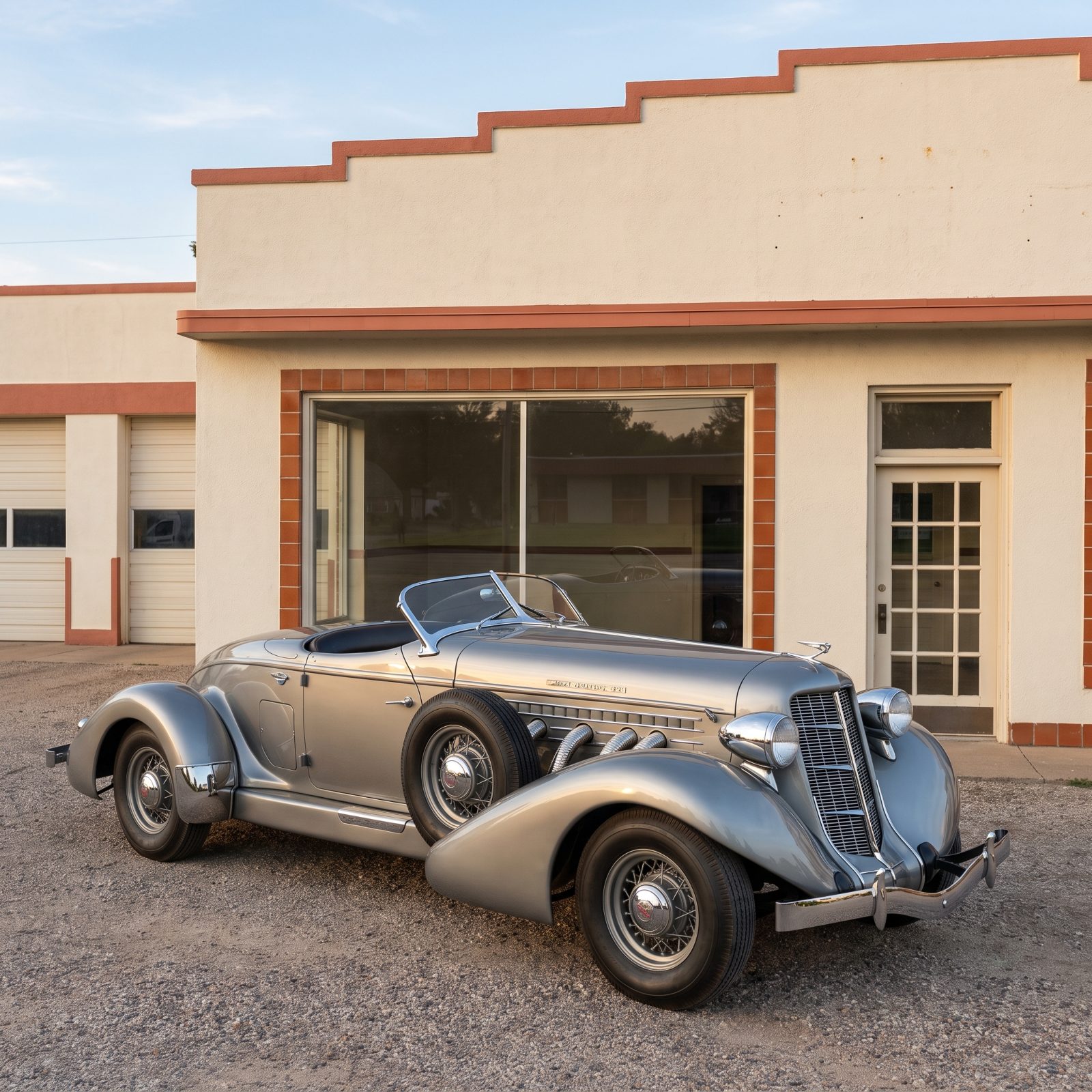
Here’s a cruel irony for you. The Auburn 851 Speedster was so stunning, so fast, and so cheap for what you got that it should have saved the company. Instead it helped sink it.
Auburn priced its cars aggressively to move them in a terrible economy, sometimes at or below what they cost to build. Every sale was a loss dressed up in gorgeous chrome, and those three flexible exhaust pipes snaking out of the hood were a promise the company couldn’t keep.
You can’t fund next year’s model when this year’s is bleeding you dry on every unit. The books caught up, as books always do, and Auburn folded in 1937. A car that good shouldn’t have been able to kill a company. This one did.
16. Duesenberg: The Finest Engineering in America Had No Market Left
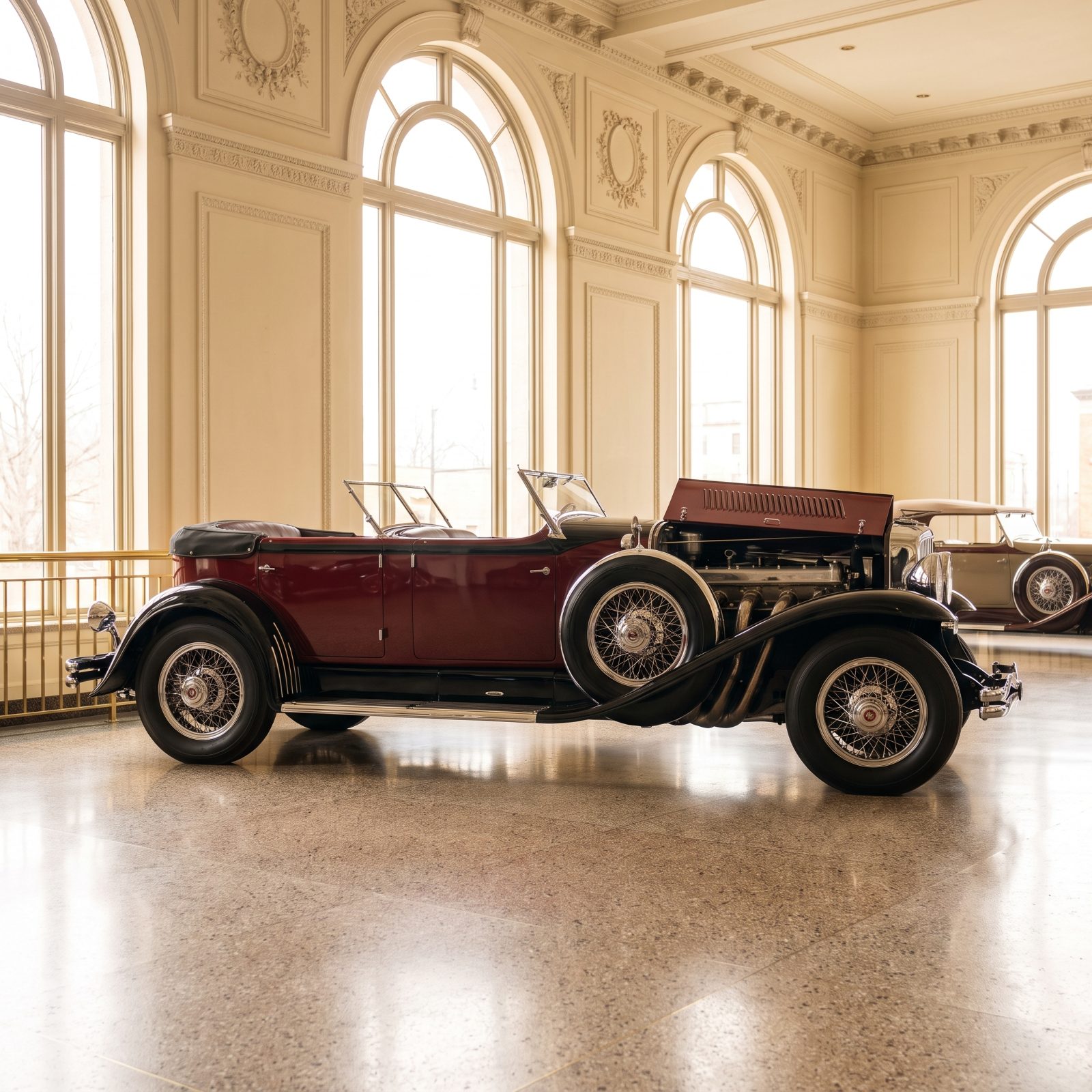
“It’s a Duesenberg.” That phrase became slang for the absolute best, and the Model J earned every bit of it. A straight-eight engine, a wheelbase you could land a small plane on, and build quality that still humbles the restorers who touch these cars today.
The problem was timing. The Model J arrived in 1929, right as the stock market went off a cliff, and a car aimed squarely at the richest people in America found that even the richest people had suddenly gotten nervous about spending. Peak craftsmanship, meet empty room.
So the Duesenberg became a monument almost the moment it was built. The finest machine Detroit-adjacent America could produce, rolling into a world that had just run out of buyers.
15. Frazer: Priced Into a Corner as Kaiser-Frazer Changed Its Mind
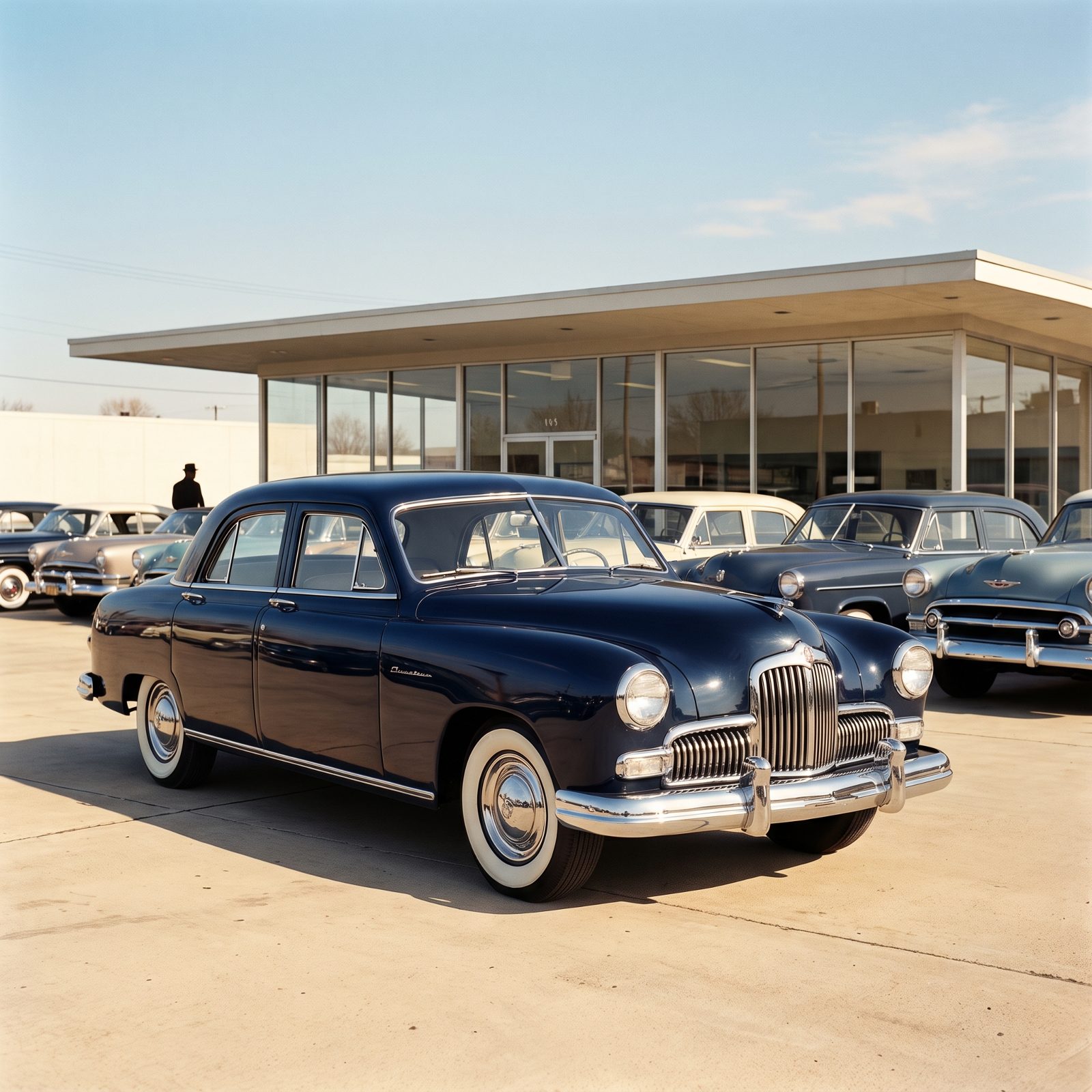
Frazer was the upscale half of Kaiser-Frazer, a well-built senior car meant to compete with the mid-priced names from the Big Three. For a few postwar years, when any new car sold the moment it hit the lot, that plan looked solid.
Then the seller’s market dried up and buyers got choosy again. Frazer sat at a price point squeezed from both sides, and the company itself started rethinking where it wanted to go. When your own parent company keeps changing its mind about your future, you don’t have much of one.
The Manhattan was a handsome, dignified machine. It deserved better than being quietly phased out in 1951 because the people who made it couldn’t decide what they wanted to be.
14. Kaiser: An Independent Crushed by Detroit’s Scale and a Price War
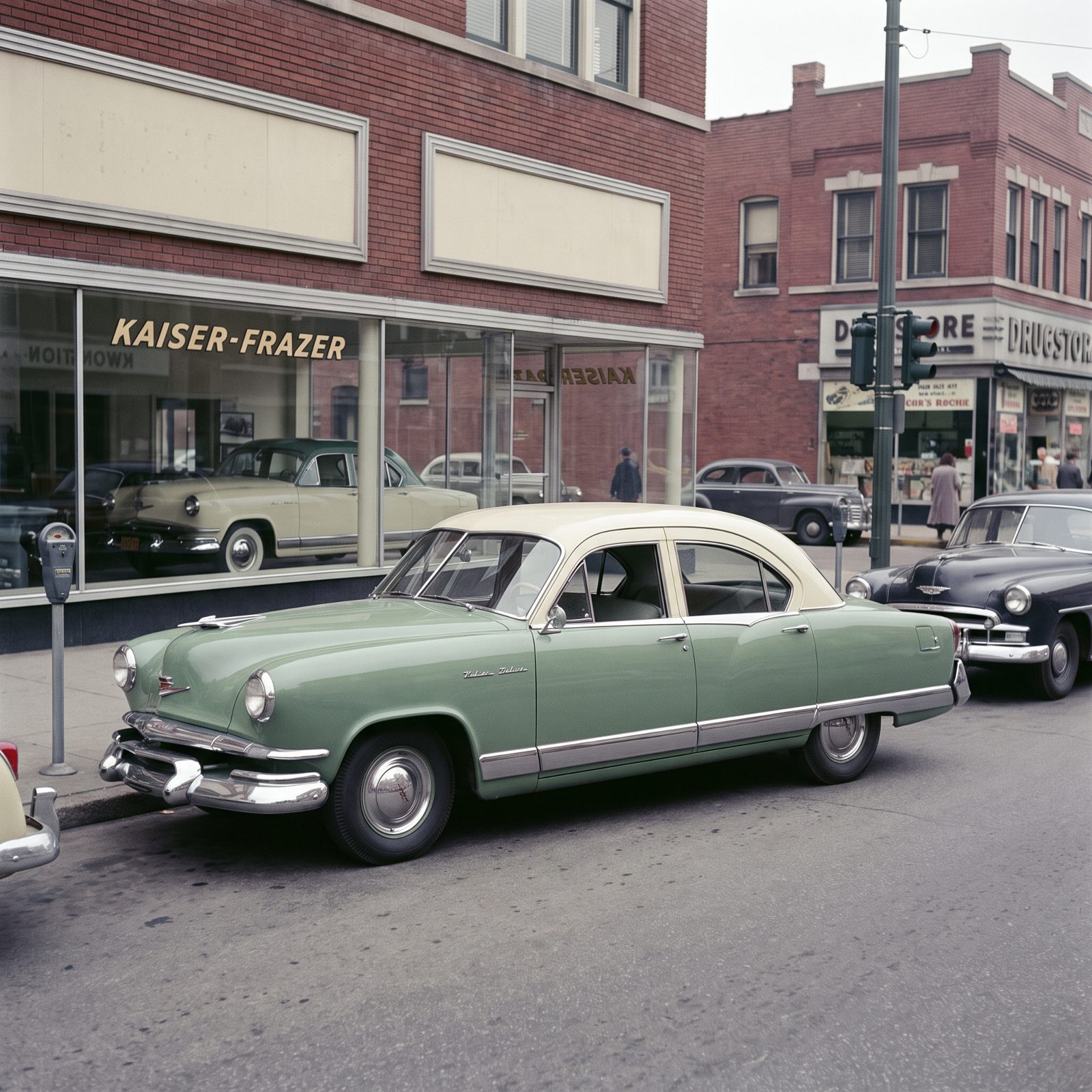
Henry J. Kaiser knew how to build things at scale. He’d cranked out Liberty ships during the war at a pace that stunned the world, so why not cars?
Because cars were a different beast. The 1951 Kaiser was genuinely good looking, low and modern with that big wraparound rear glass, and for a while it held its own. But Ford and GM went to war on price in the early 1950s, slashing and discounting in a way an independent simply couldn’t match. The Big Three could lose money on every sale for a year and shrug it off. Kaiser couldn’t survive a single bad quarter like that.
Scale wins. It almost always does. Kaiser kept fighting, merged with Willys, and eventually walked away from American passenger cars entirely by the mid-1950s. A good car, in a ring it was never heavy enough to win.
13. Packard: A Merger That Could Not Pay for the Next Great Car
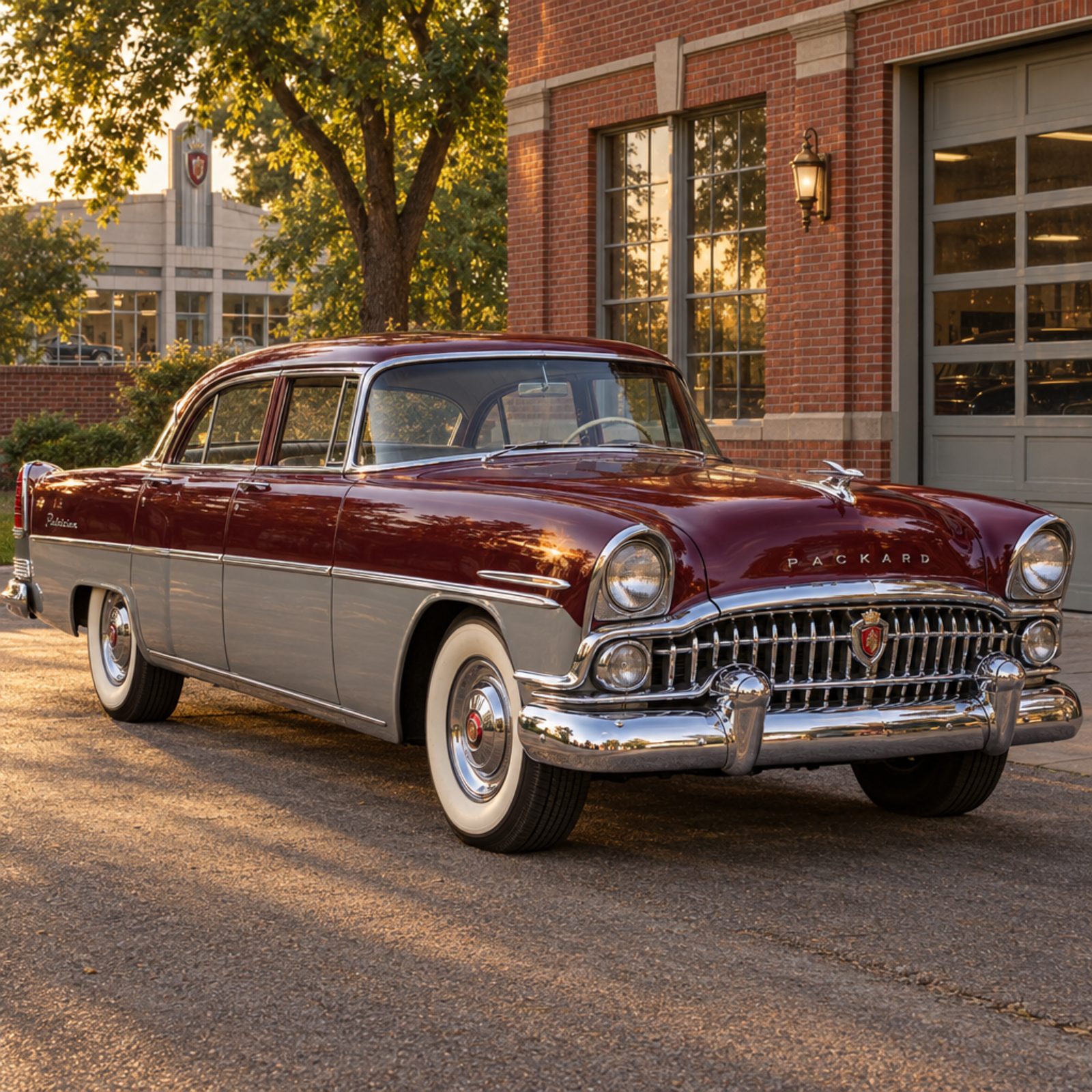
Ask anyone to name the most prestigious American car name of the 1920s and 1930s and Packard is right at the top. “Ask the man who owns one” wasn’t just an ad slogan, it was a flex, and for decades Packard delivered on it. The marque built flagships that competed with anything on earth.
Then came the slow slide. Packard dipped into the mid-priced market to survive the Depression, which kept the lights on but chipped away at the mystique. In 1954 it merged with Studebaker hoping two troubled companies could add up to one healthy one. They couldn’t.
The combined outfit never had enough cash to build the genuinely new Packard it needed. The 1955 and 1956 cars were brave, loaded with clever engineering, but they were polish on a sinking ship. After 1956 the real Packard was over, and what wore the name through 1958 was a Studebaker in a nicer suit.
12. Hudson: The Step-Down Body That Was Too Good to Afford Changing
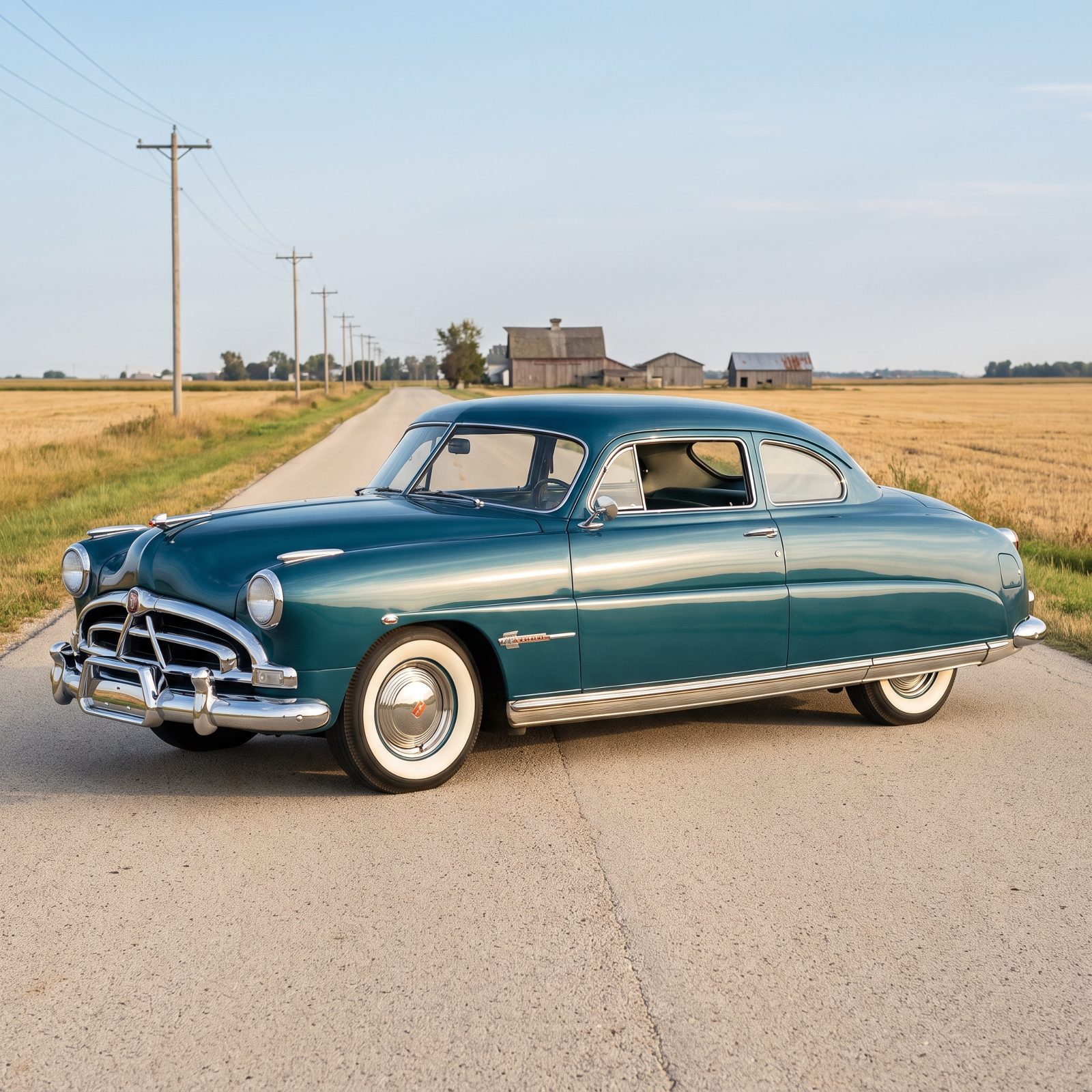
The Hudson Hornet was a terror on the stock-car tracks. That low-slung step-down body, where the floor dropped between the frame rails and let the whole car hunker down near the pavement, gave it handling nobody else could touch. Marshall Teague and Herb Thomas piled up wins, and for a few glorious years the Hornet owned the dirt.
Here’s the trap. That brilliant step-down design was expensive to build and even more expensive to change. Hudson couldn’t afford to retool, so the same basic body soldiered on while the competition kept launching fresh, flashy cars every couple of years. What started as an advantage slowly became an anchor.
Buyers want new. They always have. Hudson merged into American Motors in 1954, and the name that had dominated the ovals faded out a few years later, undone in part by a design too good and too costly to replace.
11. Nash: A Trusted Name Retired Because the Rambler Sold Faster
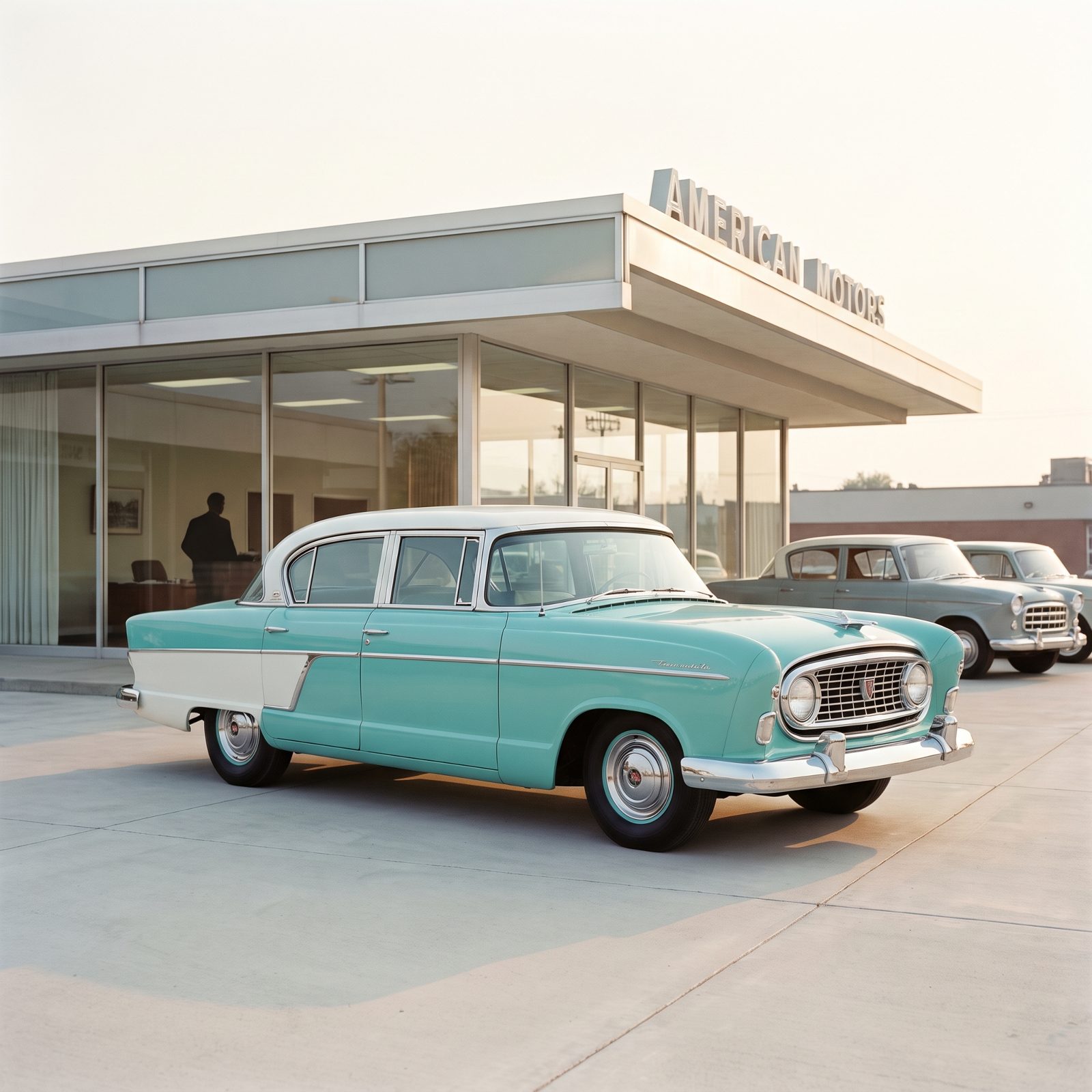
Nash had a long and respectable run. The company gave us the enclosed front wheels, those unitized bodies, and even seats that folded flat into a bed, which made the cars a favorite for folks who liked a road trip without a motel bill.
Nash also happened to launch the Rambler, a sensible compact that caught fire with buyers just as the big bulbous Ambassador was feeling dated. When American Motors formed from the Nash-Hudson merger, management looked at the numbers and made a cold call: push the brand that’s selling.
The Rambler name won. Nash and Hudson both got retired after 1957, not because the cars were bad but because the smaller, cheaper sibling moved faster off the lot. Sometimes a trusted old name has to step aside for the one that pays the bills.
10. Studebaker: Old Factories, High Wages, and Not Enough Cars to Sell
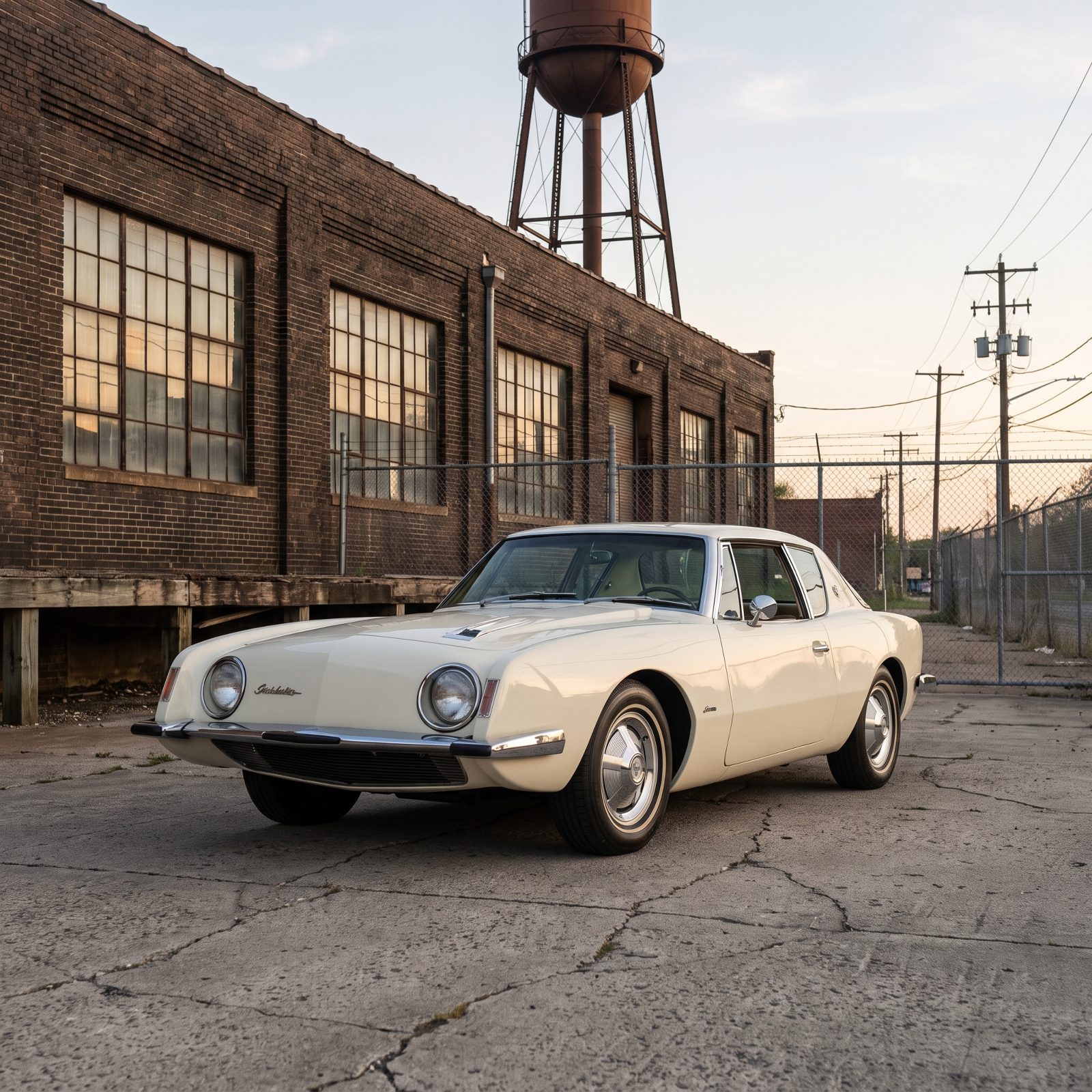
Studebaker started out building wagons back in the 1850s, which tells you how deep its roots ran. That history was also part of the trouble. By the postwar years the South Bend factories were ancient, the wages were high, and the company simply couldn’t build cars cheaply enough to undercut Detroit.
And then, almost out of spite, it produced the Avanti. A low fiberglass wedge with no grille and styling that still looks sharp six decades on, the Avanti proved Studebaker could still dream big. Gorgeous car. Wrong moment entirely.
You can’t run a modern auto business out of worn-out plants with costs you can’t control, no matter how pretty the final design turns out. Studebaker shut down its American production in 1963 and limped along in Canada before quitting cars altogether in 1966. A daring last swing, taken behind a factory that couldn’t keep the doors open.
9. Edsel: A Recession, Confusing Prices, and Styling Nobody Could Agree On Sank Ford’s Newest Division
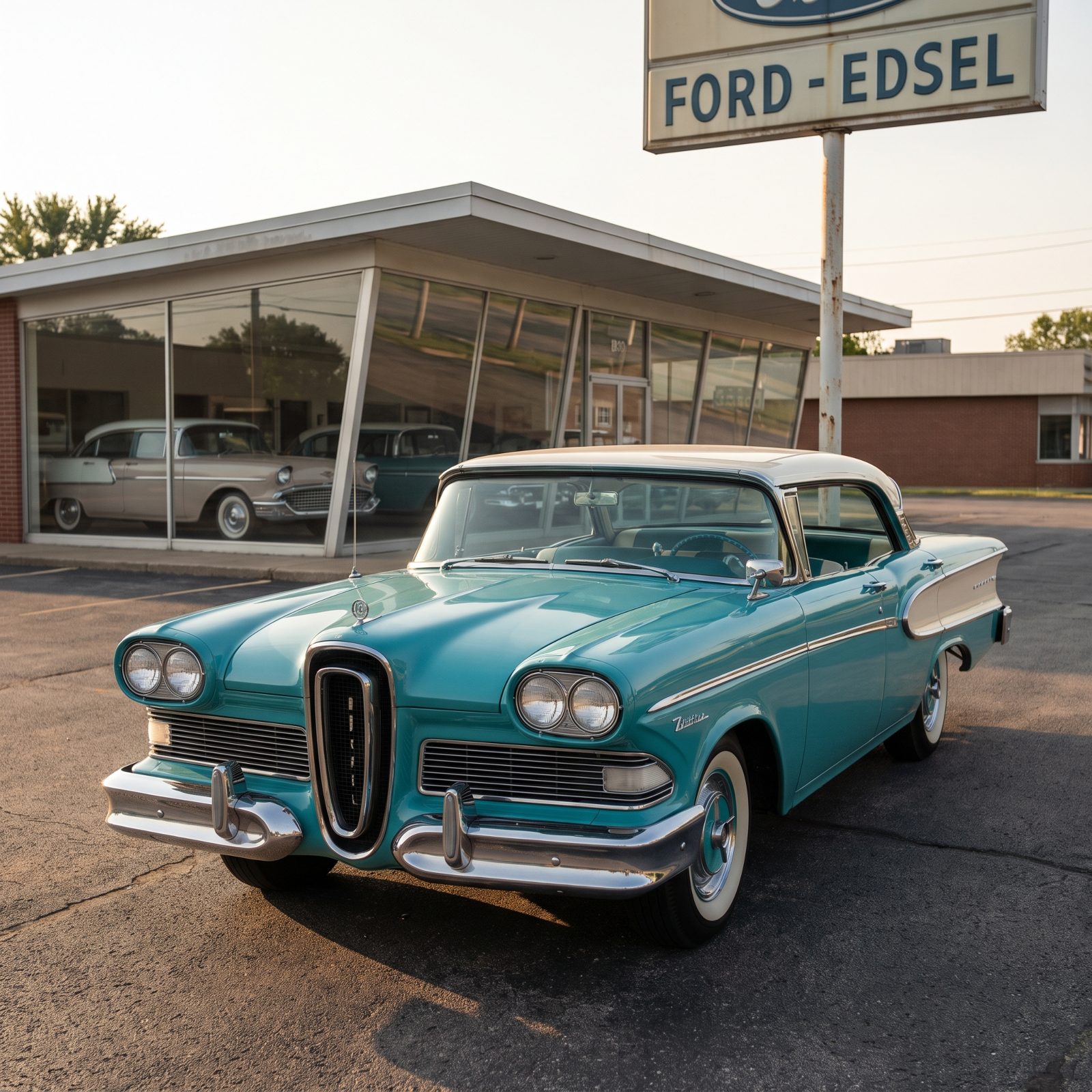
Ford spent years and a fortune building the Edsel up, and then the bottom fell out of the car market the exact season it launched. The recession hit the medium-price field hardest, which happened to be the field Edsel was built to fill. Bad timing is too kind a phrase for it.
The price ladder made things worse. Edsel slotted between Ford and Mercury, except the ranges overlapped so badly that a loaded Ford cost more than a base Edsel while a base Mercury undercut a nice one. Buyers stood on the lot doing arithmetic that never came out in Edsel’s favor.
And then there was that grille. People still argue about it today. Ford pulled the plug in November 1959, roughly twenty-six months after the first one rolled out — a brand-new division dead before it had a chance to grow up.
8. DeSoto: Model Overlap and a Crowded Chrysler Lineup Squeezed It Out of Existence
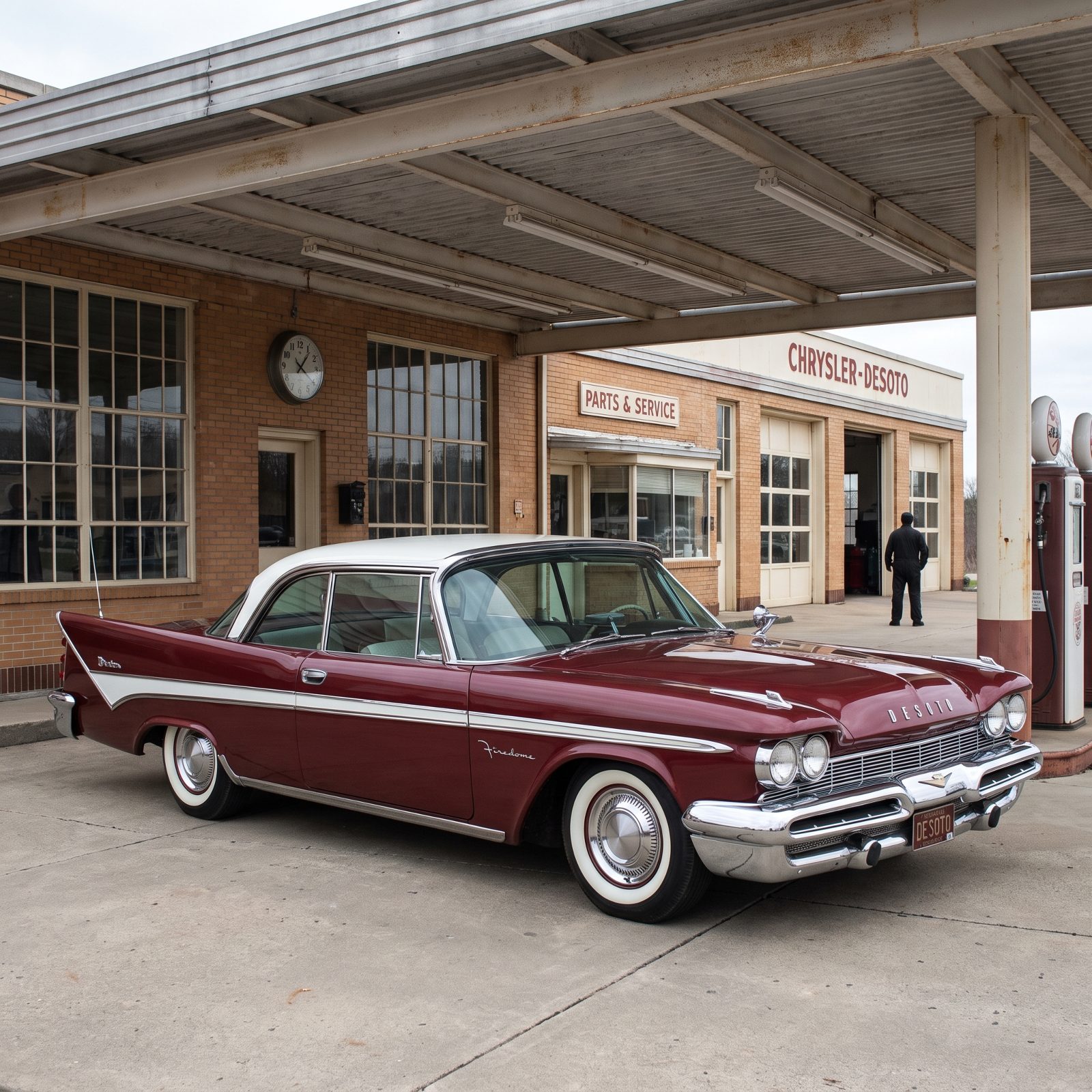
DeSoto’s problem was never the cars. It was arithmetic inside Chrysler’s own building.
By the late 1950s Chrysler ran five marques — Plymouth, Dodge, DeSoto, Chrysler, and Imperial — and DeSoto sat in a narrow band that Dodge kept creeping into from below while Chrysler pressed down from above. When the recession gutted medium-price sales, there just wasn’t enough room left for a brand wedged between two stronger siblings.
Dealers saw it coming. Customers heard rumors the marque was doomed and stopped buying, which made the rumors true, which is about as grim a loop as a car company can get caught in. Chrysler built a handful of 1961 models, then shut it down just weeks into the model year. More than three decades of history, gone almost overnight, because the company had one too many mouths to feed.
7. American Motors: Renault’s Cash Bought Time, Not a Future, Before Chrysler Bought the Whole Company
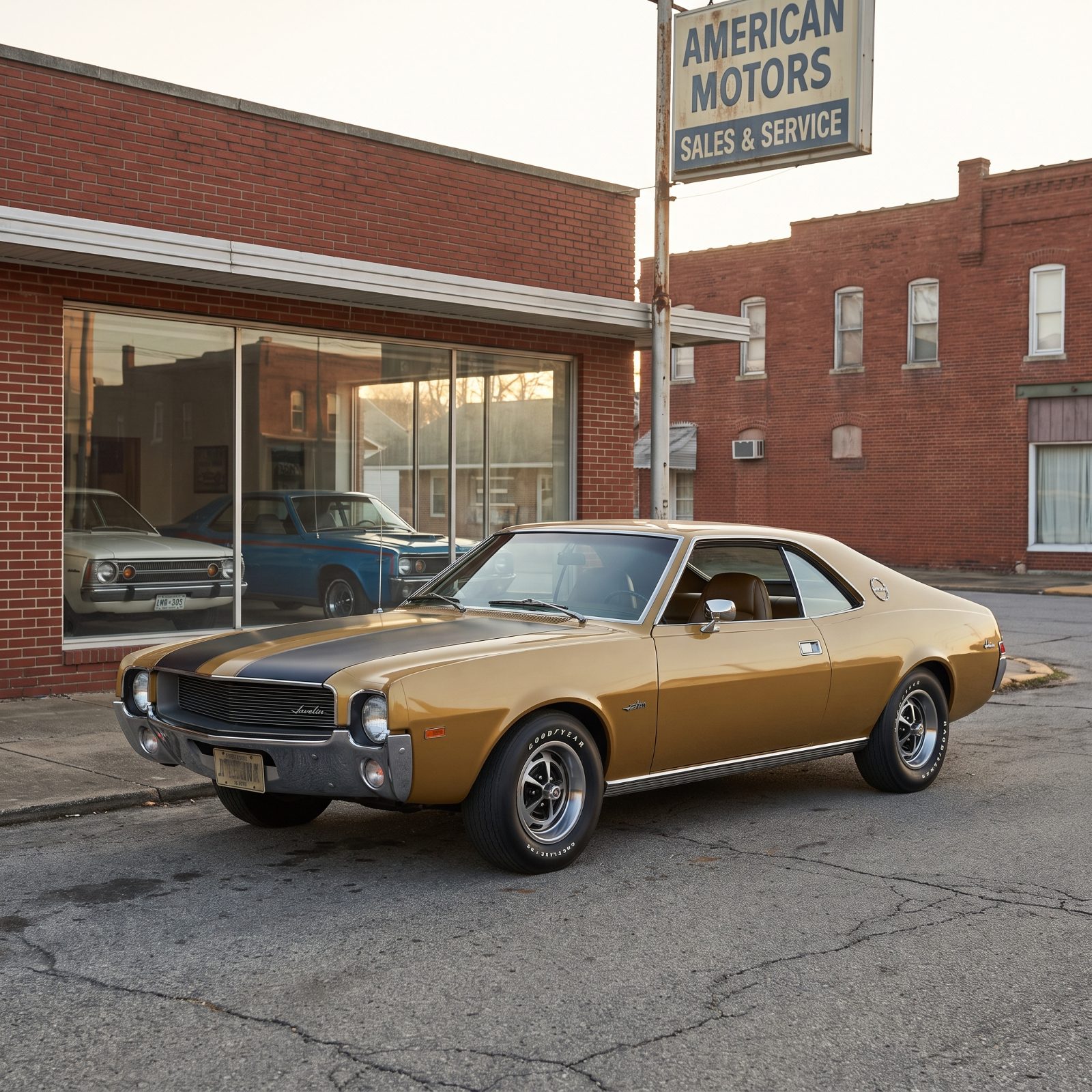
AMC was always the small company fighting three much larger ones. It survived by being different, and that difference had names: the Rambler, the Gremlin, the oddball Pacer, and the Jeep brand it bought in 1970, which turned out to be the crown jewel of the whole operation.
Renault took a controlling stake across 1979 and 1980, pumping in cash and shipping over models like the Alliance. The money kept the lights on. It never solved the core math, though — AMC lacked the volume to spread engineering costs across a full lineup the way the Big Three could, and no amount of French investment changed that.
When Renault wanted out, Chrysler bought the company in 1987, mostly for Jeep. The AMC passenger-car name disappeared almost immediately.
6. Eagle: Born From a Buyout, It Overlapped Dodge and Jeep Until Chrysler Pulled the Badge
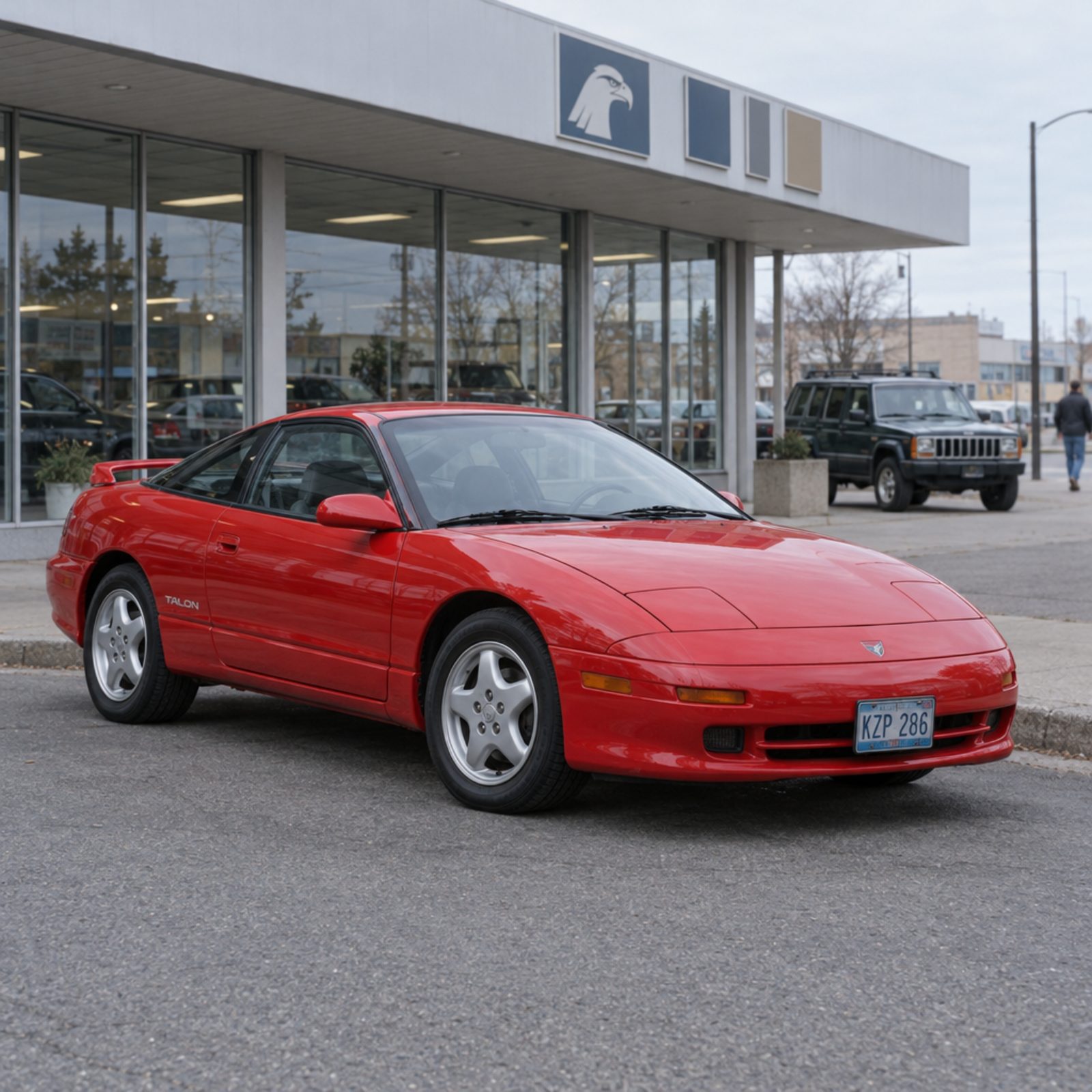
Eagle is the marque most people forget existed, and that was its whole problem.
Chrysler created it in 1988 from the AMC remnants, pairing leftover sedans with imports built by Mitsubishi partners. The Talon was genuinely good. The Premier and Vision were competent enough. But the Talon was nearly identical to the Plymouth Laser, the Vision shared its bones with Chrysler’s own LH cars, and the whole lineup lived inside Jeep-Eagle showrooms where Jeep did all the selling. Nobody walked in asking for an Eagle.
A brand nobody could define is a brand nobody misses. Chrysler quietly ended it in 1998, about a decade after inventing it. No fanfare, no farewell edition — just a badge that stopped showing up.
5. Plymouth: Badge Engineering Erased Its Reason to Exist Inside Chrysler
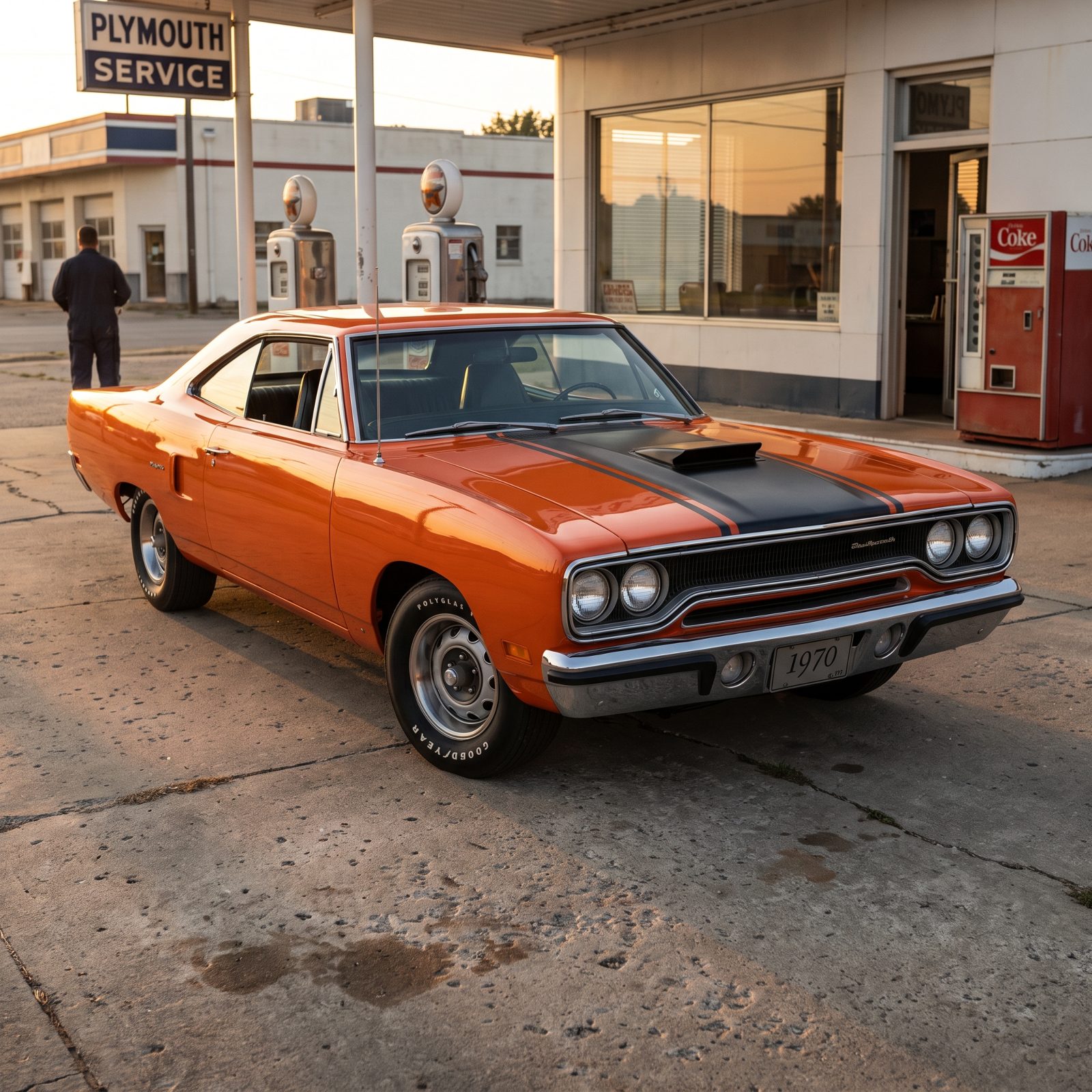
For decades Plymouth was Chrysler’s volume brand, the sensible entry point that built real affection — the Valiant, the Barracuda, the Road Runner, the Duster. A lot of people bought their very first car from Plymouth.
Then Chrysler slowly turned it into a rebadge factory. The Sundance was a Dodge Shadow. The Acclaim was a Dodge Spirit. The Breeze shared everything with a Dodge and a Chrysler. By the late 1990s almost every Plymouth was a lightly reskinned version of a car you could buy down the hall wearing a nicer badge.
Give a brand no cars of its own and you give customers no reason to choose it. The PT Cruiser was the one genuinely distinct product left — and Chrysler simply handed it to the Chrysler badge instead. Plymouth ended in 2001.
4. Oldsmobile: Decades of Shared GM Parts Hollowed Out an Identity That Once Meant Innovation
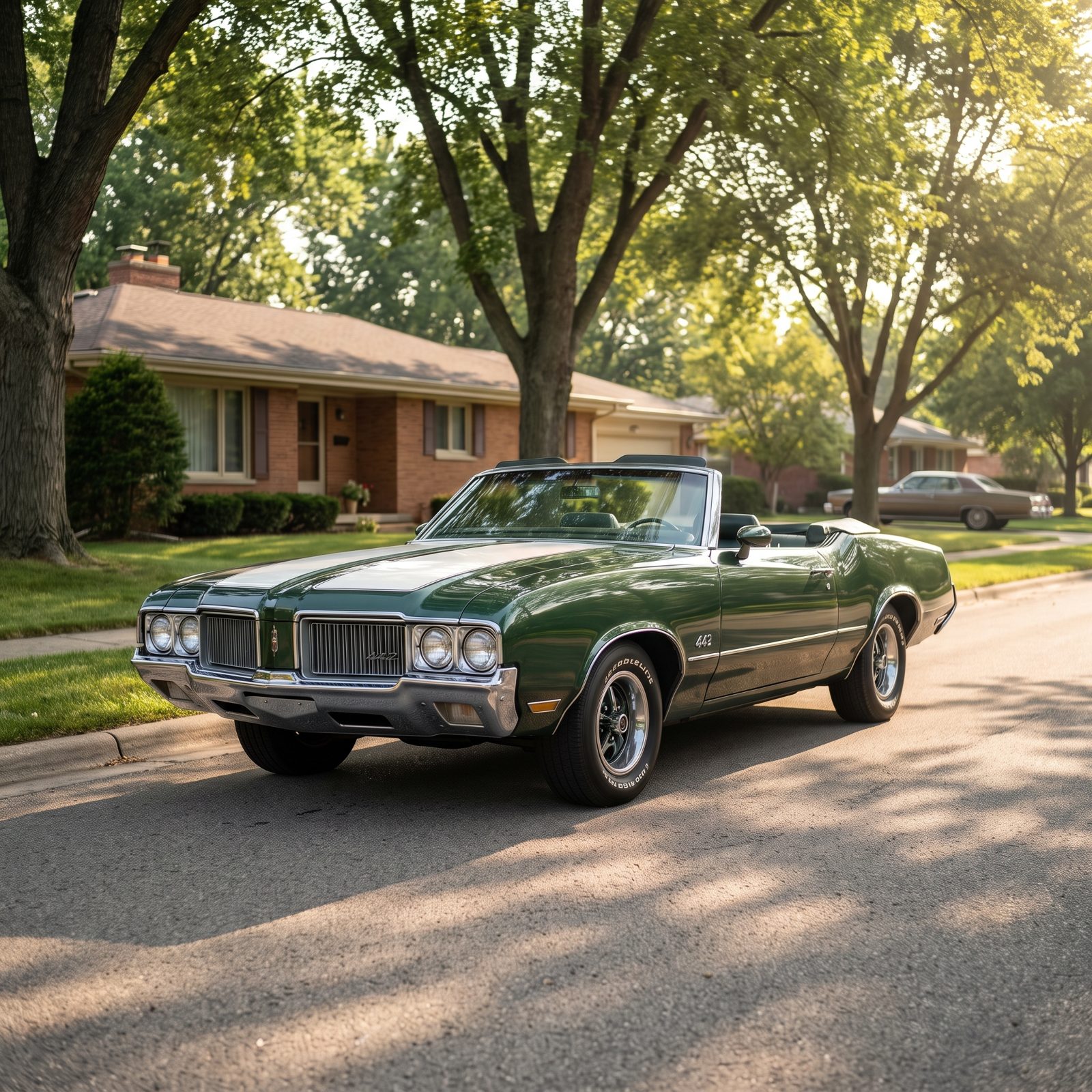
Oldsmobile was once GM’s engineering showcase. The Rocket V8, the first mass-produced automatic, the front-drive Toronado — the name actually meant something to the people who bought it.
Then GM’s platform-sharing strategy slowly dissolved all of that. An Olds became a Buick with a different grille, then a Chevrolet with nicer trim, then a Pontiac wearing a rocket badge. The infamous moment came when buyers discovered Oldsmobiles carrying Chevrolet engines in the late 1970s, a lawsuit-worthy betrayal of everything the name had promised.
Sales slid for years. The “This is not your father’s Oldsmobile” campaign tried to fix the perception without fixing the sameness underneath it, which almost never works. GM announced the phase-out in 2000 and built the last one, a dark cherry Alero, in 2004 — killing a marque that was actually older than the company that killed it.
3. Pontiac: GM’s Bankruptcy Restructuring Cut the Division Loose Despite a Deep Performance Heritage
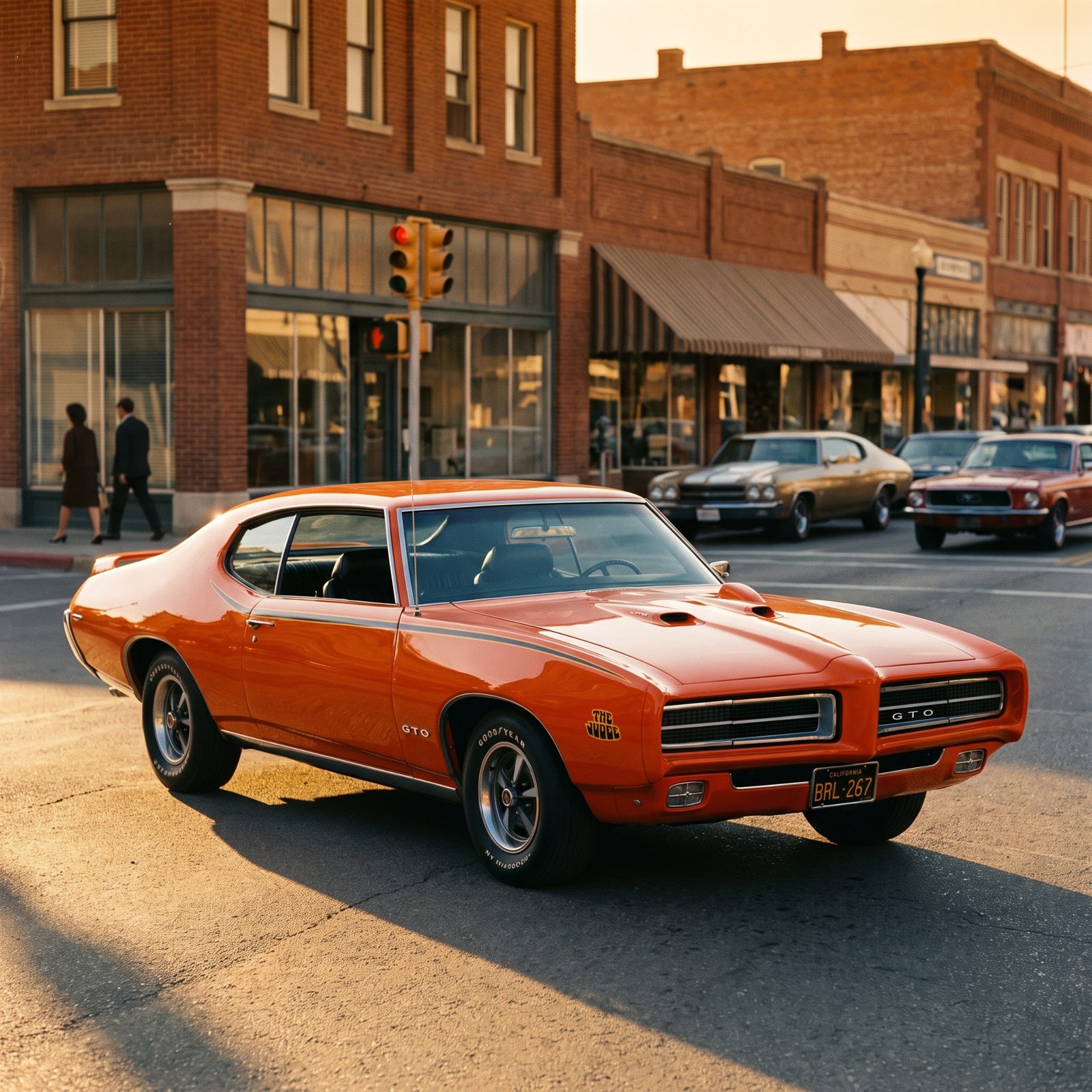
Pontiac built its name on performance, and the GTO practically invented the muscle car all by itself. The Trans Am, the Firebird, the Judge package, that wide-track handling pitch — enthusiasts loved every bit of it.
None of that saved the division in 2009. When GM went through government-backed bankruptcy, the restructuring plan demanded a smaller company with fewer brands, and the decision came down to a spreadsheet. GM kept Chevrolet, Cadillac, Buick, and GMC. Pontiac didn’t make the cut.
The cruelty is all in the timing. The G8 and the little Solstice had finally given Pontiac genuine character again. The brand was arguably getting good right as the company decided it couldn’t afford to keep it around. The last Pontiacs left showrooms in 2010.
2. Saturn: GM’s Bankruptcy and a Collapsed Penske Sale Killed the Experiment Overnight
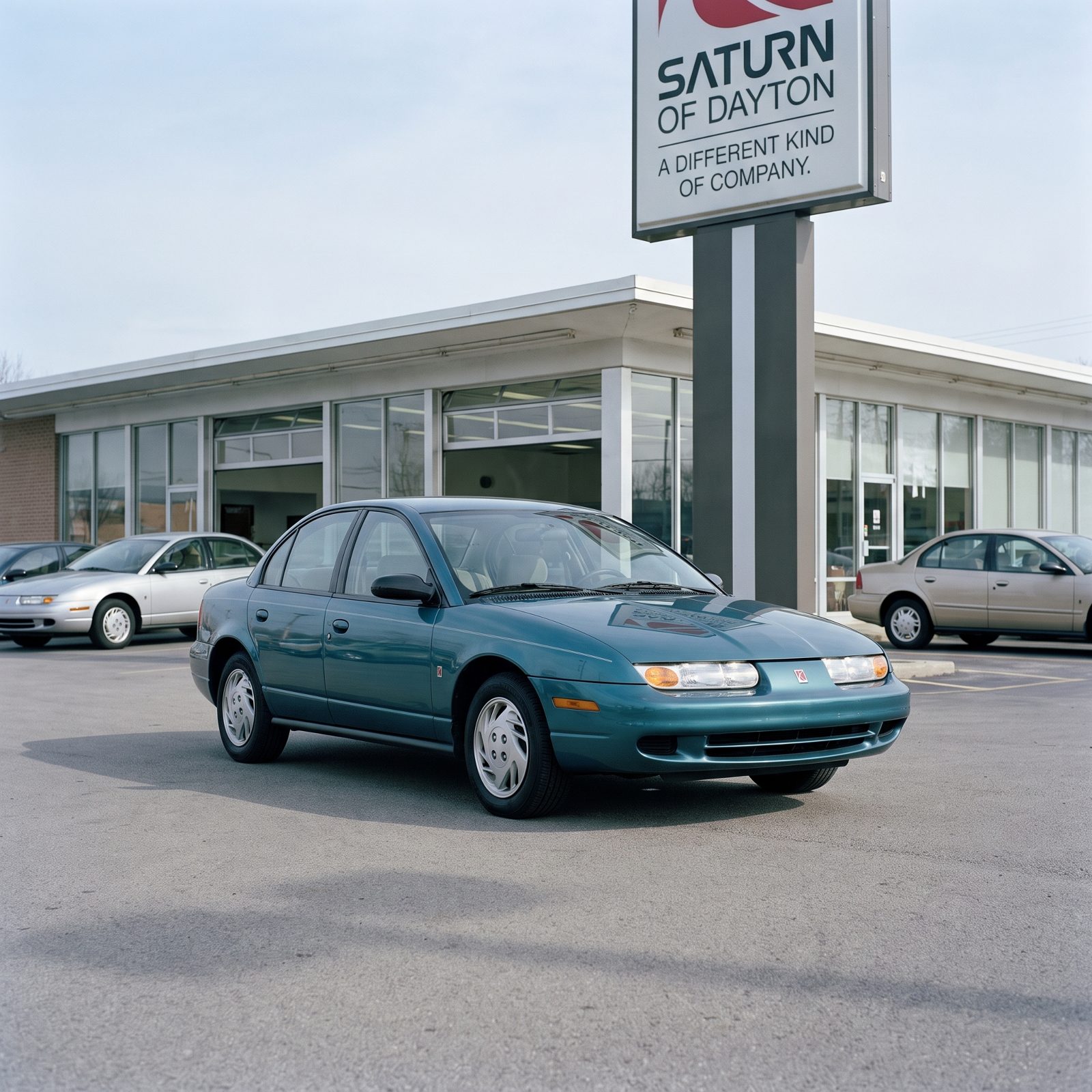
Saturn started as GM’s answer to the Japanese imports, and for a while it really was a different idea. Separate company. Dent-resistant plastic panels. No-haggle pricing and dealers who treated buyers like actual humans. People threw owner barbecues, for crying out loud. It was that kind of brand.
The trouble was product, or the lack of it. GM never fed Saturn enough fresh metal, leaning instead on rebadged Opels and shared GM platforms that quietly undercut the whole “different kind of company” promise it had made out loud.
During the 2009 bankruptcy, GM lined up a deal to sell Saturn to Roger Penske, which would have kept the brand alive as a distribution arm. Then the sale collapsed in September 2009 when a manufacturing partner fell through. With no buyer and no time, GM wound the brand down and closed it in 2010.
1. Mercury: Shrinking Volume and Heavy Overlap With Ford and Lincoln Finally Made It Redundant
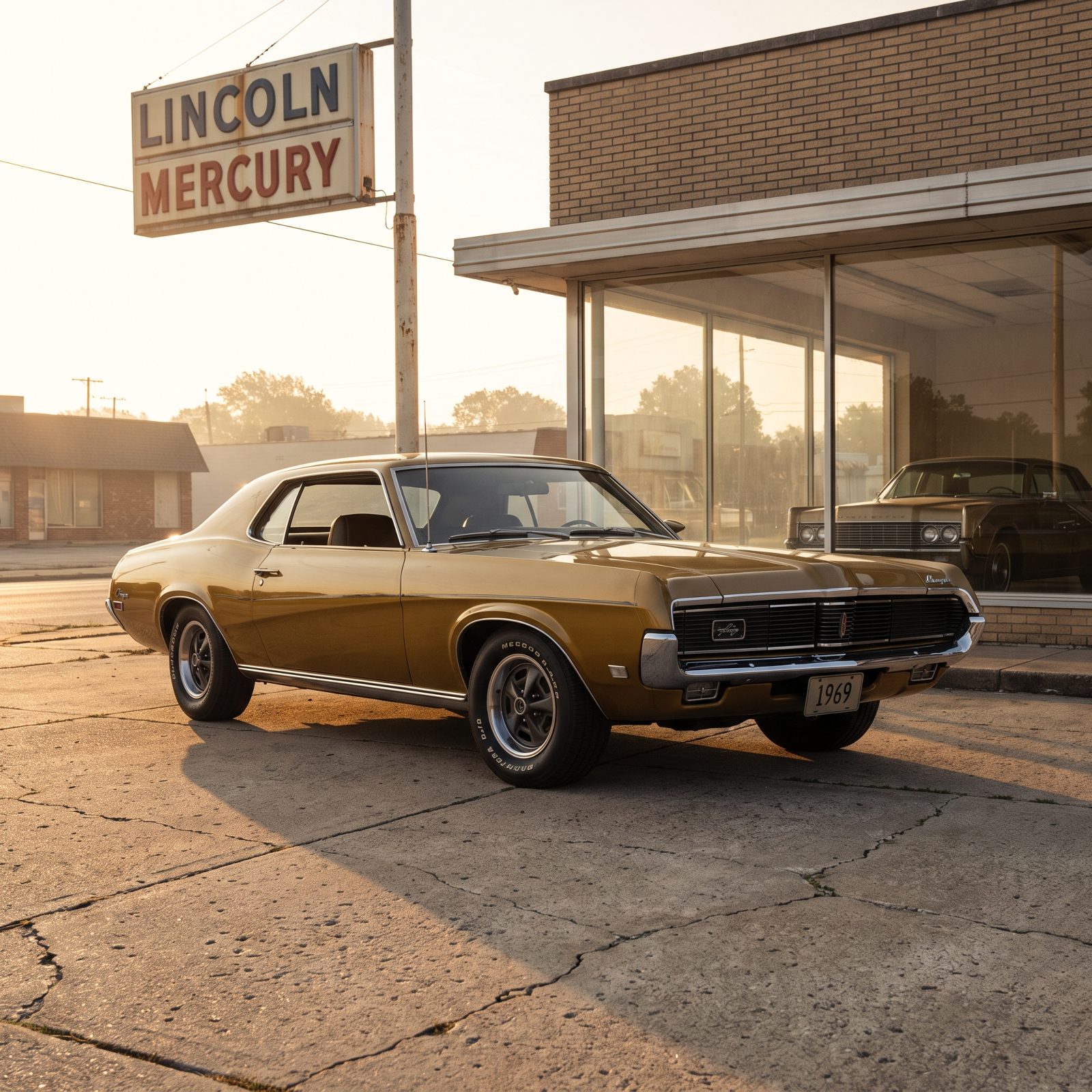
Mercury always lived in the narrow gap between Ford and Lincoln, and for a long time that worked just fine. The Cougar had real presence. The Marauder had muscle. The brand gave Ford buyers a step up without reaching for Lincoln money.
By the 2000s that gap had closed. Nearly every Mercury was a Ford wearing a waterfall grille and a handful of extra features — the Milan was a Fusion, the Mariner was an Escape. Buyers could see straight through the trick, and showroom traffic dwindled to a trickle.
Ford, by then chasing its One Ford strategy and a leaner portfolio, announced the end in 2010 and built the last Mercury, a Grand Marquis, in early 2011. A brand that outlived DeSoto and Edsel by decades finally ran out of reasons to exist.