
Would you like to save this?
The worst part isn’t the money. It’s the Saturday you signed the title in some stranger’s driveway, handed over the keys, and watched a car you’d owned for years roll off down the street with somebody else behind the wheel. You told yourself it was practical — you needed the space, the cash, the garage. Then the value tripled, or your kid grew up, or you just heard one idle at a stoplight and your chest went tight. These are the ones nobody ever really got over.
Please note that some of the images in this article were created with the assistance of AI.
First-Generation Ford Mustang (1964½, 1966)
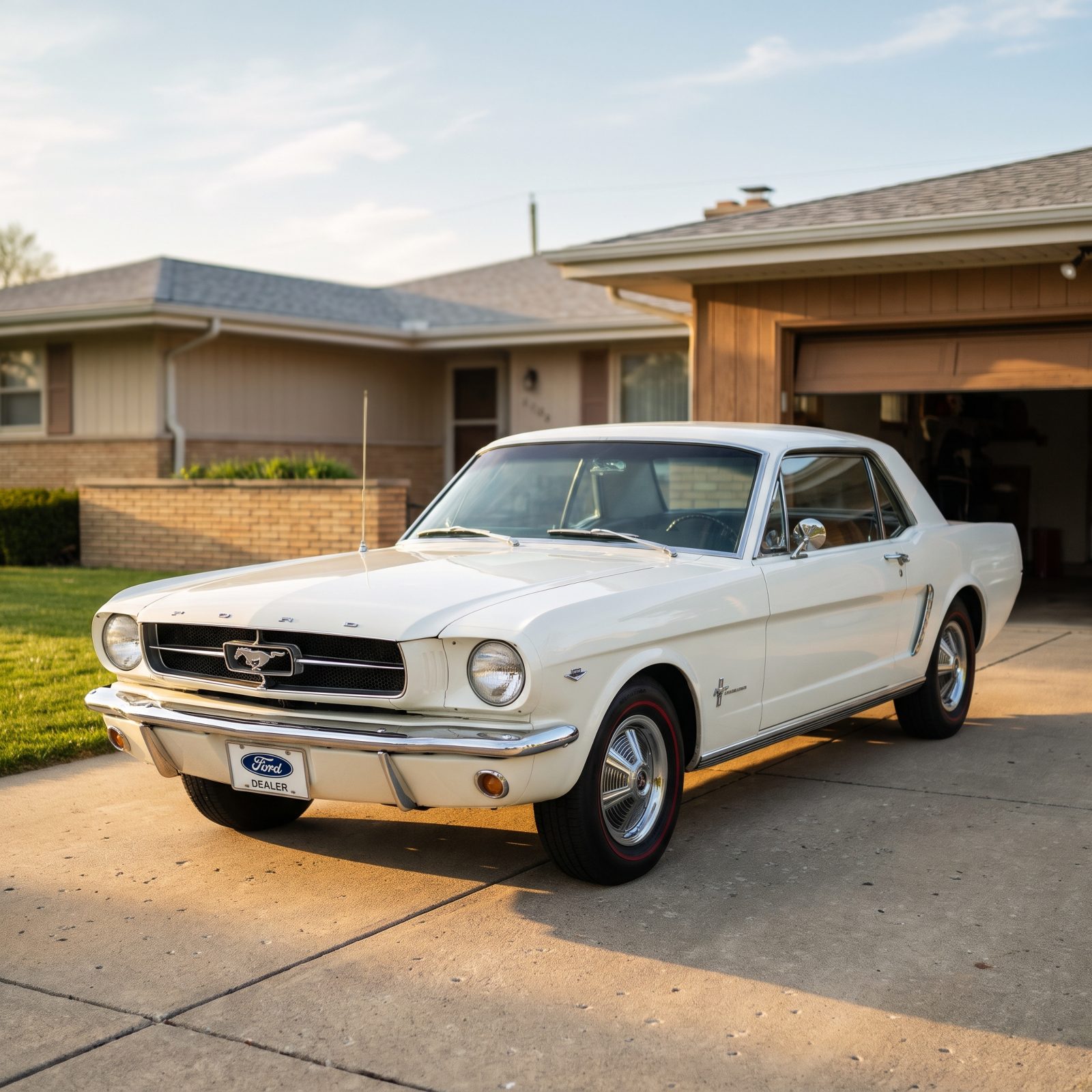
Everybody’s first mistake looks the same in the rearview. You bought the Mustang for three figures when gas was cheap, drove it through two jobs and a marriage, then sold it to put a down payment on something sensible with four doors.
The early cars made you feel like the main character. That long hood, the short deck, the little chrome pony galloping across the grille. A 289 V8, a three-speed, and the whole thing weighed about as much as a modern sedan’s doors.
What stings now isn’t the auction numbers. It’s that Ford built over a million of them and you still can’t find your exact one — the Wimbledon White coupe with the dent you knew by heart.
1970 Chevrolet Chevelle SS 454
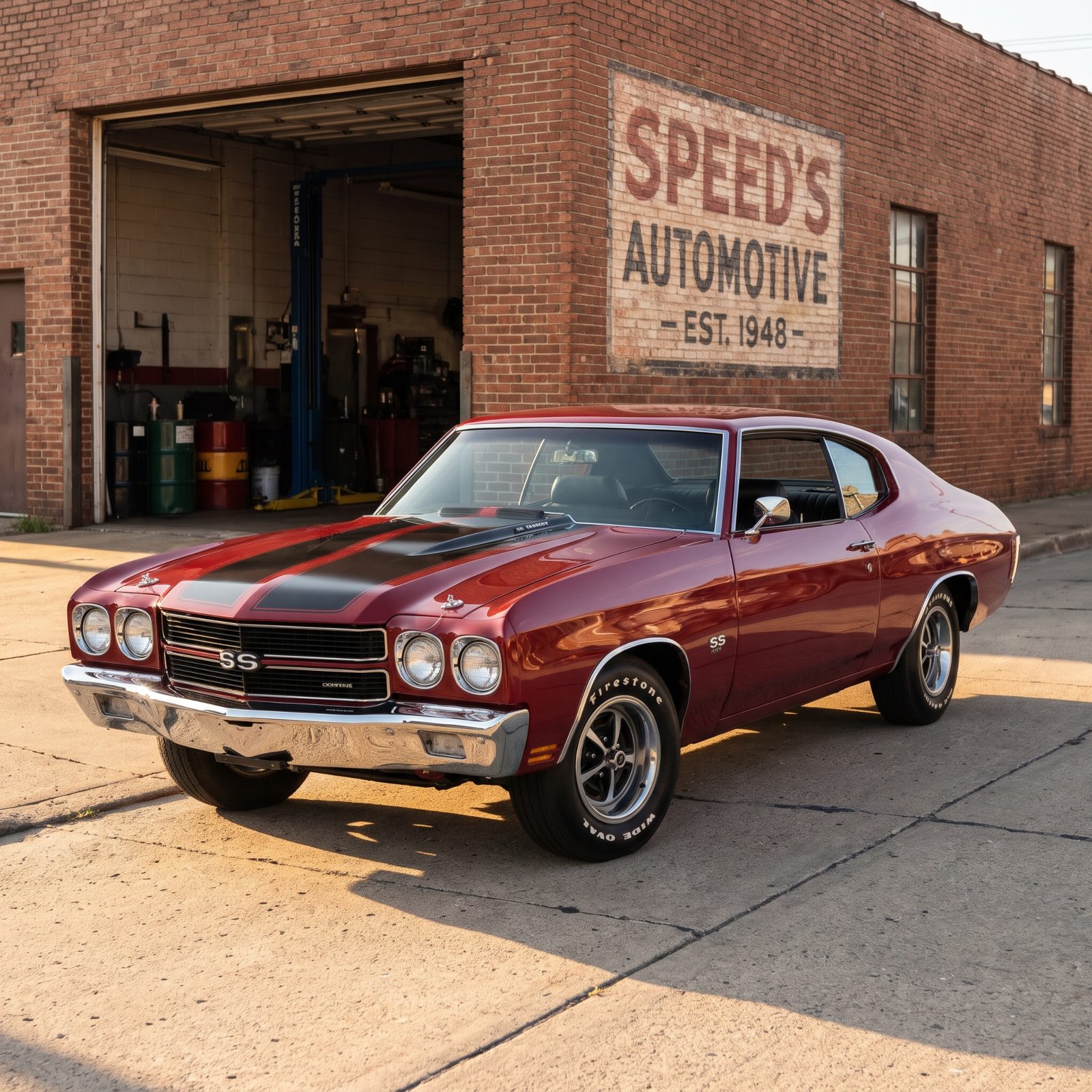
You could hear the 454 breathing at idle before the hood scoop ever twitched. That cowl induction sucked air right off the windshield, and the whole car shuddered like it resented sitting still.
The LS6 version made big factory horsepower, a number that looked like a typo in 1970 and still raises eyebrows. People drag-raced these on back roads, blew head gaskets, dropped in crate motors, and generally used them hard. That’s exactly why clean ones are gone.
Letting one go felt reasonable when gas hit a dollar a gallon and the thing drank like it had somewhere to be. The regret shows up every time one crosses an auction block for the price of a house.
Toyota Land Cruiser FJ40
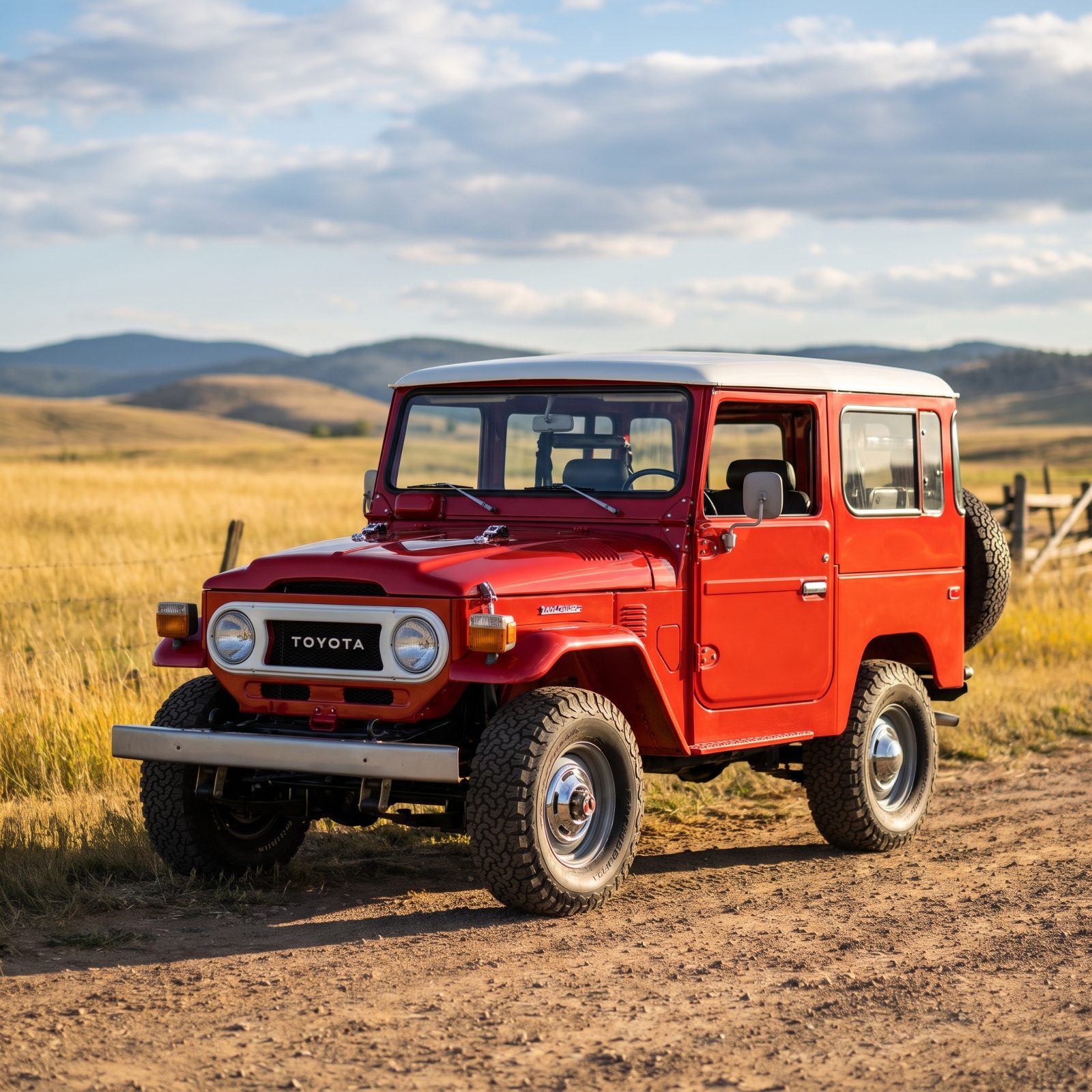
Simple as a hammer and about as hard to kill. The FJ40 had roll-up windows that fought you, a ride like a buckboard, and a straight-six that would run on spite long after everything else quit.
Folks bought them to haul firewood and plow the driveway, treated them like a wheelbarrow with a roof, and never thought twice about rust creeping through the floor pans. Nobody babied these. That’s the whole problem now.
A clean FJ40 today sells for money that would make the original owner spit out his coffee. The ones that got used up are the reason the survivors cost what they do.
What Our Readers Say
- In Jalopy Talk readers’ heart votes, photos of restored, concours-condition cars got hearts 83% of the time, compared with 74% for the other images in the same articles.
From Jalopy Talk reader polls and votes.
Datsun 240Z
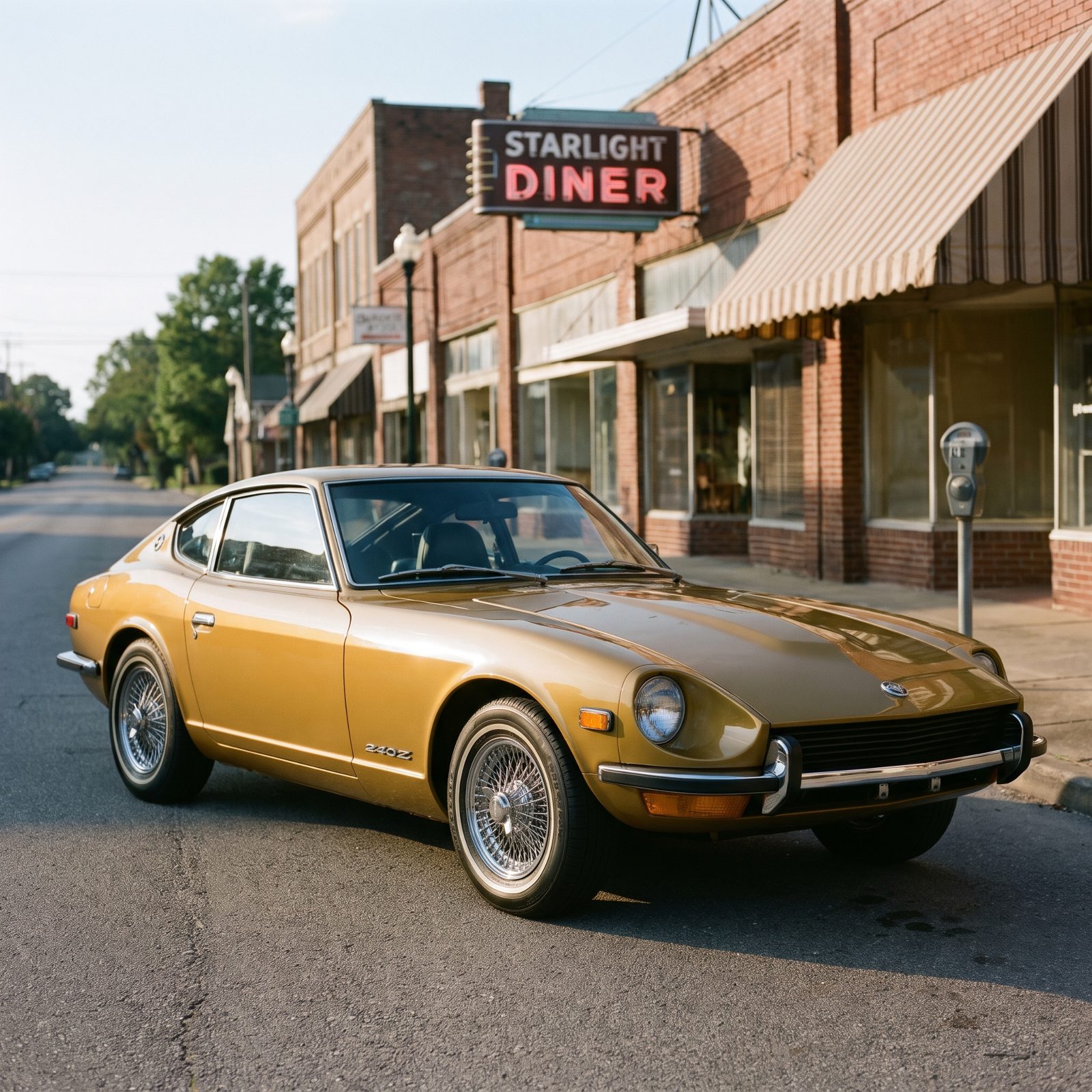
The Z landed in 1970 and quietly embarrassed sports cars that cost twice as much. Long hood, a willing inline-six, a shape that still looks right half a century later.
Most got driven the way sports cars should be, which means the rust got into the floors and the fenders and the battery tray, and plenty ended up as parts cars behind somebody’s barn. Selling one for a few hundred bucks in 1988 felt like unloading an old economy car.
Nobody calls it that now. A rust-free, numbers-matching early 240Z has become a trophy, and the owner who let his go for grocery money thinks about it more than he’d admit.
First-Generation Mazda Miata (NA)
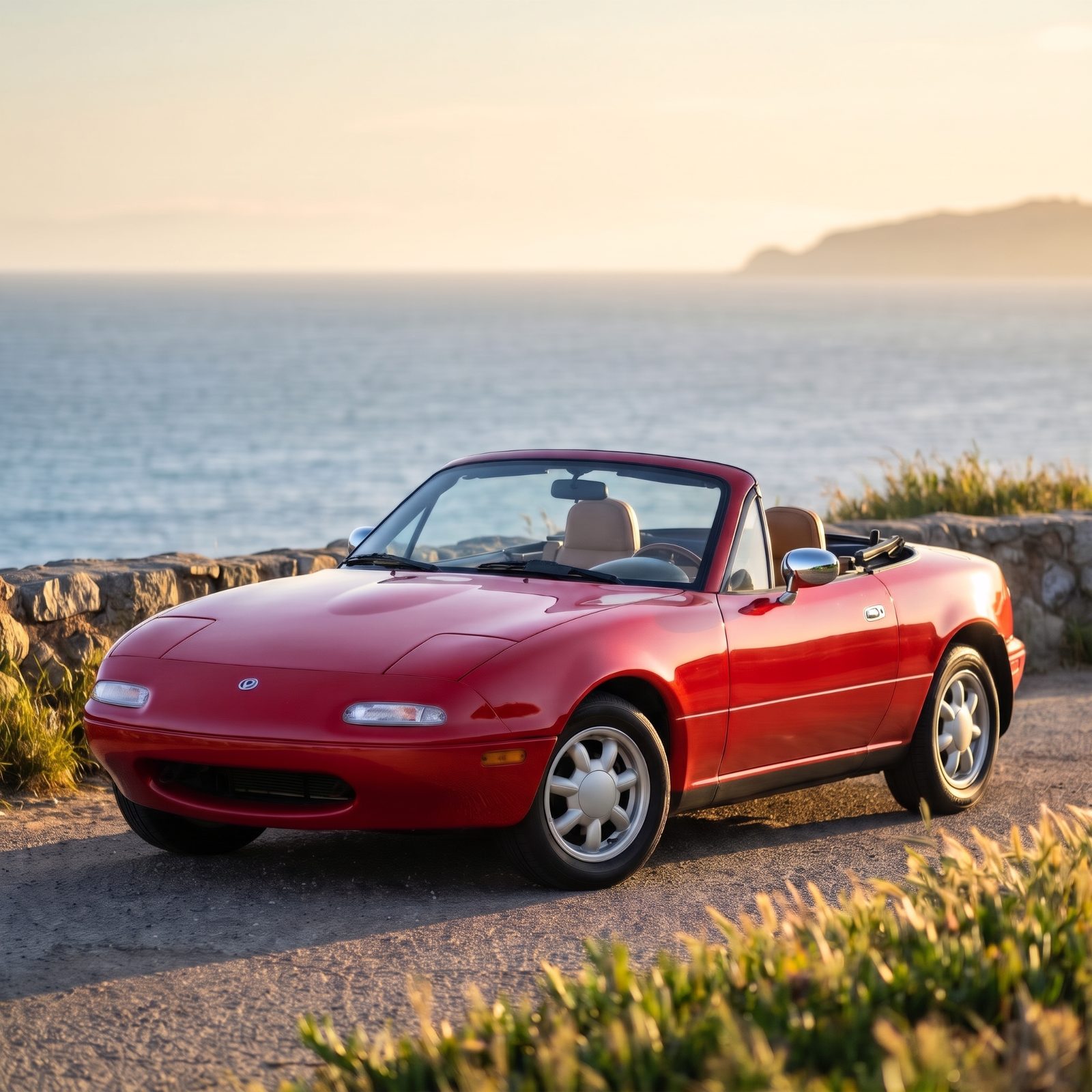
This is the one people are shocked to miss. The NA Miata was a cheap, honest little roadster — the kind of car you bought used for almost nothing and drove with the top down just to run errands.
Then it became a modern classic while nobody was looking. The pop-up headlights, the five-speed that shifted like a rifle bolt, the way it weighed about as much as a loaded golf cart and still put a grin on your face.
Folks sold theirs when a kid came along or the lease on something bigger looked tempting. Clean, low-mile, unmodified first-gen cars now pull real money, and the owners who treated them as disposable are kicking themselves hardest.
Volkswagen Beetle (Air-Cooled)
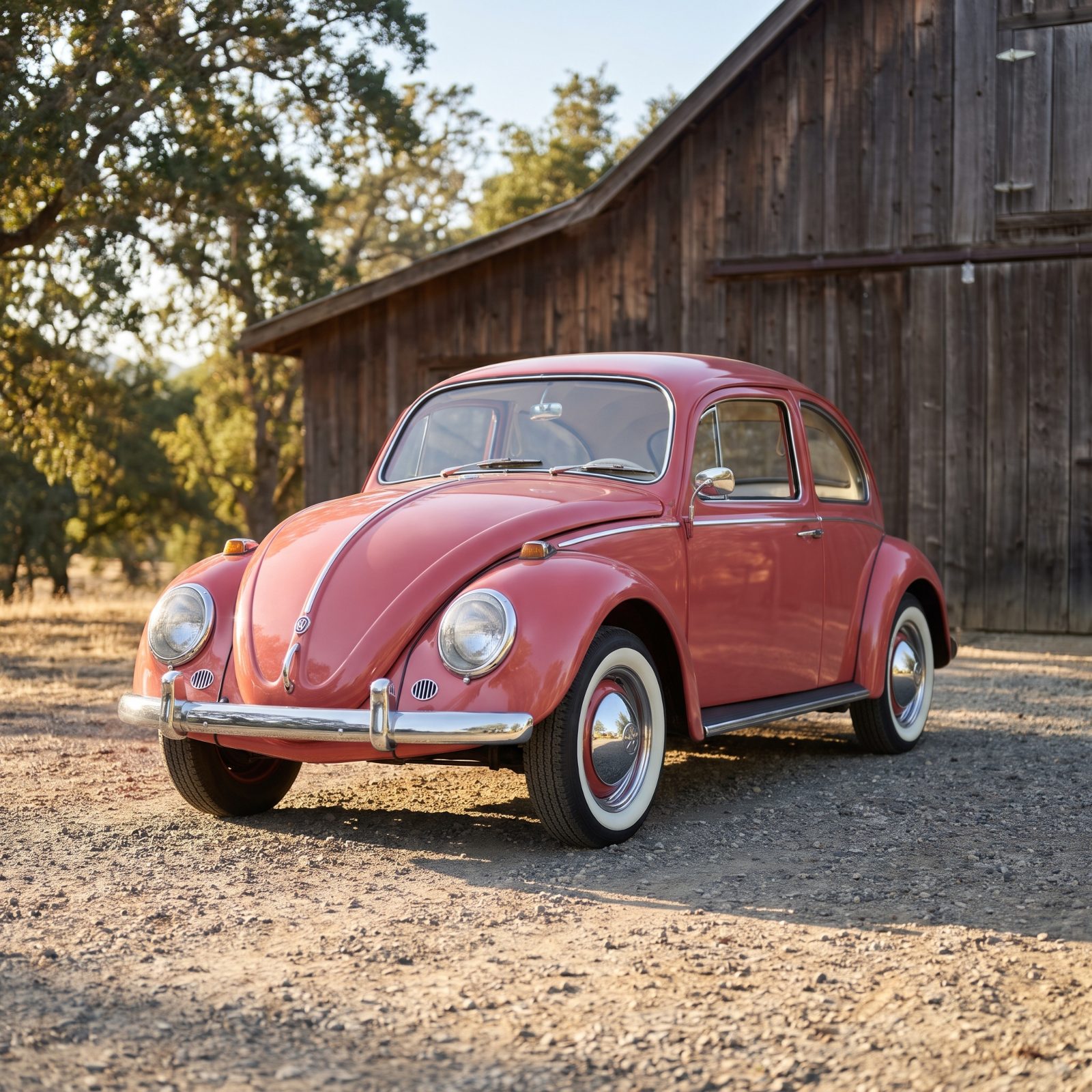
The sound gives it away before anything else. That flat clatter of the air-cooled four, the heater that blew lukewarm in January, the shifter that felt like stirring a bucket of bolts.
Half the country learned to drive in a Beetle. Dad fixed them in the driveway with a single wrench and the Idiot’s Guide manual open on the fender. They were disposable transportation by definition, and millions got run clean into the ground.
That’s why handing one off never felt like a loss at the time. Now a clean, original air-cooled Bug is a genuine collectible, and the family that let theirs go for a few hundred dollars remembers it like a relative.
1967 Chevrolet Camaro
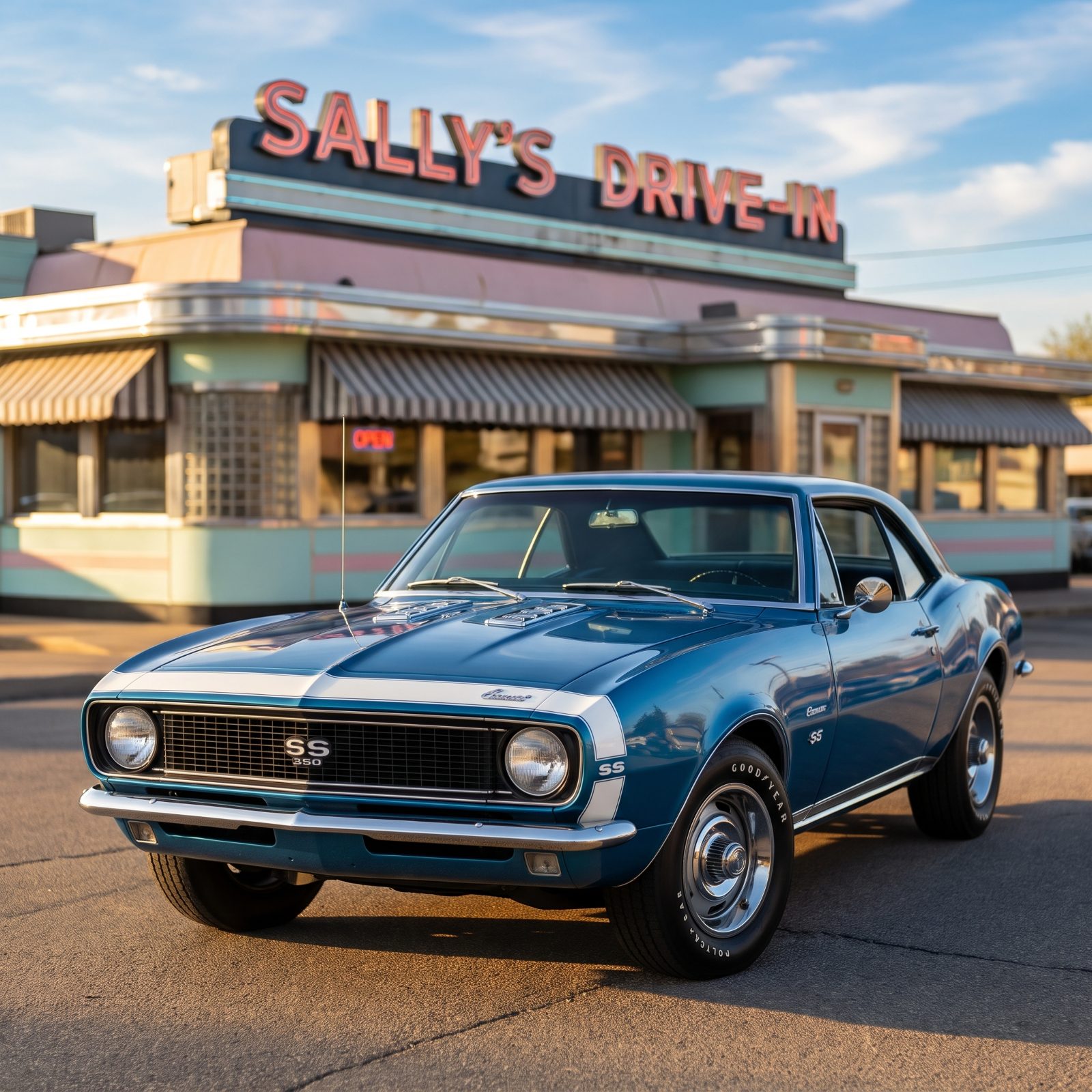
Chevy built the ’67 to answer the Mustang, and the first-year cars have a stance that still stops conversation. That split grille, the coke-bottle curve down the flank, the little Rally Sport hideaway headlights if you were lucky enough to spring for them.
Guys dropped small-blocks and big-blocks into these, cruised them Saturday nights, then sold them off in the lean years when nobody paid for muscle cars anymore. A ’67 could be had for beer money in the early eighties.
Try that math today. A real SS or Z/28 first-gen Camaro is the kind of car you plan an estate around, not one you flip for rent.
Pontiac GTO ‘The Judge’
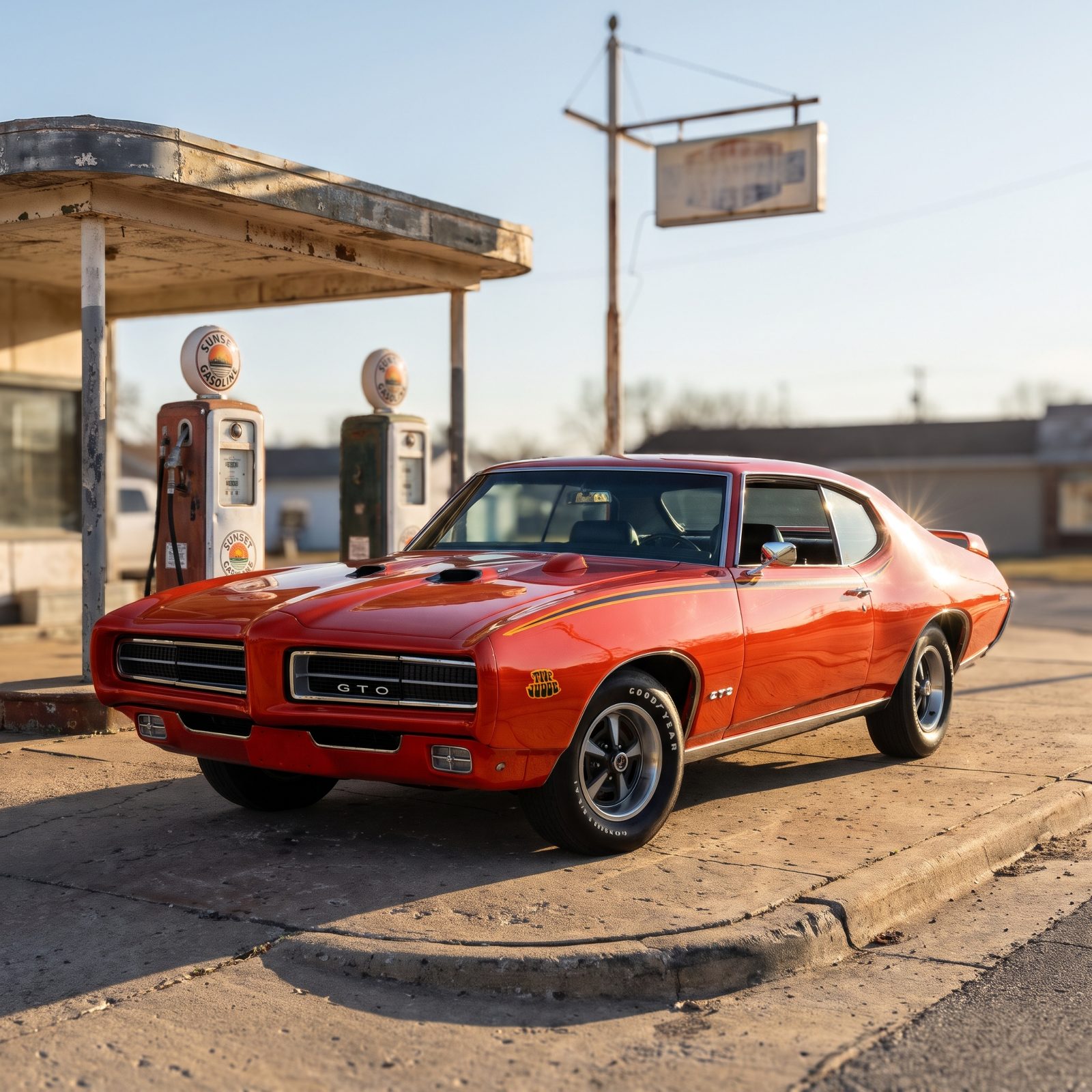
The Judge showed up in 1969 wearing Carousel Red and a rear wing and a name lifted straight off a comedy show, and somehow it worked. Nothing about this car whispered.
The hood tach, the Ram Air scoops, the stripe decals you could spot from two blocks over. Pontiac at its most theatrical. People either loved it or thought it was too much — and plenty of the too-much crowd sold theirs cheap.
Here’s the kicker. Judges were built in small numbers next to standard GTOs, so letting one go wasn’t just losing a muscle car. It meant losing one of the rare ones, the kind that now shows up in glossy auction catalogs with a reserve that would’ve bought a house back then.
1969 Dodge Charger
Would you like to save this?
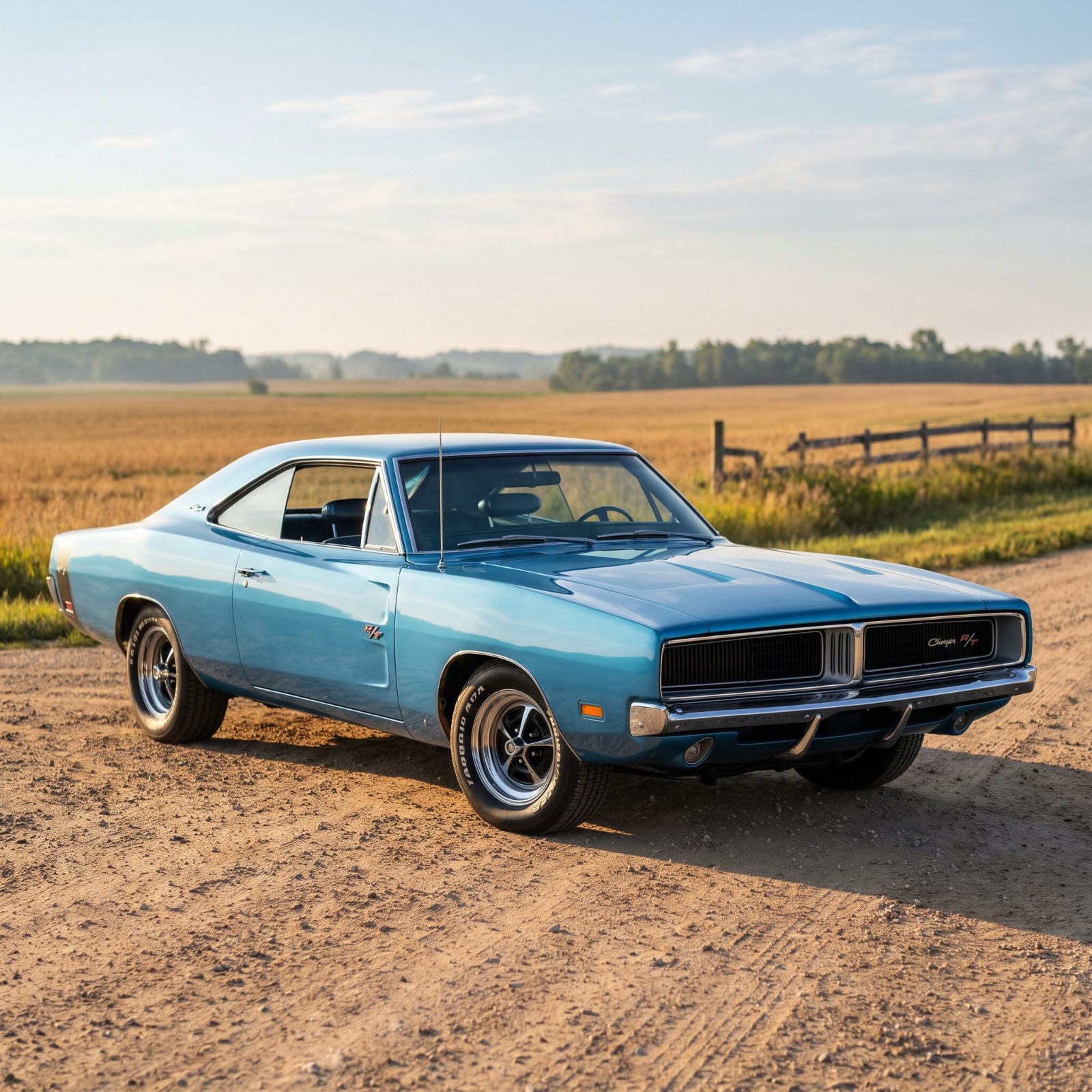
The ’69 Charger is the one Hollywood keeps borrowing, and you can see why. That full-width grille with the hidden headlights, the coke-bottle flanks, the flying-buttress roofline that made the rear glass look sunk into a tunnel.
Owners sold them when muscle cars were just old used cars — the kind of thing you’d trade toward a pickup without a second thought. Rust and hard driving thinned the herd fast.
Then the movies made it a legend and the prices followed. A clean ’69 R/T, Hemi or otherwise, now commands the kind of respect and money that makes the guy who sold his for two grand go quiet at a car show.
Plymouth Barracuda
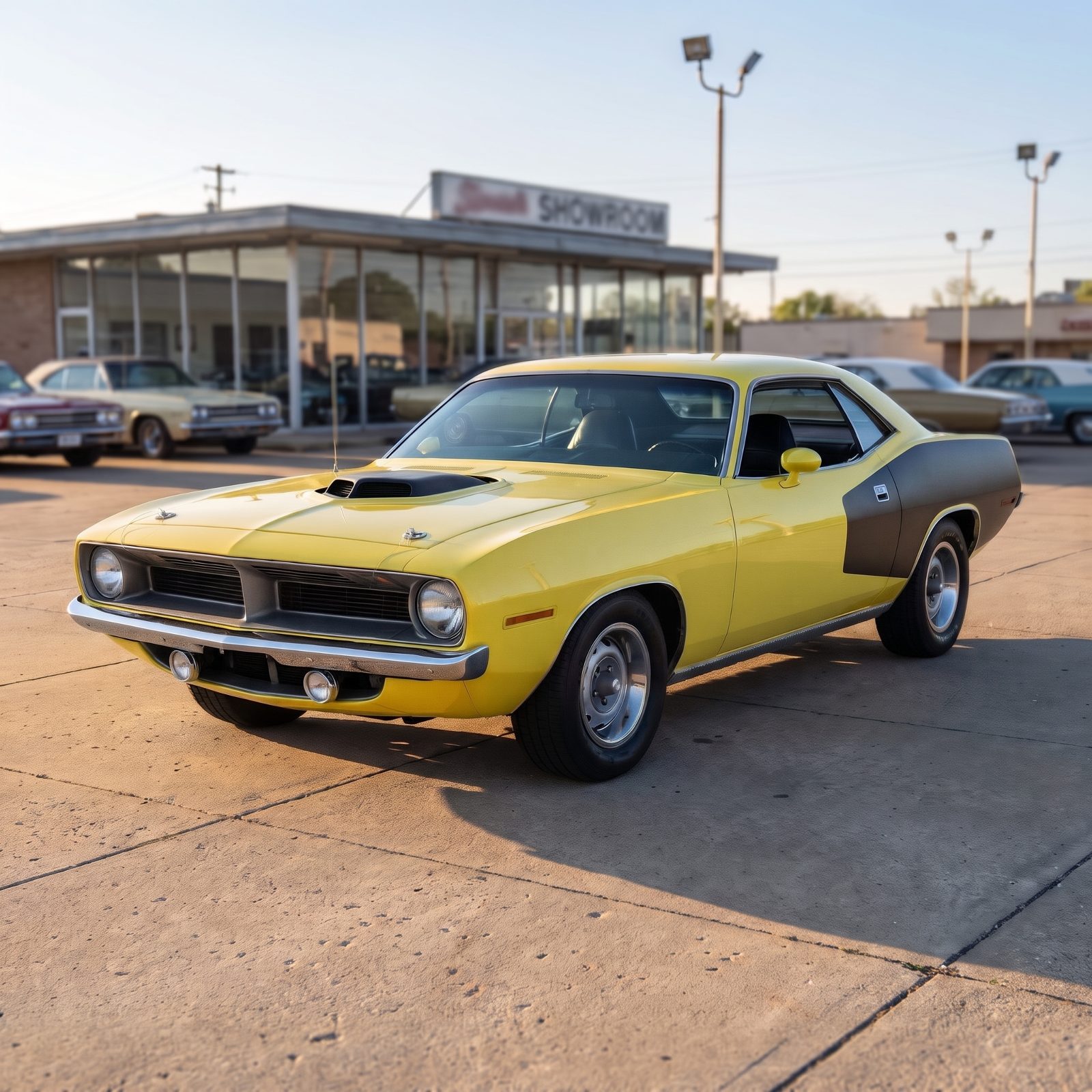
The 1970 ‘Cuda arrived with hips, a shaker hood that bobbed with the engine, and a bold blacked-out panel on the rear quarters loud enough to spot from across a parking lot.
Most people drove the ordinary slant-six and 318 versions, the sensible Barracudas that got traded in and forgotten. The hot ones got raced and wrecked. Either way the attrition was brutal, and clean E-bodies became scarce almost overnight.
That scarcity is the sting. Letting a ‘Cuda go, any ‘Cuda, meant watching the gap between what you got and what they’re worth now stretch into territory that feels almost personal. Some cars you sell. This one you grieve.
The Jeep CJ-7 You Sold Before Everyone Wanted One
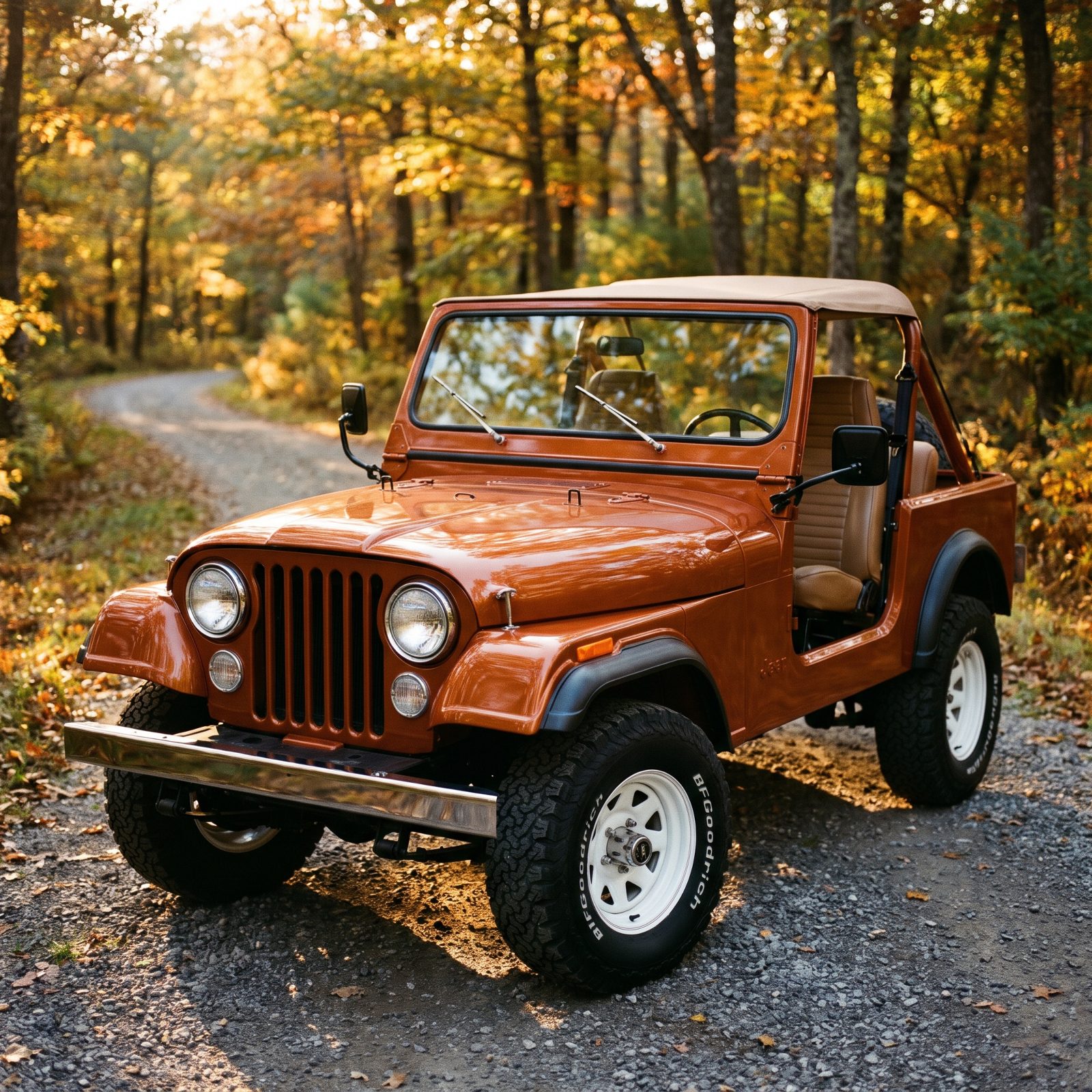
You bought it when a CJ-7 was just an old Jeep. Leaky top, rough ride, something to beat around a muddy field on the weekend. Nobody treated it like an investment because it wasn’t one yet.
Then the collector crowd found them. Clean CJ-7s with the factory soft top and unmolested bodywork started pulling real money, and the ones that hadn’t been hacked up with lift kits and bro bars got scarce fast. Here’s where it twists the knife: you had the honest, stock version, the one everybody now wants, and you let it go for the price of a used sedan.
The Volkswagen Microbus That Was Just a Cheap Van Once

It hauled plywood. It smelled like gas and old upholstery, and it topped out at a speed you could measure with a sundial. For decades the air-cooled Microbus was the cheapest way to move a lot of stuff or a lot of people, and folks treated it accordingly.
Now a tidy split-window bus pulls money that would have bought you a house in 1975. Those single-cab early ones, with the upright friendly face, became the holy grail. Anyone who parted one out, or sold a running example for scrap-ish money, carries that around. Rust got most of them. That’s the whole reason the clean ones command what they do.
The Chevy C10 You Used as a Work Truck and Nothing More
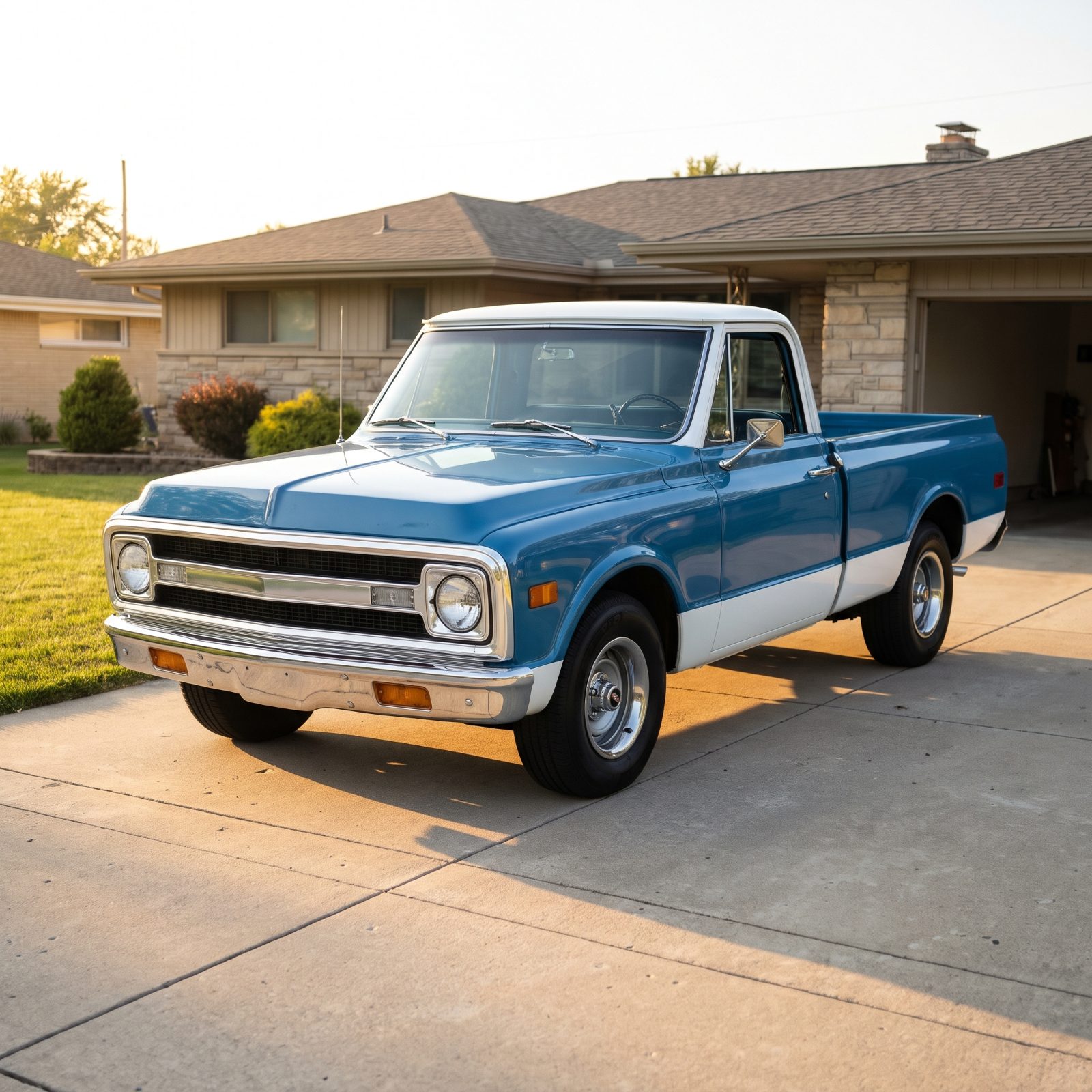
The C10 did a job, and you let it. Fence posts, drywall, a couch, a dirt bike, whatever needed moving that weekend. It was a tool with a tailgate, and you sold it when the clutch started slipping and a newer truck made more sense.
Then the squarebody and the earlier ’67-’72 trucks became darlings of the restomod world. Drop one, drop in a crate motor, paint it something clean, and you’ve got a truck people chase at auction. The one you sold with the stock interior and the straight bed? That’s the exact starting point everybody’s hunting now. A good honest C10 isn’t a work truck anymore, and that transition is what hurts.
The Ford F-100 That Sat Out Back Until You Finally Gave Up On It
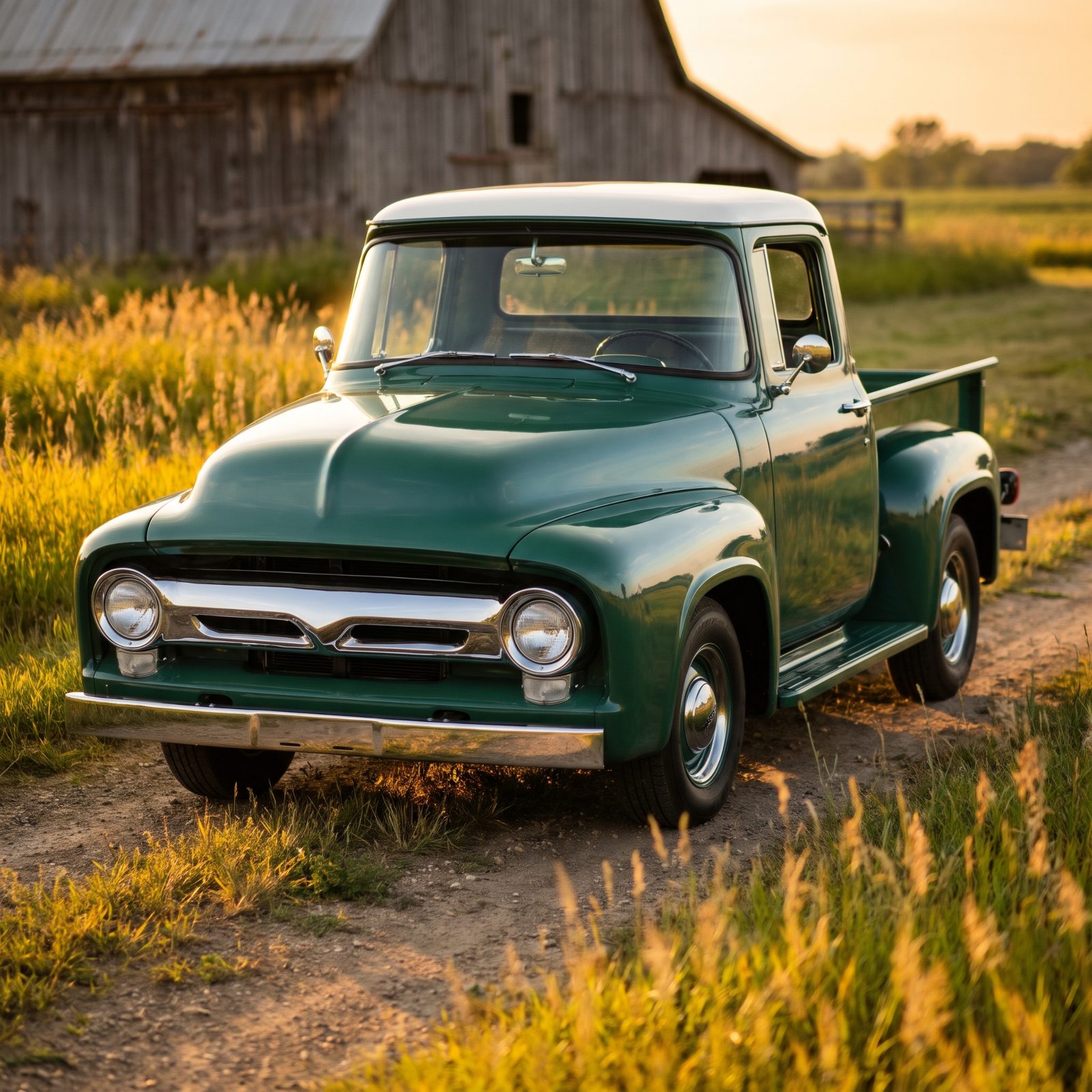
A lot of these got dragged behind a shed and left to the weather. The flathead got tired, or the body got rusty, and the project kept not happening. One day a guy with a trailer offered a few hundred dollars and you were glad to see the thing gone.
That ’53 to ’56 F-100, with its wide grille and those soft fender curves, is about as sought-after as classic trucks get. The styling holds up better than almost anything else from the decade. People restore them, slam them, rod them, baby them. If you scrapped one or sold a solid Western body for pocket change, you handed someone else a future show truck. It stings precisely because the hard part — a rust-free body — is the part you threw away.
The Nissan Skyline GT-R Nobody Here Took Seriously
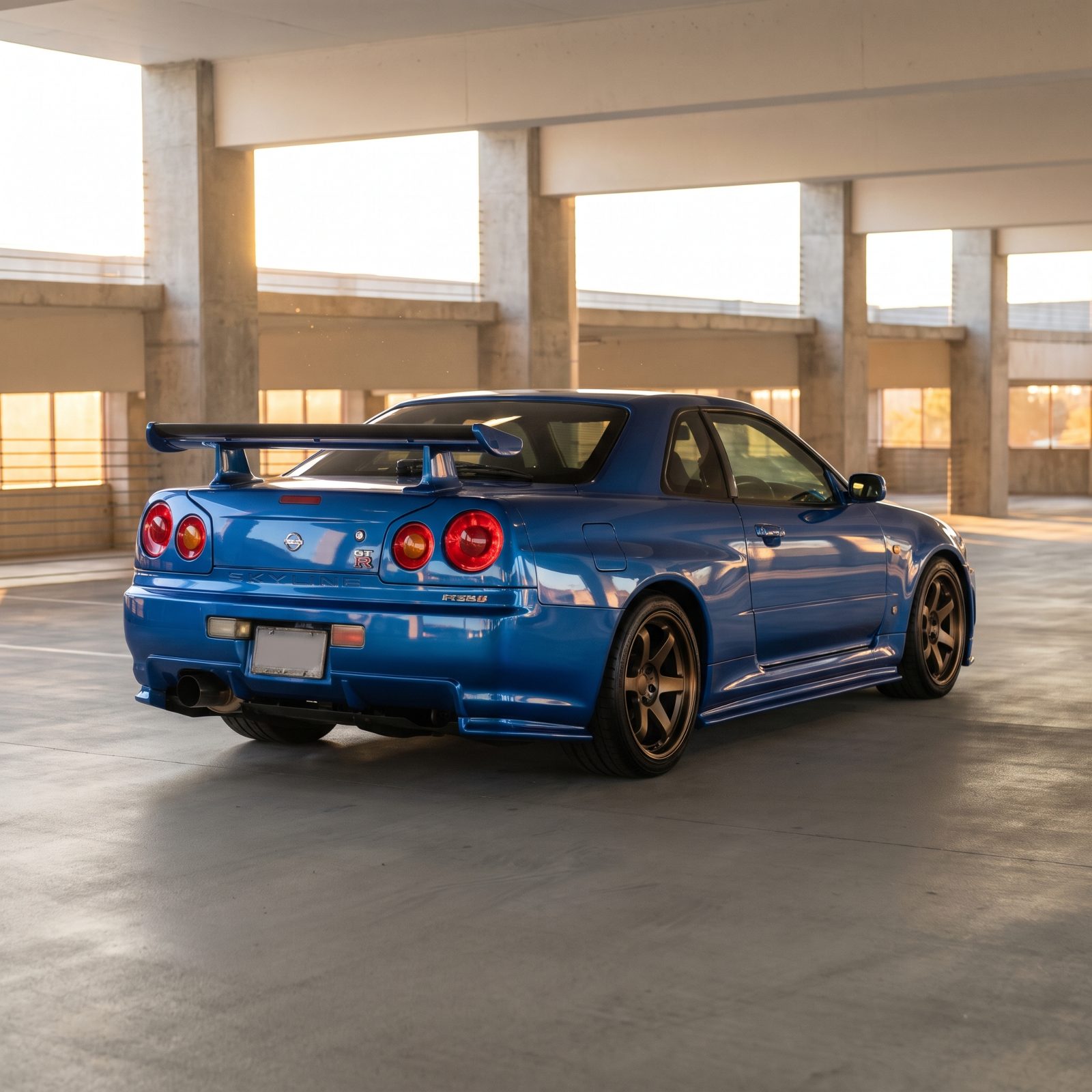
For years the Skyline GT-R was a ghost on this side of the ocean. Gray-market cars, import headaches, a name most people only knew from video games and magazine imports. A few made it over, and some of those got flipped by owners who figured the fun had run its course.
Then the 25-year import window started swinging open, and prices went vertical. The RB26 twin-turbo motor, the all-wheel drive, the whole mystique of the thing turned these into six-figure cars. Sell a clean, legal one early, before the legend fully set in, and you let go of a car that now trades like a blue chip. The hurt runs sharper here because so few were ever here to begin with.
The Air-Cooled Porsche 911 That Was Still an Everyday Car
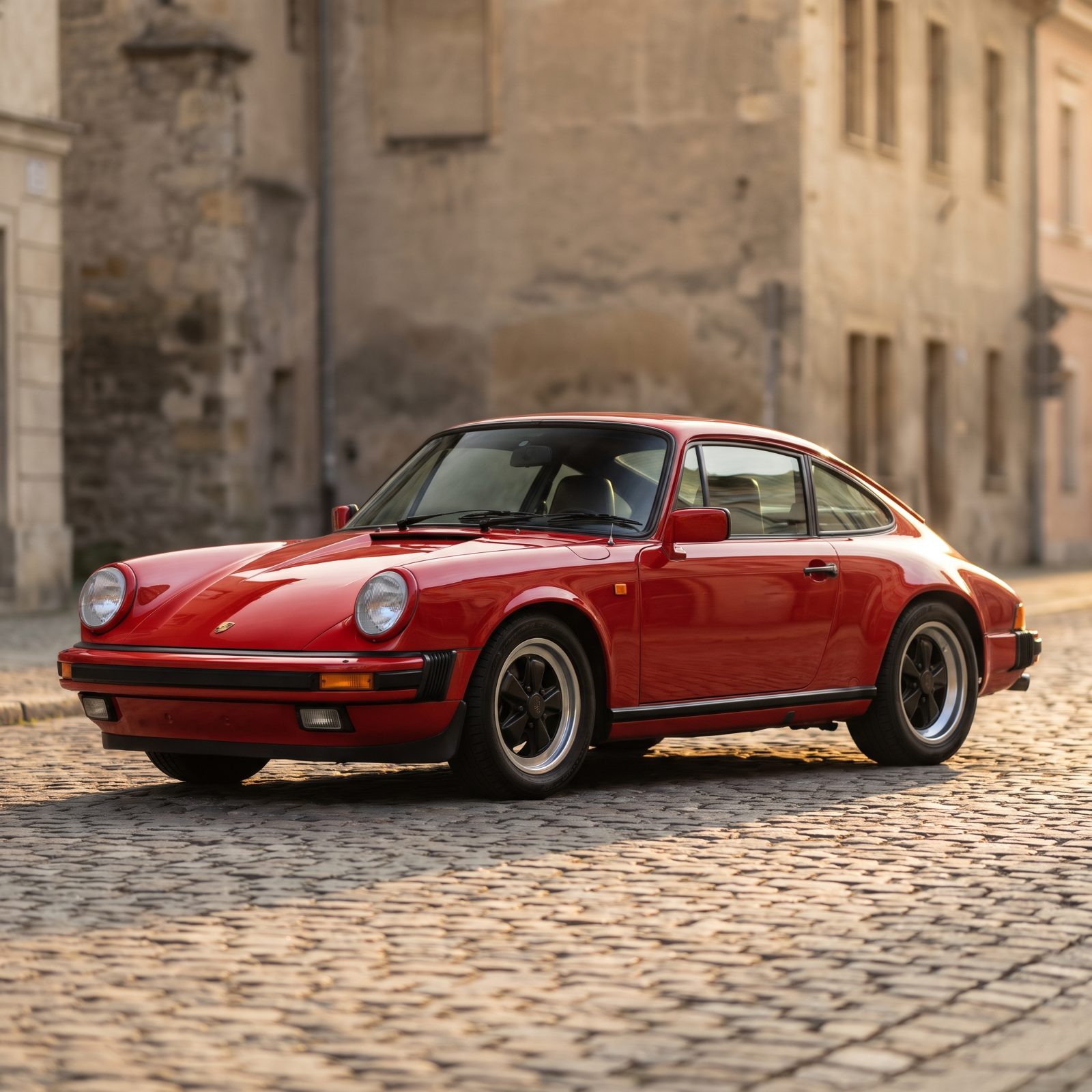
There was a window when an air-cooled 911 was just an old Porsche. Needed valve adjustments, leaked a little oil, cost money to keep running. Plenty of owners cashed out during that lull when the cars were old but not yet cherished.
That window slammed shut. The pre-1998 air-cooled cars — the ones with the flat-six singing behind the rear wheels and that shape that never really changed — became the ones everyone wants. A clean long-hood or a tidy 1980s Carrera went from used-car money to serious money. Letting one go during the quiet years is the kind of thing owners replay for the rest of their lives. The sound alone is worth missing.
The BMW E30 M3 You Daily-Drove Into the Ground
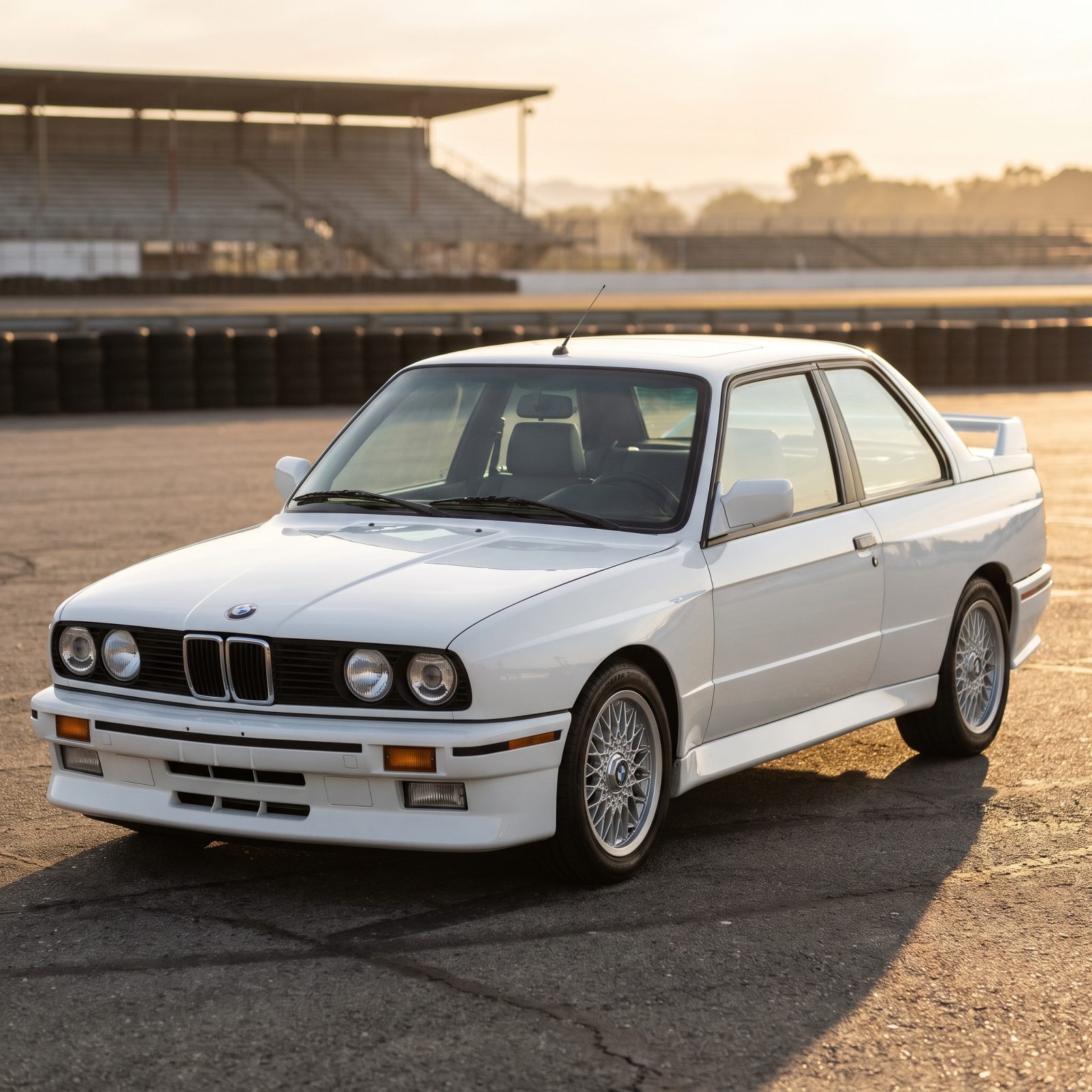
You drove it like it owed you money, because for a long time that’s what these were for. The first-generation M3 was a homologation special built to go racing, and the street cars got used hard, modified, tracked, and run until something expensive broke.
The survivors — especially unmolested ones in the right colors, with the boxy flares and that high-revving four-cylinder — became some of the most valuable modern-classic BMWs on the planet. Sell a clean E30 M3 back when it was just a quick old 3-Series, and you let go of a car that now sells for the price of a nice house. The ones that didn’t get thrashed are rare, which is the whole problem.
The 1990s Honda Civic Si That Felt Disposable
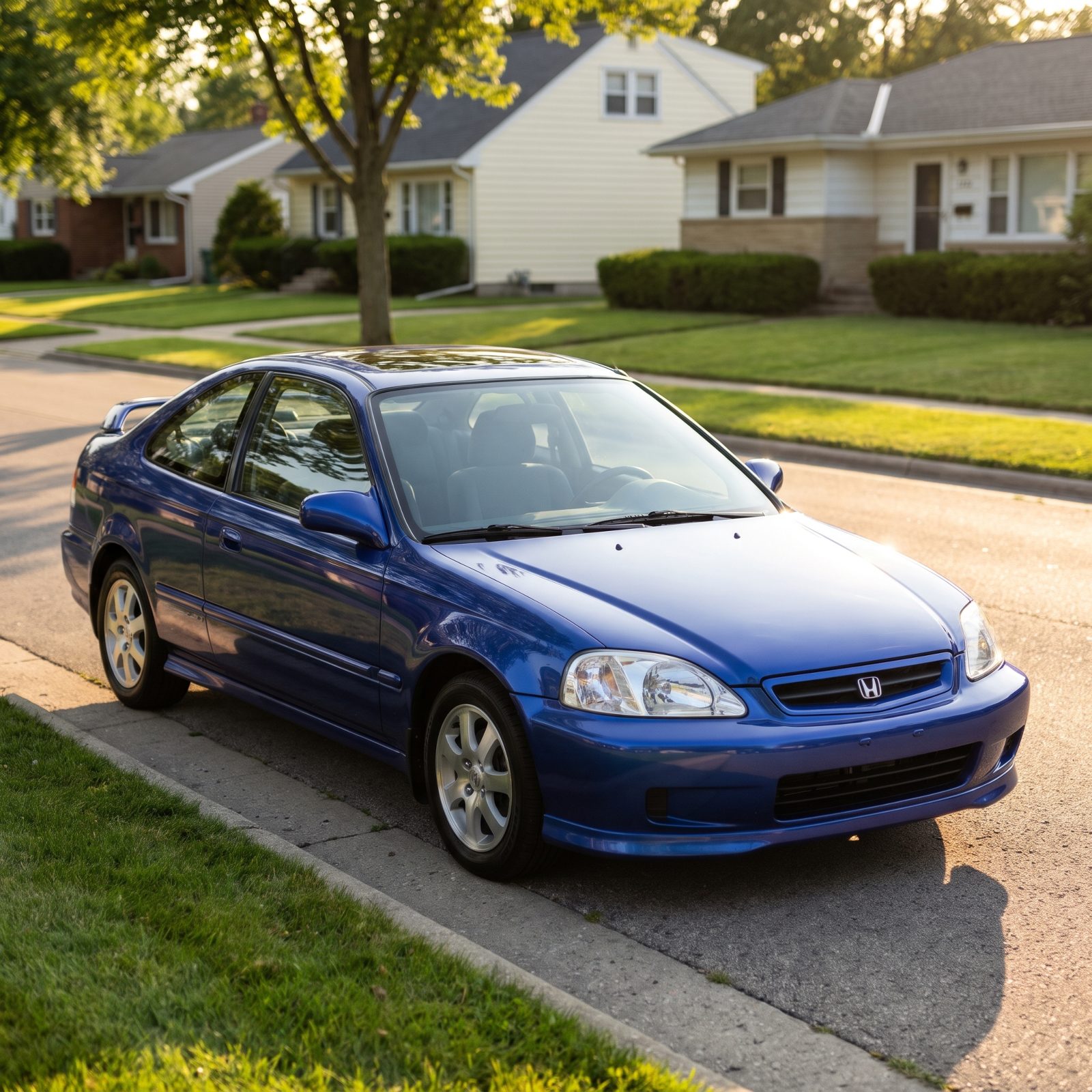
It was the sensible fun car. Cheap to run, reliable to a fault, quick enough to make you grin on an on-ramp. You bought one new, drove it for years, and traded it in without a second thought because another one would always be there.
Except they weren’t. Clean, stock, unmodified 1990s Si coupes got rare in a hurry. Most got lowered, swapped, wrecked, or simply worn out. A bone-stock survivor with the factory wheels and no body kit is now a genuinely hard find, and the people who kept theirs look pretty smart. Let yours go thinking it was just a Honda, and you learned the hard way that honest ones don’t grow back.
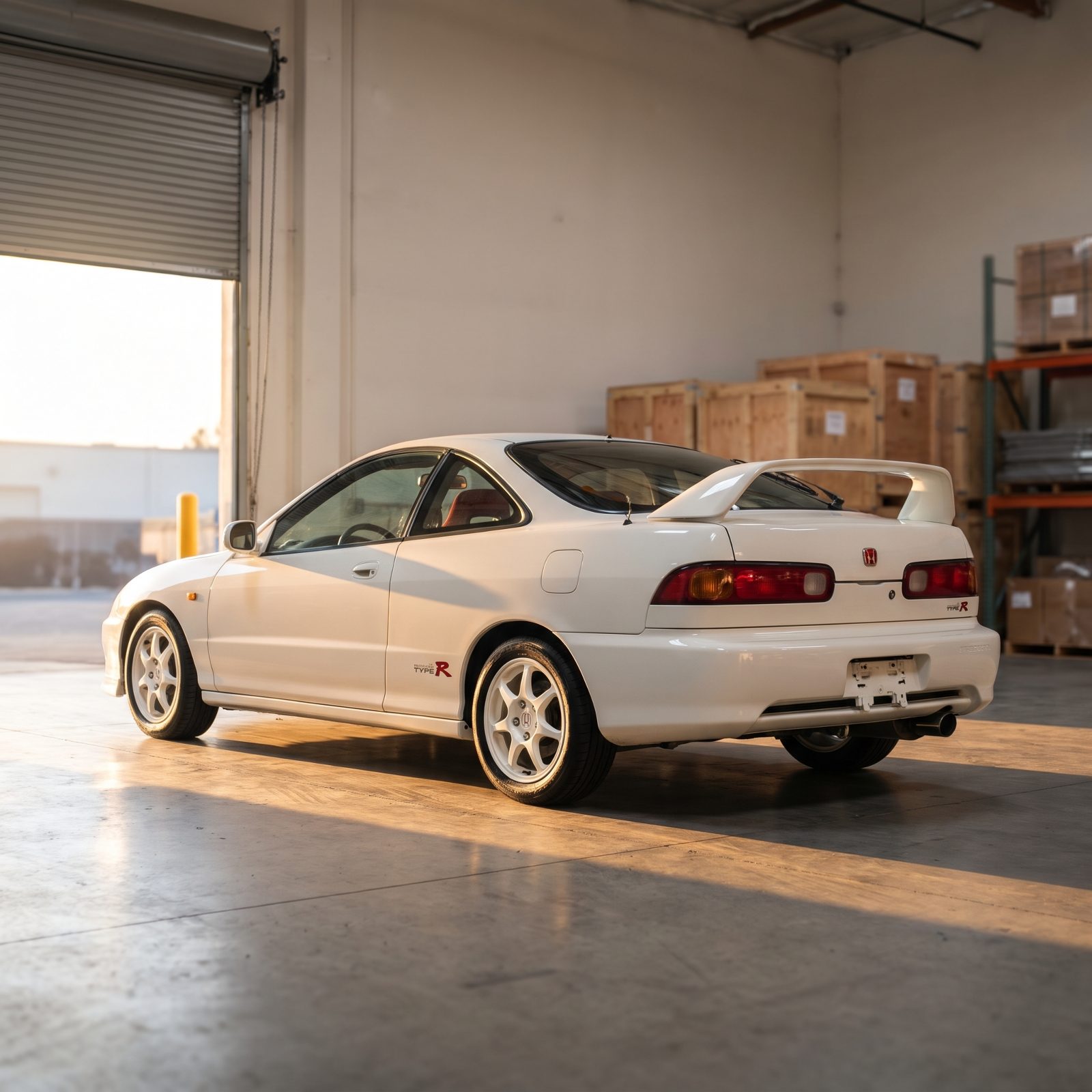
The Acura Integra Type R That Was Too Good to Keep Stock
Would you like to save this?
The Type R was the one you were supposed to leave alone. Stripped down, screwed together tighter, and built around a screaming high-compression engine, it was the sharpest front-wheel-drive car of its era. Which is exactly why so many got modified, tracked, and crashed.
Owners sold them off during the flat years when a used Integra was just a used Integra. The ones that survived untouched, in championship white, with the factory wing and the original engine, became cult objects that now sell for astonishing numbers. Letting go of a clean one was easy at the time and agonizing in hindsight. Stock survivors are everything, and almost nobody left theirs alone.
The Toyota Supra Mk4 You Sold Before the Whole World Wanted It
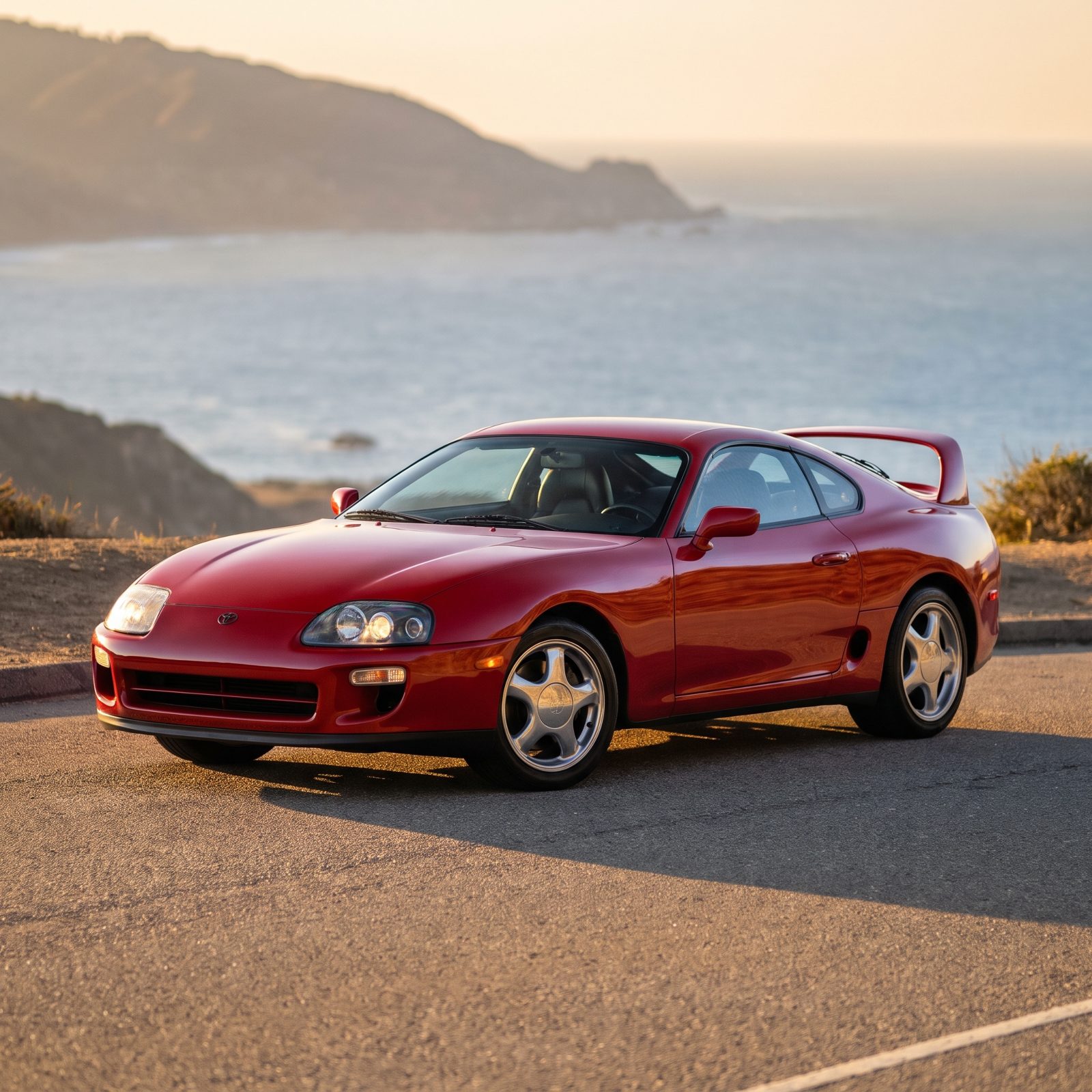
For a while the Mk4 Supra was just a fast, expensive-to-insure sports car that a lot of owners cashed out of when gas got dear or life got in the way. The twin-turbo cars especially got sold, modified past recognition, or boosted into oblivion.
Then popular culture turned the Supra into an icon, and the famous 2JZ engine earned a reputation for taking absurd power without complaint. Clean, stock, six-speed turbo cars went from fast used cars to museum-grade collectibles trading at six figures. The owner who sold a bone-stock one in the quiet years let go of a legend before the world agreed it was one. And that’s the cruelest kind of regret — being right too early and selling anyway.
The Mazda RX-7 (FD) You Sold Before Rotary Prices Went Crazy
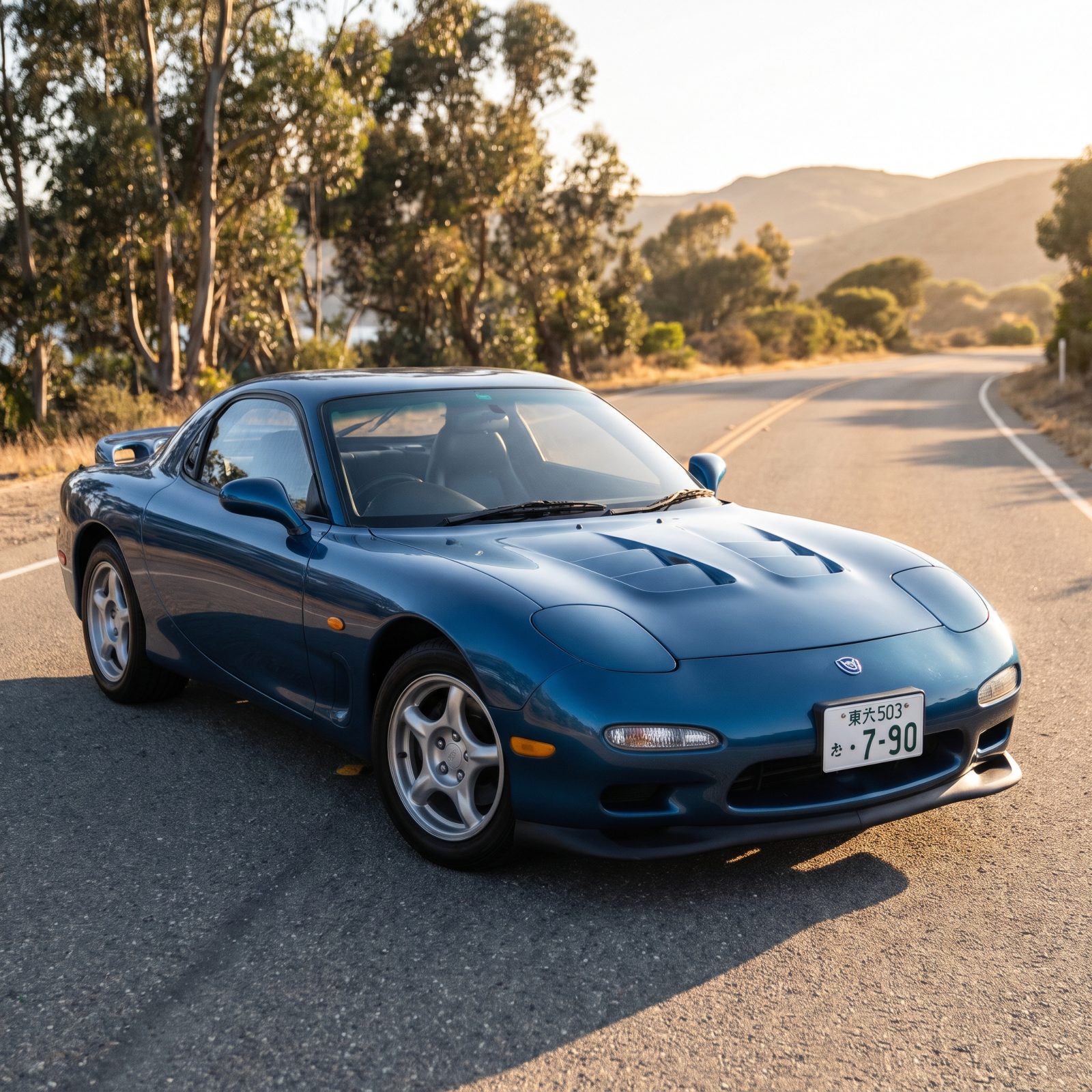
Everyone who dumped an FD in the early 2000s for pocket change claims they’ve made peace with it, the way you make peace with a cavity. You haven’t. That twin-turbo rotary, a shape that still looks like it was drawn next week, a car that weighed almost nothing and changed direction like a thought — you let it go because the apex seals scared you.
Now clean ones cost about what a house down payment costs. Funny how the quirks that made it a headache are exactly what made it unforgettable. Nothing else sounds like it. Nothing else feels that light on its feet.
The C3 Corvette Stingray Traded for Something ‘More Practical’
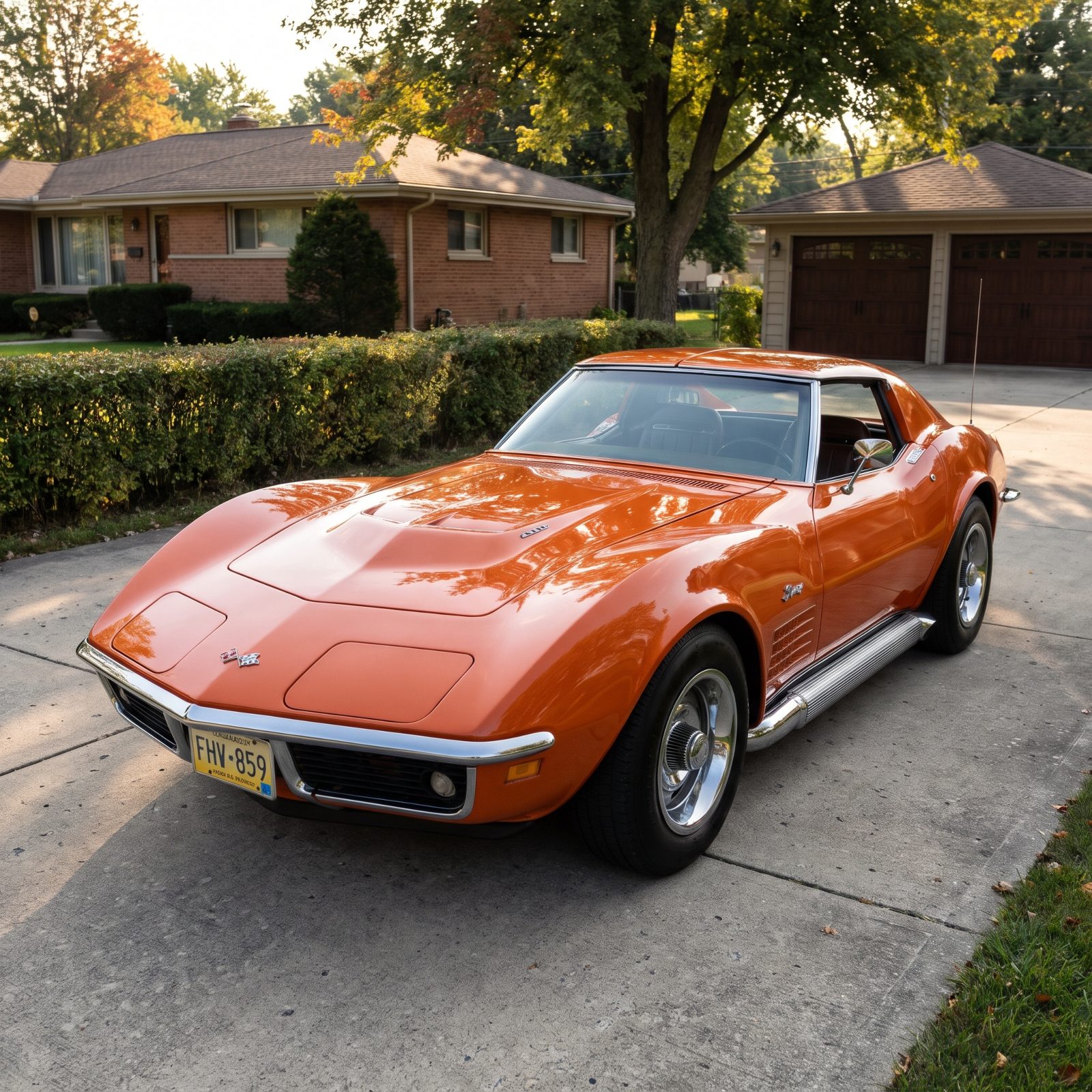
You traded it on a station wagon because the baby seat didn’t fit. Reasonable. Also something you’d undo in a heartbeat if the universe ever offered you a do-over.
The C3 is all drama — that long pointed nose, the fender humps, the chrome exhaust running down the rocker. It never drove as fast as it looked, and honestly it didn’t have to. You slid down into it, the small-block settled into a lope, and the whole neighborhood knew you were leaving before you reached the end of the block.
They built a ton of them. That’s why folks assume they’re worthless. But the good ones aren’t cheap anymore, and the great ones never come up for sale.
The 1957 Bel Air That Was ‘Just the Family Car’
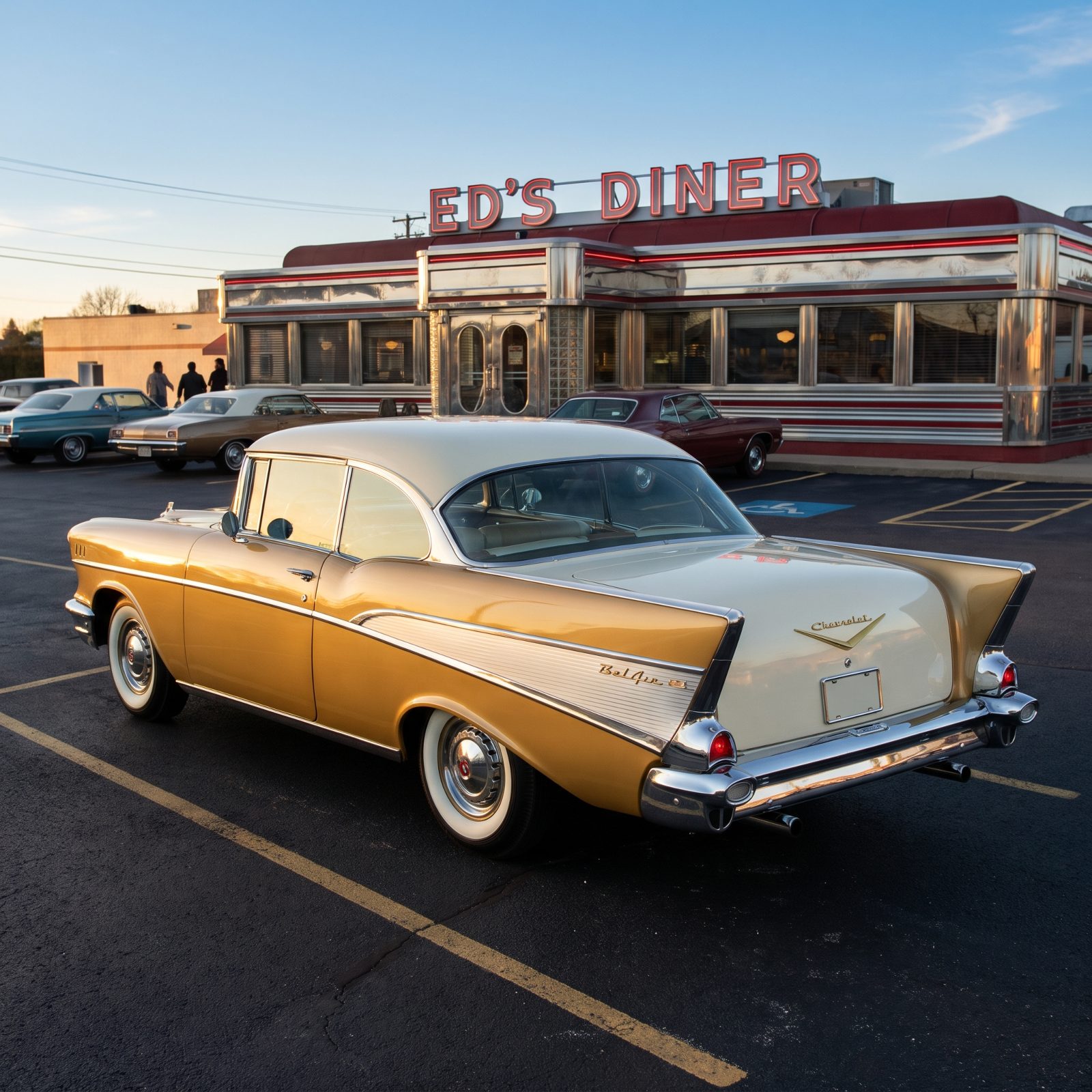
The ’57 Bel Air is the car America decided to canonize, and half the people who owned one sold it back when it was just an old Chevy with a thirsty engine.
Those tailfins. The gold anodized trim. The hardtop roofline with no center post. It was the family hauler, the one that took you to church and the drive-in and driver’s ed, and you washed it in the driveway with a garden hose and a chamois. Nobody figured it would become a six-figure object someday.
It did, though. The two-door hardtops especially. The ones that got driven and loved and then quietly sold for a few hundred bucks are the ones that sting now.
That trim still pays off with our readers: pictures of cars with lots of chrome got more hearts than the other images in the same articles, 87% versus 82%.
The Buick Grand National Nobody Took Seriously Until It Was Gone
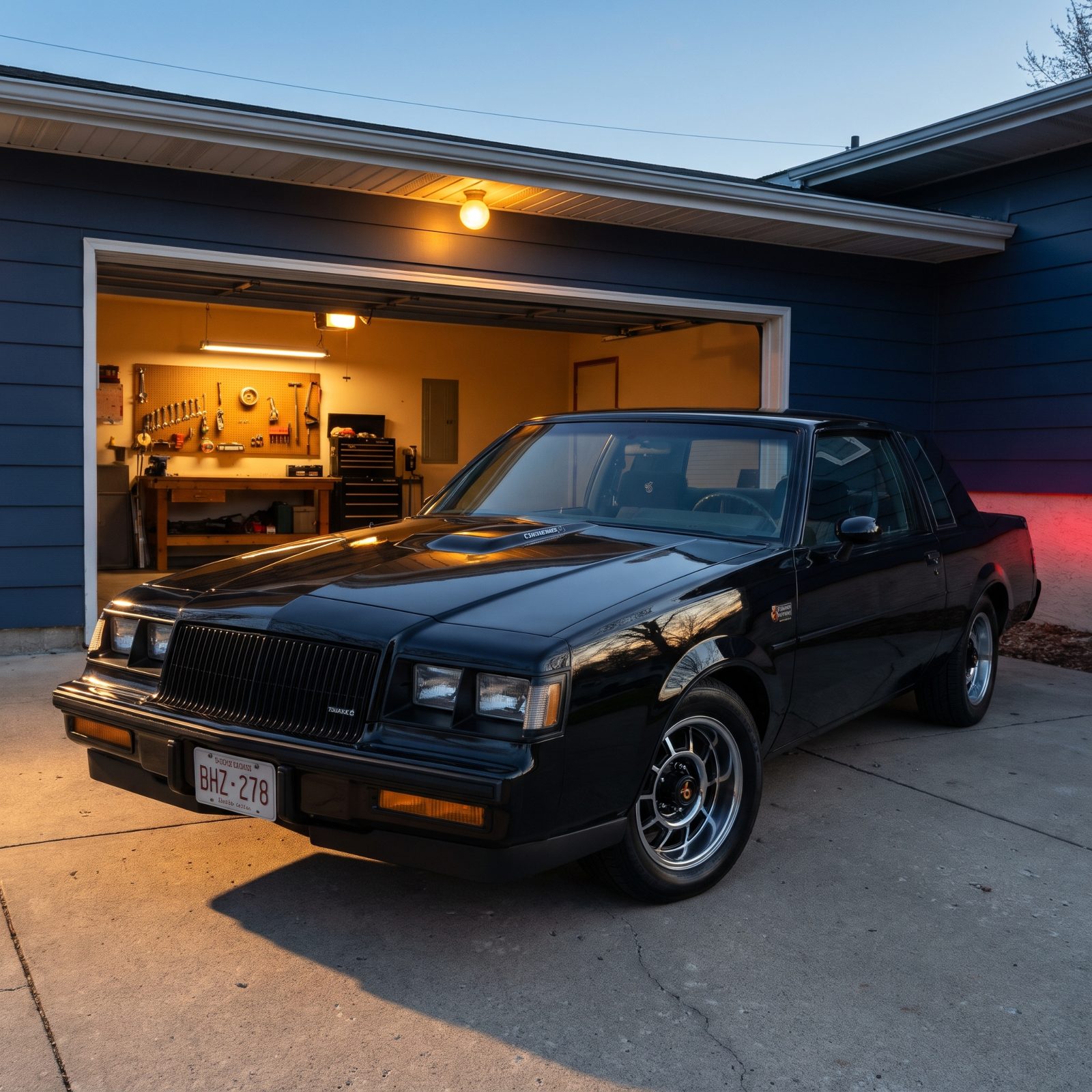
Black on black on black. A Buick, of all things, that embarrassed Corvettes off the line. That turbocharged V6 was the detail nobody in 1987 quite believed — including the guys who got smoked by one at a stoplight.
People bought them, drove them, and sold them when gas got expensive or the turbo needed work. Then the GN turned into a legend: the sleeper that beat the muscle establishment with six cylinders and a hair dryer.
The Oldsmobile 442 That Got Parted Out for Beer Money
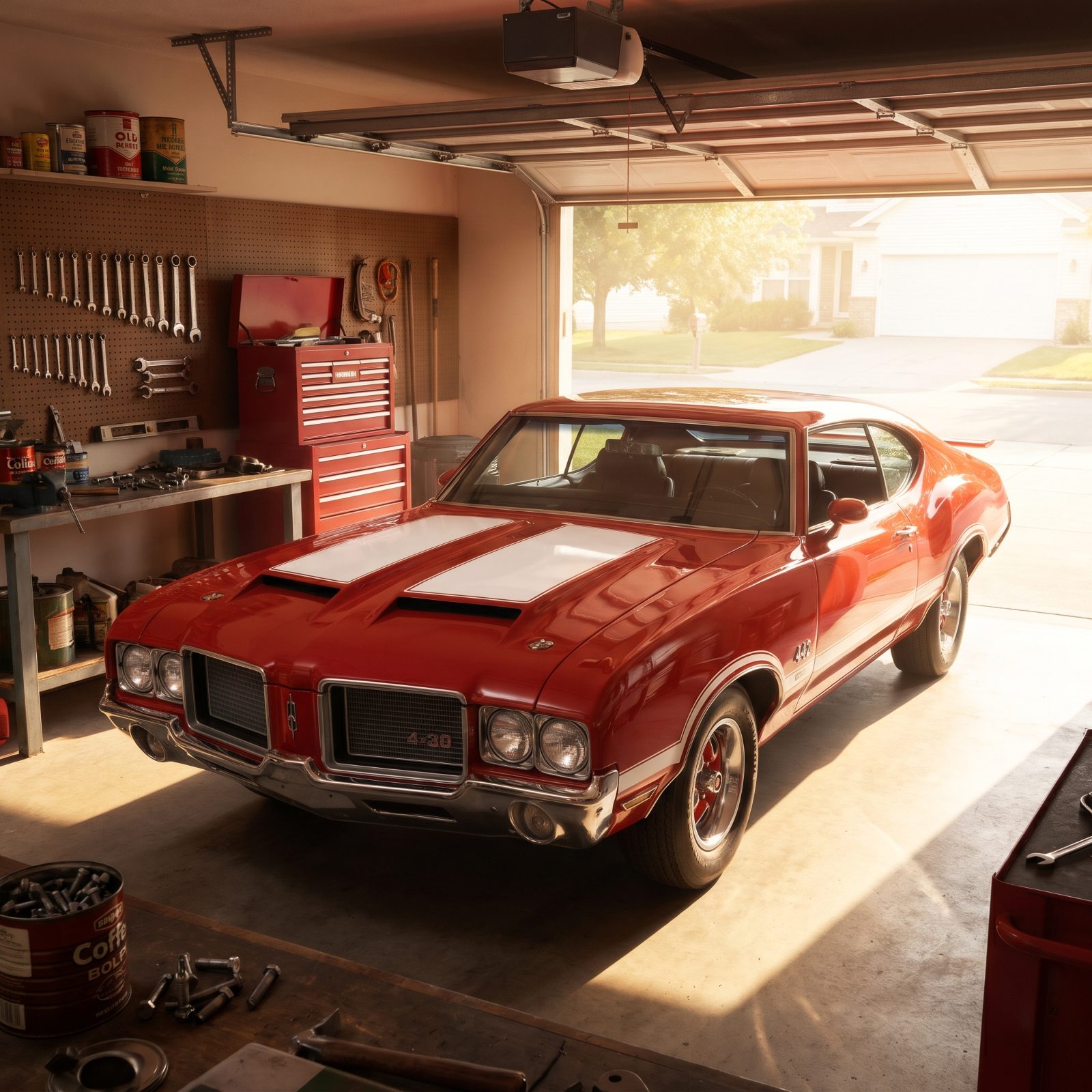
The 442 always lived in the GTO’s shadow, which is exactly why it stayed underpriced for so long — and exactly why the guys who let one slip now kick themselves.
Four-barrel carb, four-speed, dual exhaust. That’s where the name came from, and it meant business. The W-30 cars with the fiberglass hood scoops were the real artillery. A lot of them got parted out in the ’80s, back when a tired Olds was worth more in pieces than whole.
That math reversed, and hard. A clean 442 today is a serious car. The fender badge alone makes grown men go quiet.
The AMC Javelin Everyone Forgot, Then Everyone Wanted
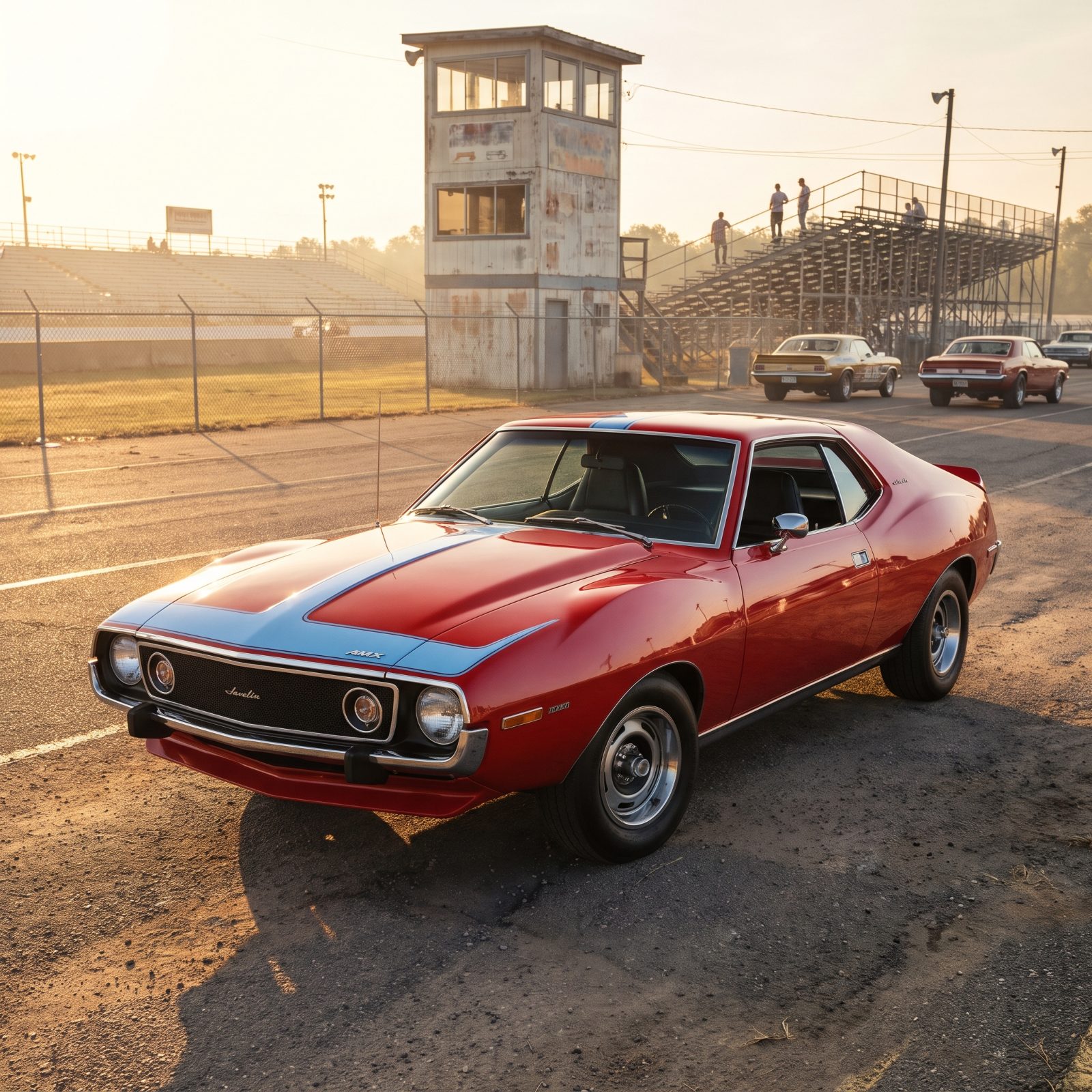
AMC built muscle cars nobody respected at the time, and the Javelin was the best of the bunch. Those swooping humped fenders, the long nose, a Trans Am racing pedigree most people never knew about.
It was the muscle car for people who couldn’t swing a Mustang or a Camaro, which meant it got used hard and discarded harder. Few survived. Fewer survived clean.
The First-Gen Dodge Challenger Sold Before the R/T Craze Hit
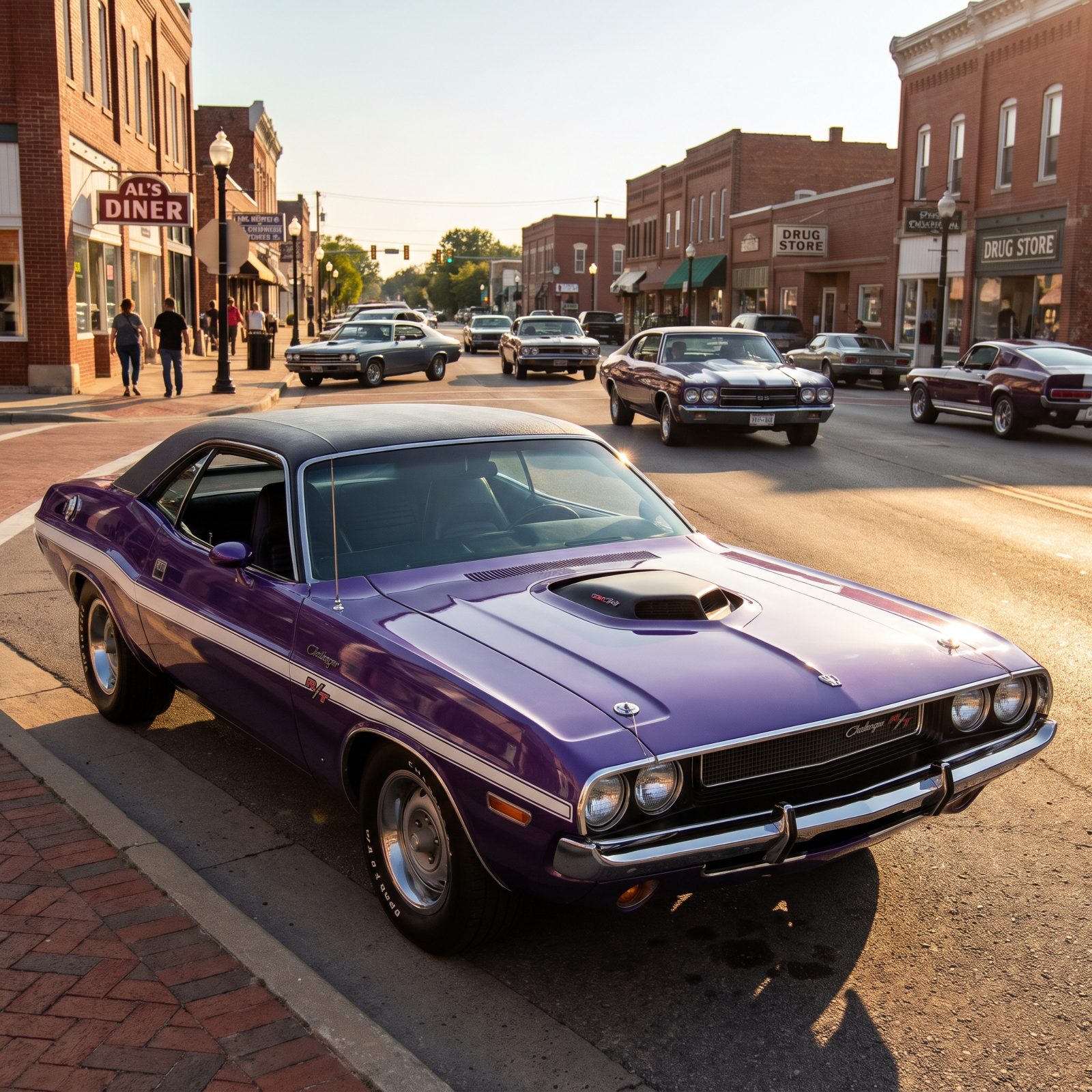
Plum Crazy purple, a shaker scoop breathing through the hood, and a big-block that announced itself from two blocks out.
The first-gen Challenger only ran a handful of years before the malaise era shut the party down. The R/T cars with the 440 or the Hemi were the ones to have, and plenty got sold cheap in the gas-crunch years when nobody wanted anything that drank fuel that fast.
Then the nostalgia wave hit, and values for the documented big-block cars climbed somewhere past the clouds. The guy who sold his Hemi Challenger to cover a mortgage payment in 1979? He thinks about it more than he’d ever admit.
The Shelby Cobra 427 That Was Worth a House and Felt Like a Rocket
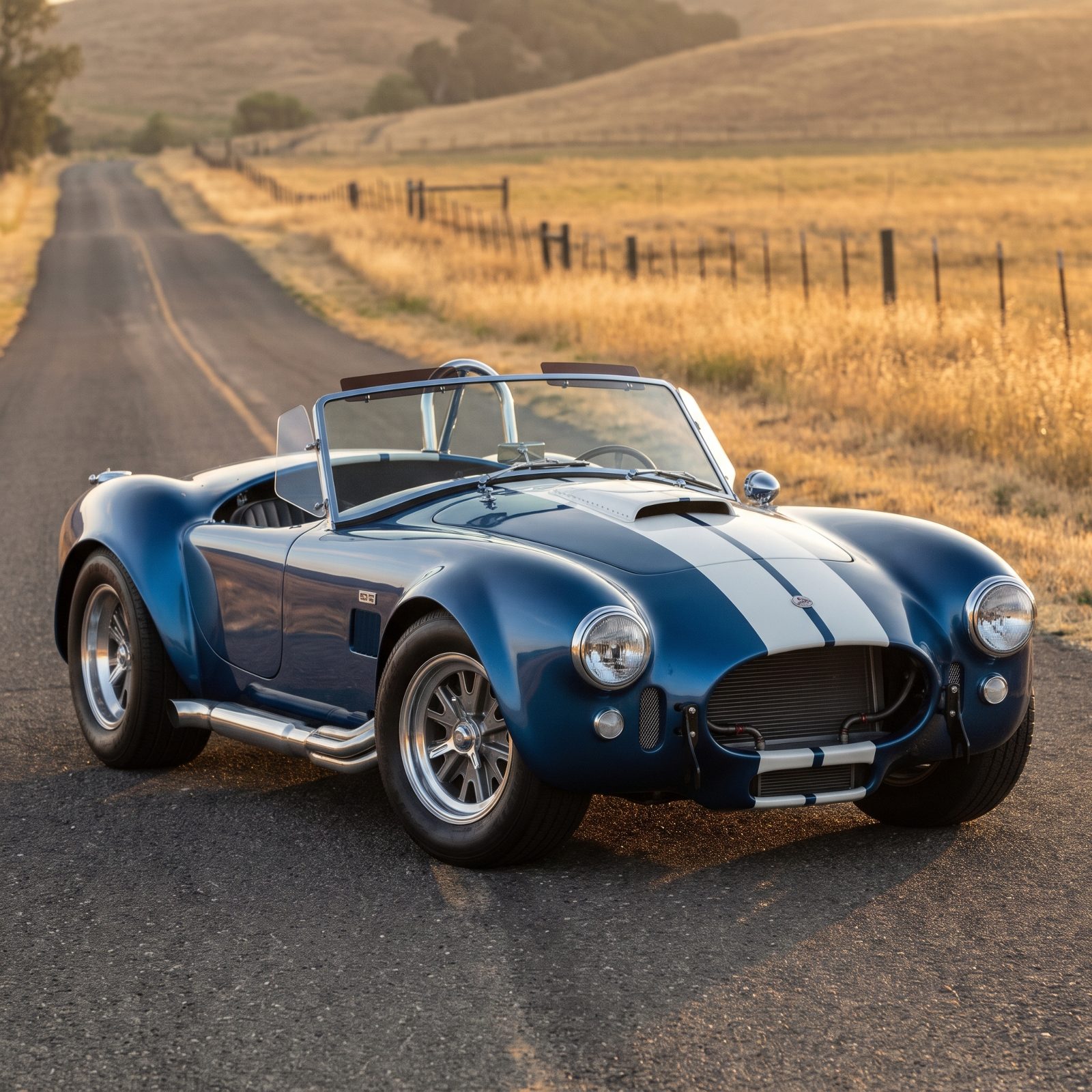
Tiny, violent, and barely street legal in spirit. The 427 Cobra was a big American V8 stuffed into a featherweight British roadster, and it drove like somebody had strapped a rocket to a go-kart.
The side pipes would burn your calf. The wind came straight at your face. None of that mattered the second you buried the throttle.
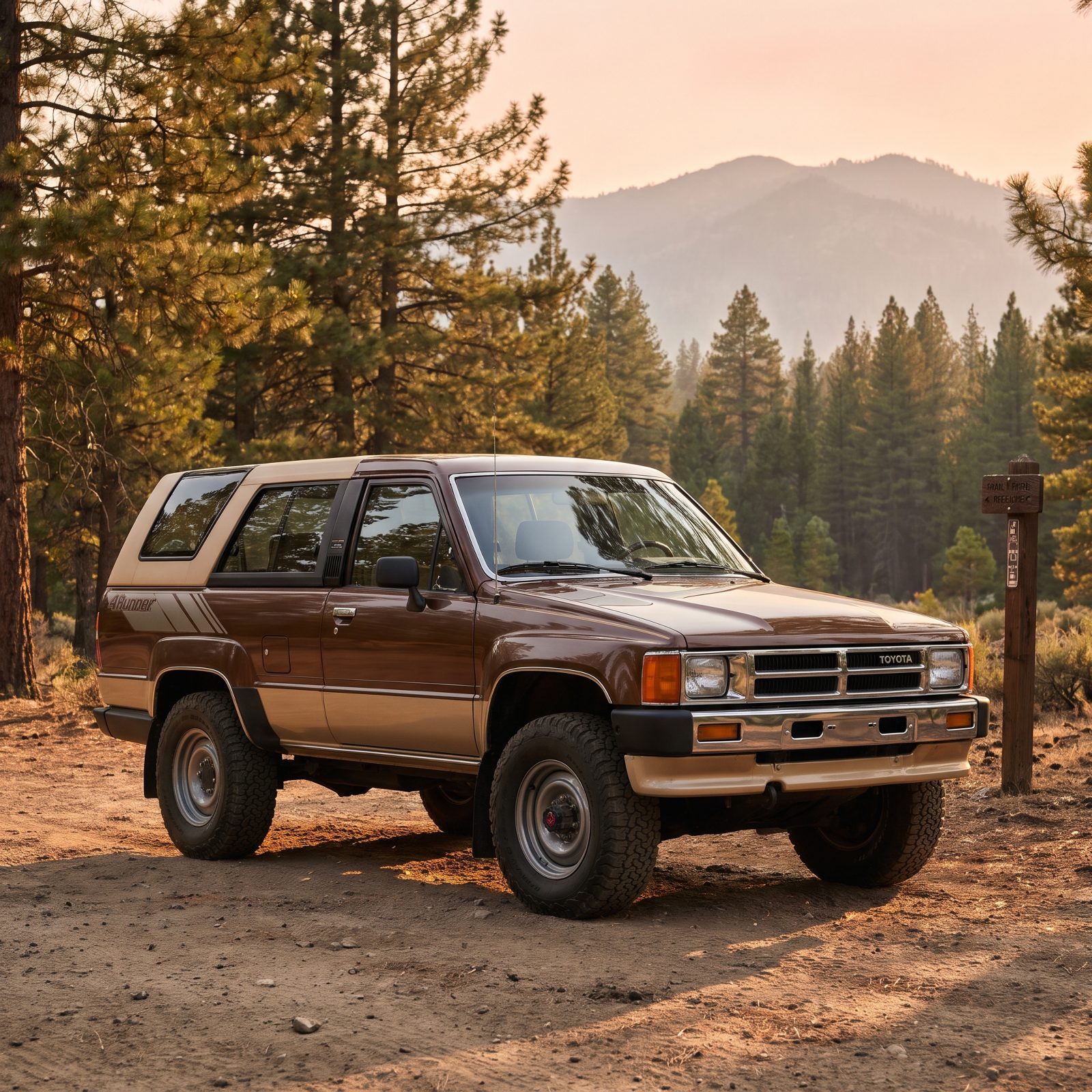
The First-Gen Toyota 4Runner Sold Before Everyone Realized What It Was
Would you like to save this?
You bought it to tow a boat and sold it at 200,000 miles because the body had surface rust and you figured it owed you nothing. Reasonable at the time.
Then the first-gen 4Runner — removable fiberglass top, solid rear axle, the whole simple package — became a cult object. Clean ones, unmolested, no rot through the rear quarters? Genuinely hard to find now.
The appeal is simple. They ran forever, went anywhere, and almost nobody kept them nice. The survivors command money that would’ve sounded insane the day you handed over the keys.
The Jeep Grand Wagoneer With the Woodgrain That Outlasted Everyone’s Patience
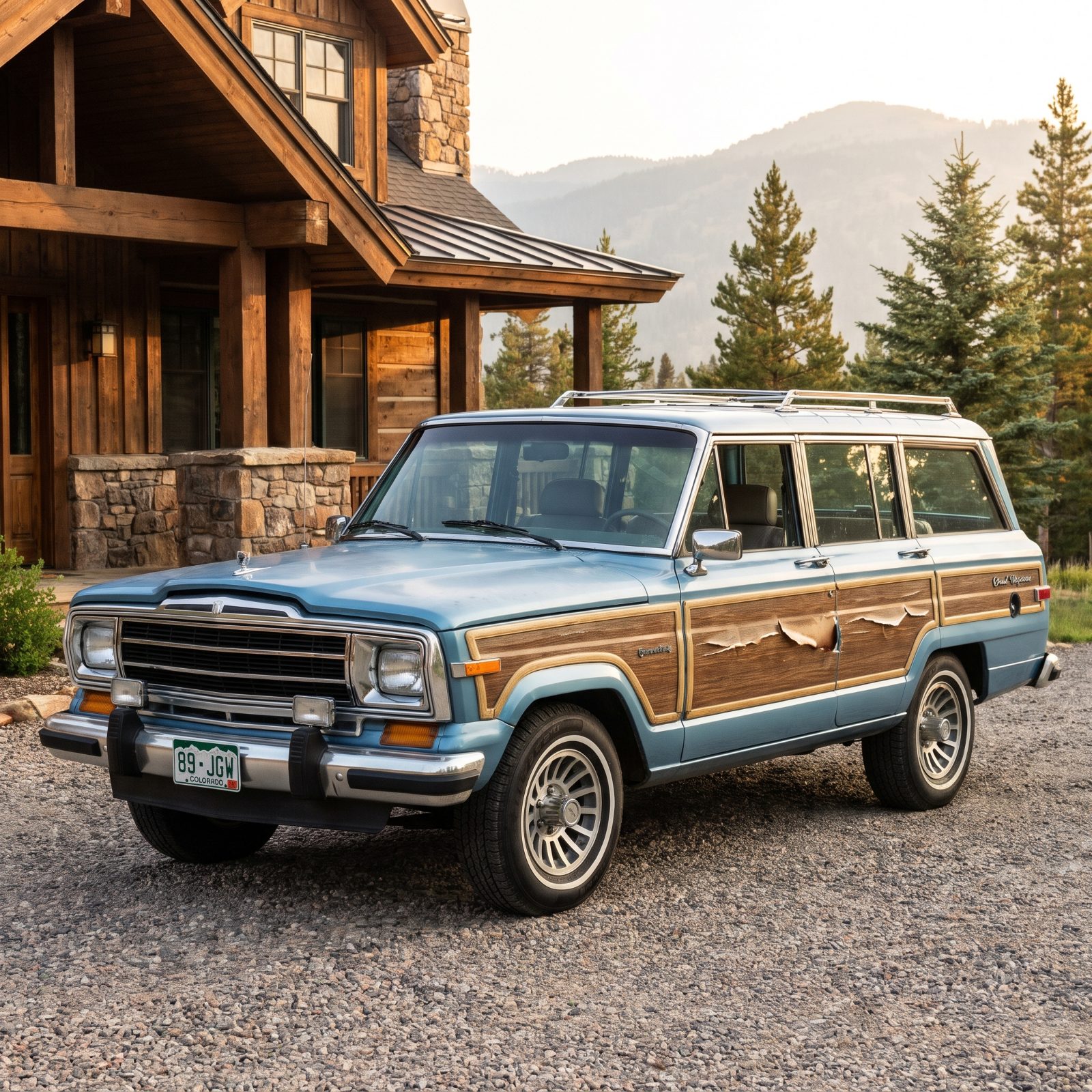
The woodgrain paneling. Leather seats. A V8 that drank fuel like it held a personal grudge against your wallet. The Grand Wagoneer was the original luxury SUV, built almost unchanged for decades, and nothing since has matched that kind of presence.
People sold them when the wiring got flaky, the carb needed fiddling, and the interior wood trim started to crack. Sensible, tired decisions, every one.
Then the thing became the darling of ski towns and coastal driveways, and clean examples started trading for real money. The faux-wood flank that looked dated in 1995 looks like home now. That’s the one that gets you. It was never just a truck — it was the whole family, parked.
The Two-Seat 1955, 57 Ford Thunderbird We Should Have Kept in the Garage
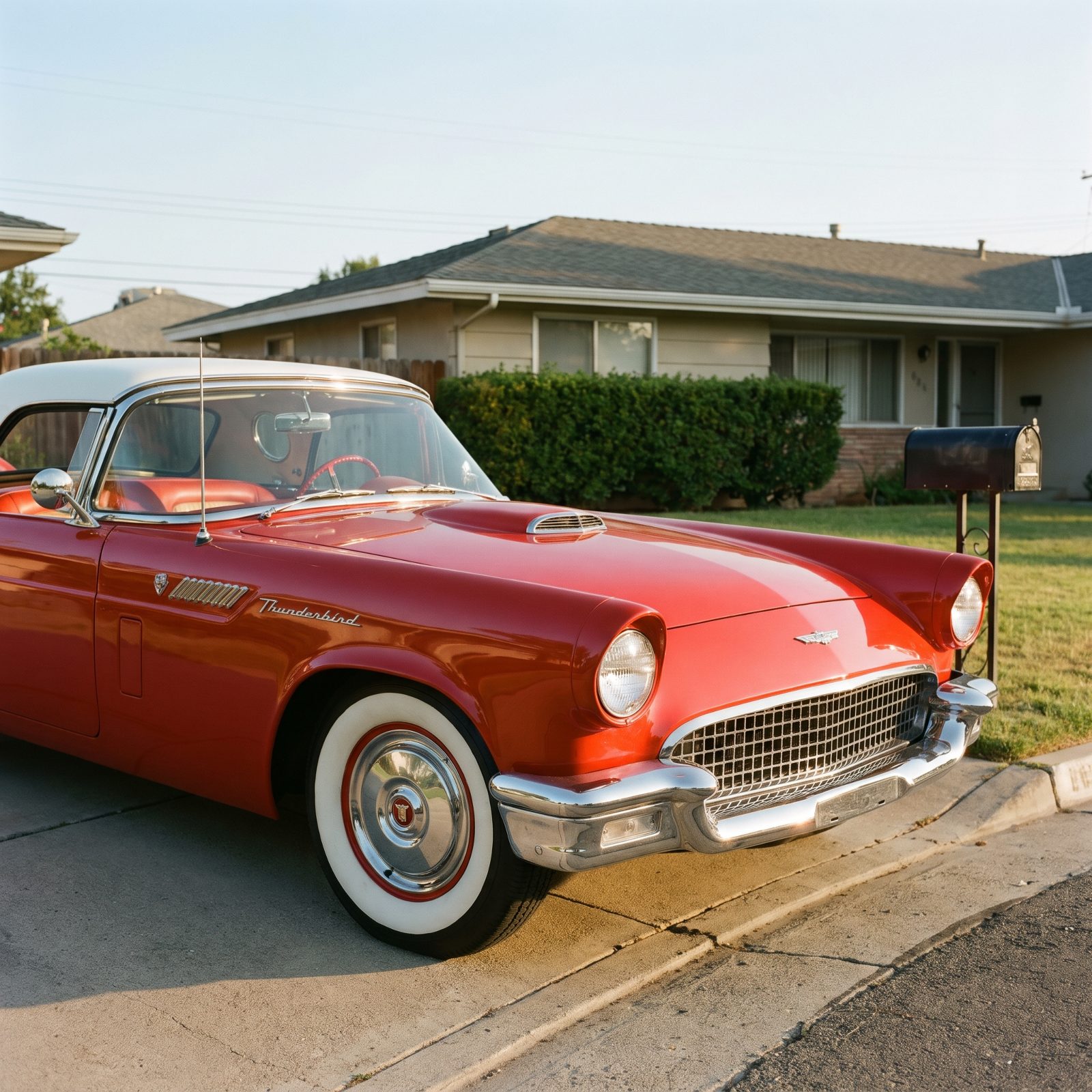
Ford built the two-seat Thunderbird for three model years, and that’s the part that stings. By 1958 it grew a back seat and became a different animal entirely, so the little one you owned was a short-lived breed.
Owners sold these for grocery money back in the 1970s, when it was just an old car with a thirsty V8 and a convertible top that leaked. Nobody circled 1956 on a calendar and said hold onto this. They needed the garage space, plain as that.
What you lose is hard to explain to someone who never drove one. Low to the ground, long hood out front, that porthole window framing the world like a little chrome periscope. It drove like a promise the 1950s made and mostly kept.
The Chevrolet El Camino That Hauled Lumber All Week and Won Cruise Night on Saturday
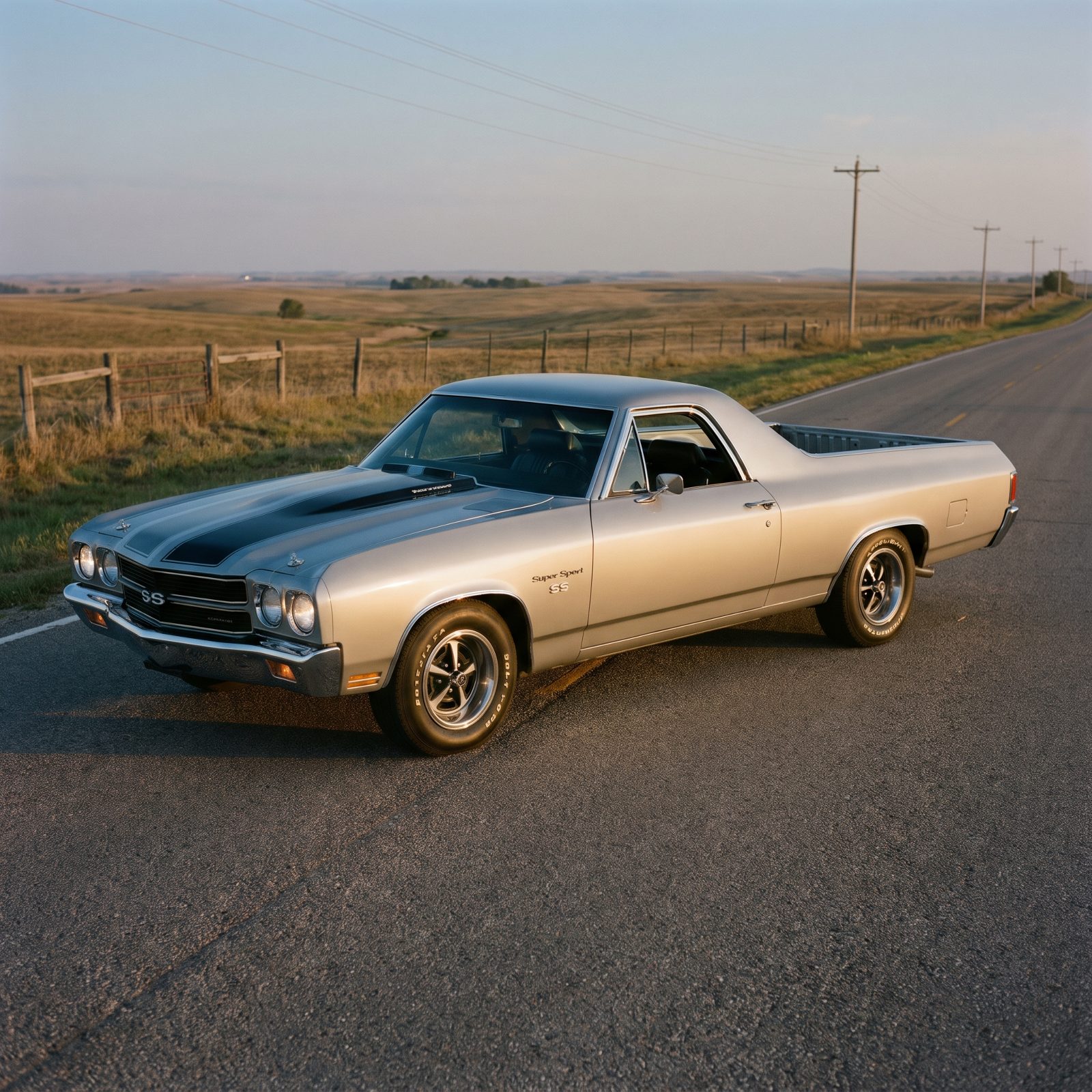
Half car, half pickup, all misunderstood. People laughed at the El Camino right up until they needed to move a dresser on Friday and still wanted to look sharp at the drive-in that night.
The ones that hurt to lose are the SS 396 and 454 models from the late ’60s and early ’70s. Big-block muscle straight out of a Chevelle, cowl-induction hood, and a bed you could drop a motorcycle or a load of mulch into. Firewood Monday through Friday, then lined up at cruise night Saturday like it was two different vehicles sharing one body.
Guys traded these when gas got expensive and the bed got rusty. Now a clean SS 454 brings money that’ll make you set your coffee down. But the regret isn’t about the price. It’s that nothing since has pulled off both jobs with that kind of swagger.
The Pontiac Firebird Trans Am With the Screaming Chicken on the Hood
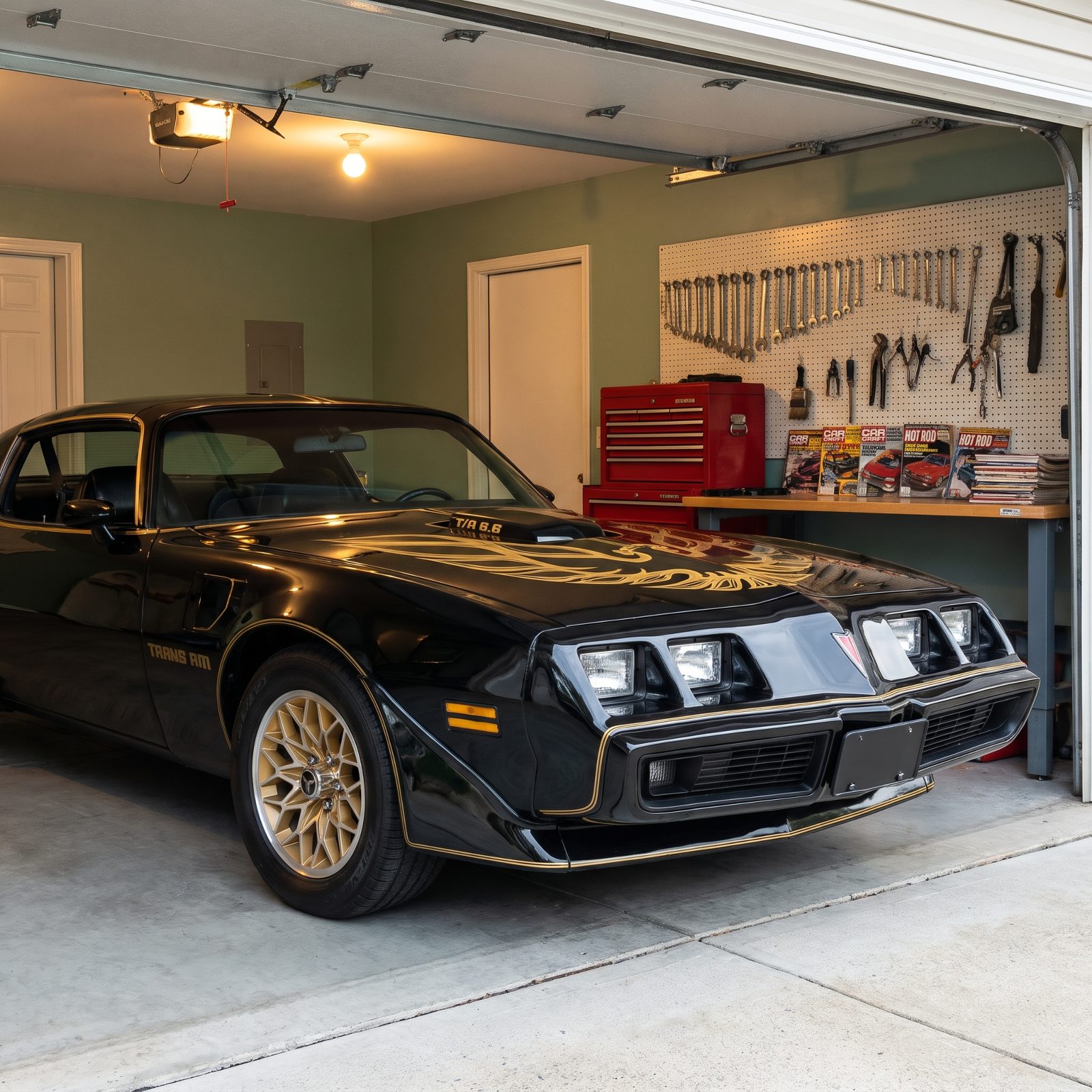
Everyone called it the screaming chicken, and nobody who owned one ever corrected them. That gold eagle spread across the black hood was the whole decade distilled onto one piece of sheet metal.
The 1979 through 1981 black-and-gold Trans Am, with its quad headlight pods and pointed beak, is the one that haunts people. The Bandit sequel car. The one you saw in the theater and then wanted in the worst way. Shaker scoop trembling at idle, honeycomb wheels, T-tops popped out on a summer night. By then it wasn’t the fastest thing on the road — smog gear had choked the big engines down — but it looked like it was doing ninety sitting still, and that counted for everything.
Owners let them go in the ’80s when insurance turned brutal and the clear coat started chalking. The ache now is partly money. Mostly it’s the sound, that lumpy Pontiac V8 idle you can still hear if you close your eyes.
Fittingly, photos that look like the 1970s earned more hearts from our readers than the other images in the same articles, 83% to 78%.